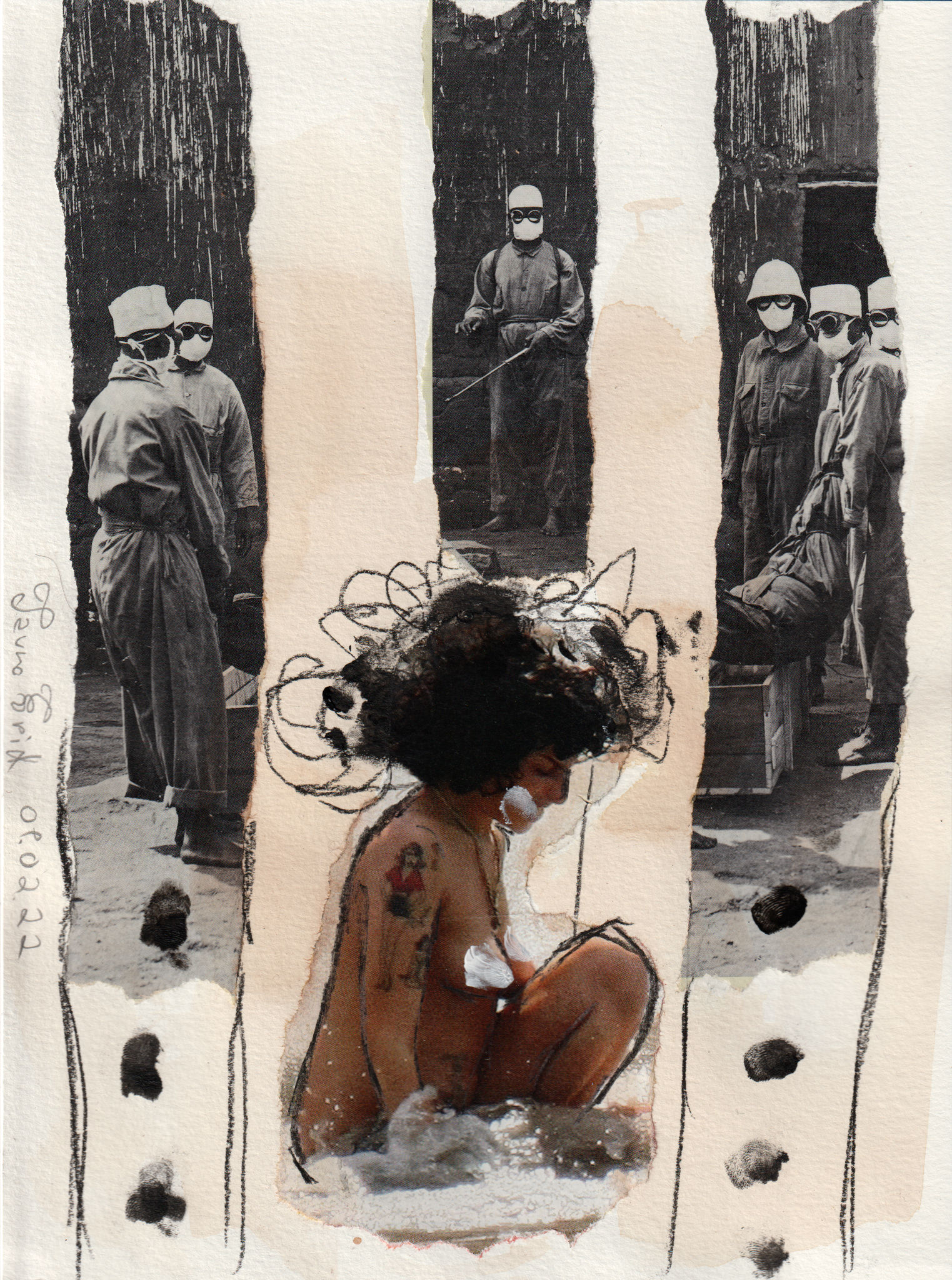
Birth of Aphrodite
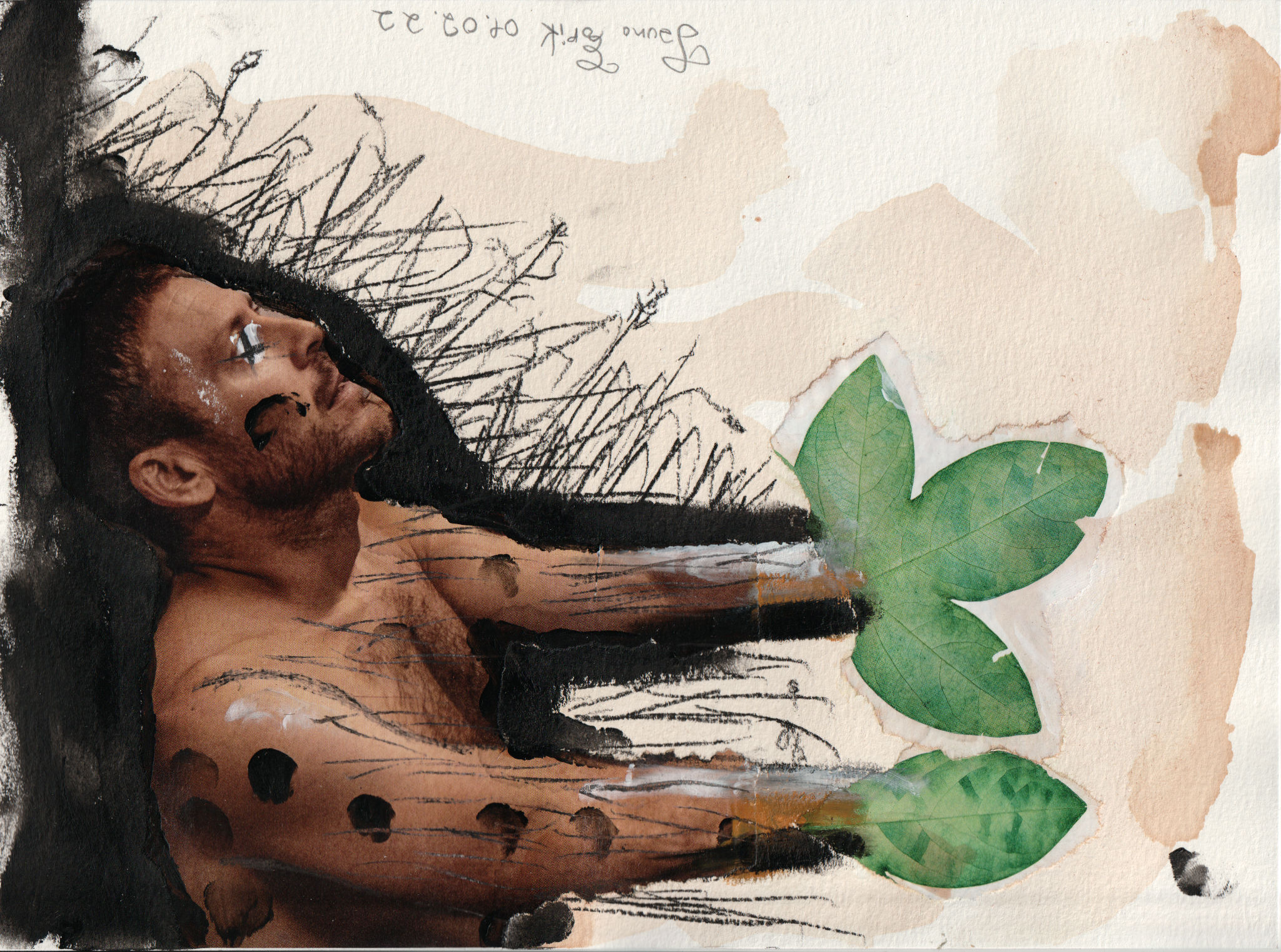
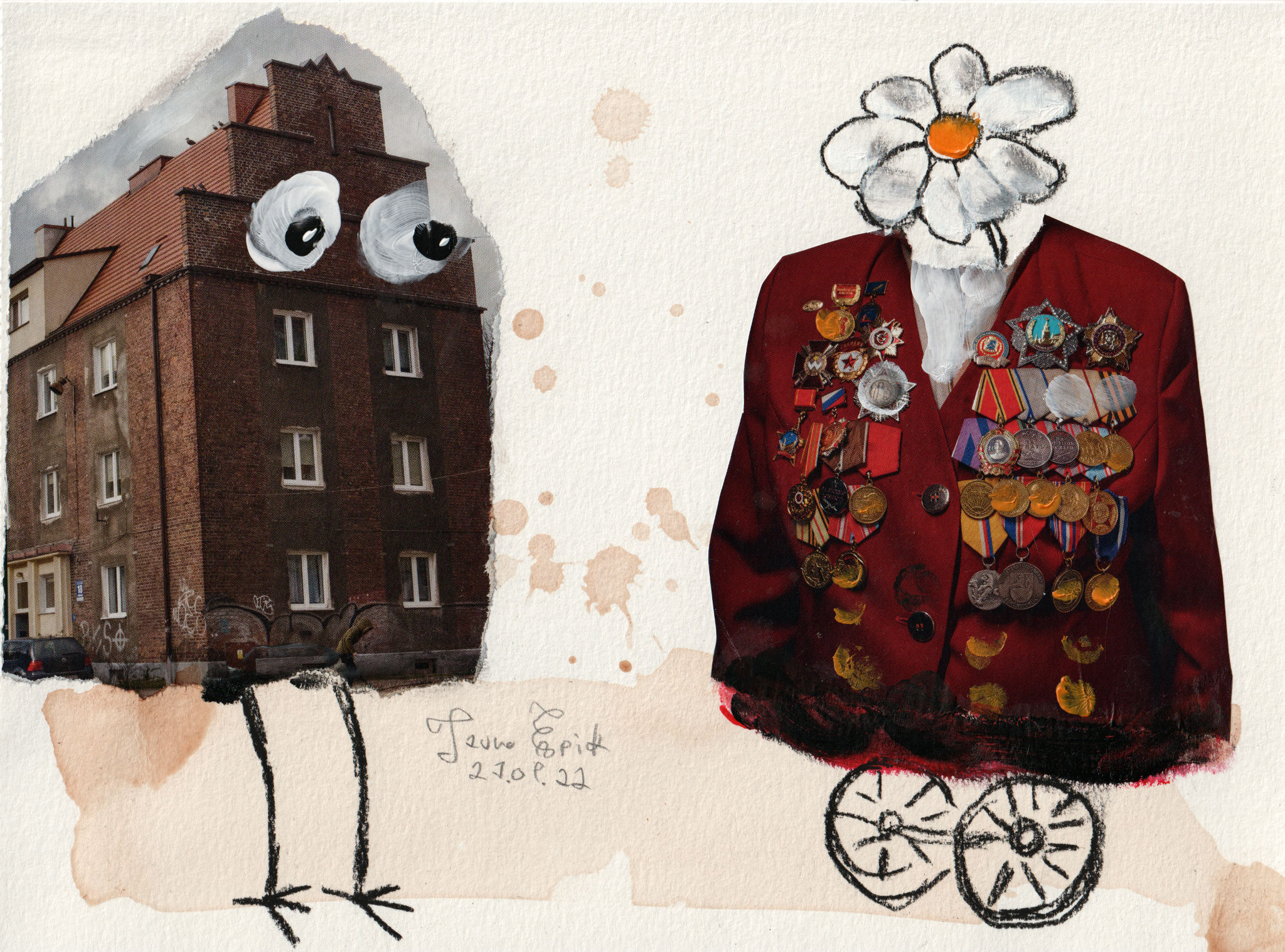
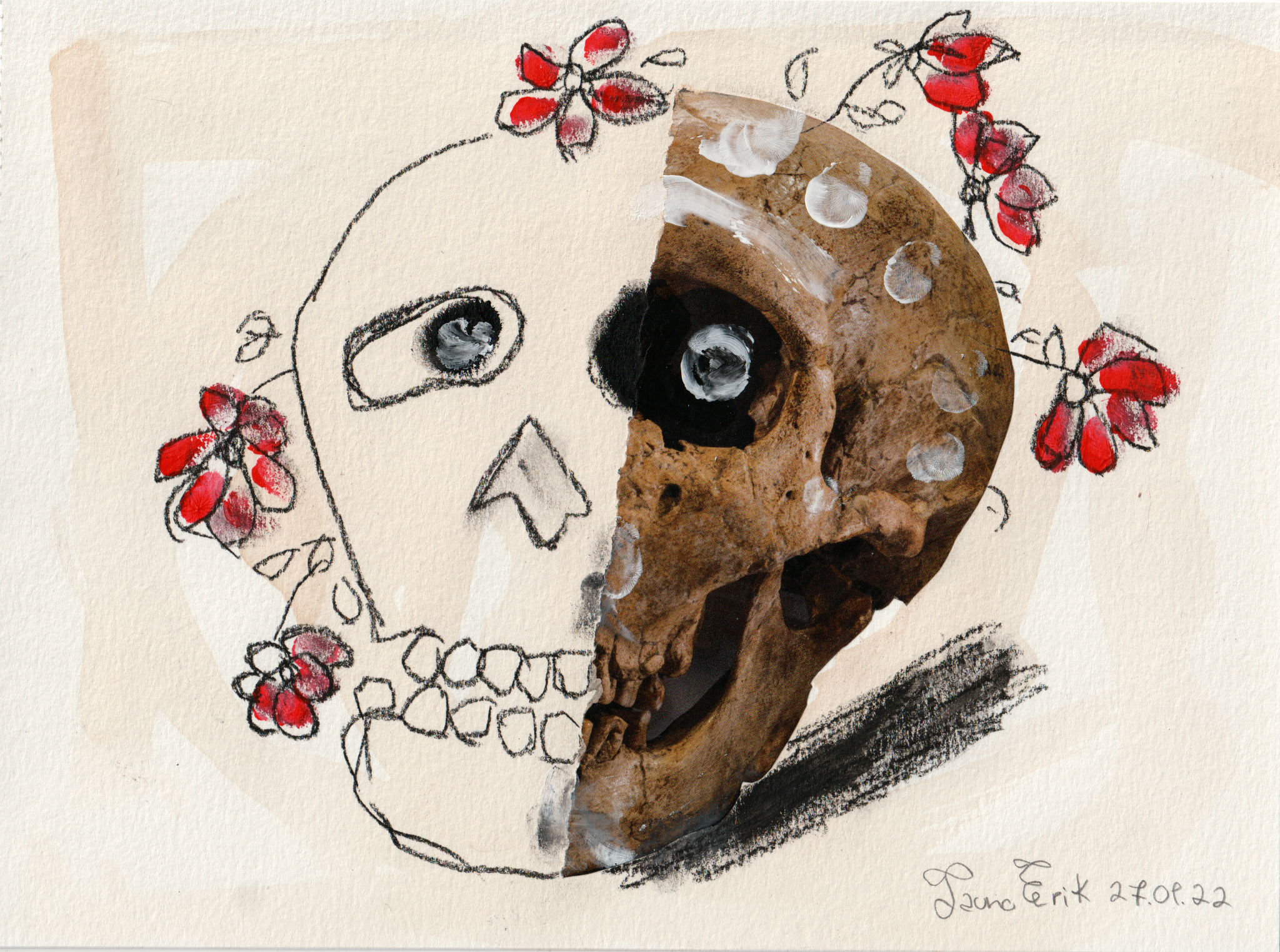
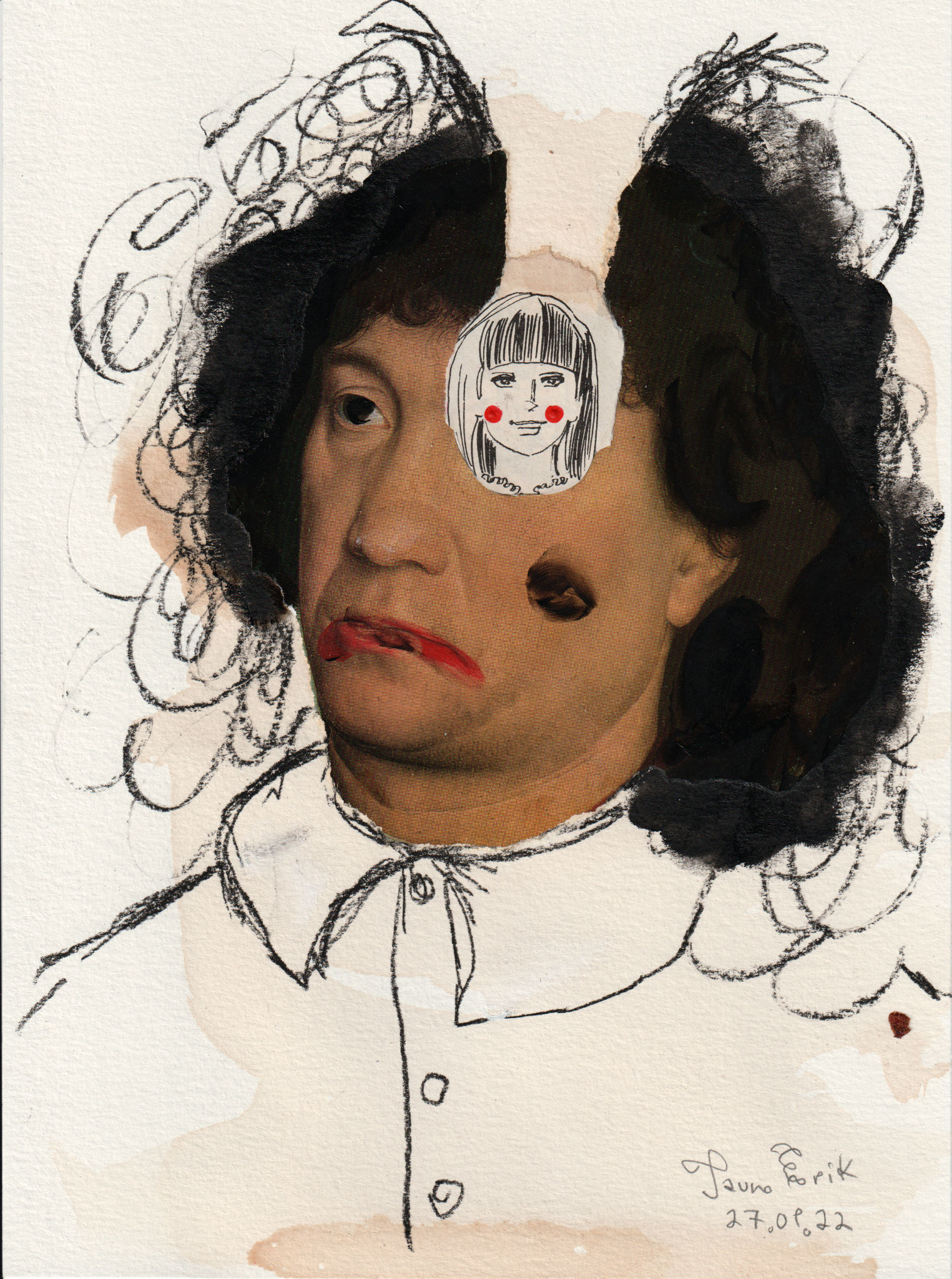
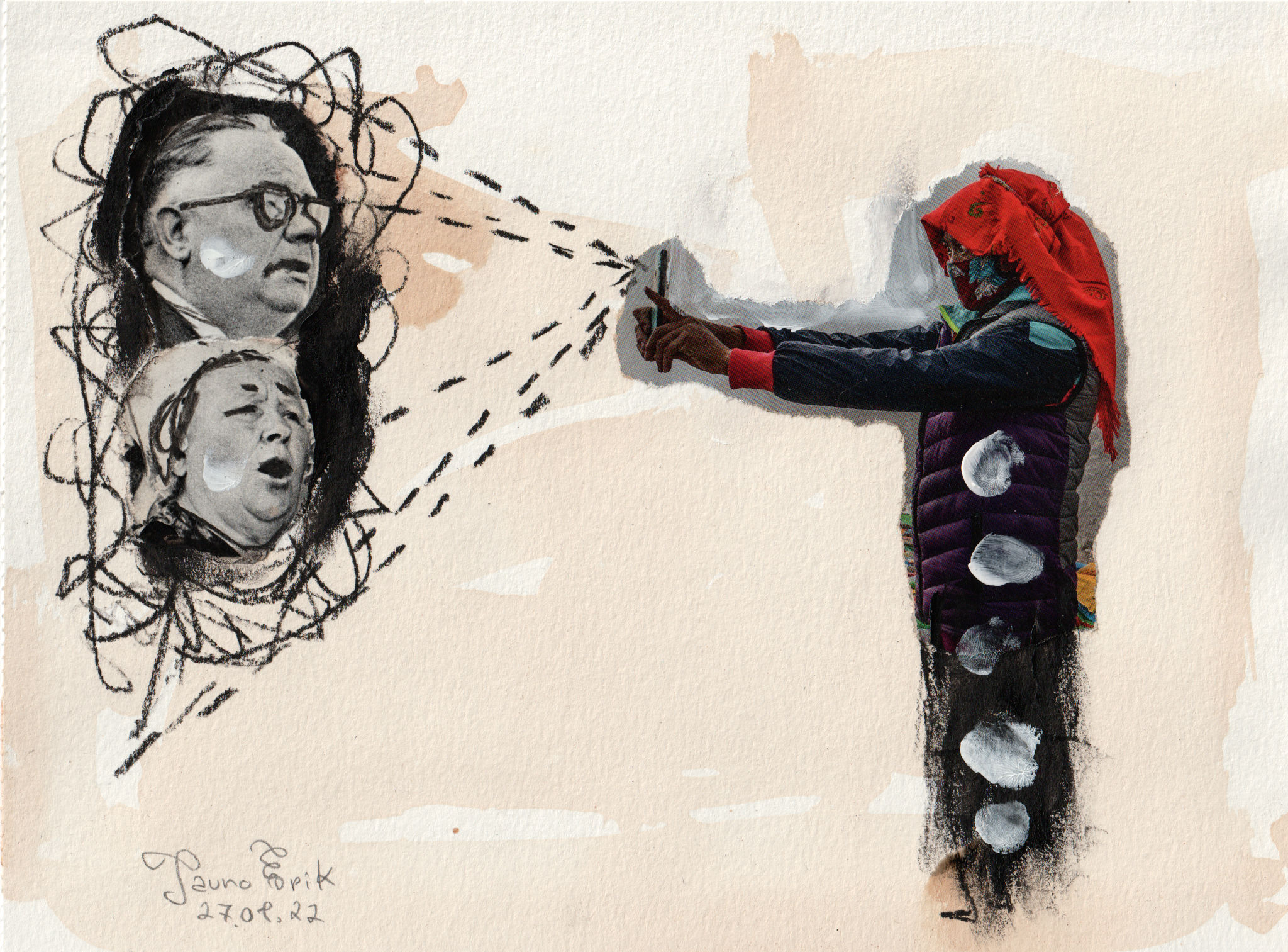
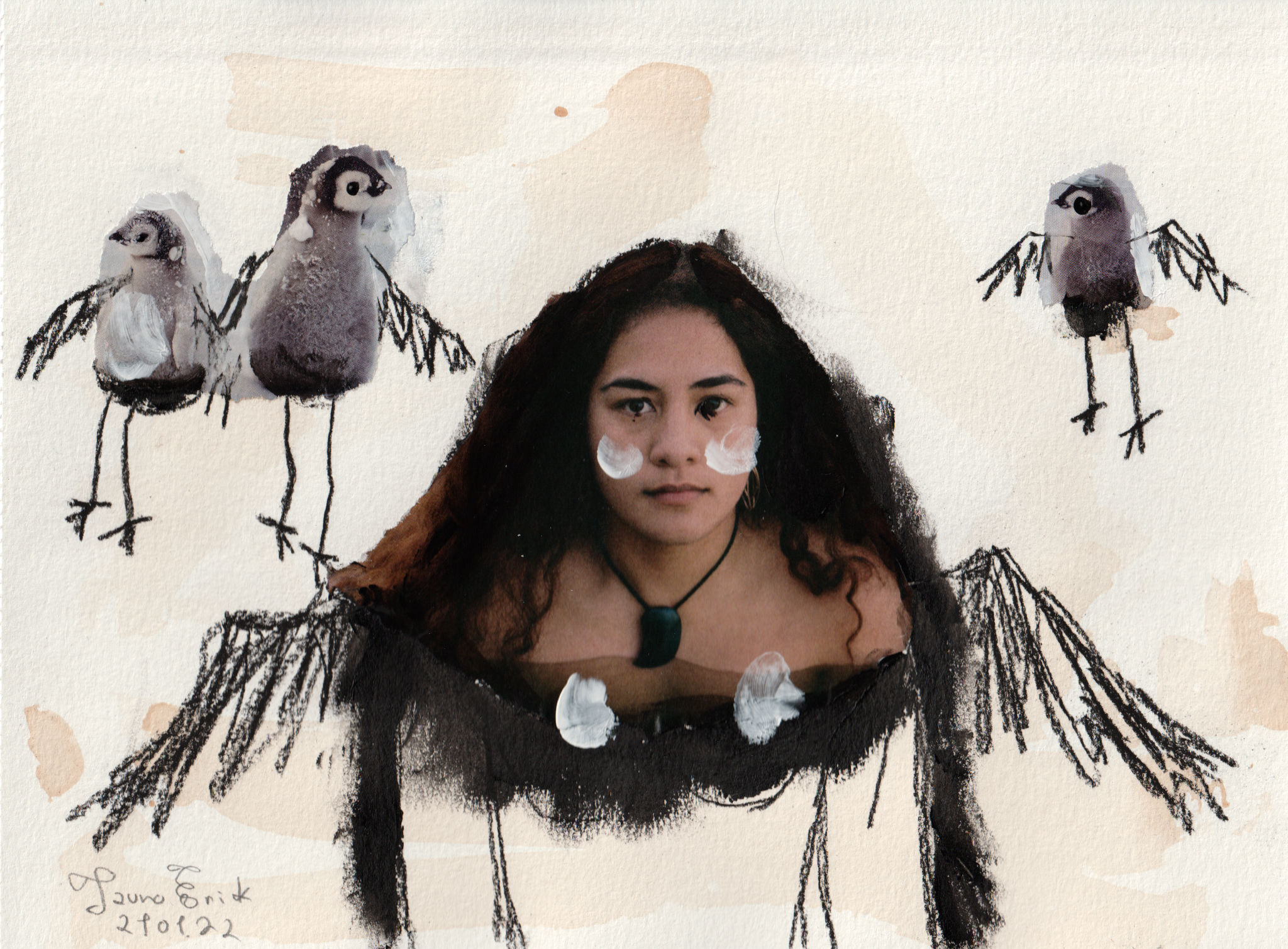
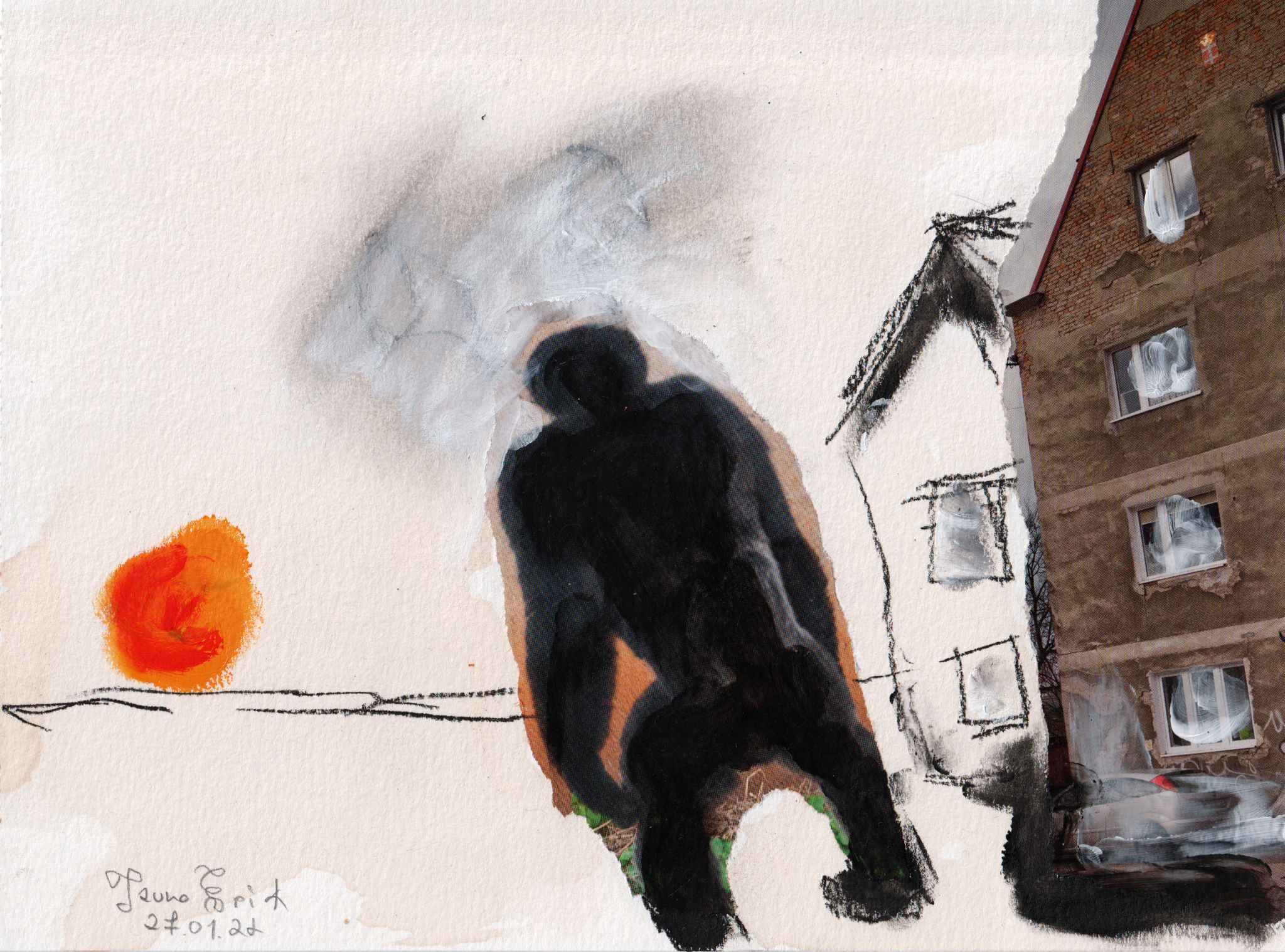
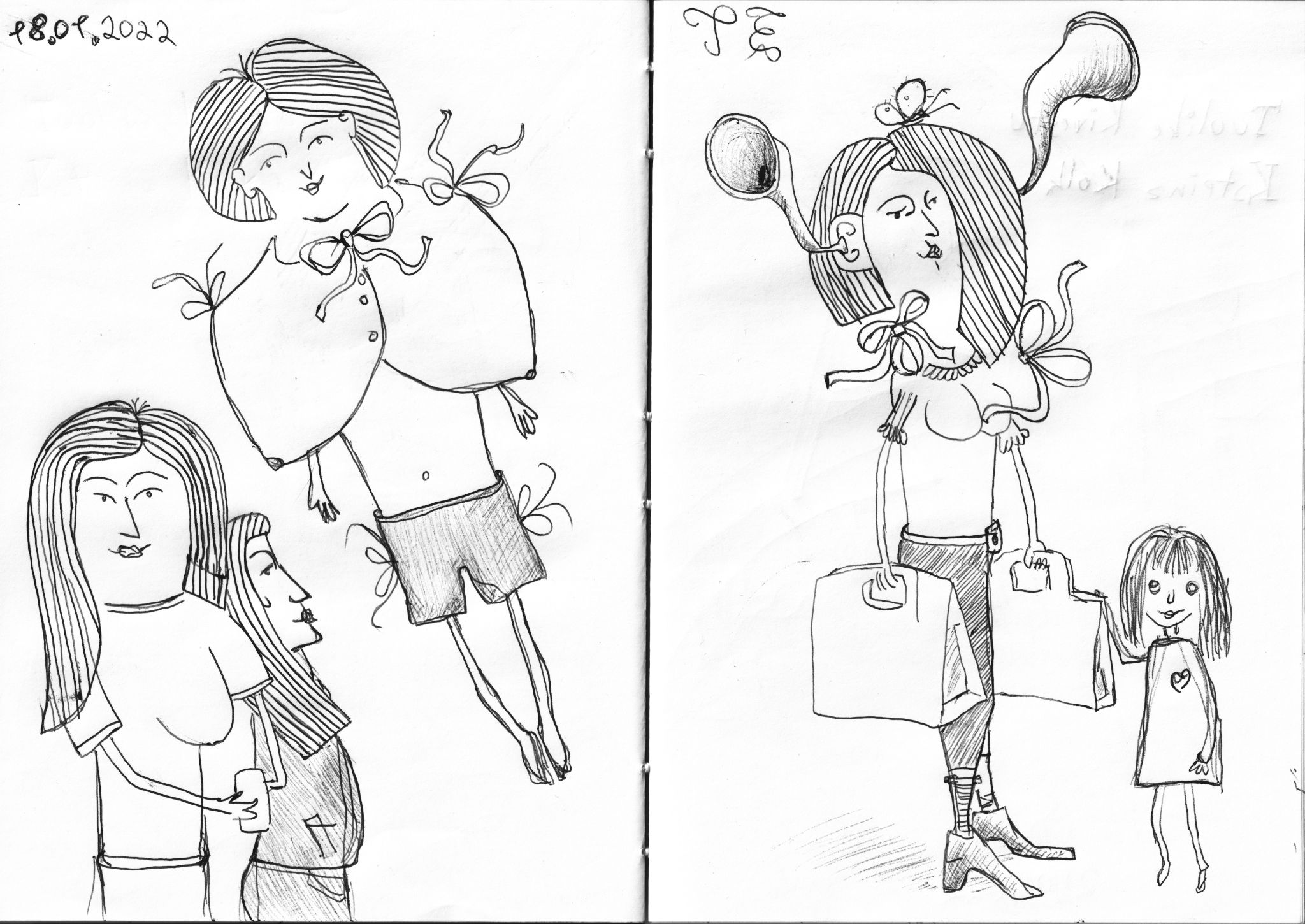
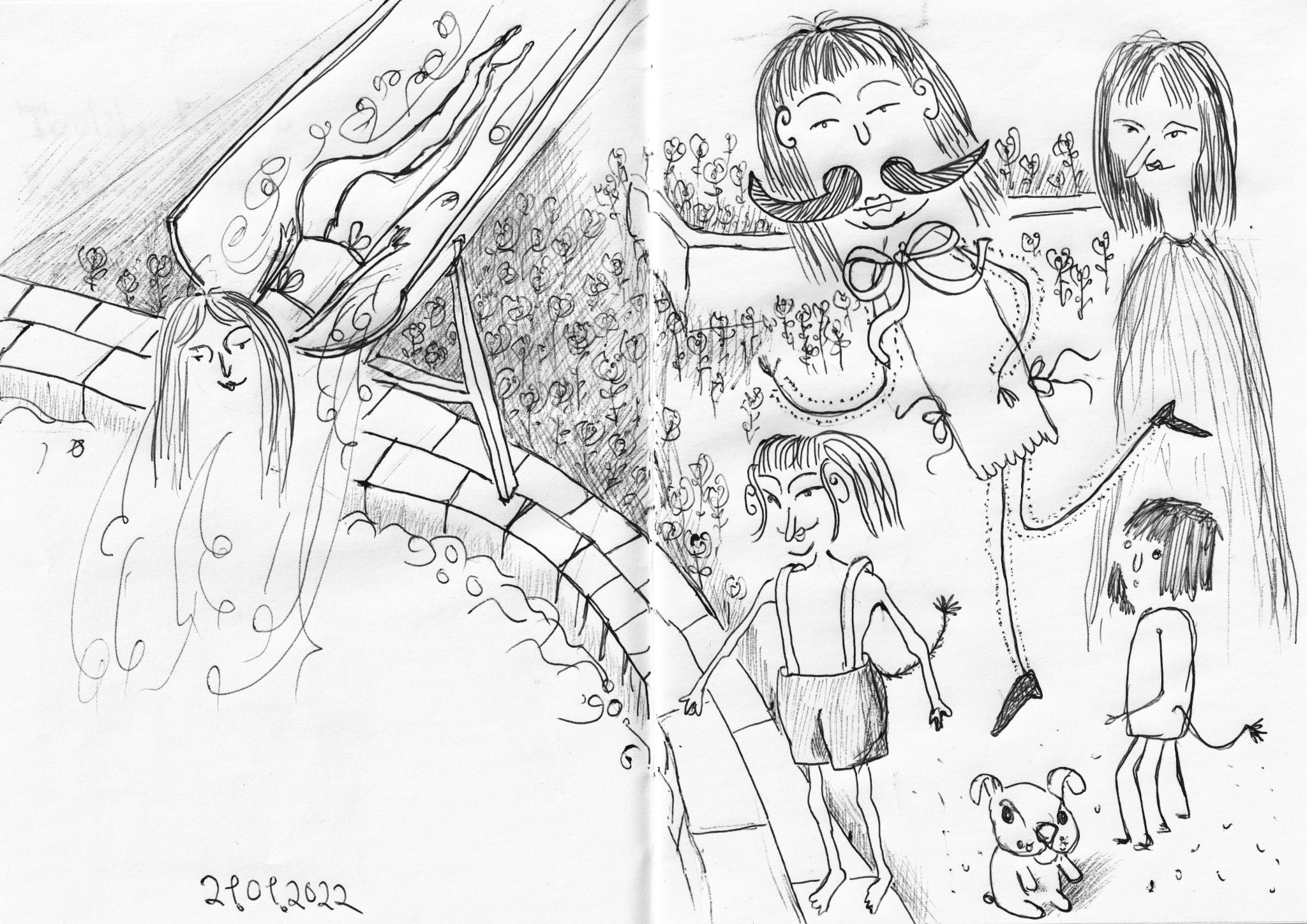
What is metadata?
Wikipedia says:
Metadata is “data that provides information about other data”, but not the content of the data, such as the text of a message or the image itself.
Simply put it is information about the author, time, content, description.
When we talk about art forgery, then what is fake? Painting is real. It can even be of better quality.
It can be a “lost” artwork made by an unknown artist. Then one day we correct the metadata and will say that it is by Dürer. And its value changes colossally. But the data (art) is the same.
It applies the same way to analogue and digital art and to NTFS.
BBC One documentary series “Fake or Fortune”.
It was a cold day.
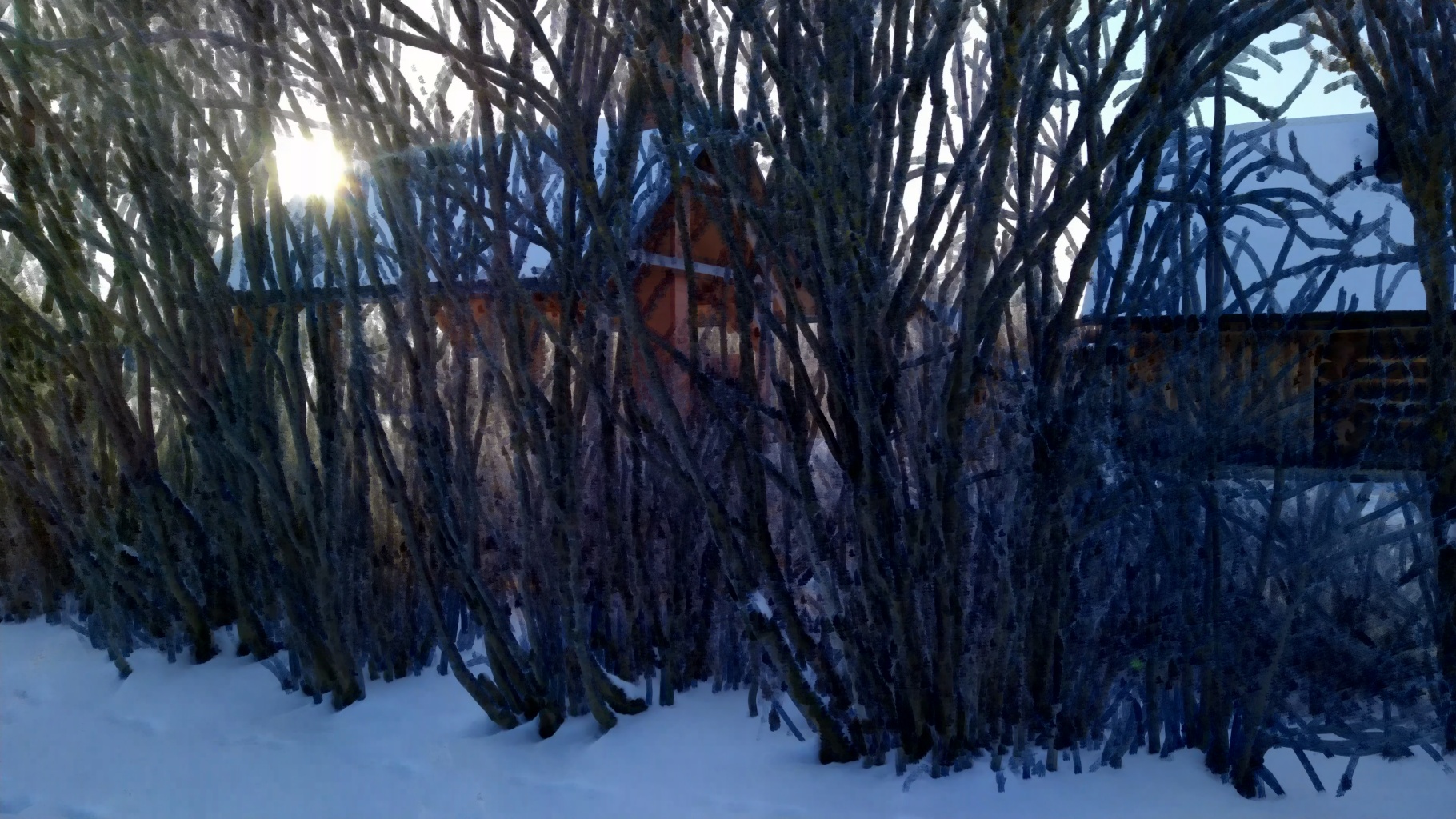
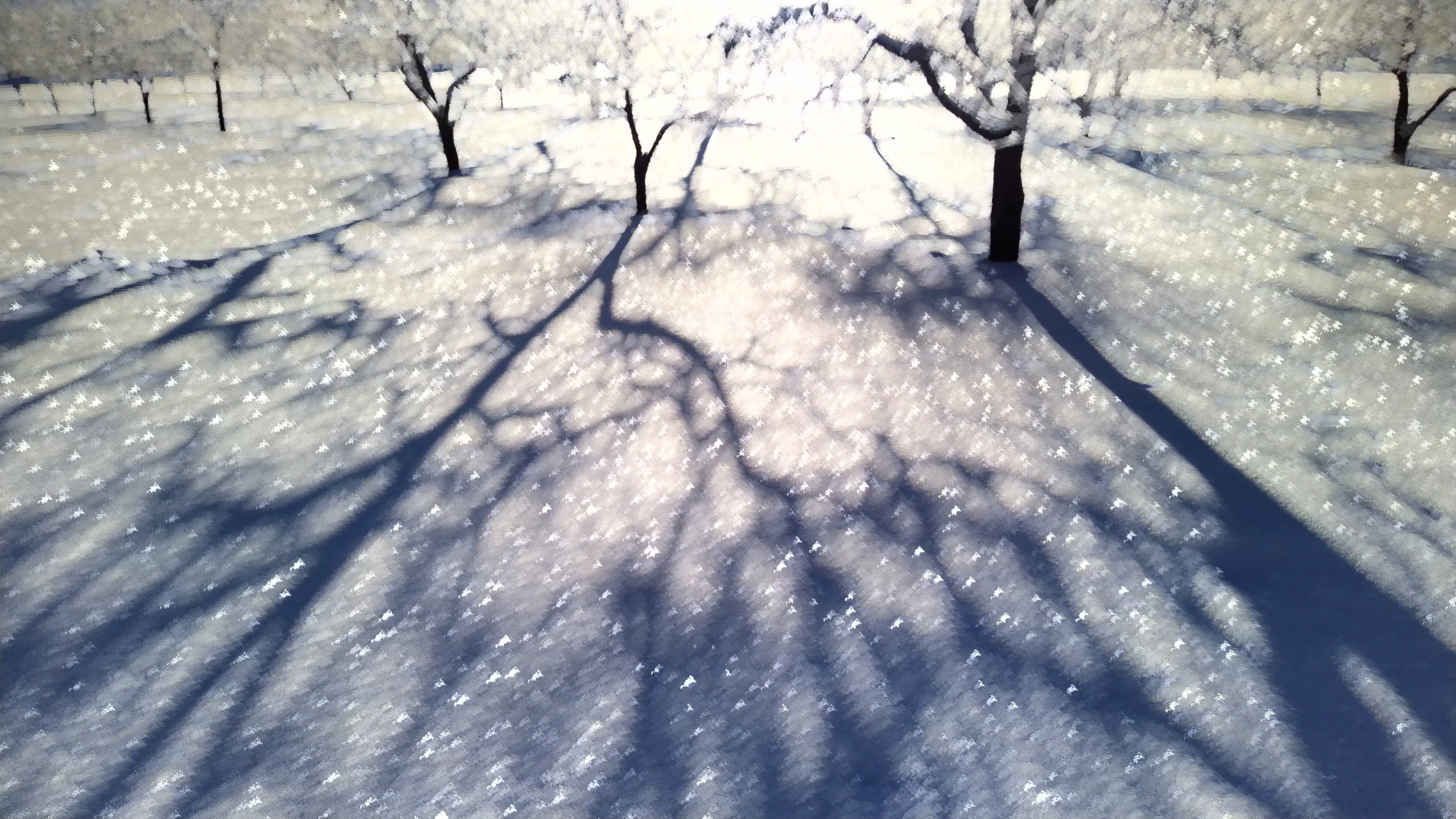
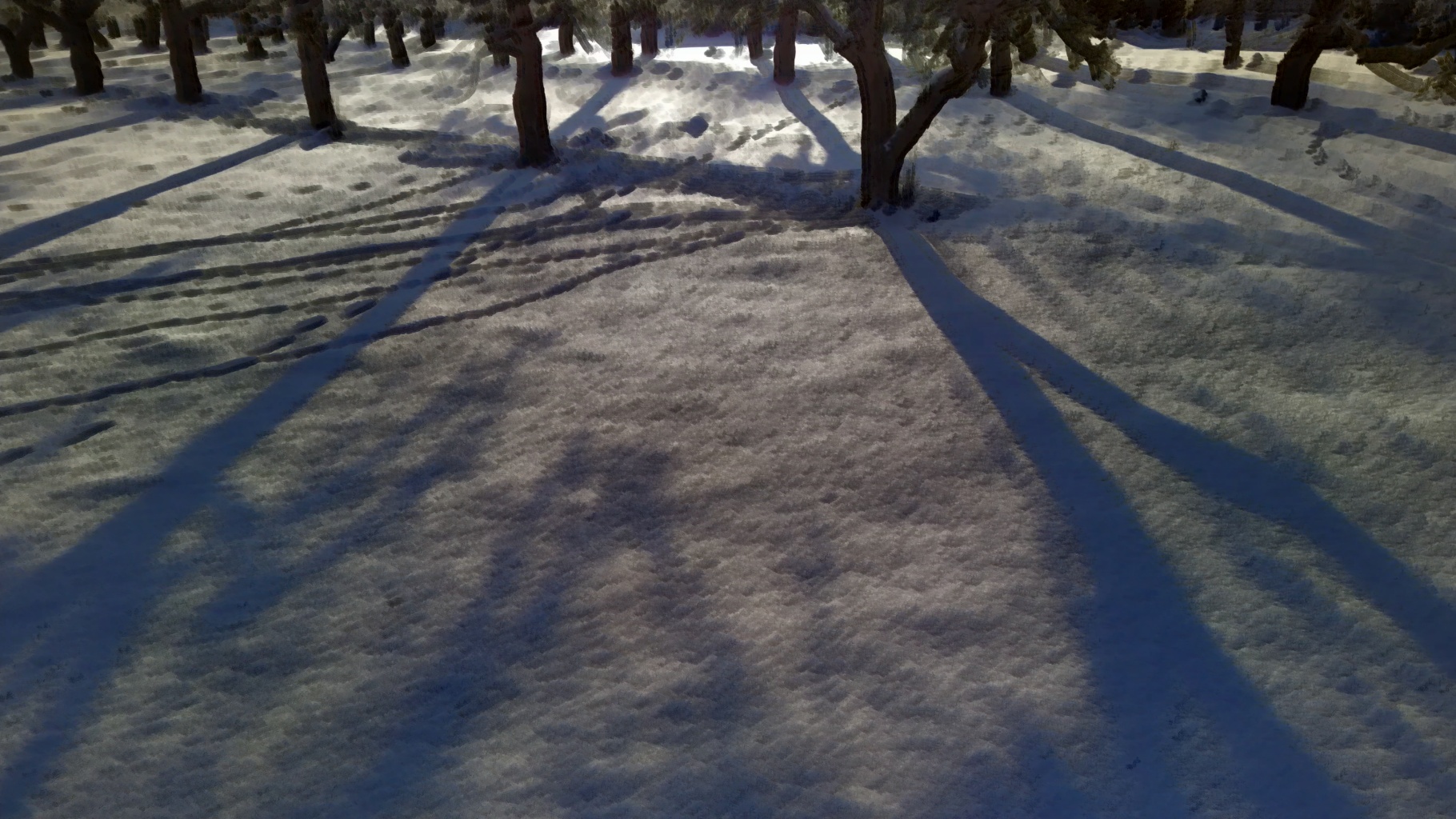
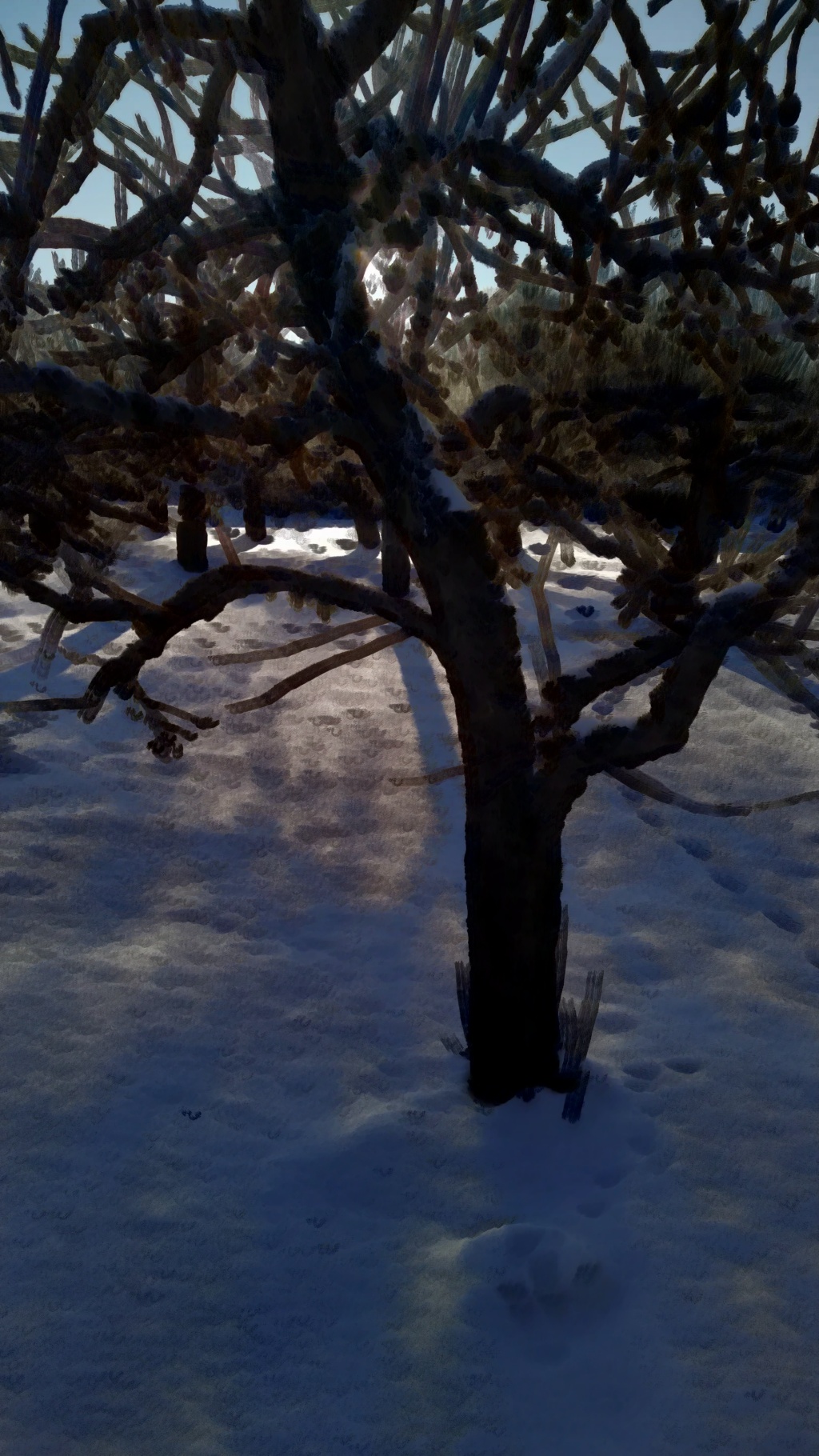
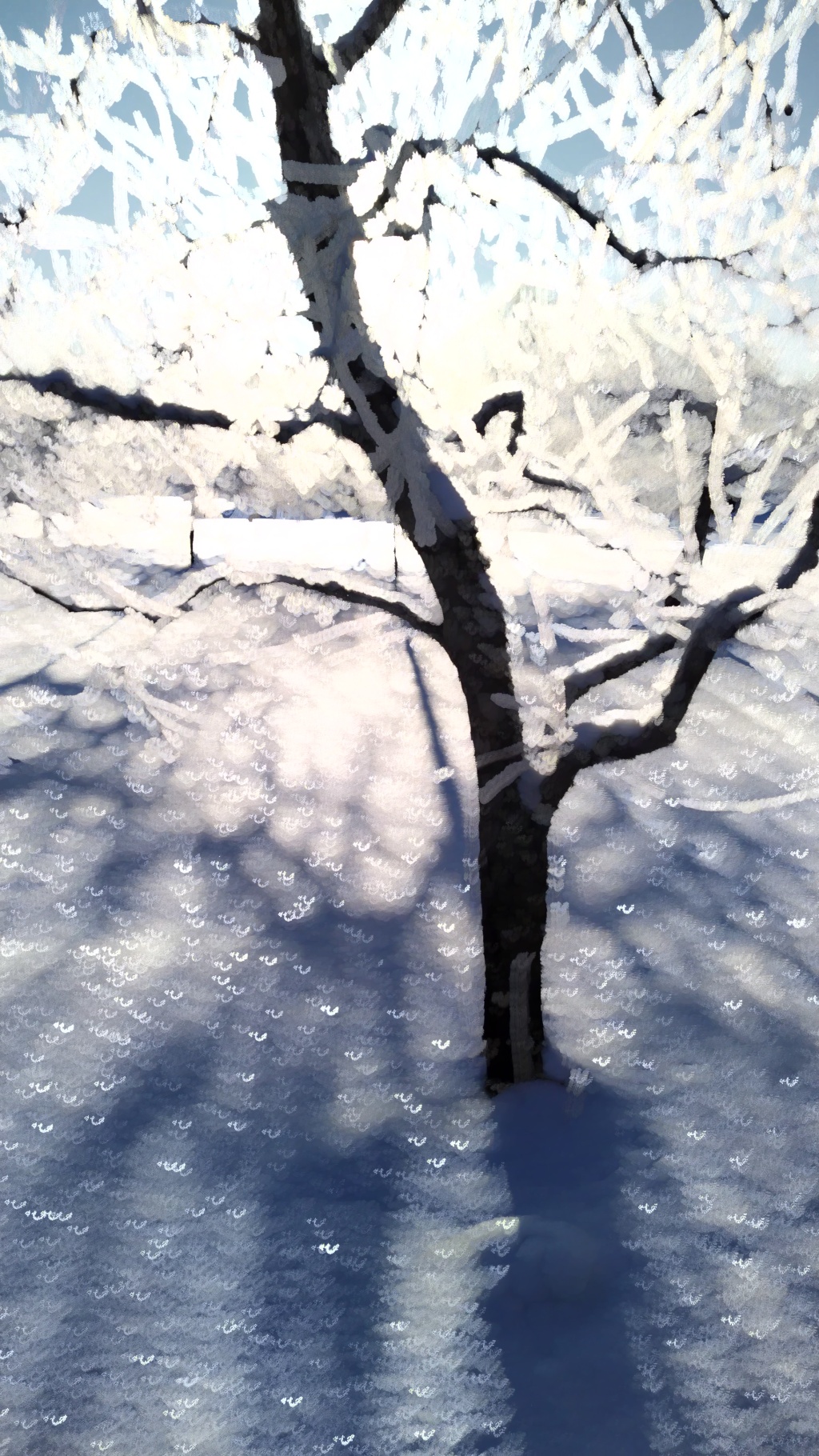
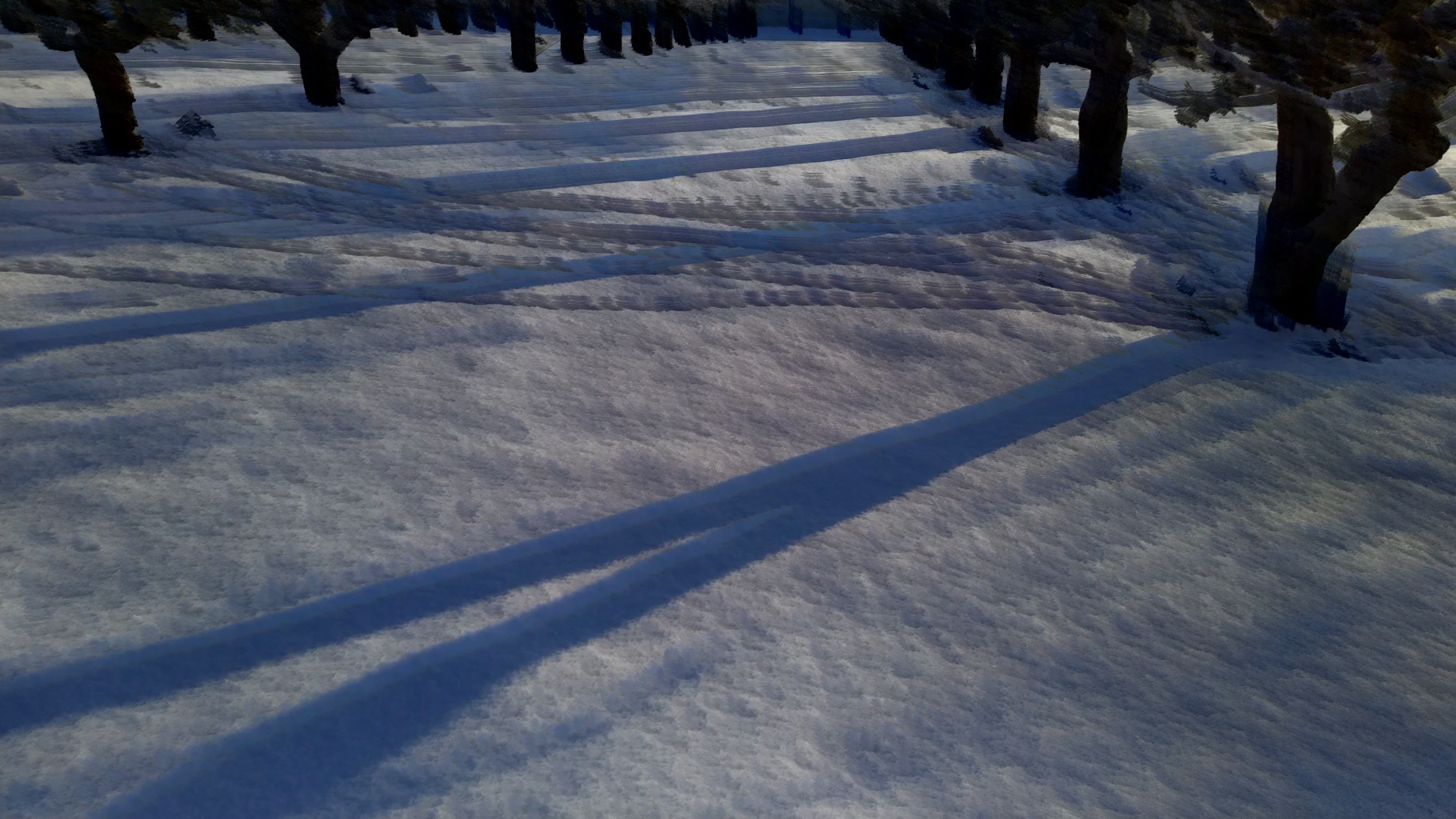
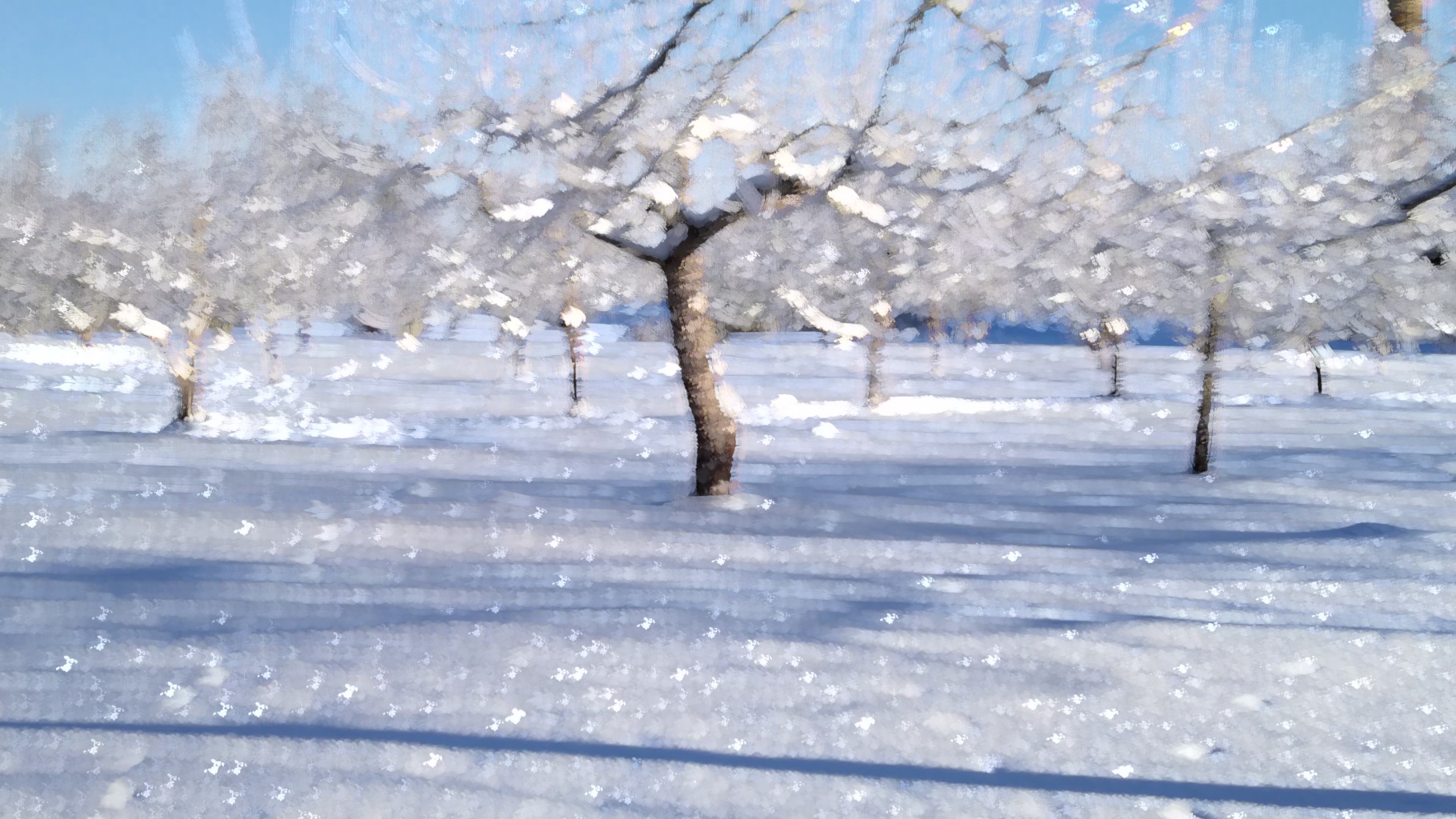
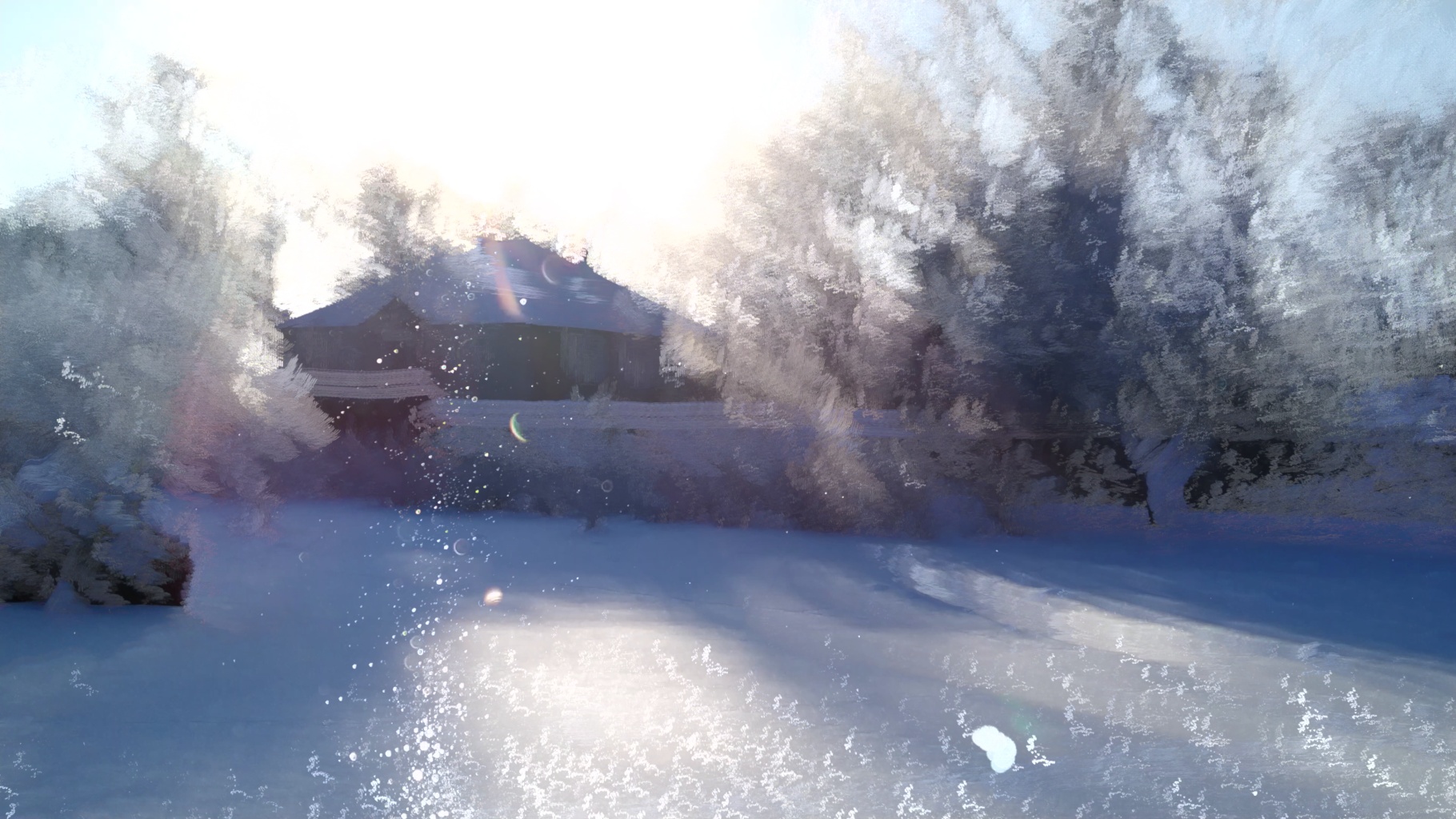
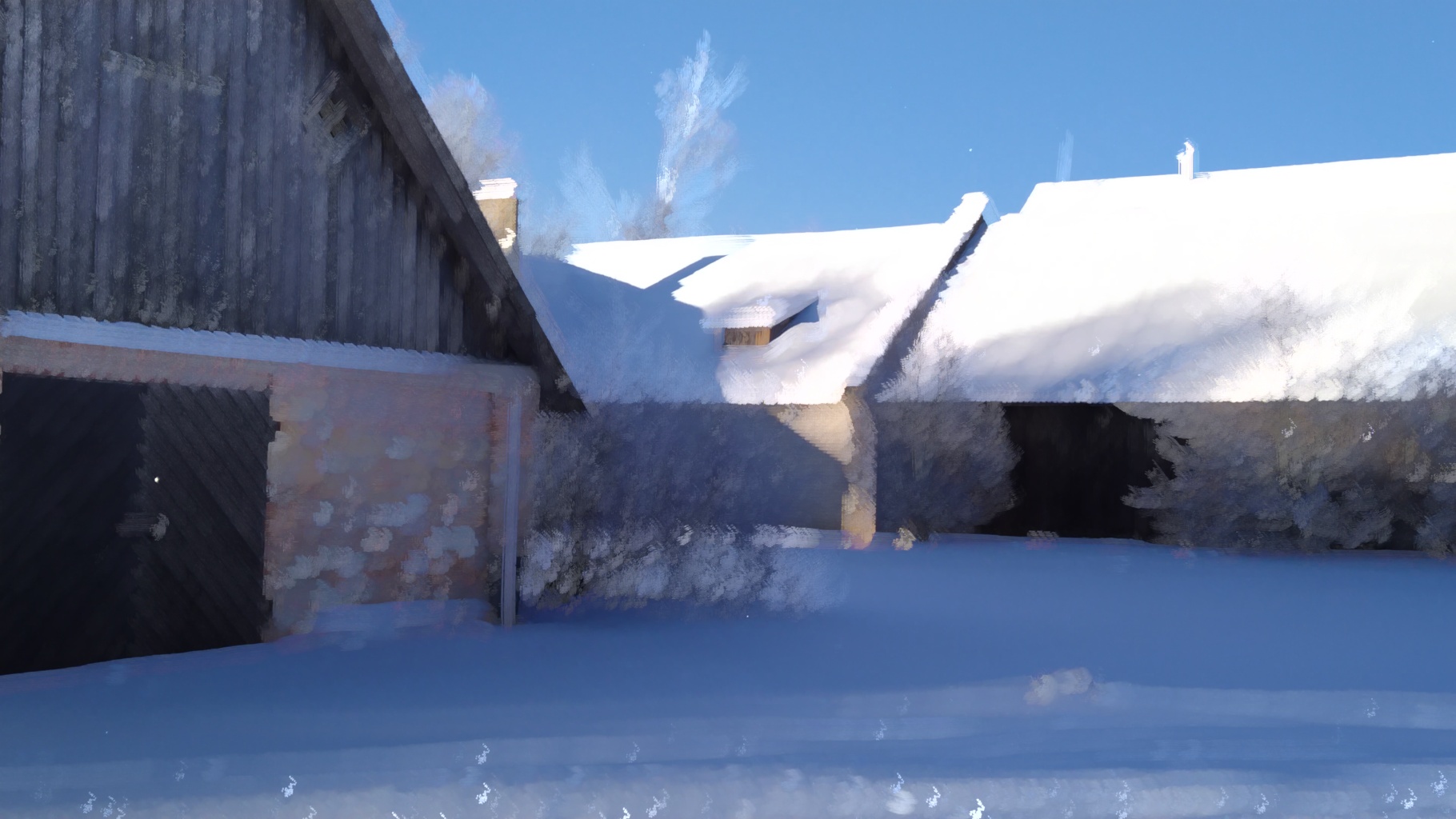
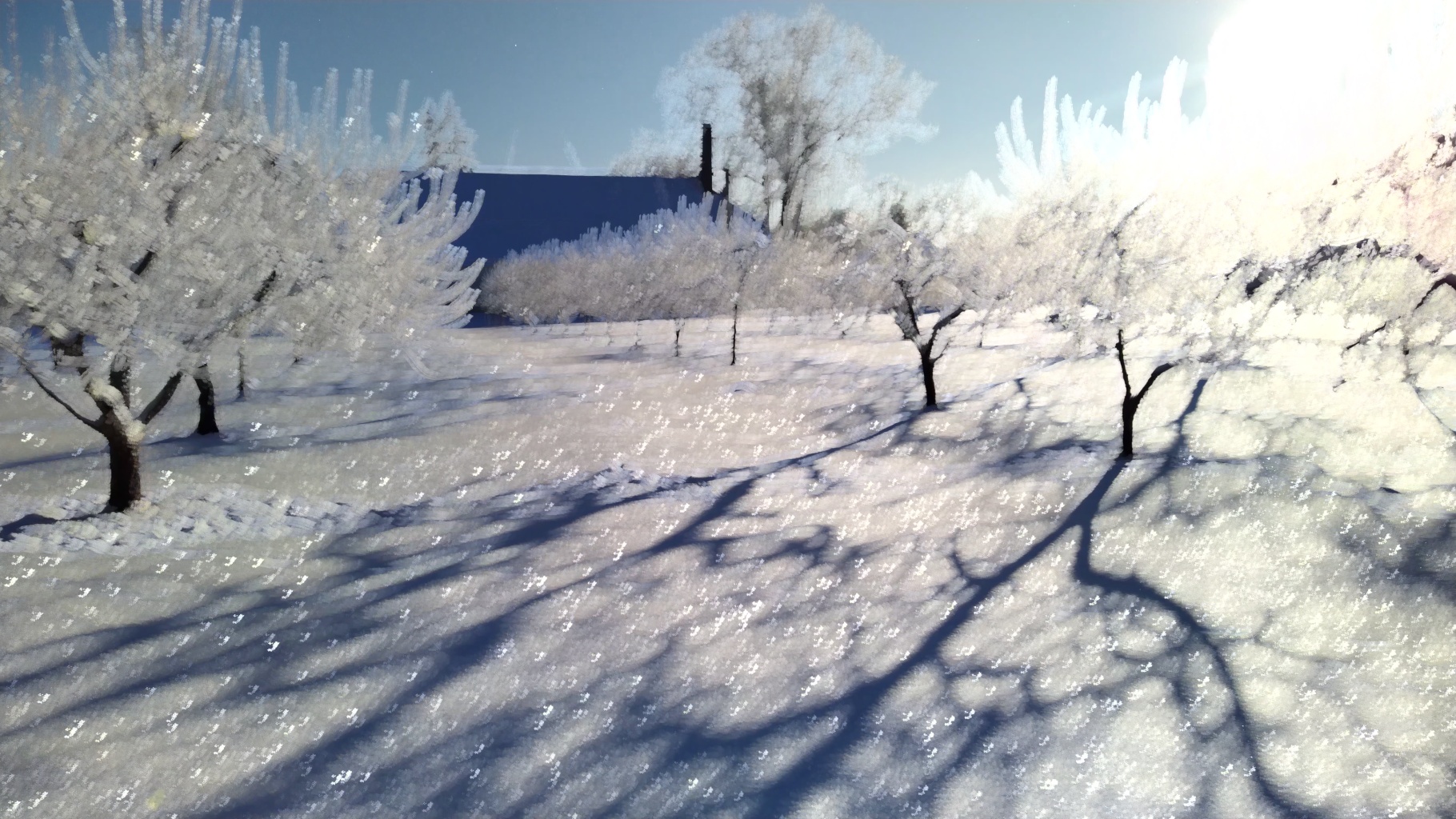
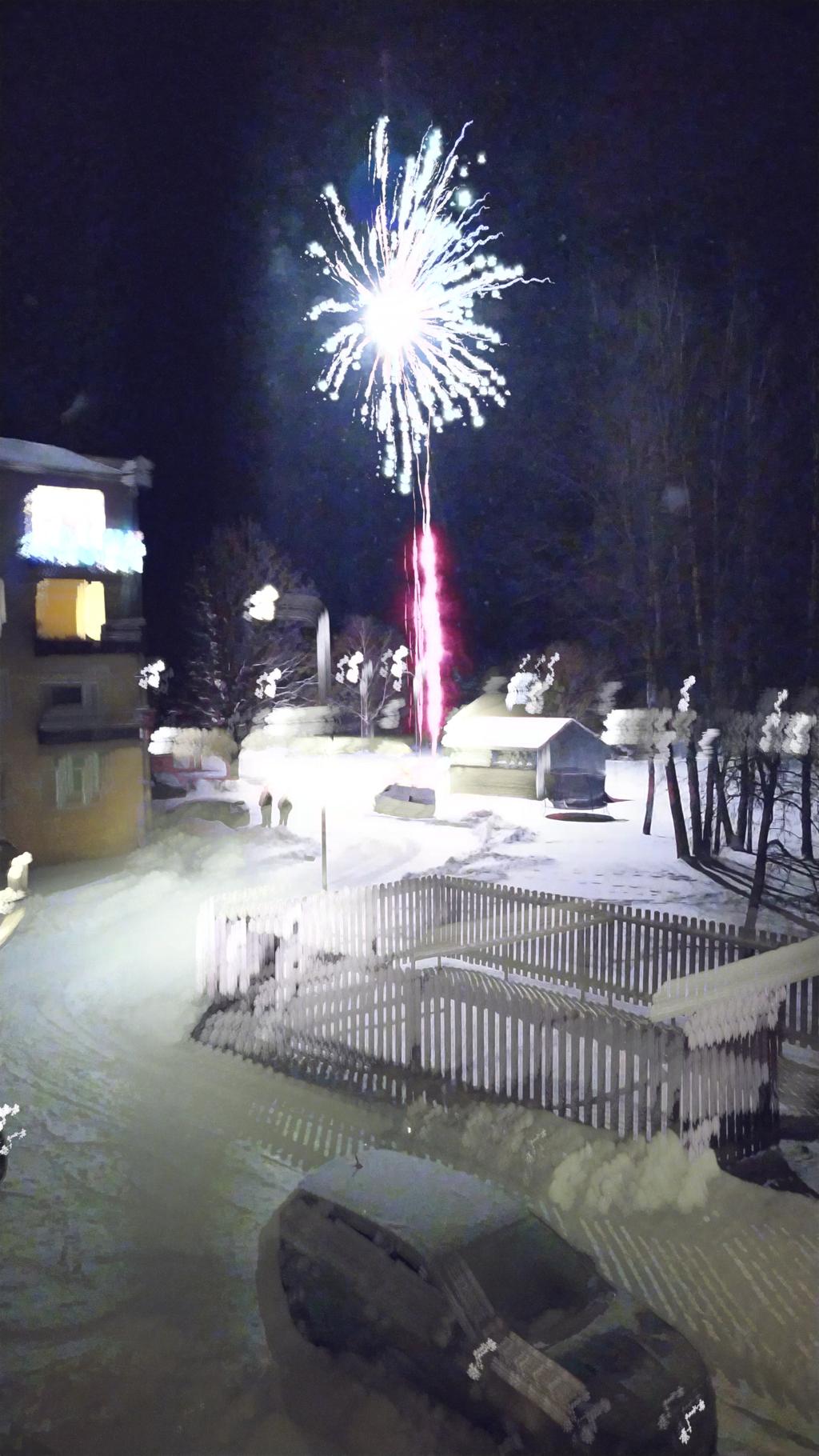
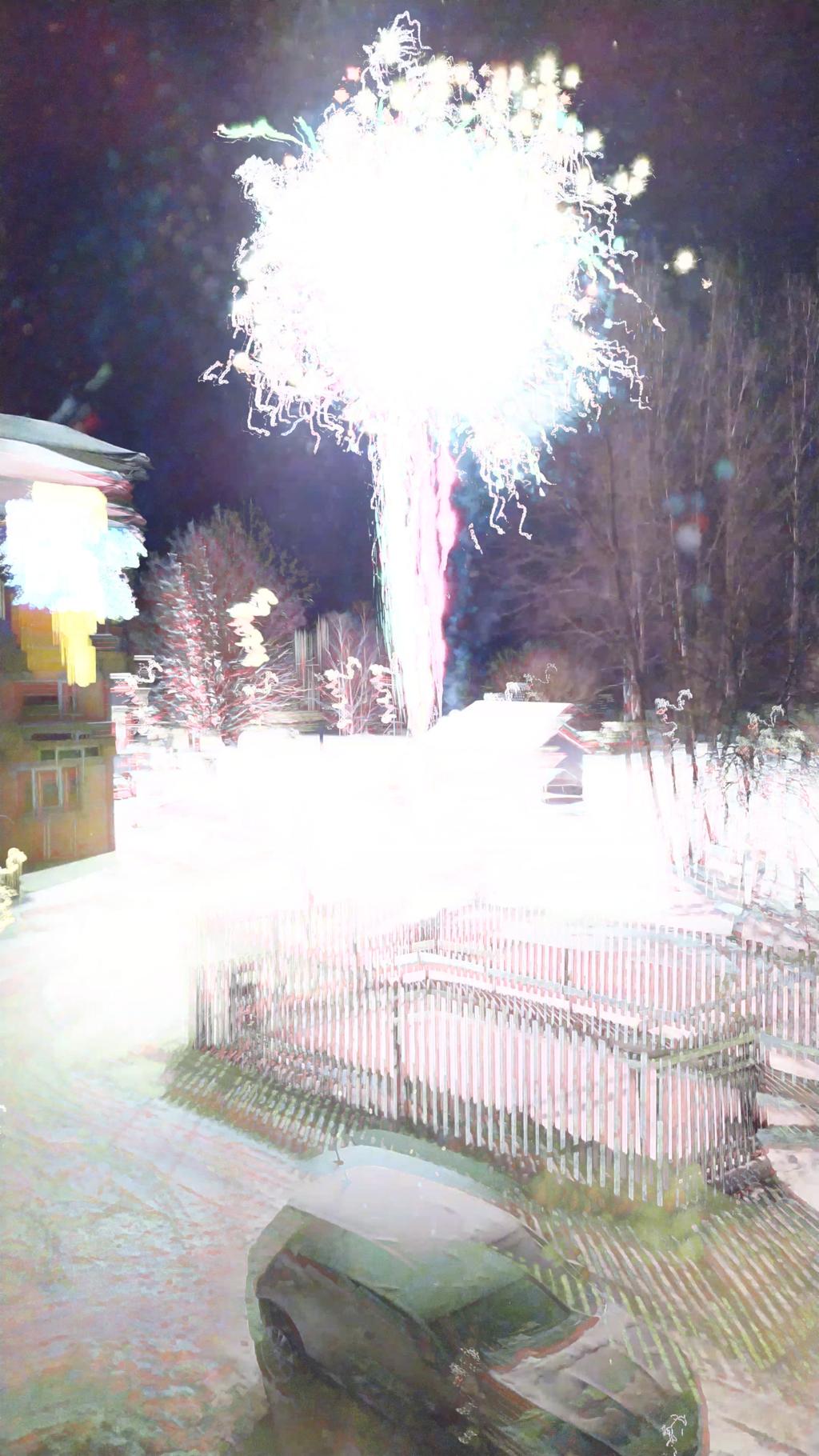
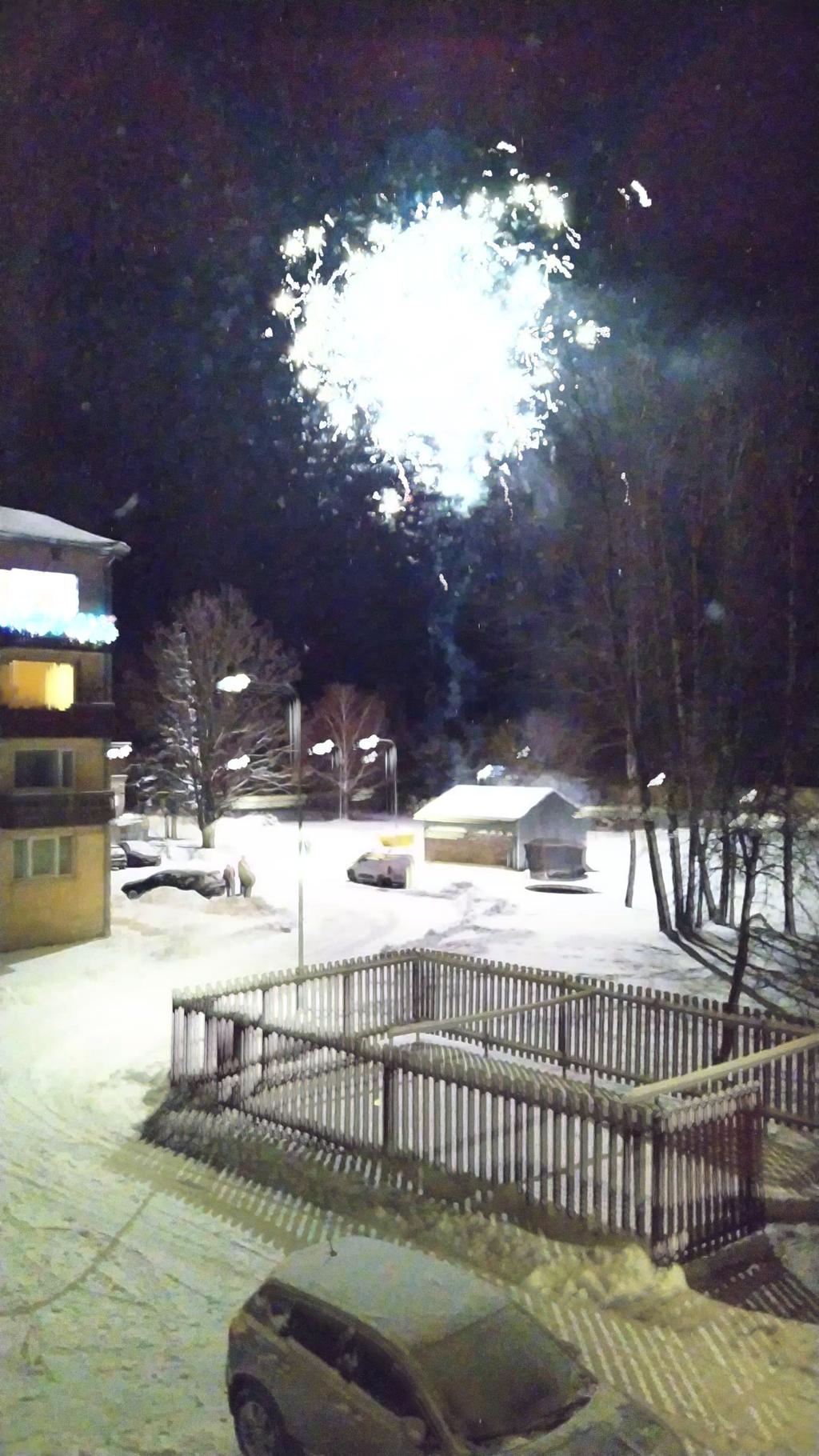
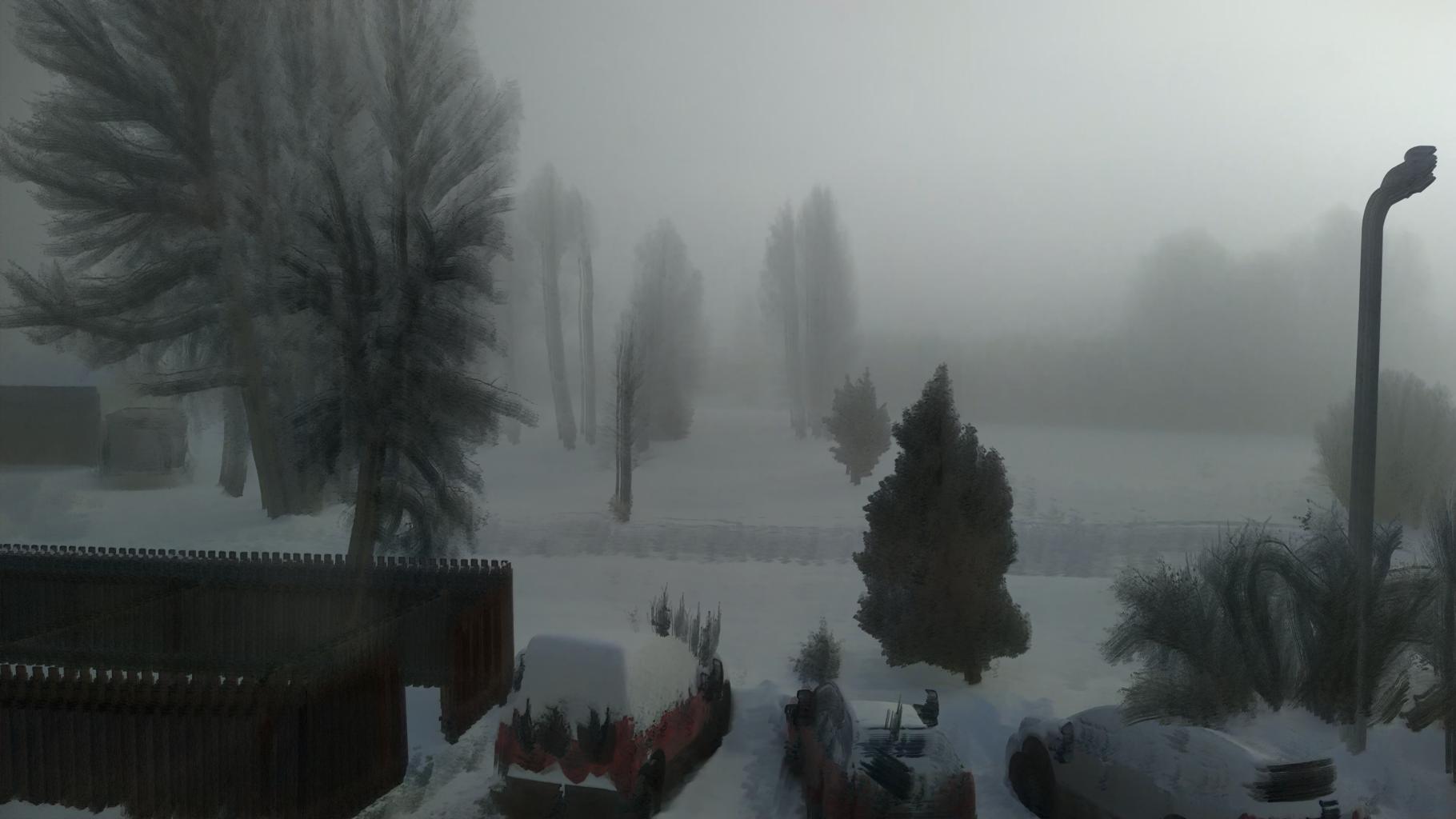
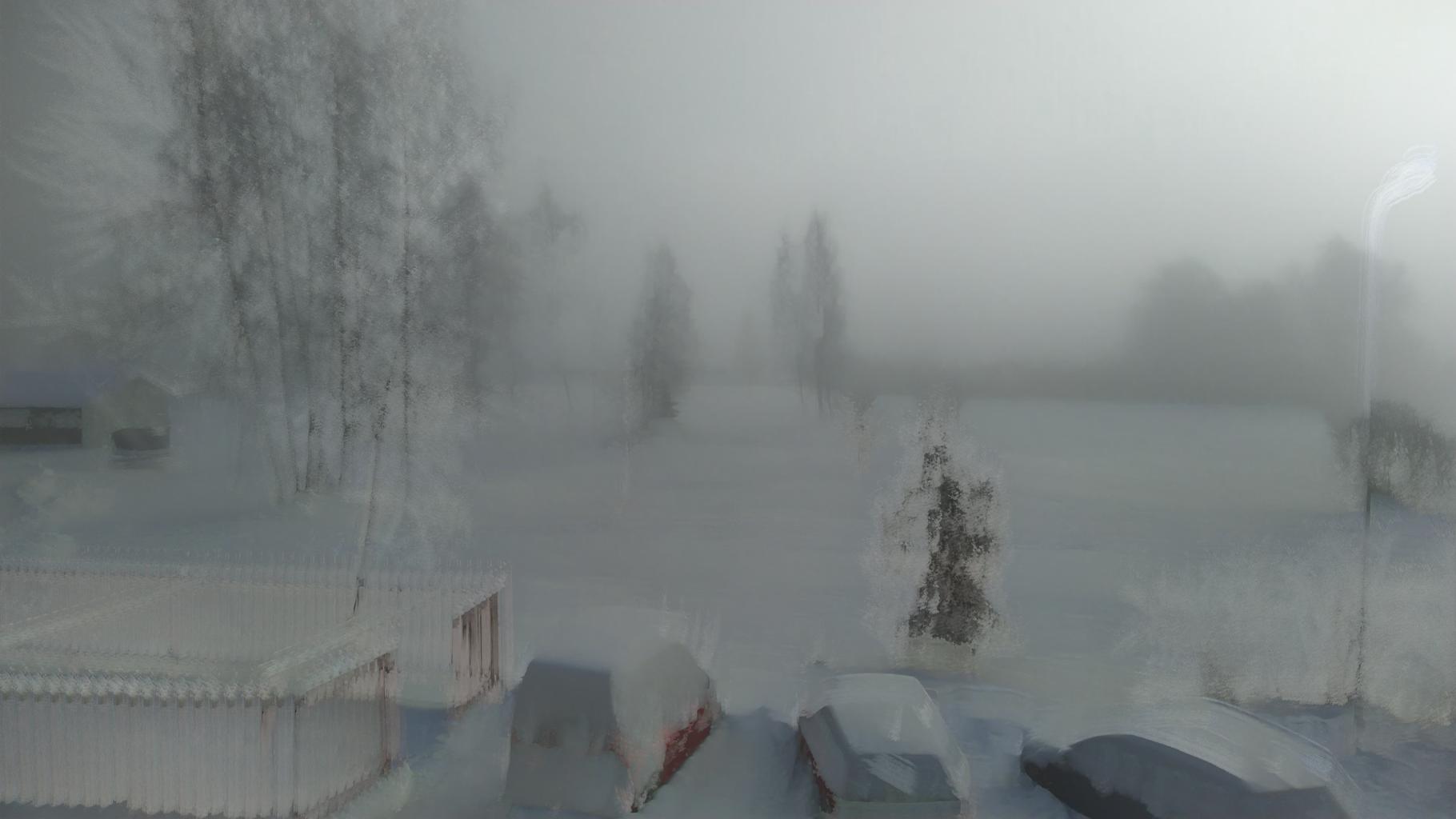
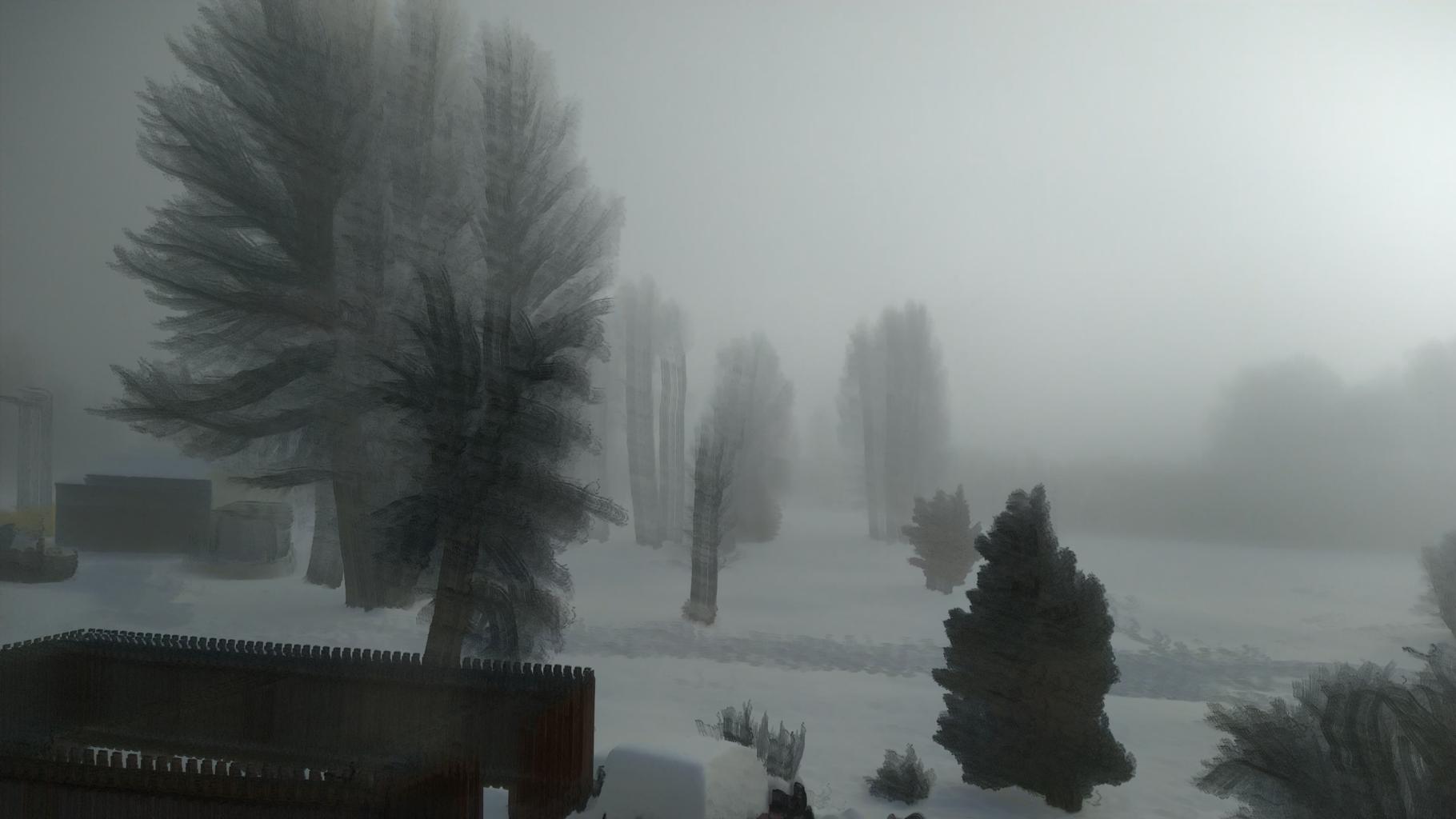
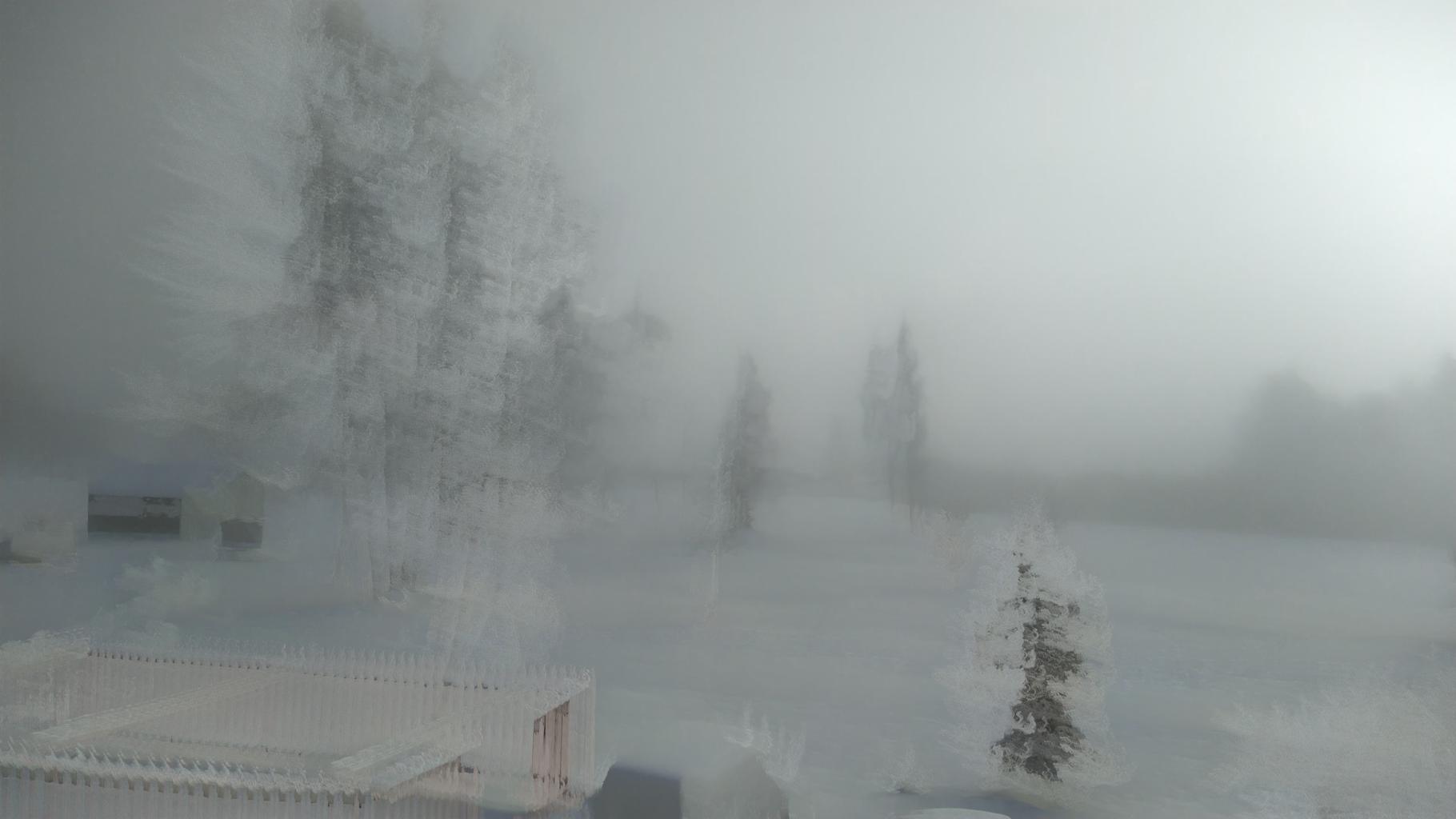
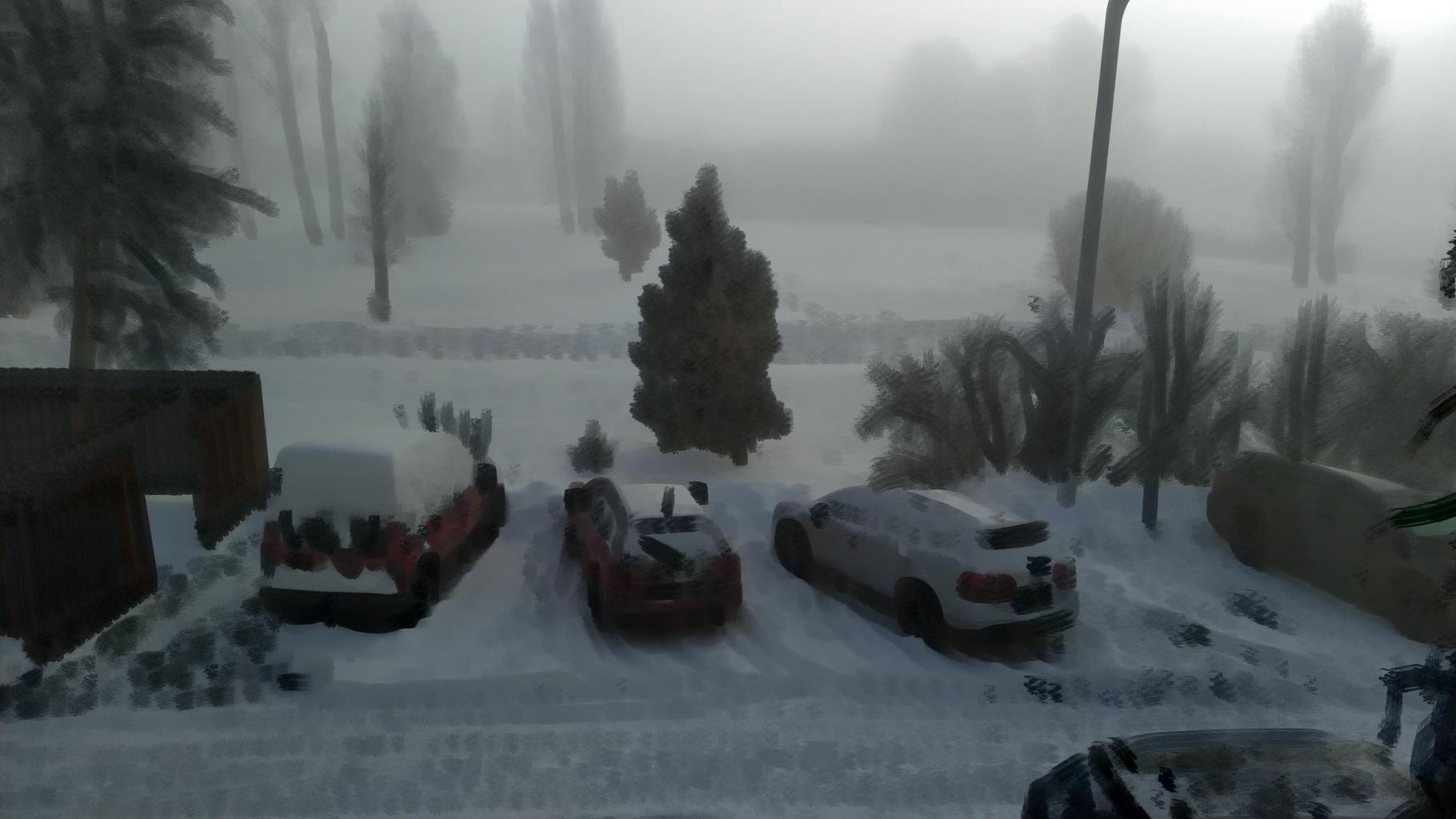
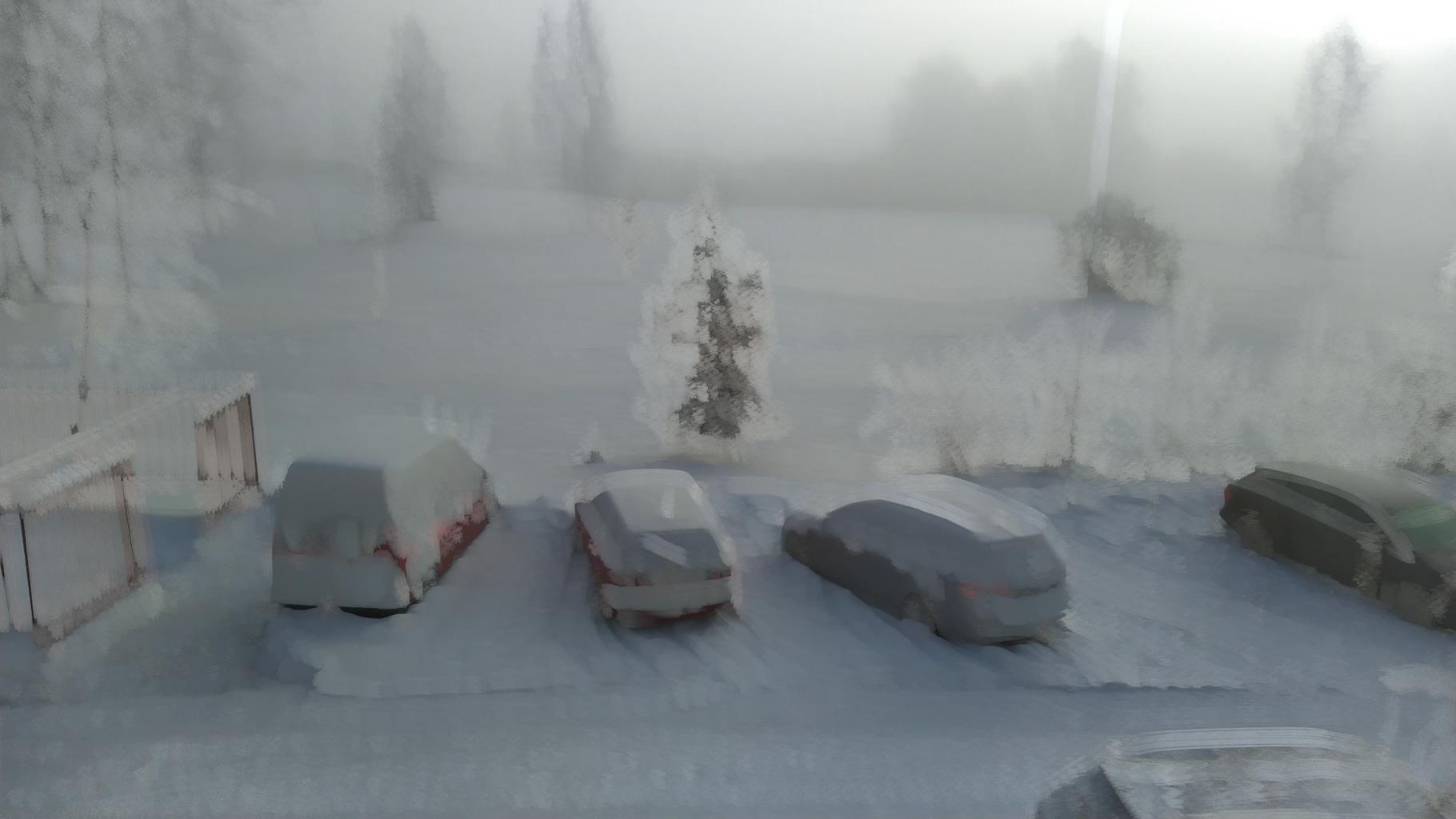
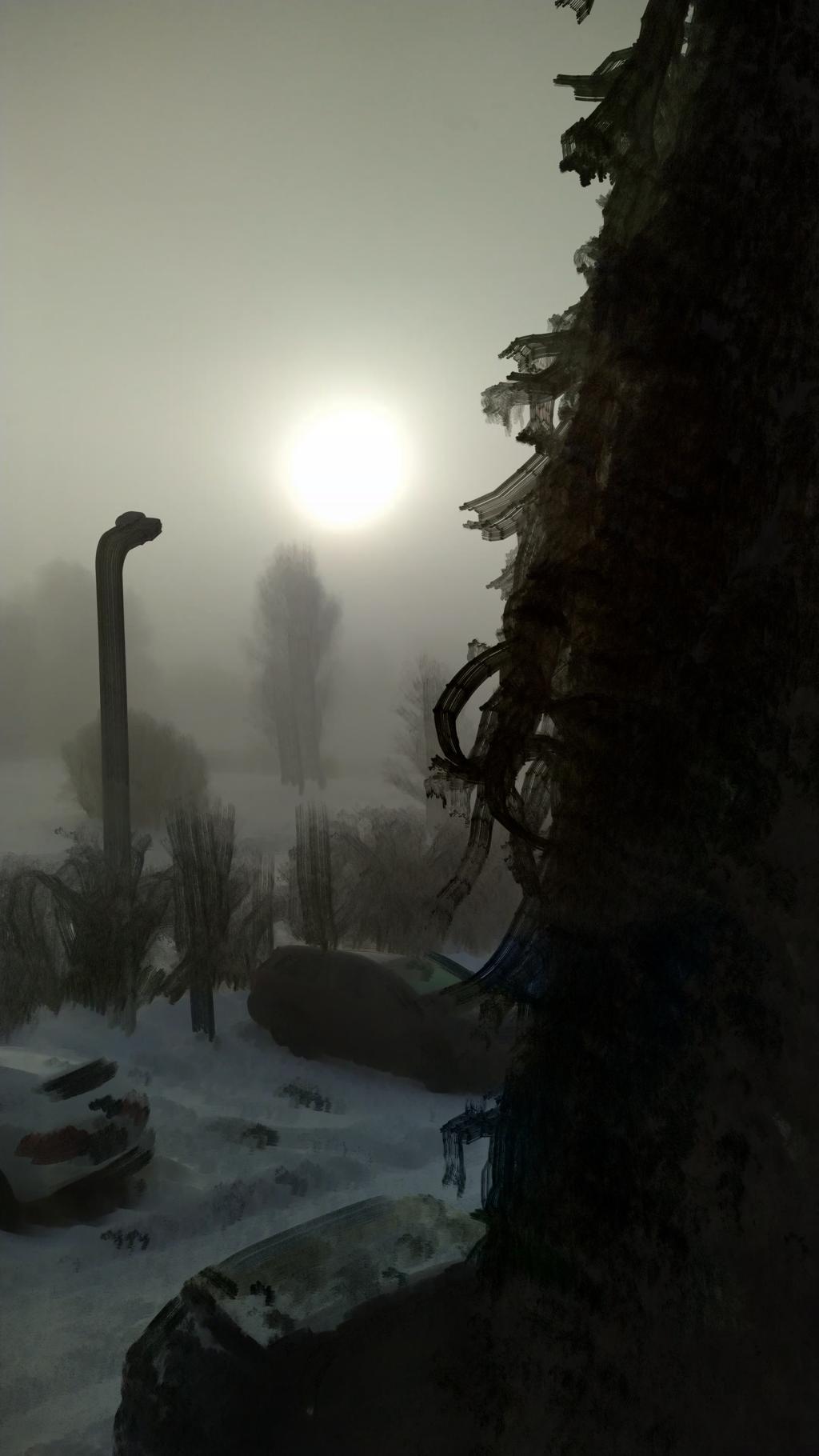
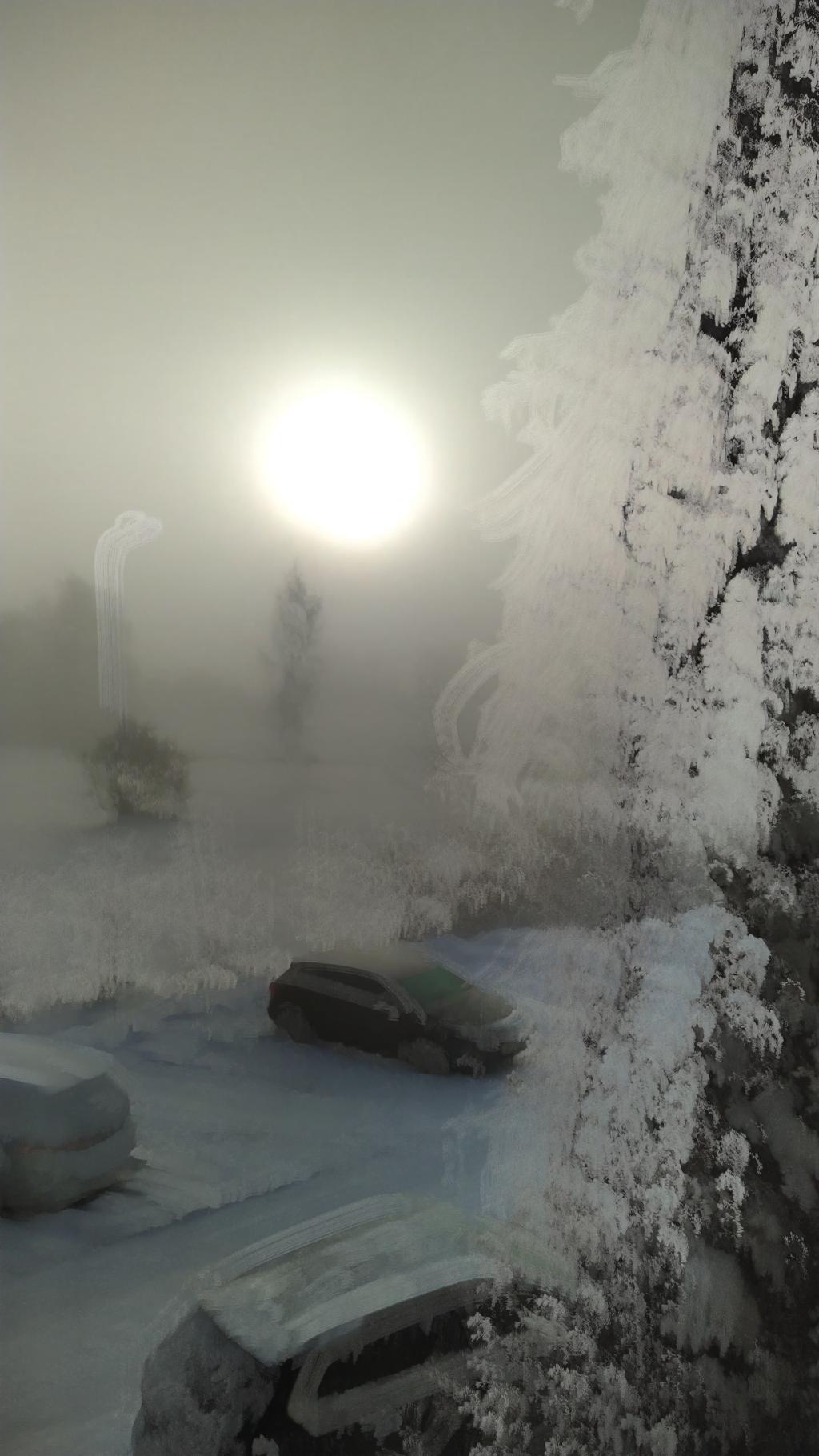
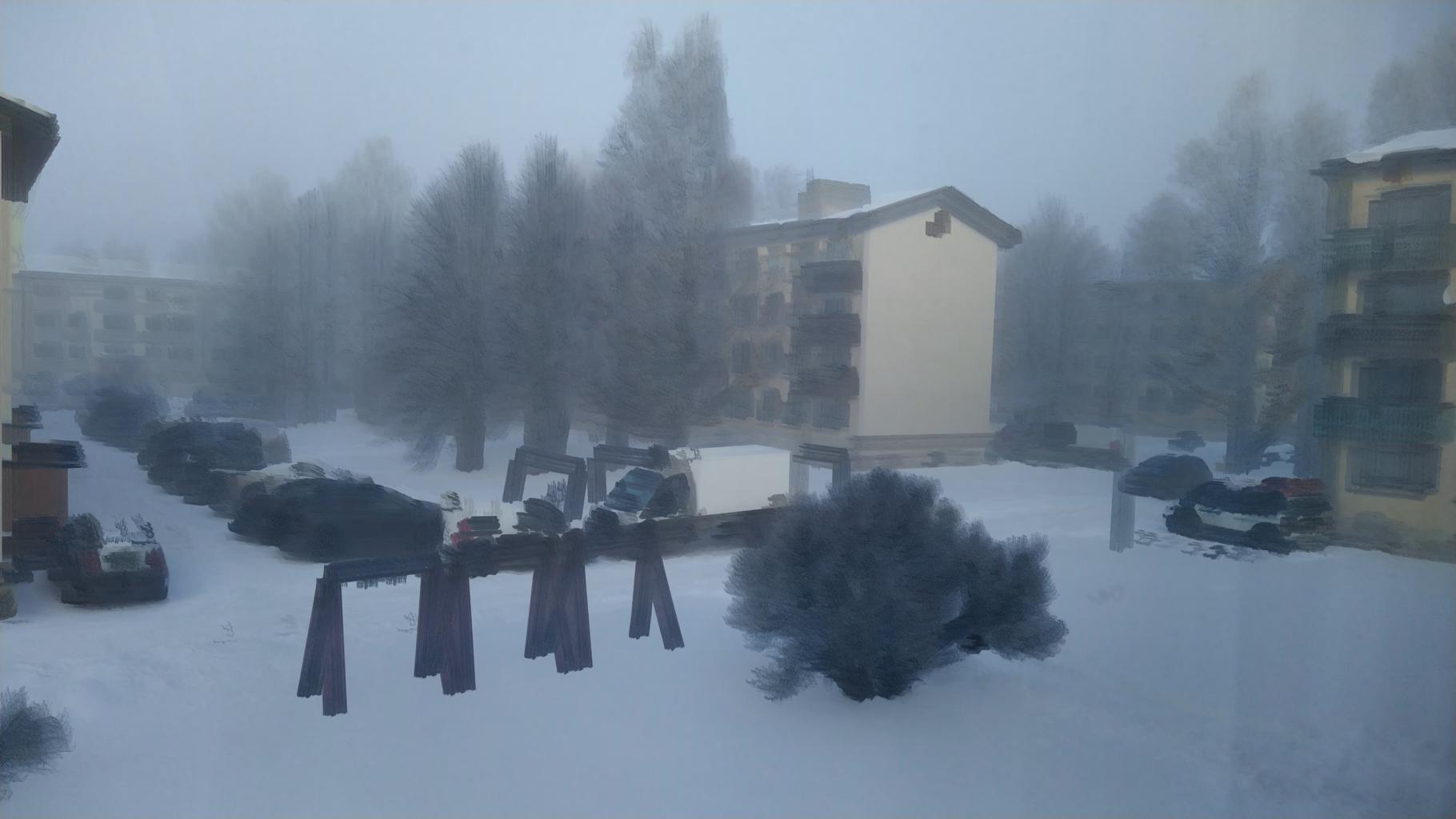
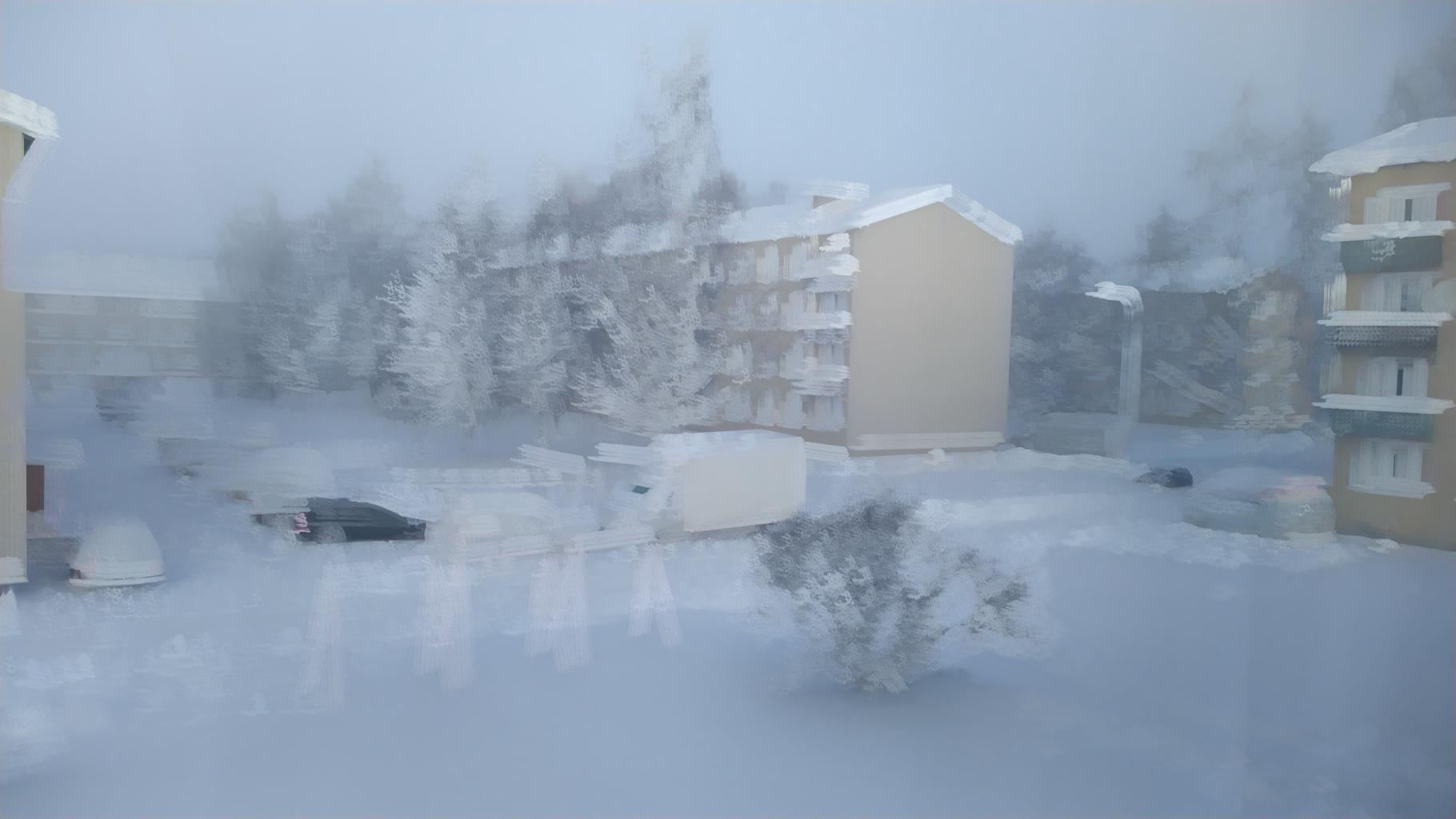
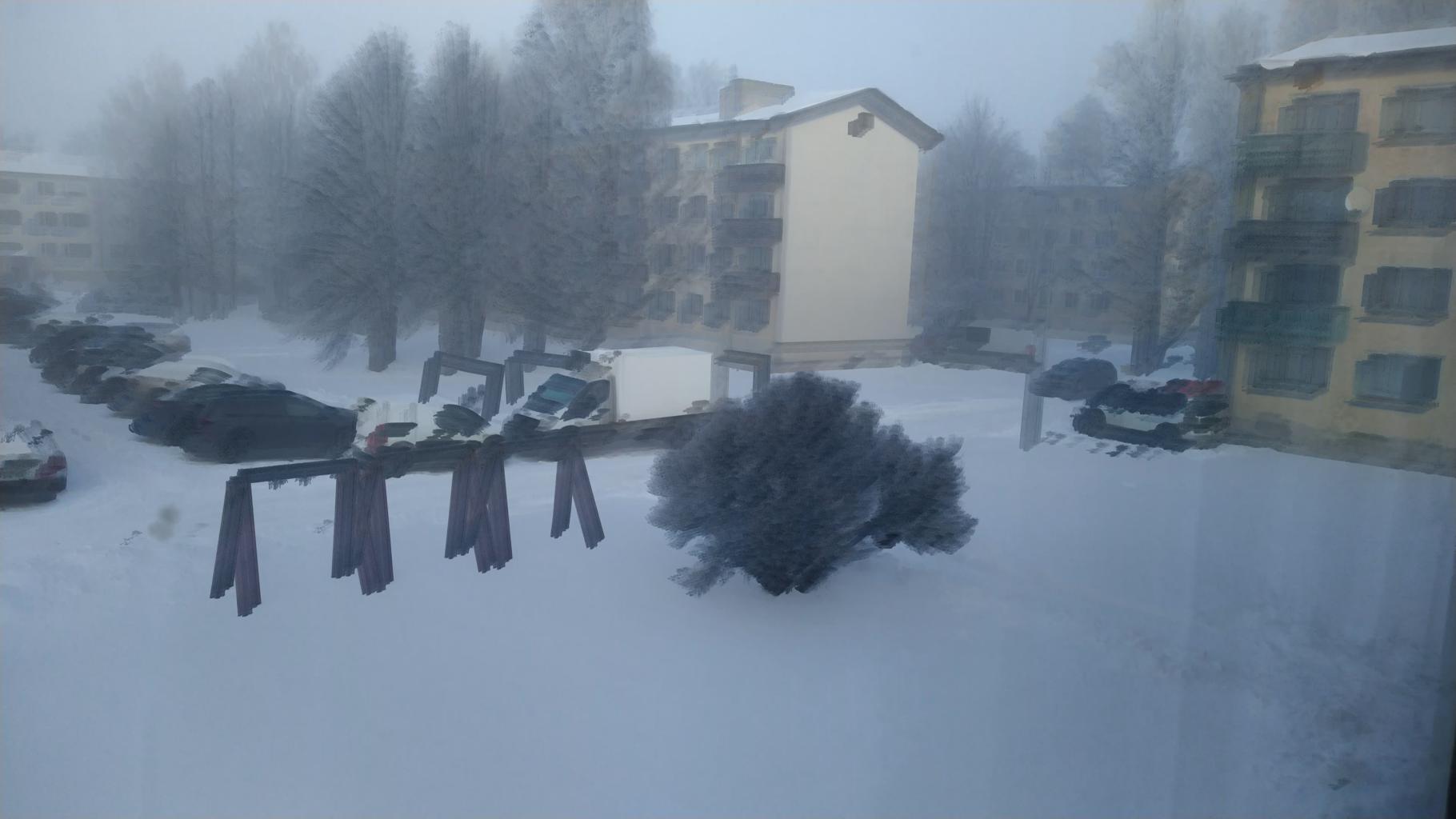
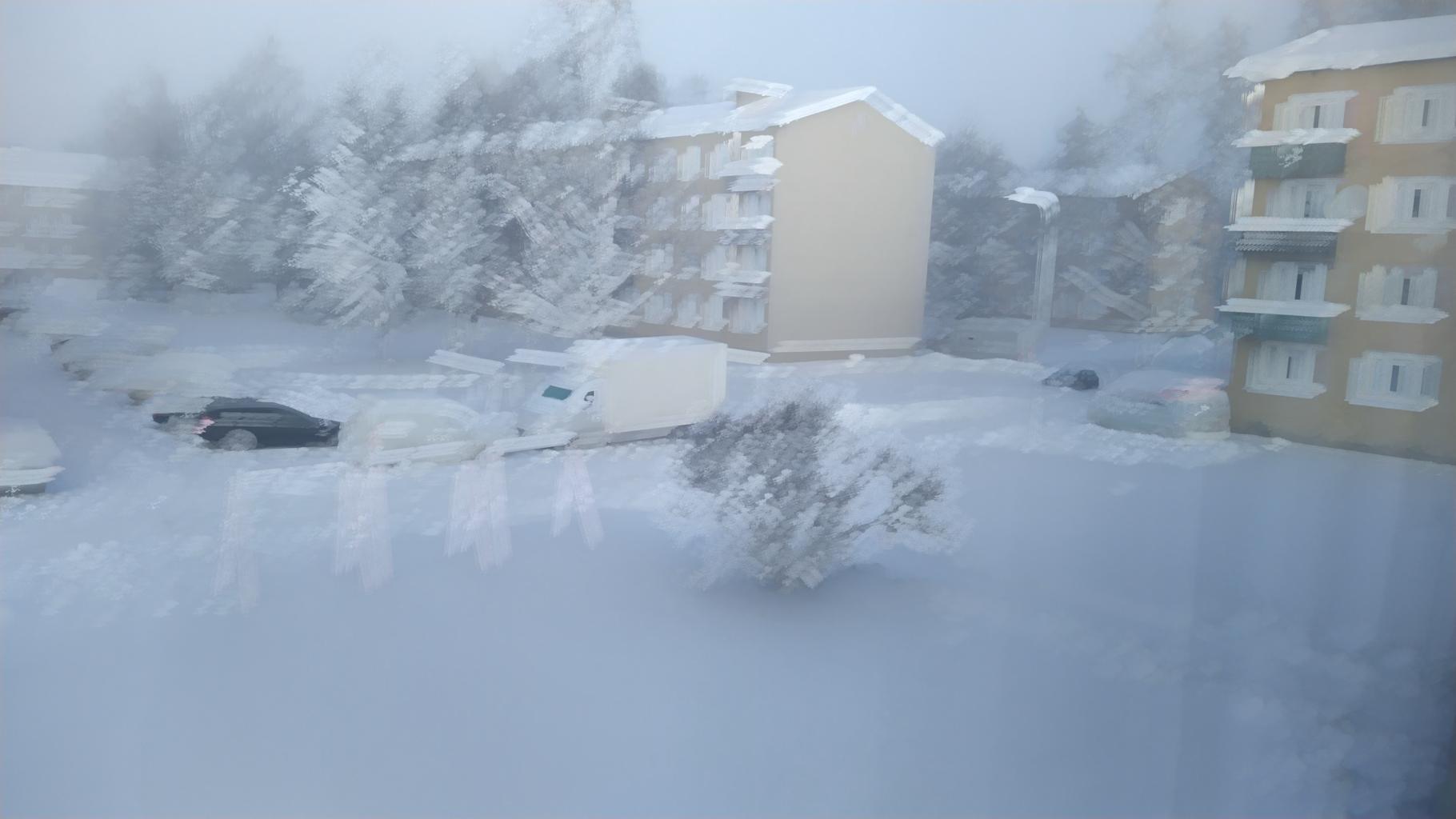
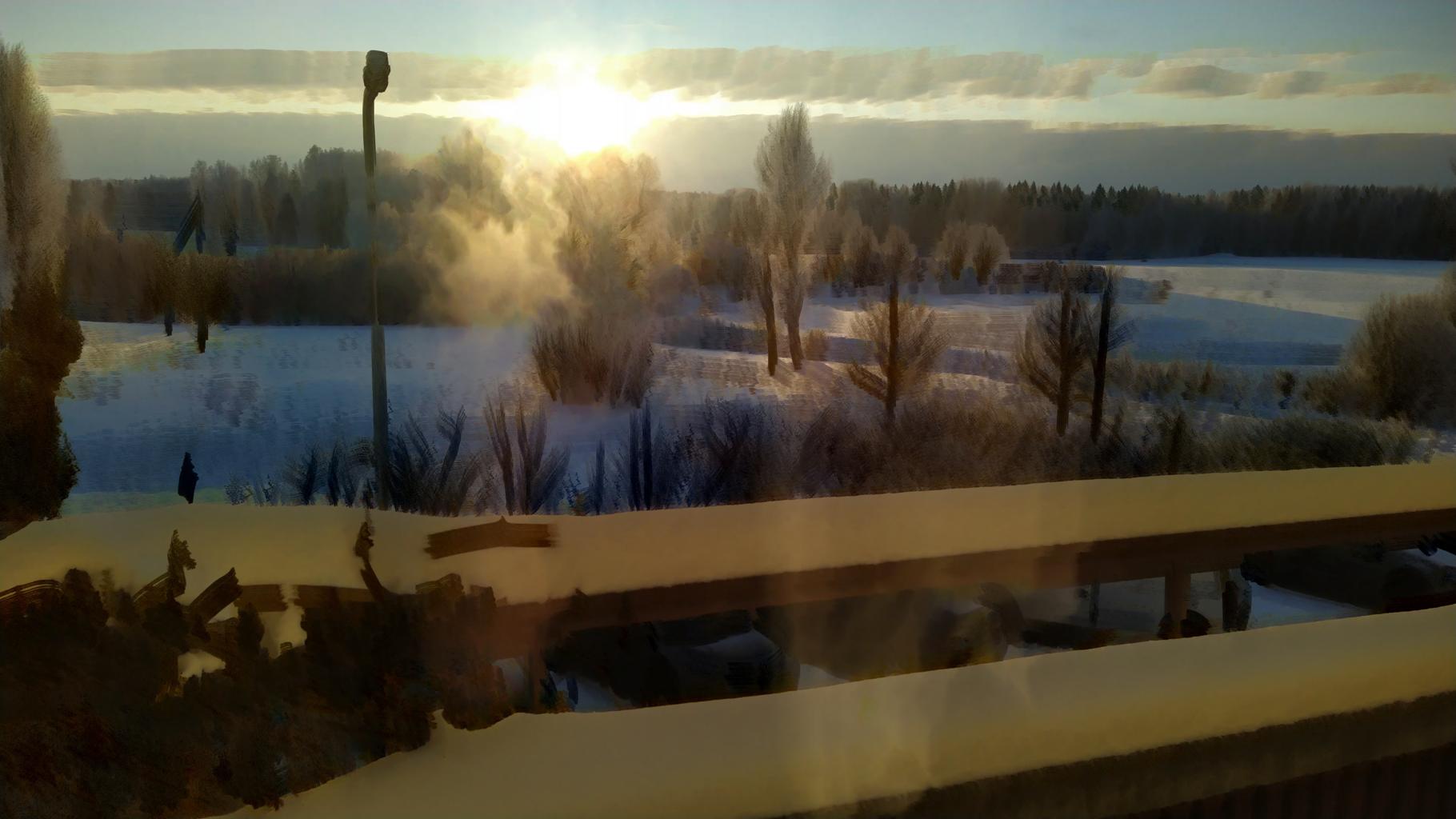
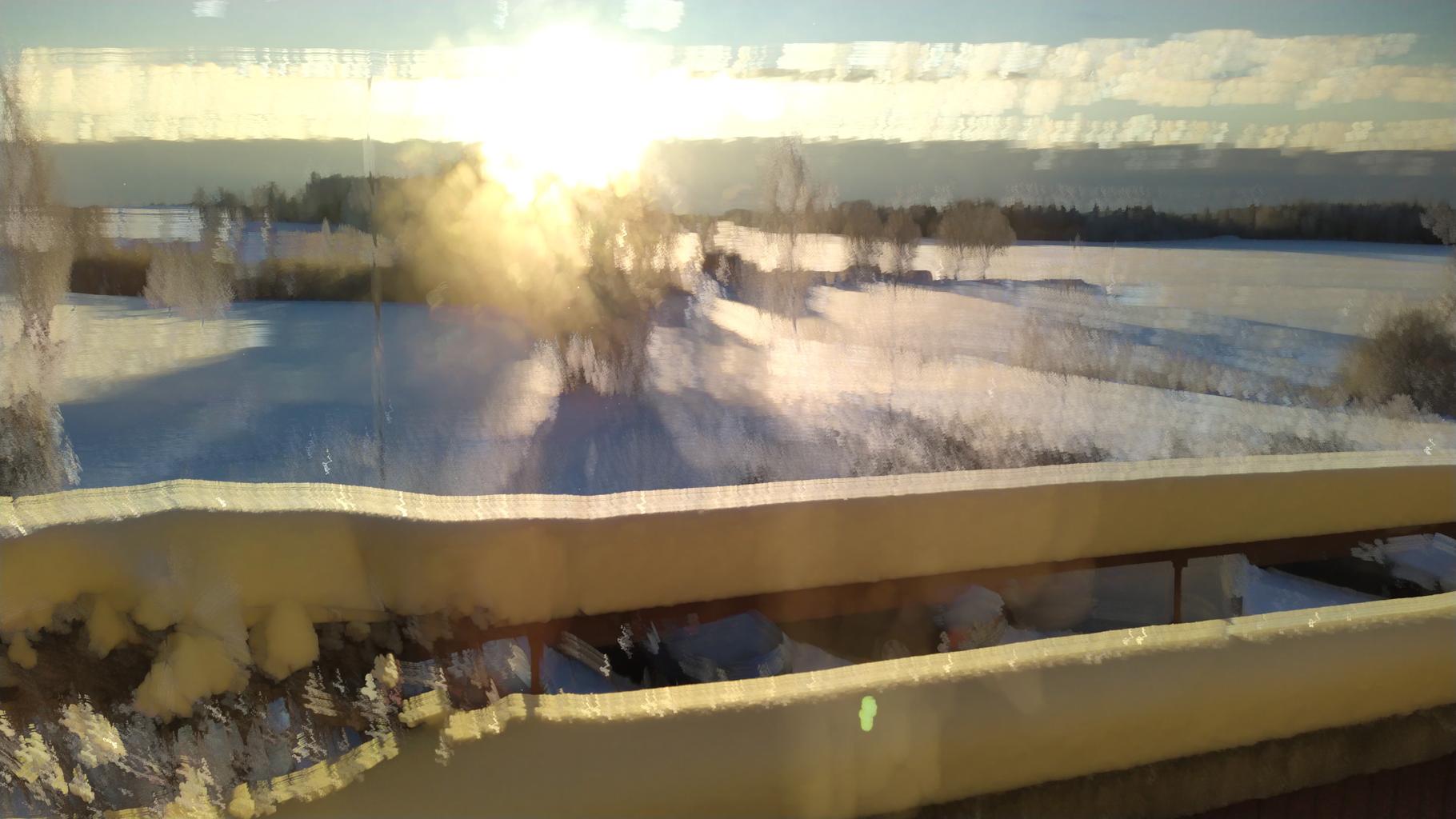
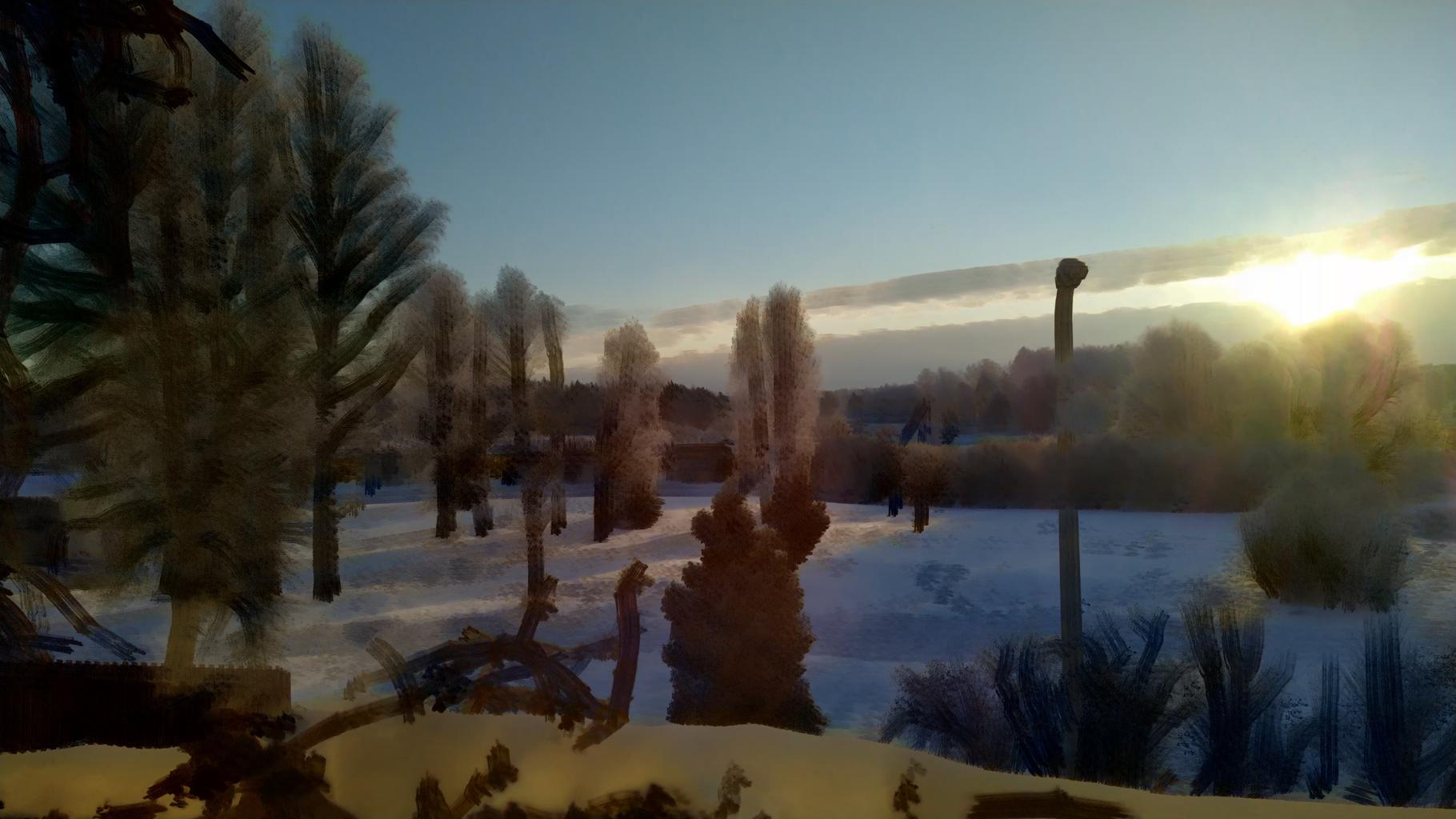
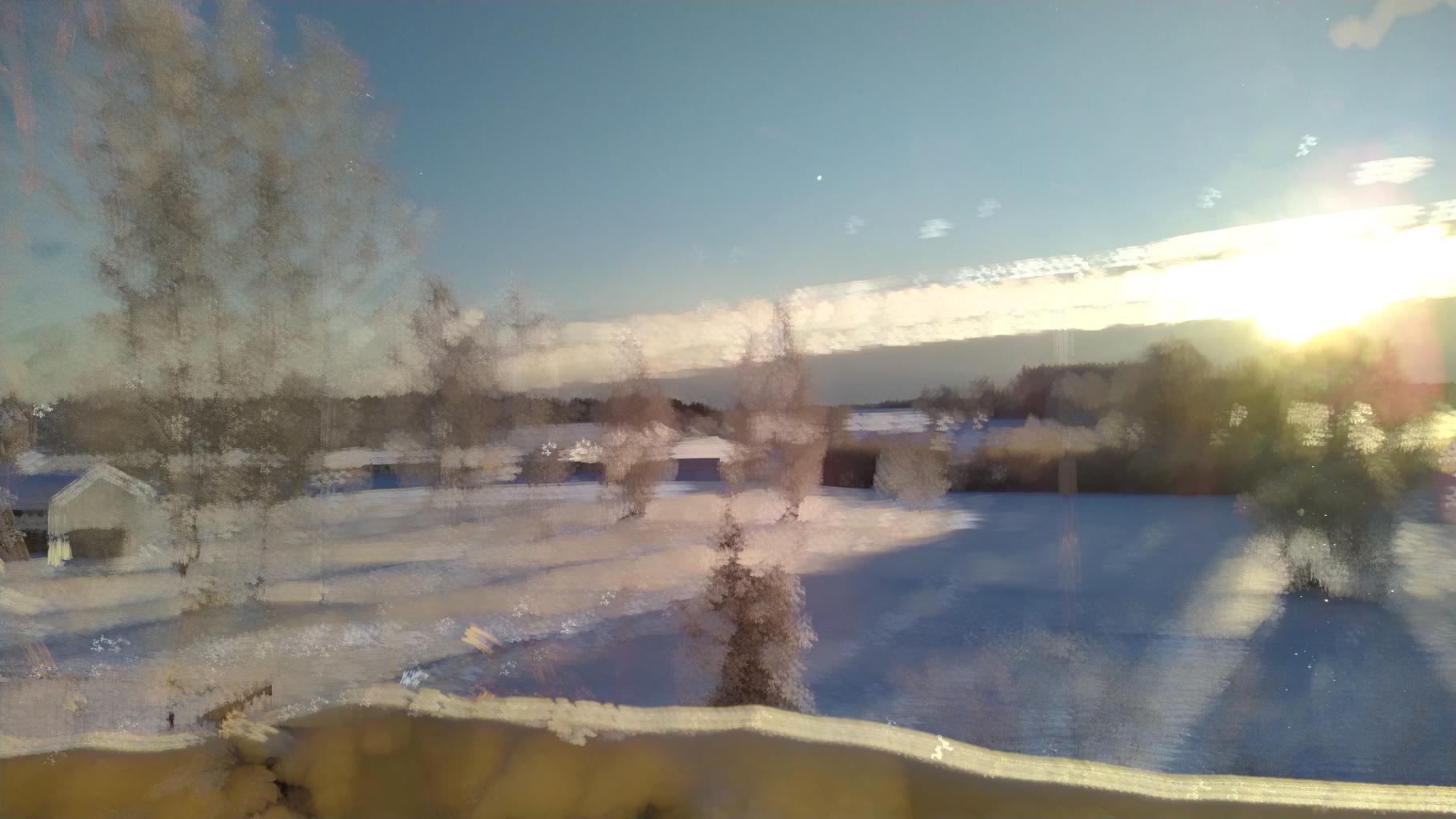
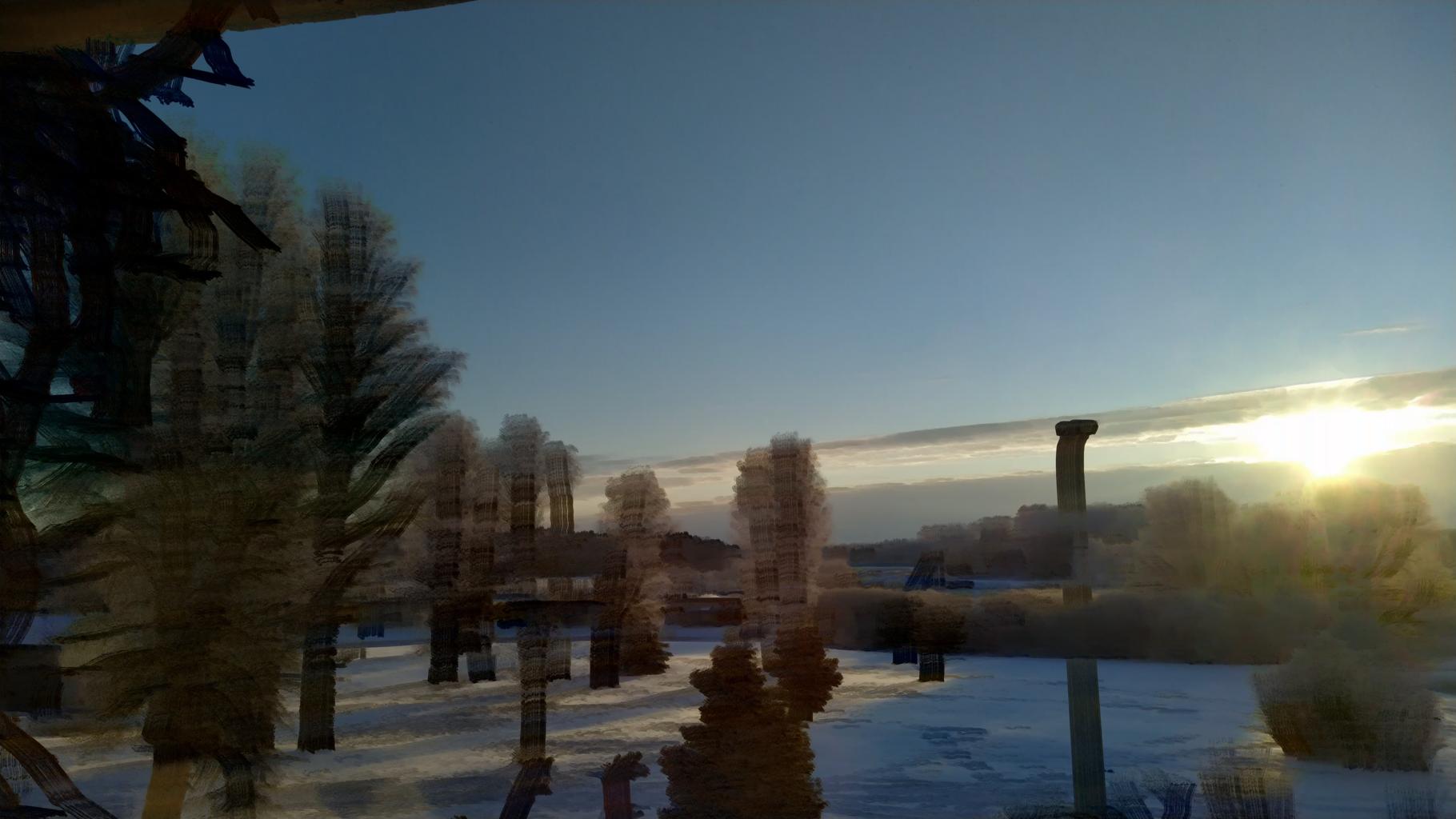
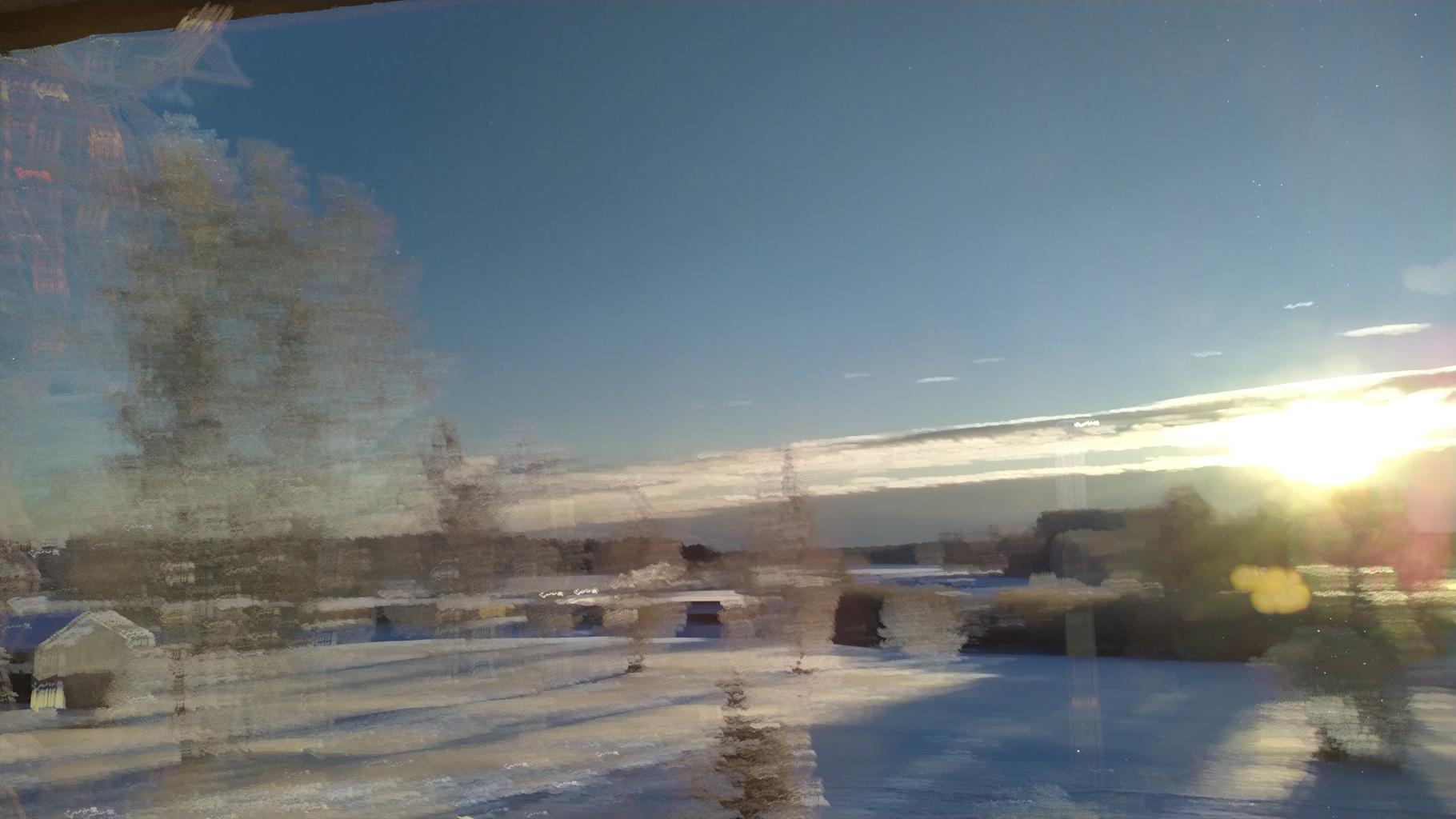
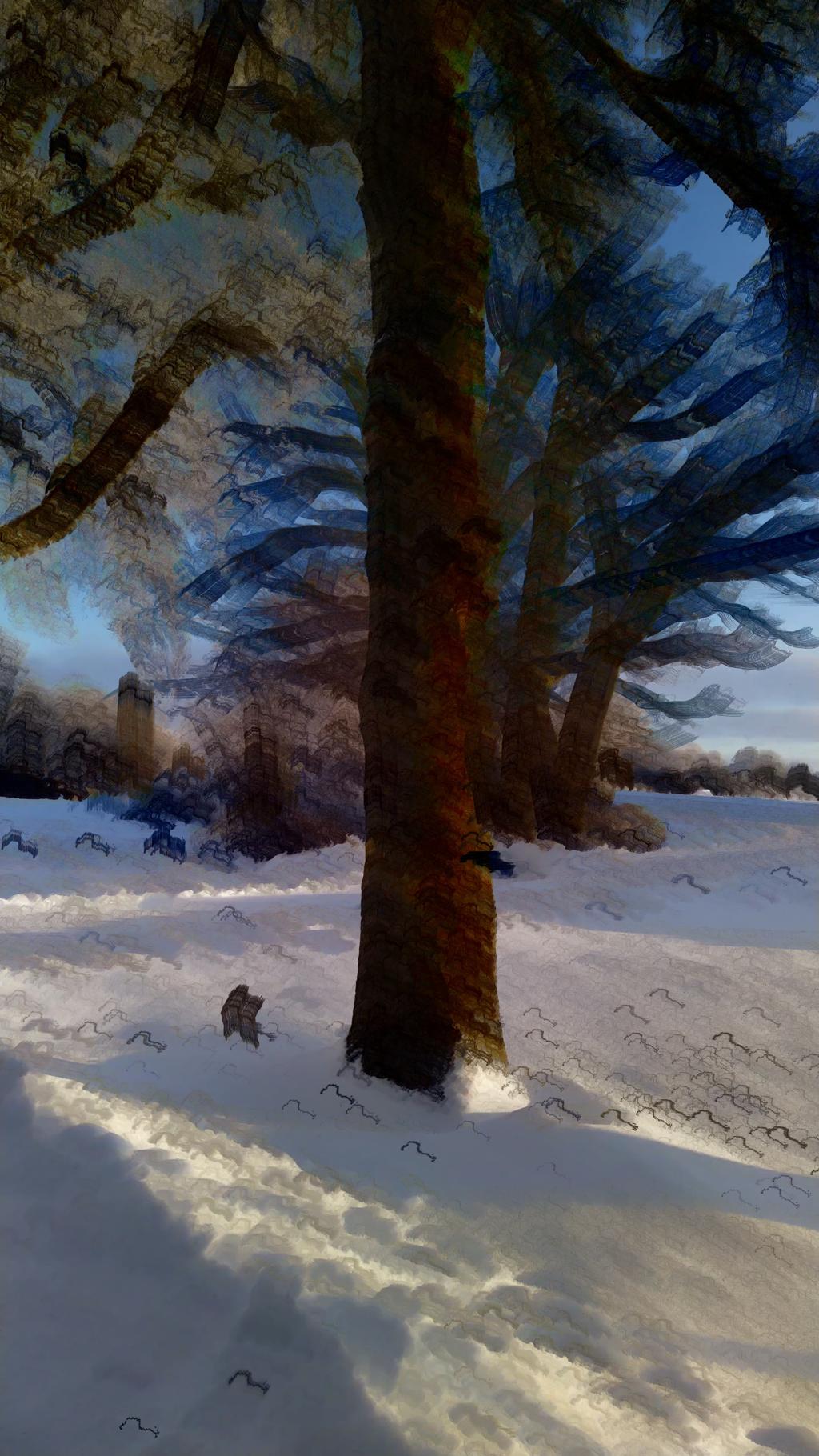
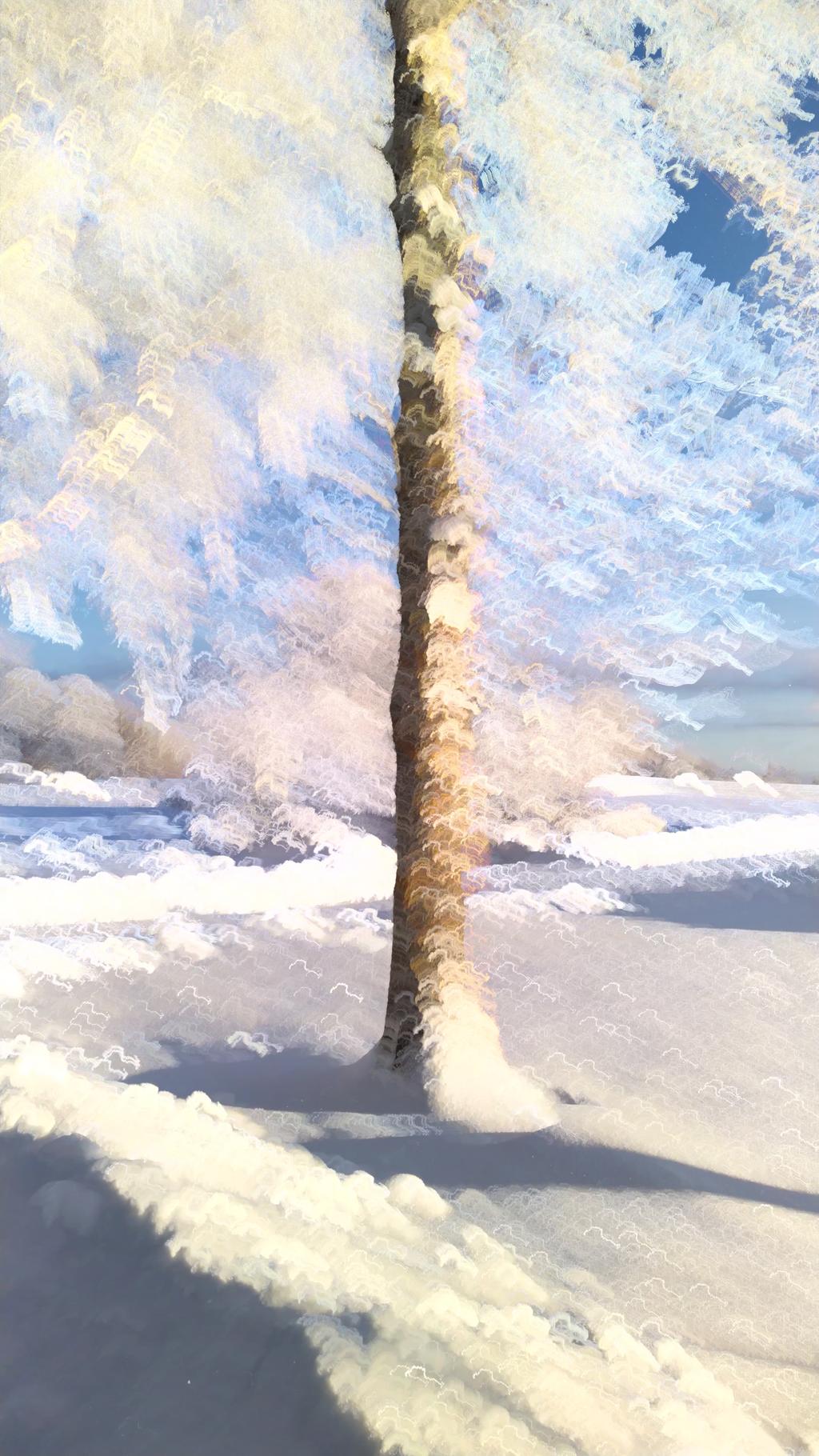
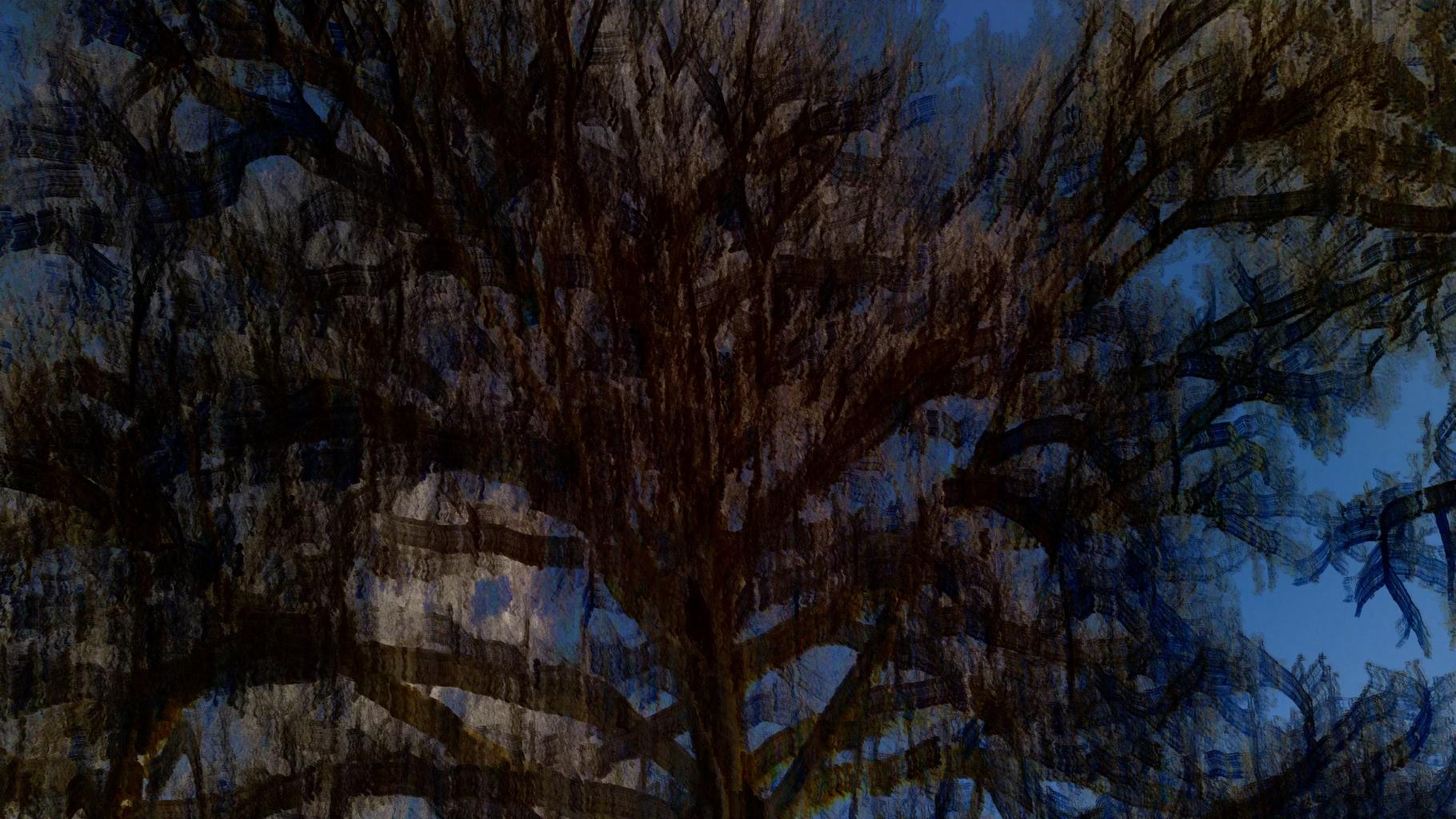
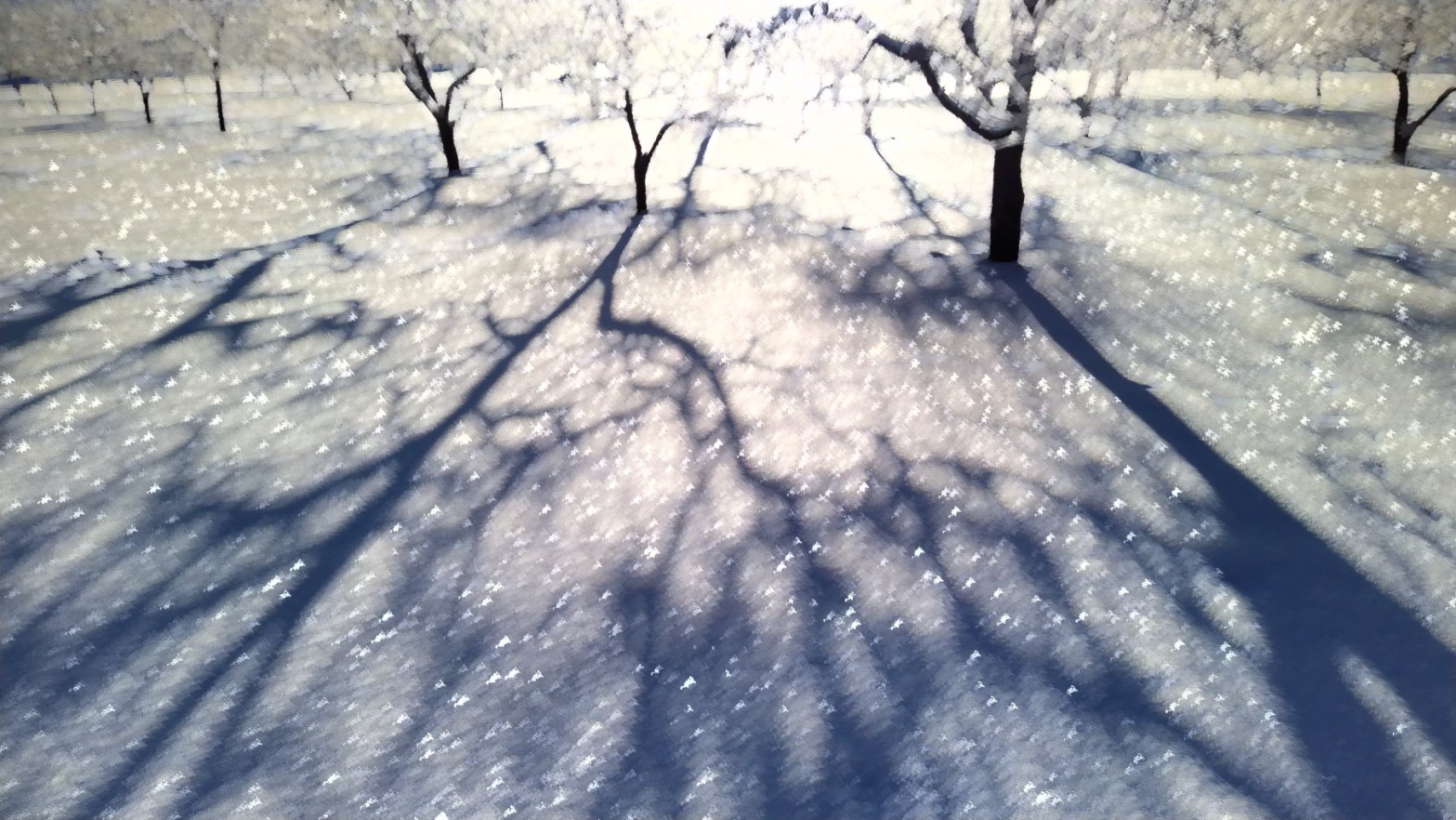
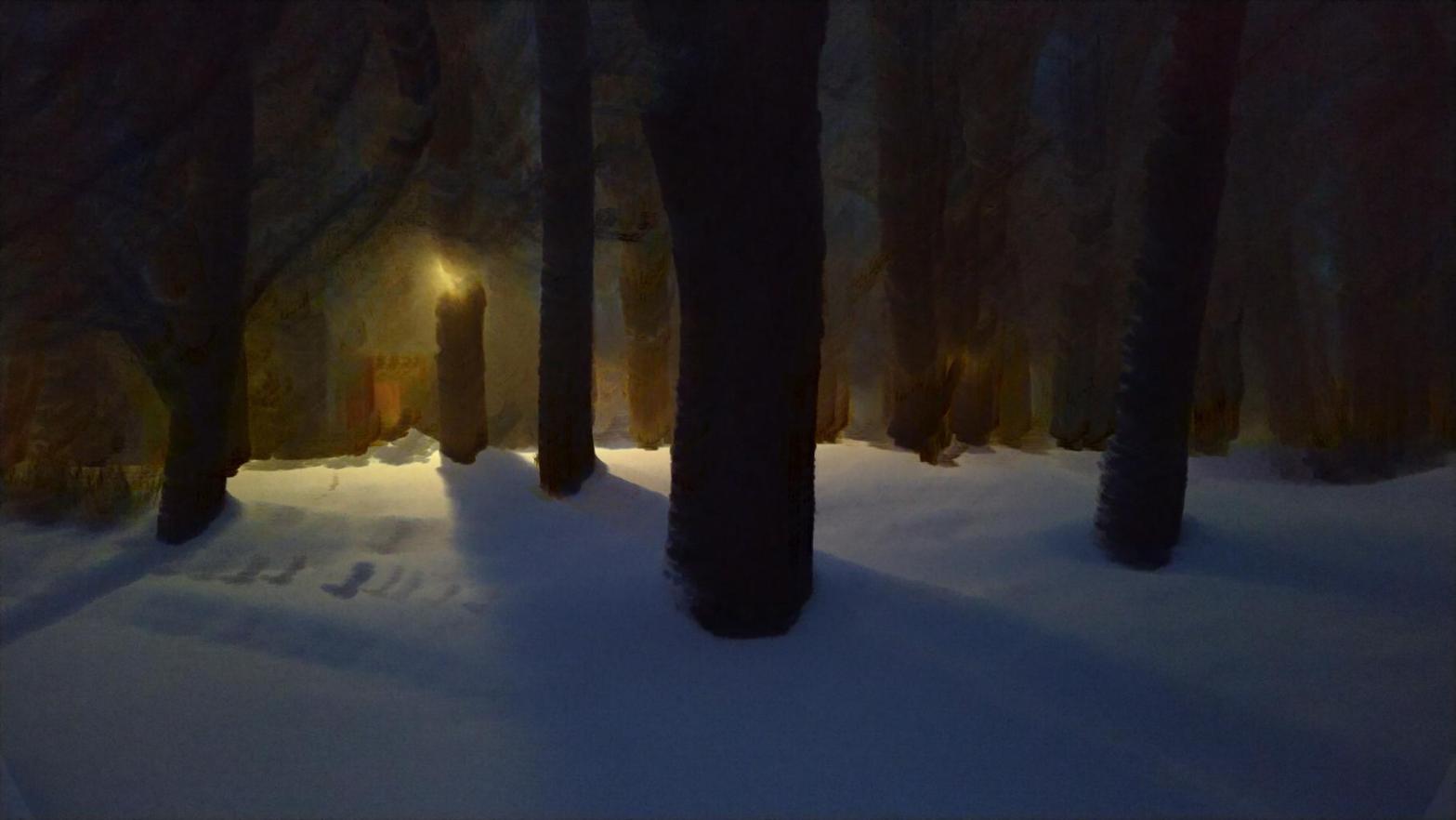
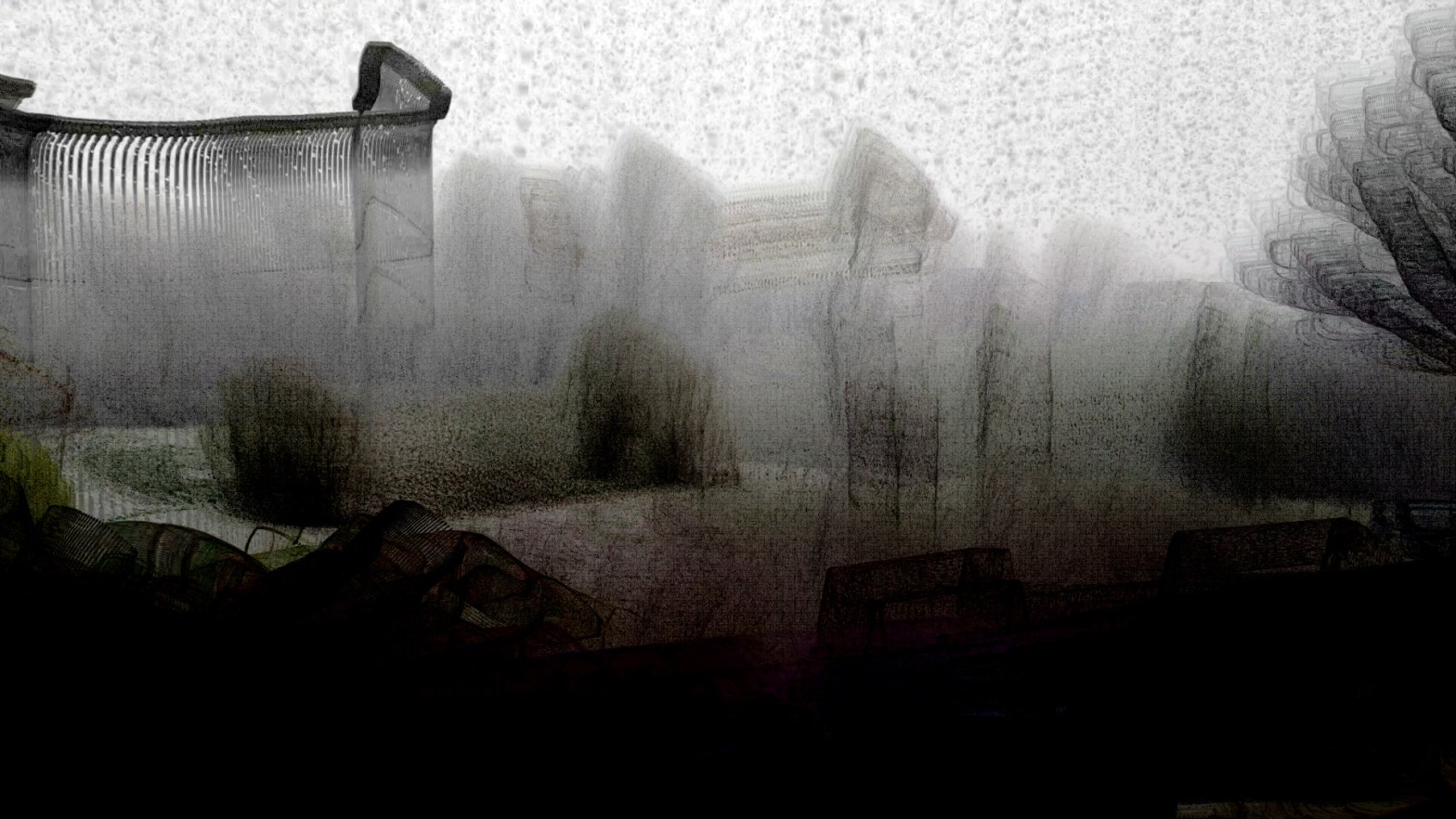
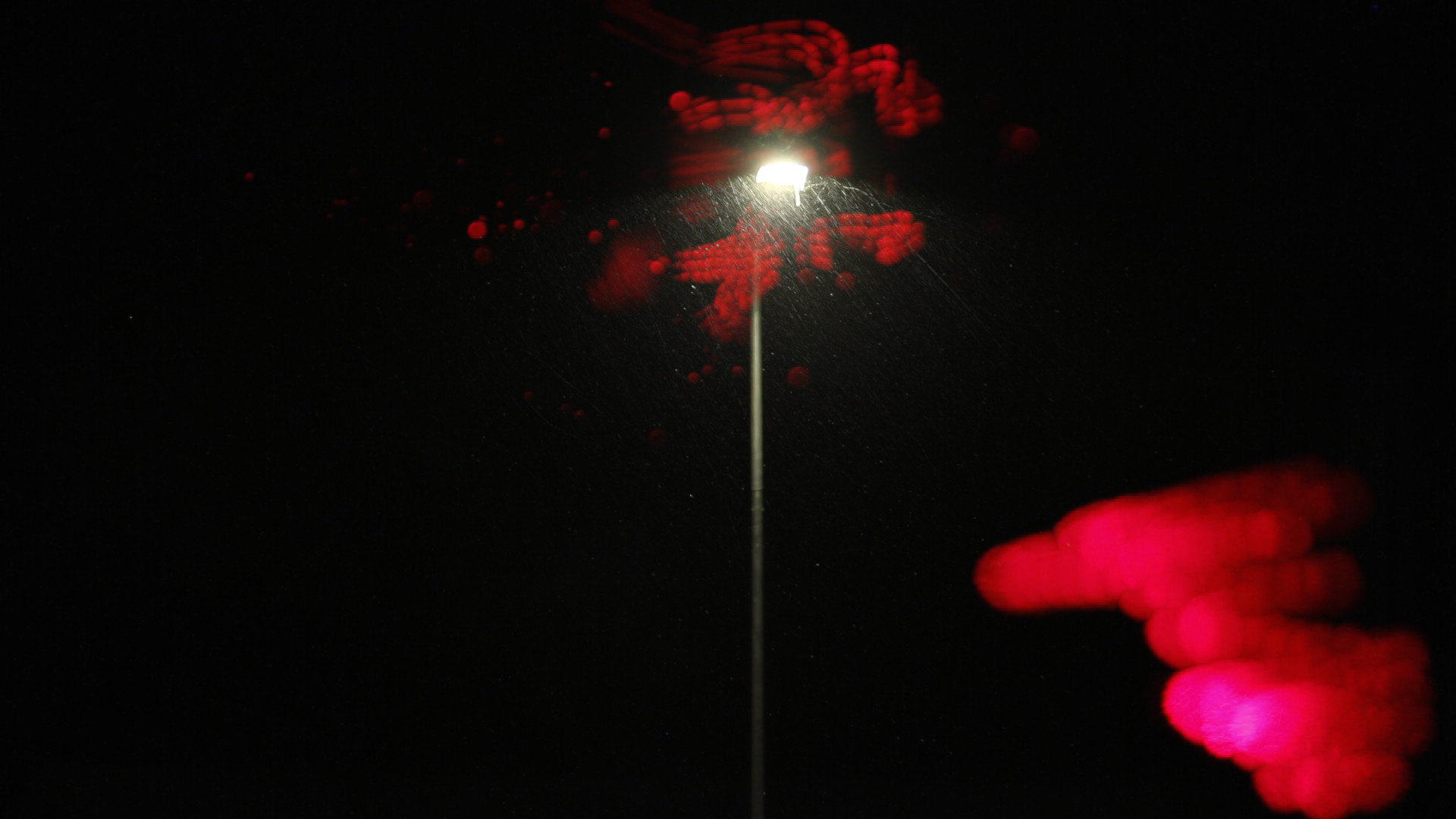
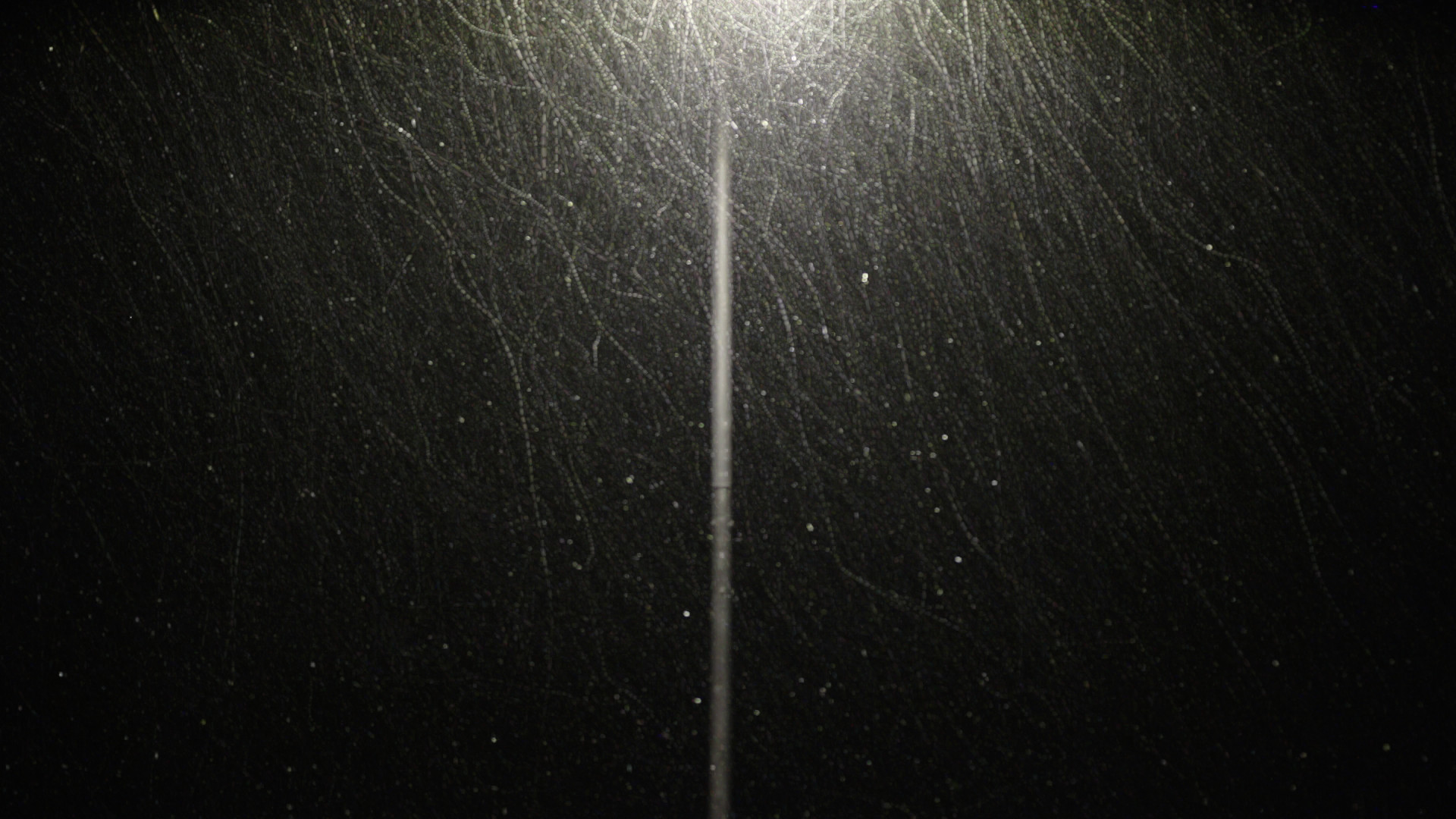
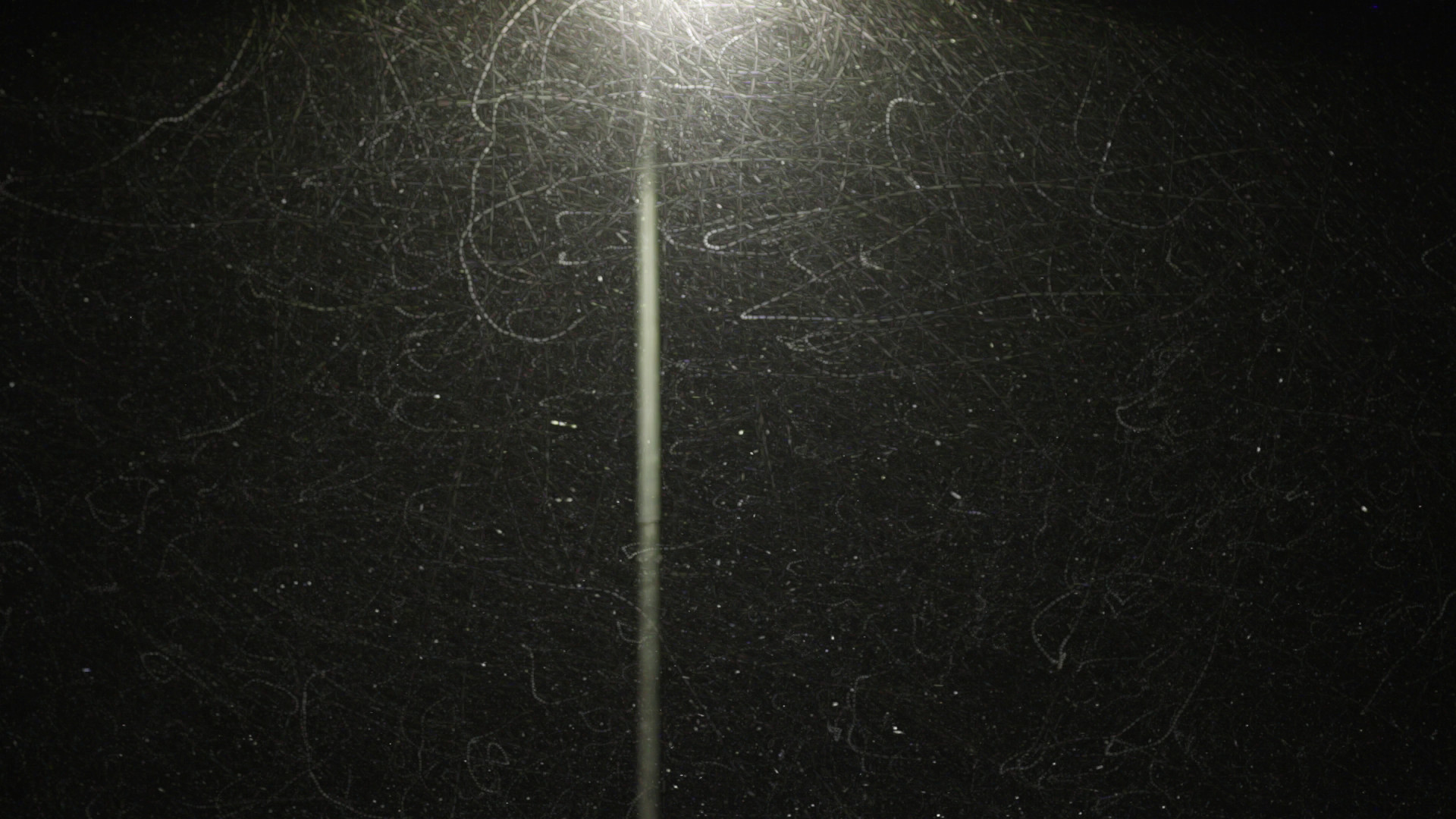
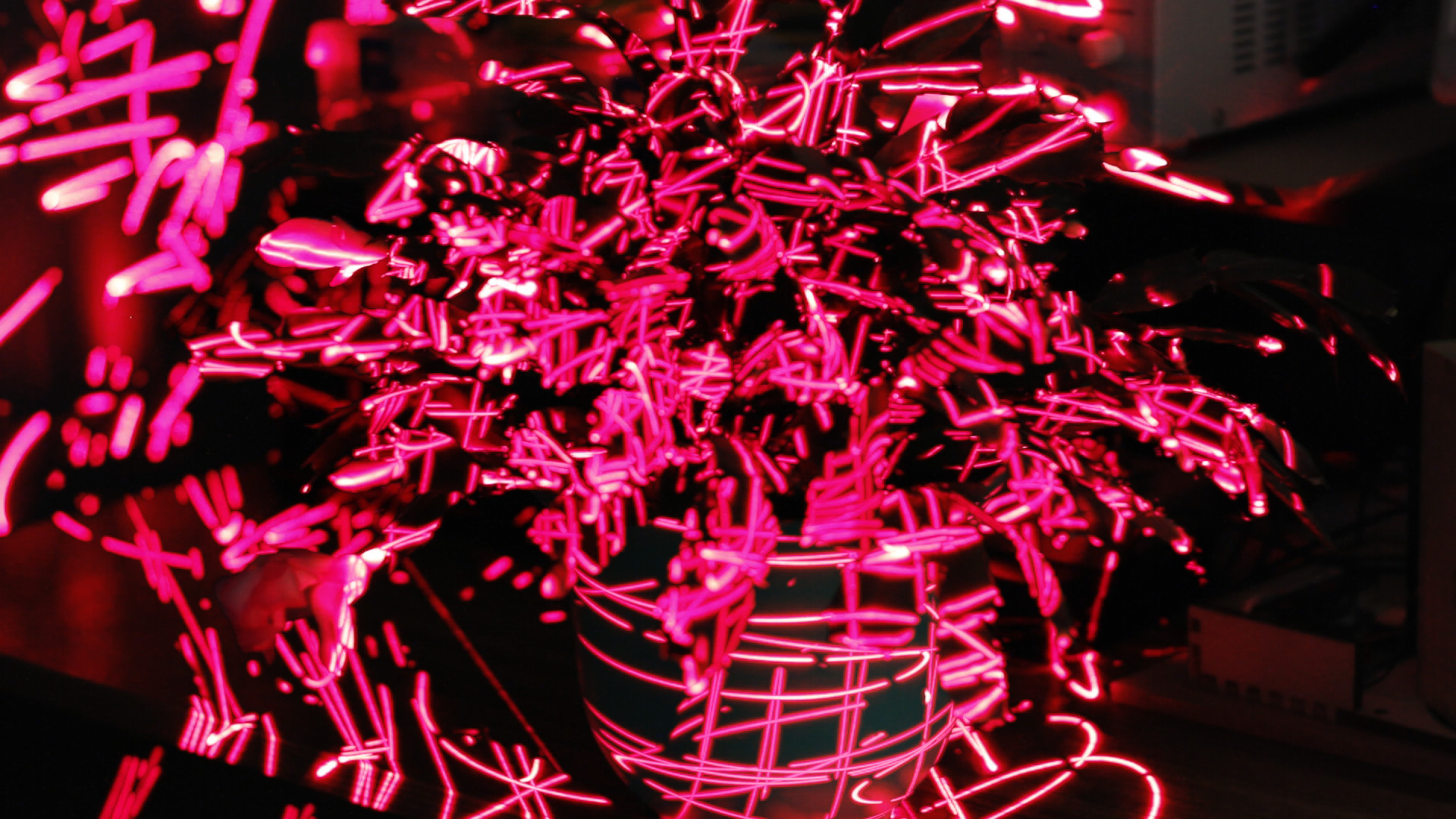
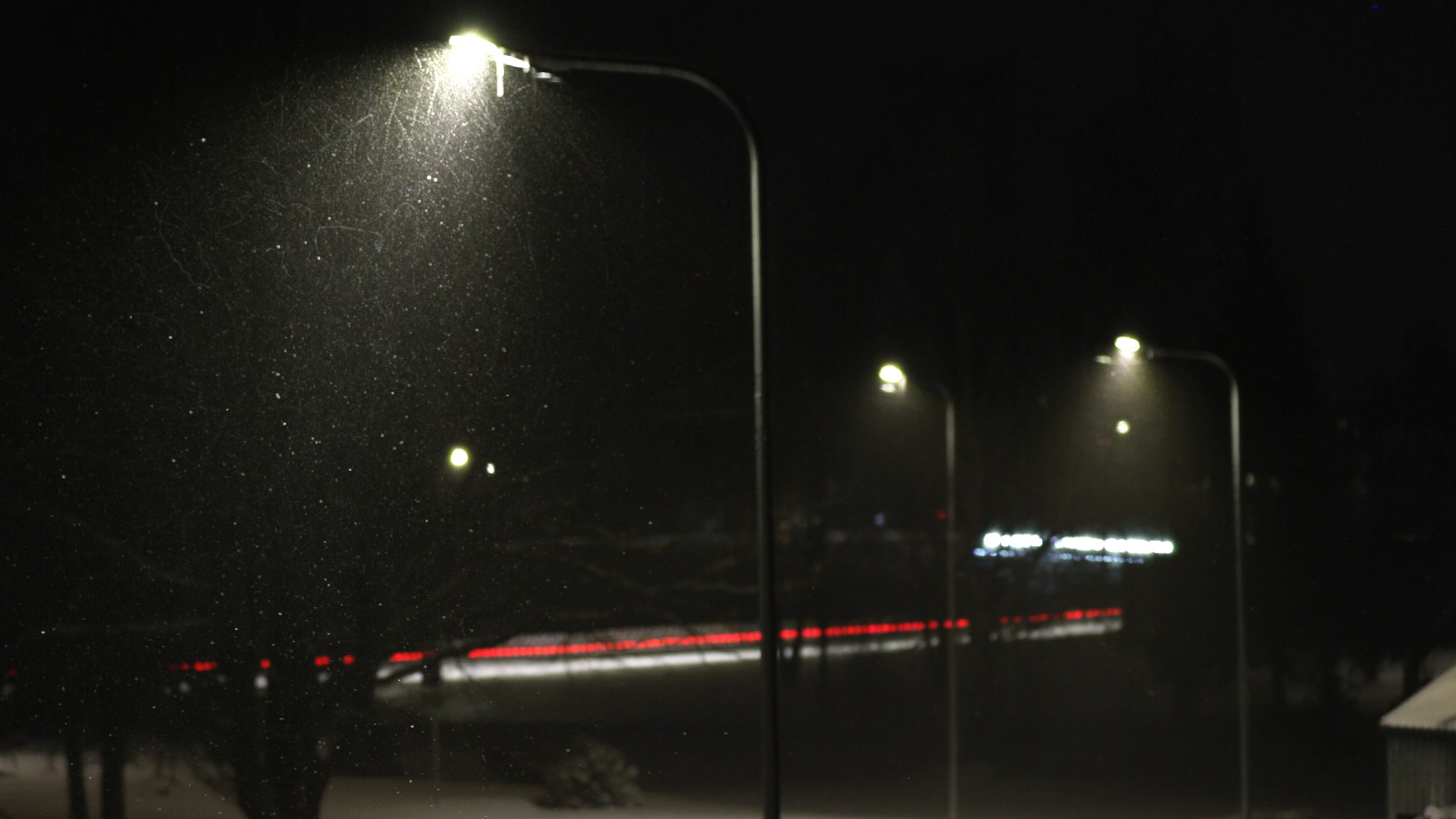
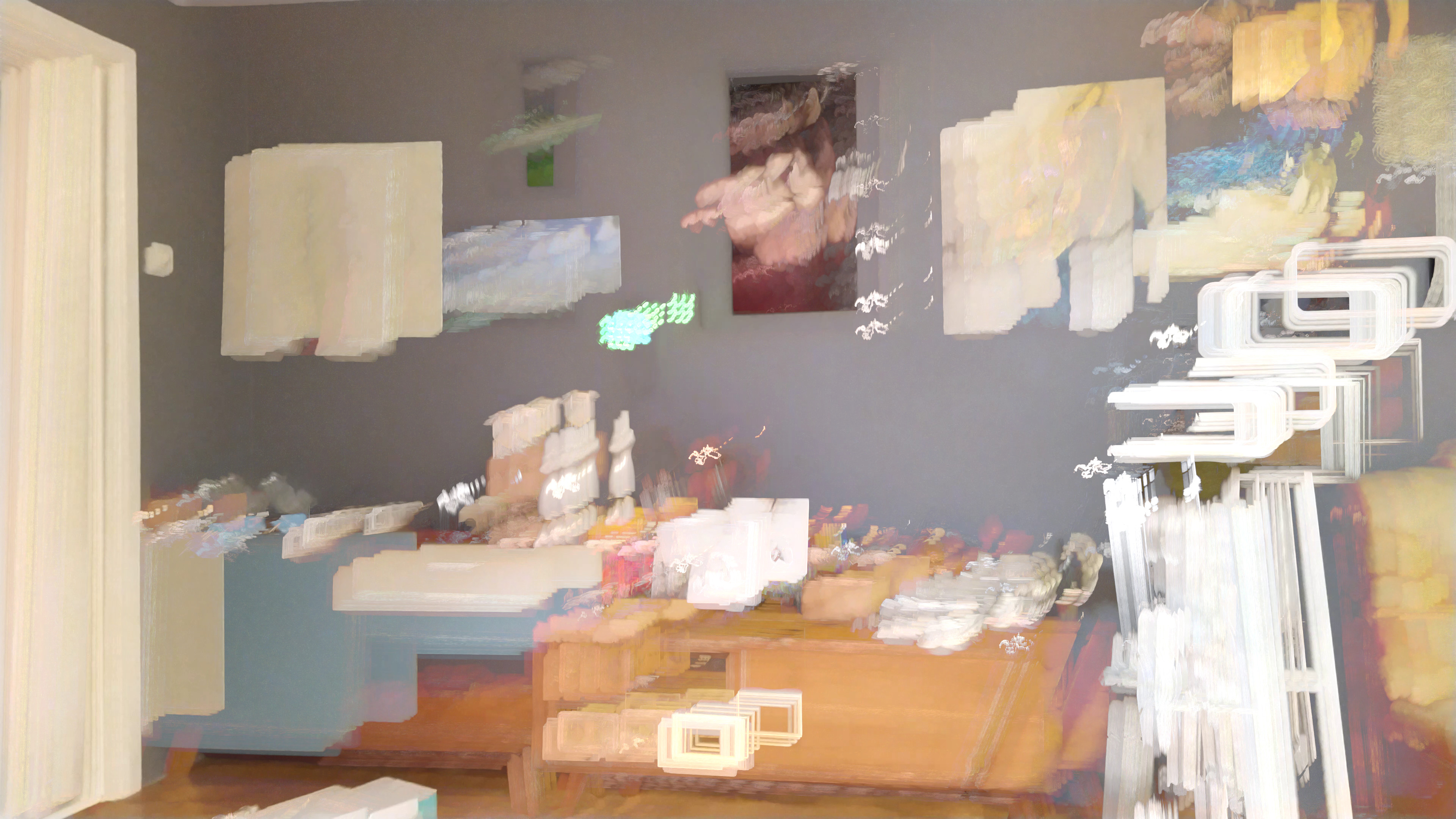
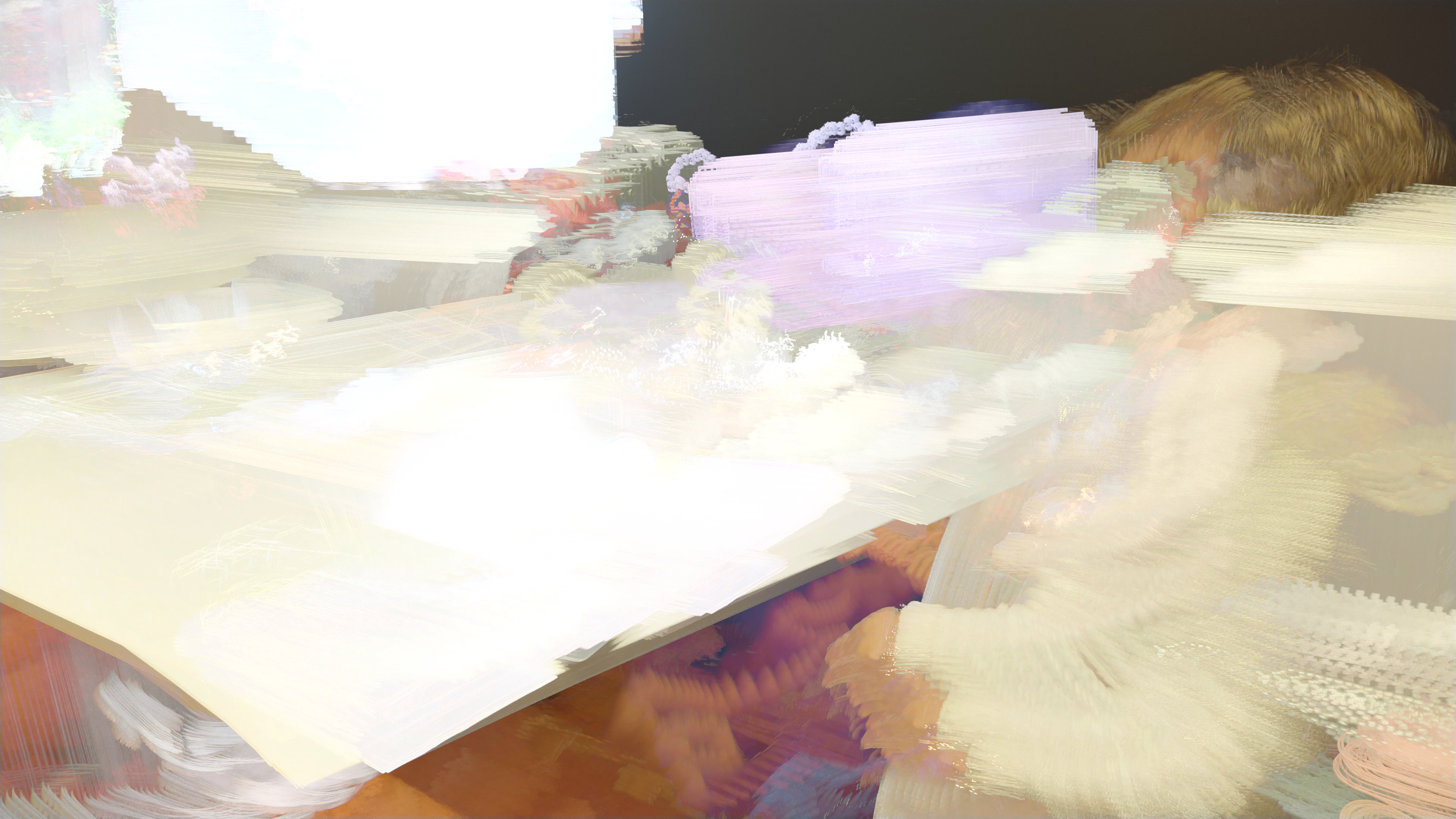
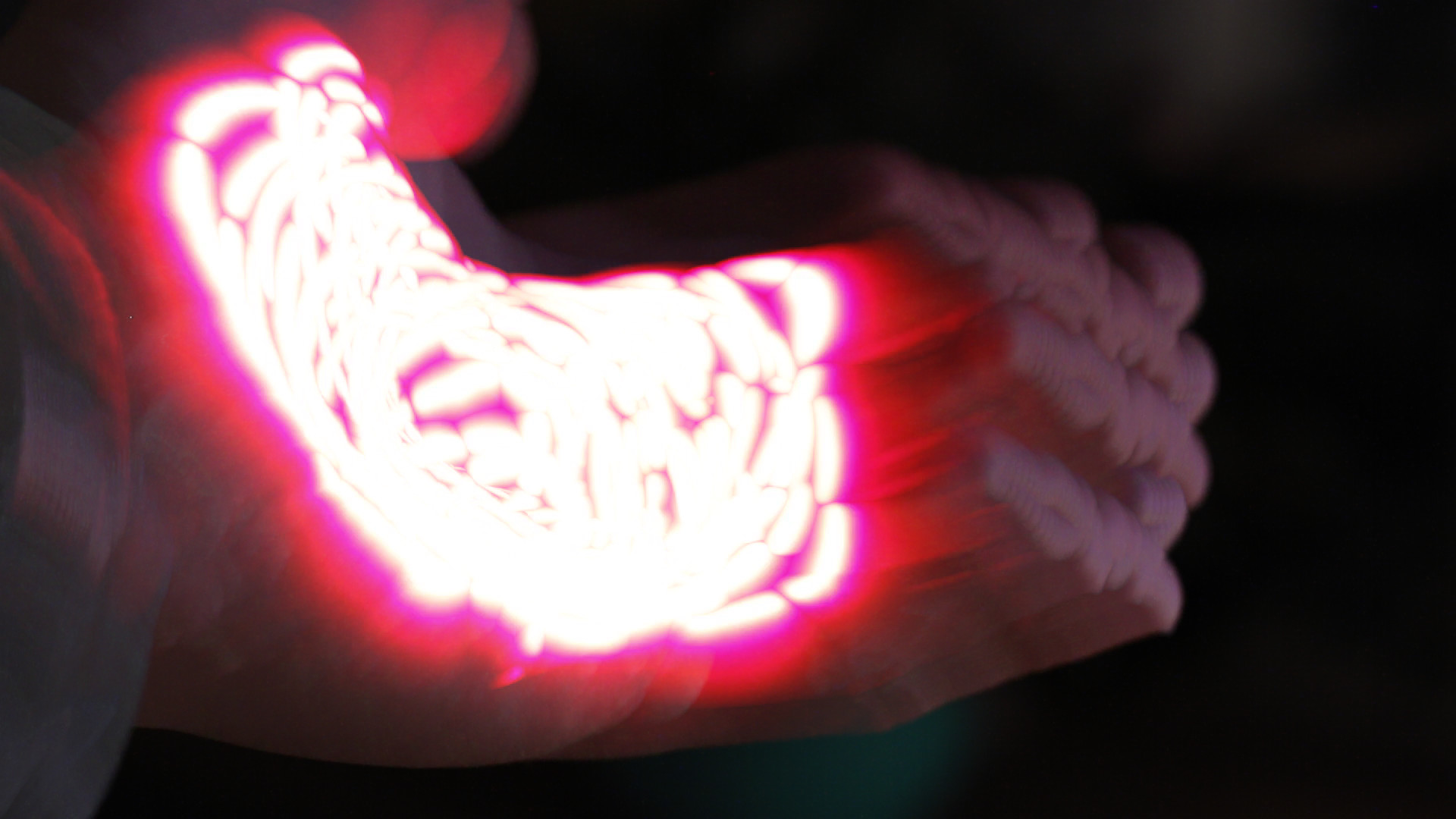
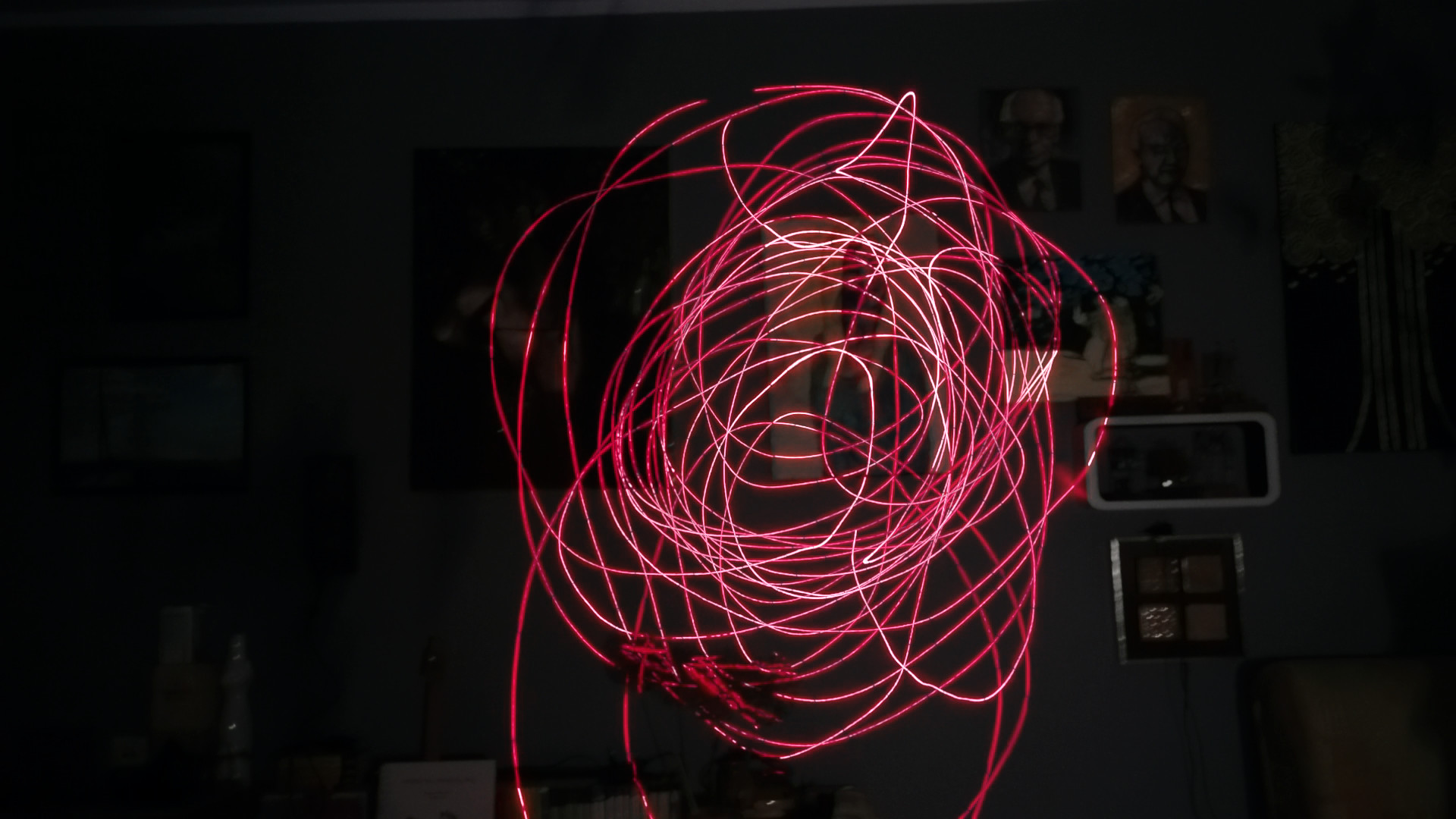
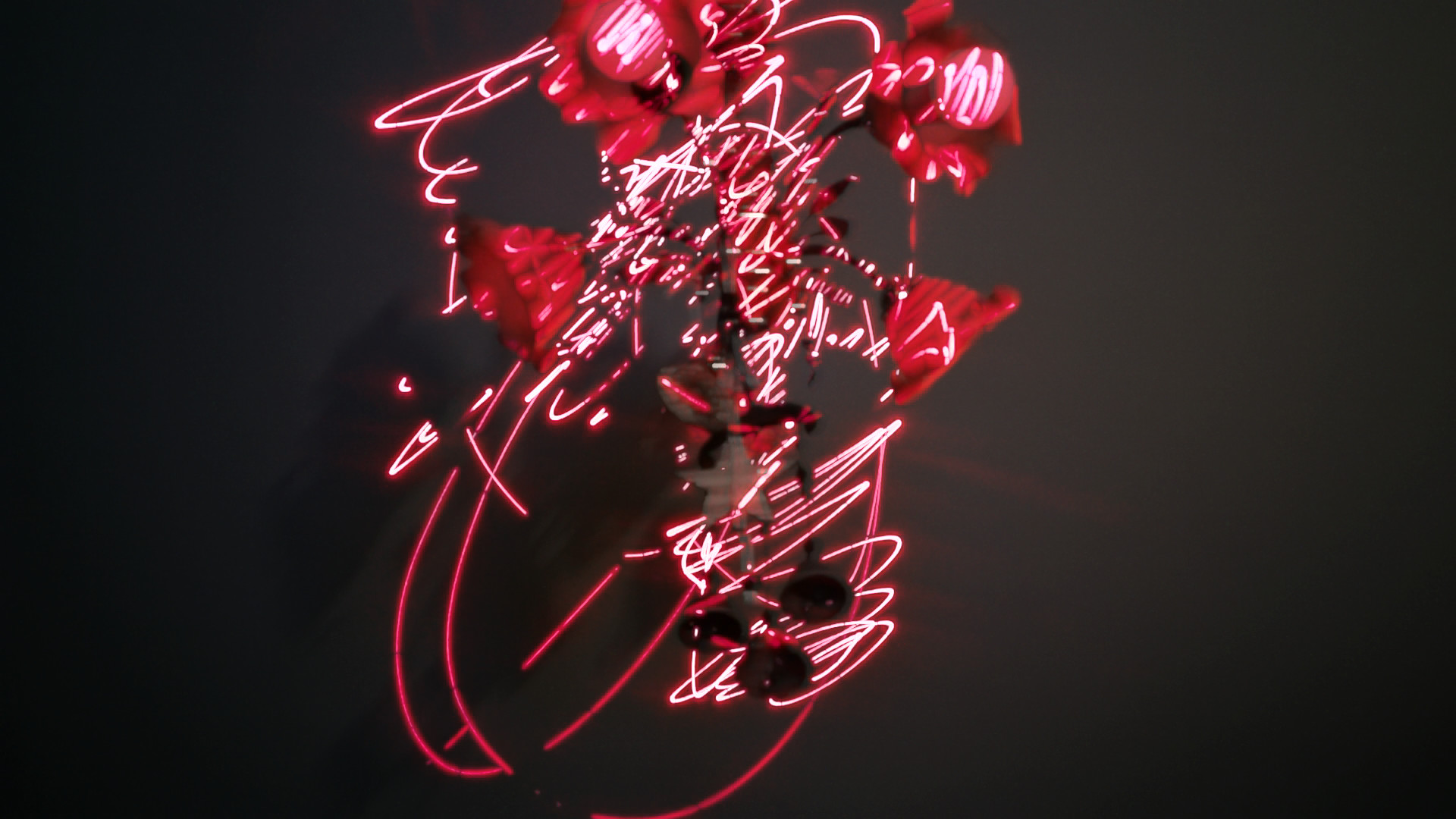
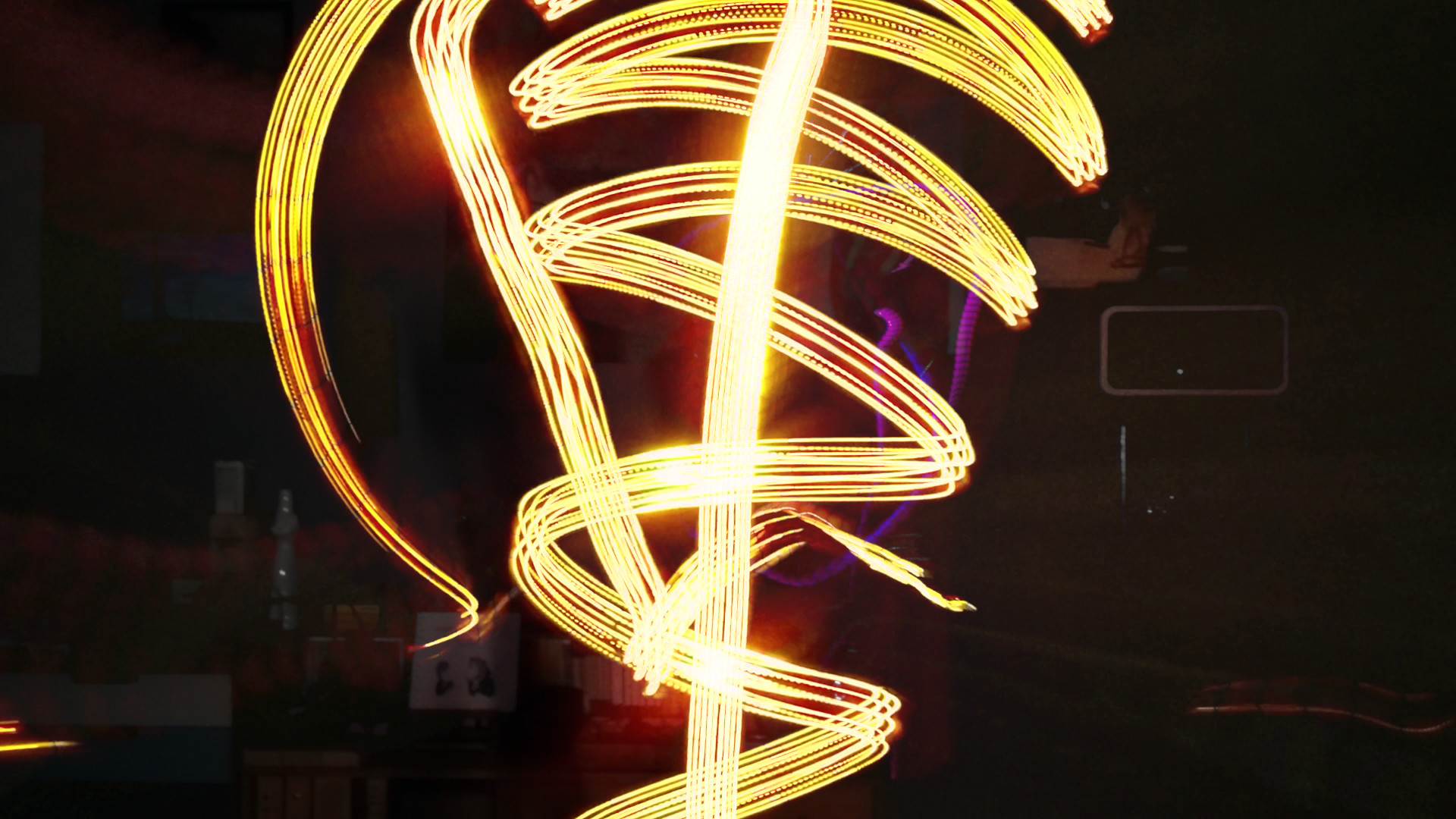
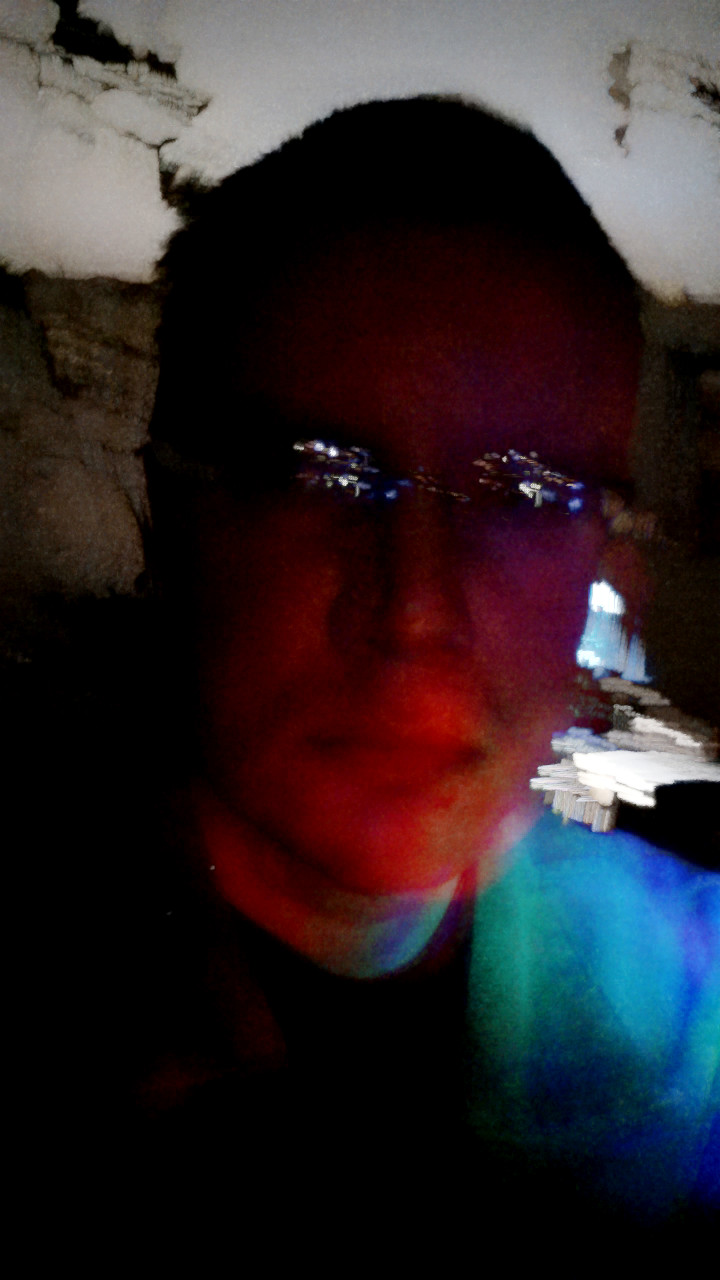
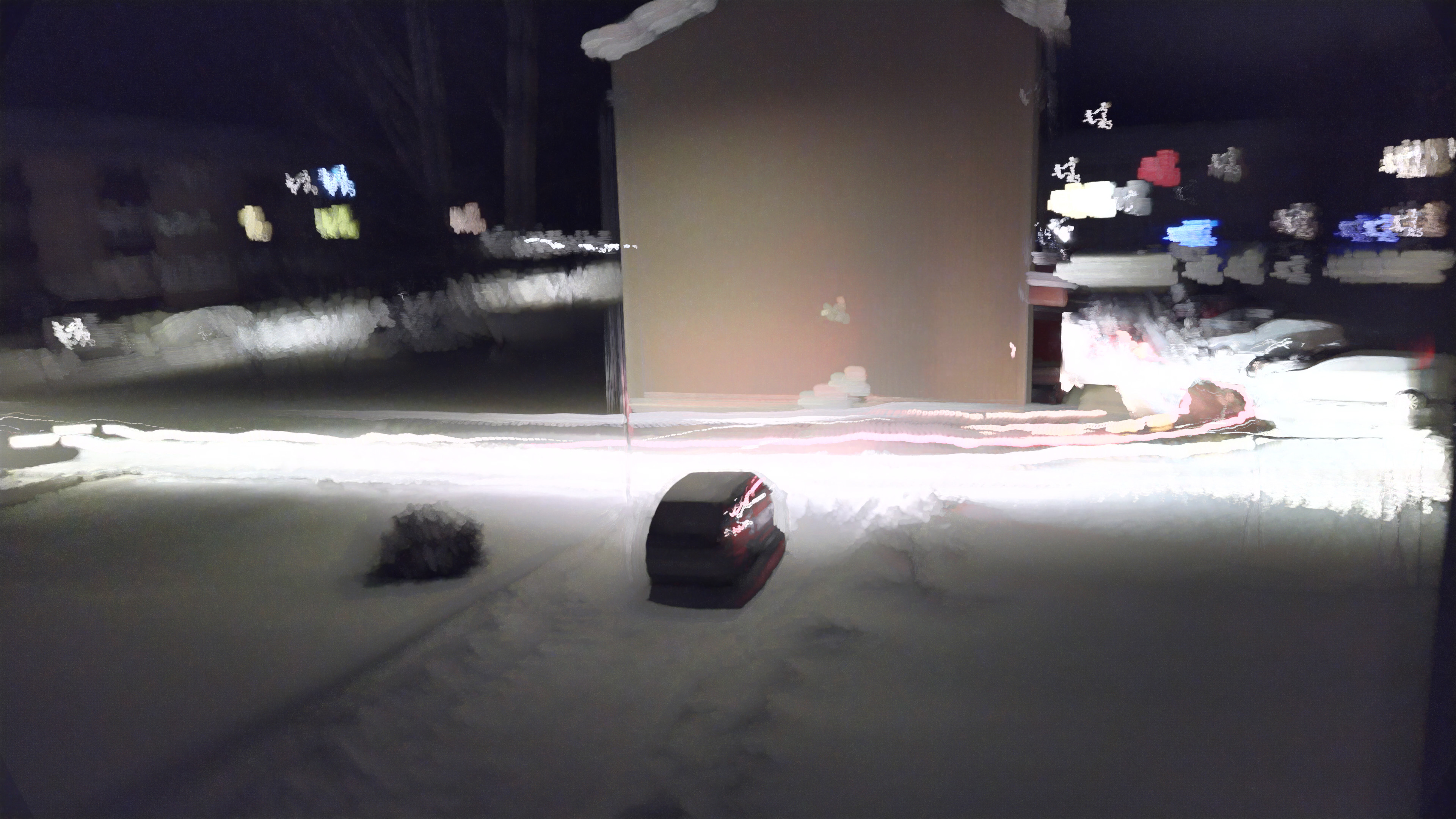
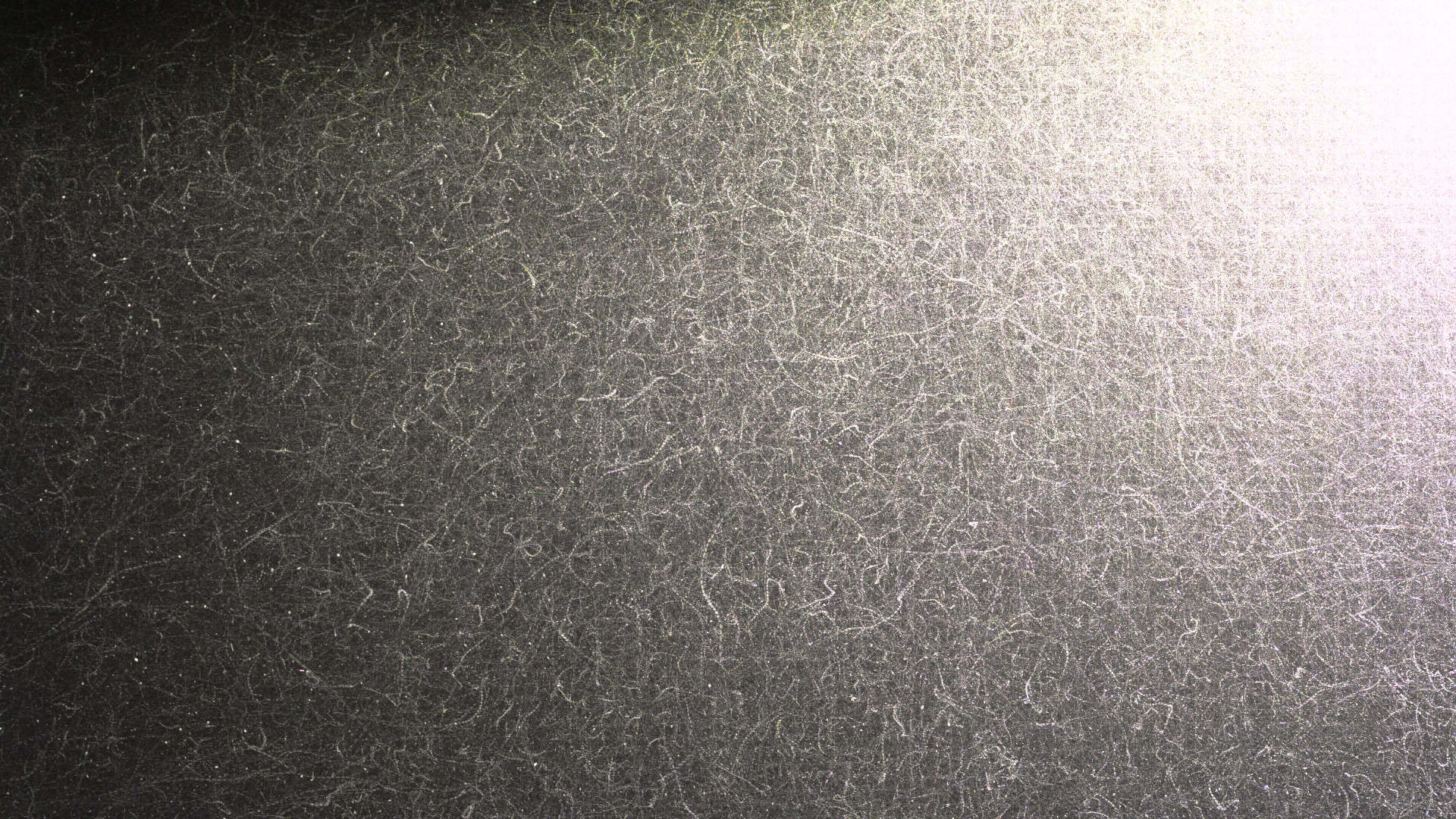
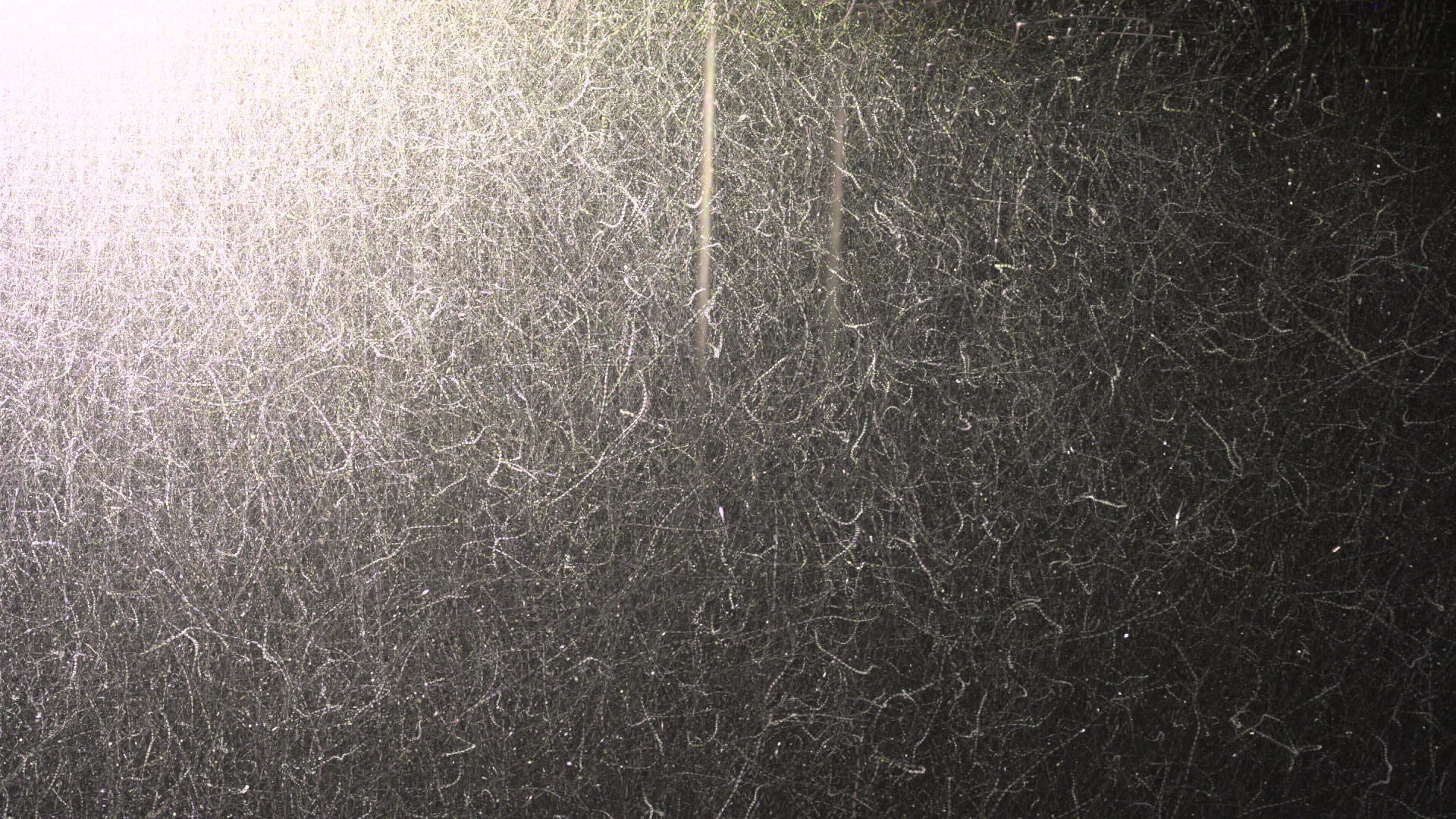
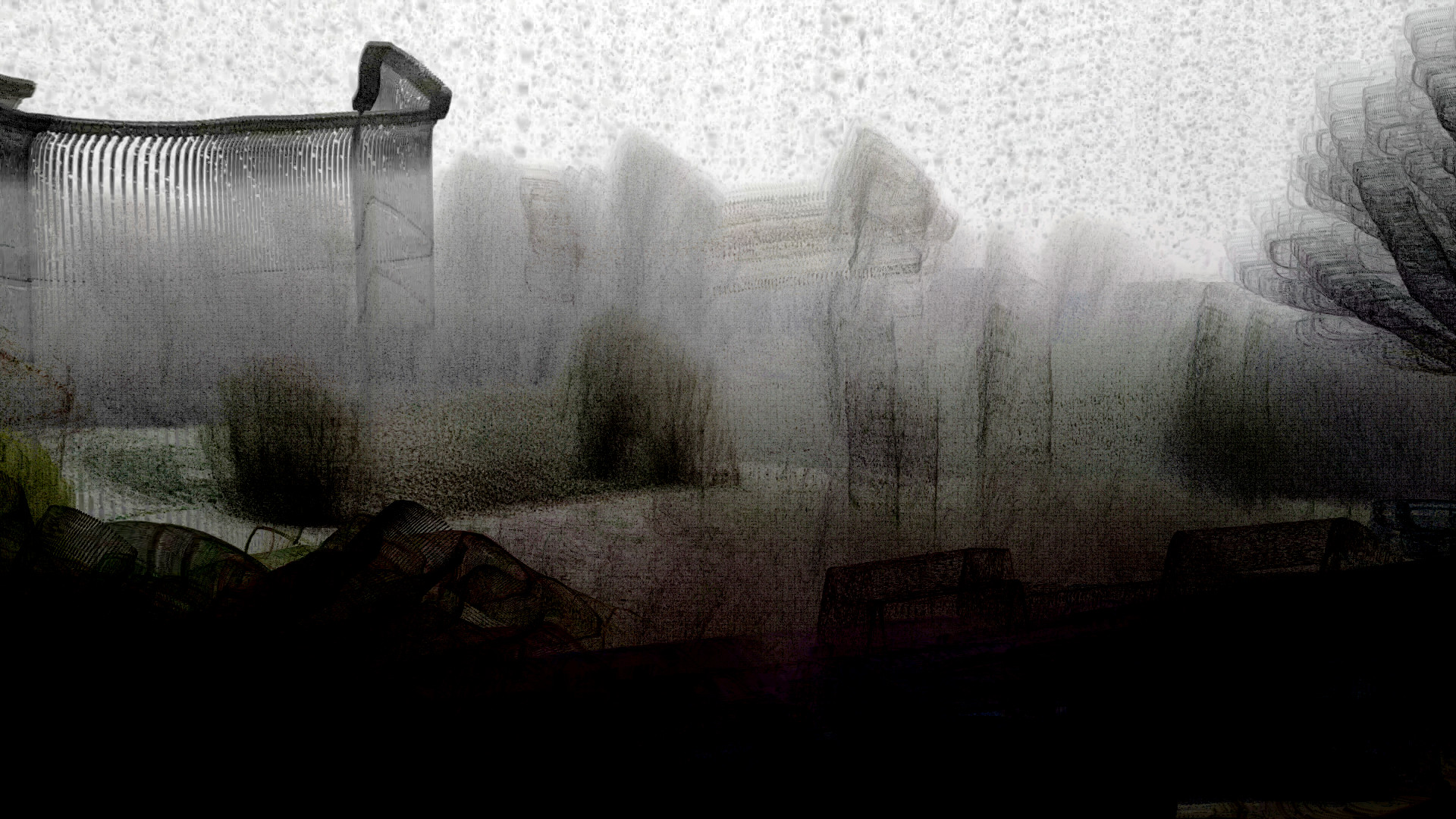
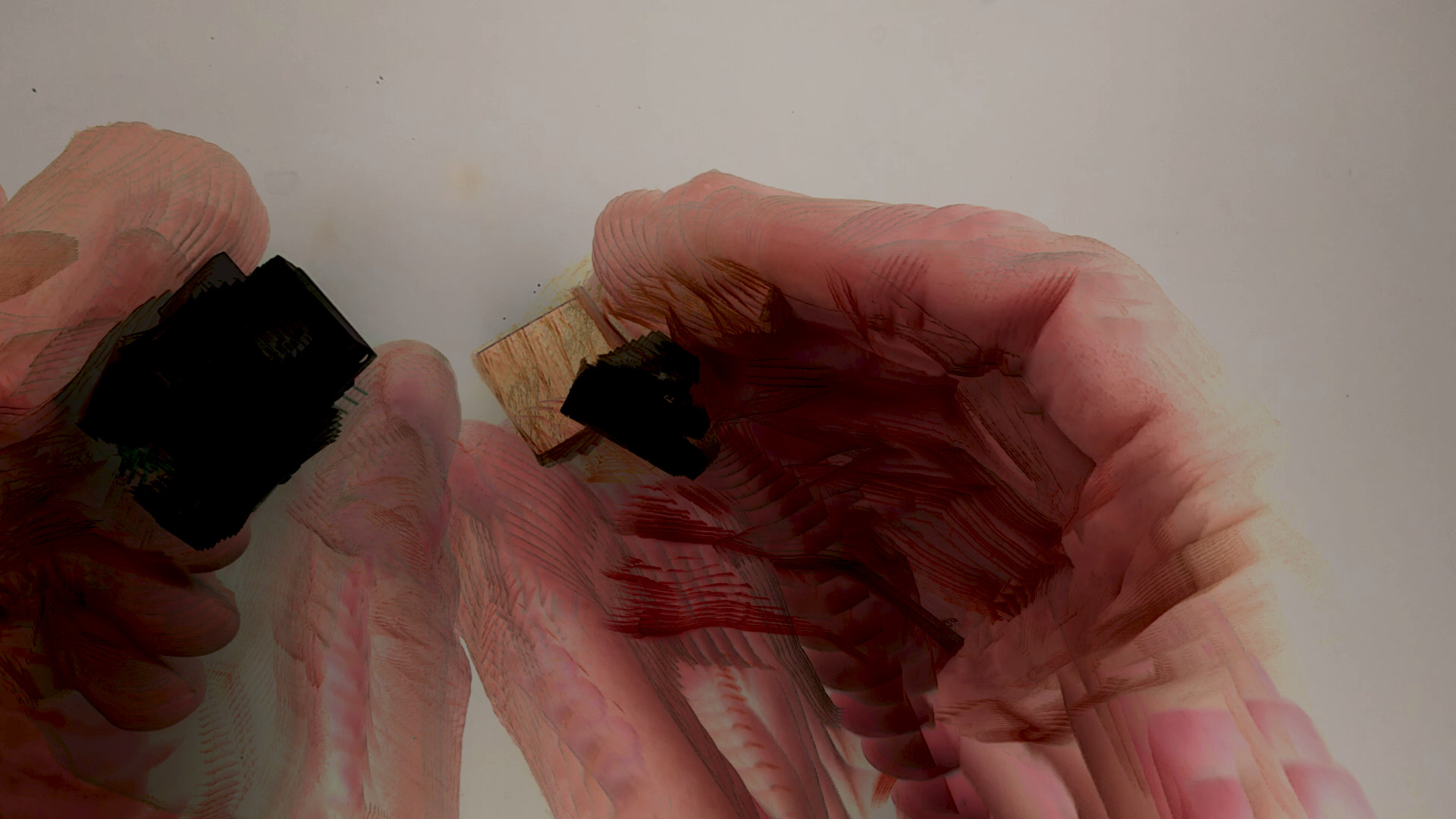
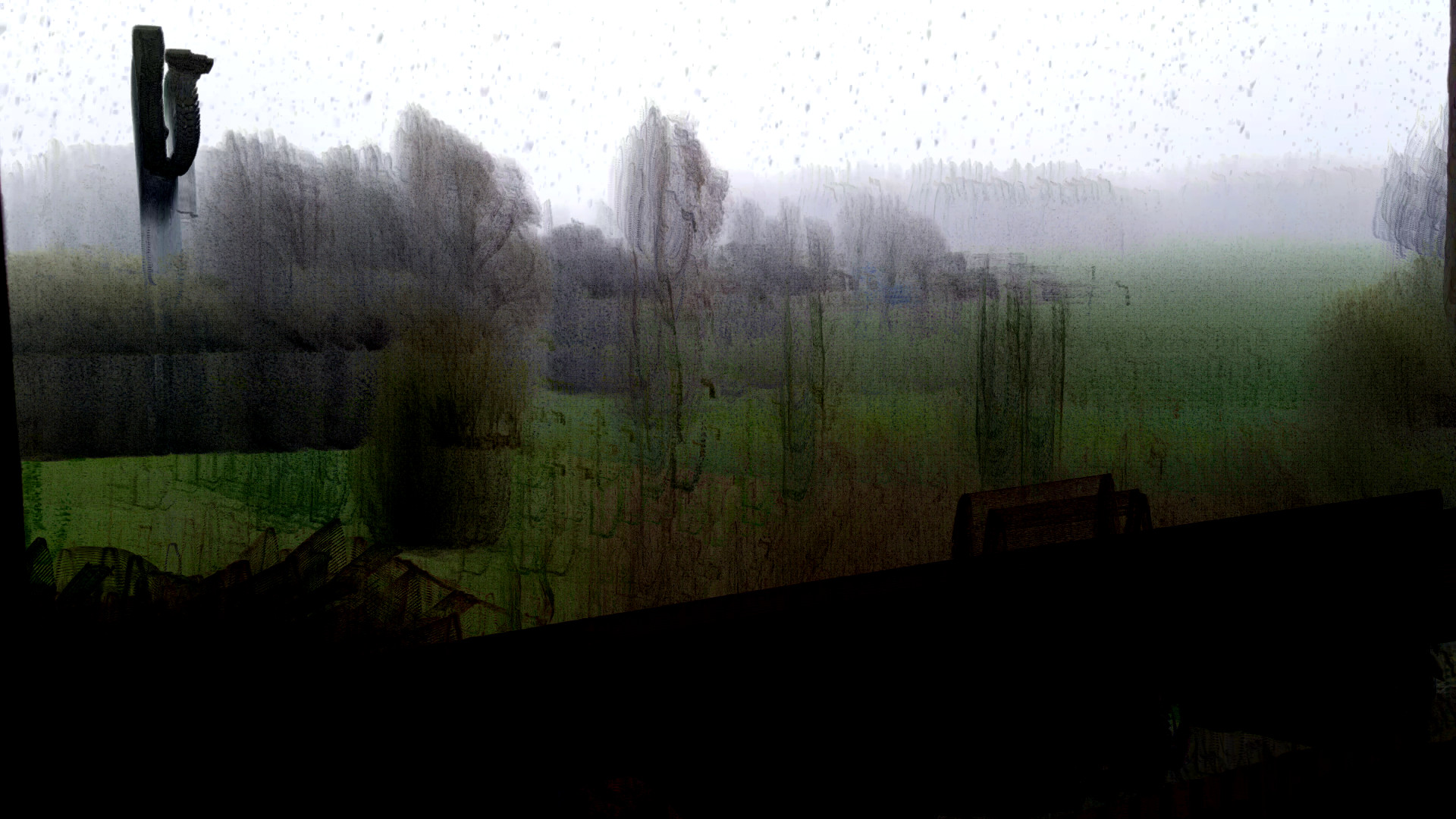
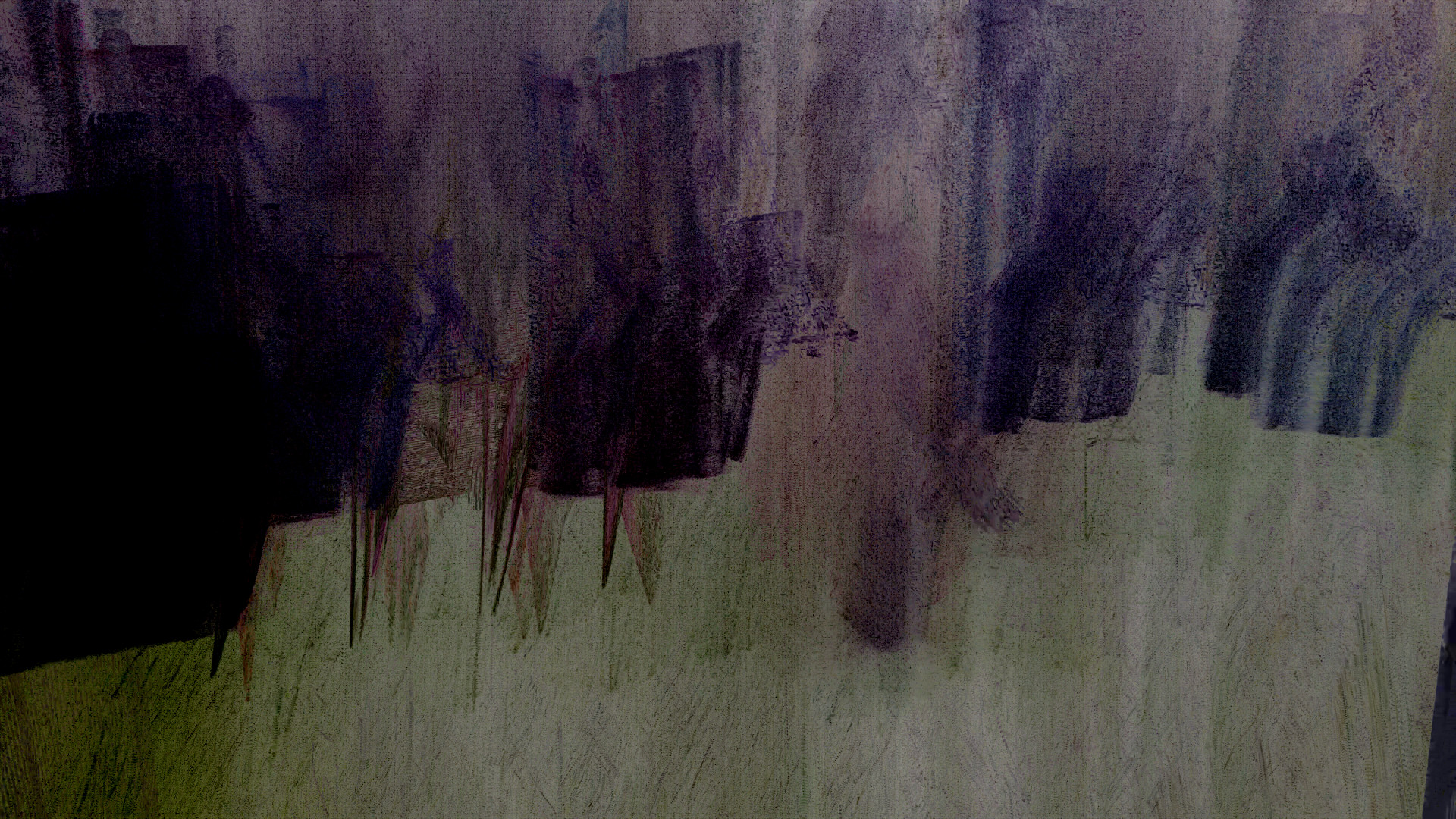
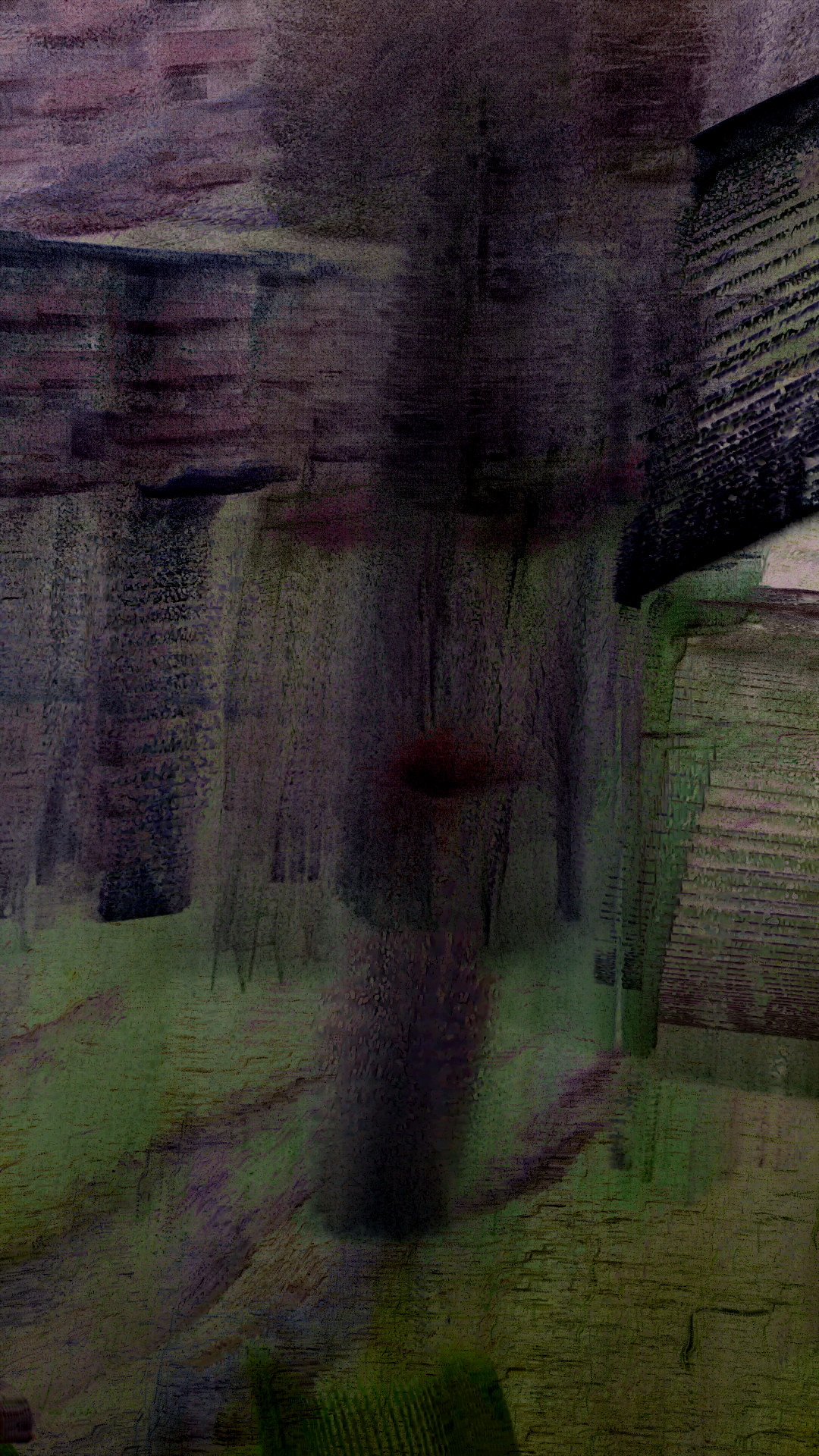
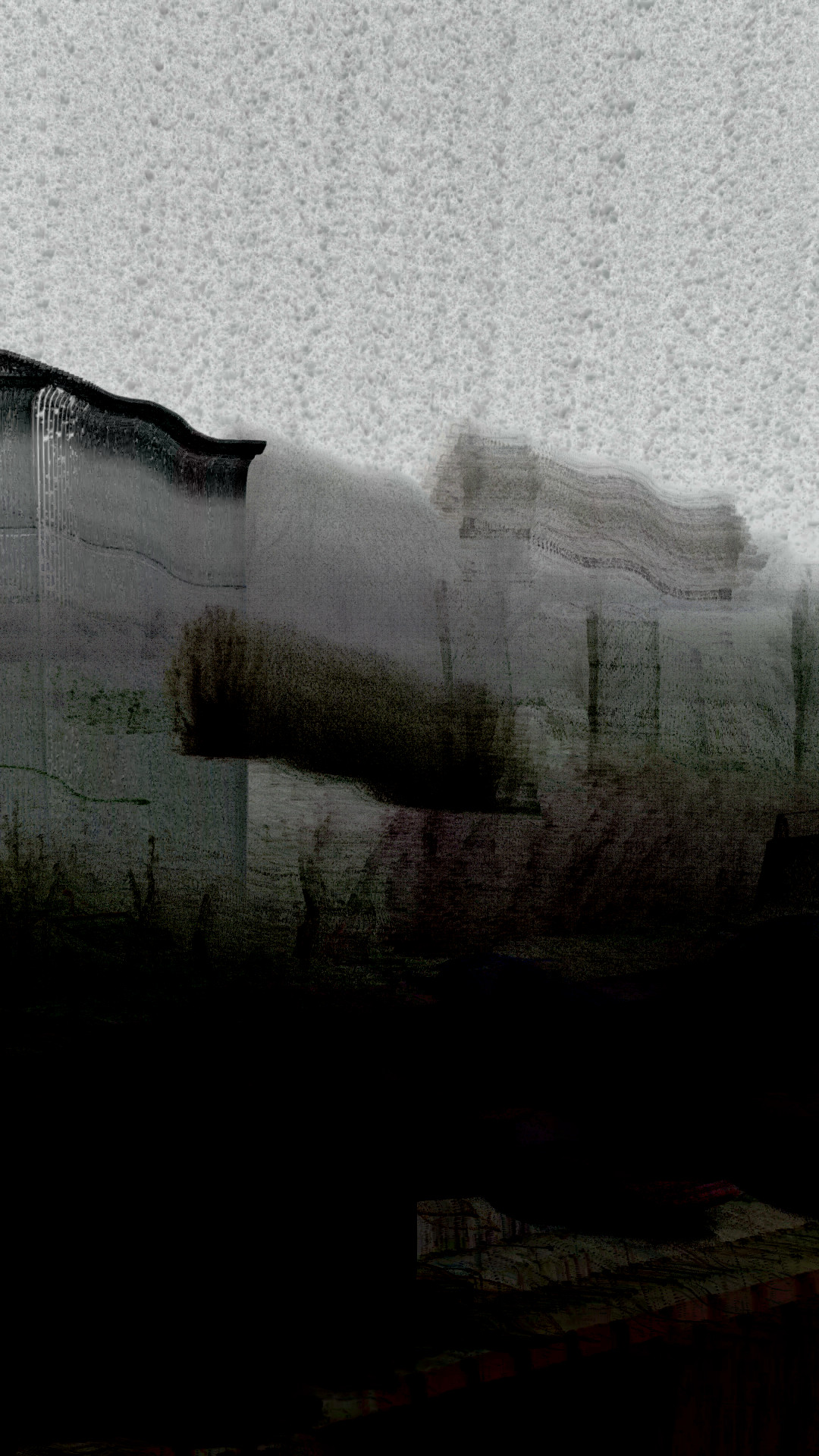
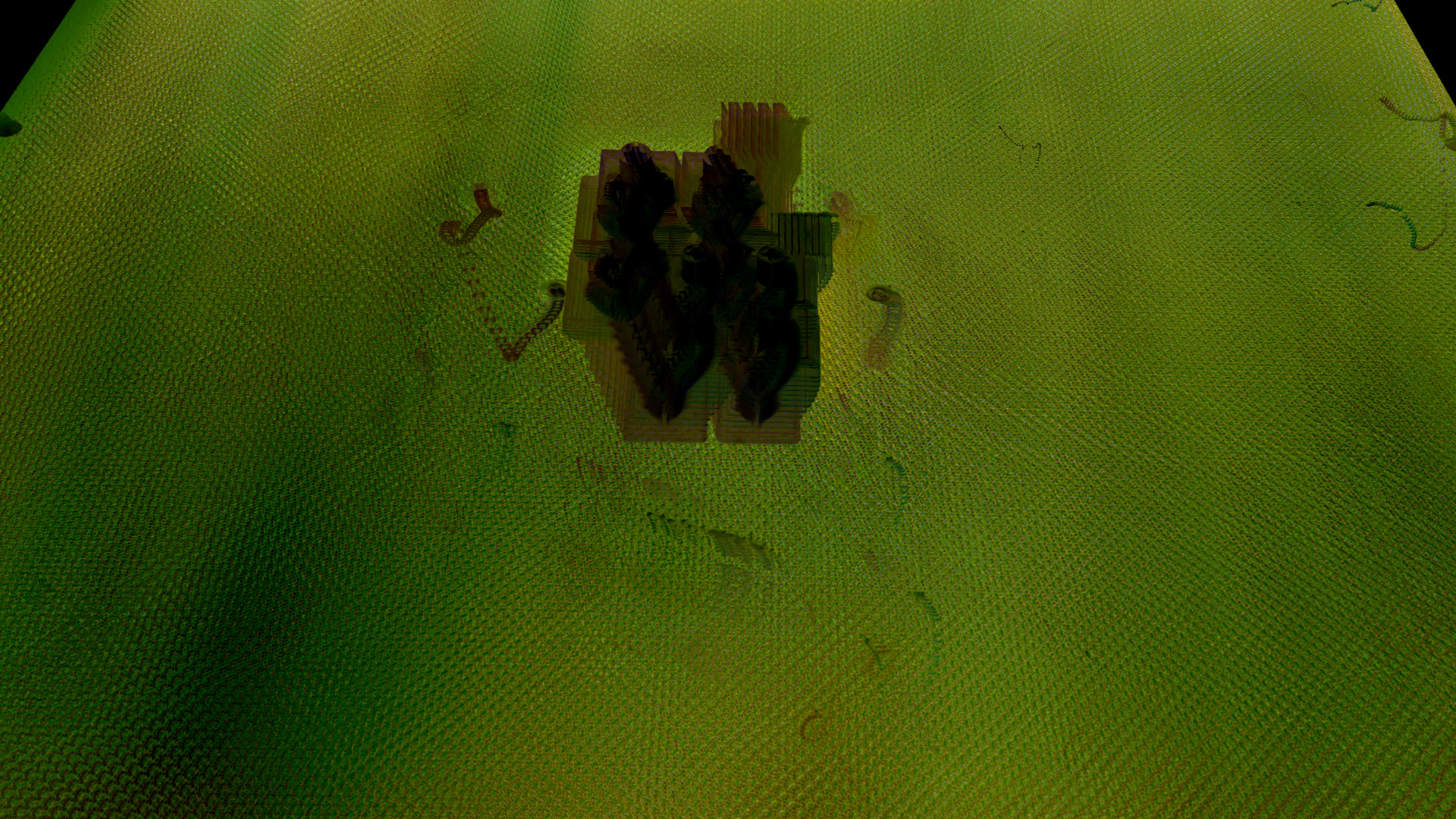
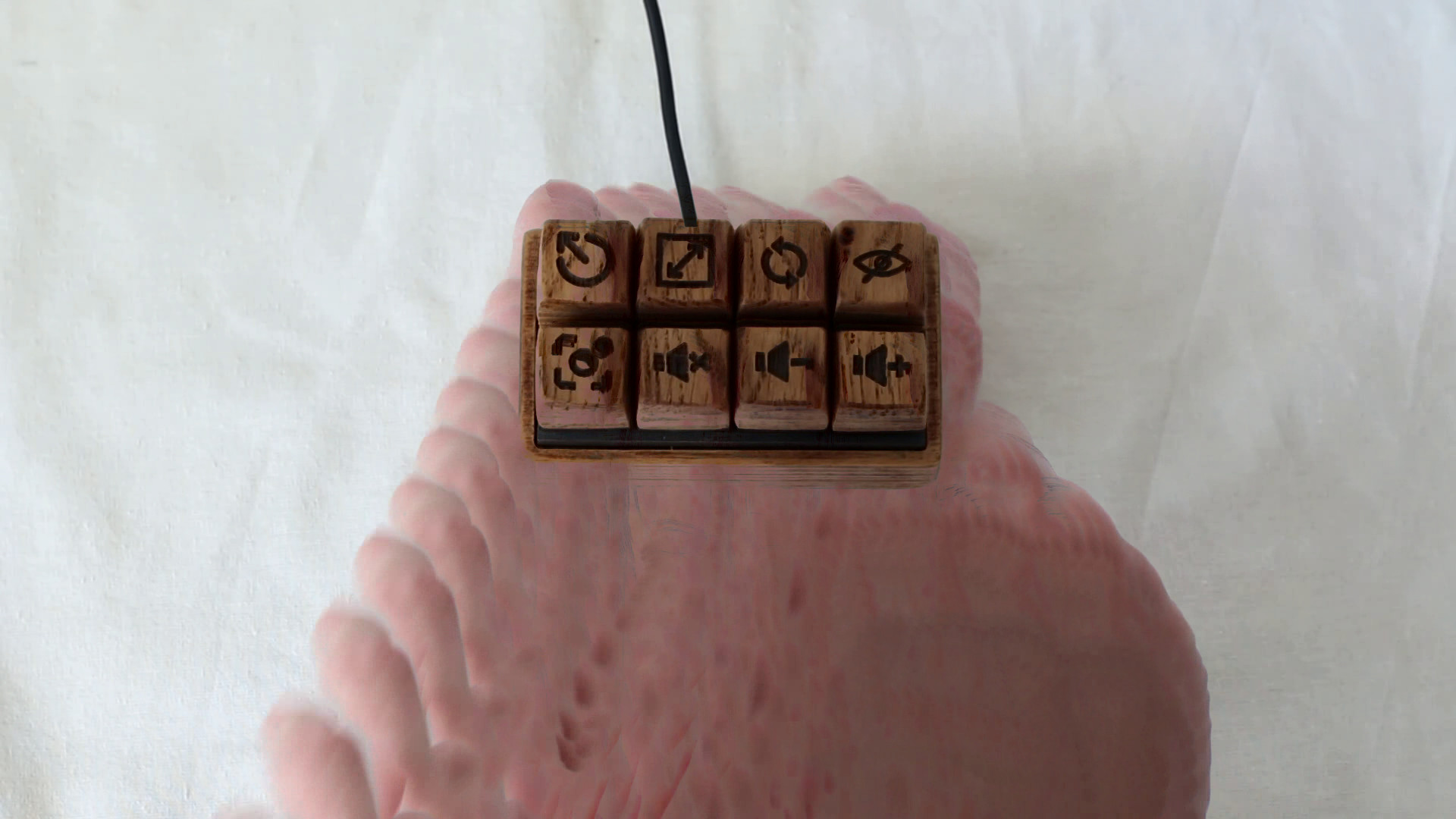
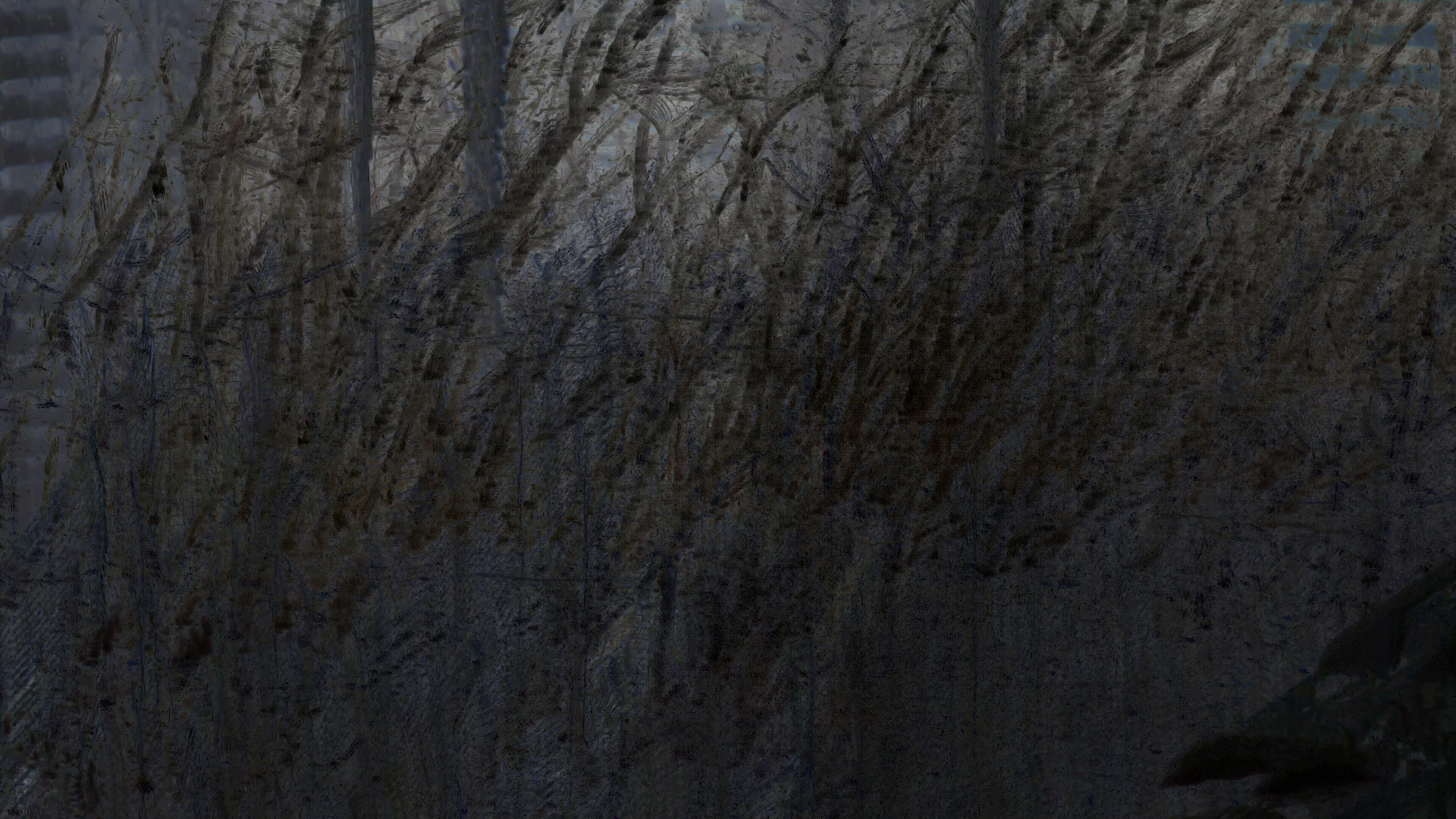
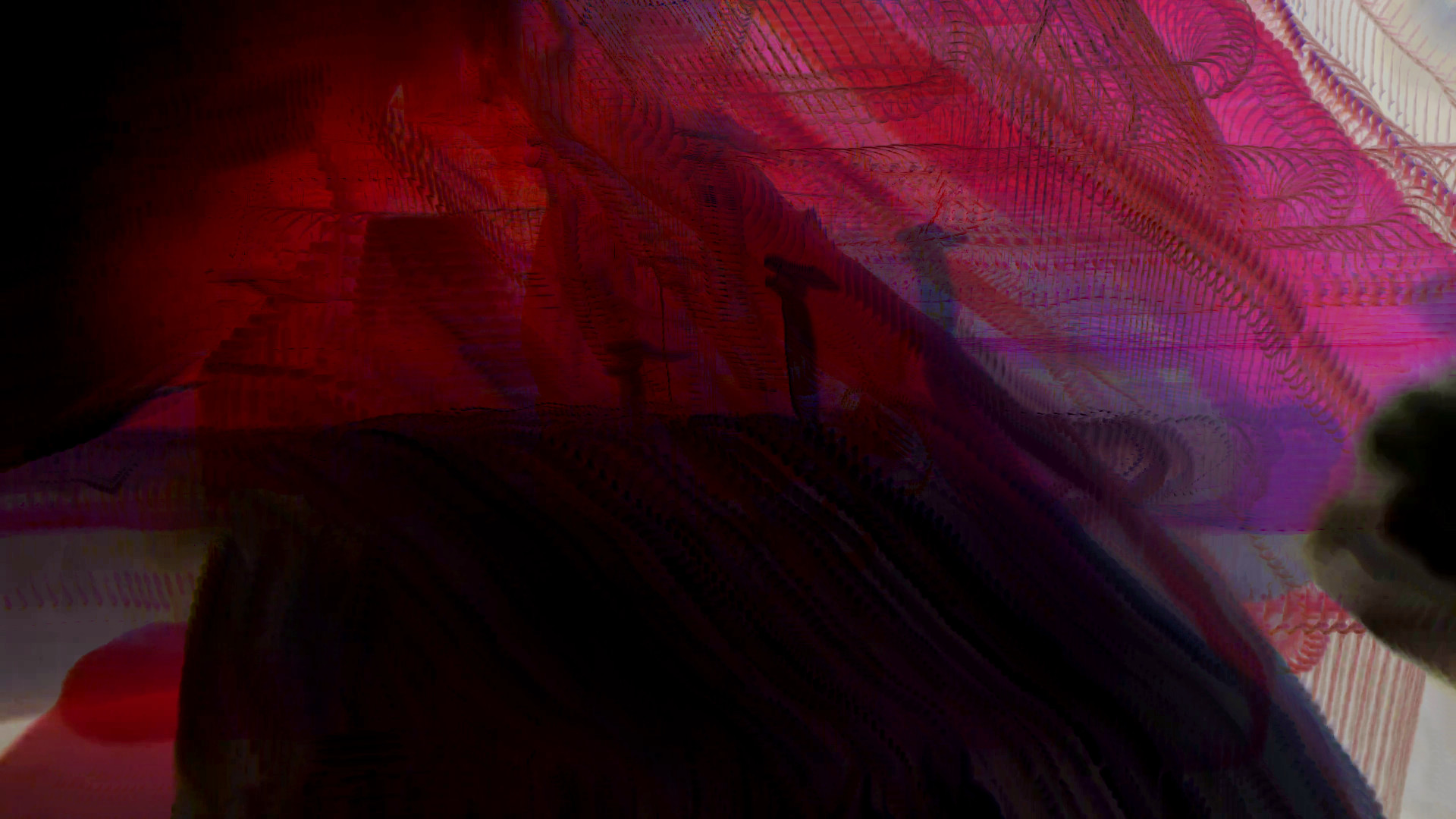
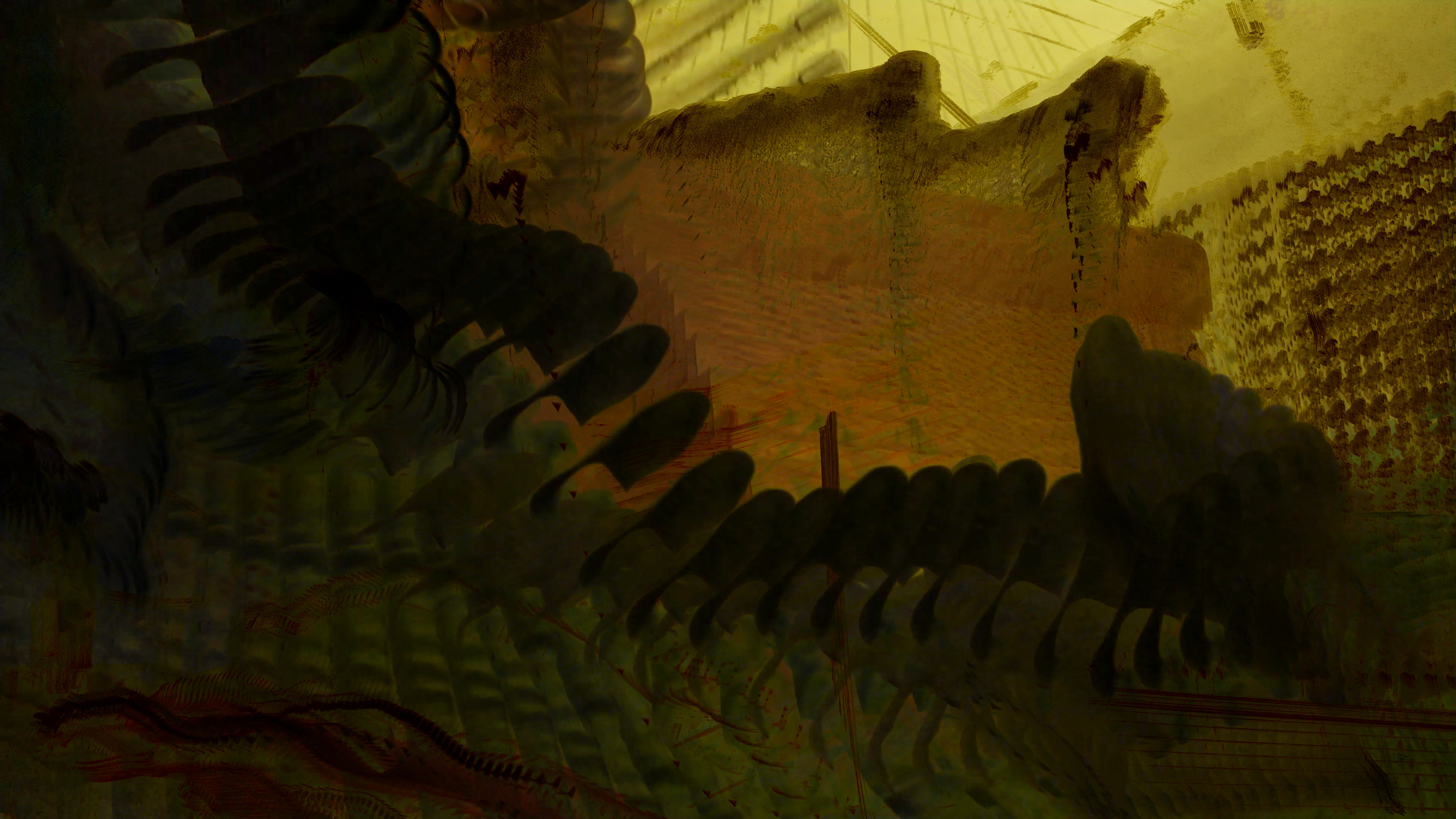
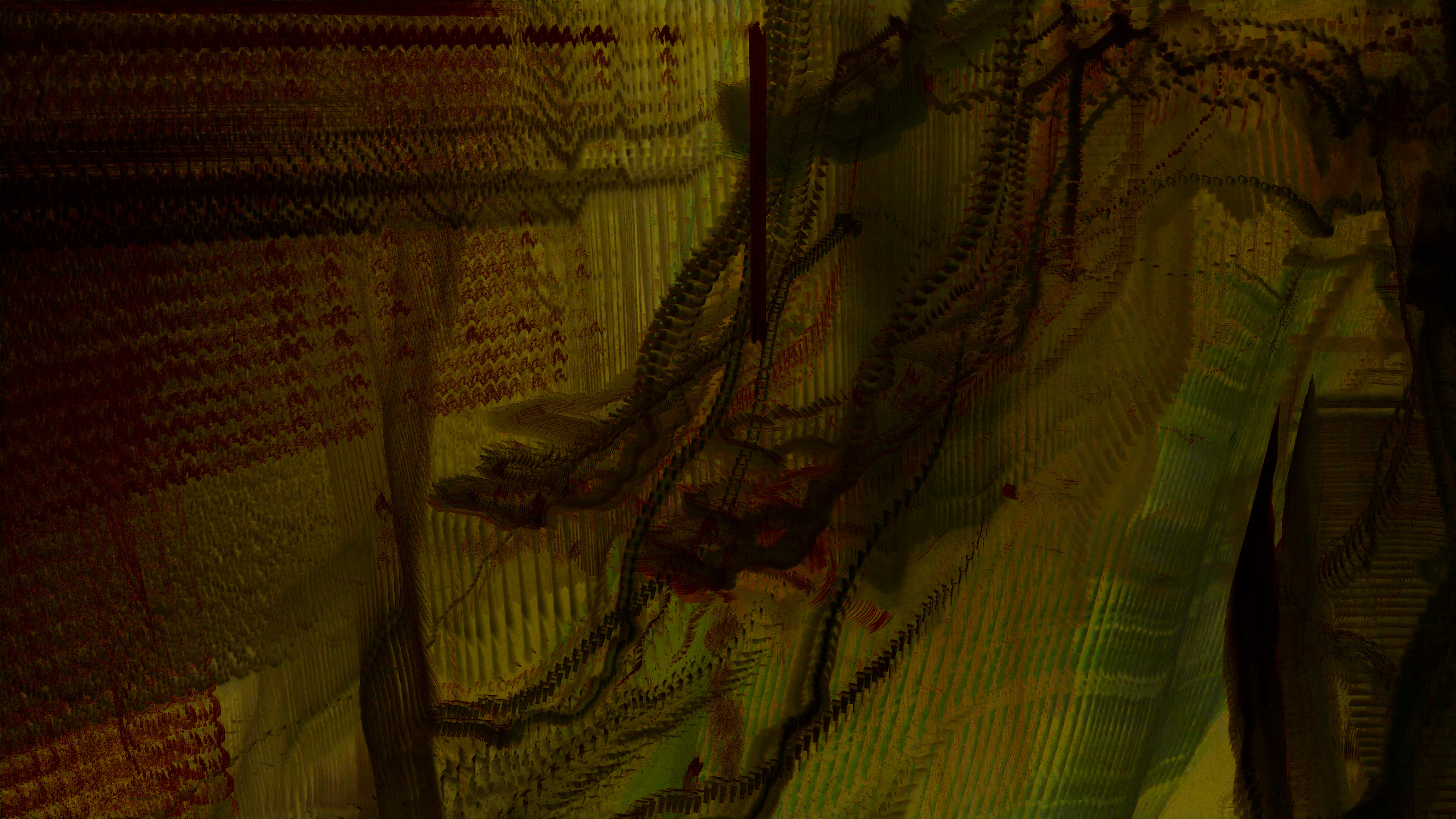
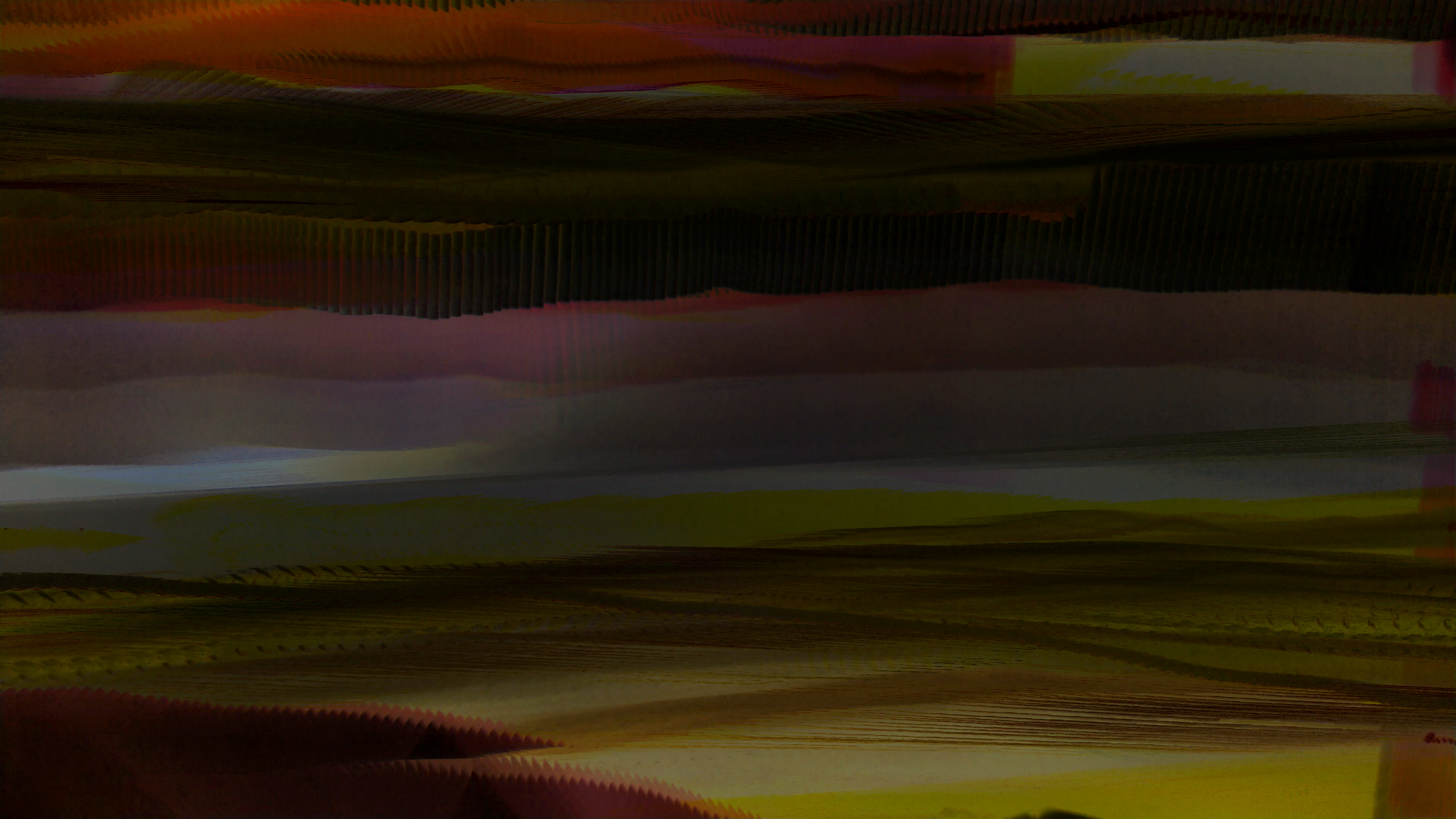
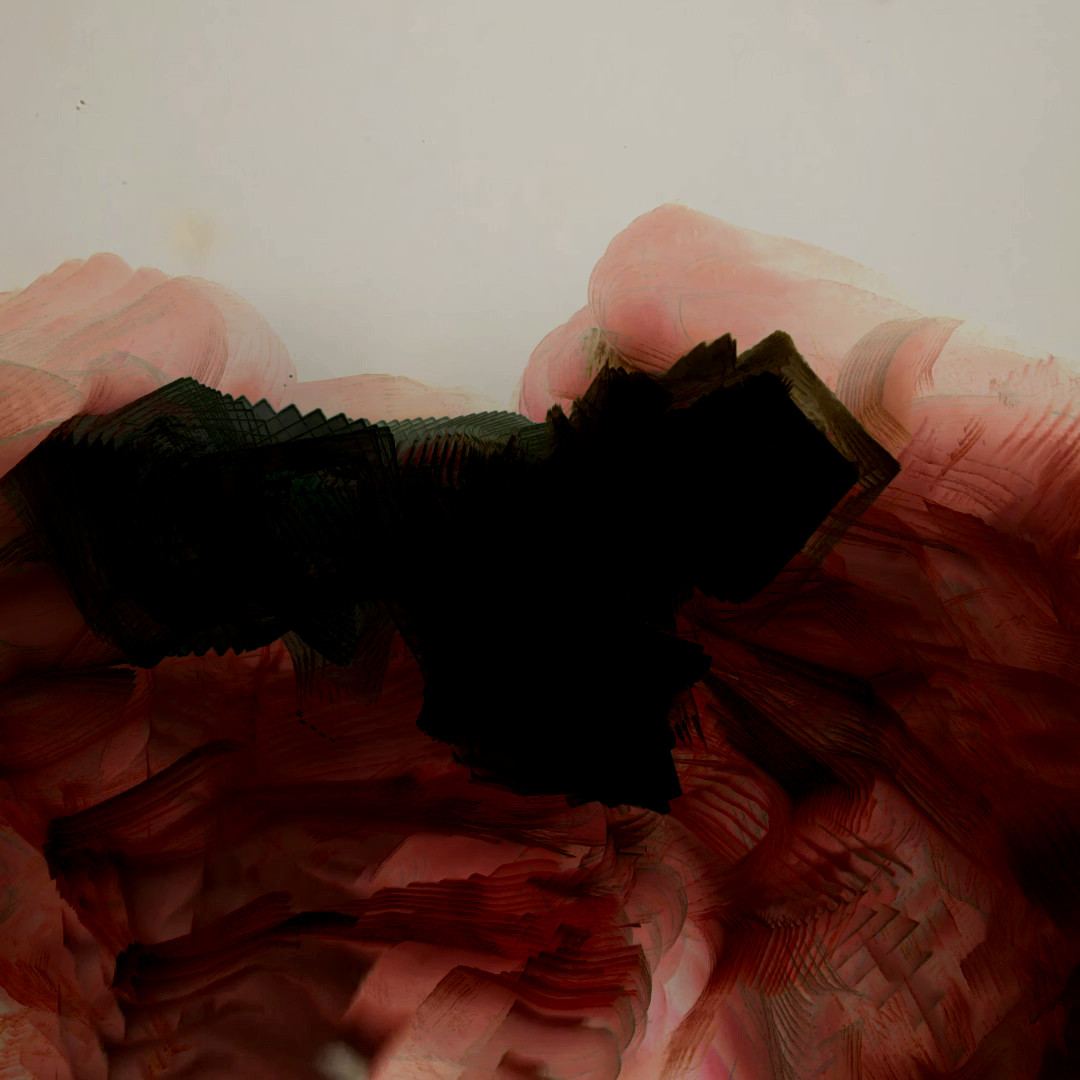
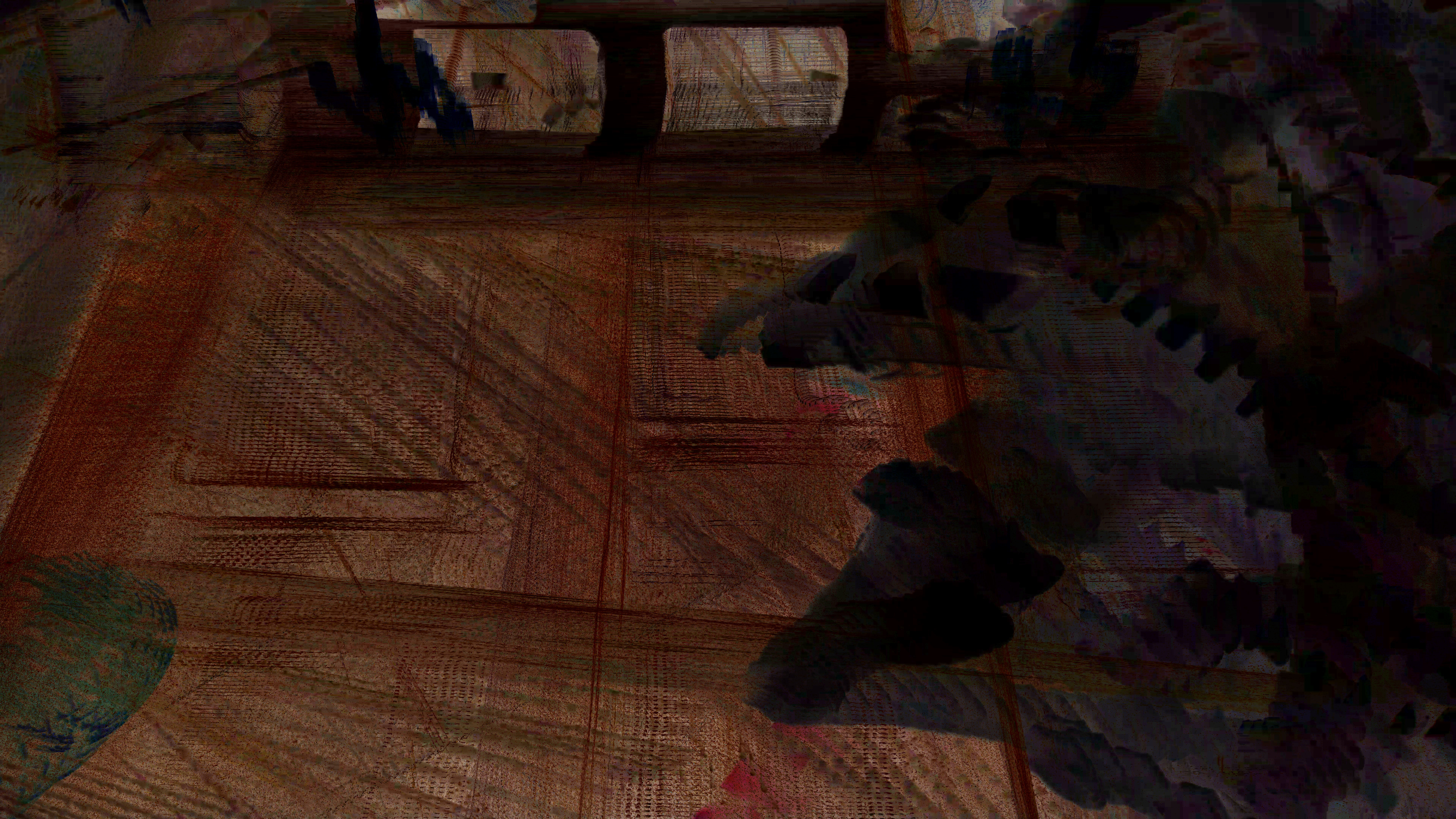
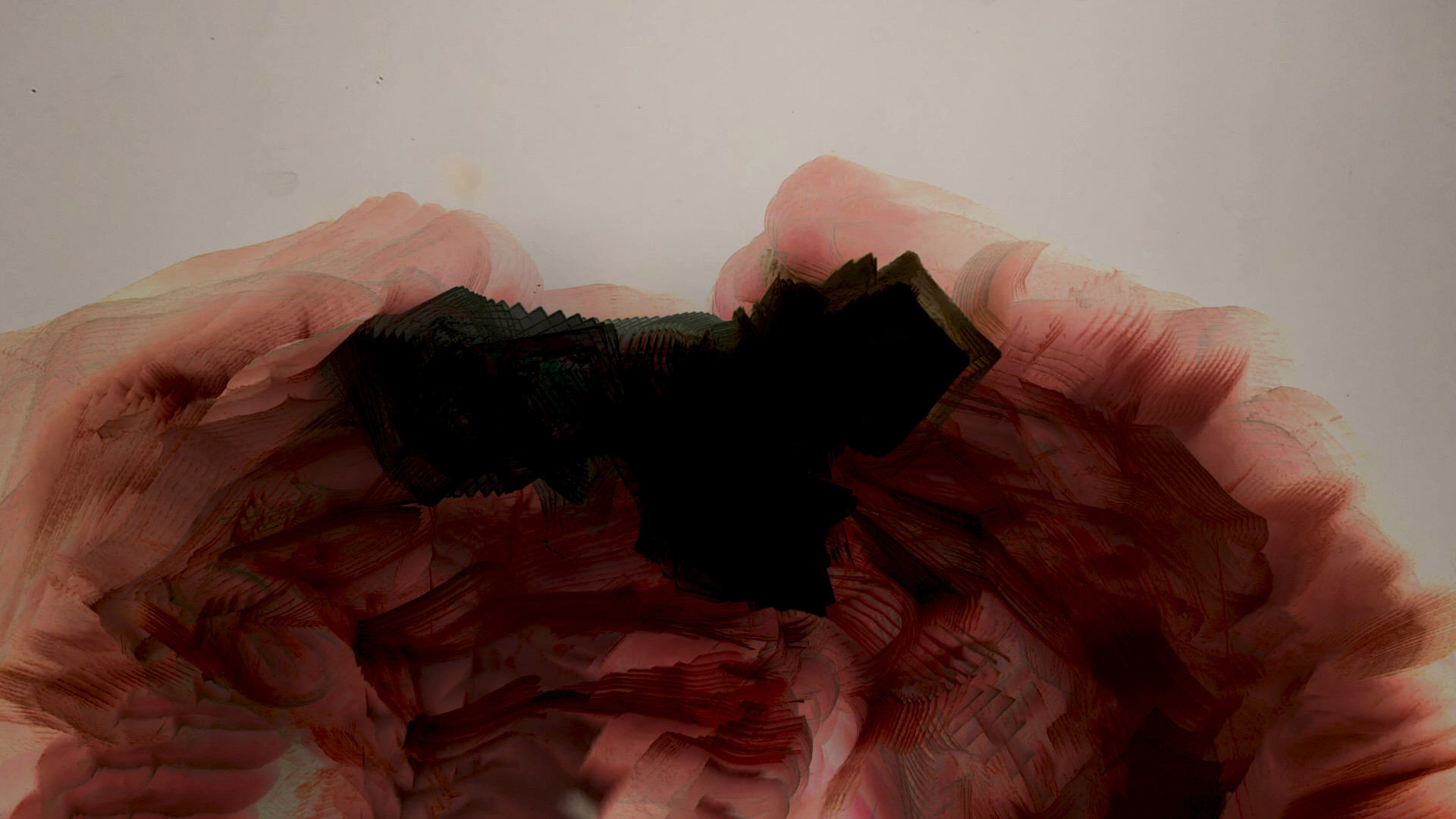
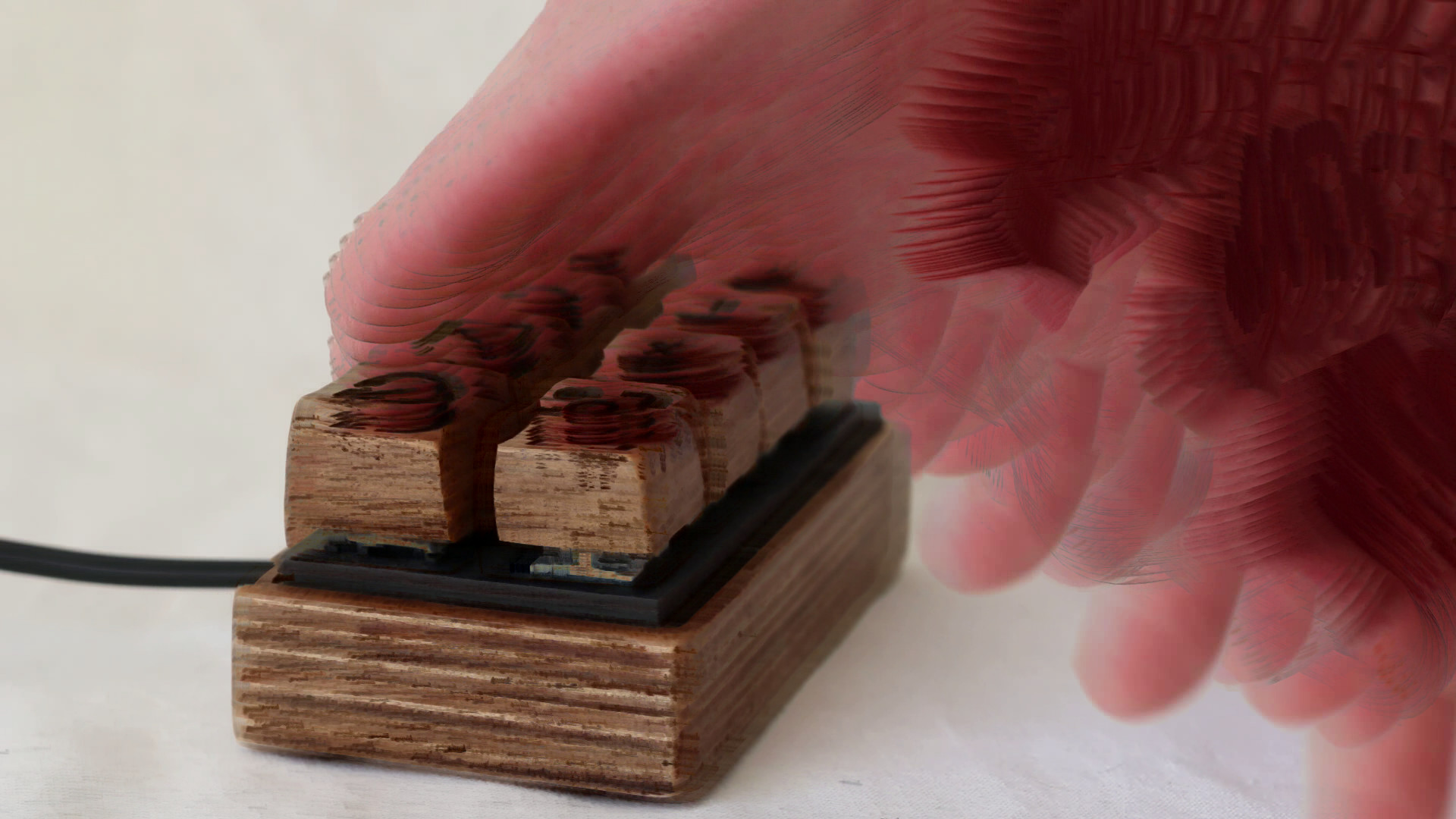
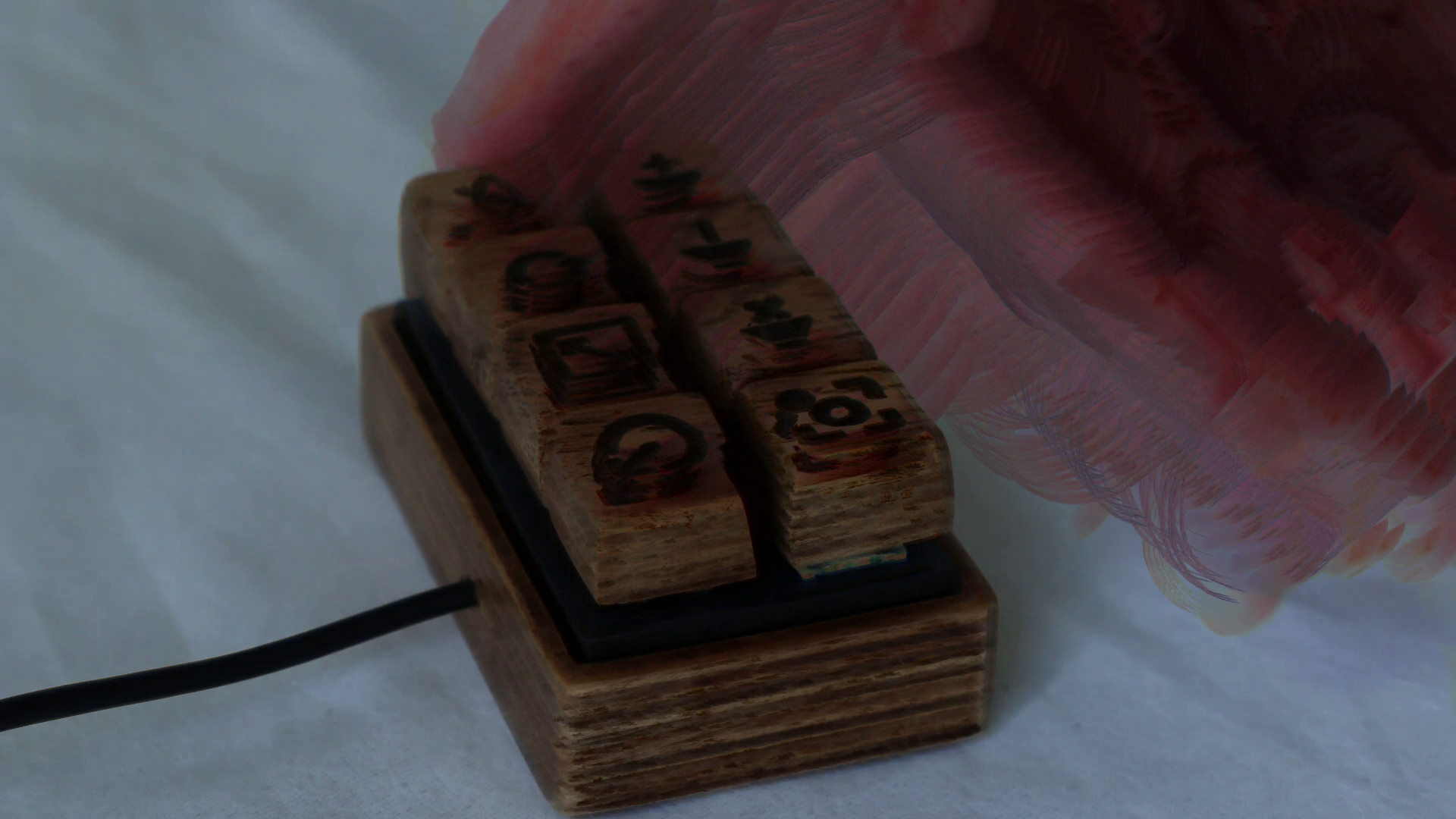
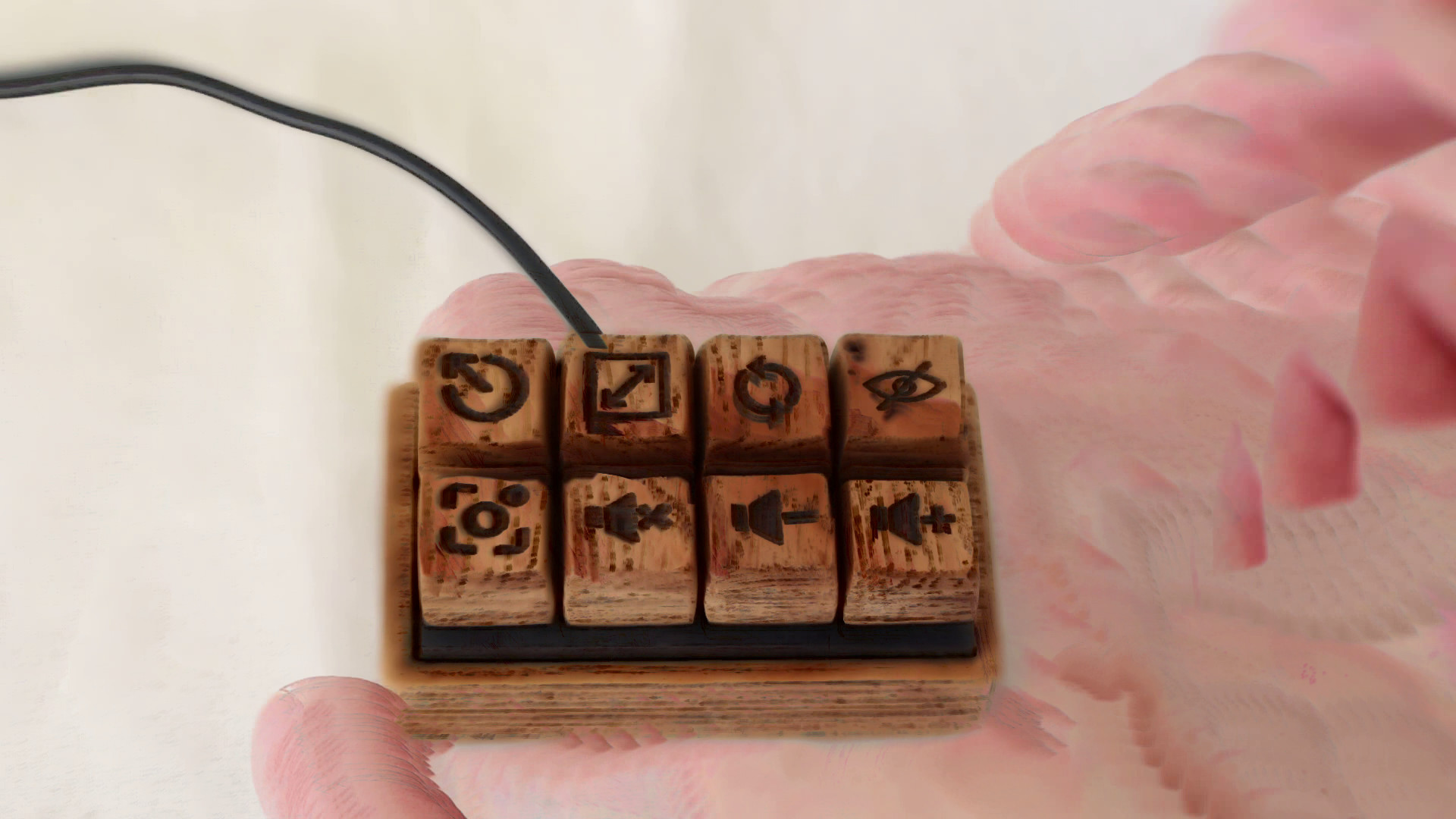
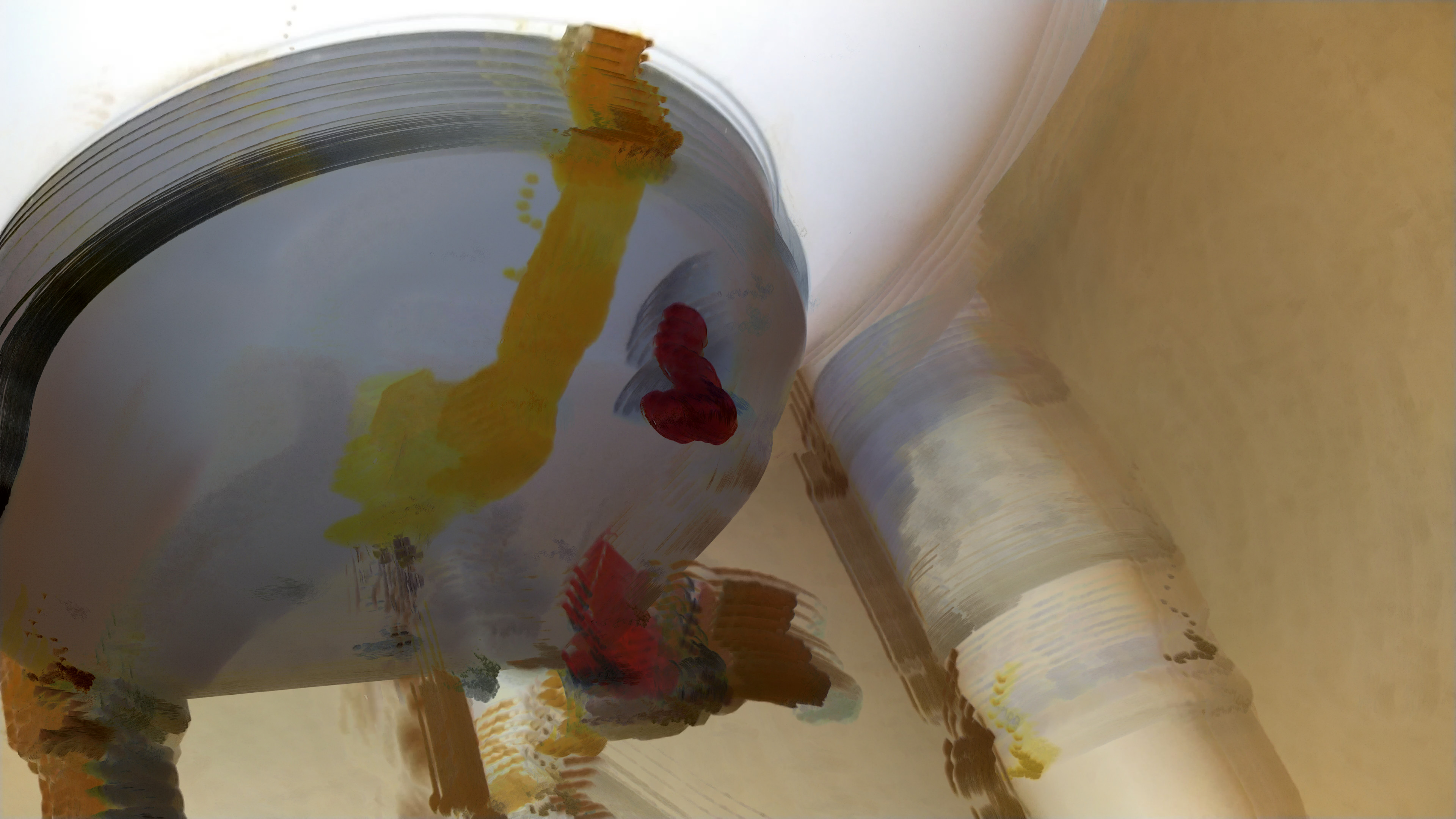
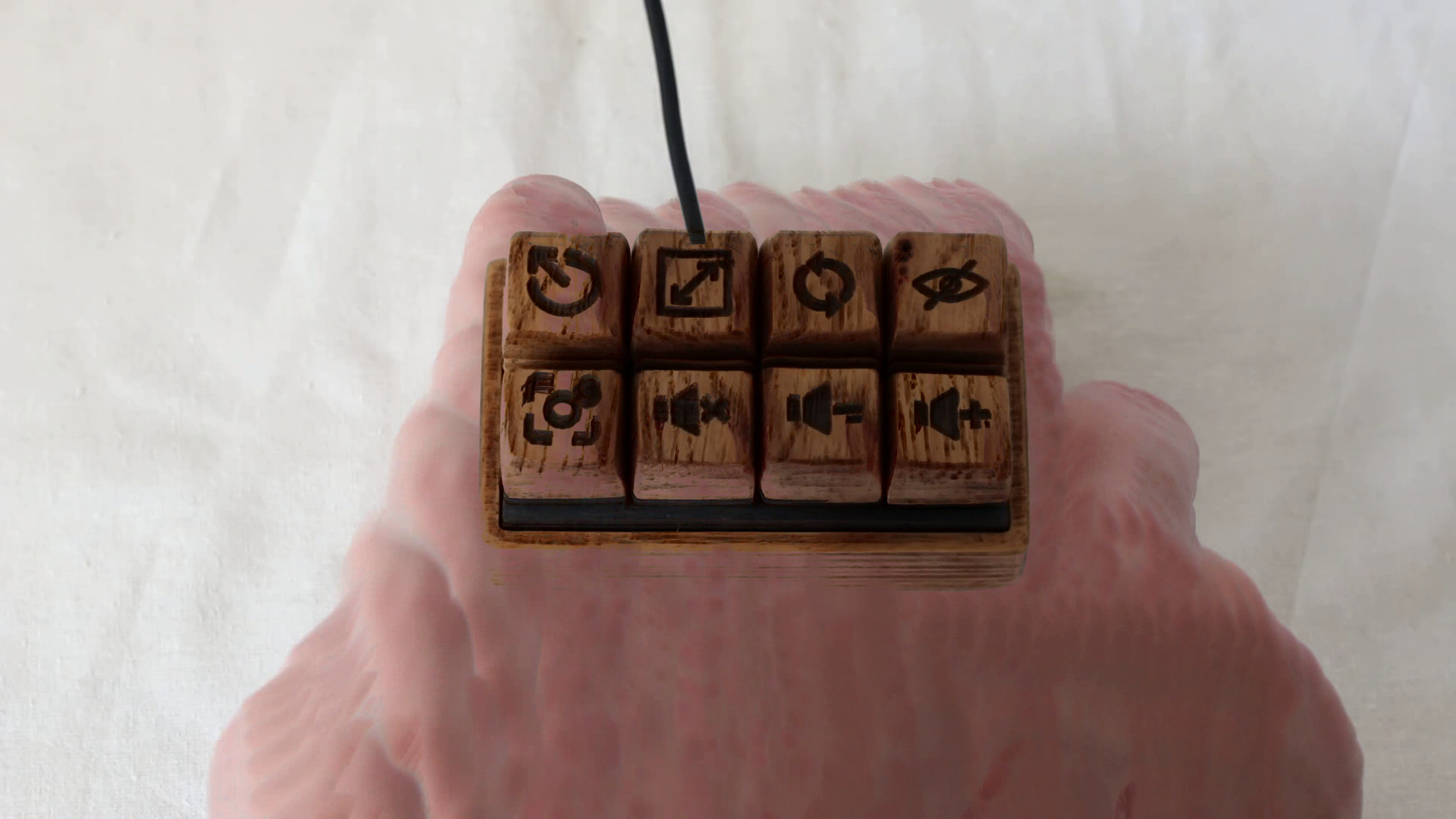
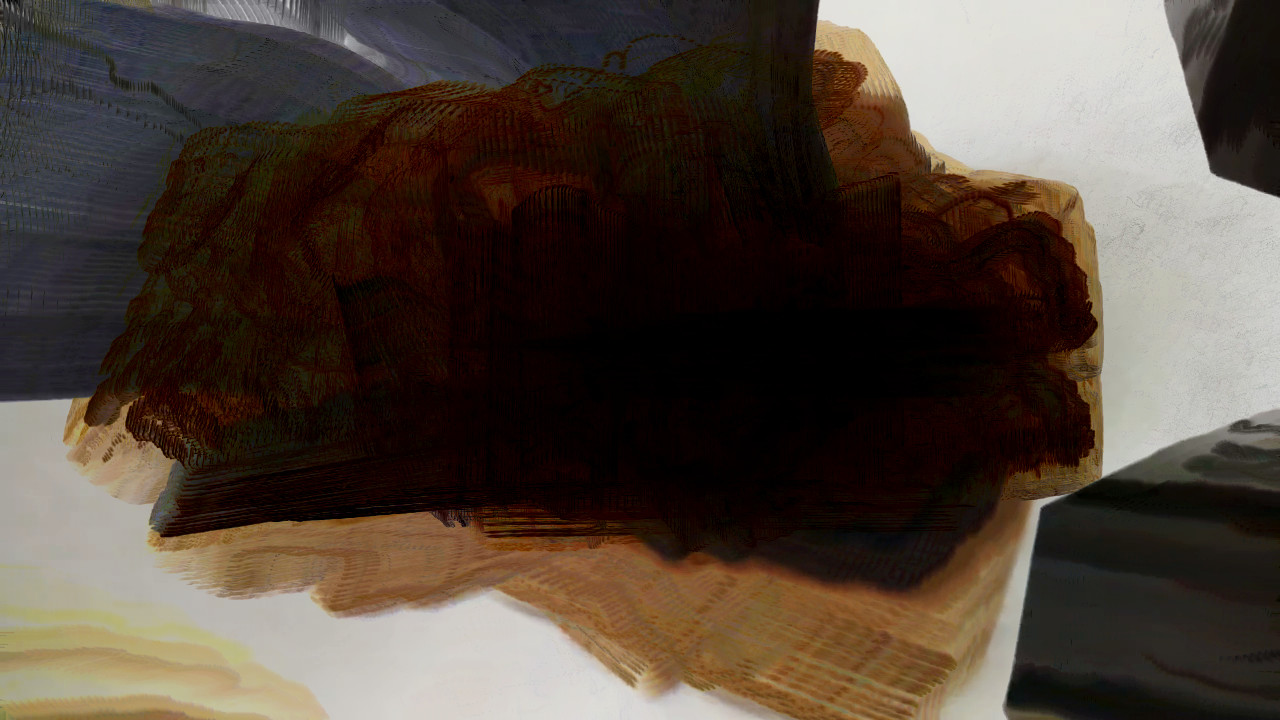
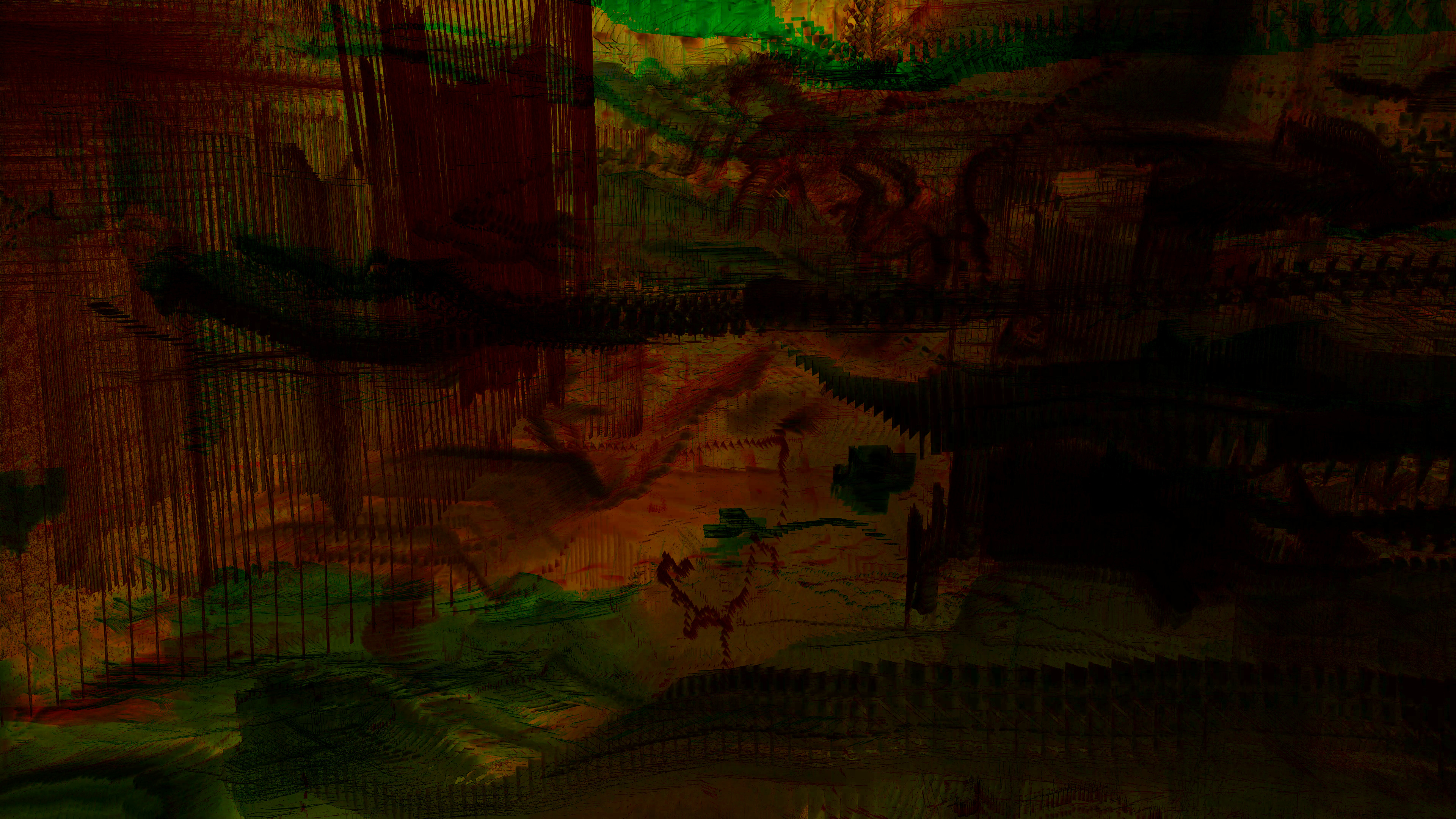
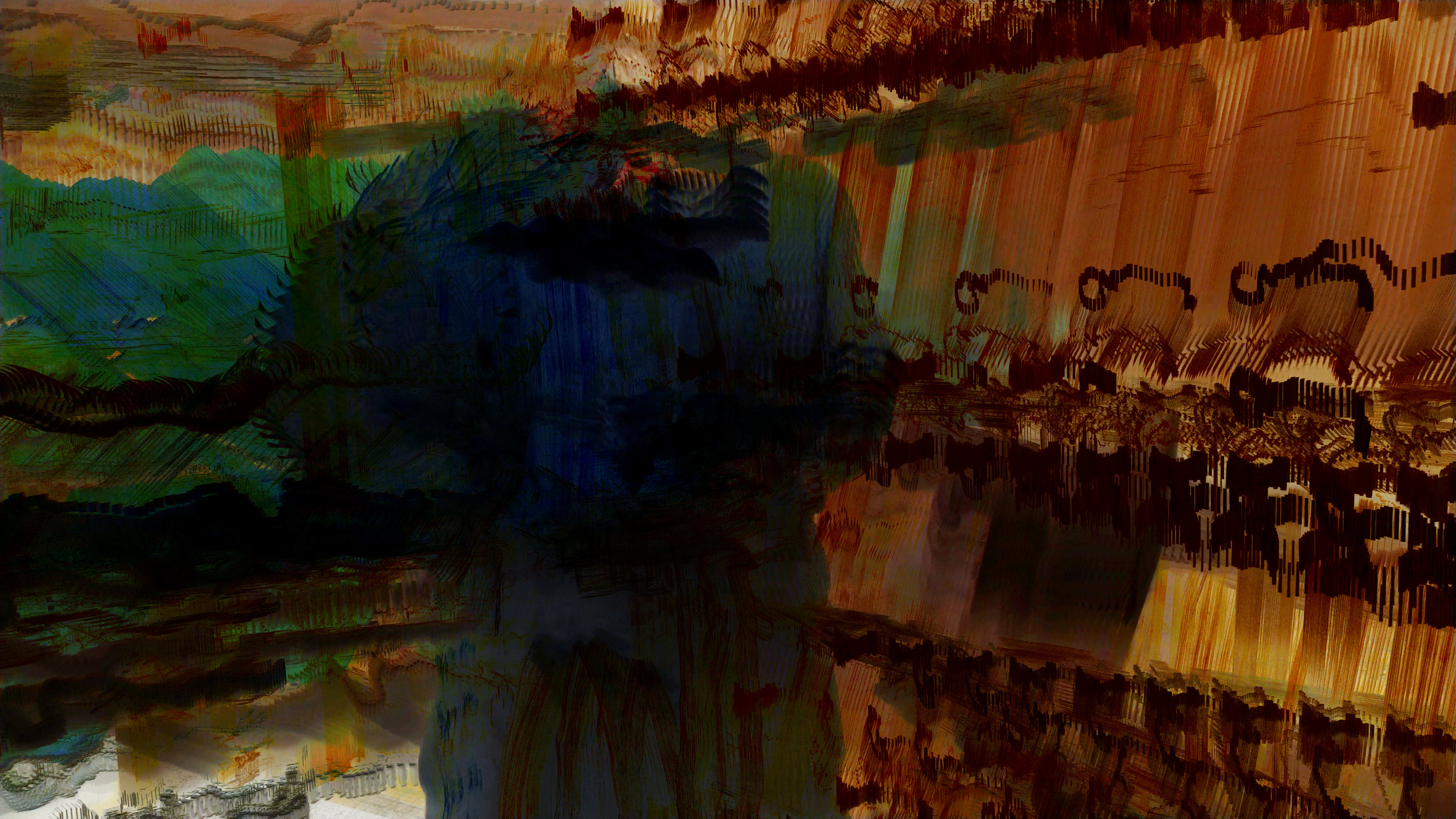
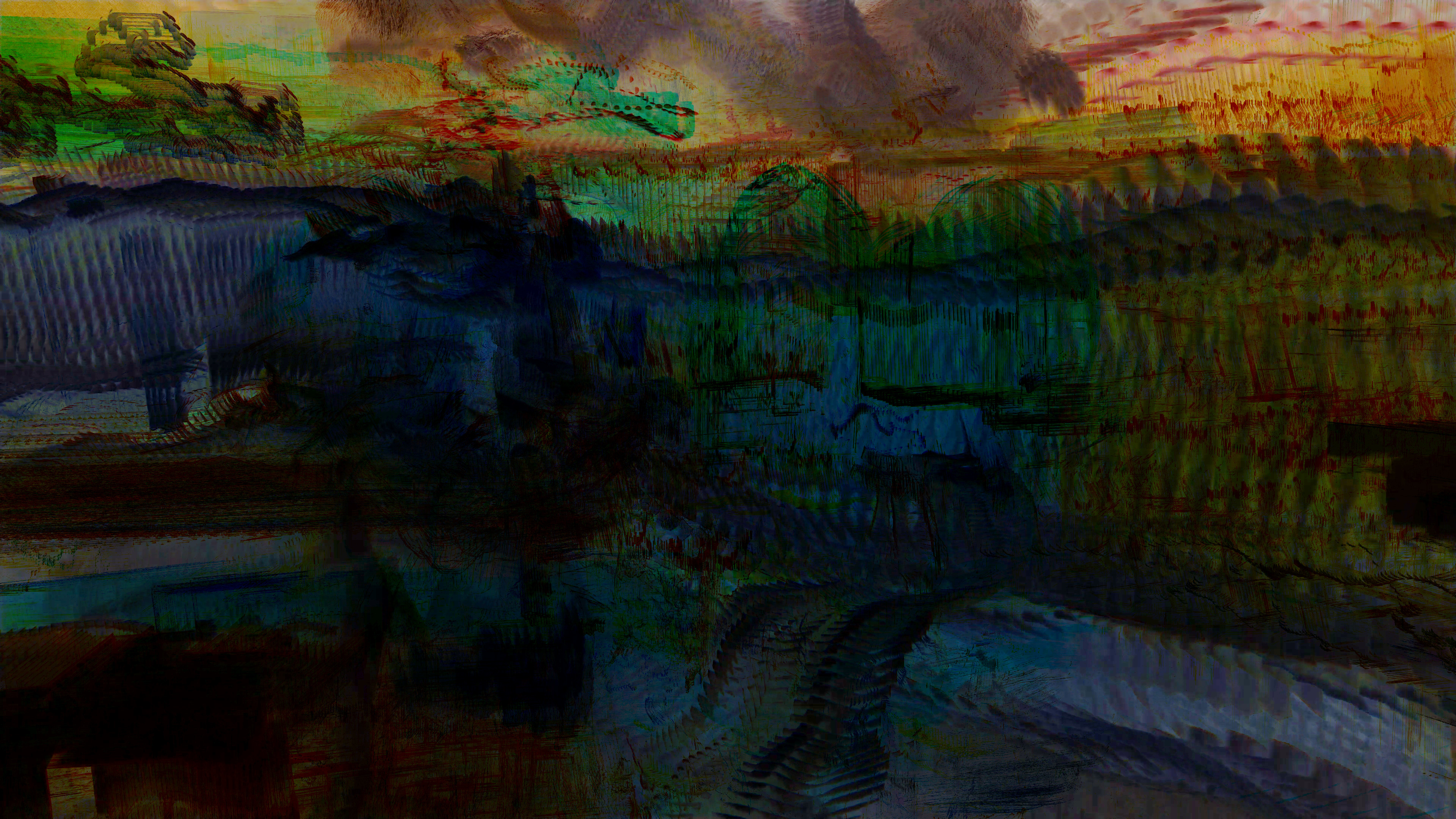
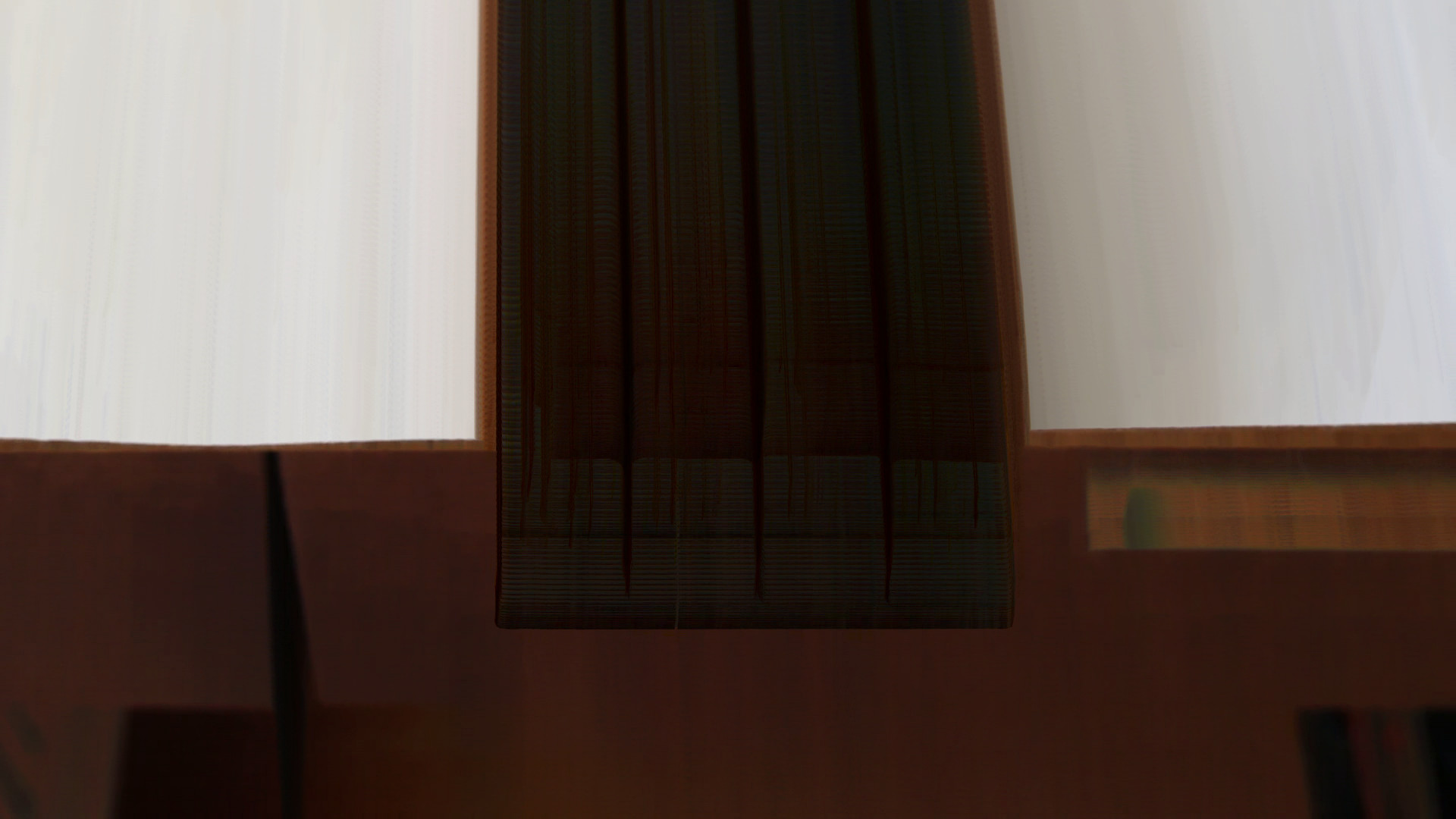
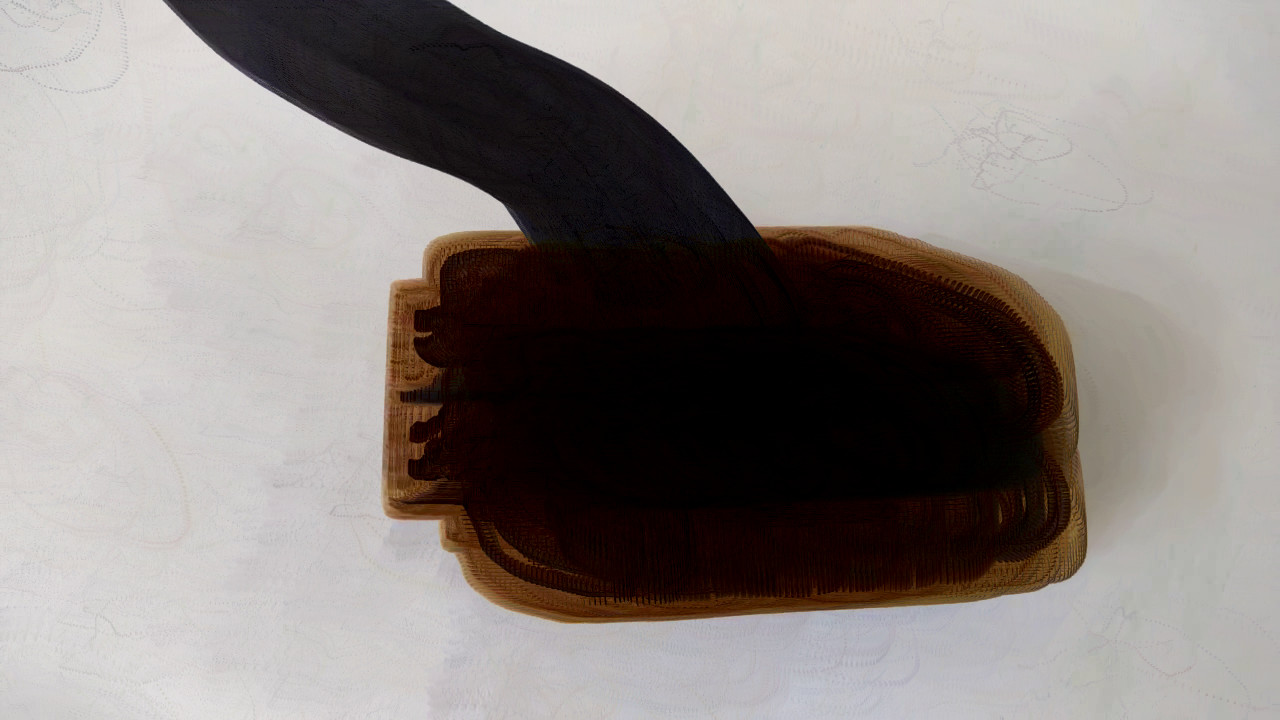
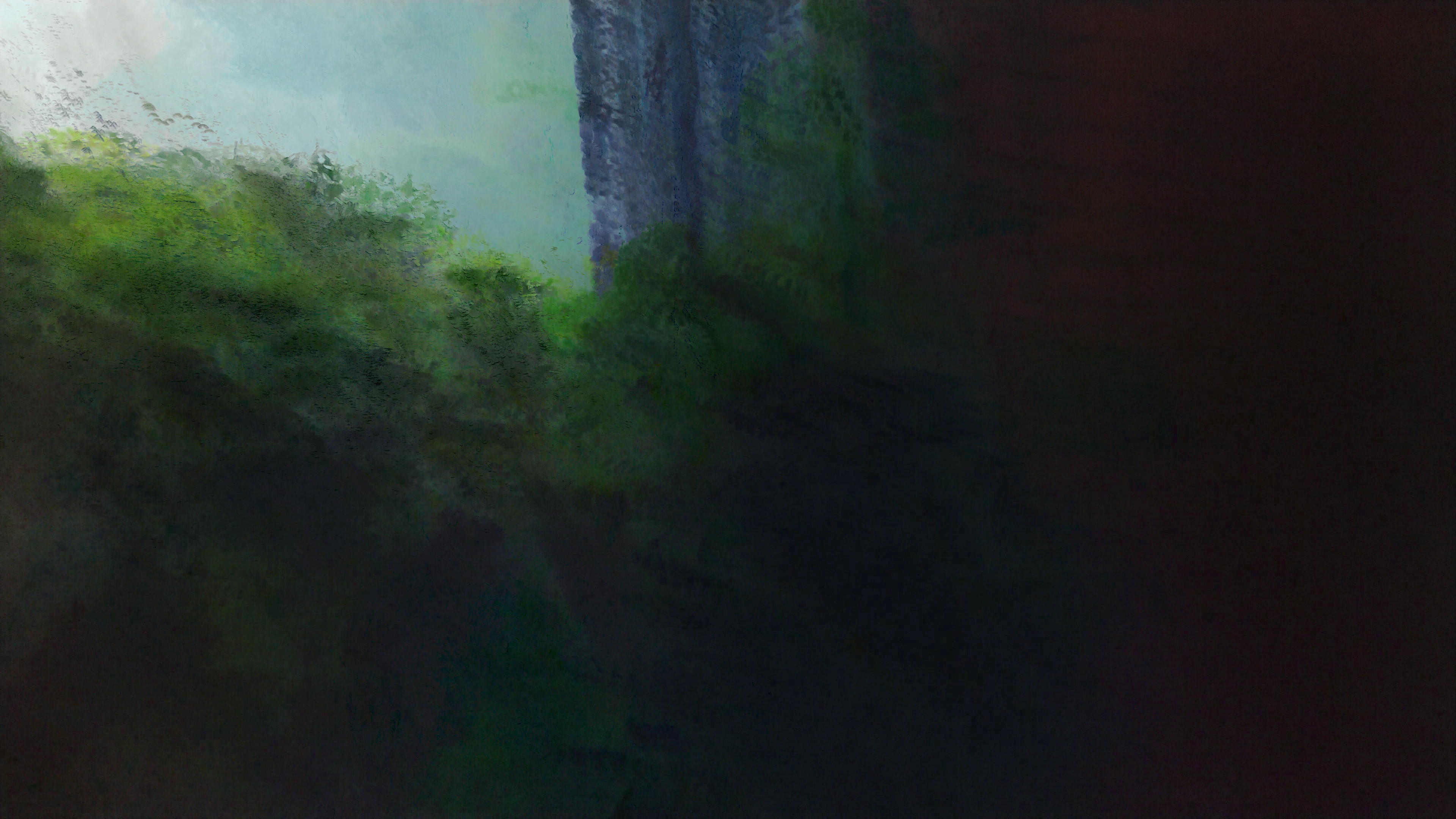
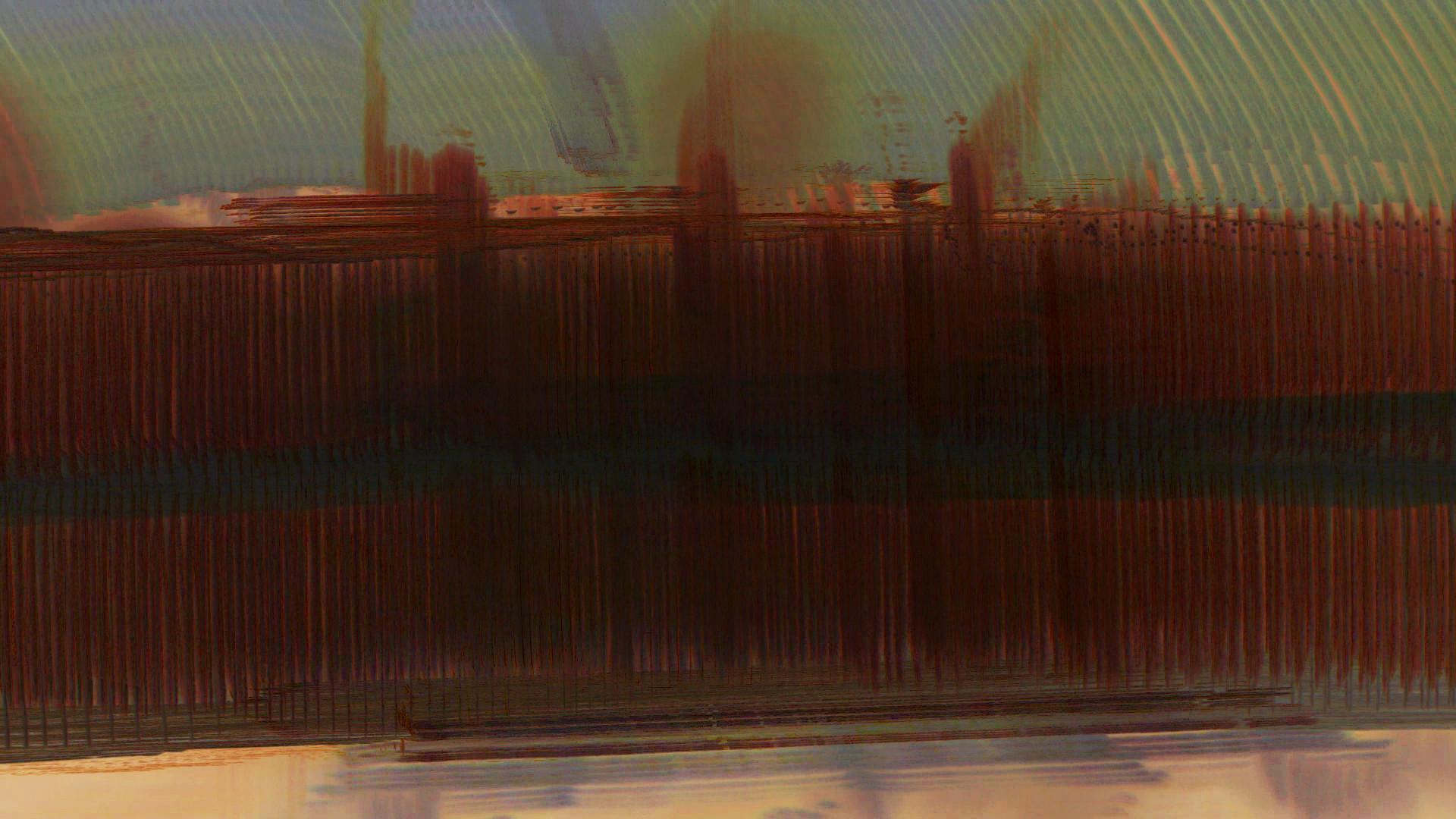
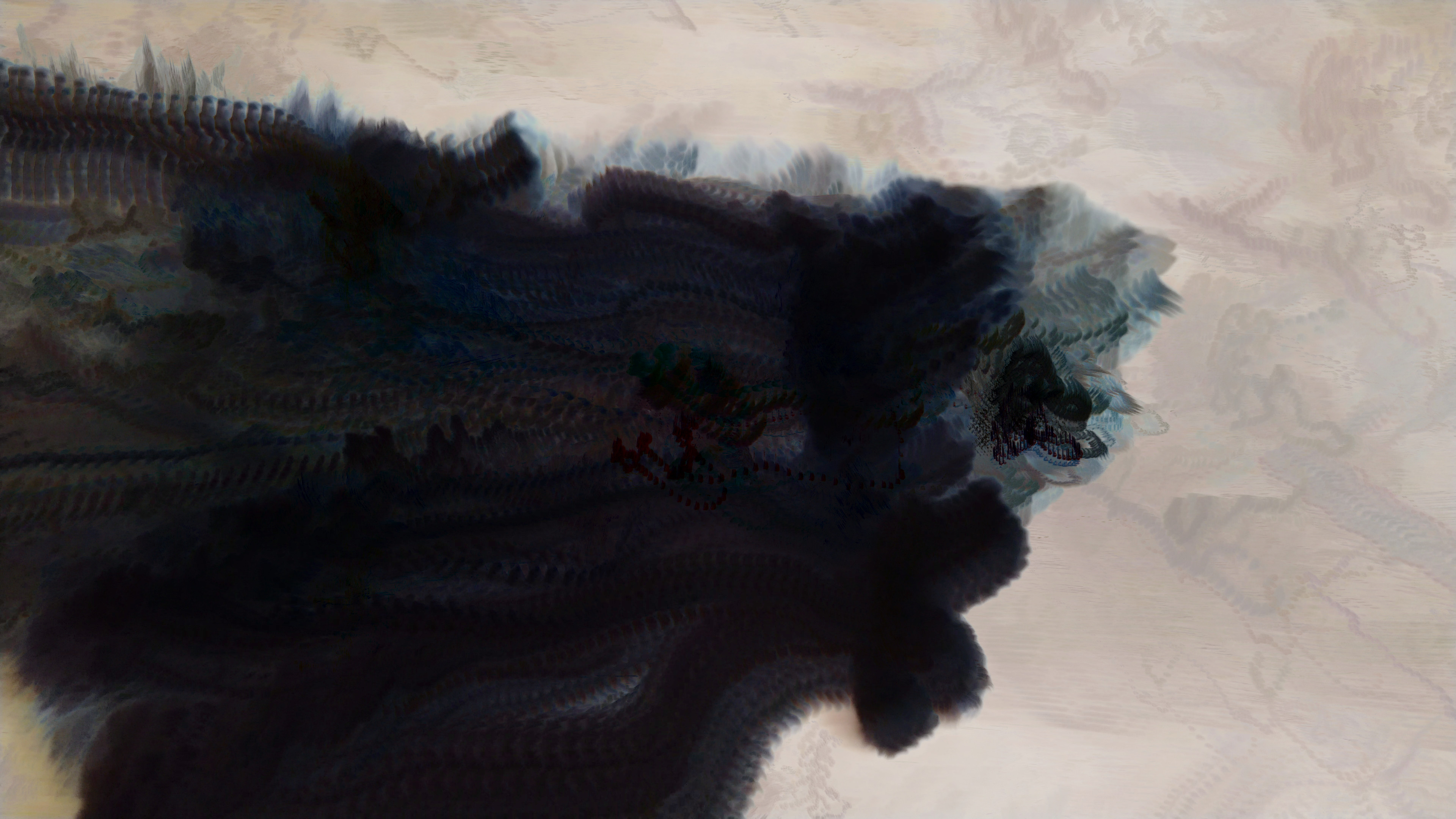
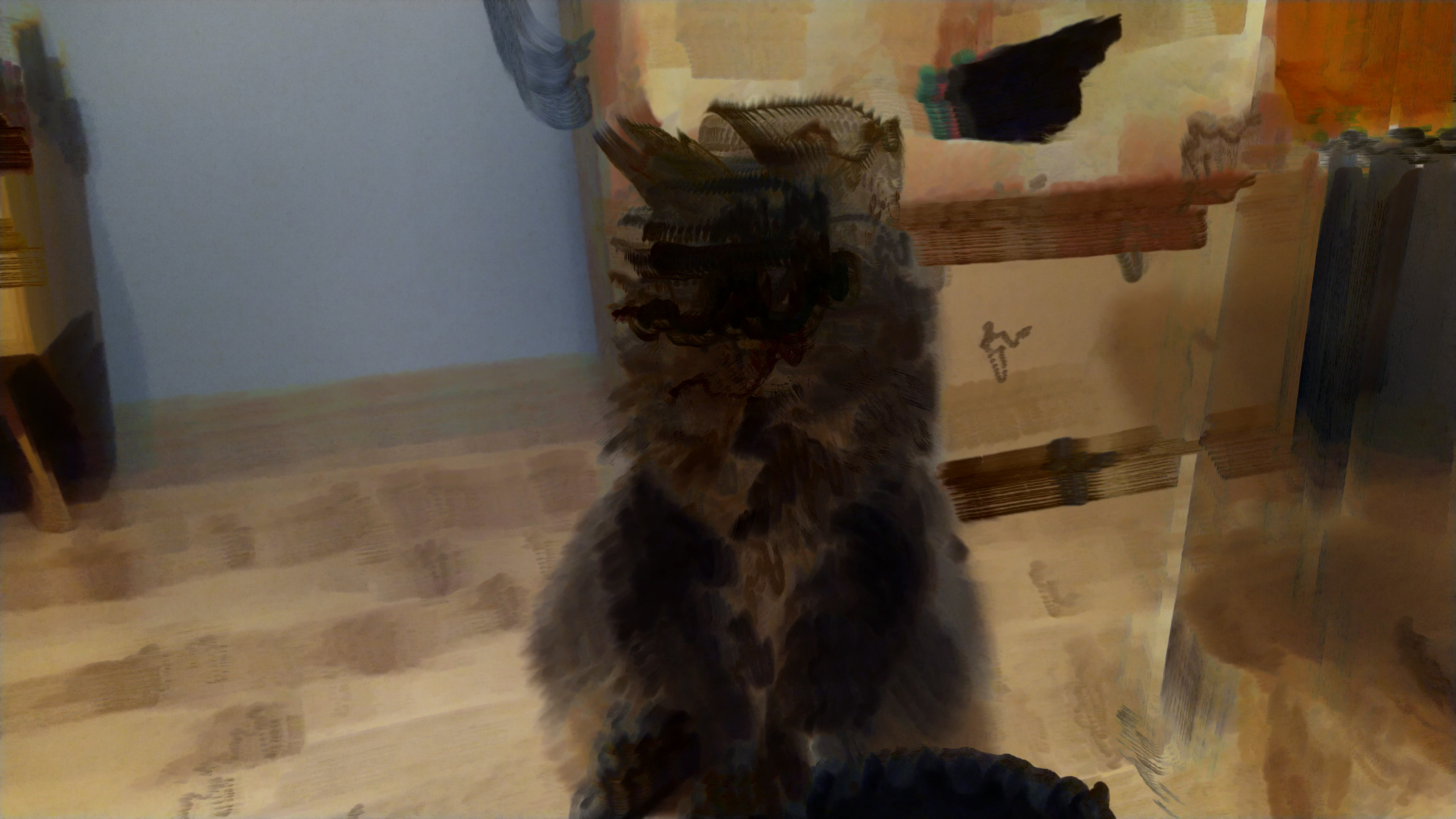
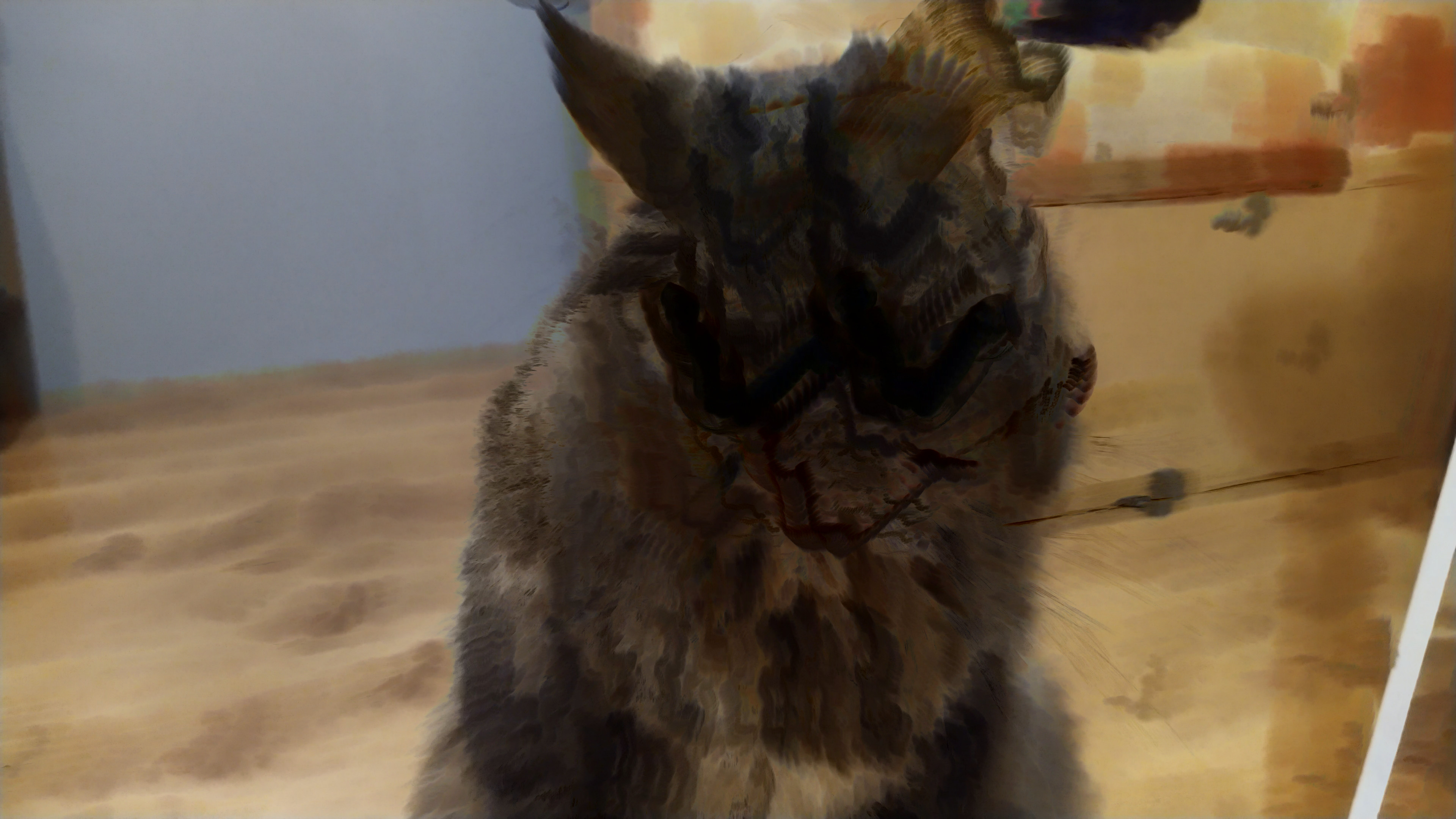
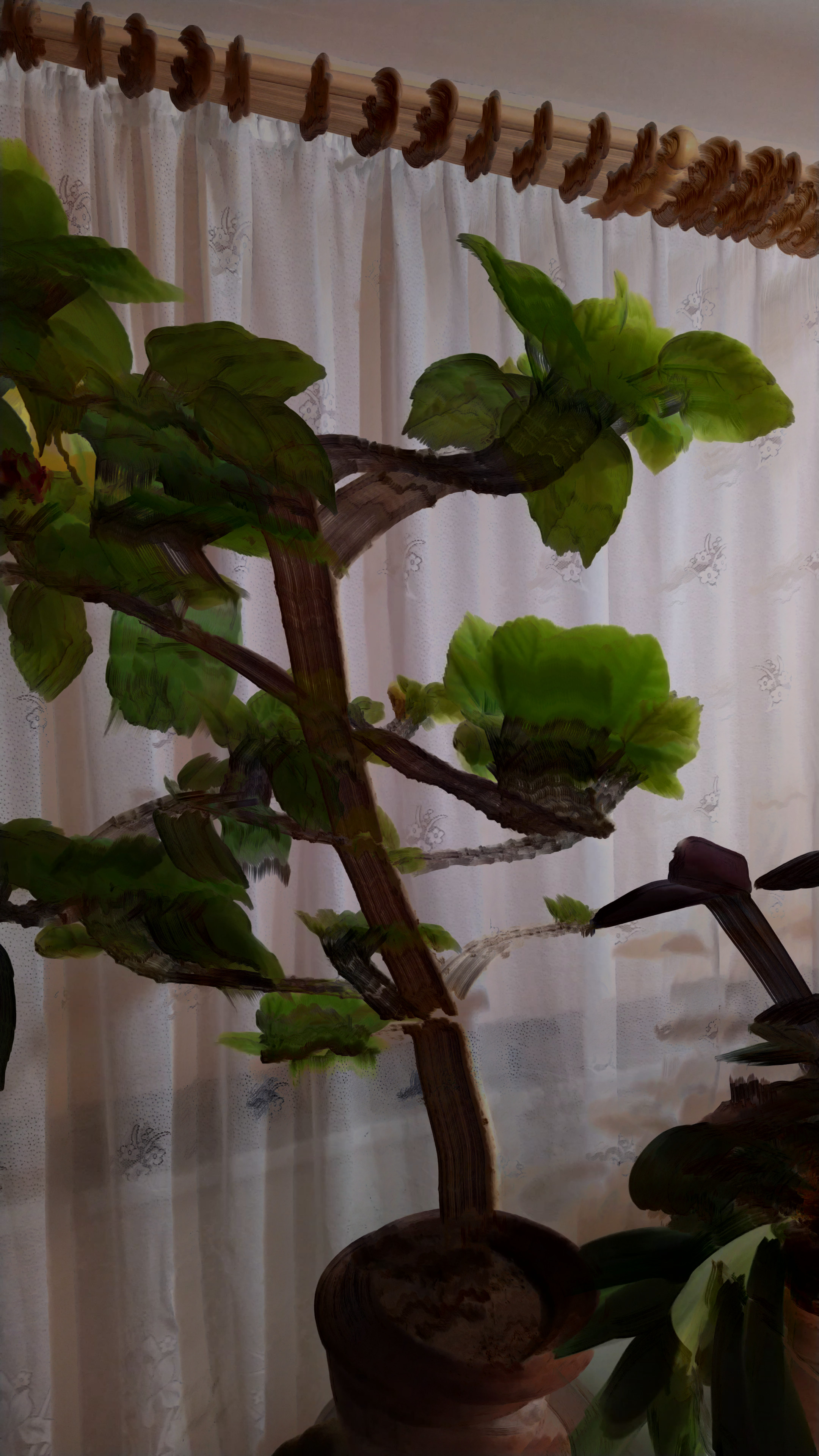
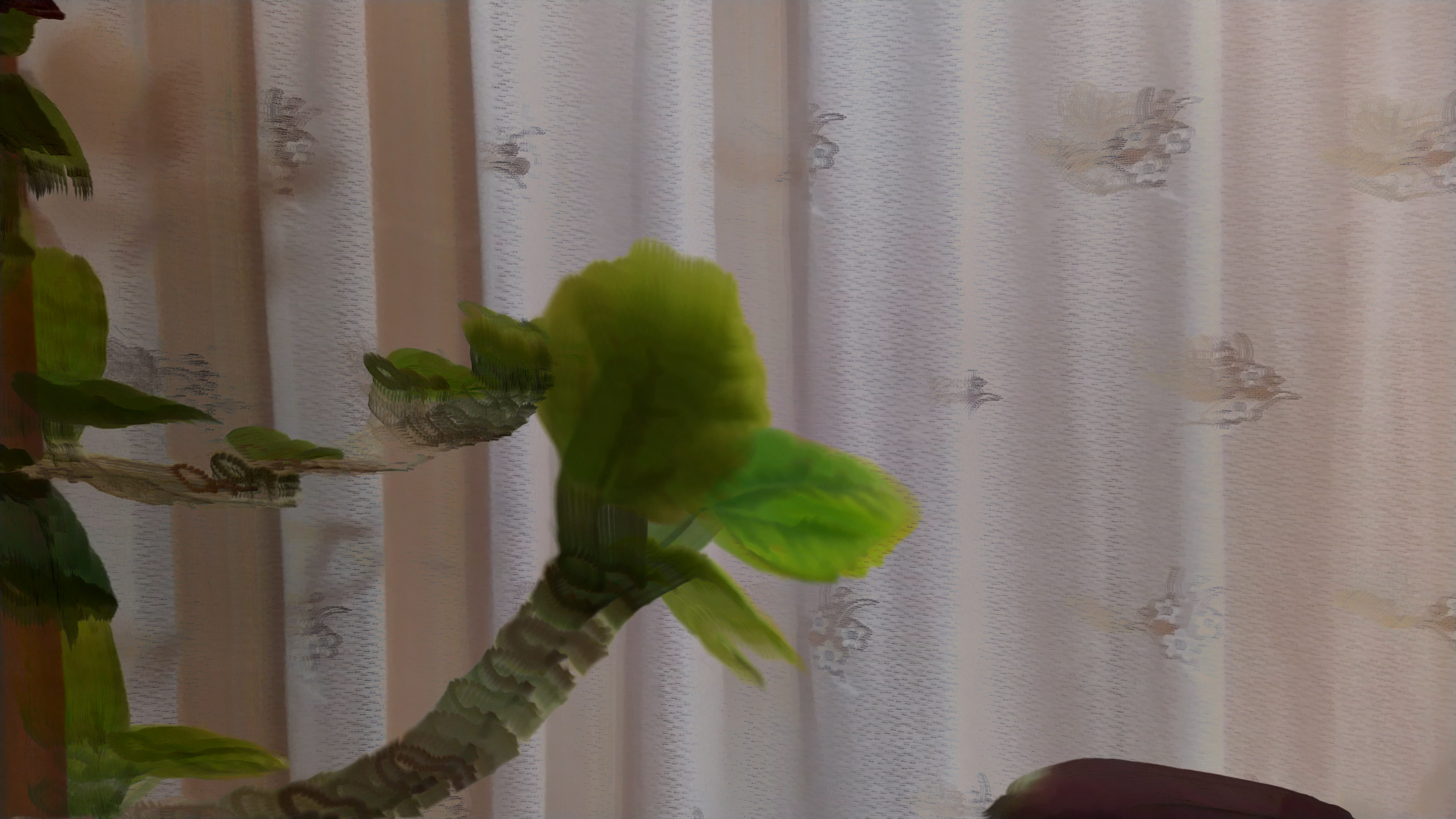
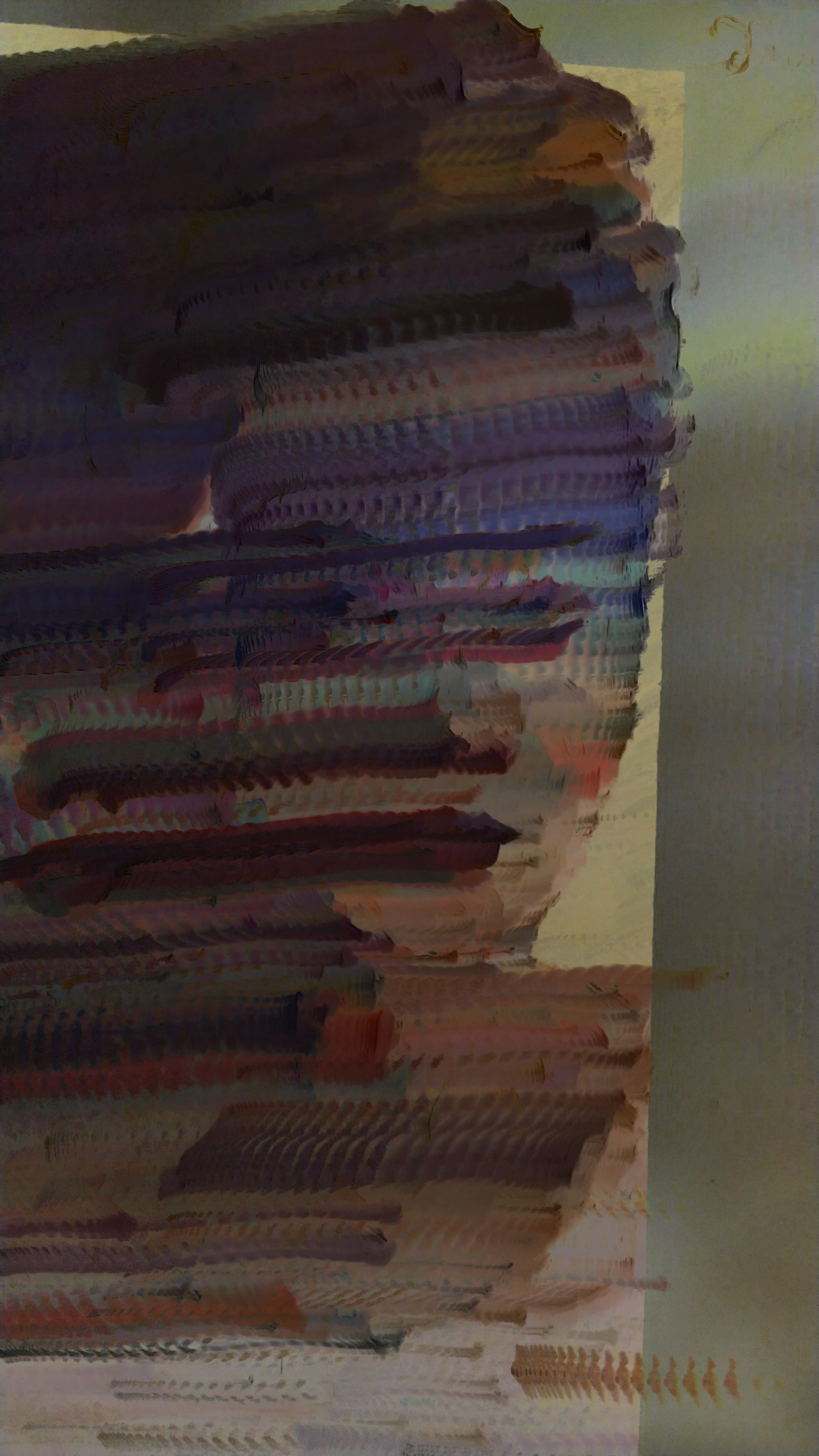
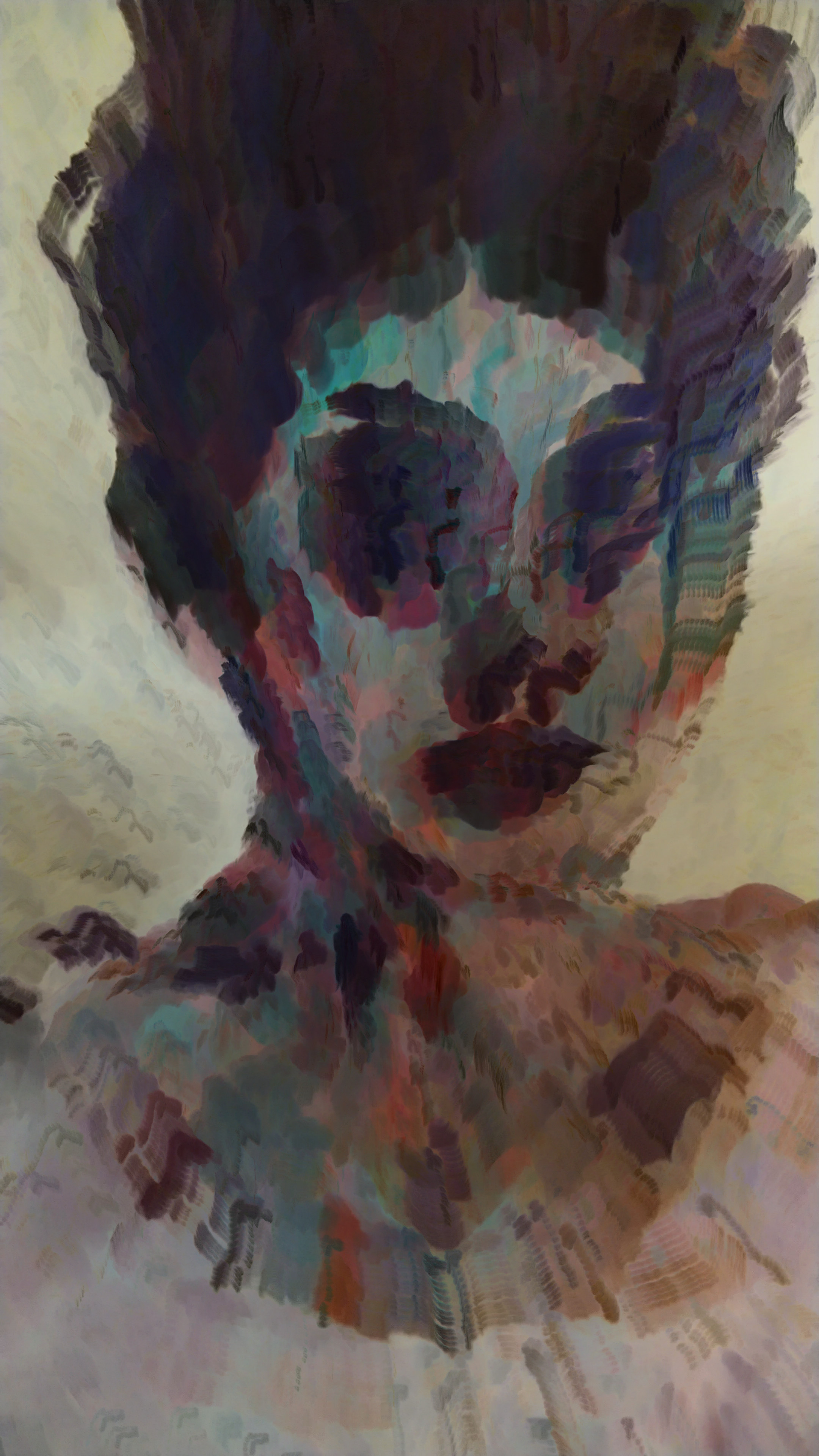
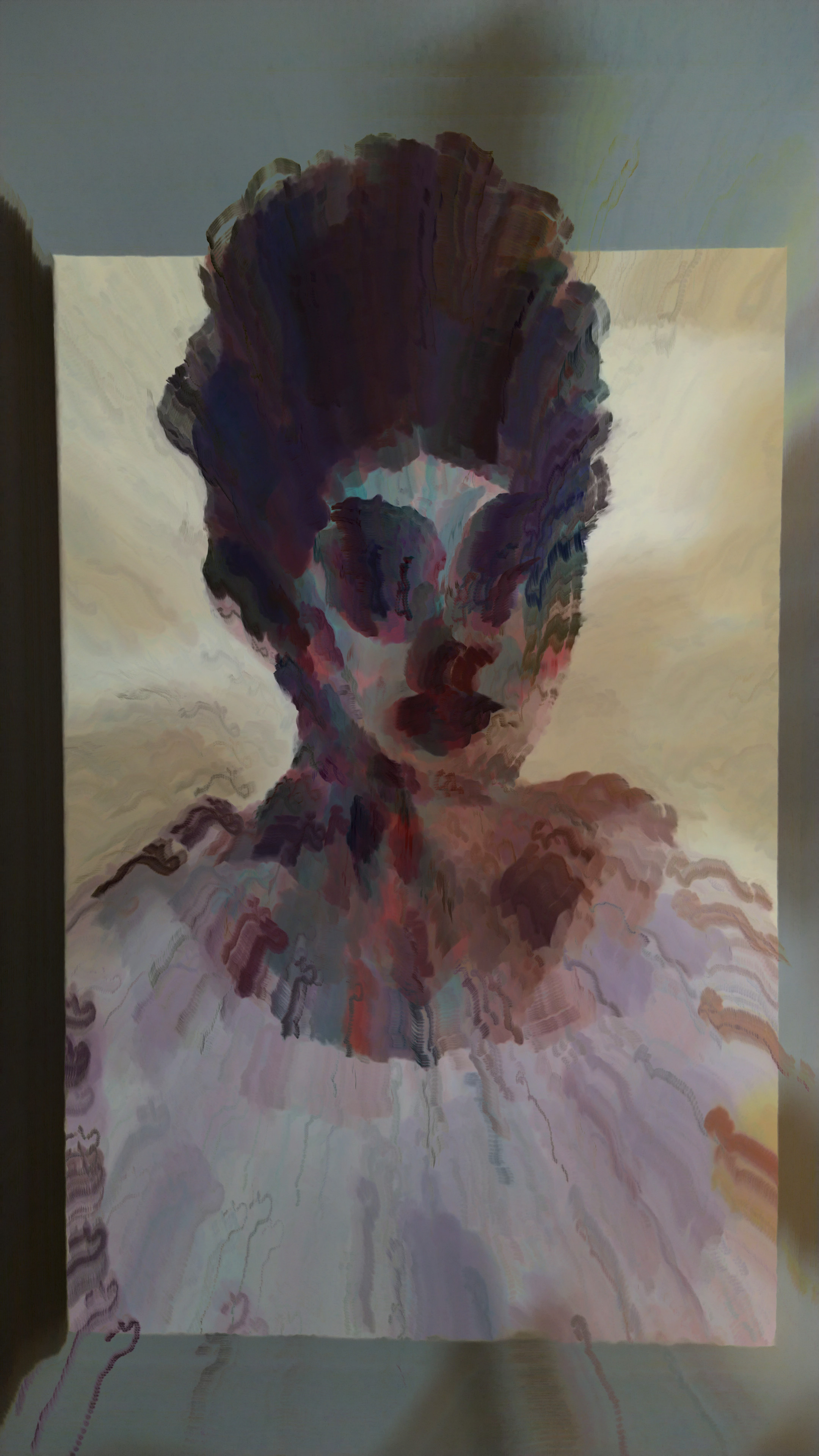
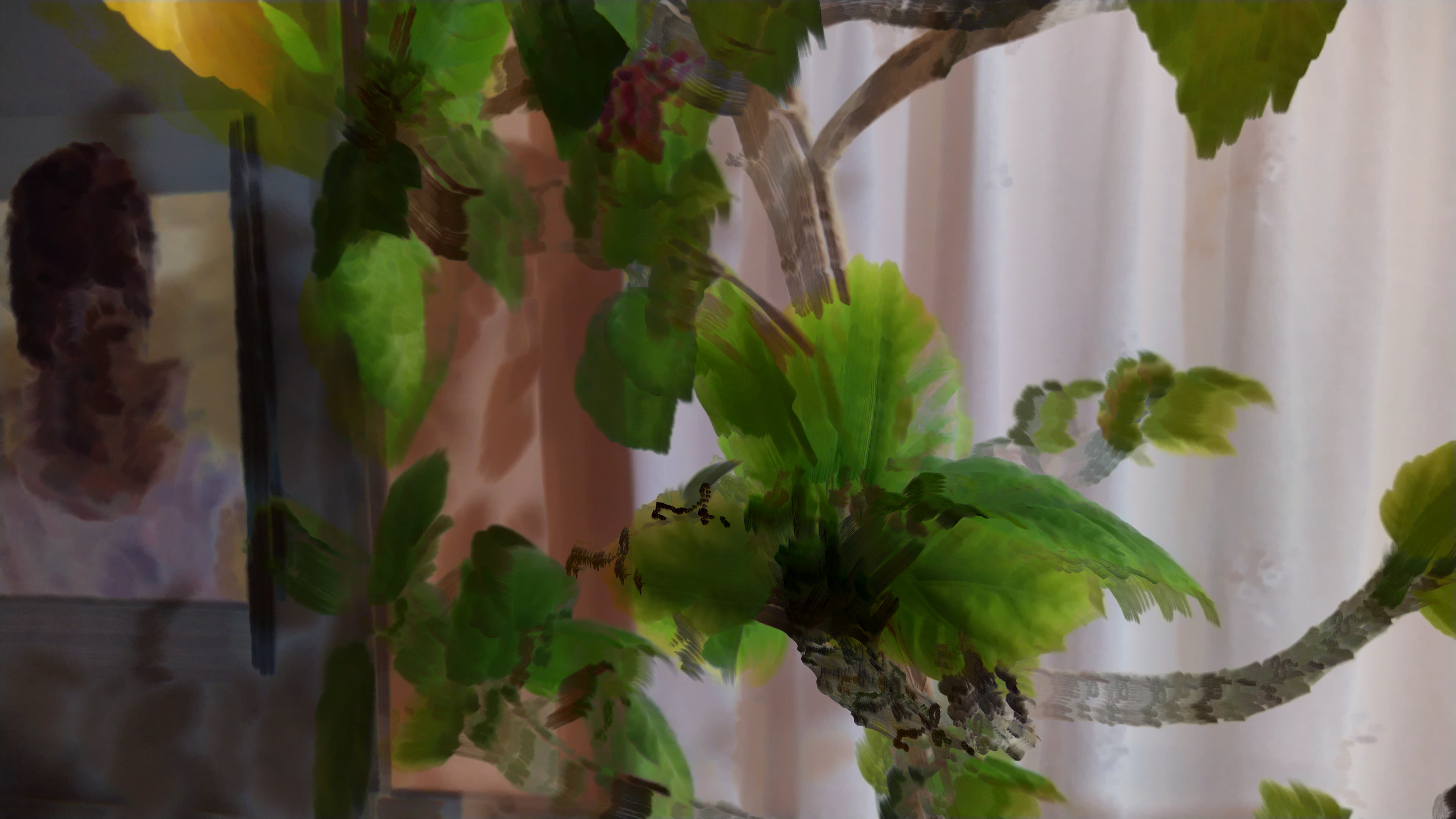
Experimenting with my long-exposure script. What takes video and turns it into two different long-exposure images (dark, light). Code on GitHub
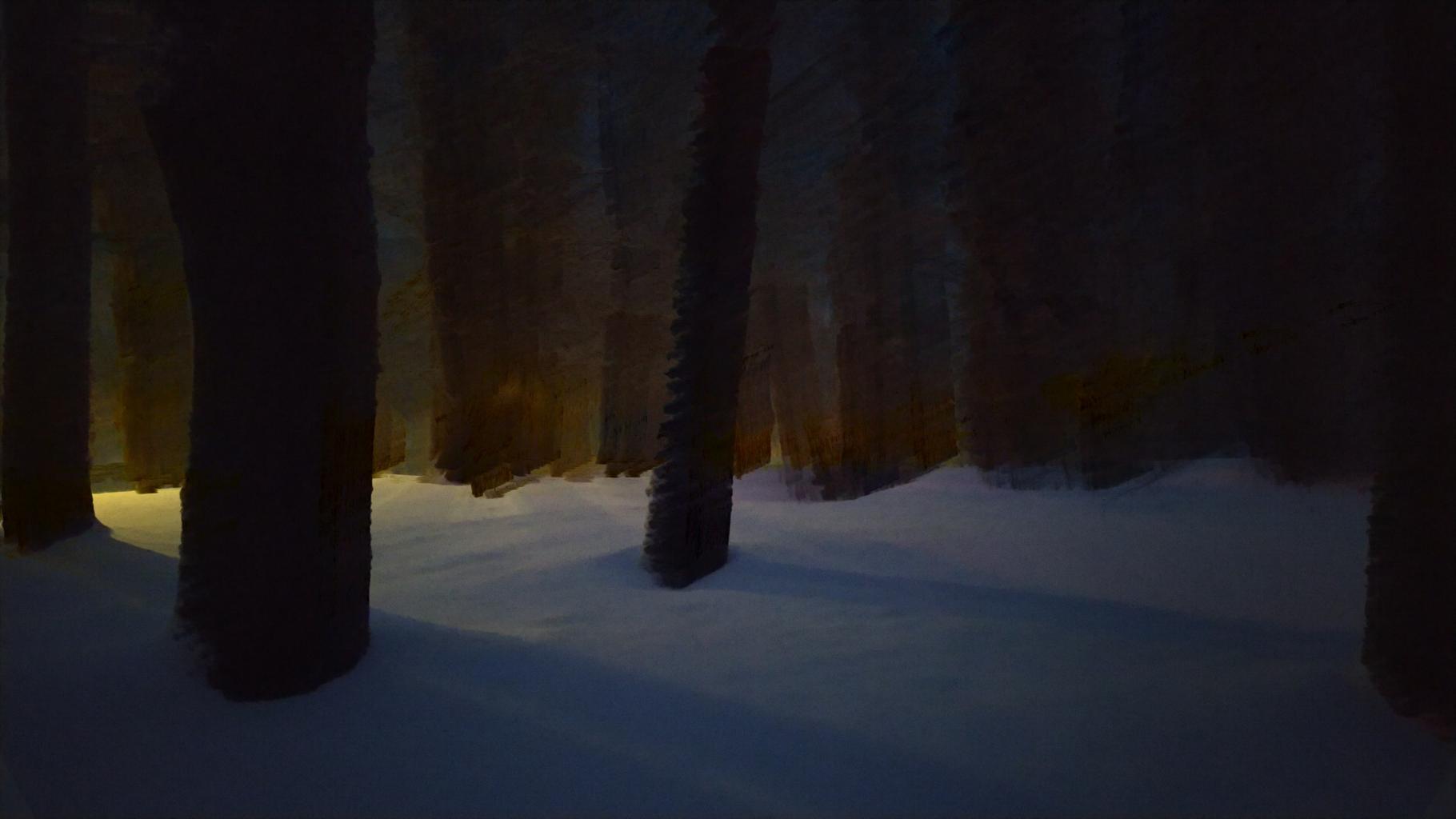
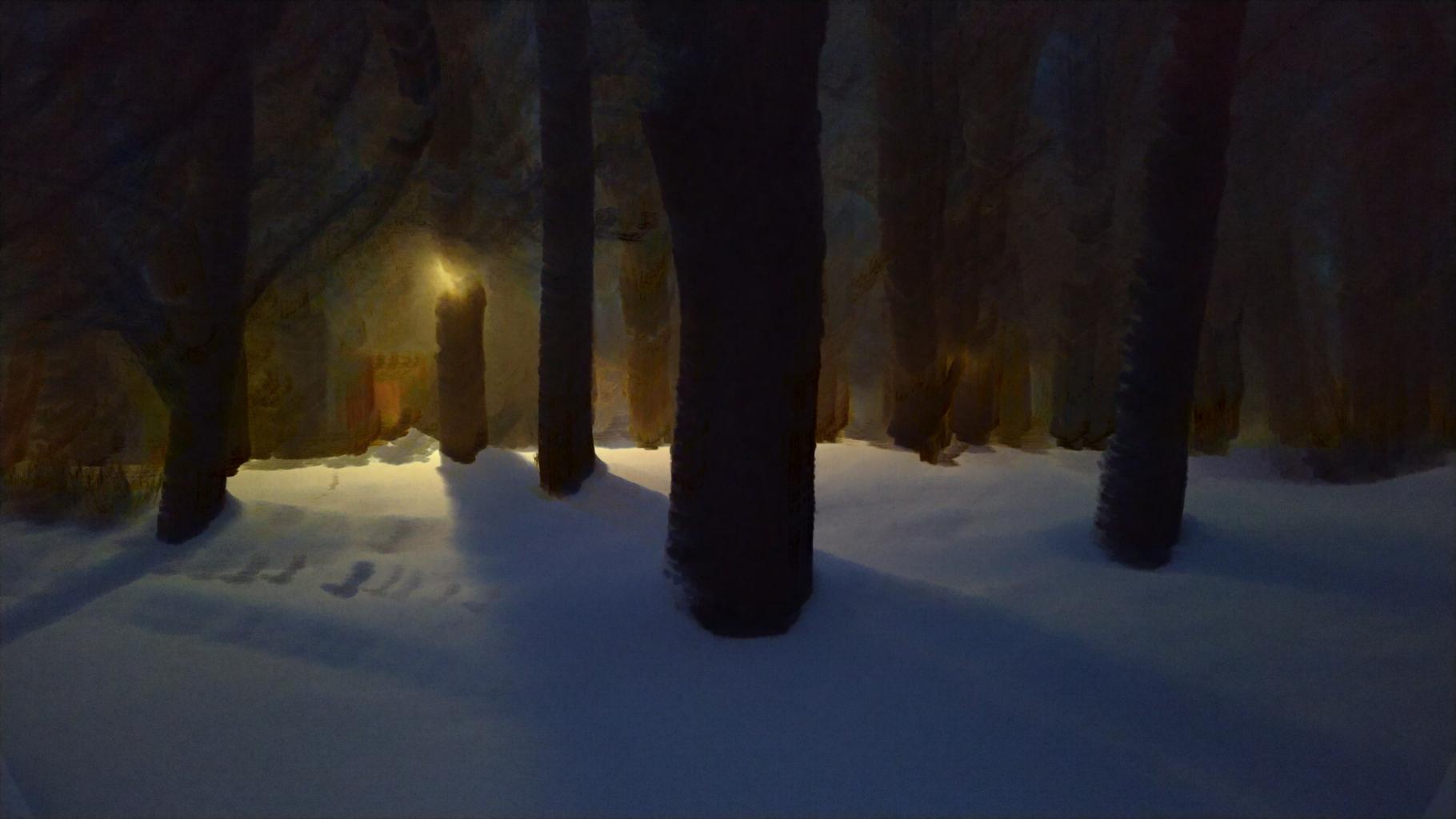
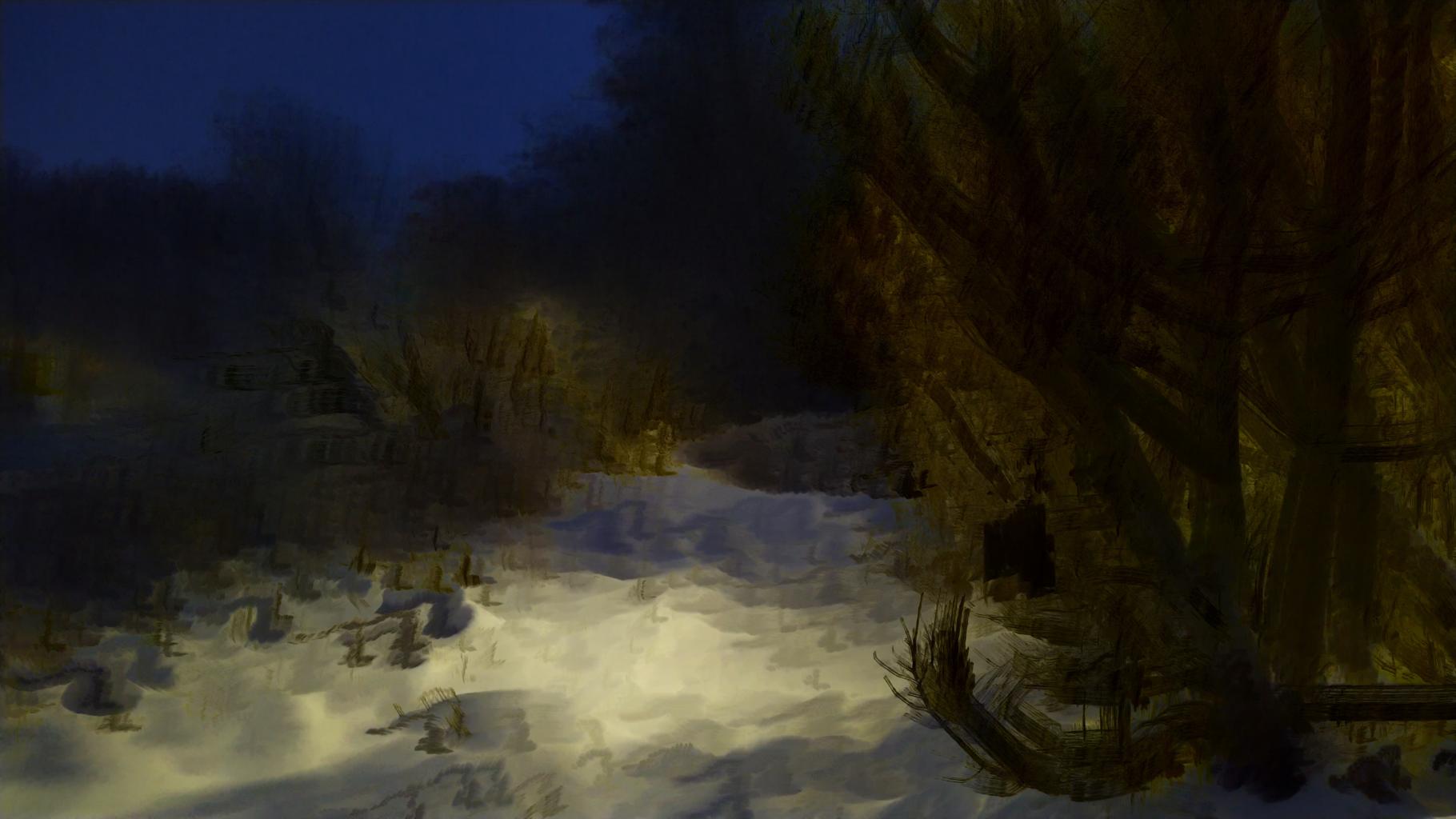
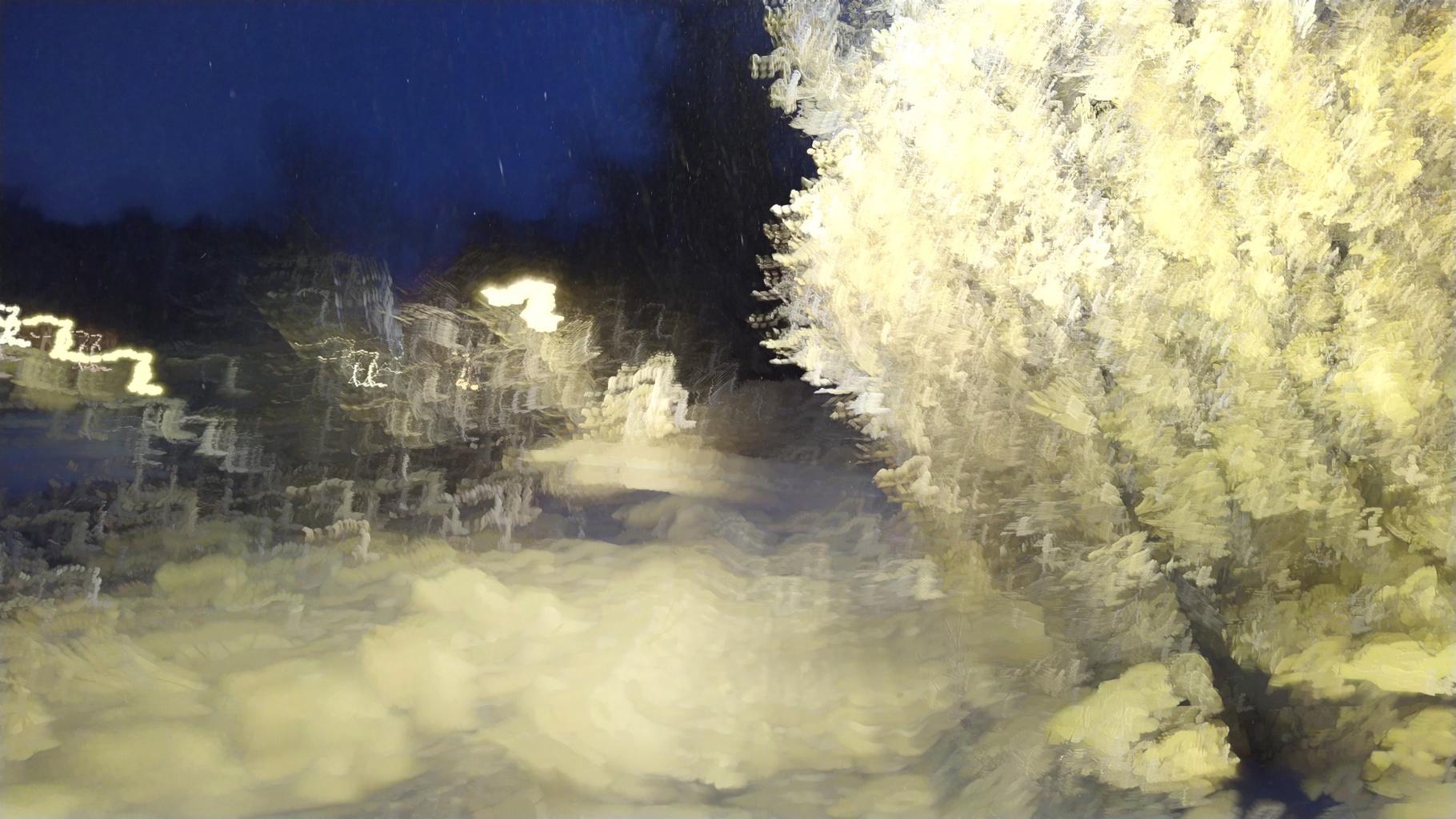
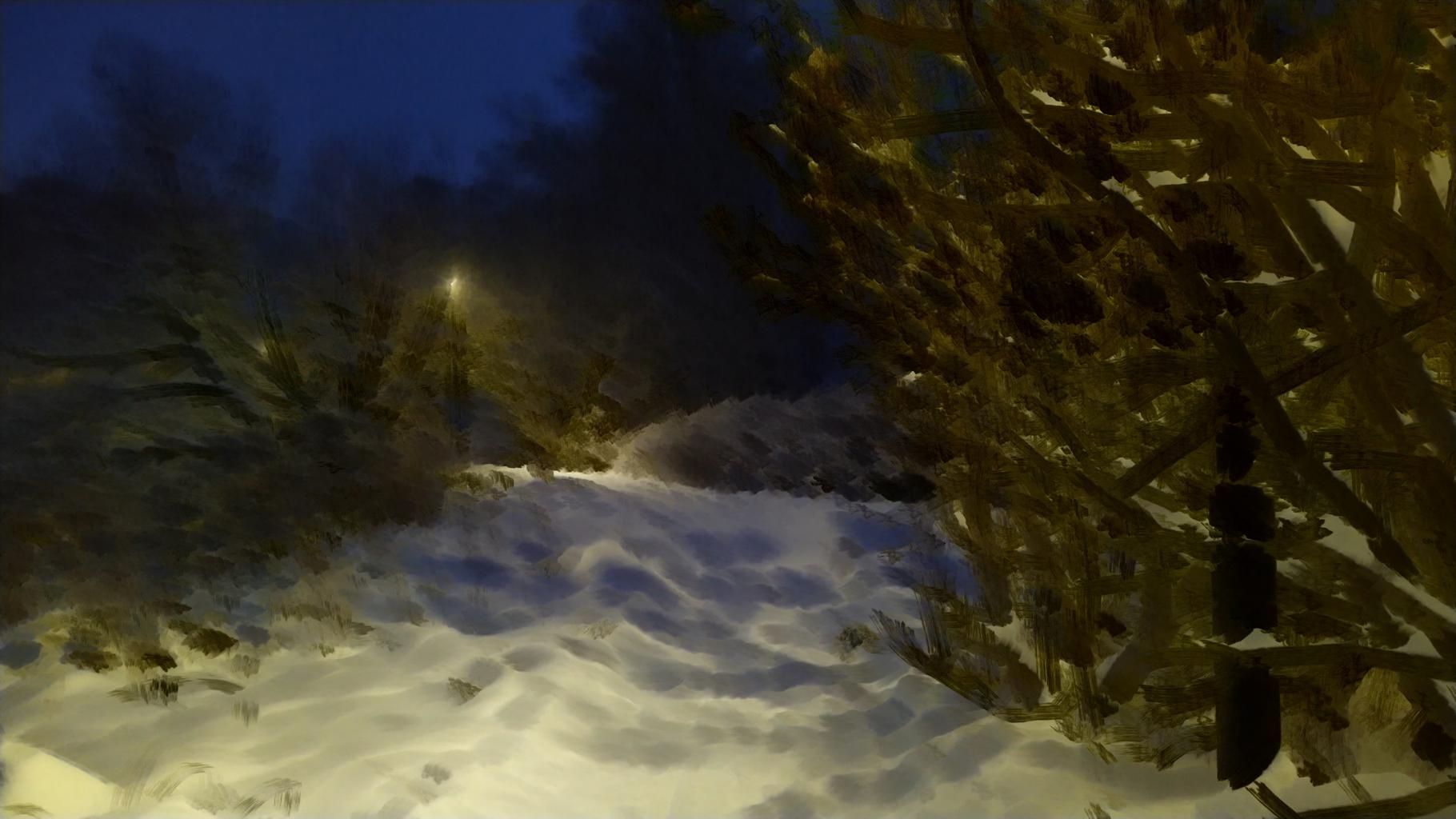
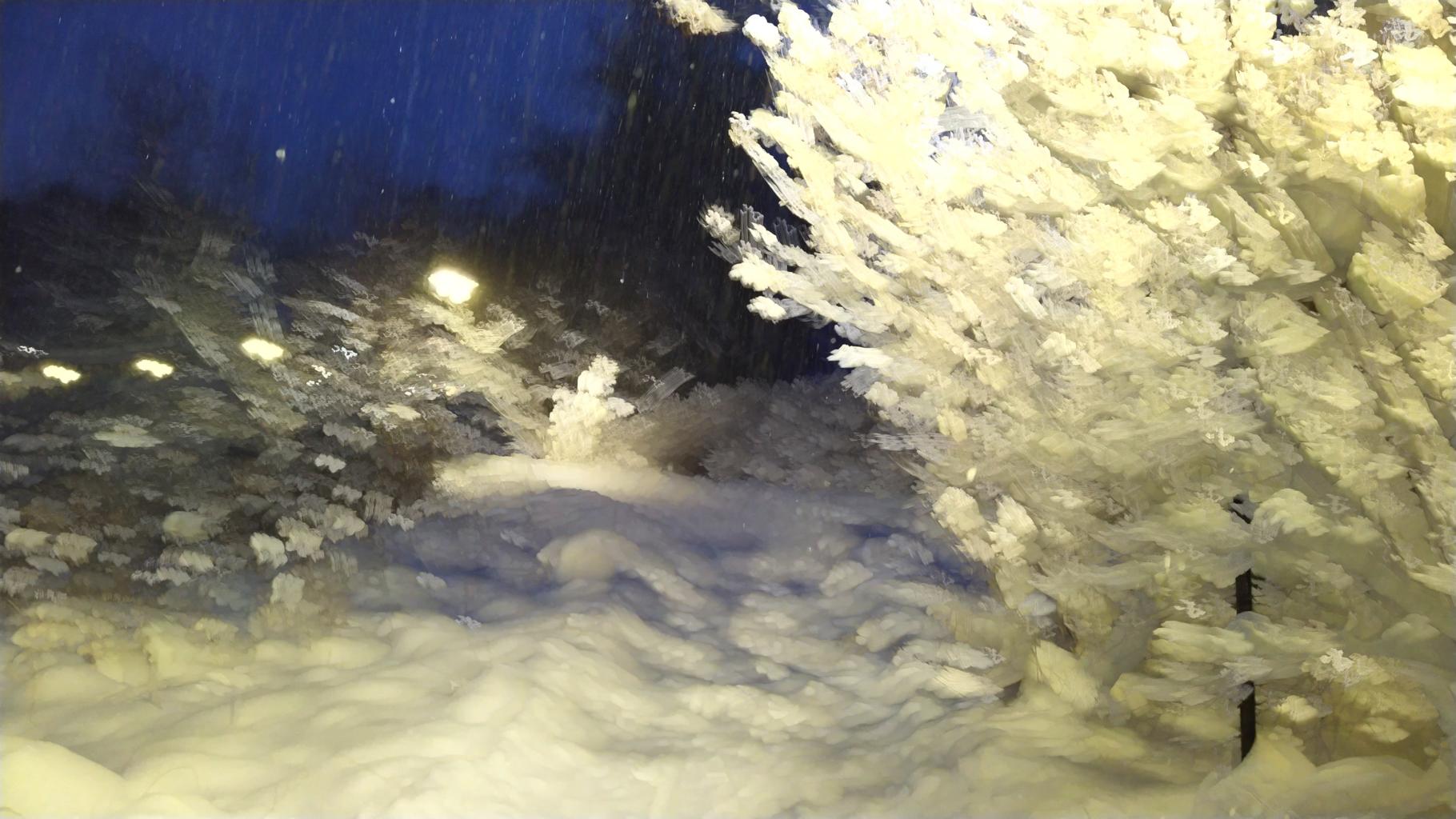
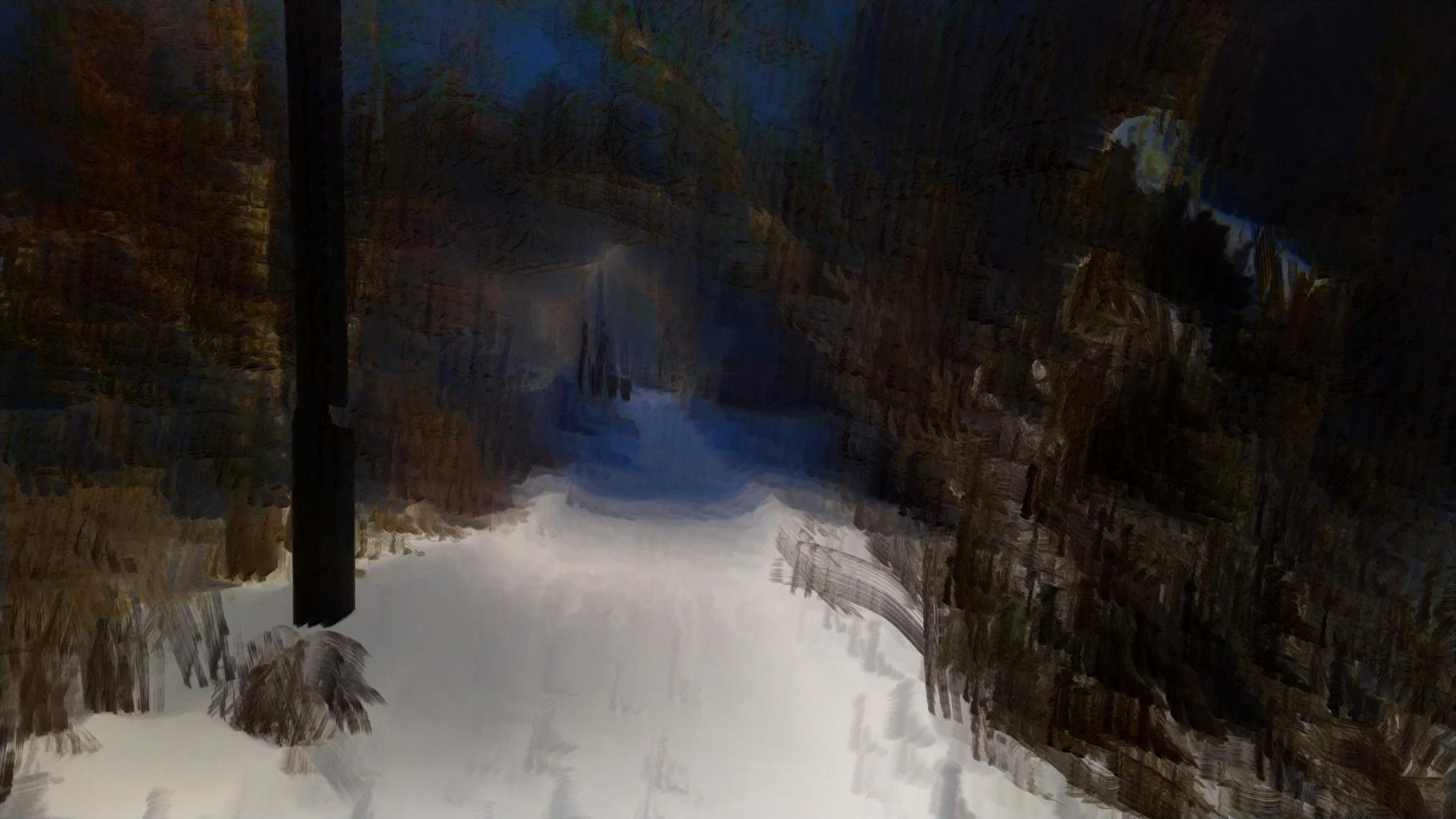
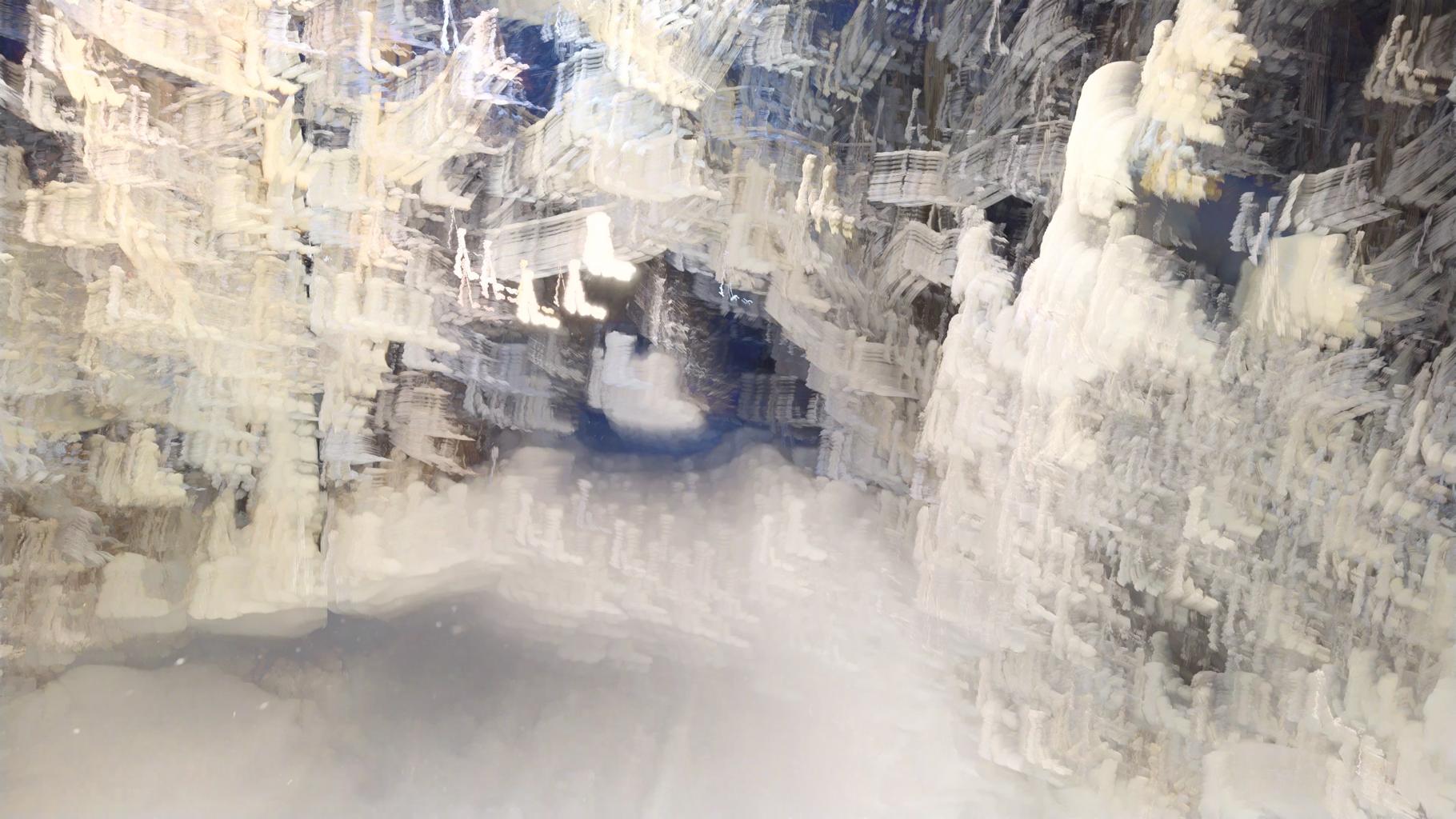
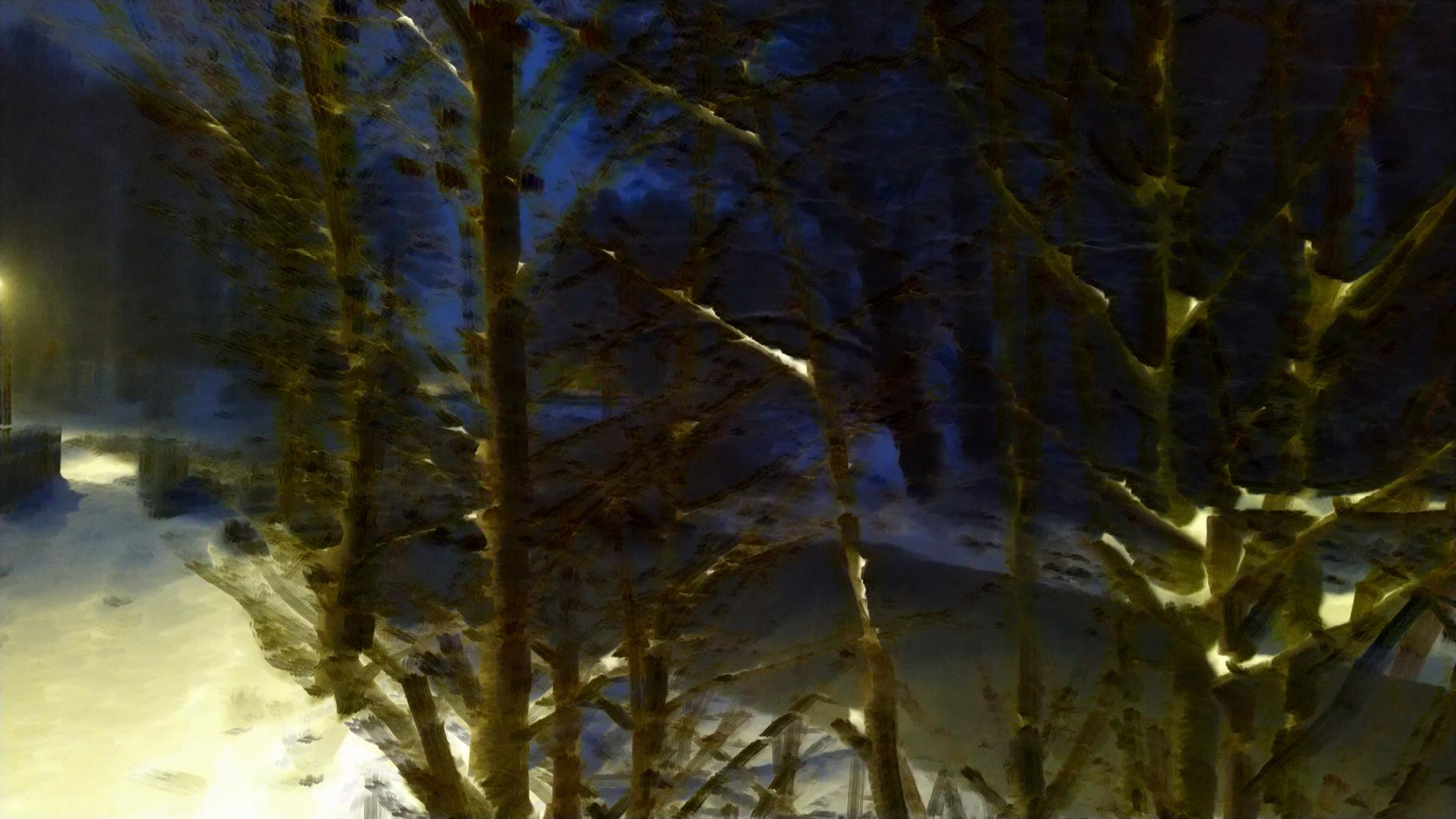
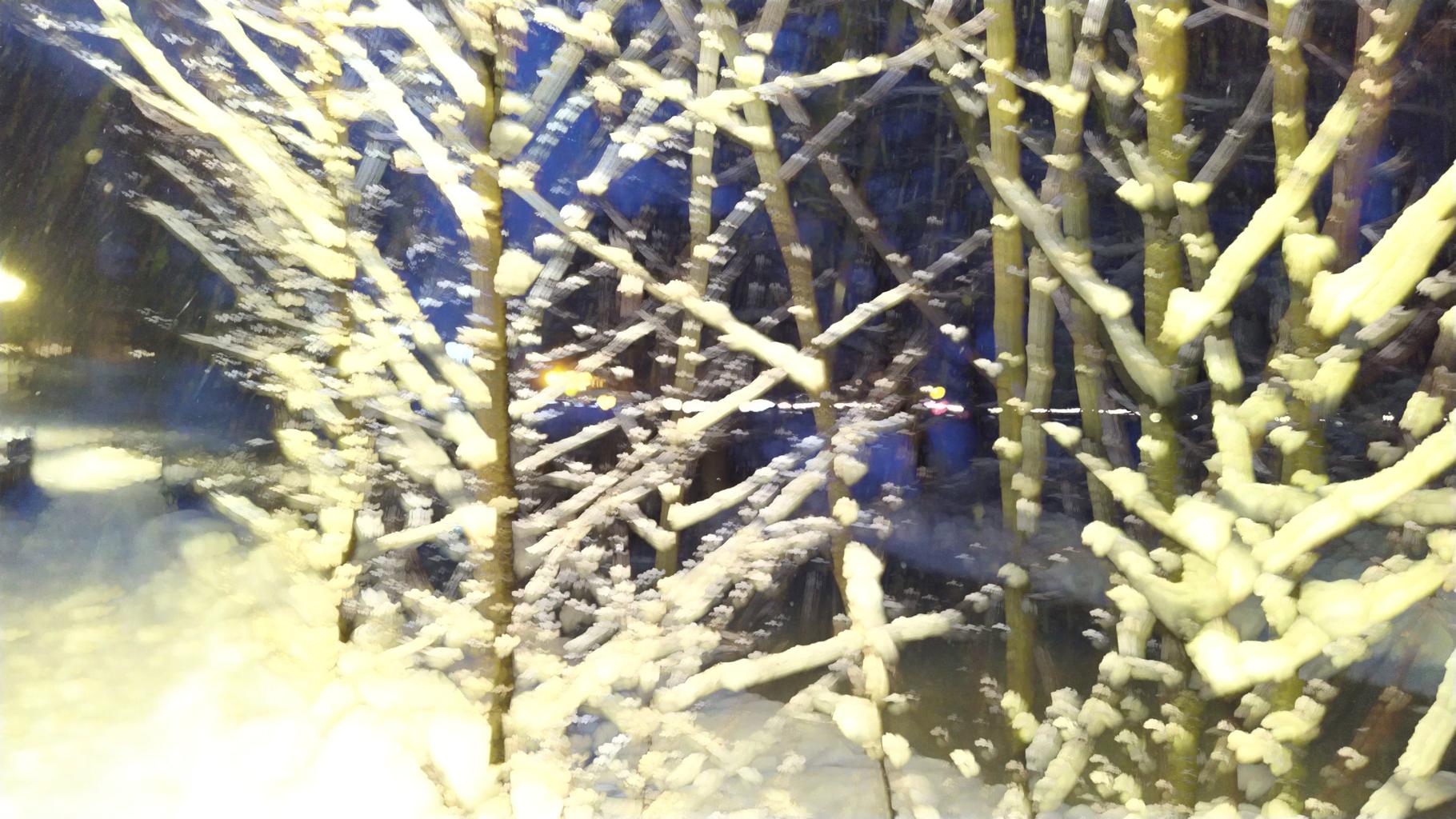
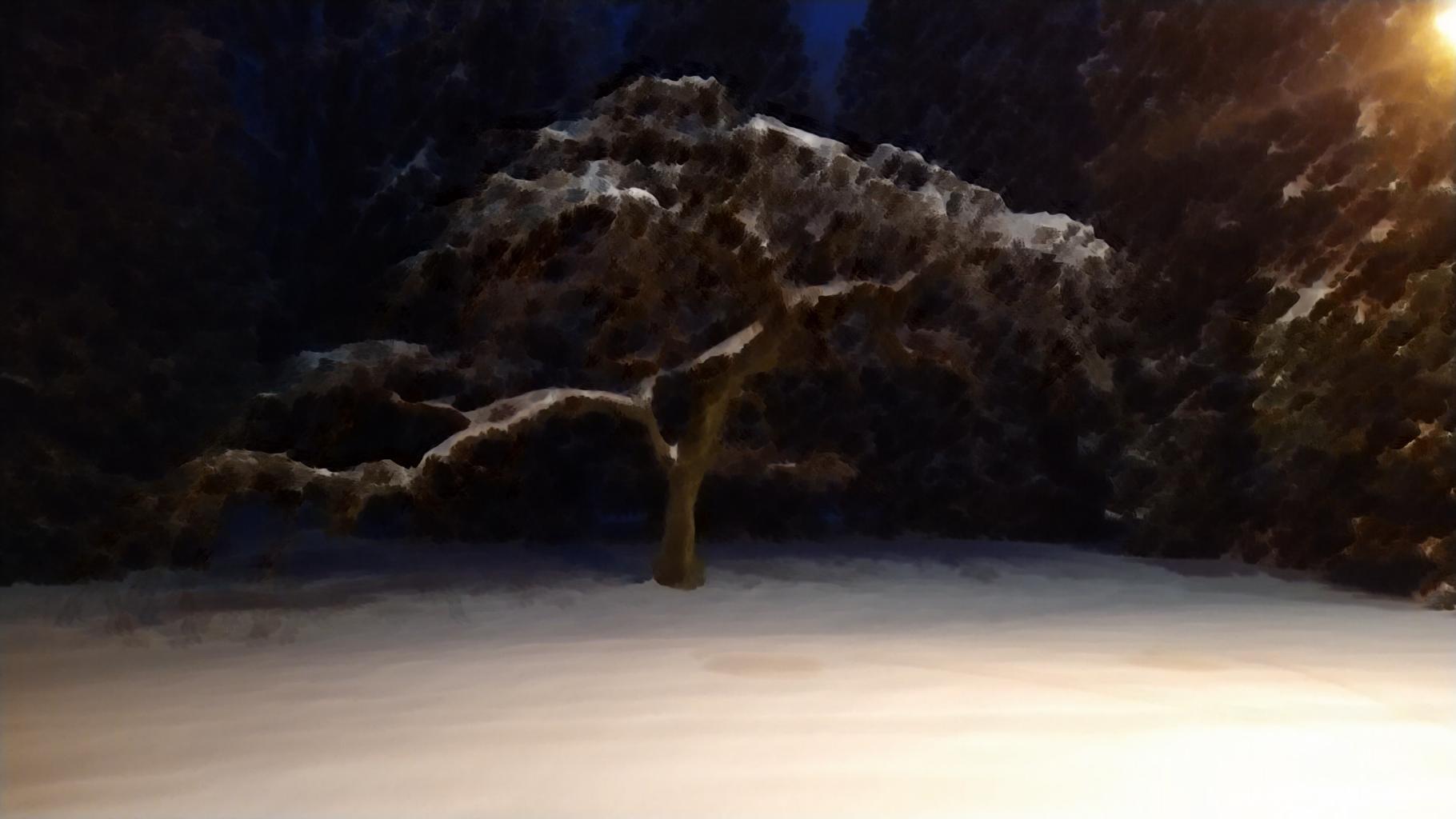
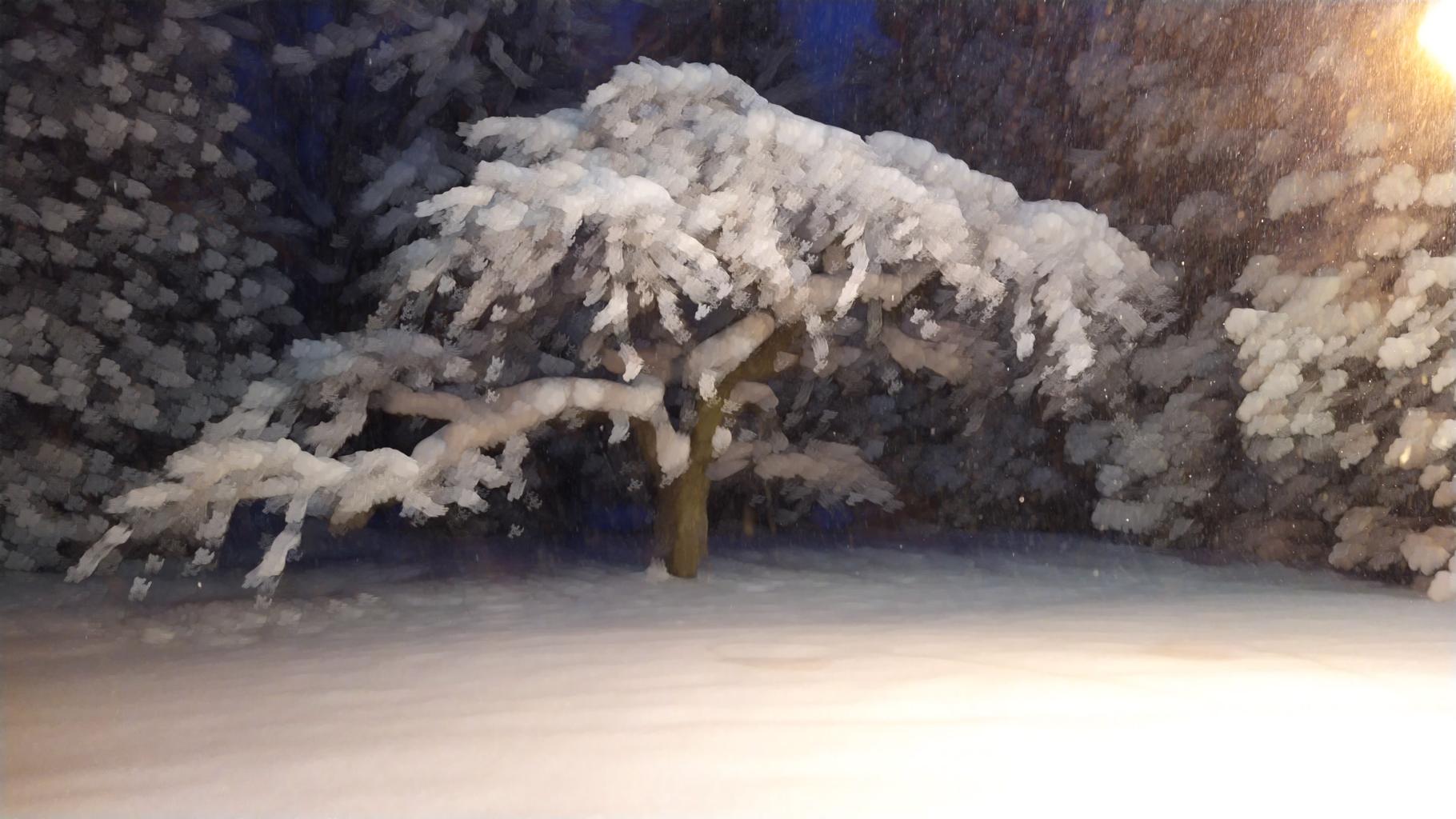
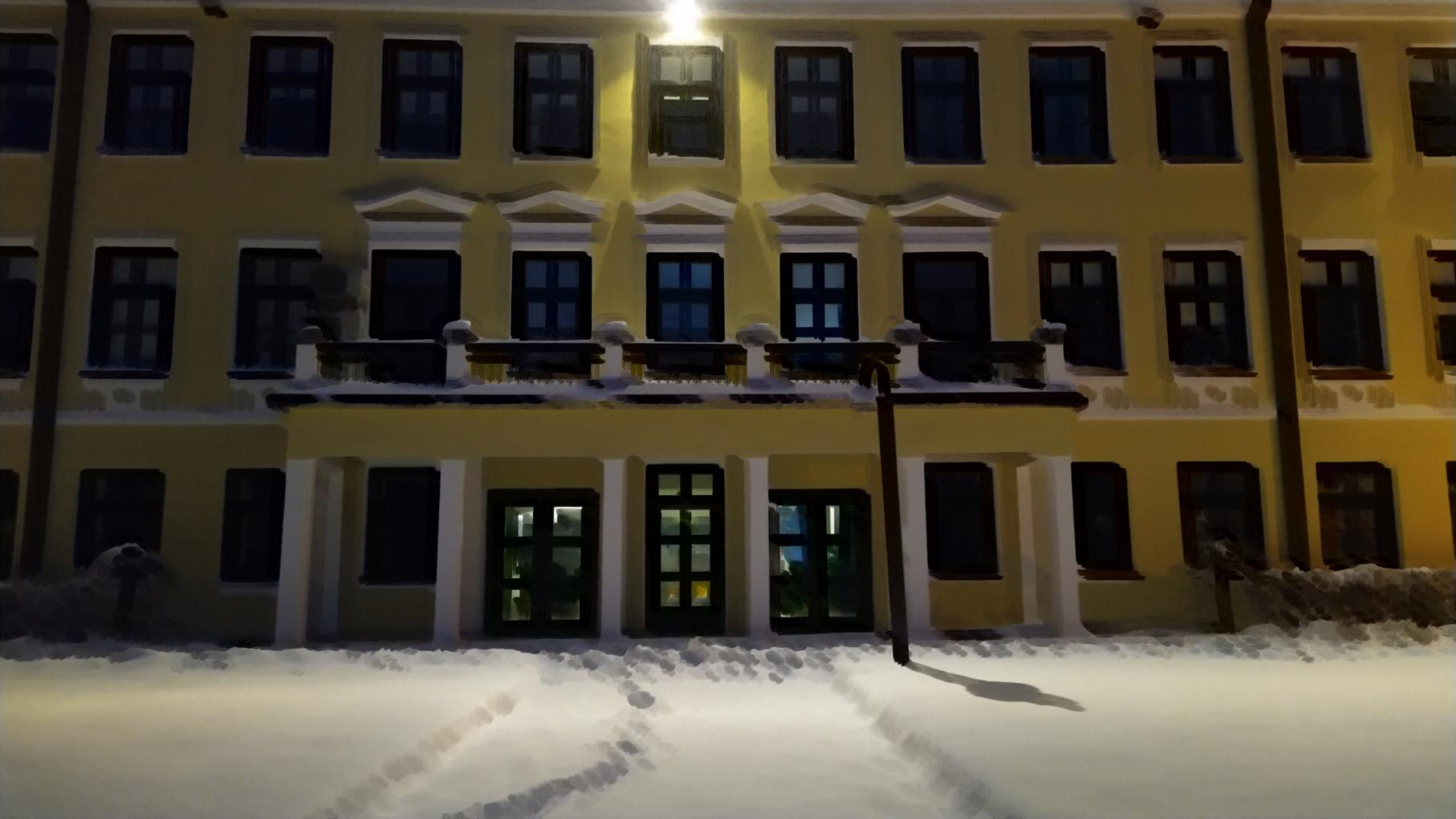
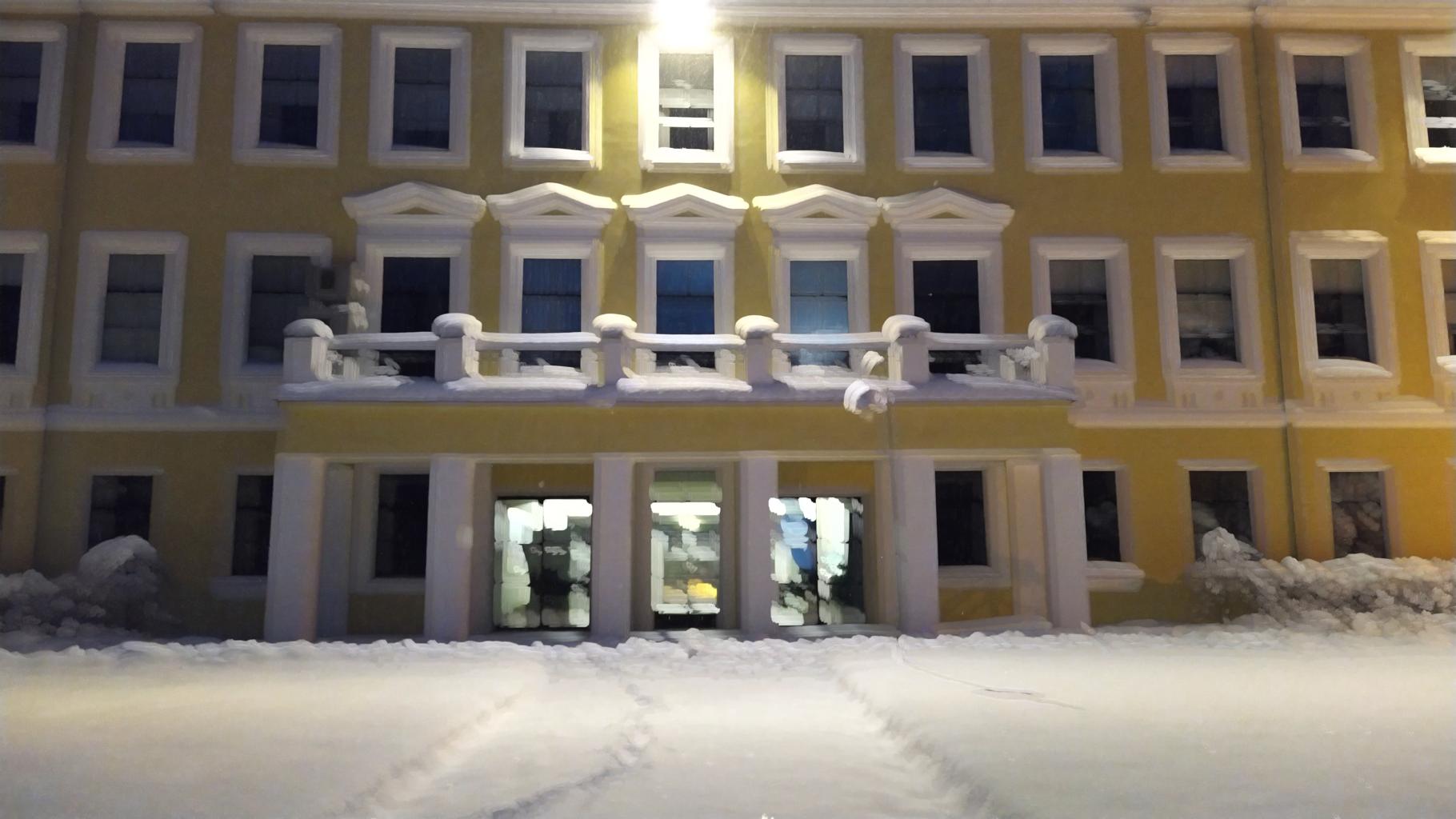
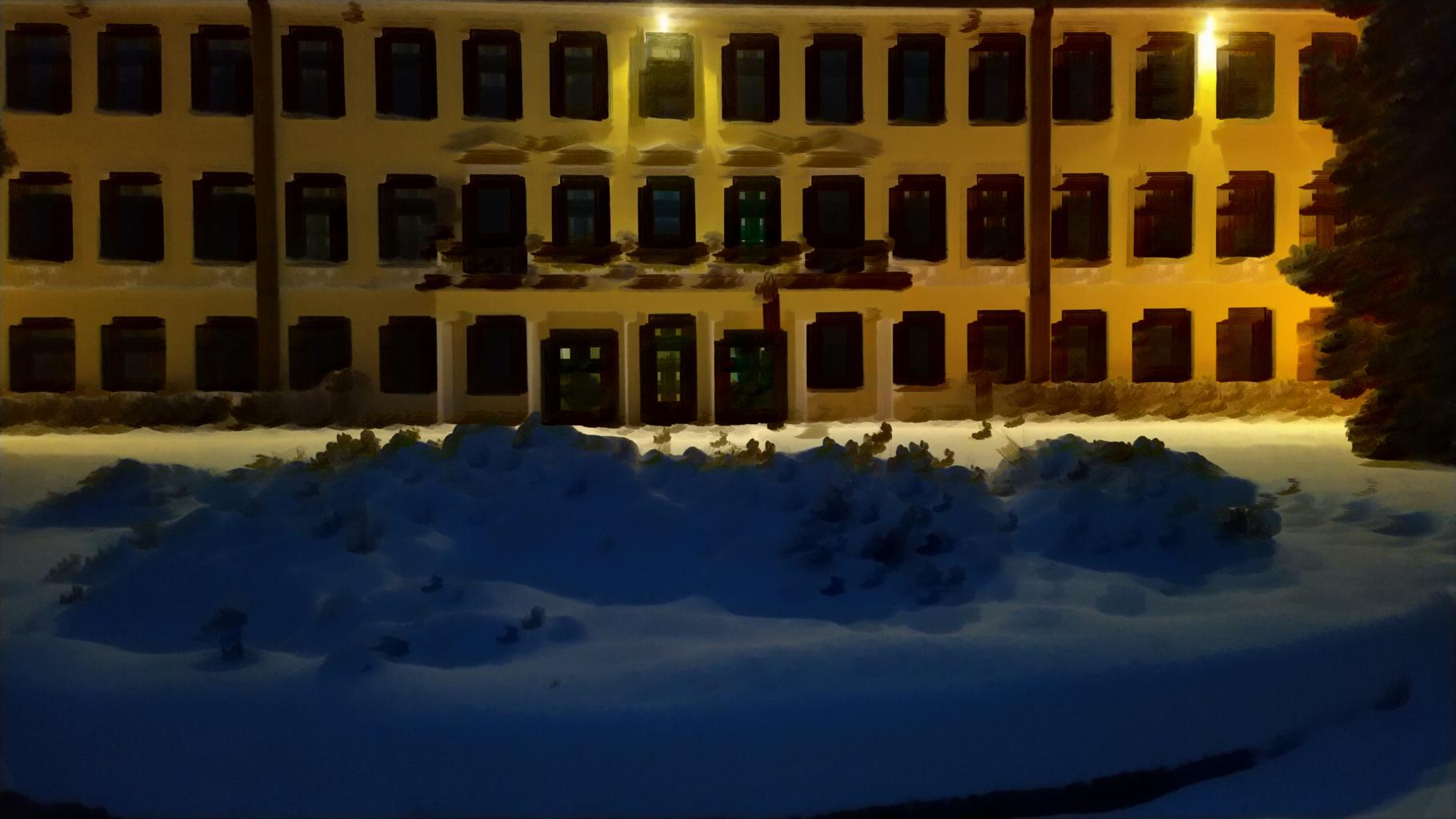
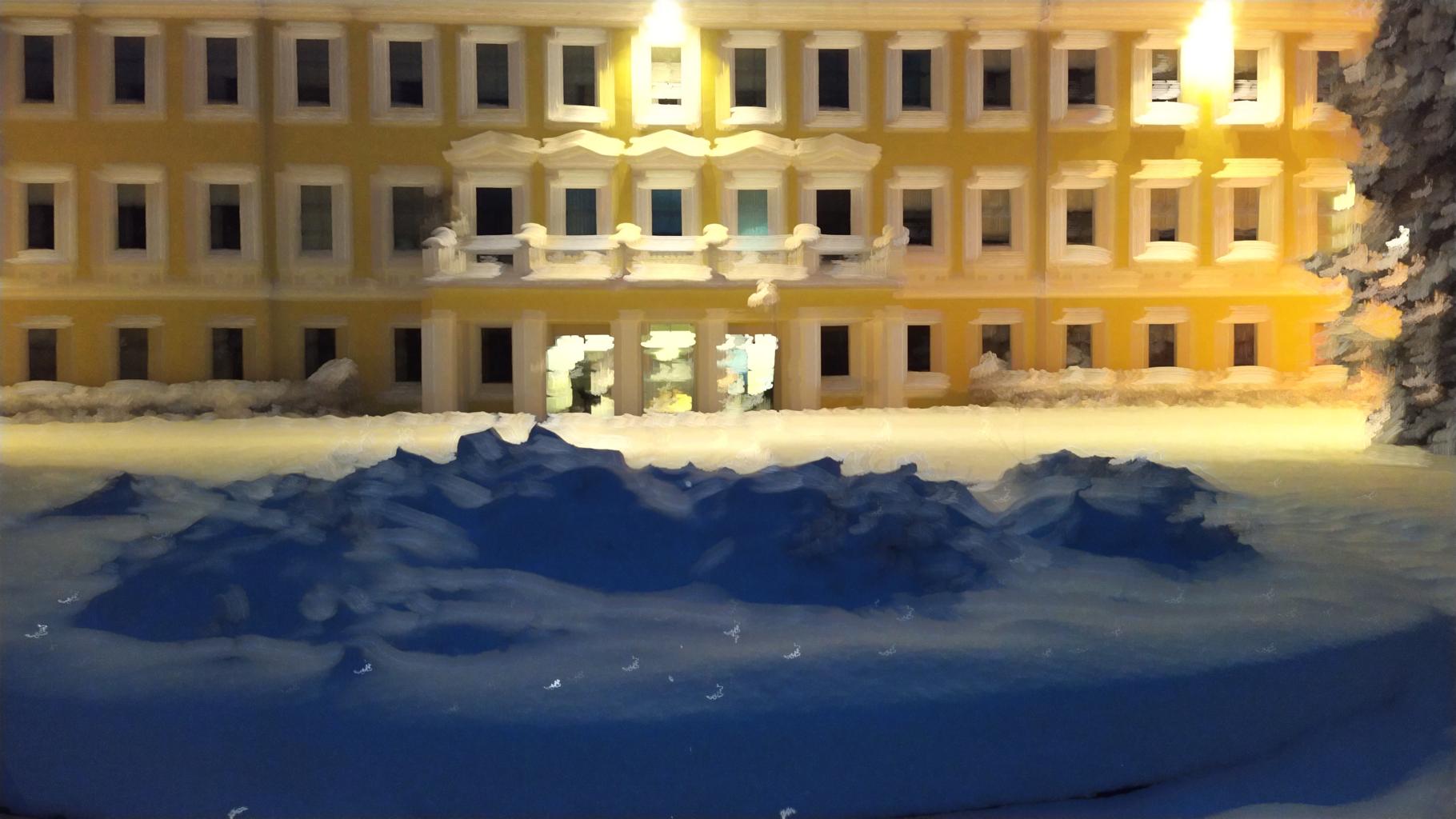
The traditional way to make long-exposure photography is to take photos with a long-duration shutter speed to sharply capture the stationary elements of images while blurring, smearing, or obscuring the moving elements. Long-exposure photography captures one element that conventional photography does not: an extended period of time. (1)
One day I watched Scott Manley video where he showed how he used video to produce long-exposure rocket launch photos. So I experimented with the code and random videos that I already had on my phone. Video is a sequence of photos and when we take the lightest part of every frame and merge it together into one image we get a result that is very similar to the traditional long-exposure technique.
One of my favourite photographers who use long-exposure photography and produces photos that look like paintings is Chris Friel. His works inspired me to make my MOVE photo series. Although I could not discover his technique secrets.
But I think using videos and OpenCV is a new way for me to experiment with ideas. For example, videos let you combine not only the lightest areas but also the darkest areas from frames. What is impossible with the traditional way.
One thing that I quickly learned is that the video should be short or your final image is completely white or black.
It’s definitely fun to make them and the result is often unpredictable.
Some quick experiments:
Gode on GitHub.