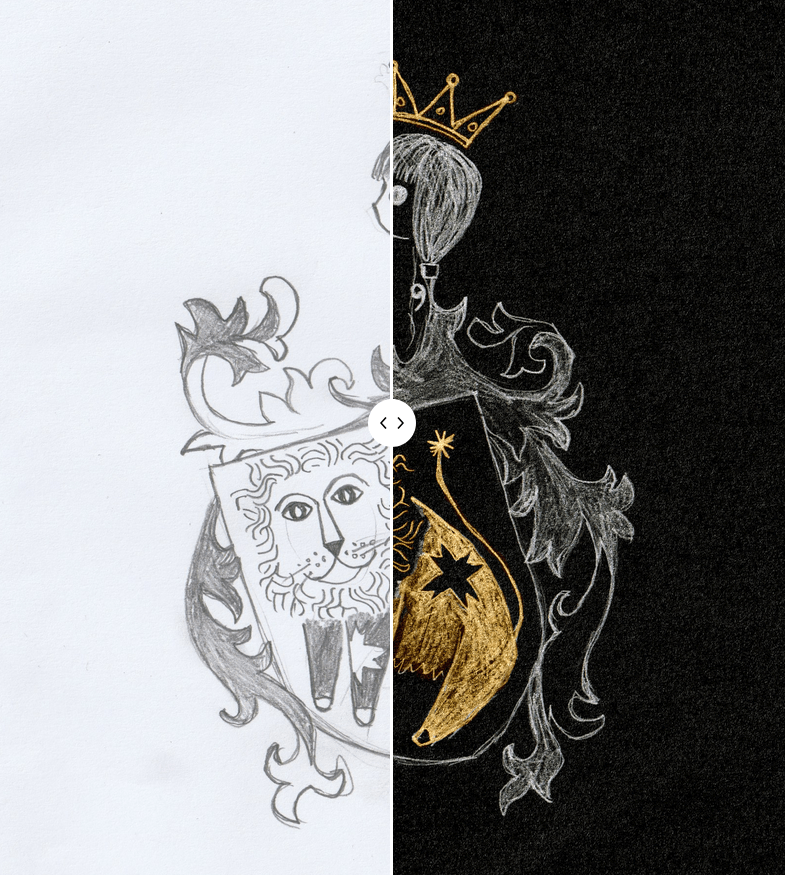
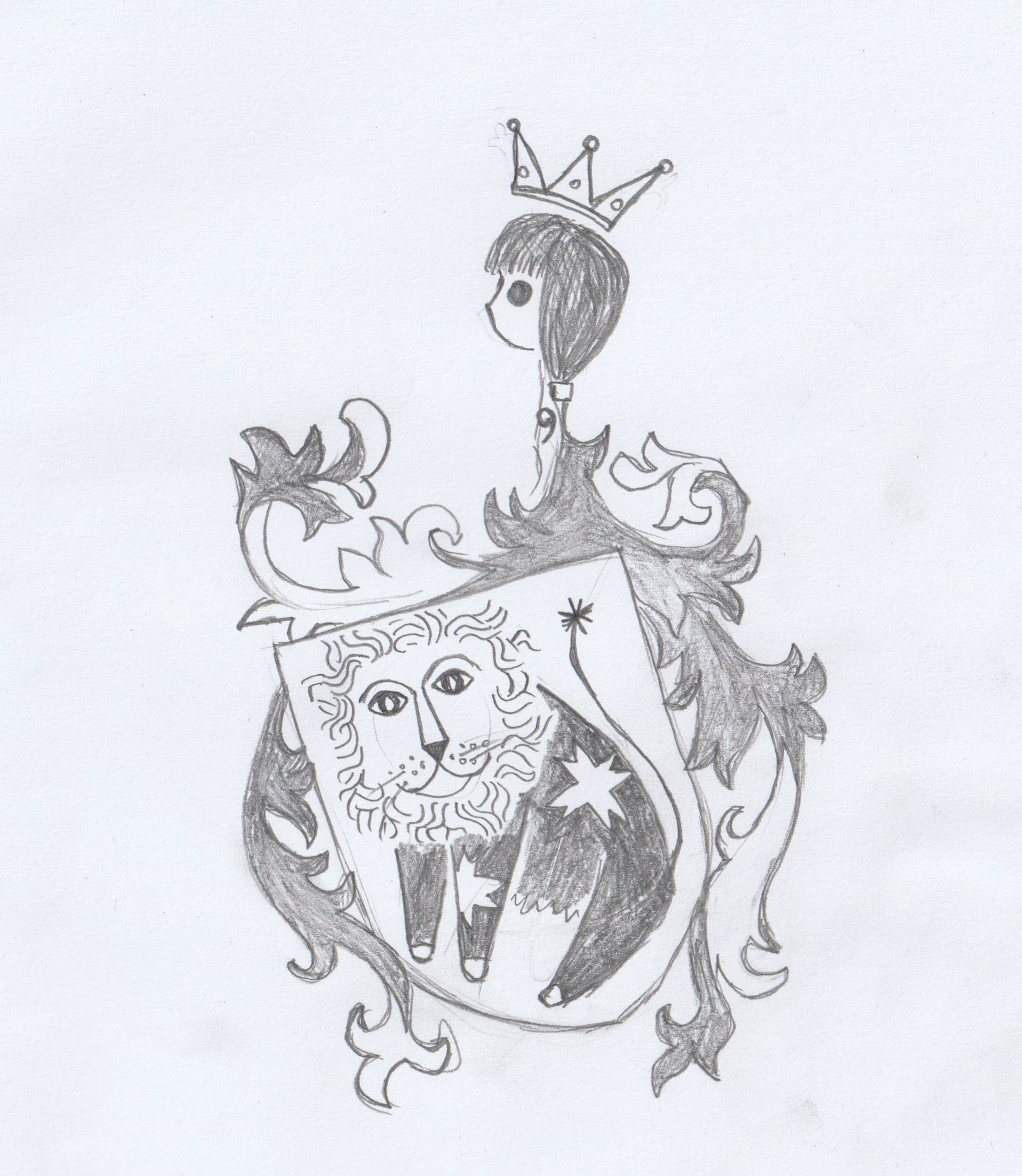
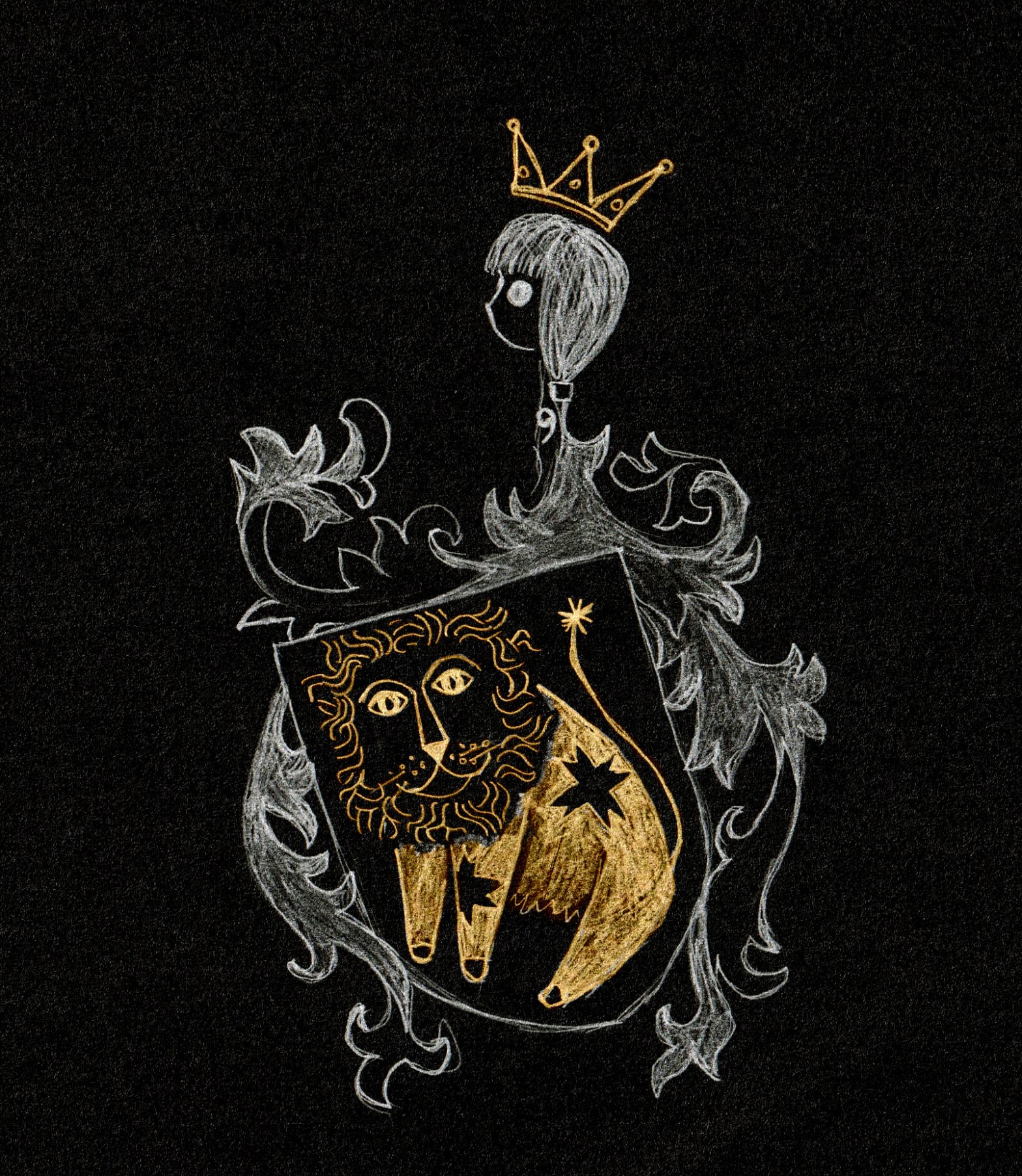
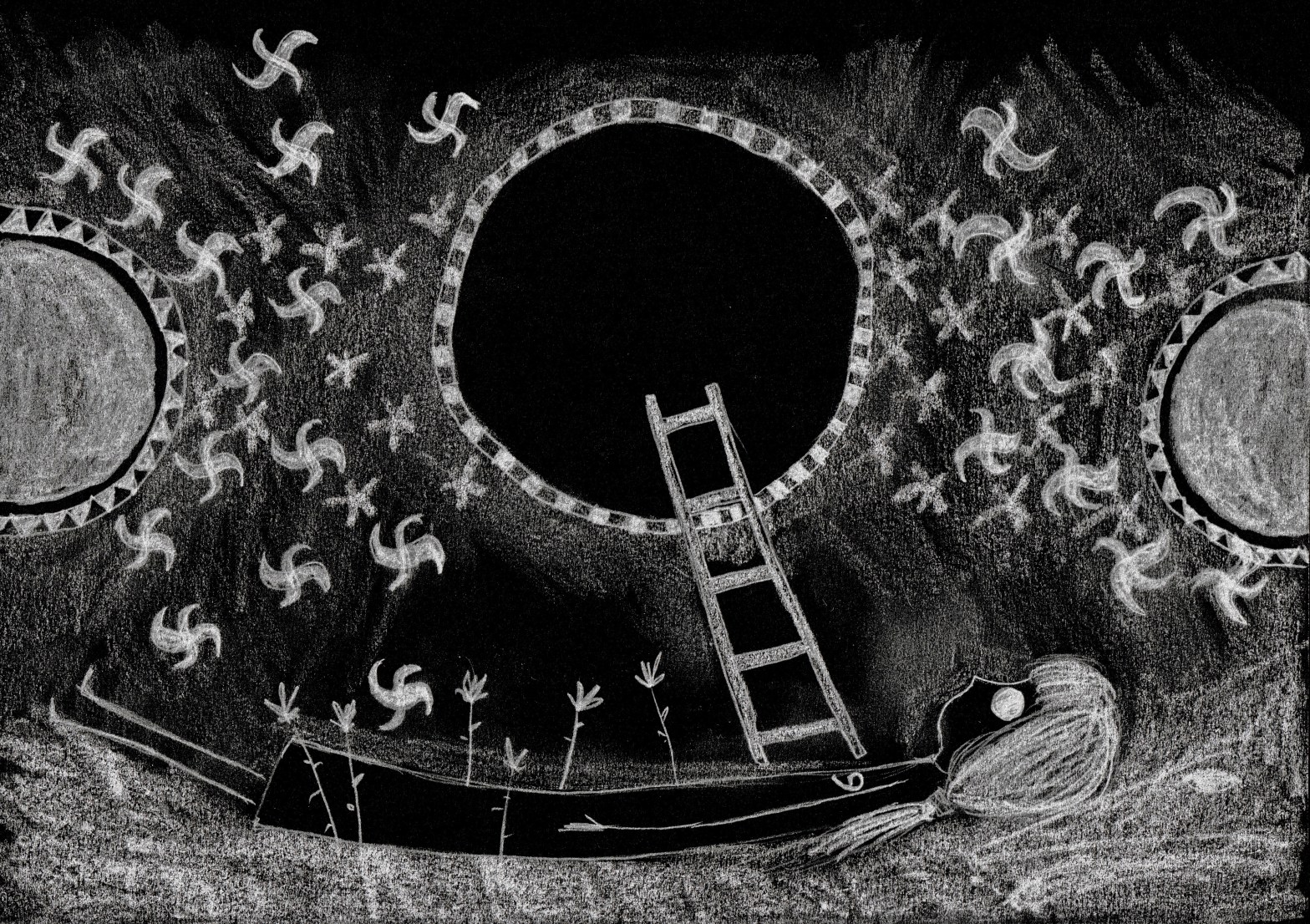
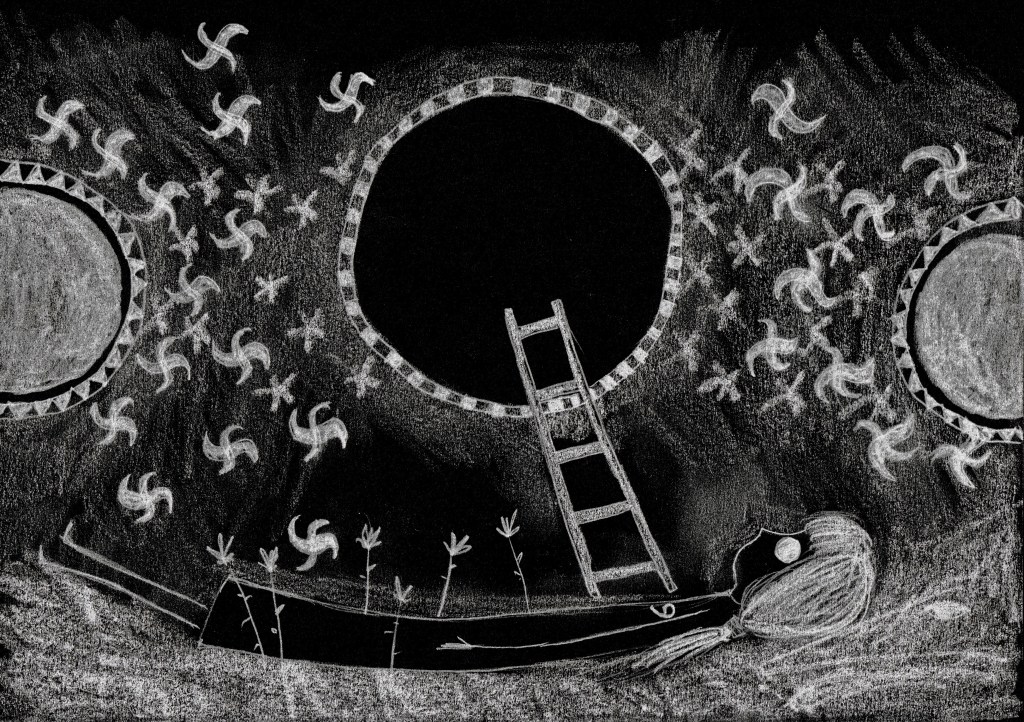
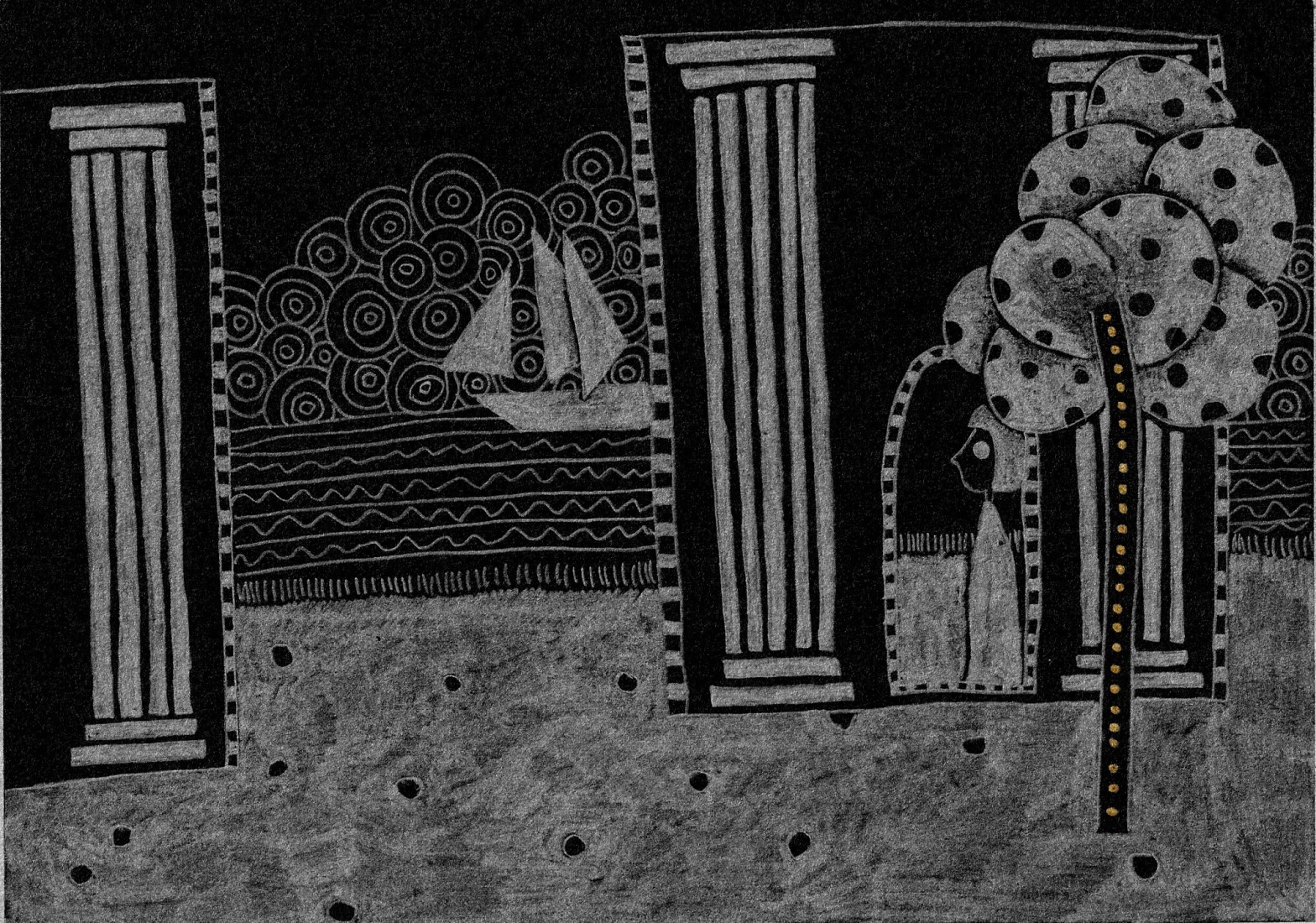
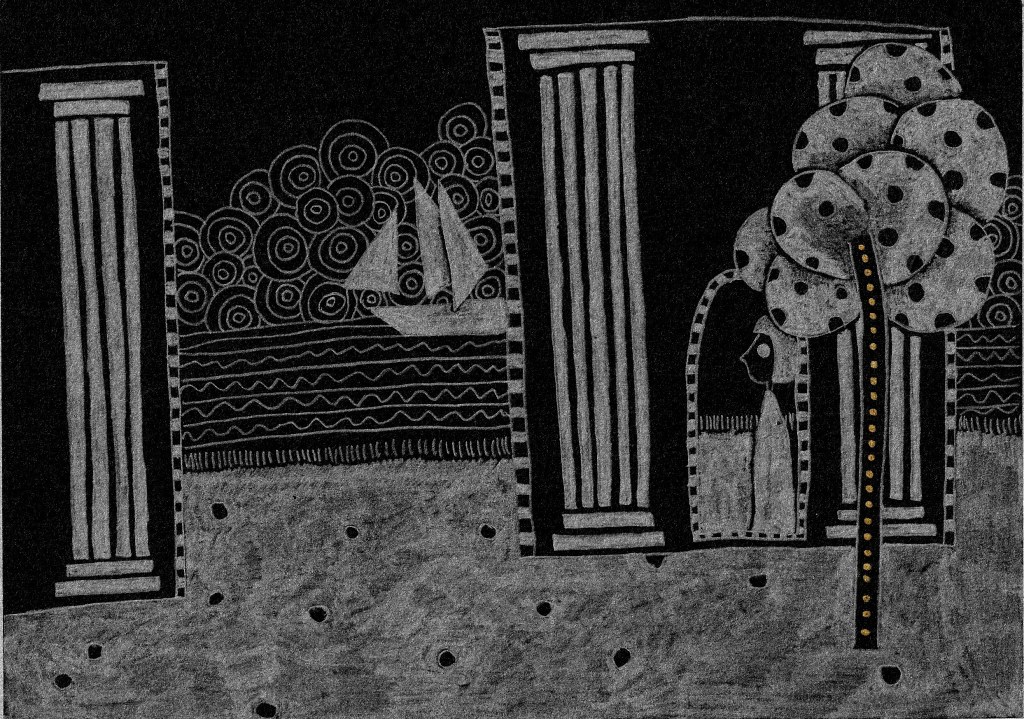
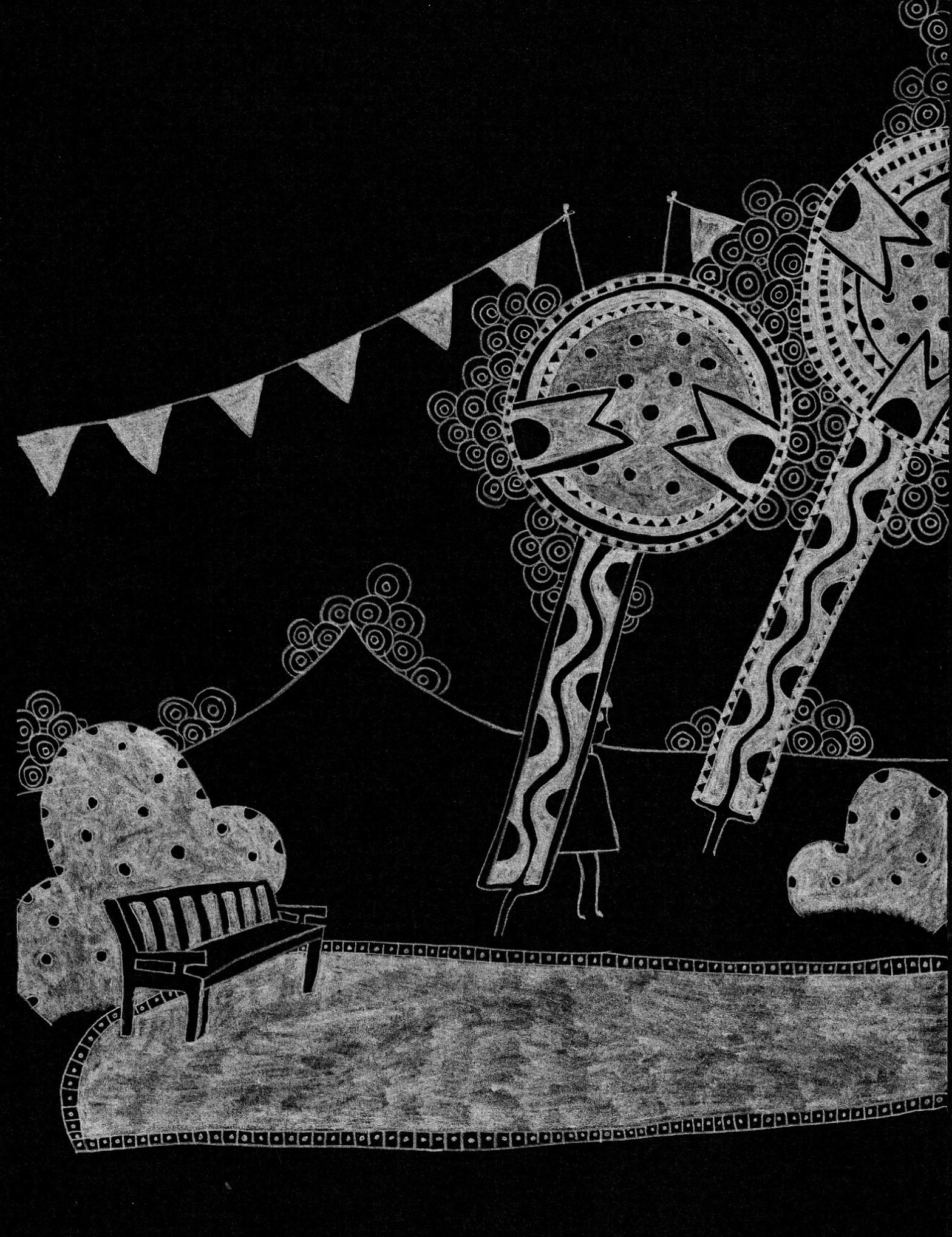
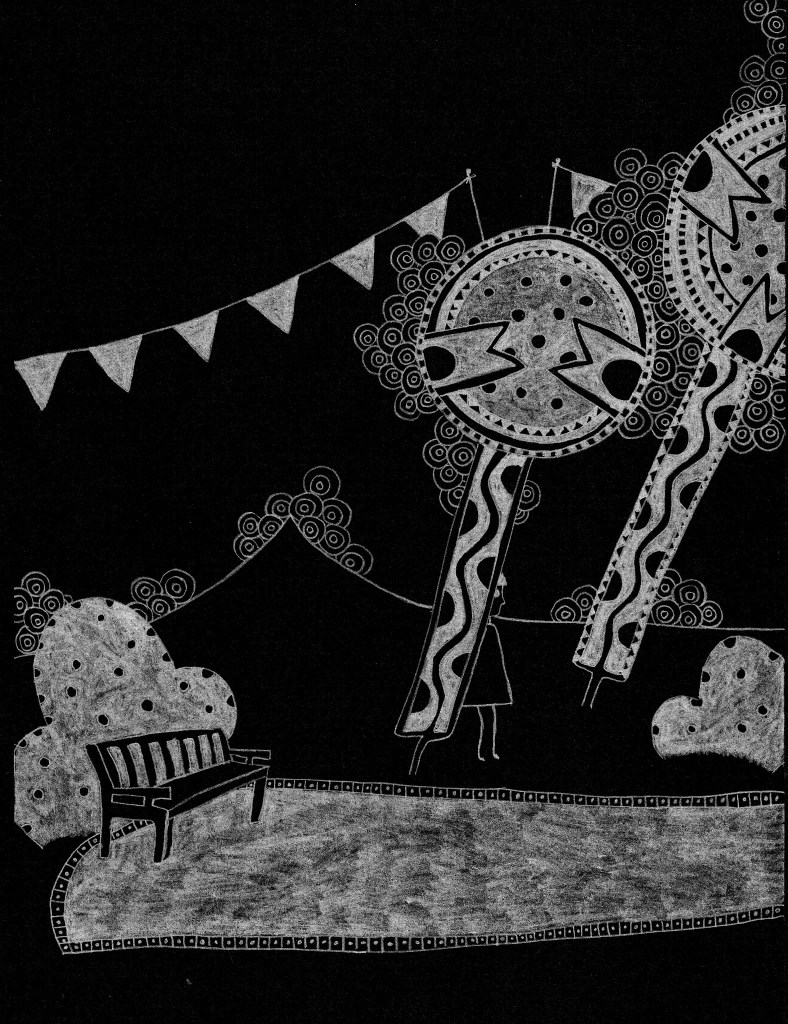
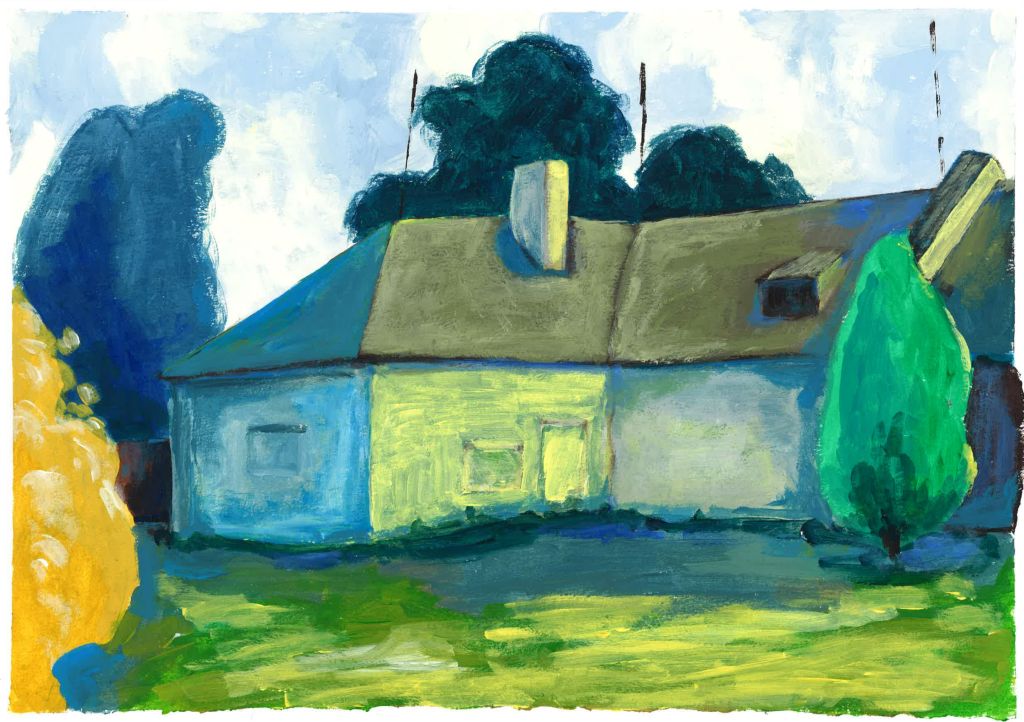
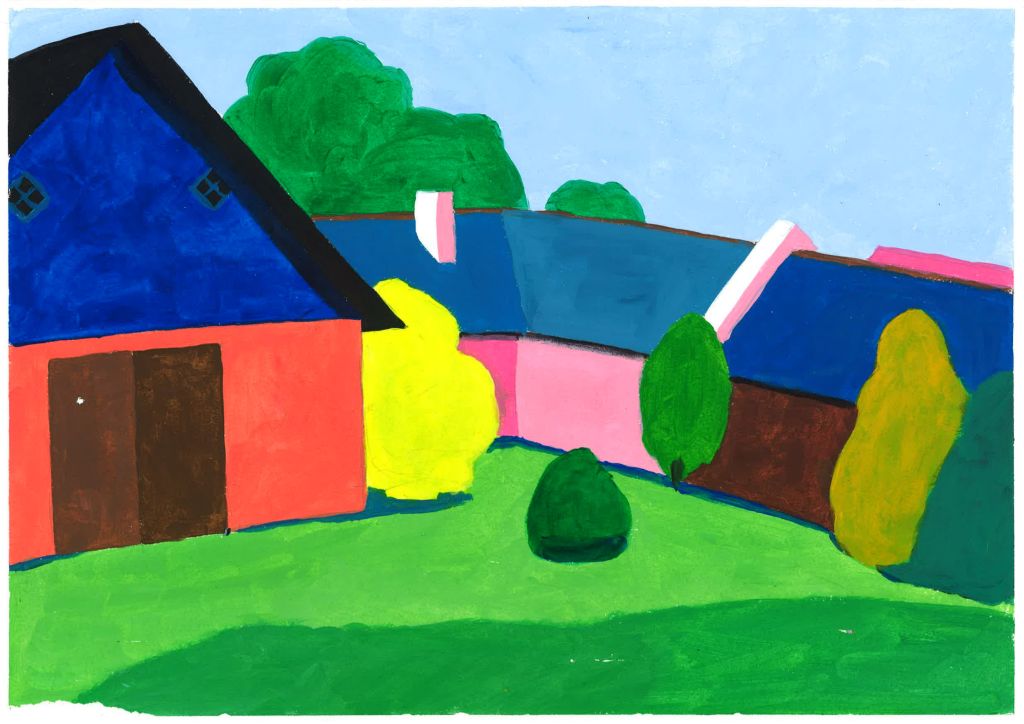
The first drawings appear in 2011. I had been drawing them for a year before I started scanning into the computer. The beginning was more experimental and more different kinds of pictures.They were more like a story. Although I didn’t really have a specific story to tell.
Later they transformed into something to express my inner feelings, worries, and thoughts. Like an art therapy or something similar.
Sometimes I know what I want to draw. Other times I just start and will see what happens. There were times when I did several drawings a day. And times when I don’t do any for several weeks.
I have noticed that when I am happy I don’t have to draw.
I try not to do it to please people. I think it’s a trap when you to things to only hear how people say how much they like it.
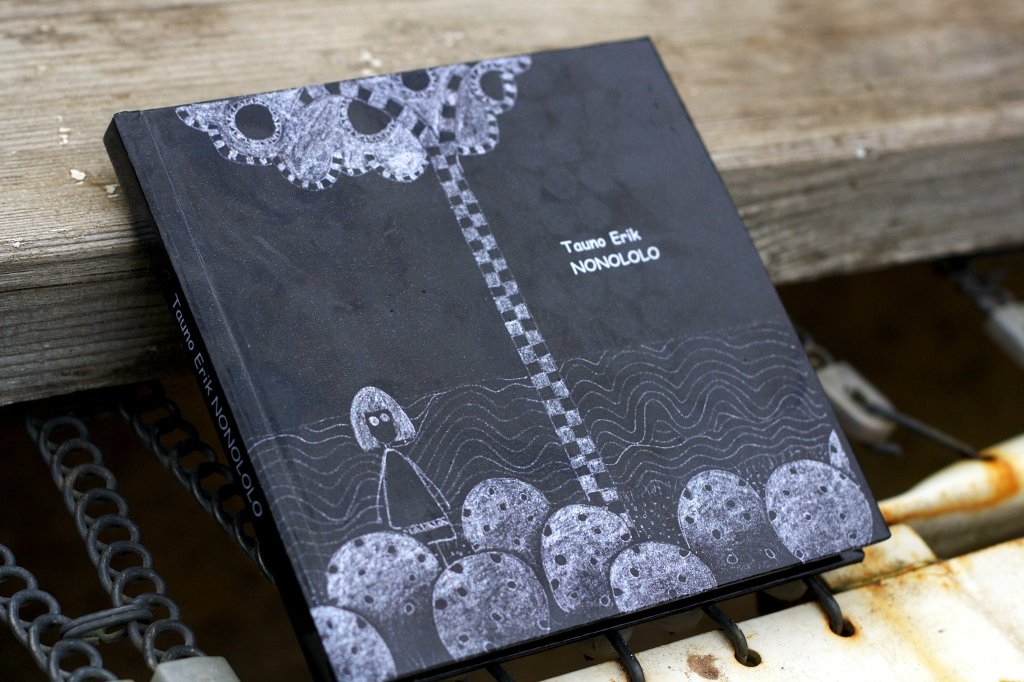
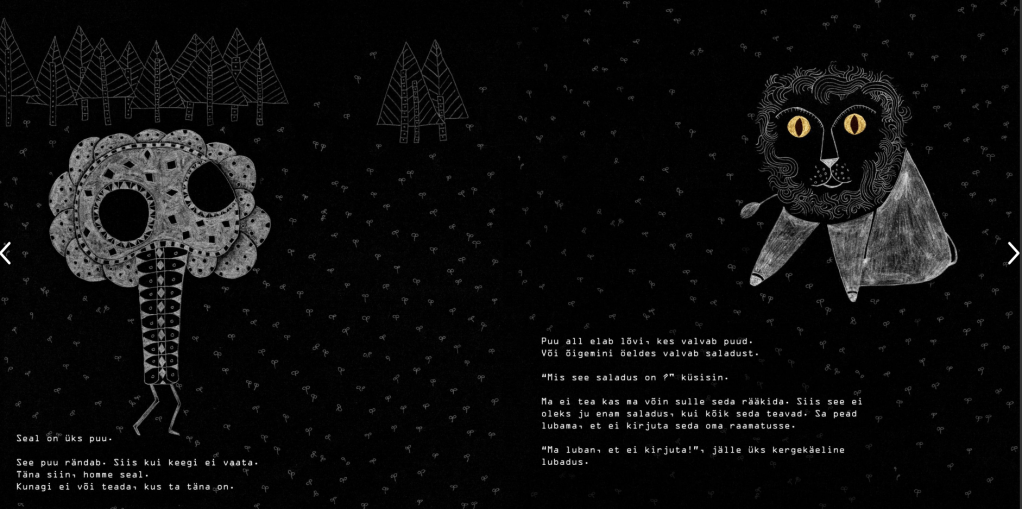
Picture book NONOLOLO (There is only one copy)
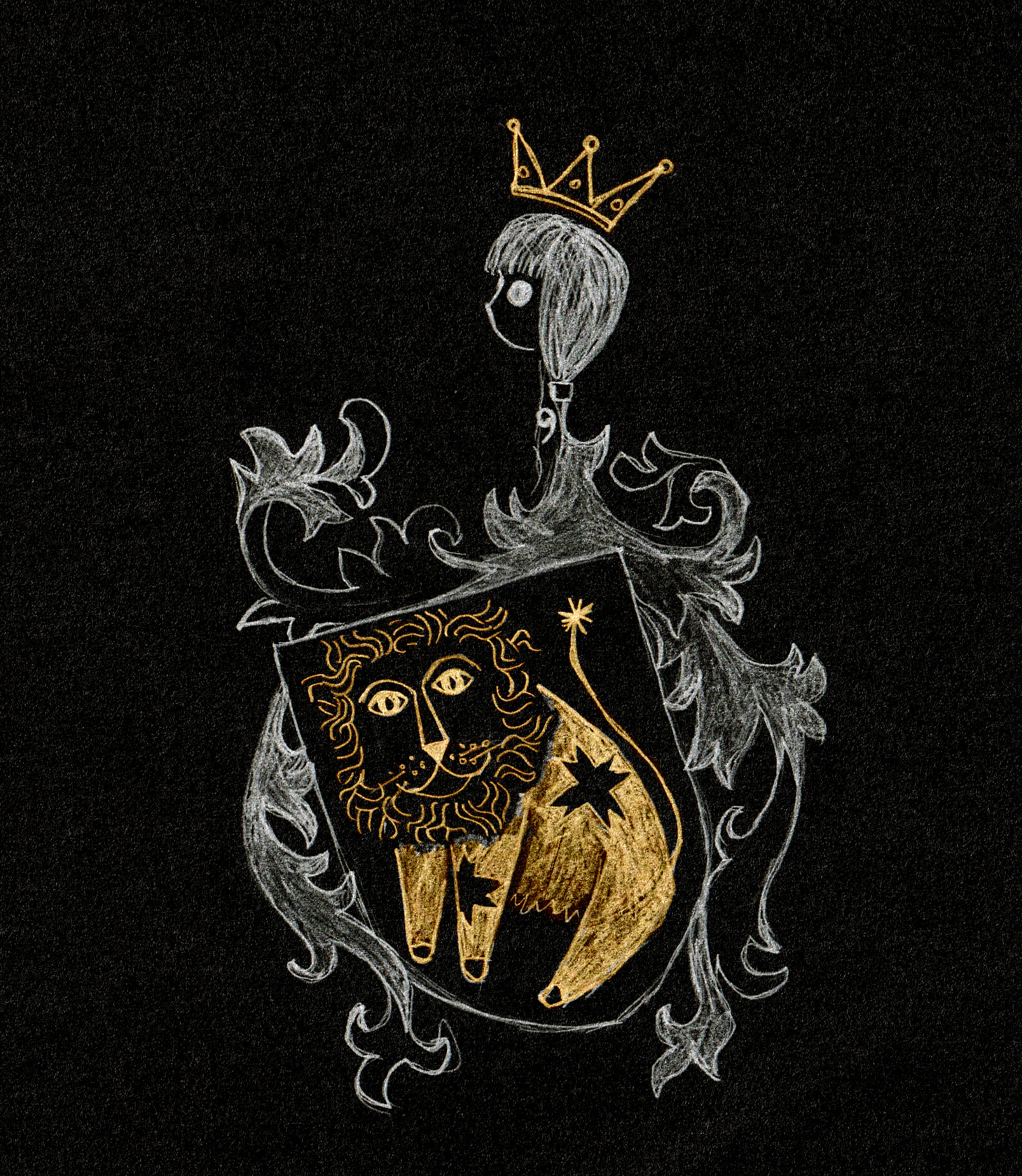
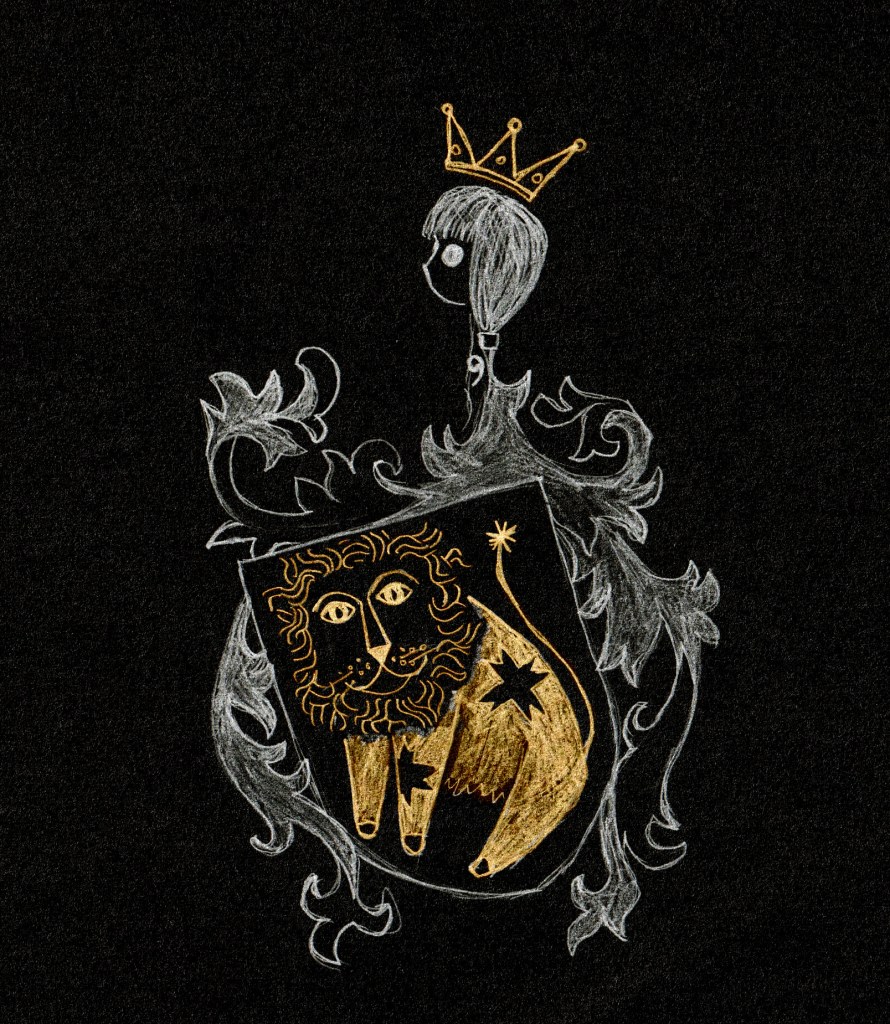
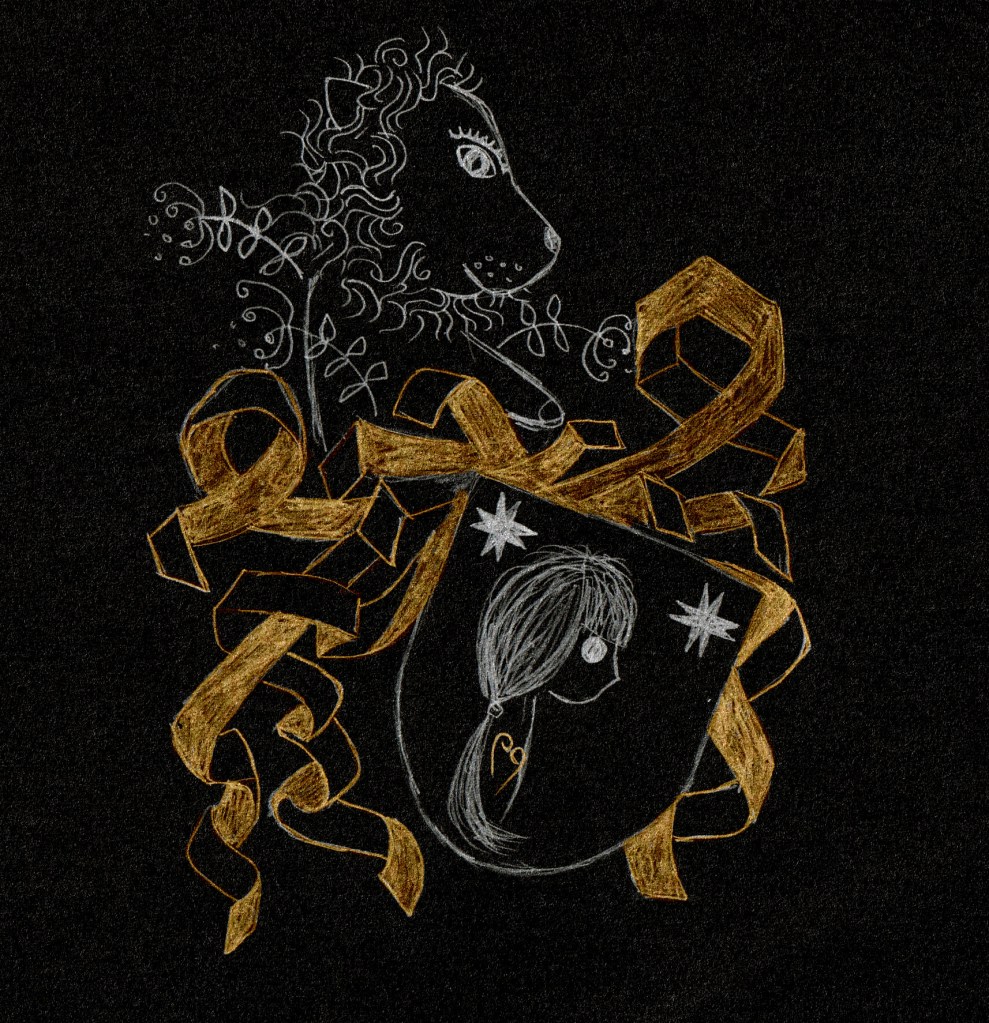
The physical process of making these is very simple: pencil on paper. Sometimes fountain pen. Random ordinary smooth paper. I try to avoid the eraser as much as possible. Then I scan it and digitally manipulate image colour. I use GIMP. All my personal projects I use libre and open-source software.
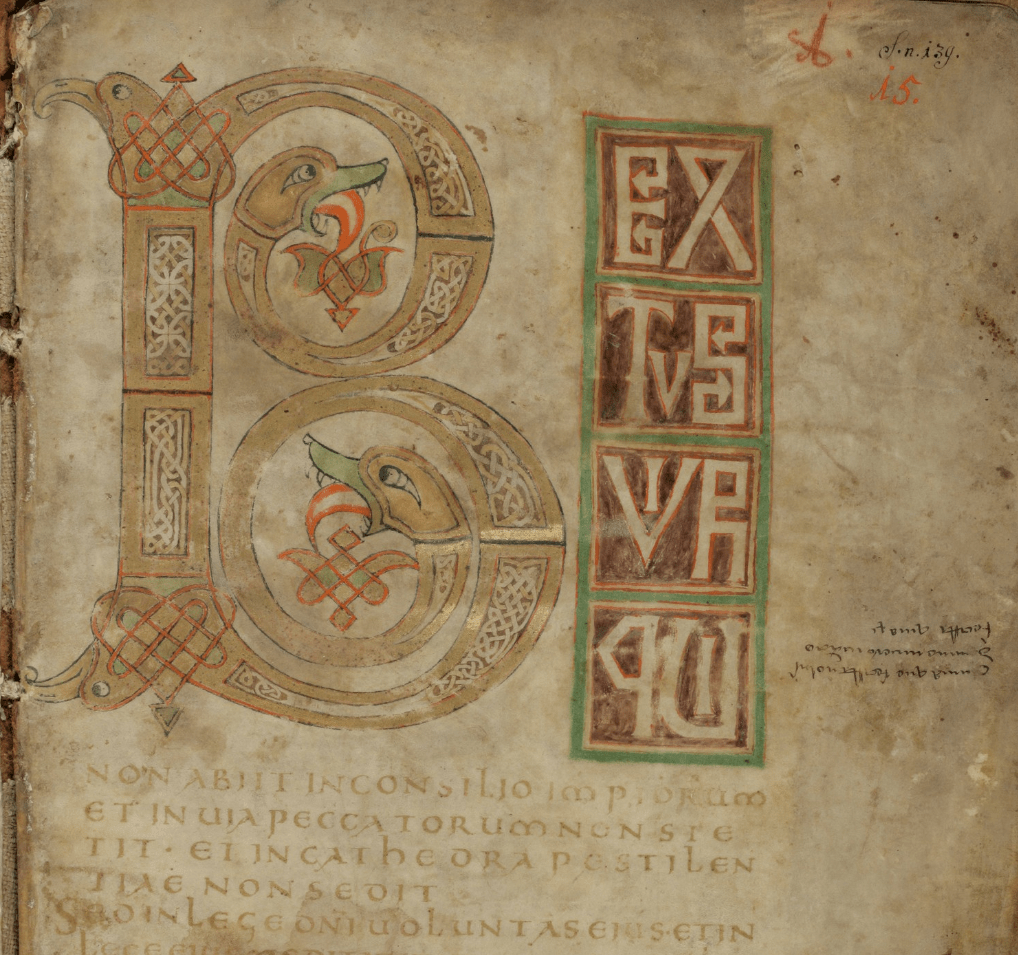
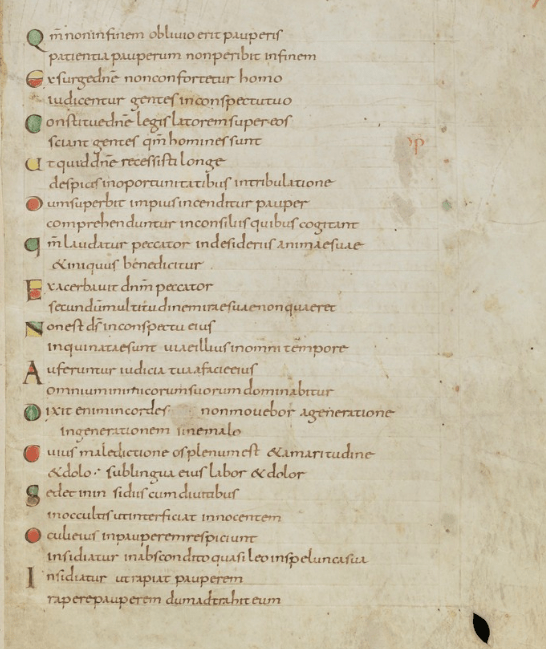
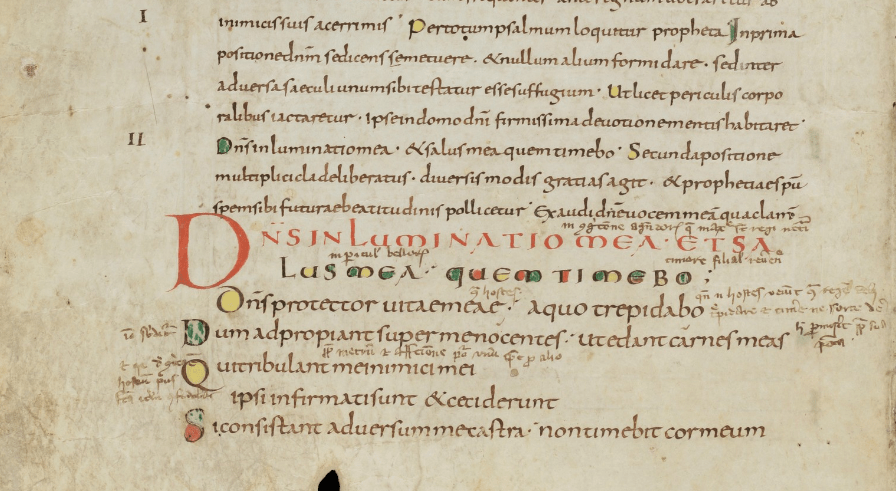
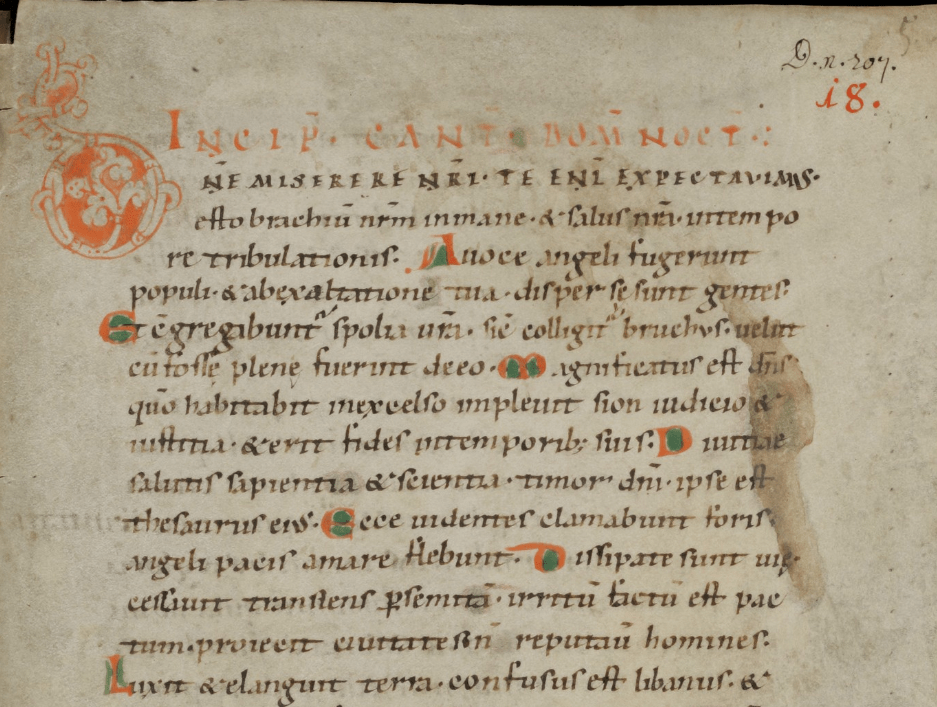
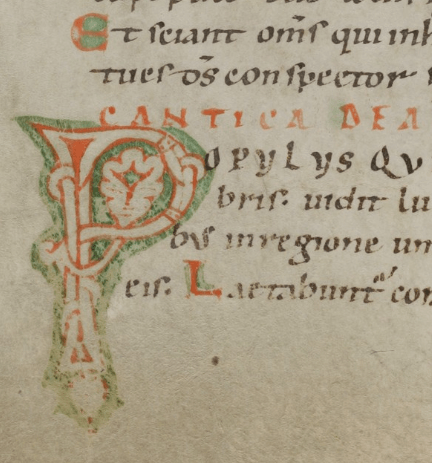
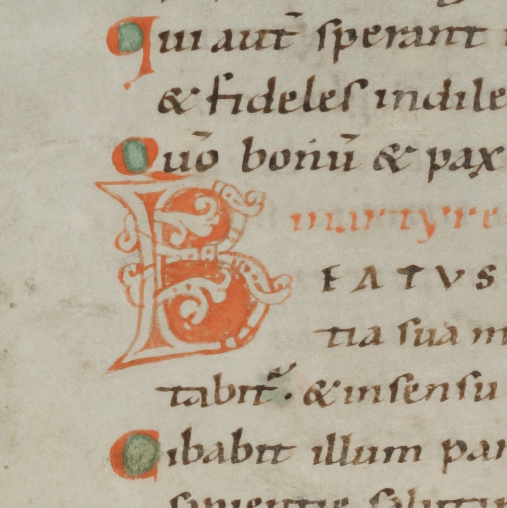
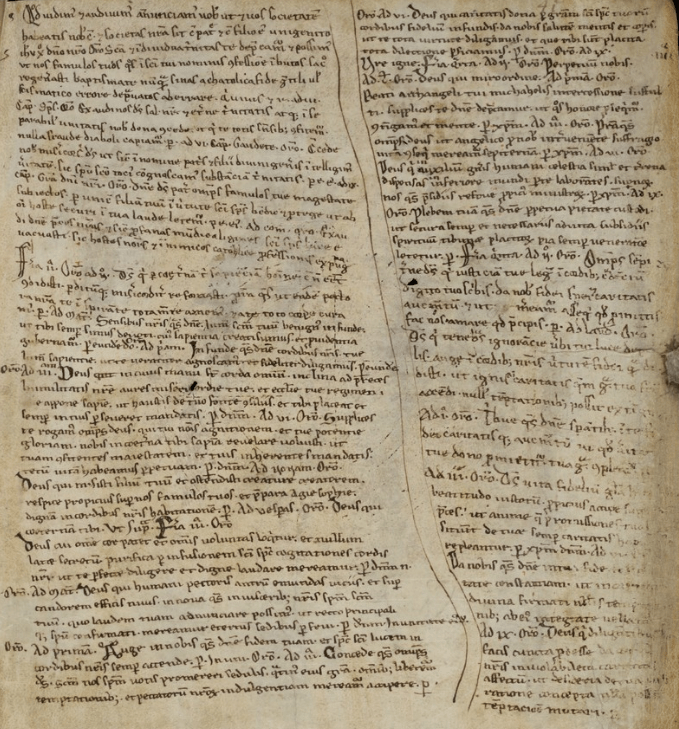
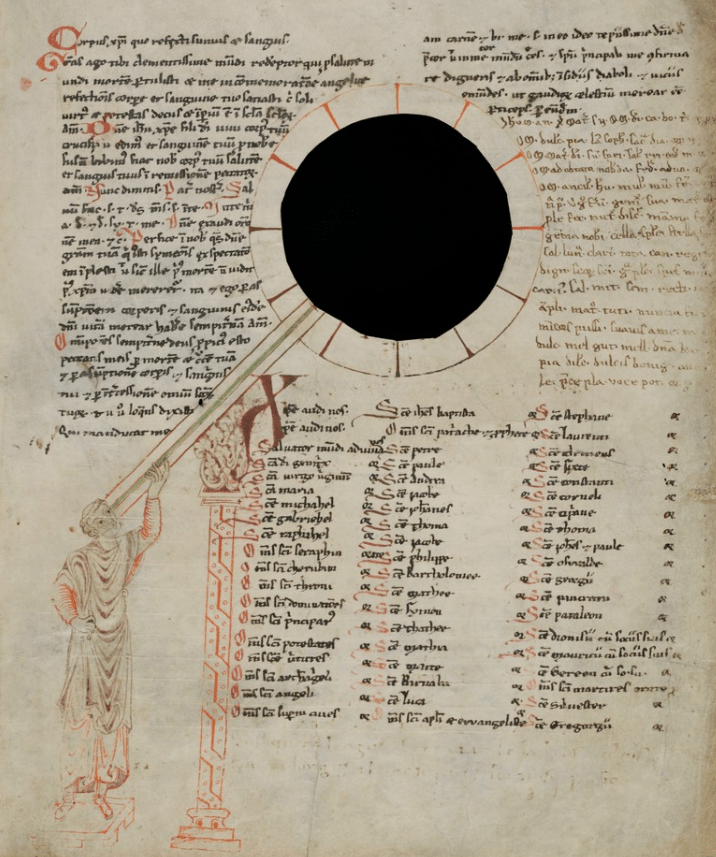
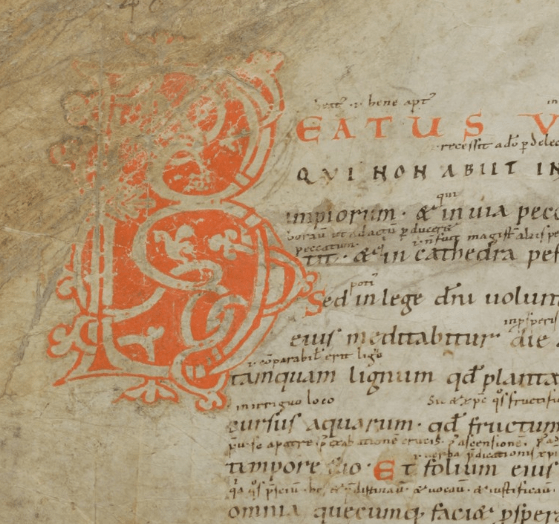
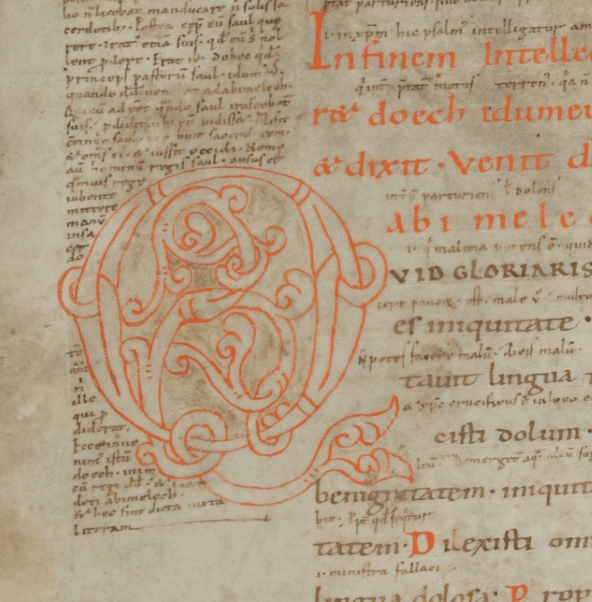
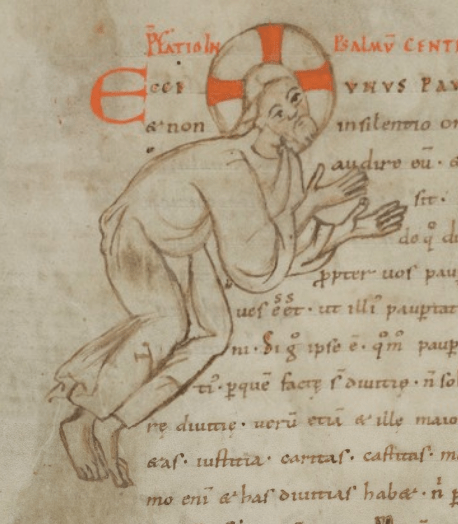
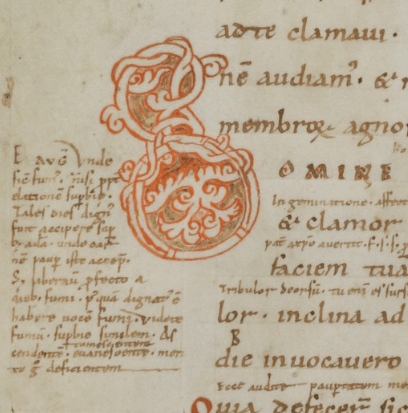
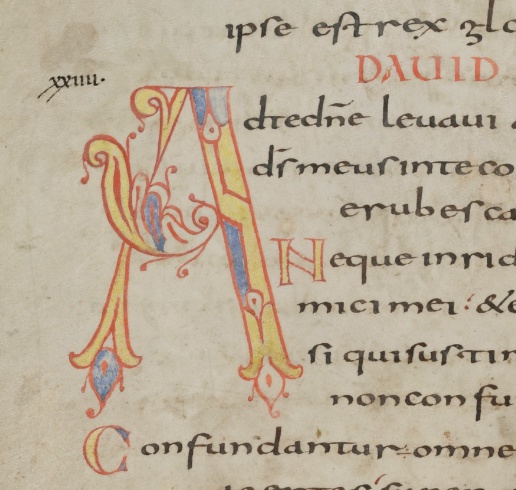
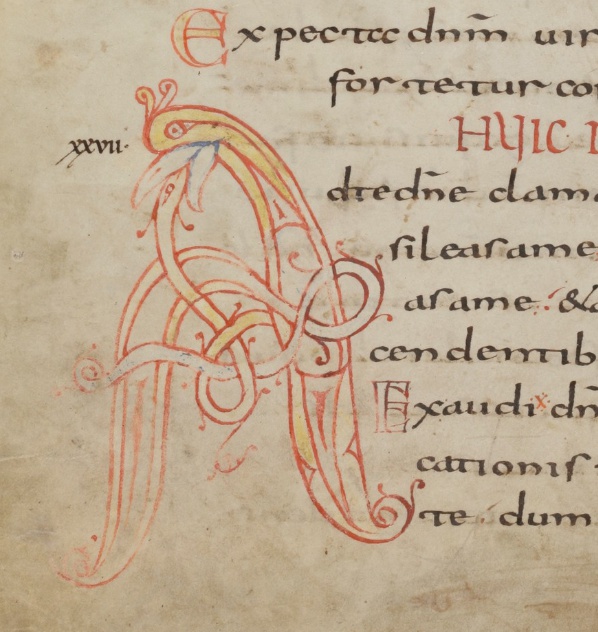
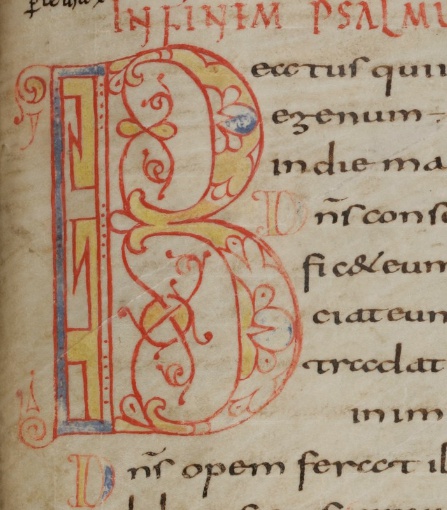
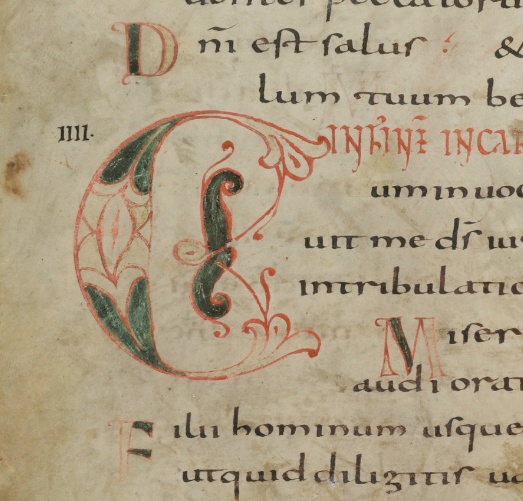
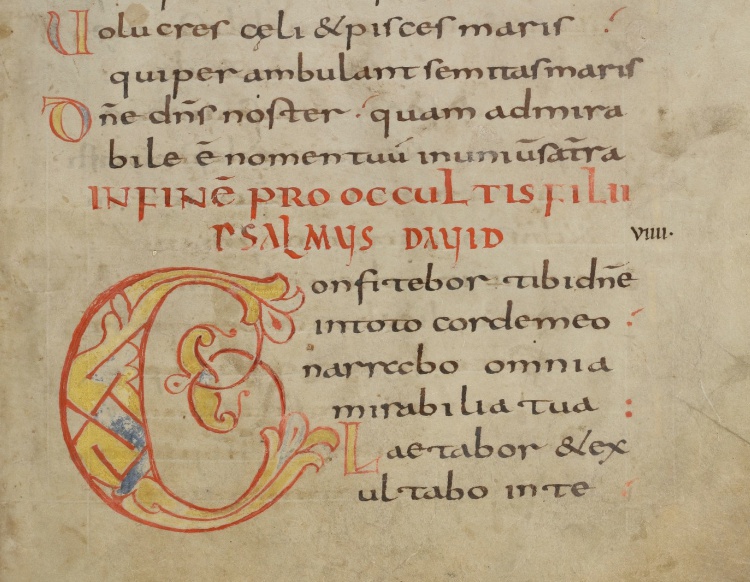
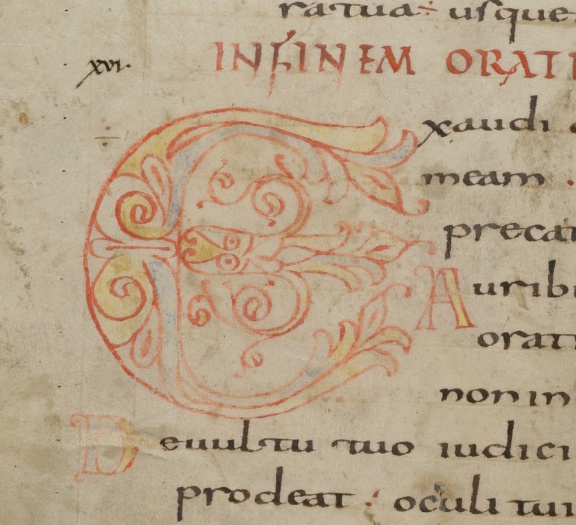
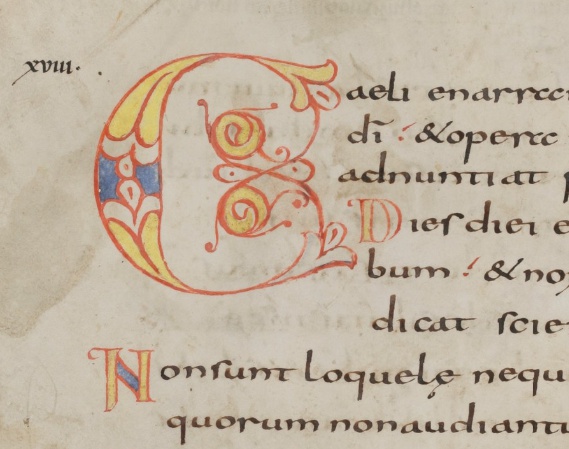
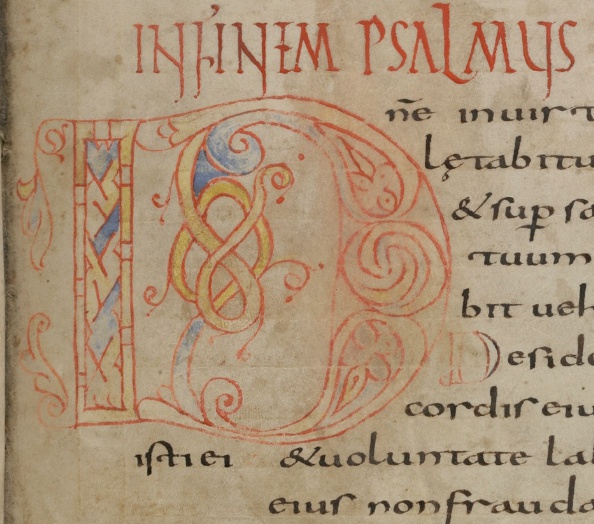
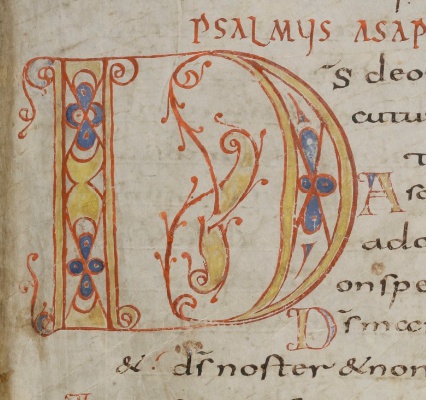
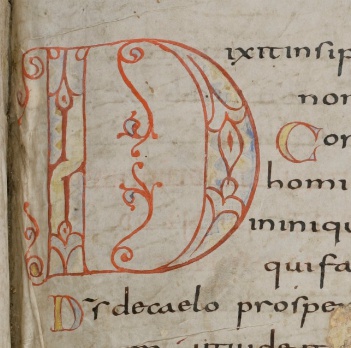
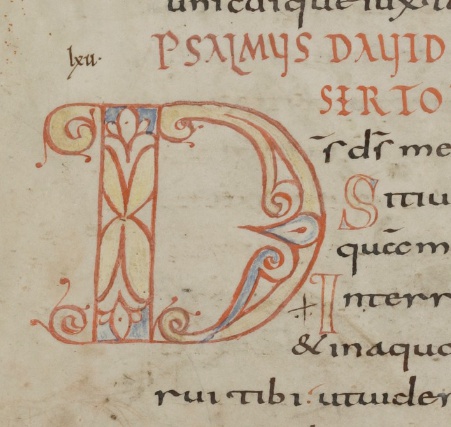
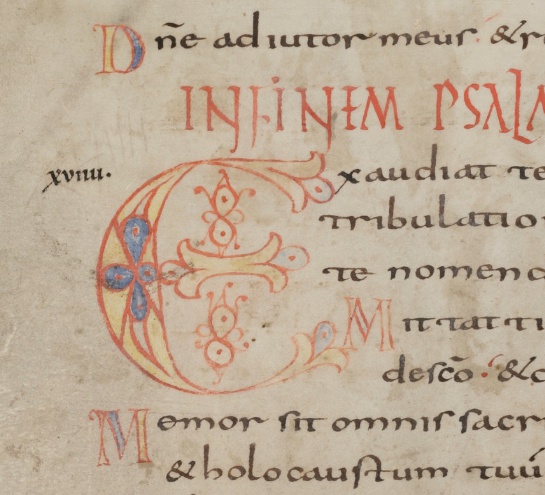
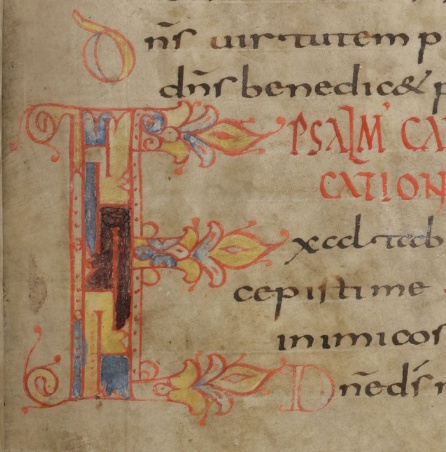
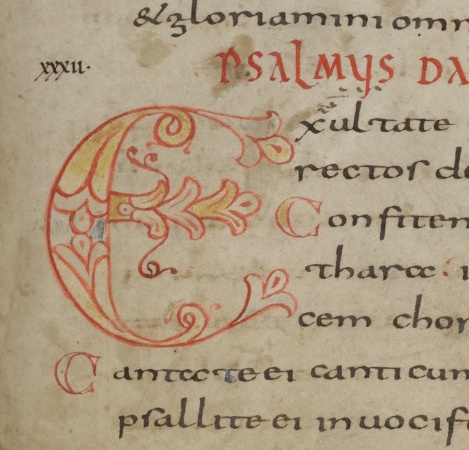
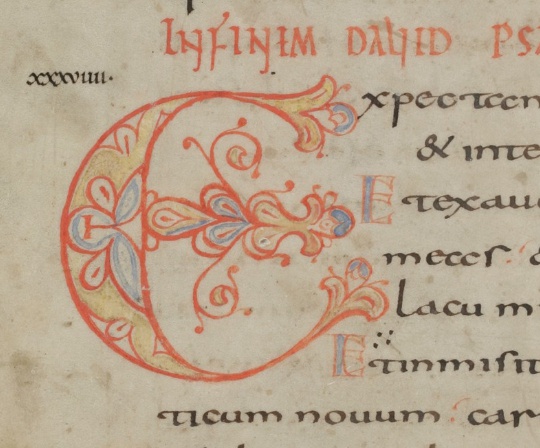
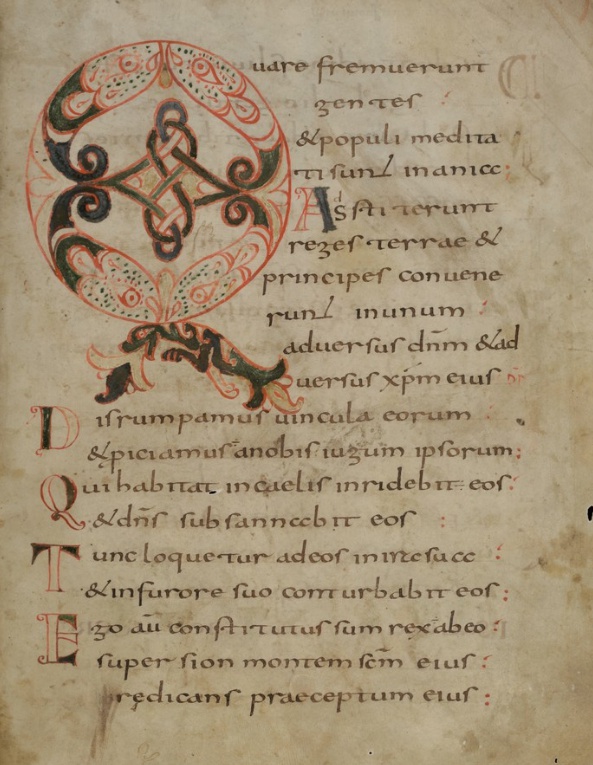
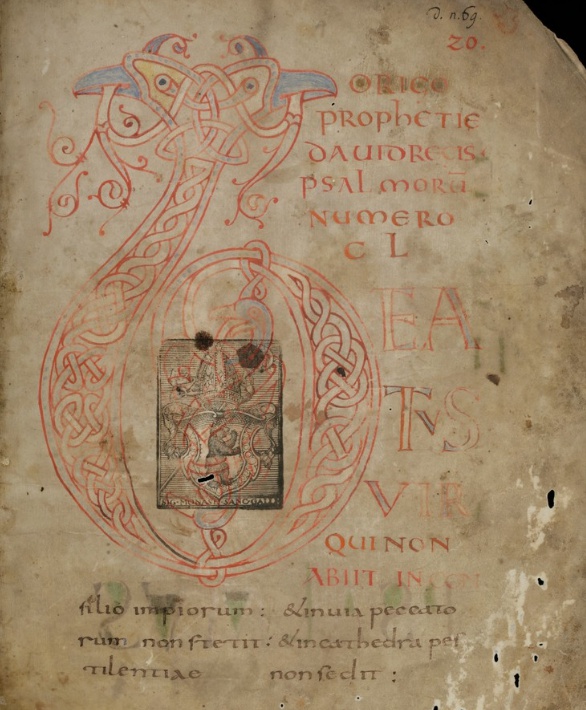
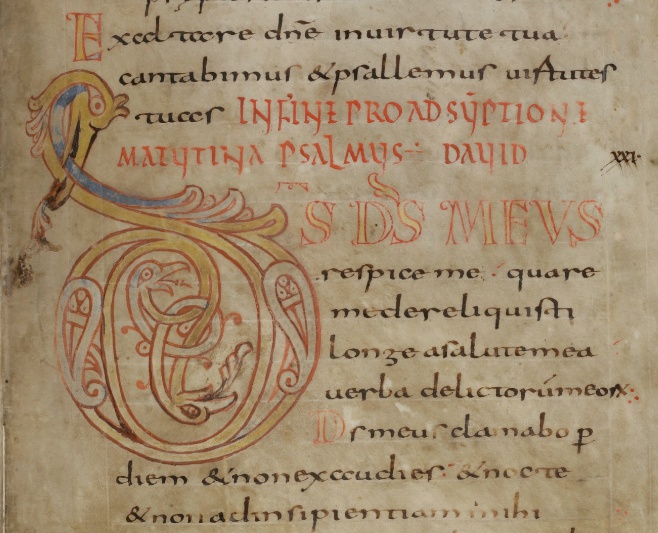
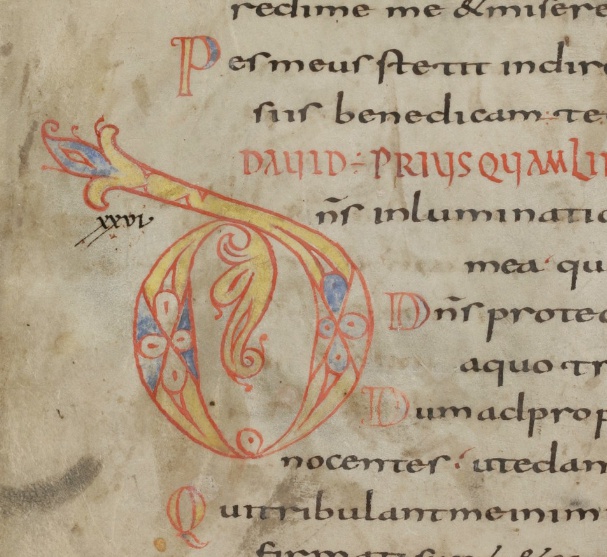
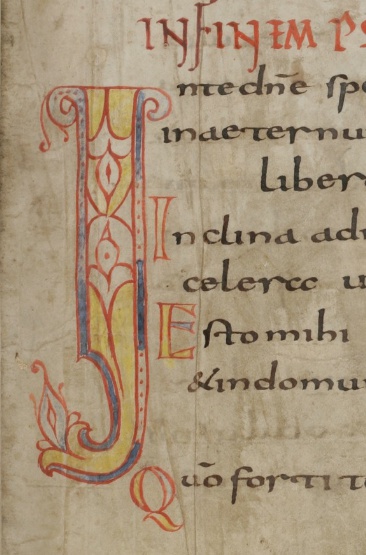
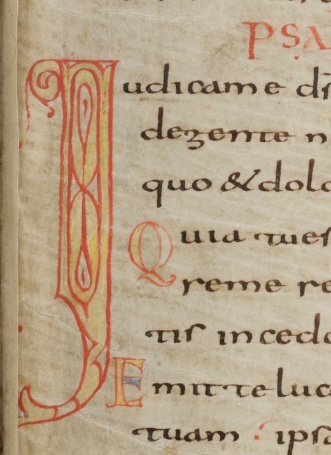
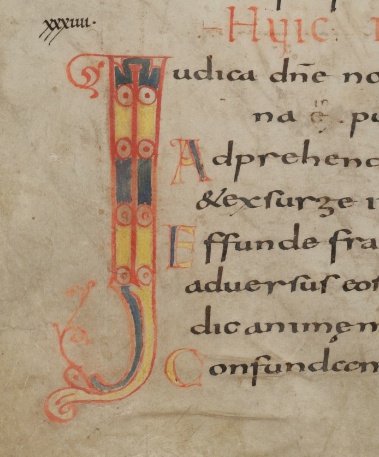
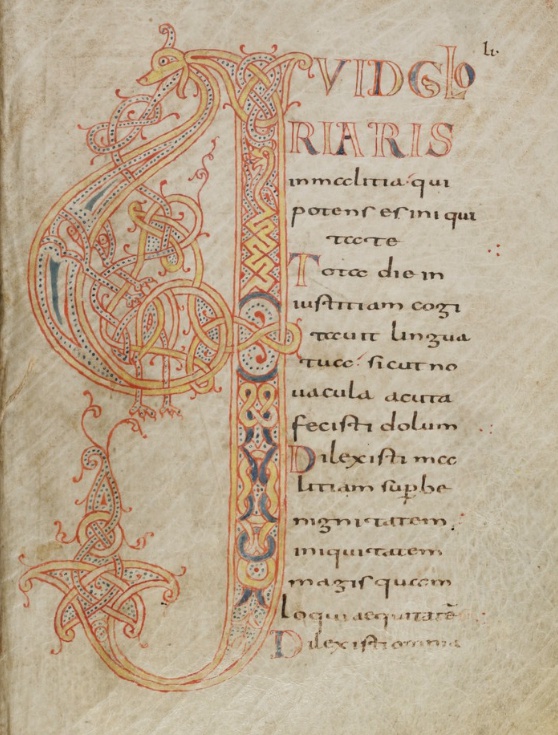
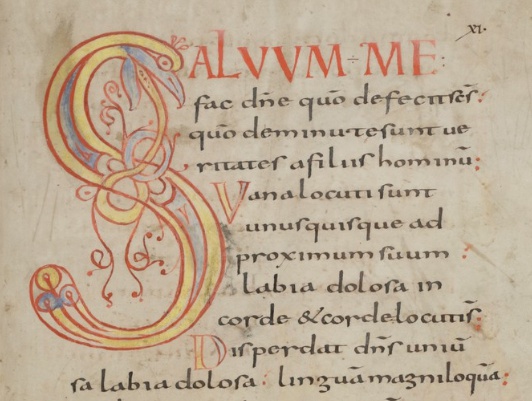
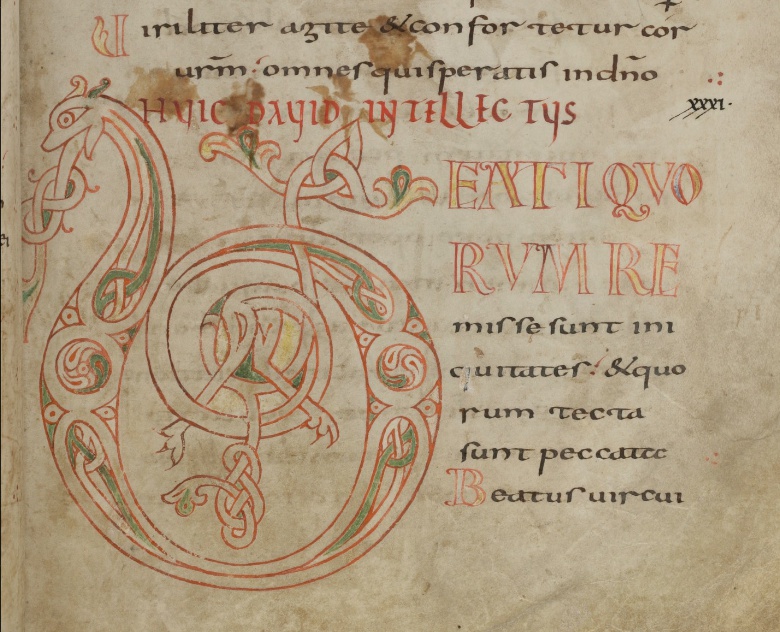
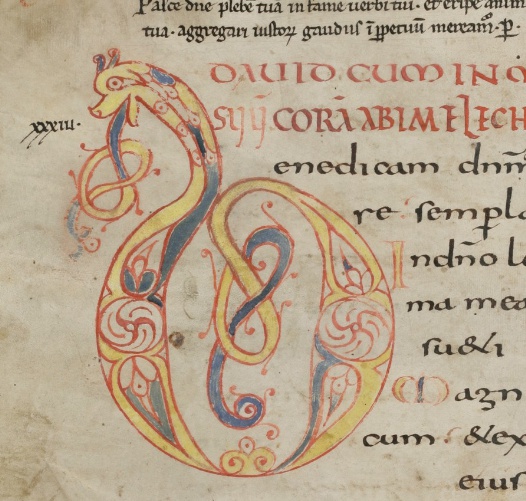
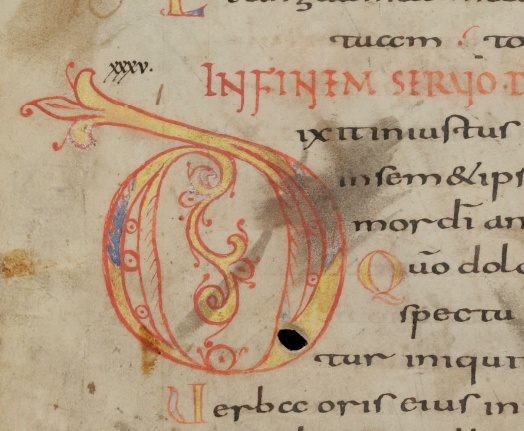
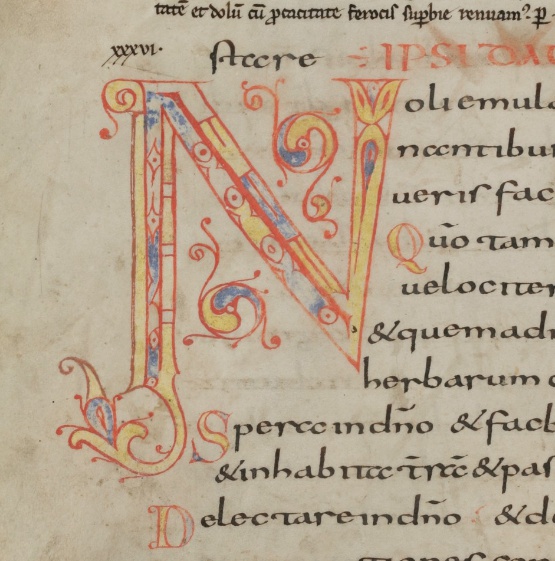
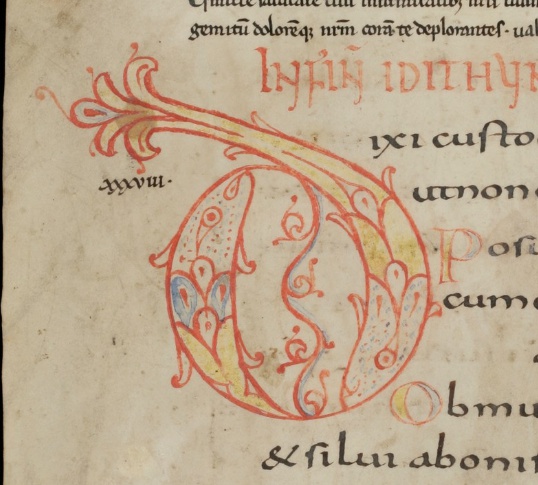
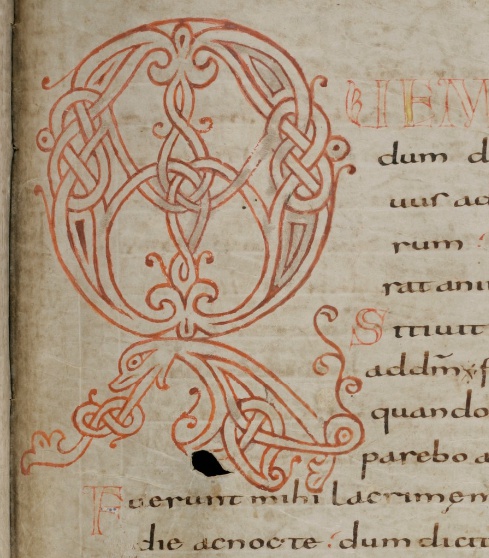
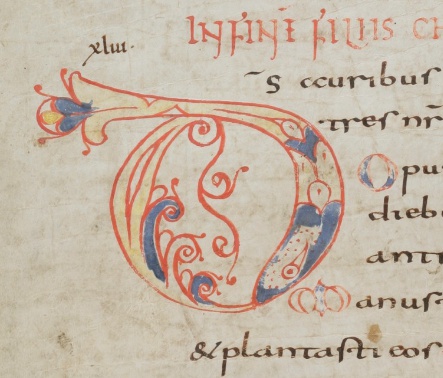
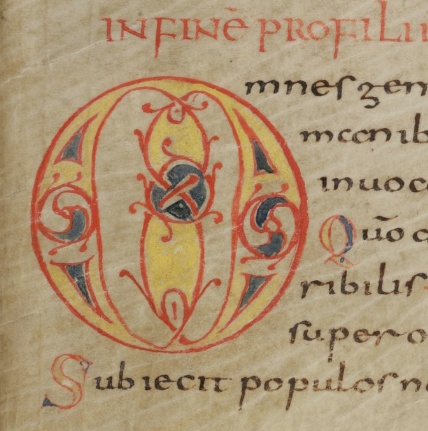
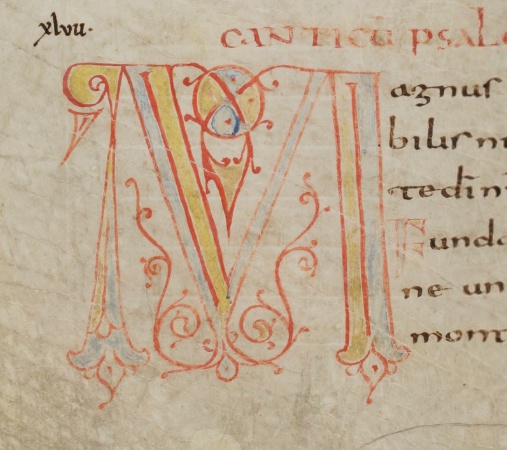
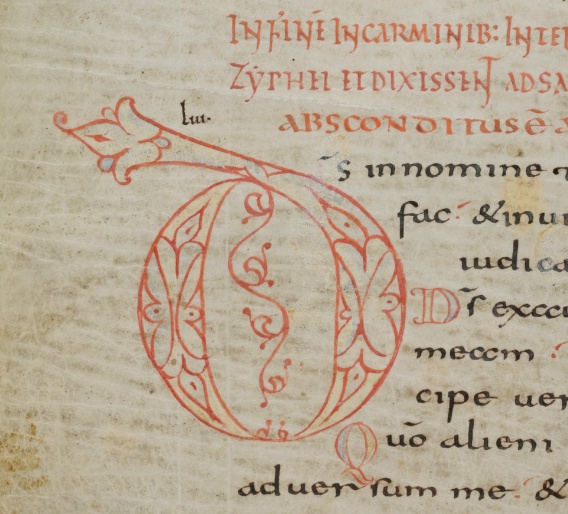
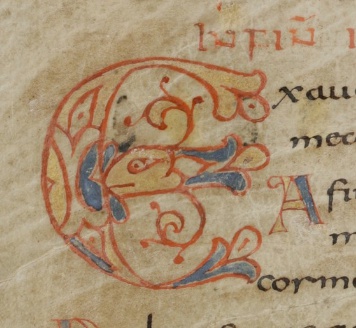
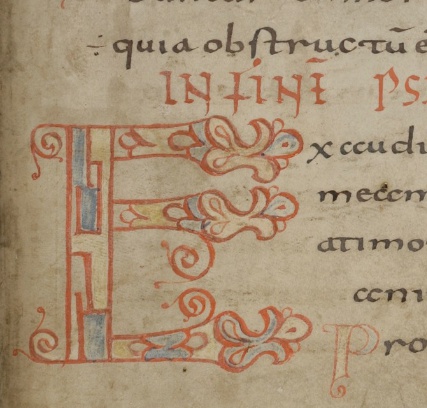
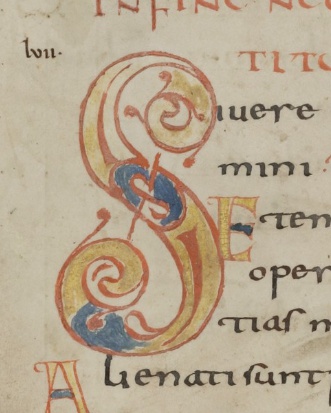
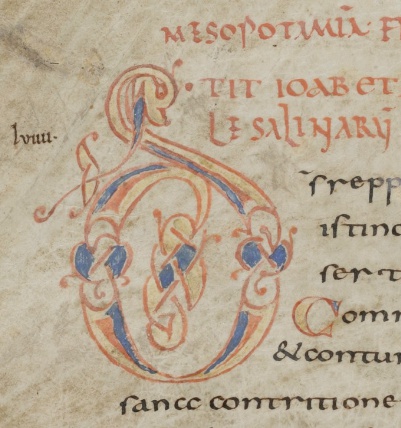
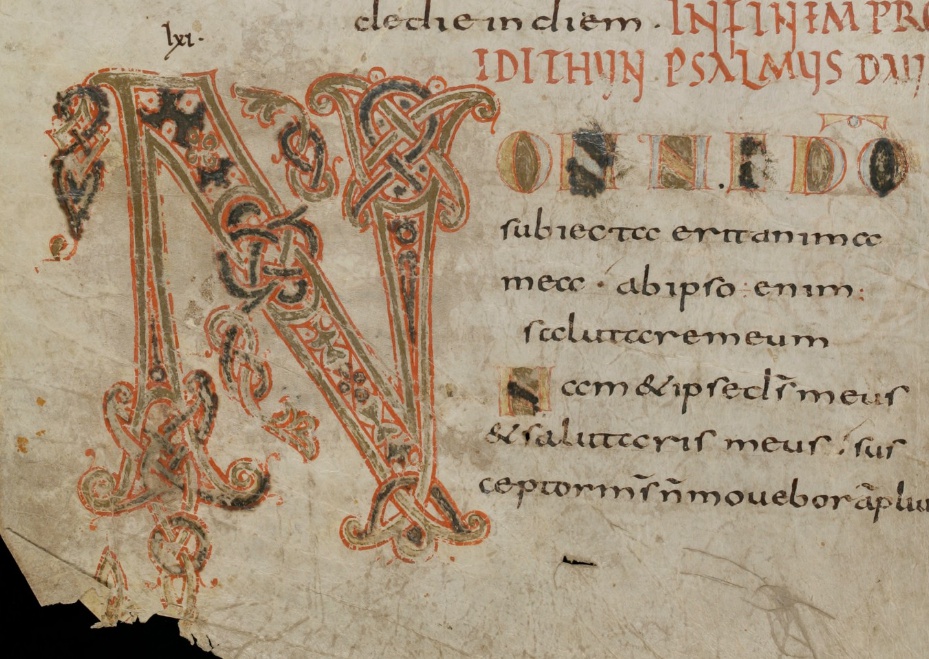
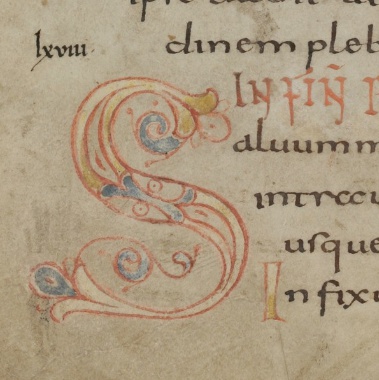
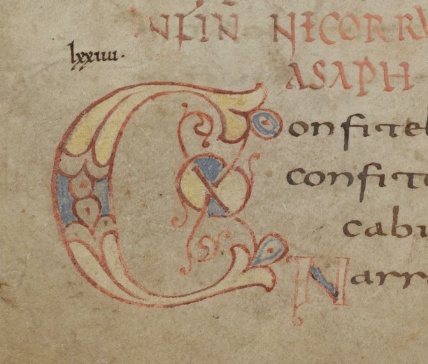
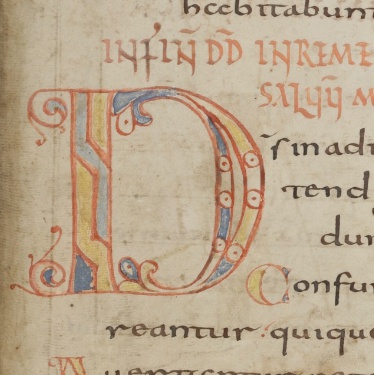
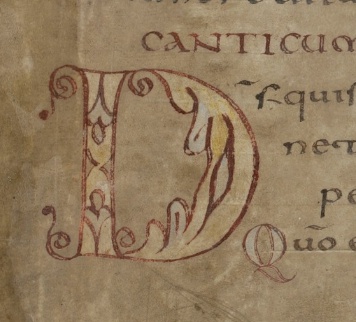
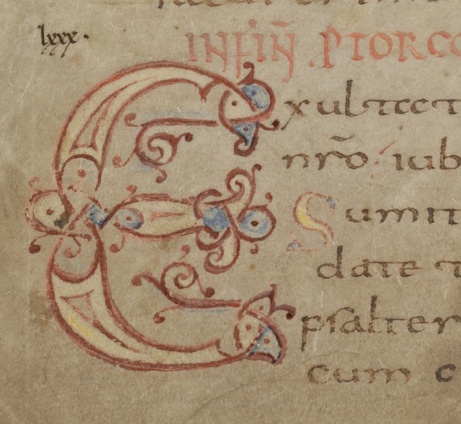
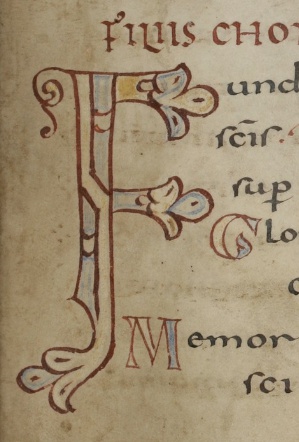
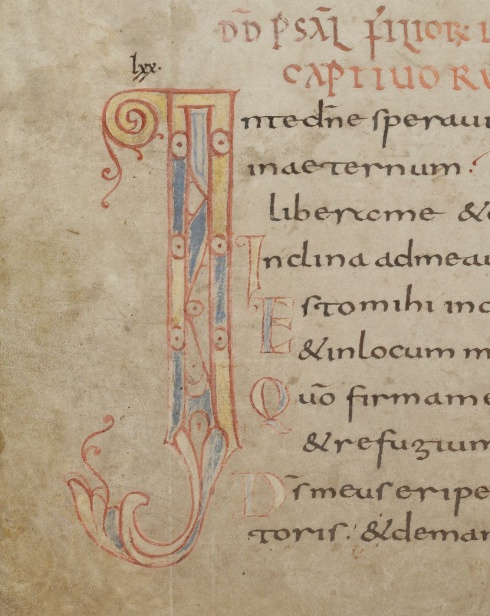
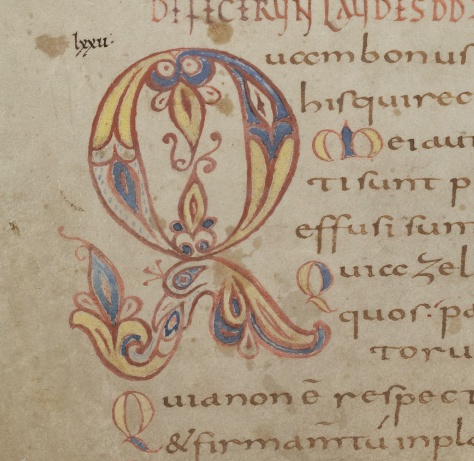
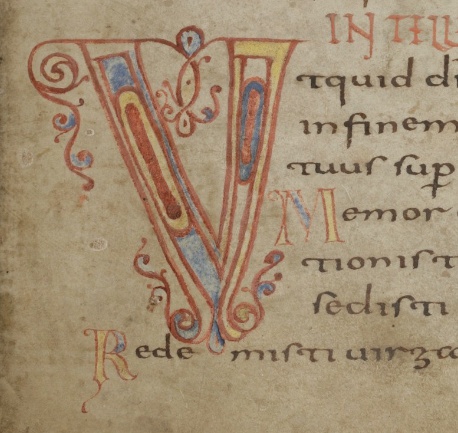
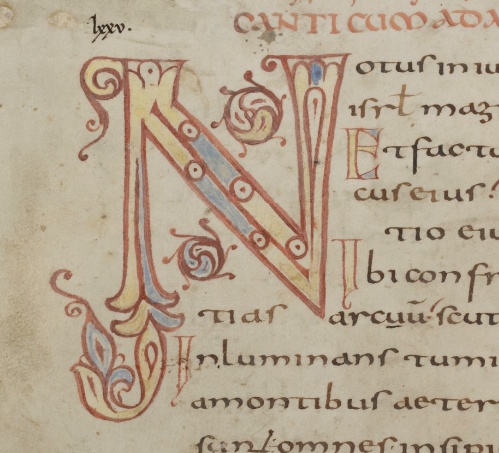
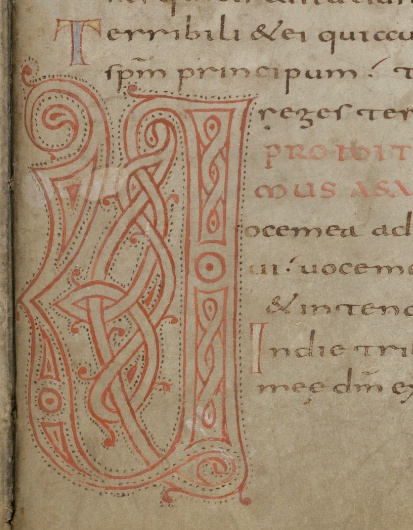
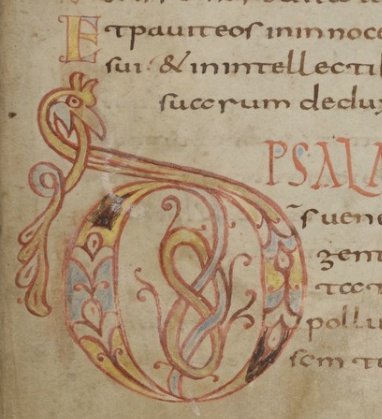
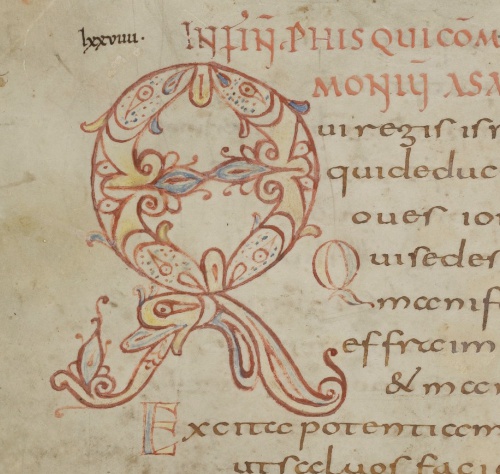
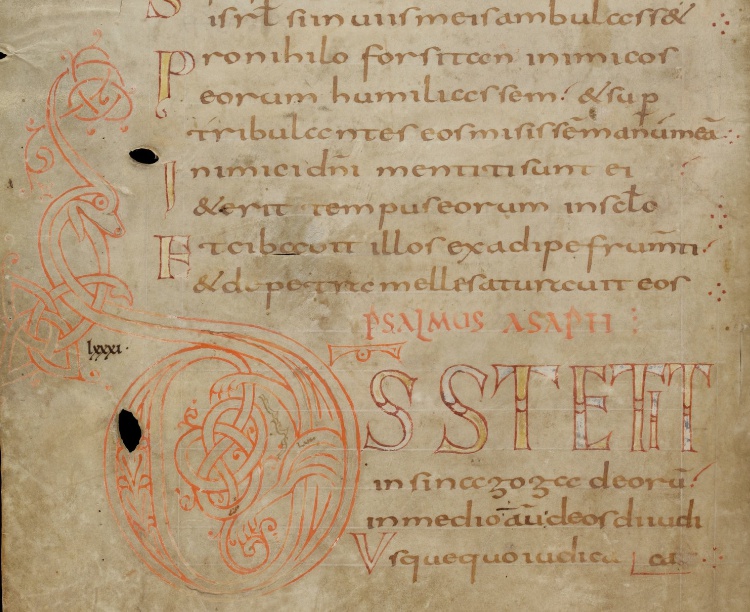
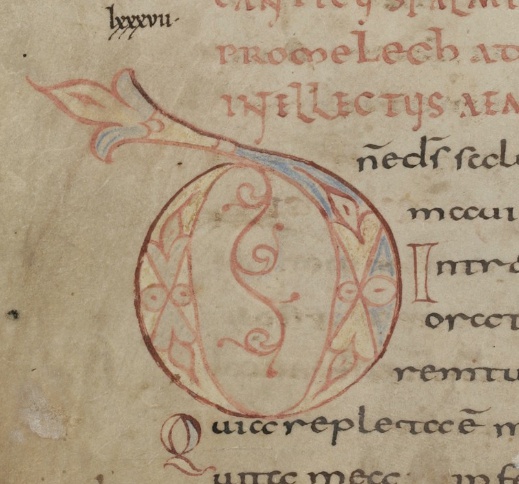
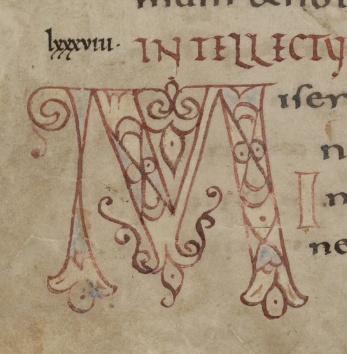
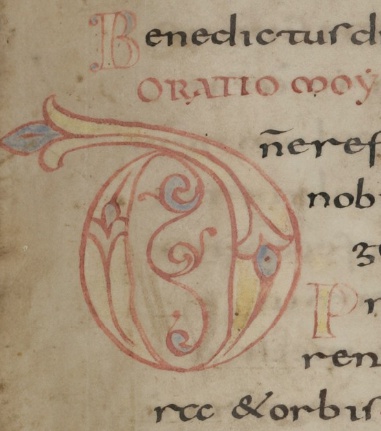
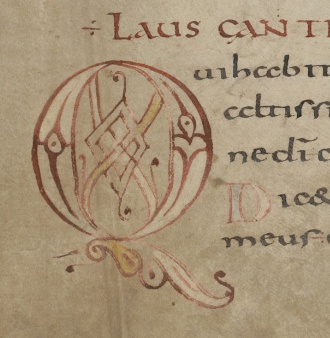
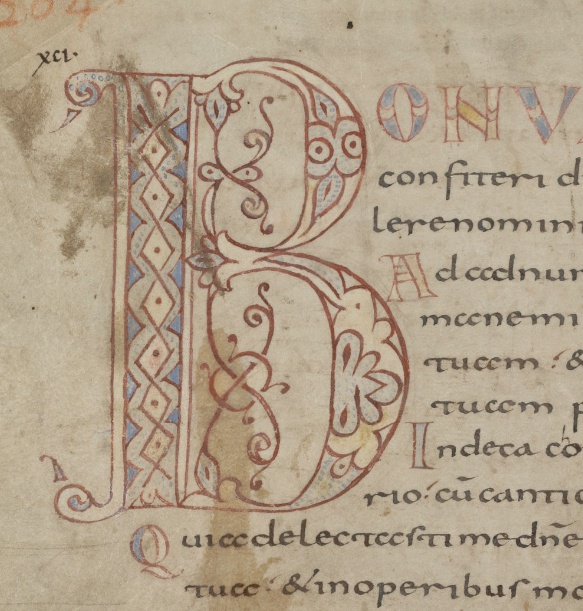
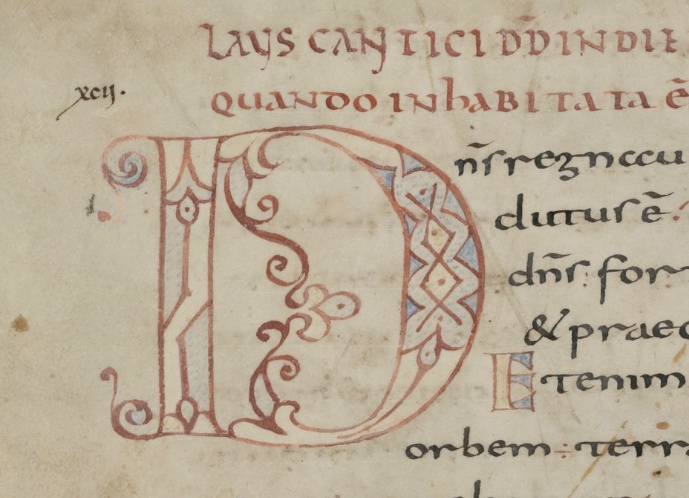
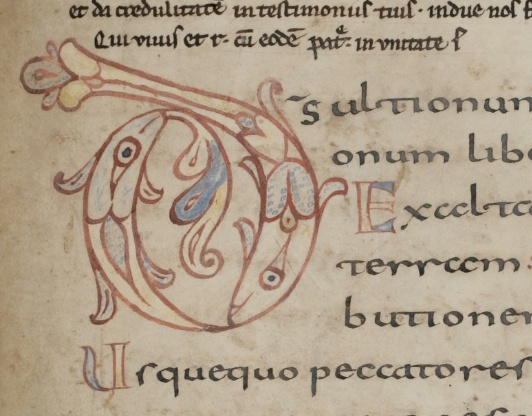
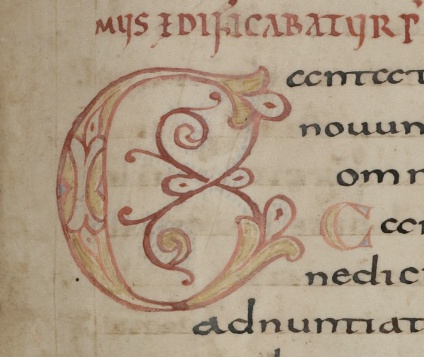
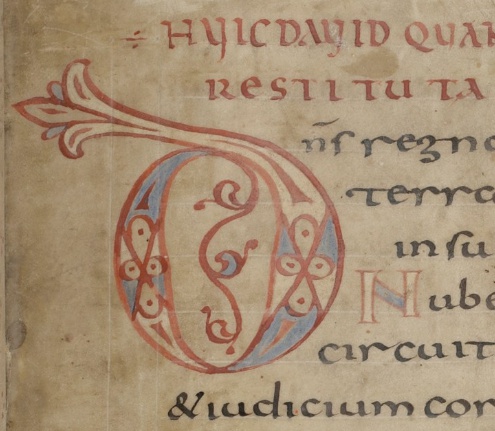
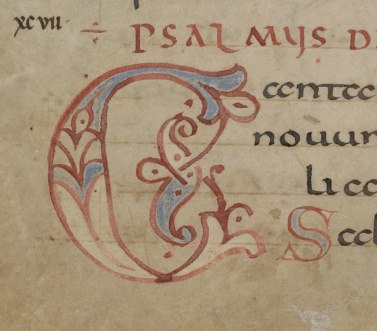
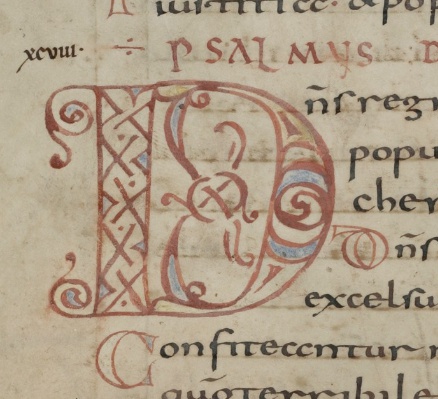
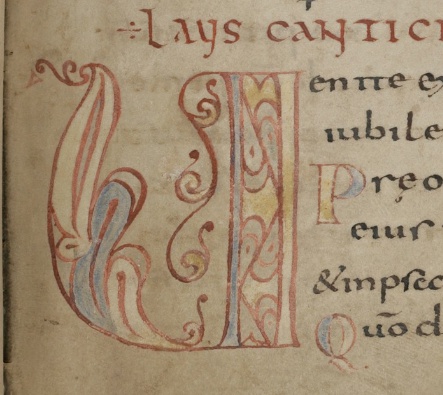
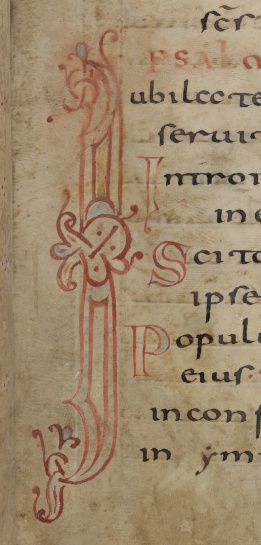
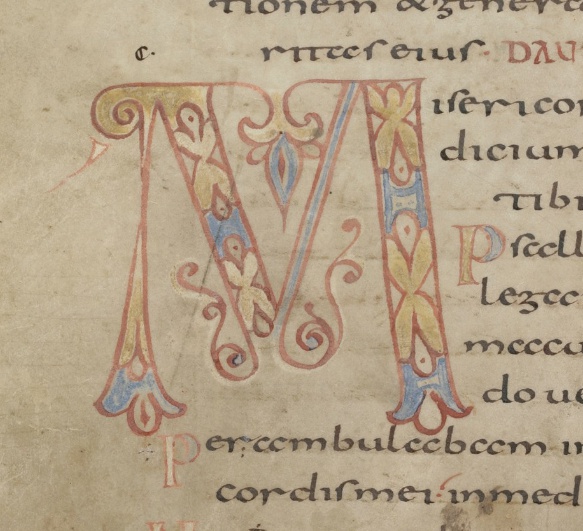
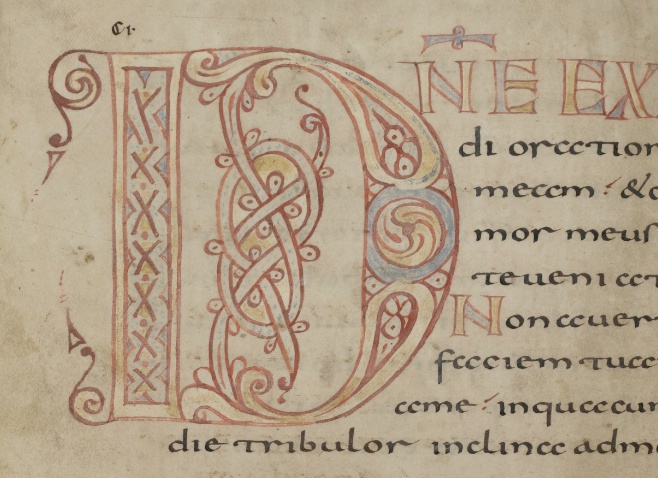
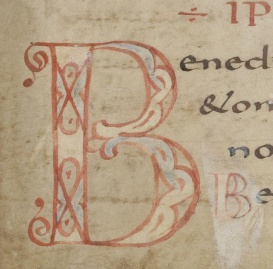
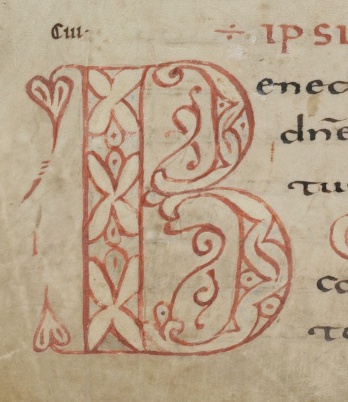
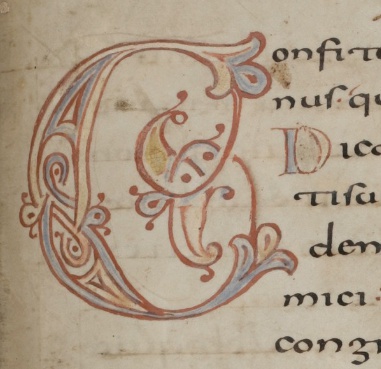
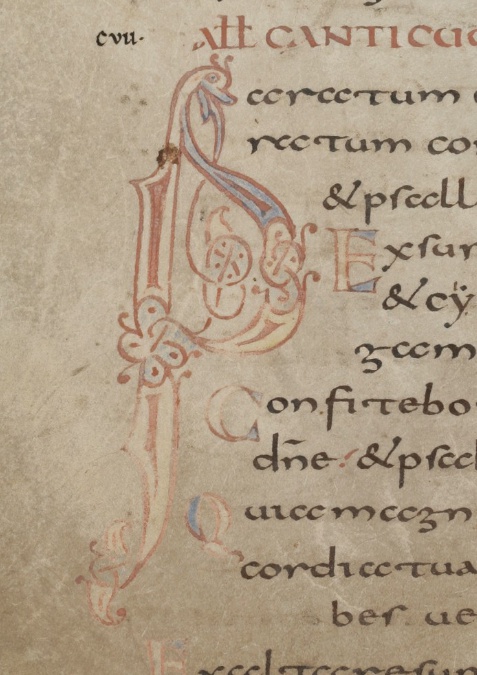
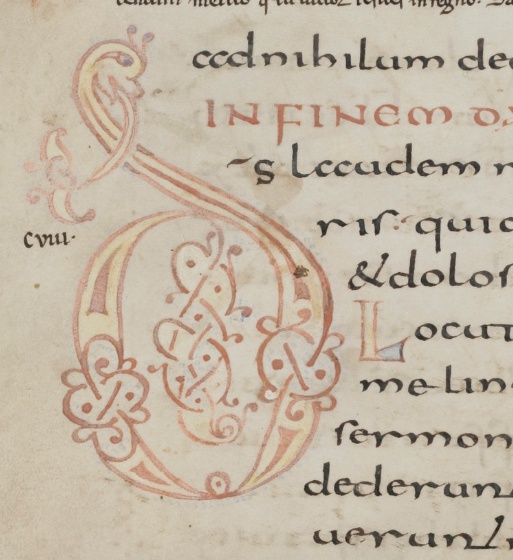
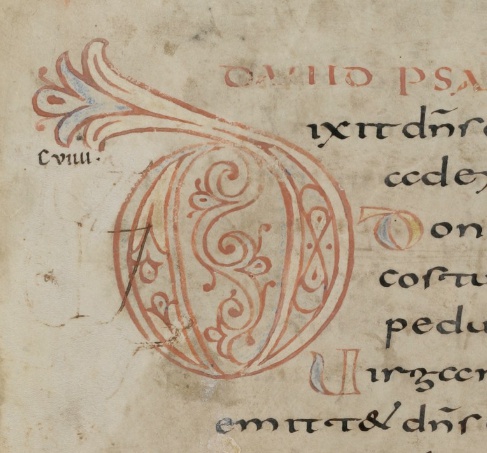
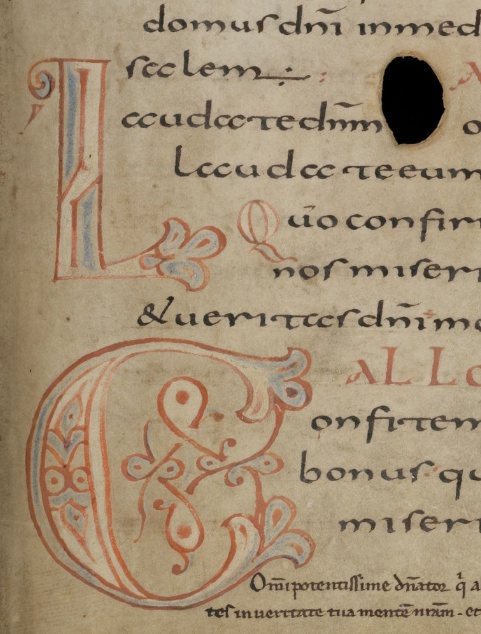
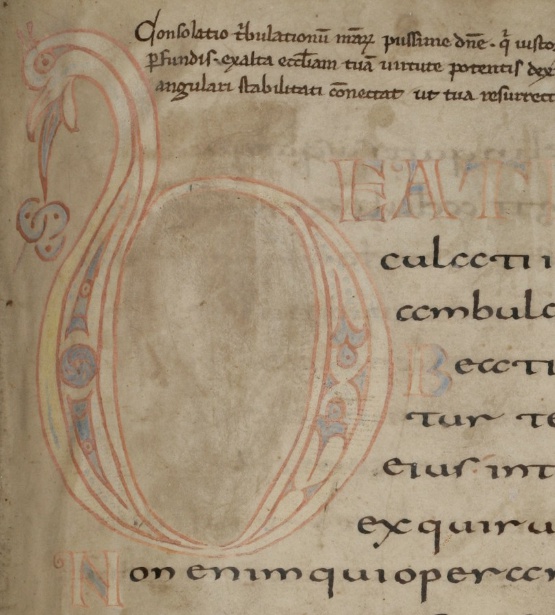
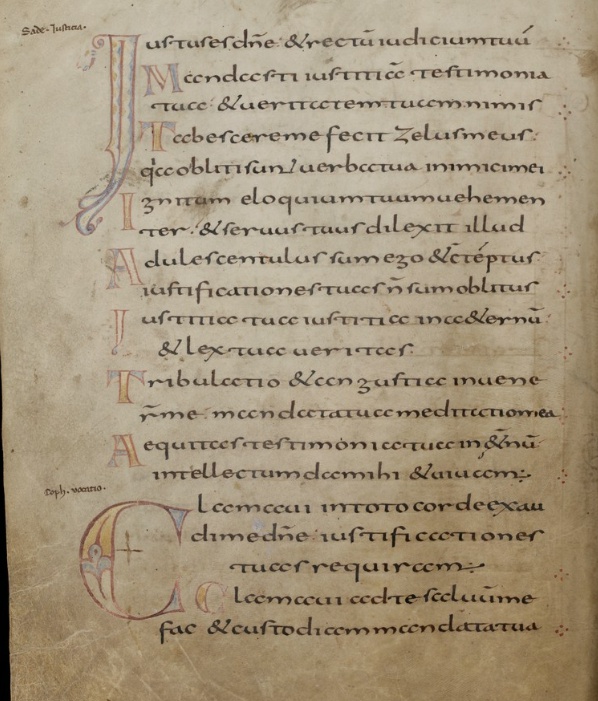
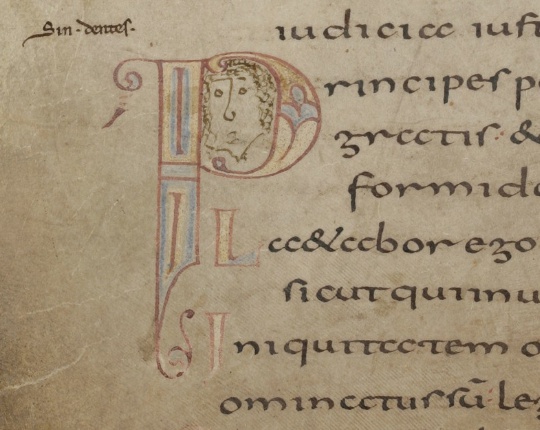
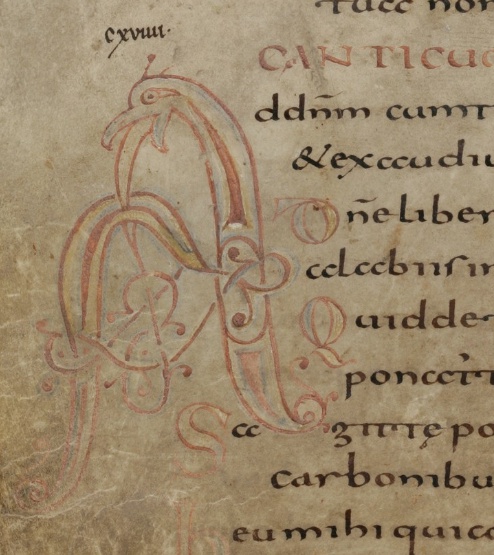
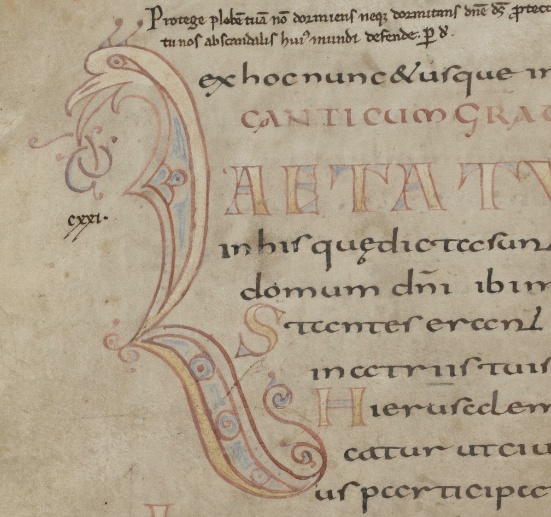
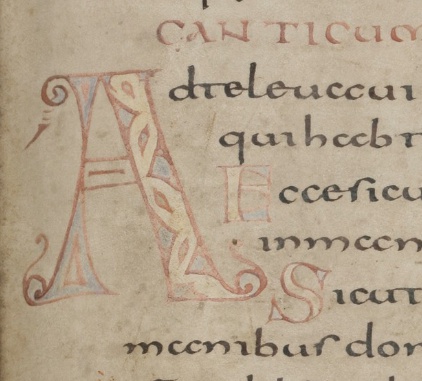
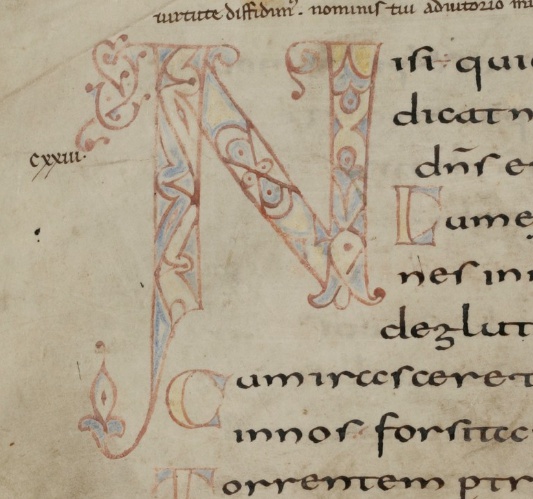
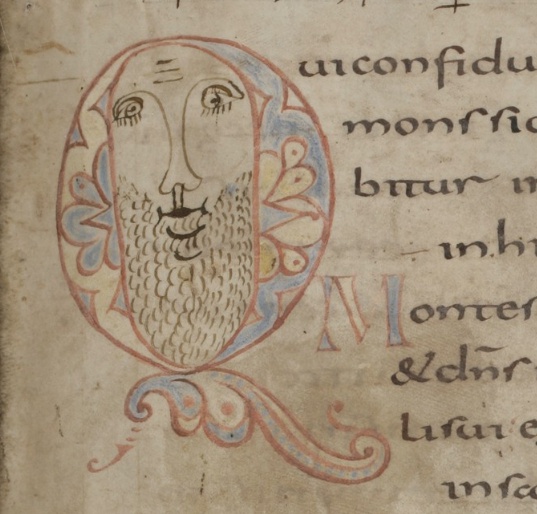
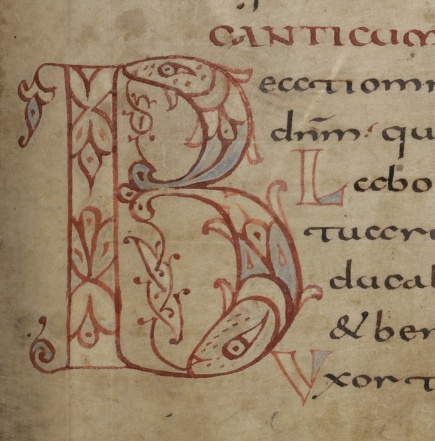
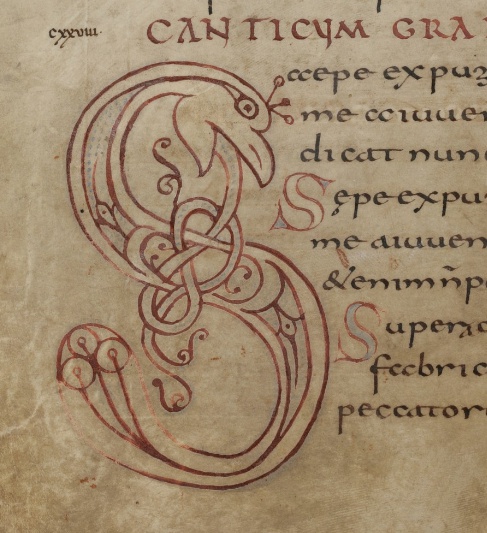
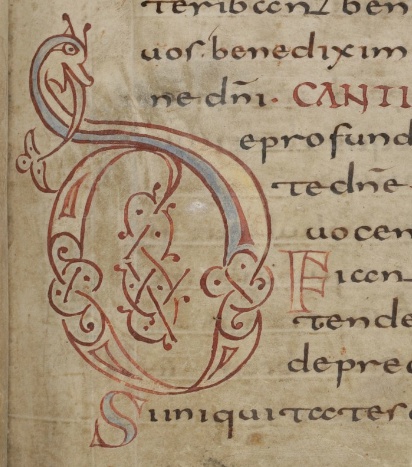
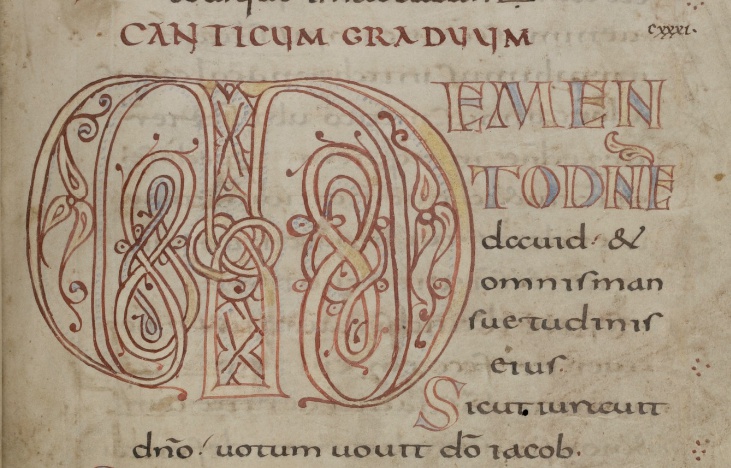
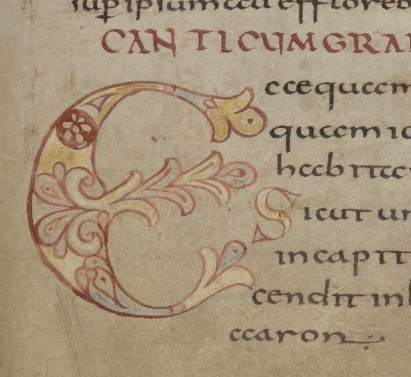
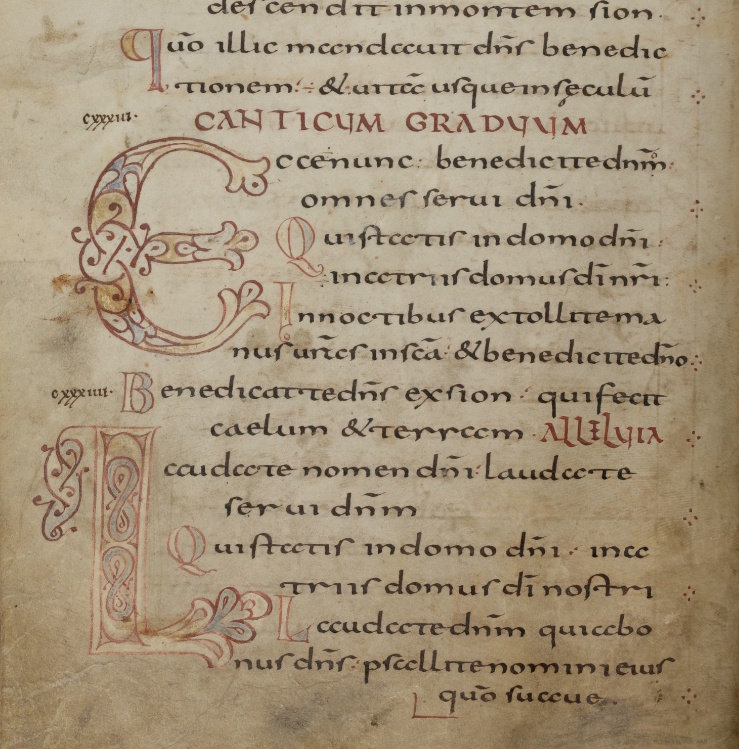
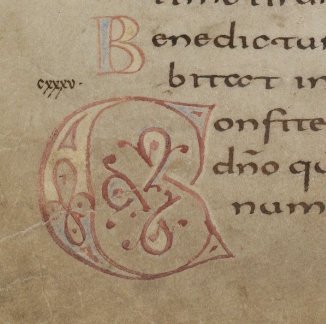
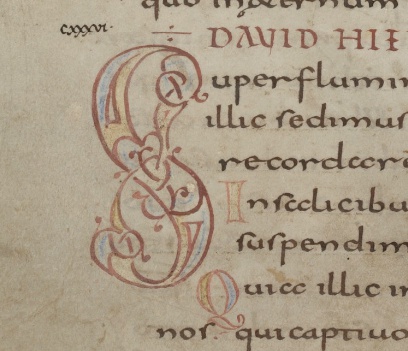
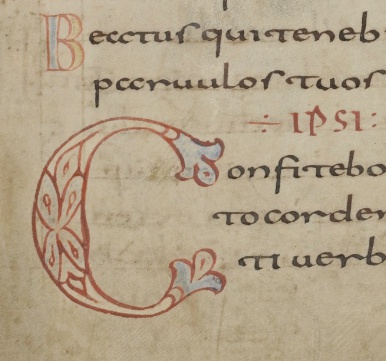
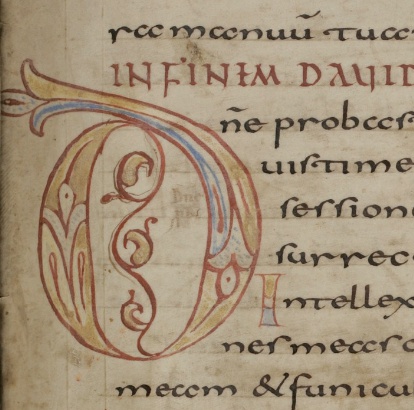
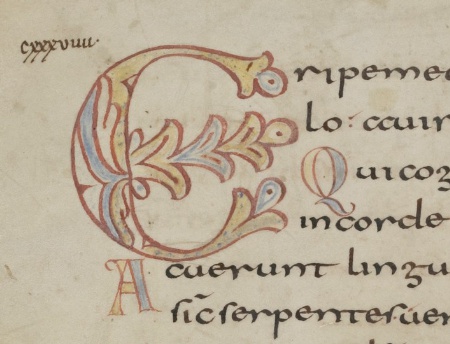
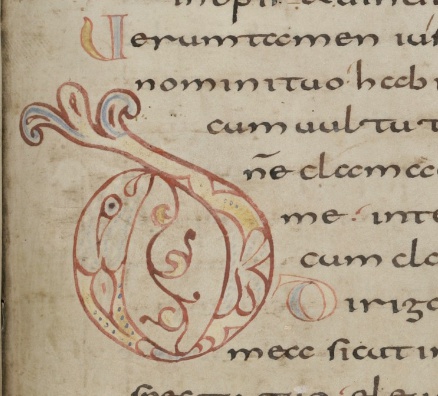
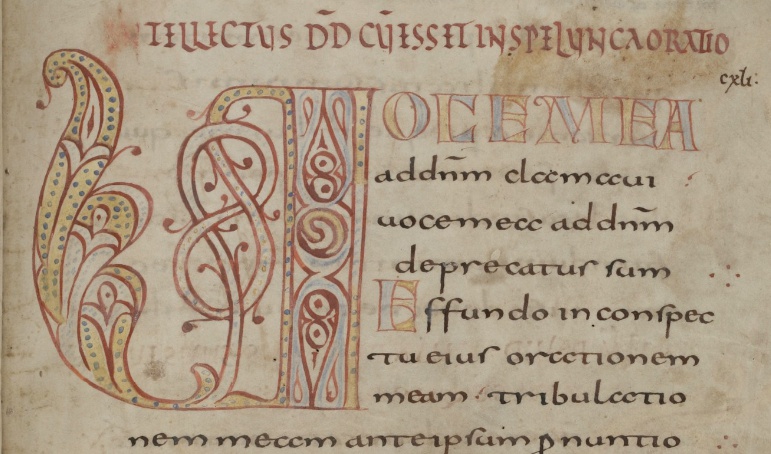
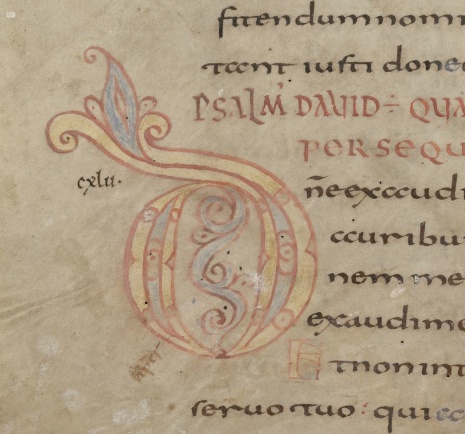
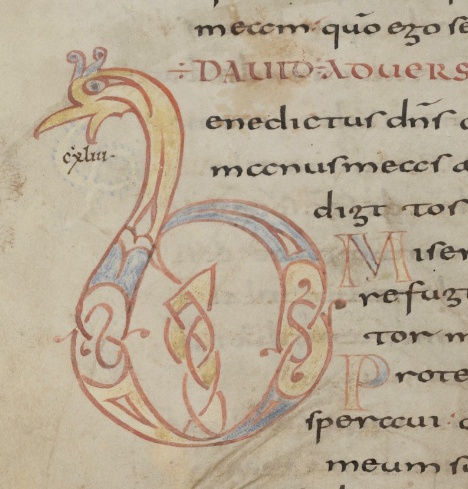
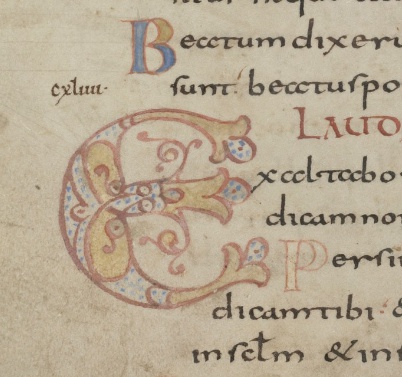
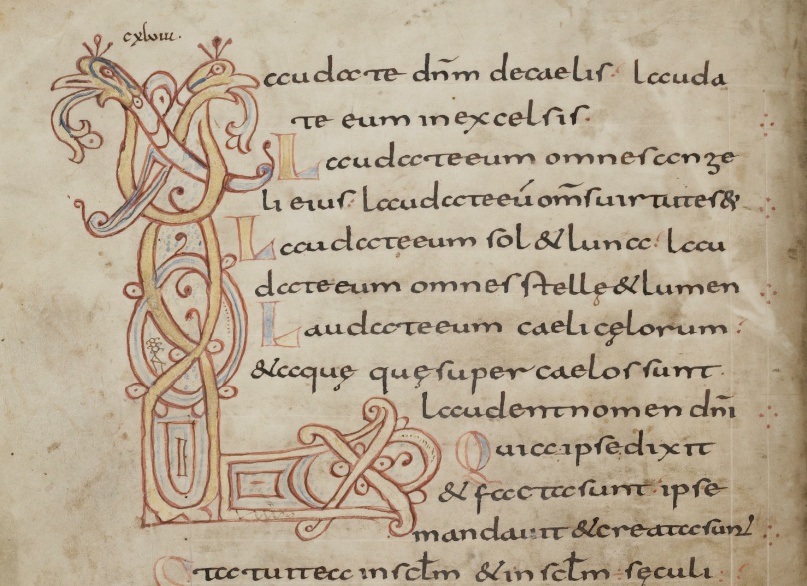
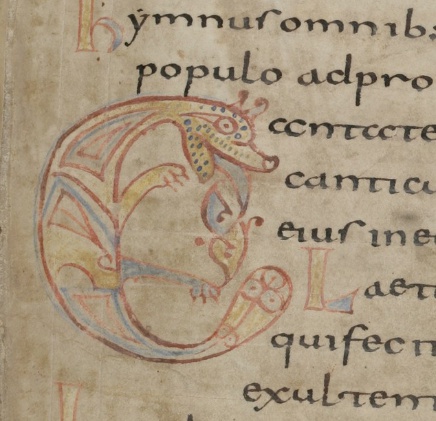
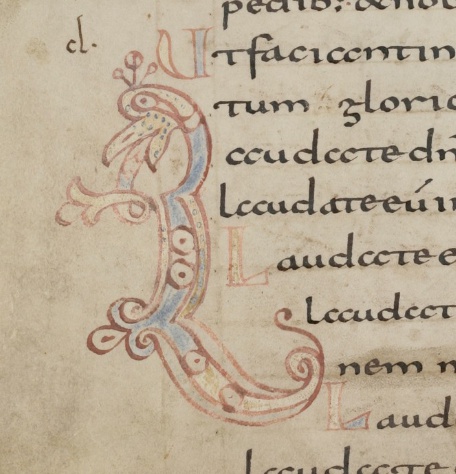
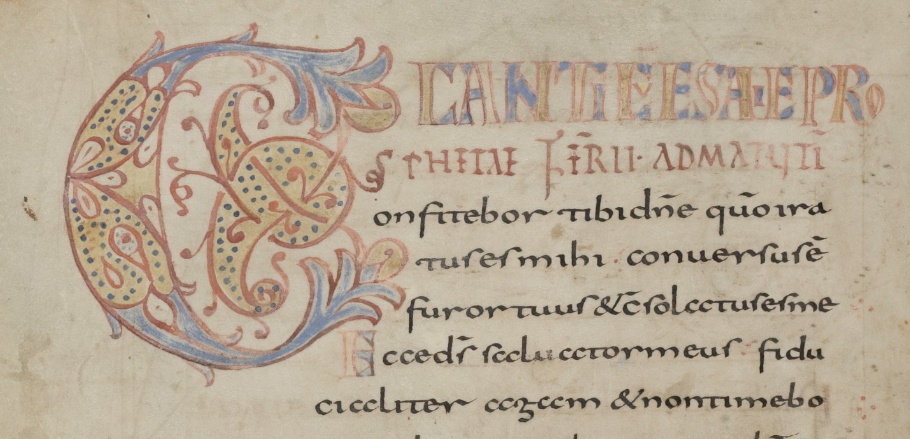
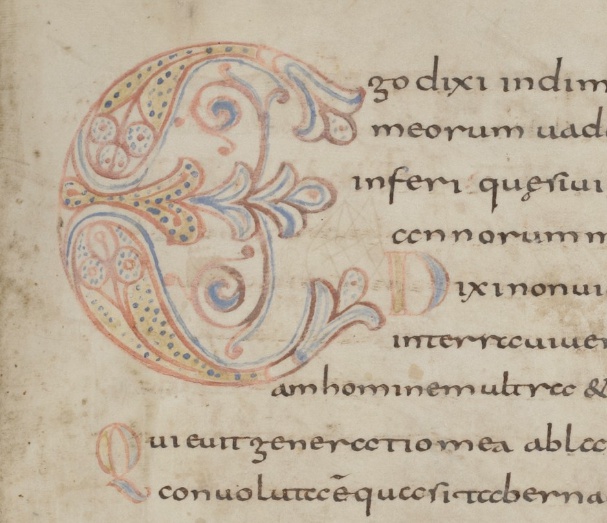
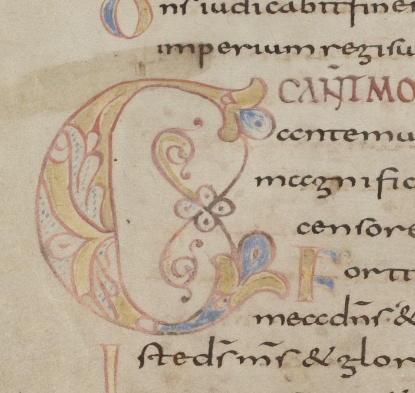
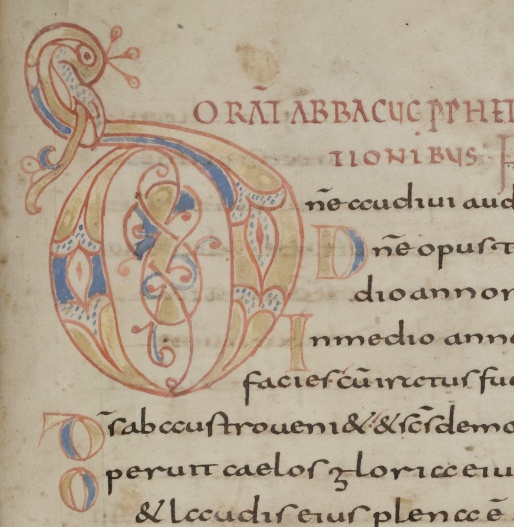
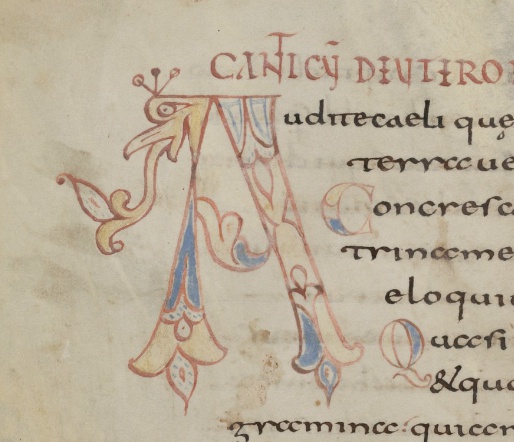
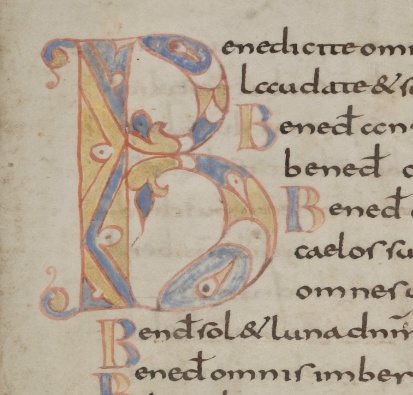
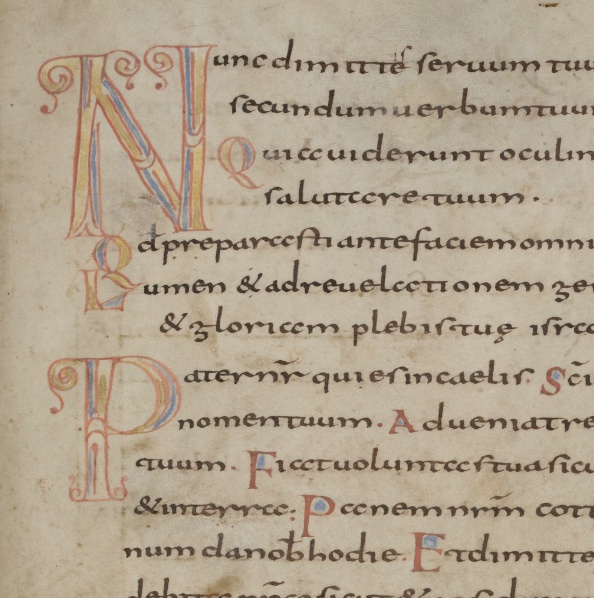
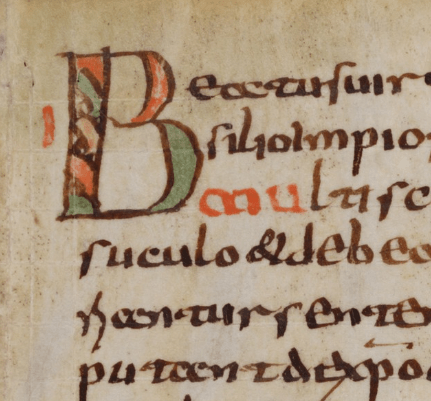
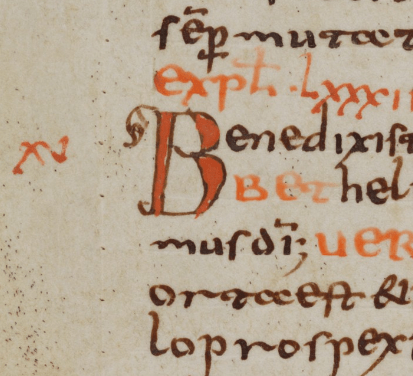
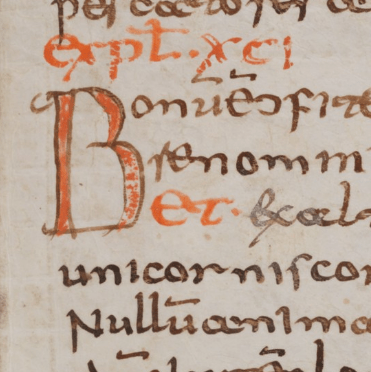
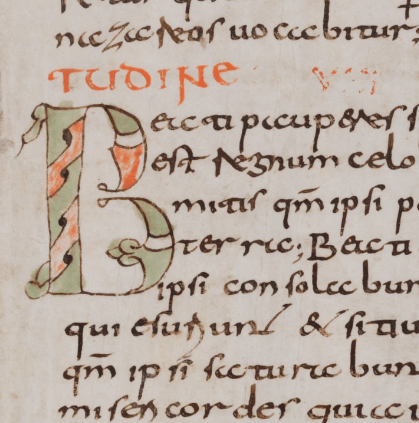
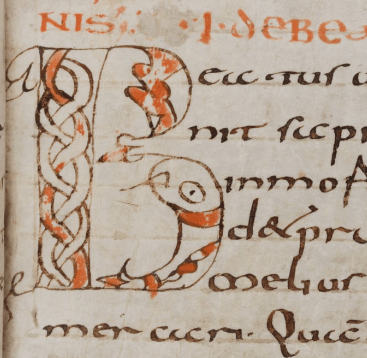
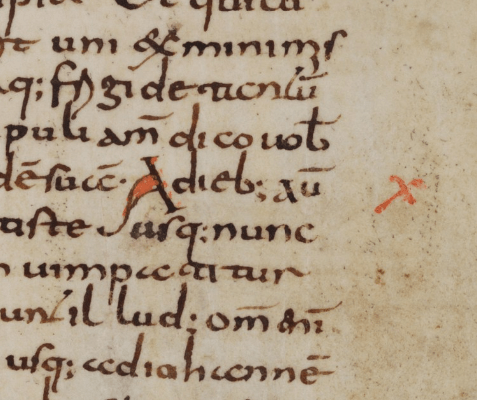
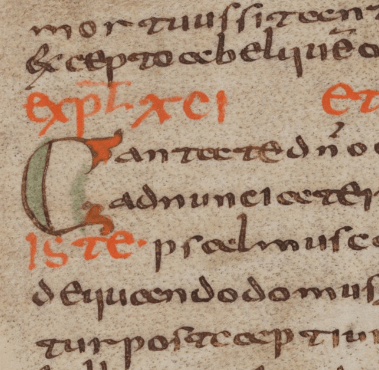
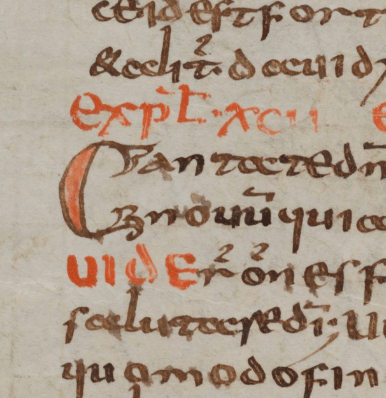
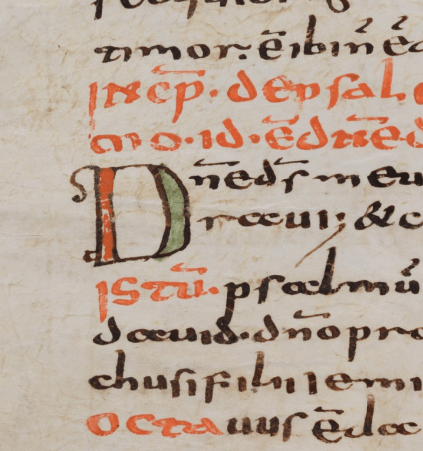
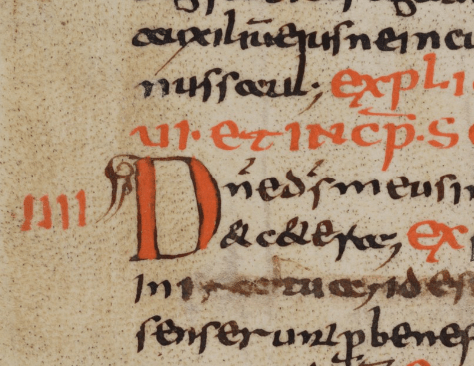
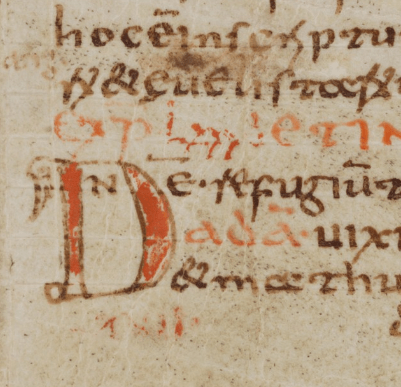
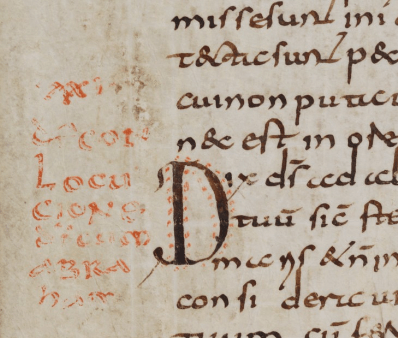
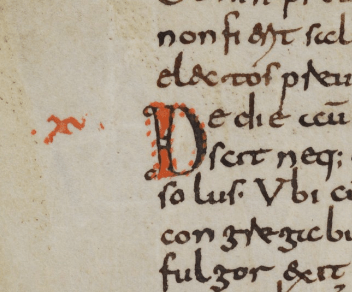
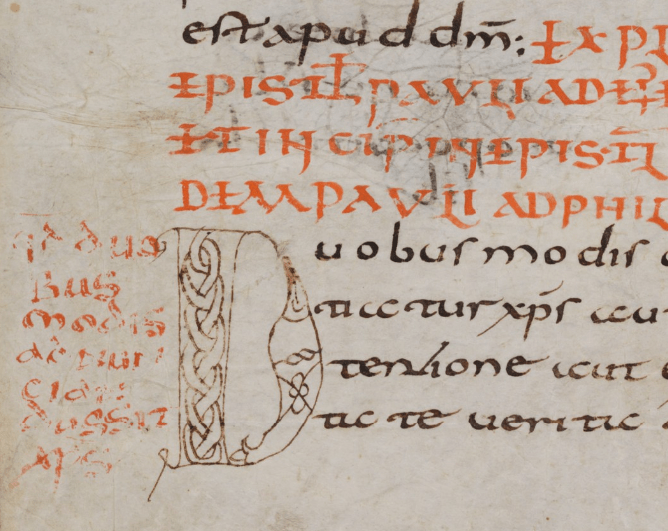
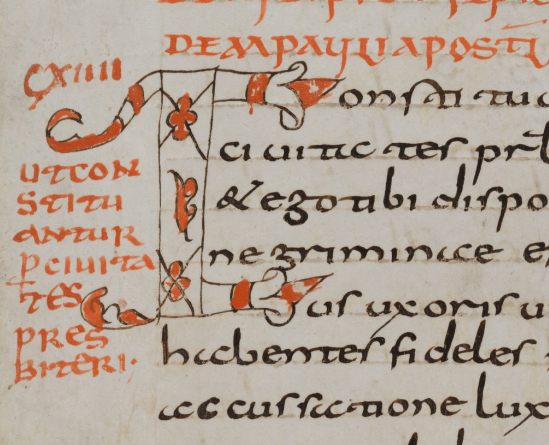
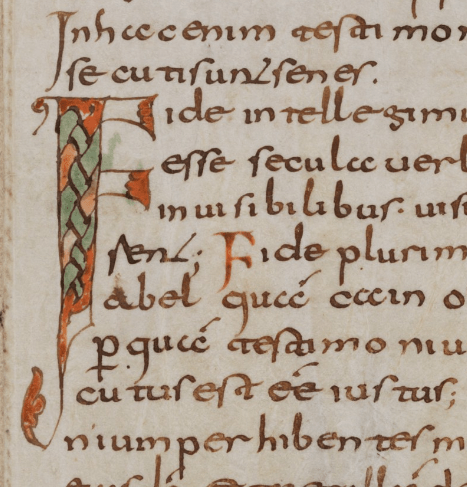
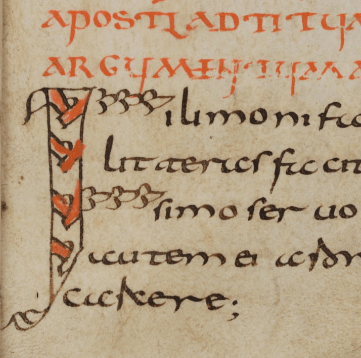
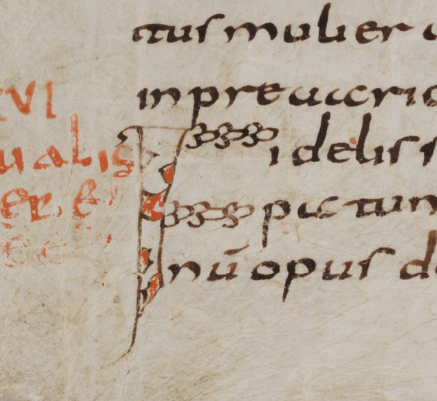
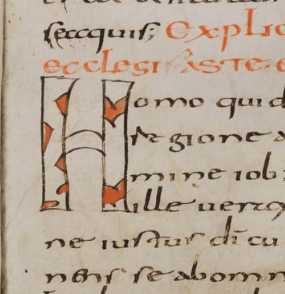
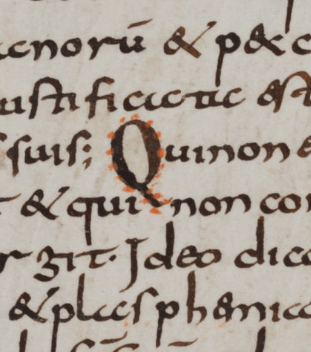
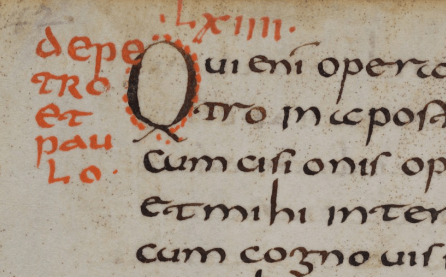
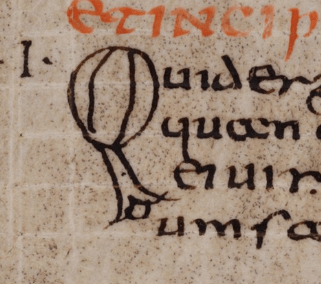
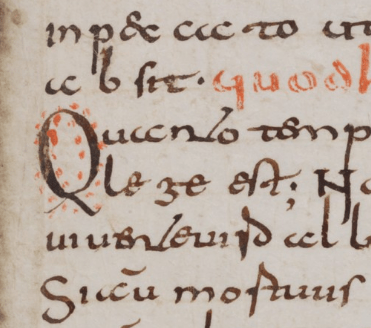
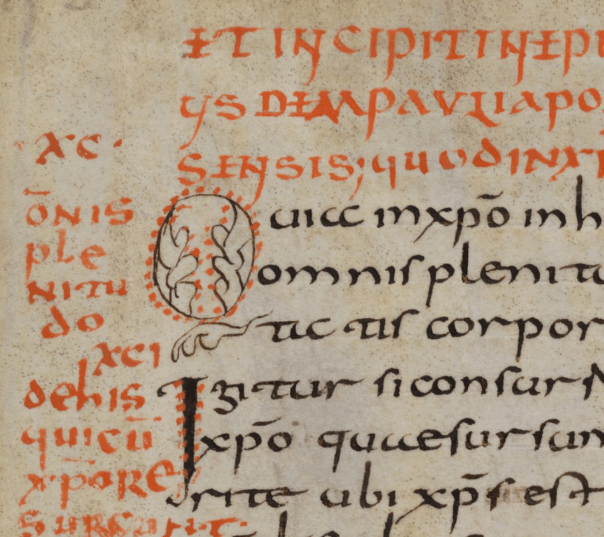
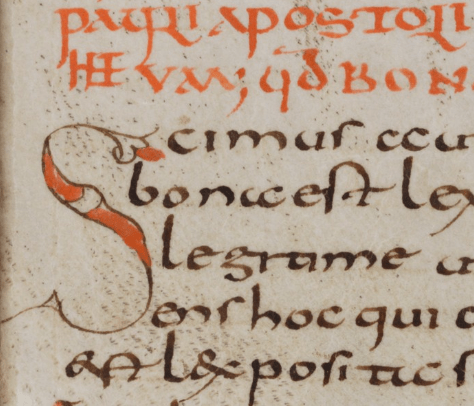
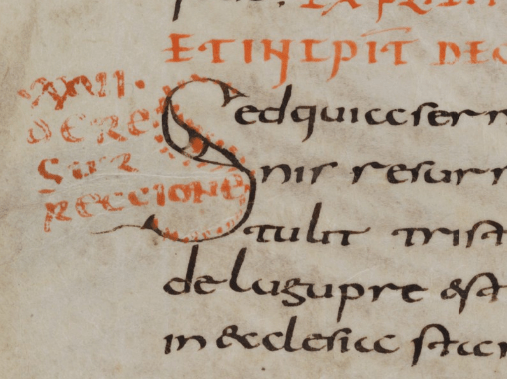
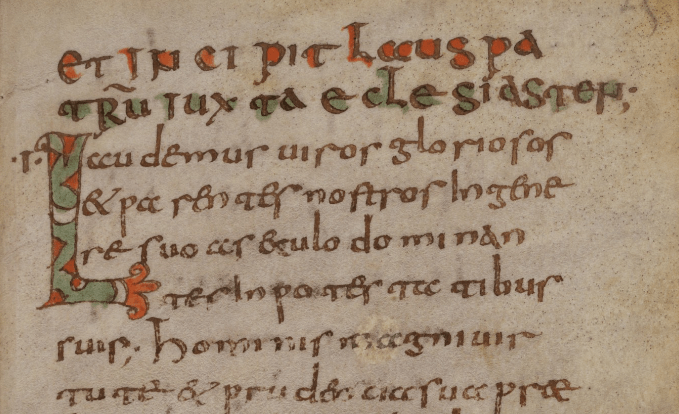
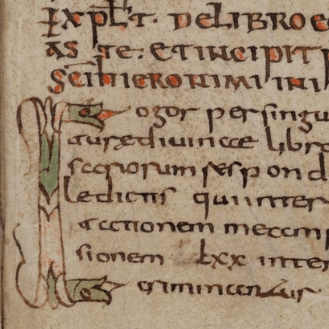
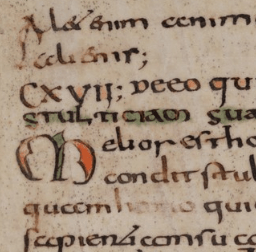
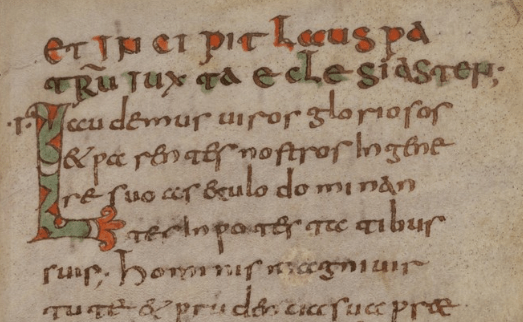
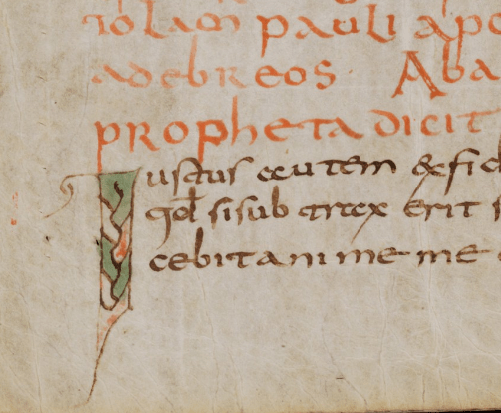
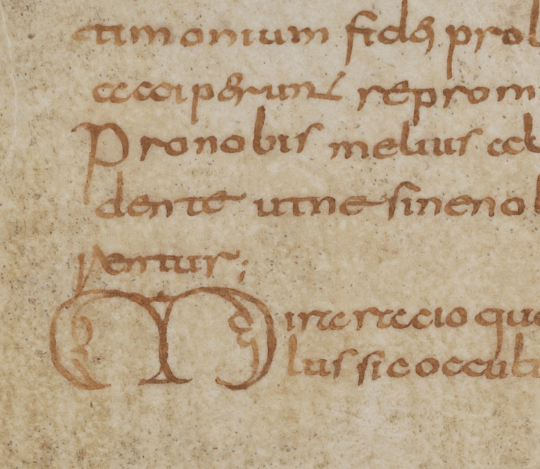
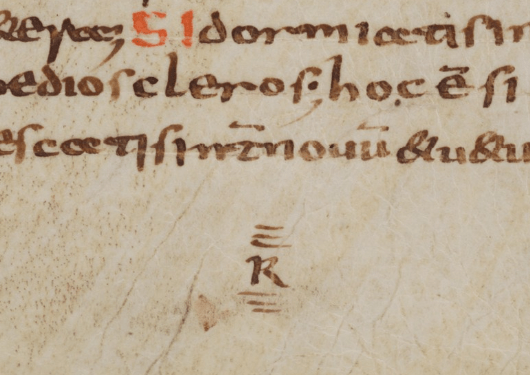
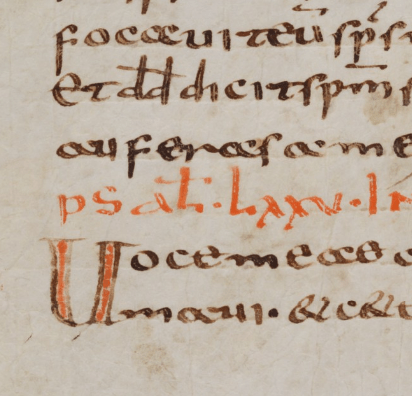
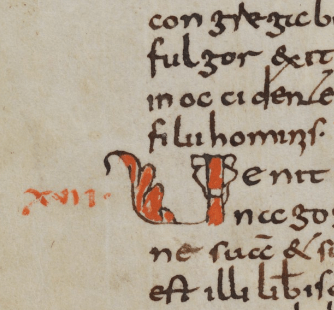
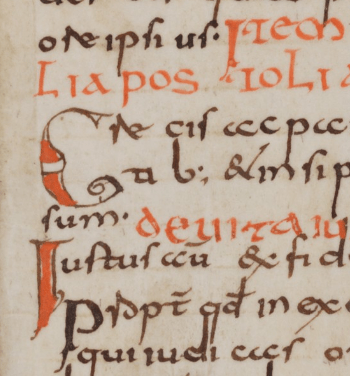
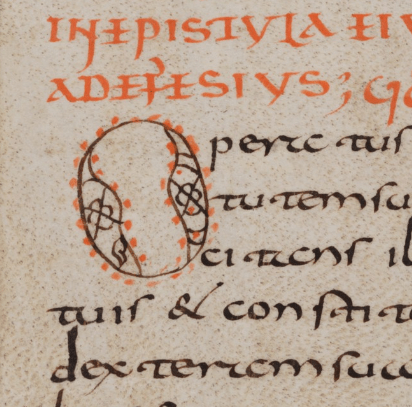
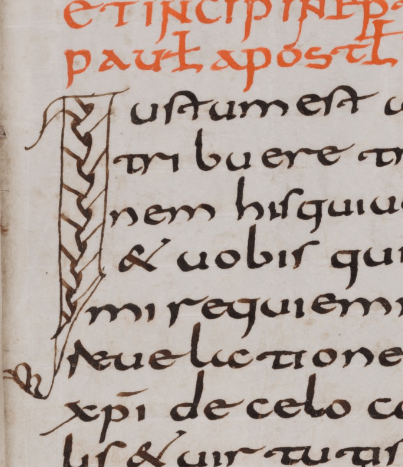
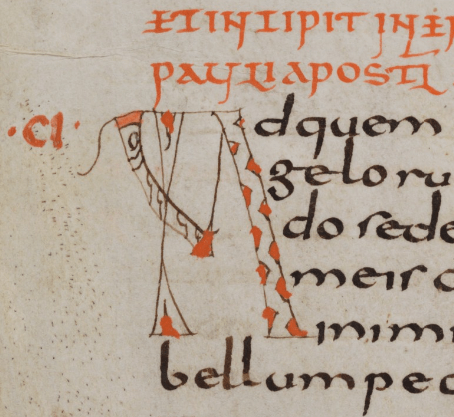
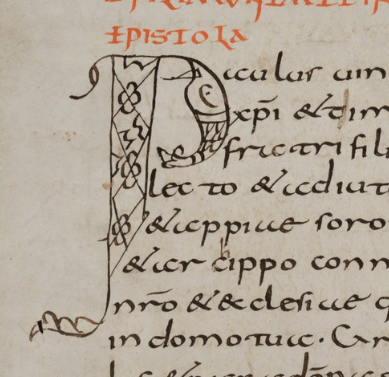
produced in the second half of the 9th century, possibly in northern France. Following the Psalms, which were heavily annotated with commentaries in later centuries (mainly the 14th and 15th centuries), the Psalter is followed by the Canticles as well as a fragment of a Litany of the Saints not produced at St. Gallen. The beautifully illuminated initial capital of the first Psalm (Beatus vir) on page 1 is strongly influenced by Irish models.
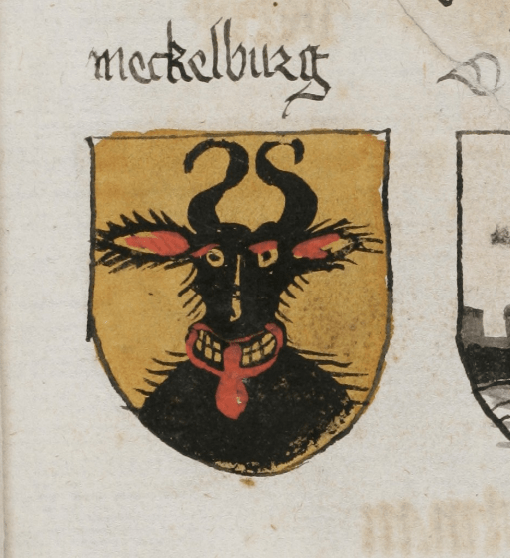
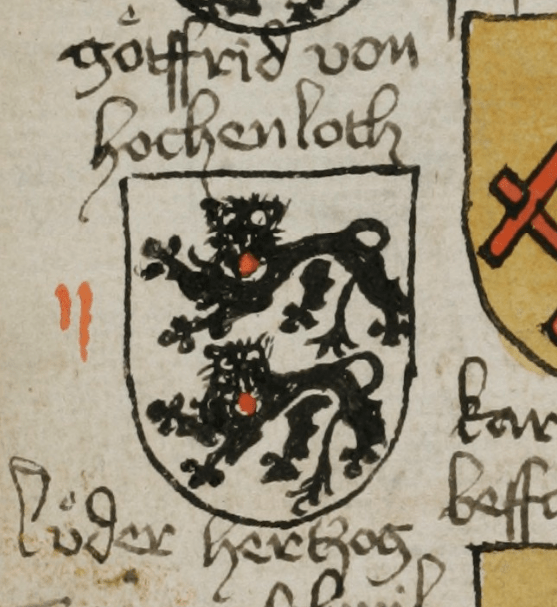
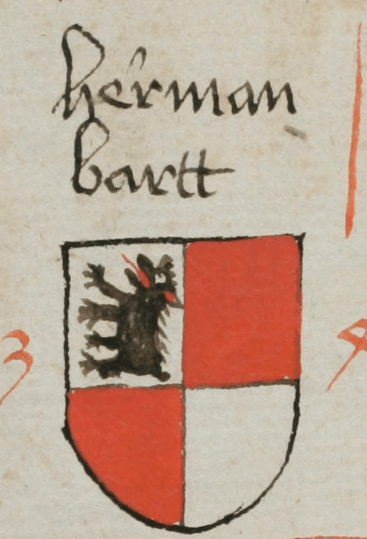
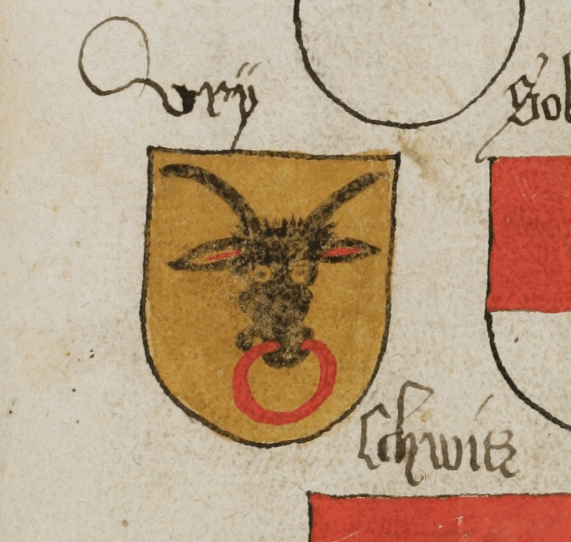
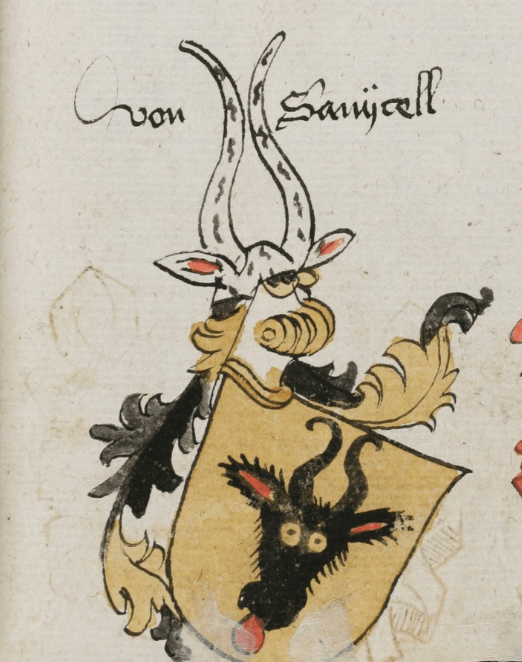
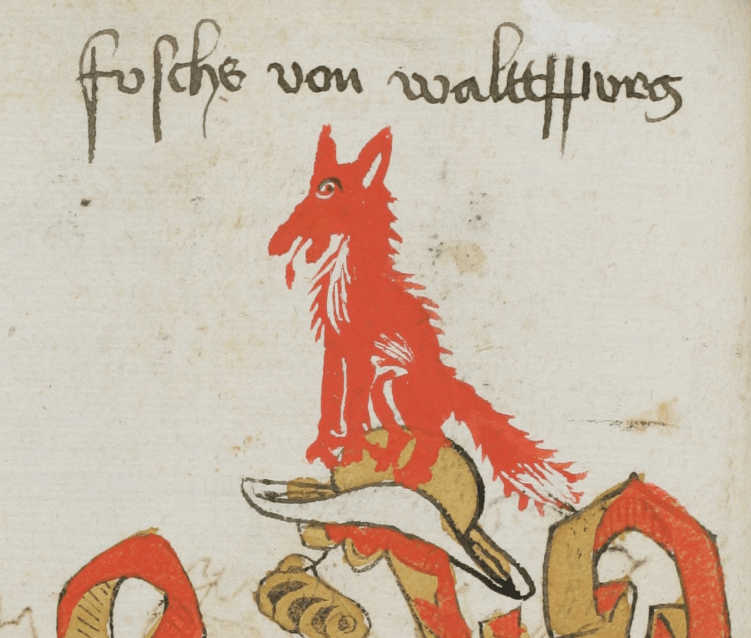
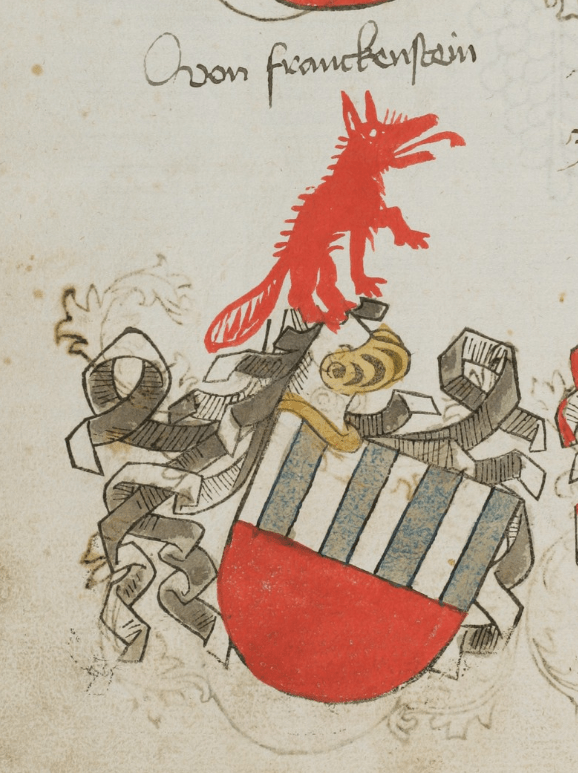
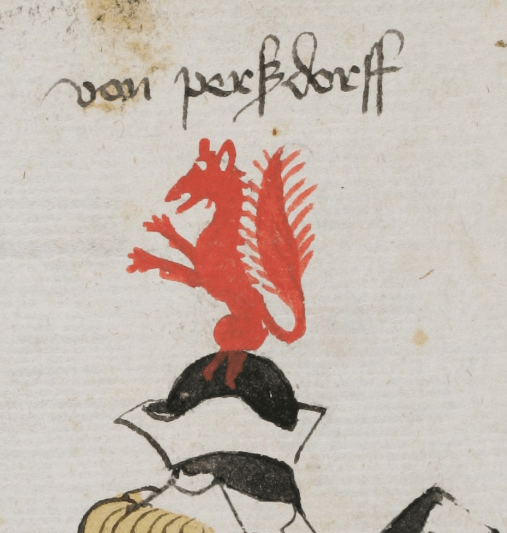
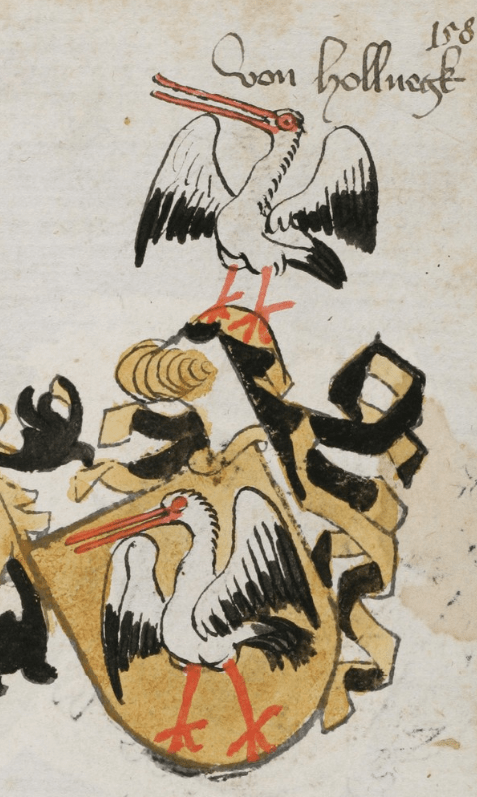
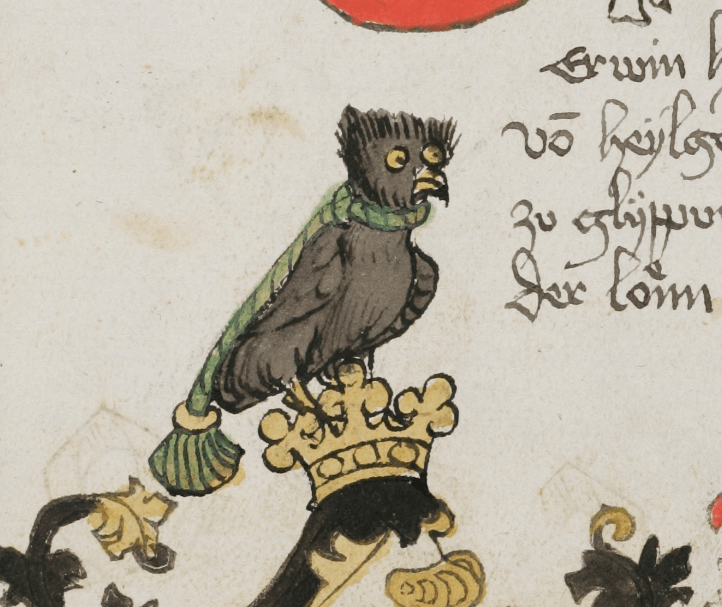
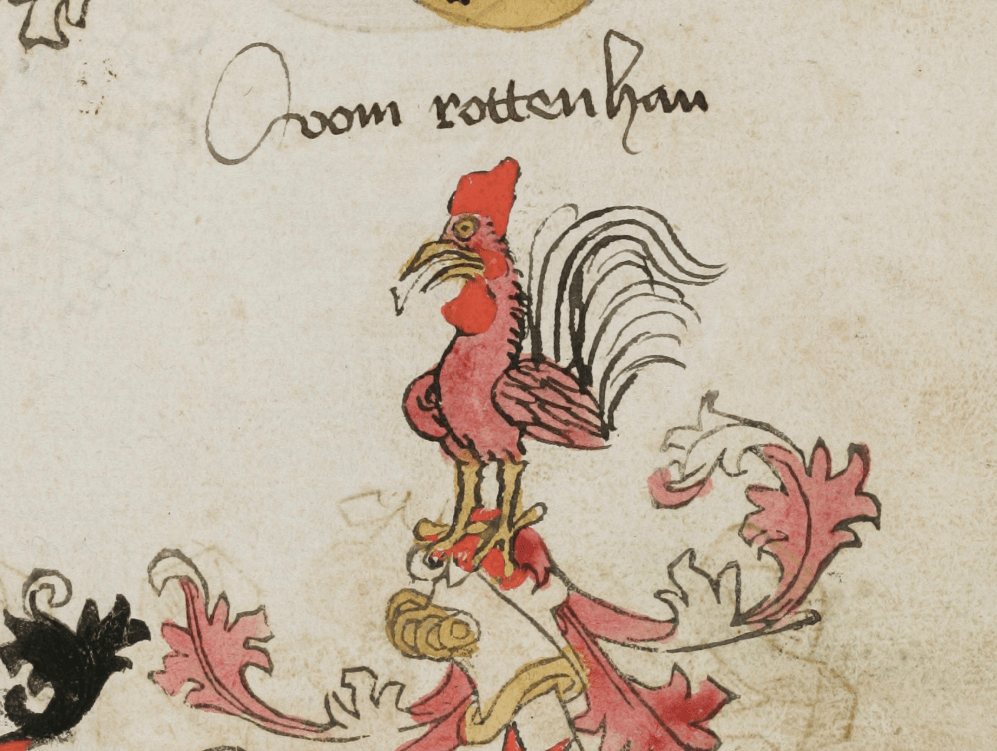
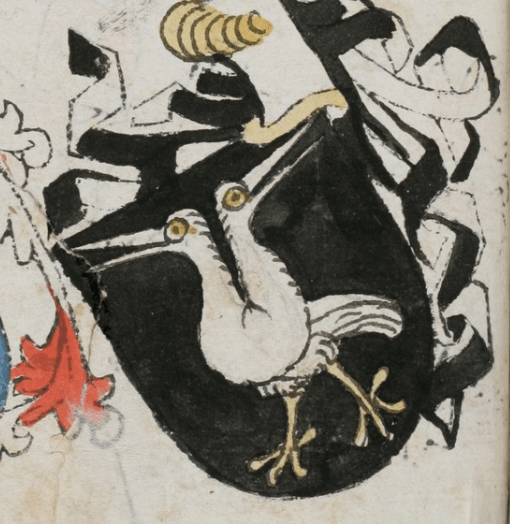
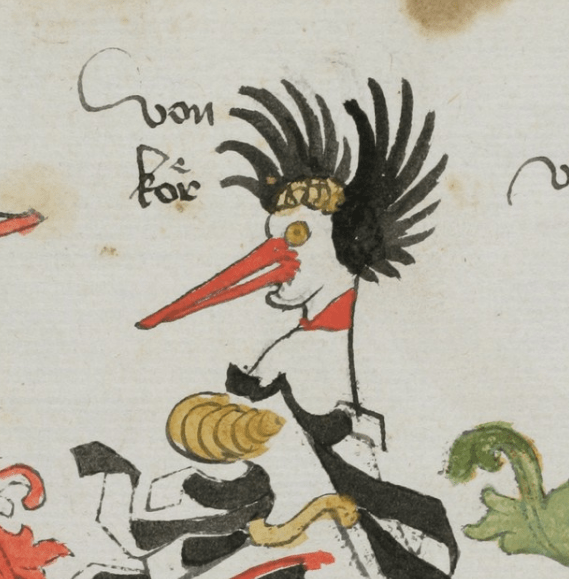
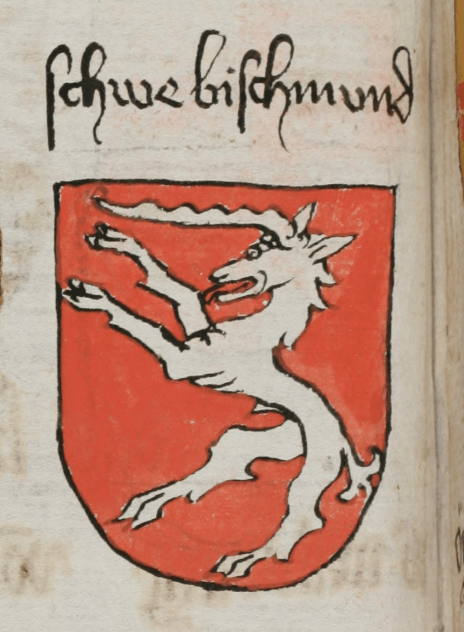
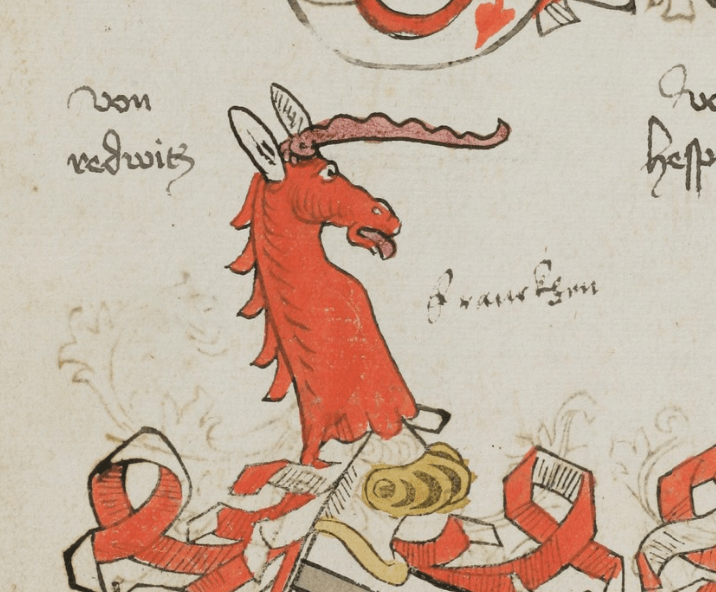
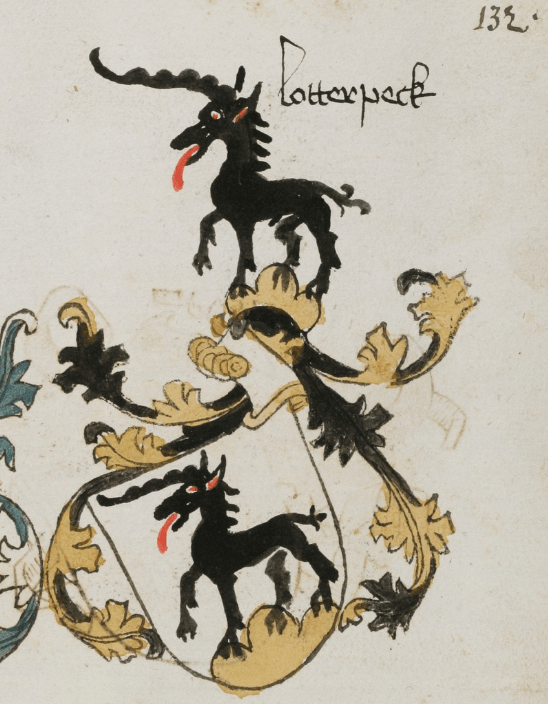
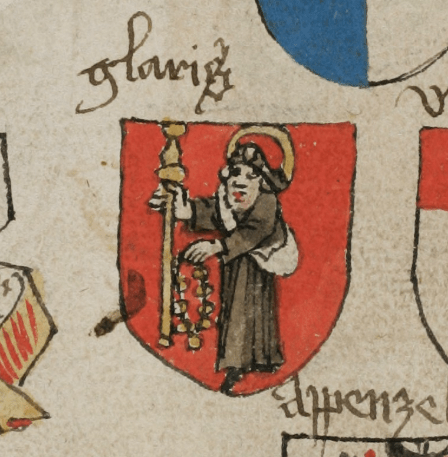
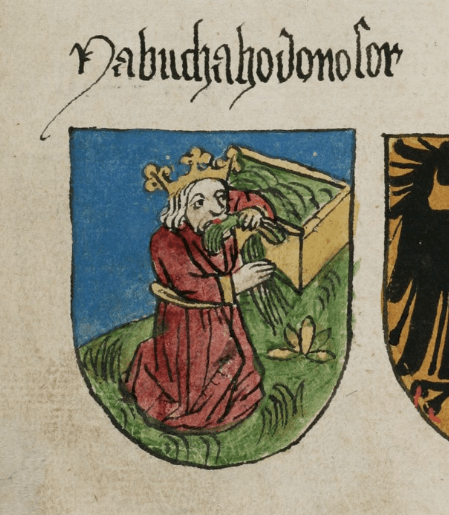
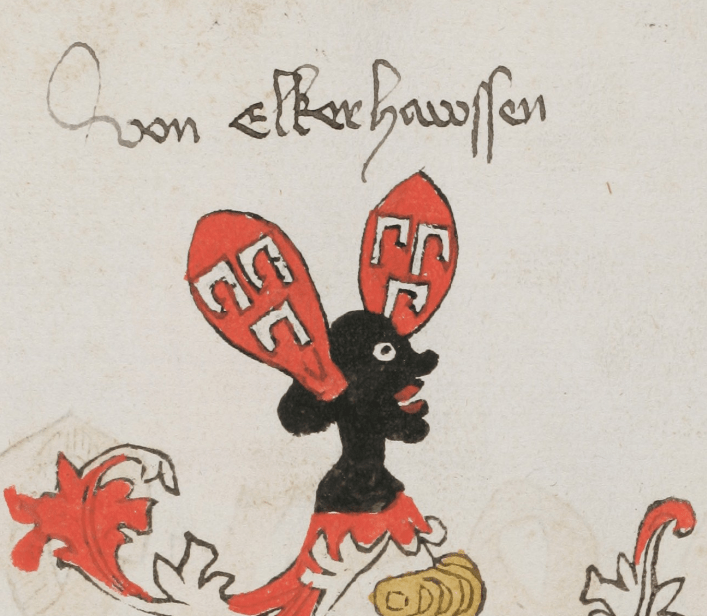
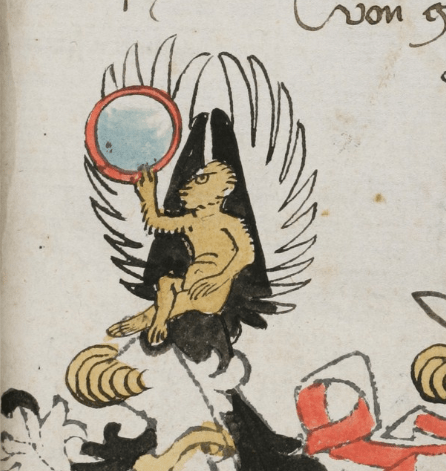
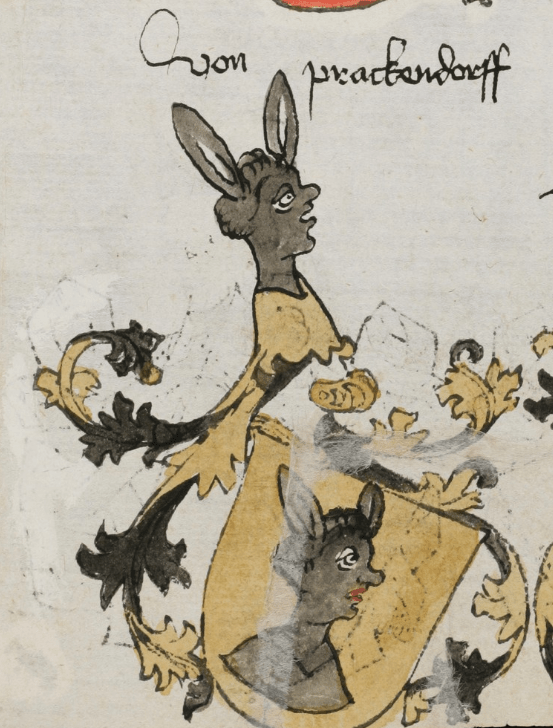
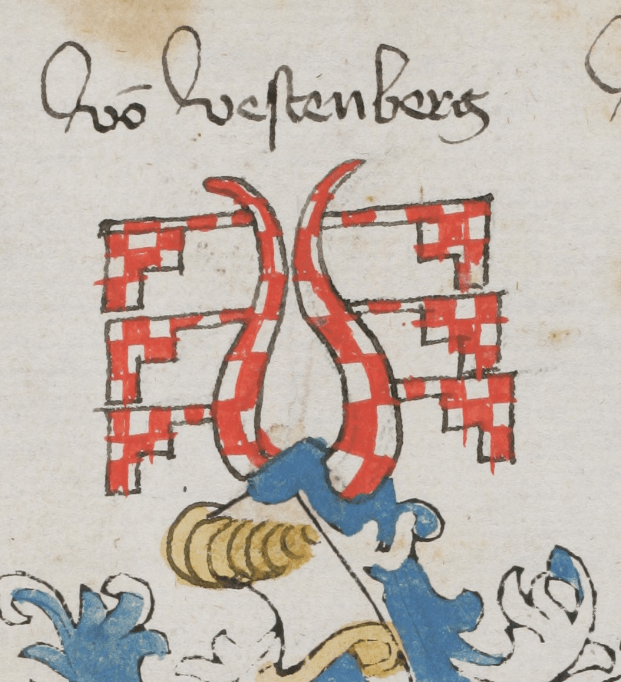
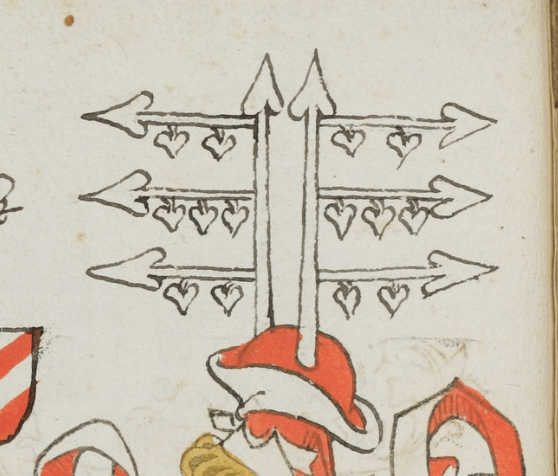
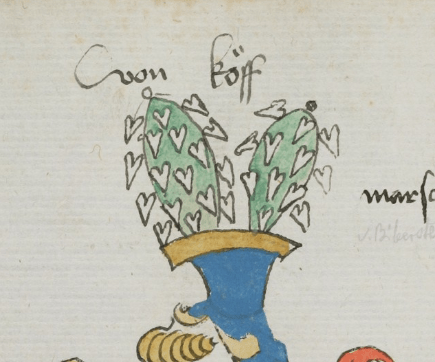
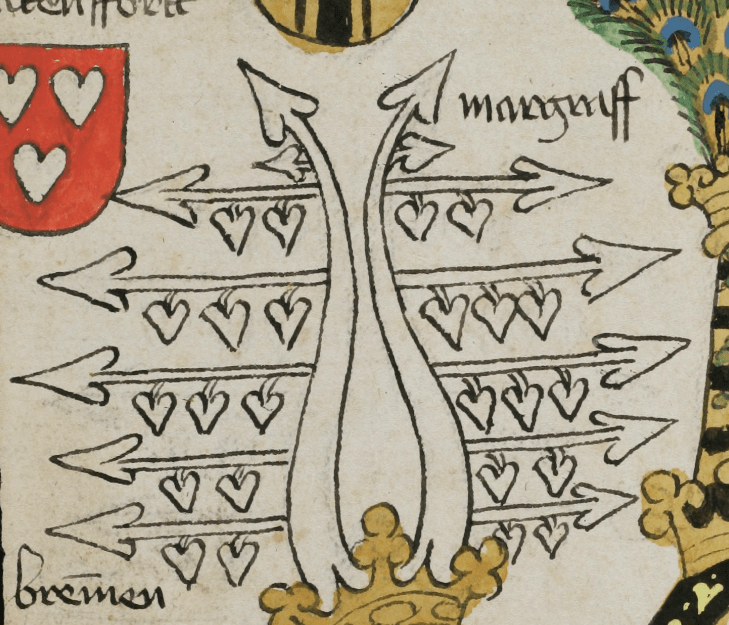
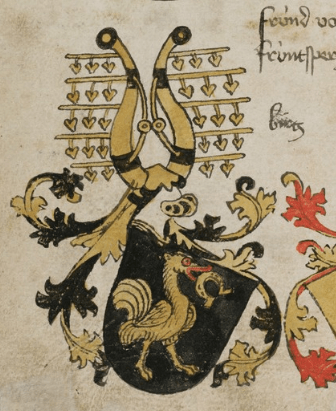
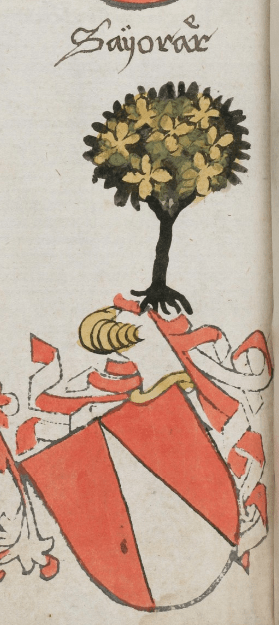
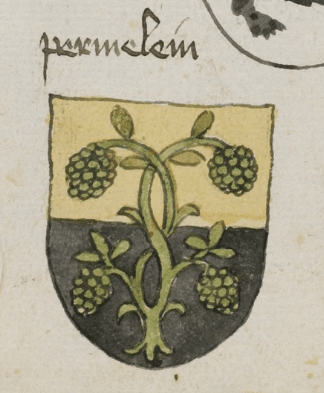
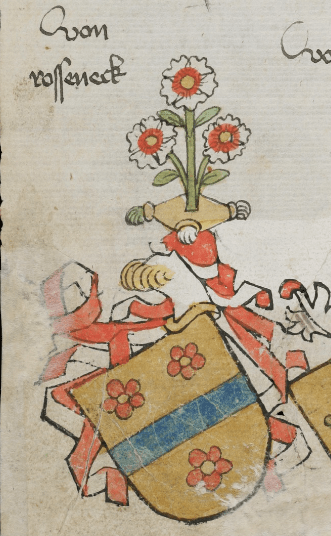
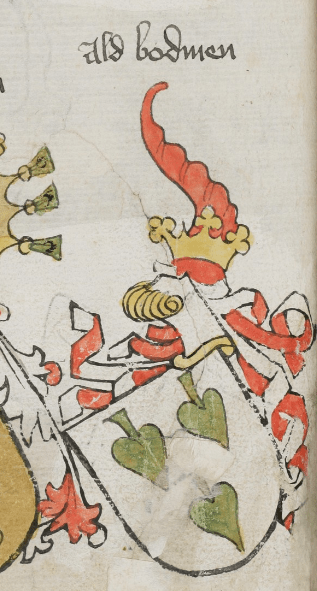
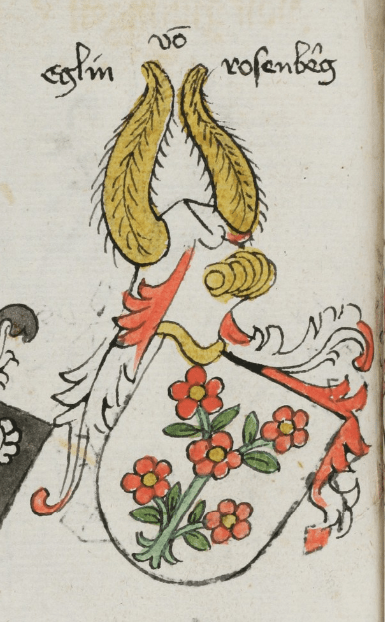
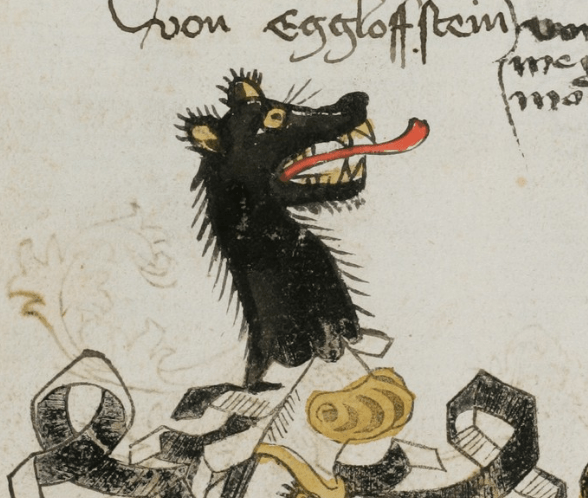
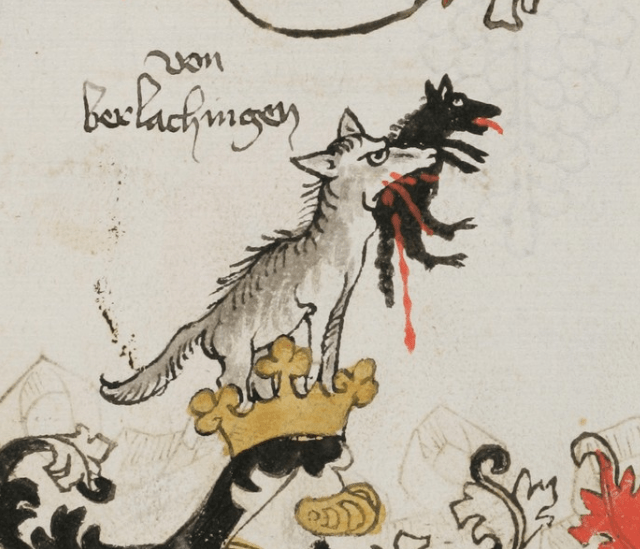
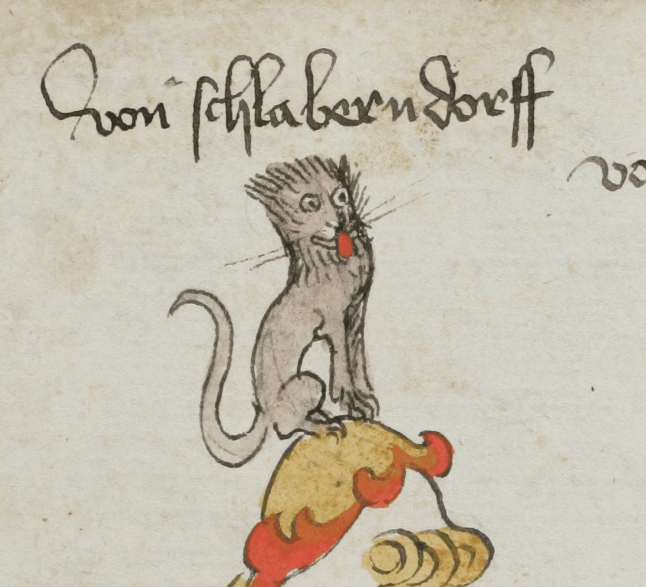
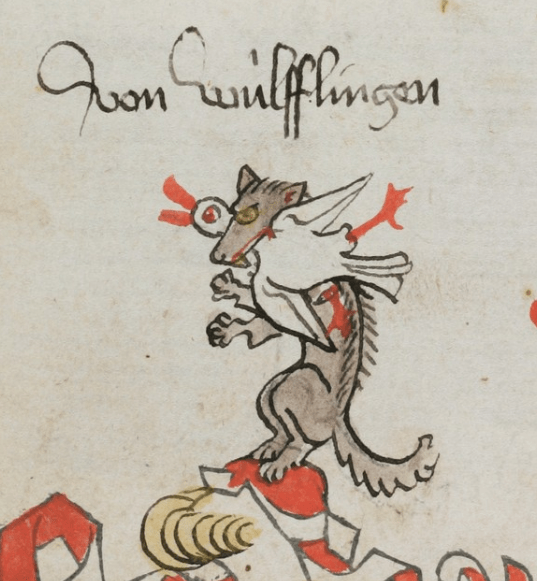
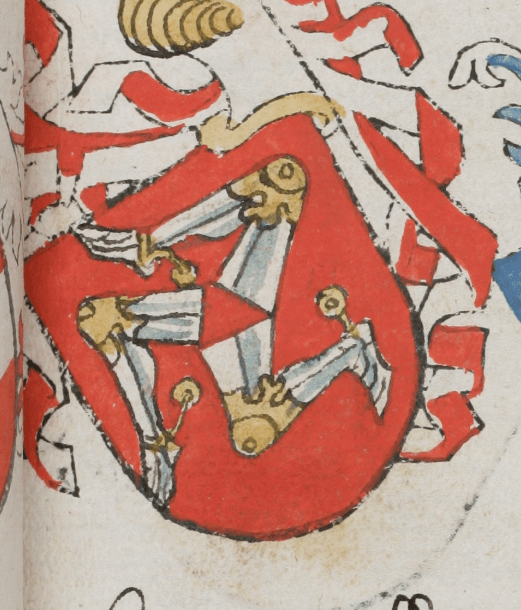
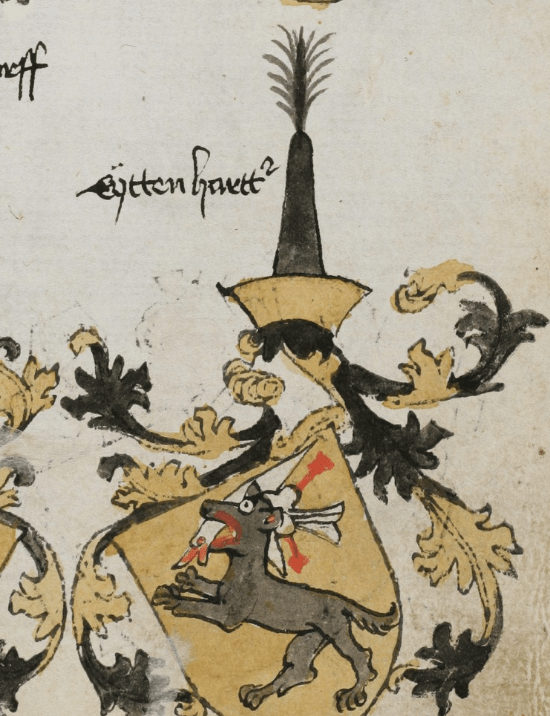
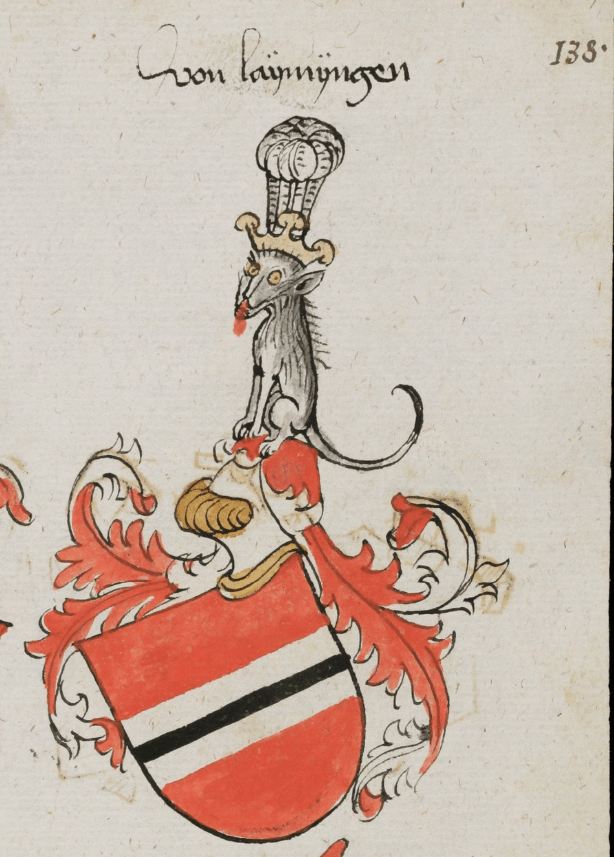
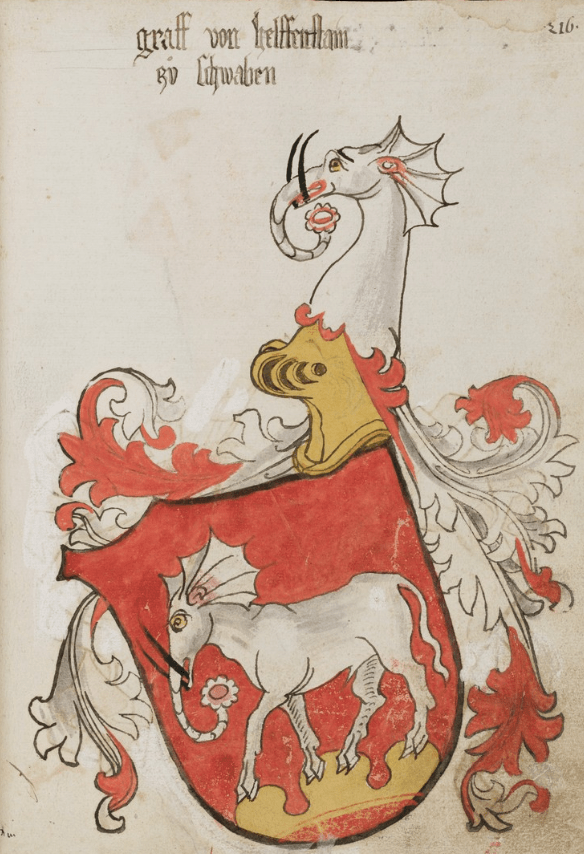
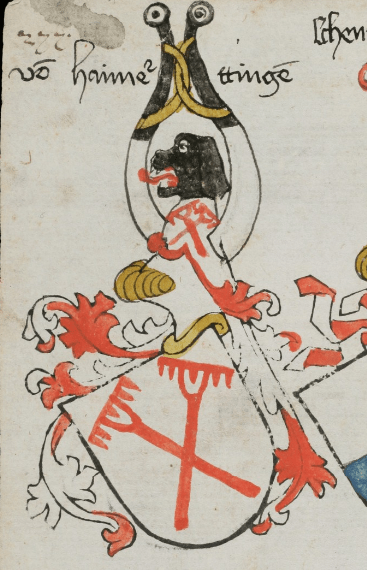
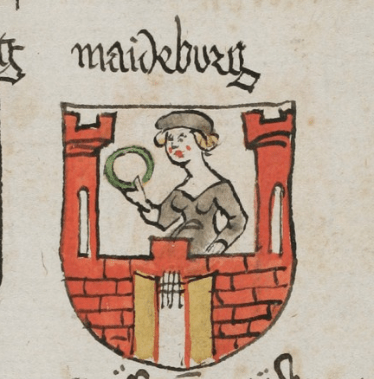
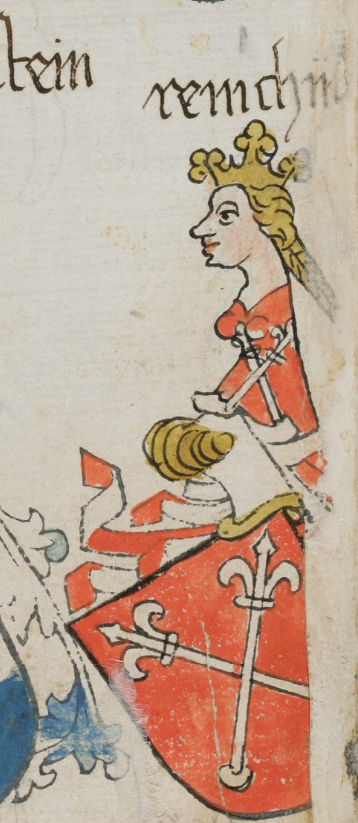
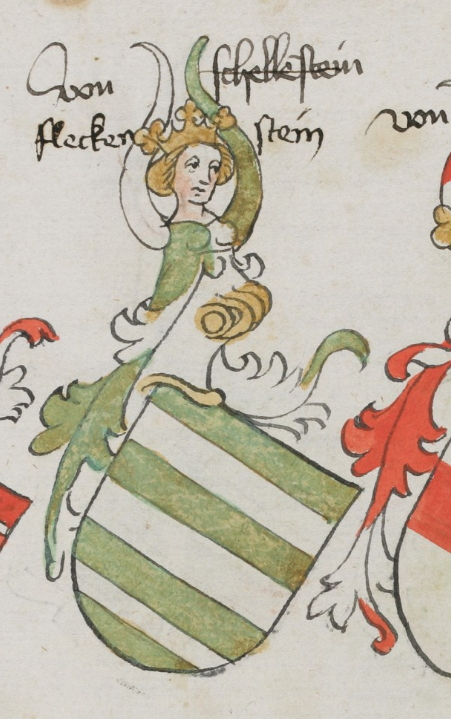
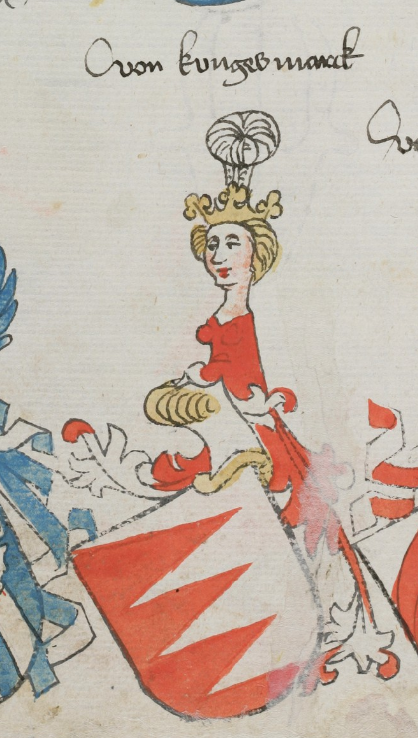
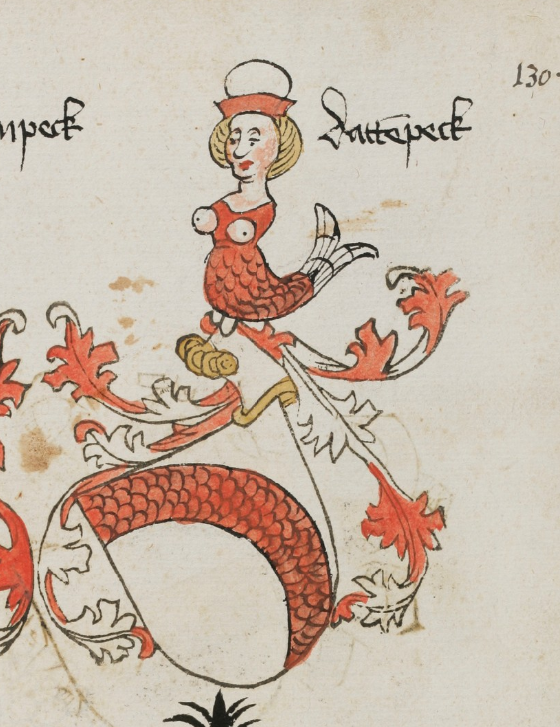
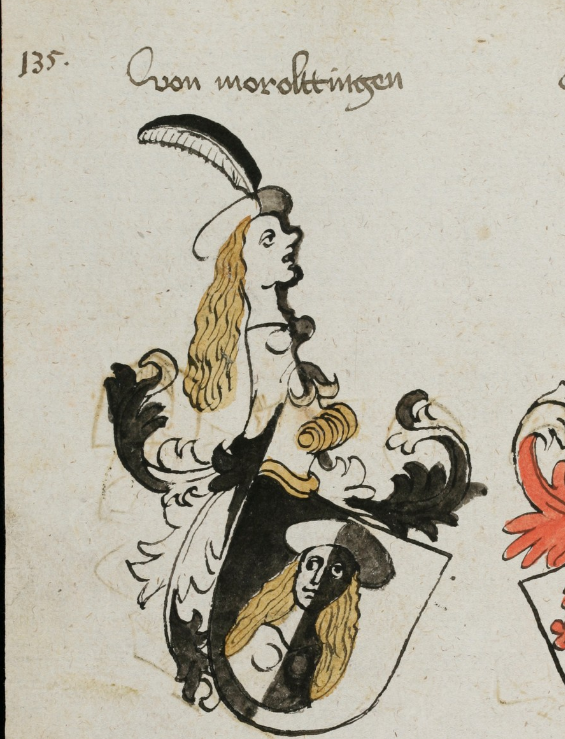
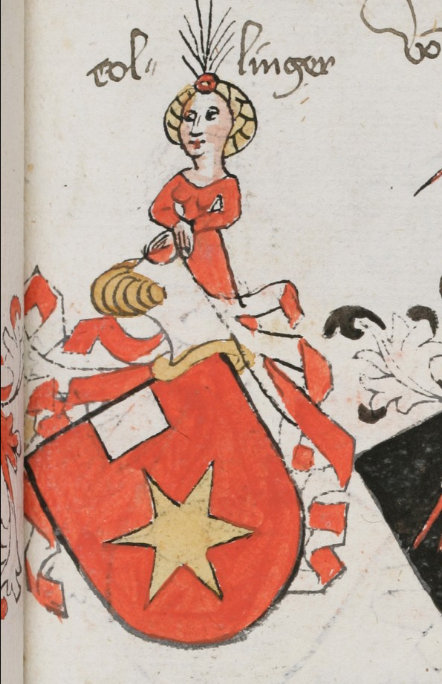
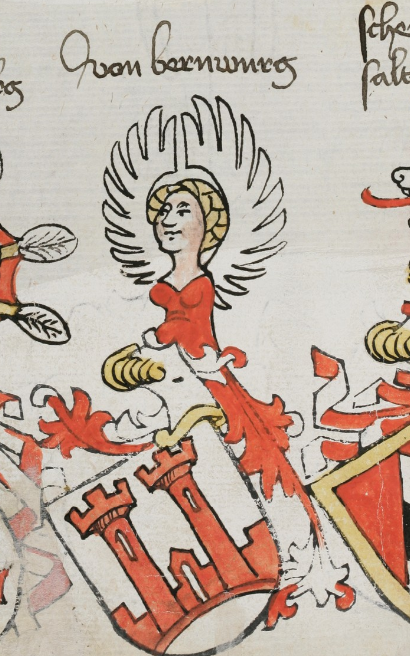
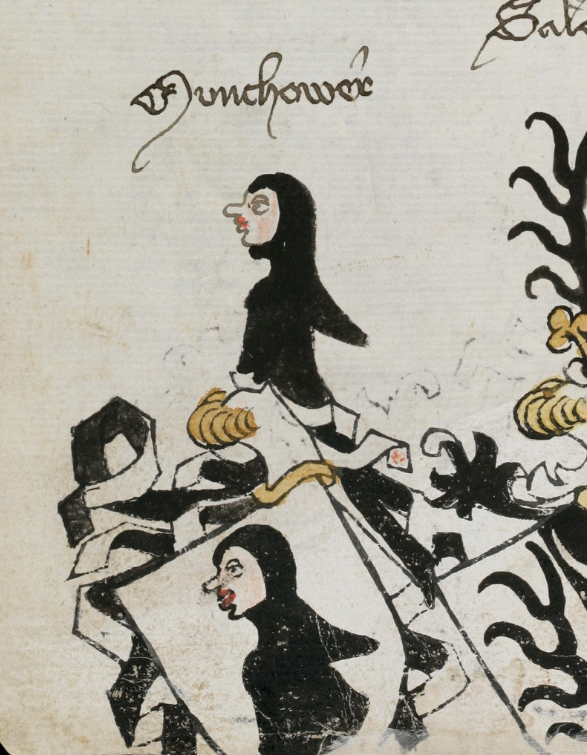
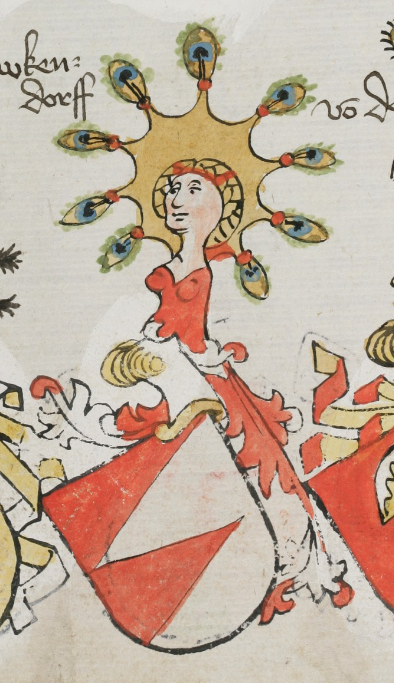
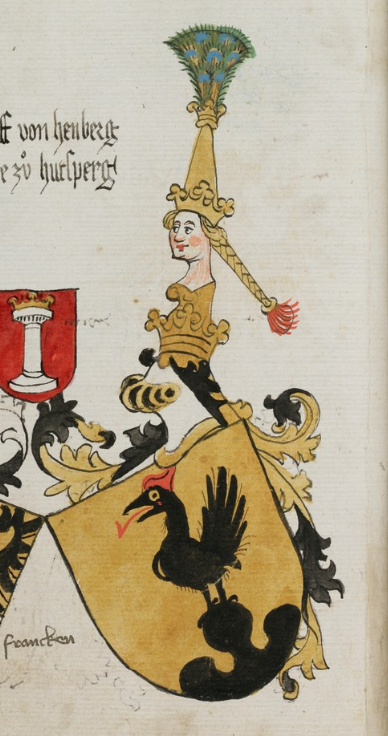
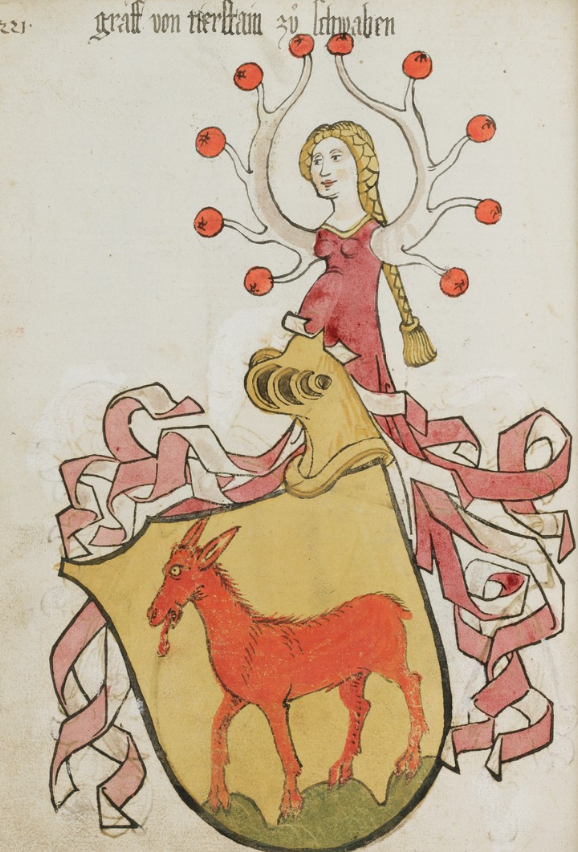
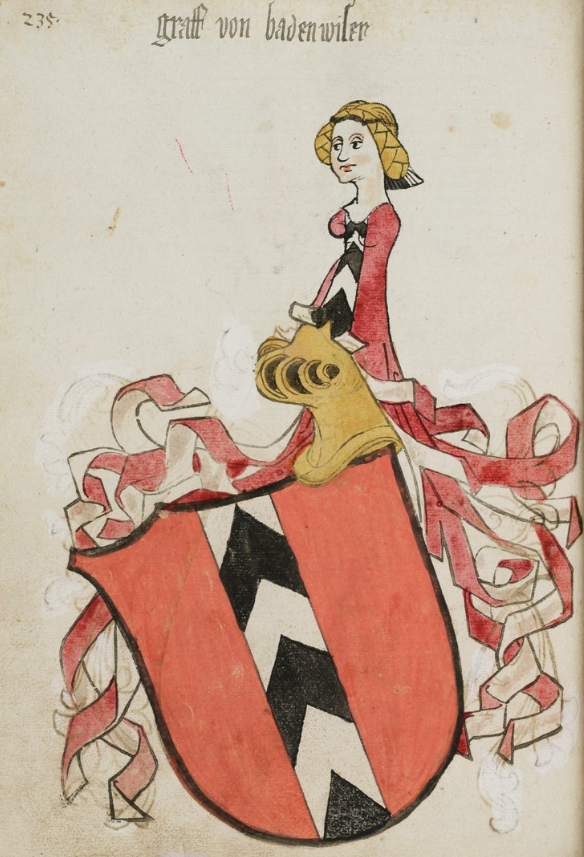
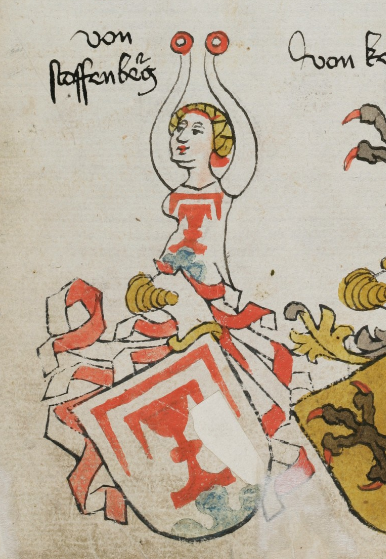
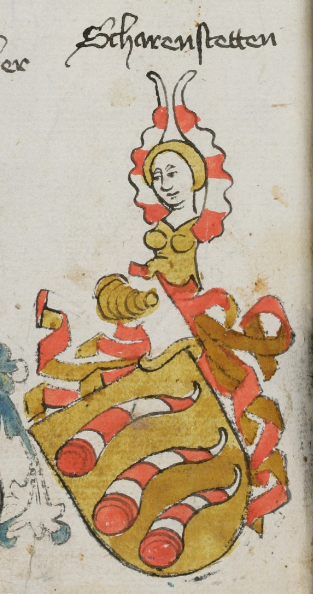
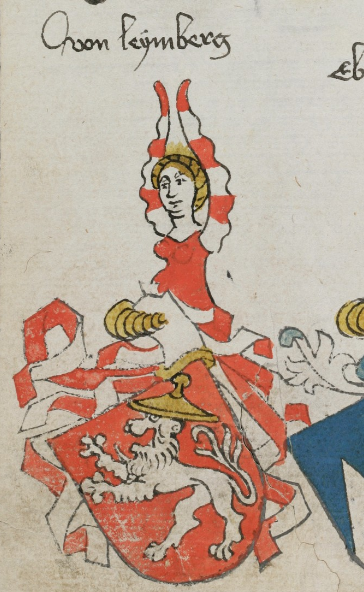
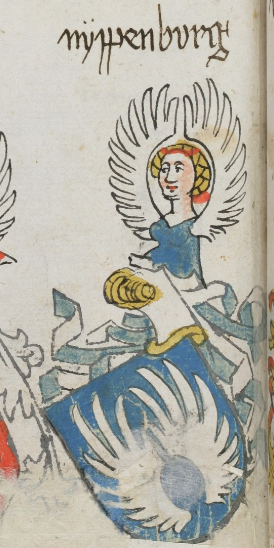
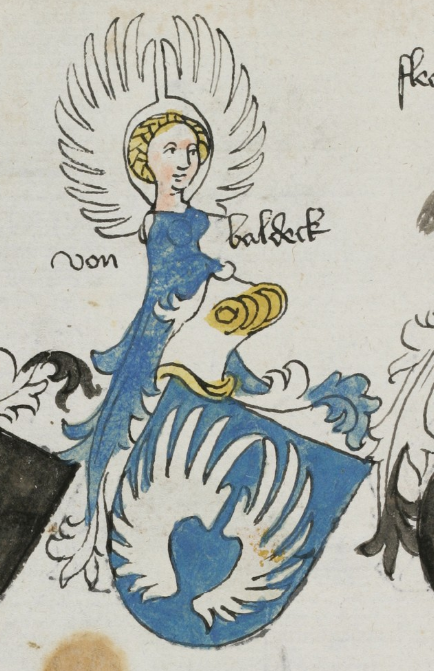
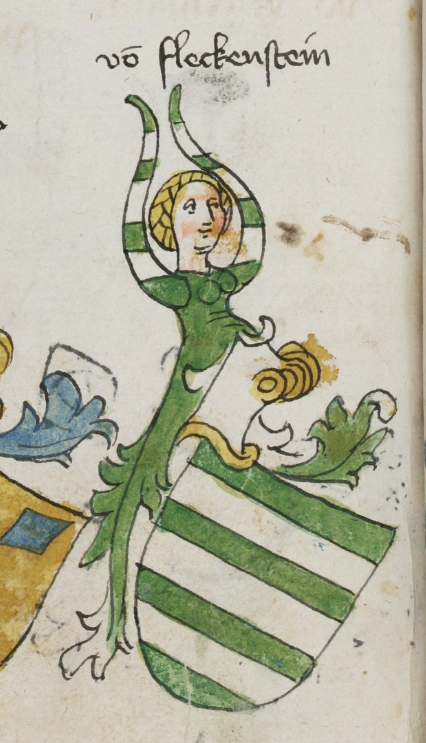
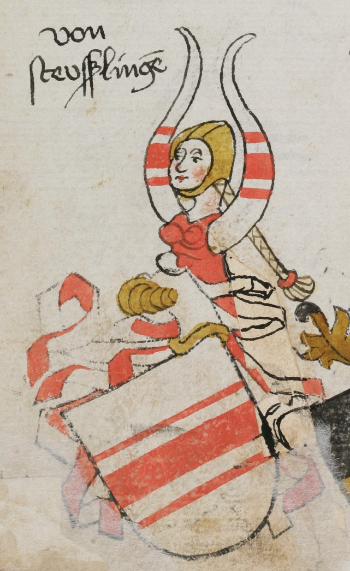
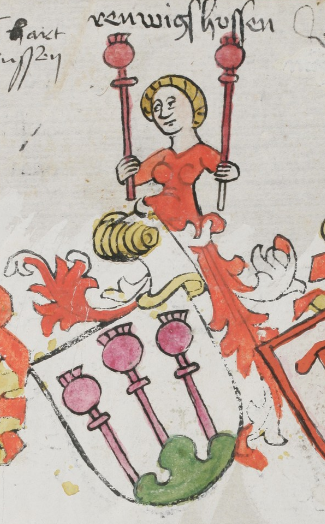
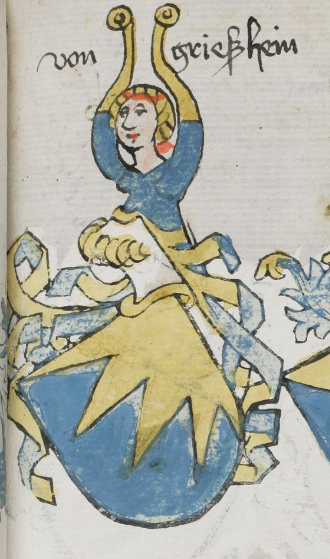
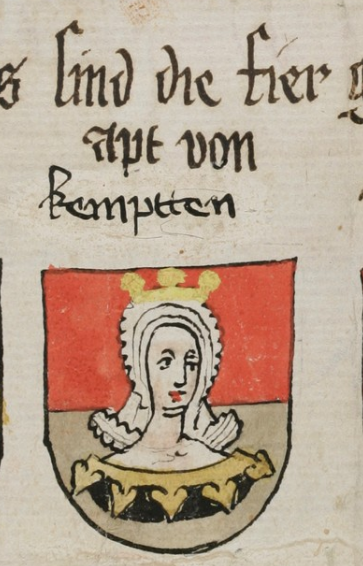
St. Gall Abbot Ulrich Rösch’s (1462-1491) book of heraldry, containing 1,626 coats of arms of prominent people from the laity and the clergy, mostly from the southern region of Germany. This heraldic book was probably prepared in the Heidelberg workshop of Hans Ingeram for an unknown customer from the area between the Neckar River and the Upper Rhine. In the 1480s St. Gall Abbot Ulrich Rösch purchased the volume and had numerous coats of arms from Swiss and German border areas added in the back pages; these were drawn by Winterthur artist Hans Haggenberg. One of the most important heraldic record books of the 15th century.
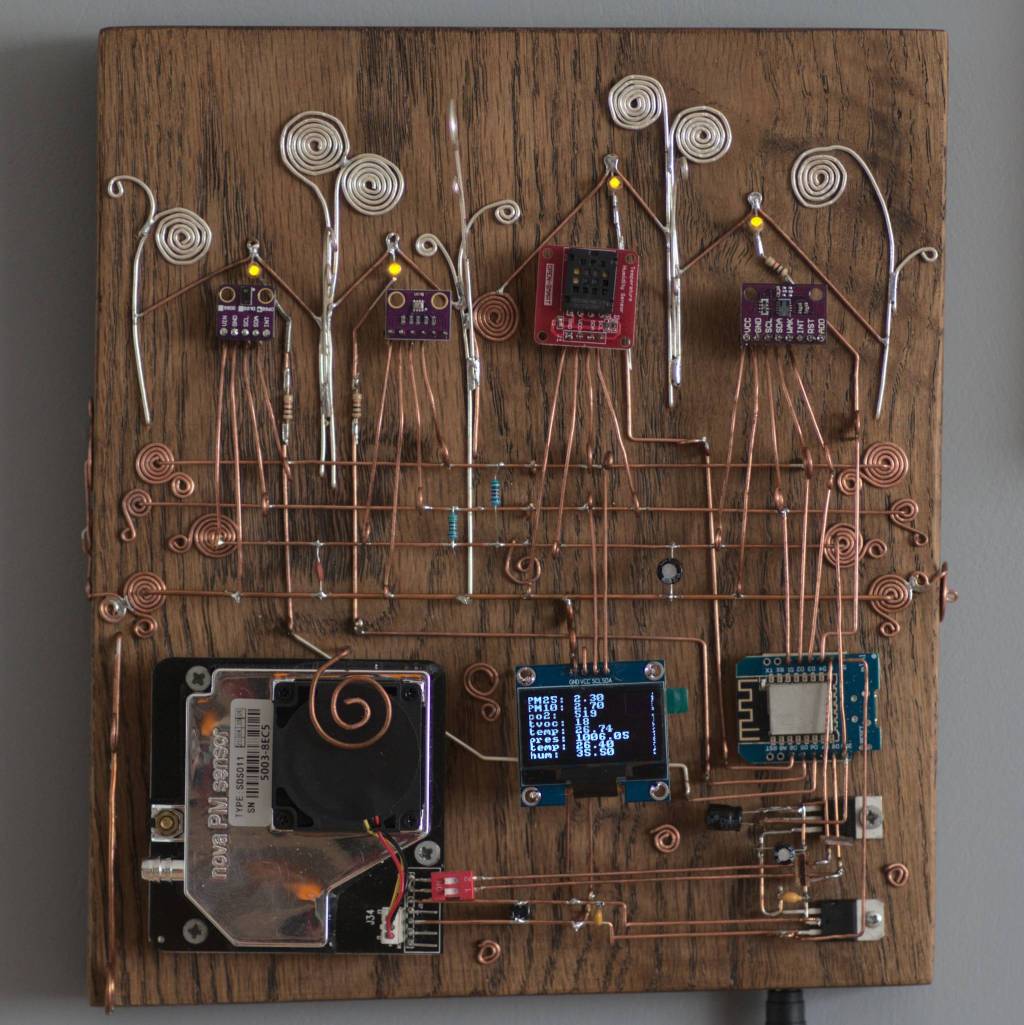
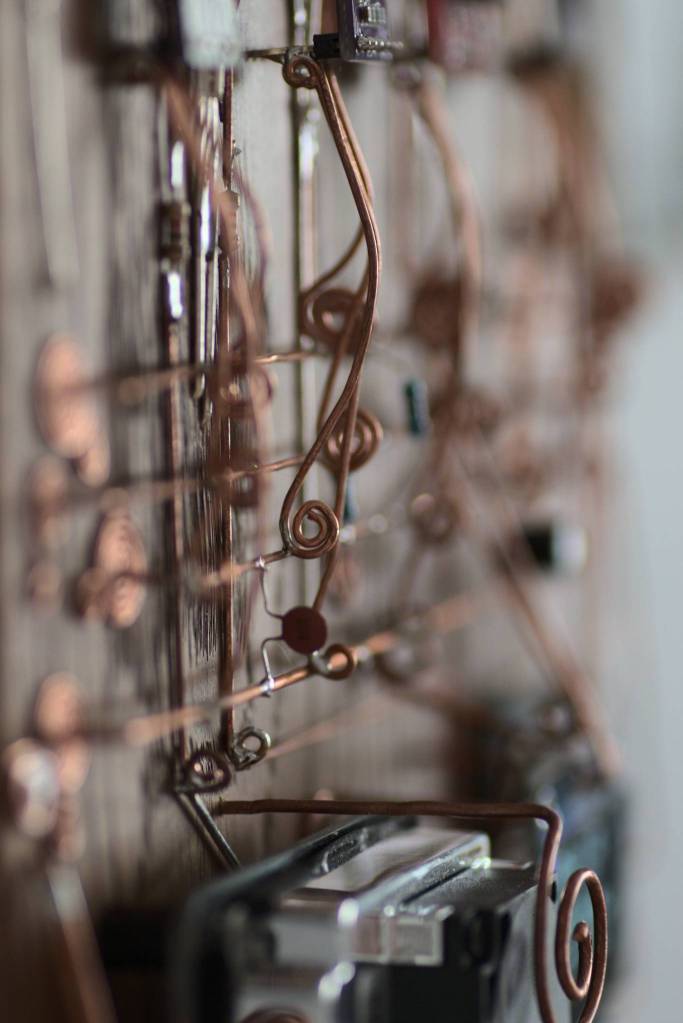
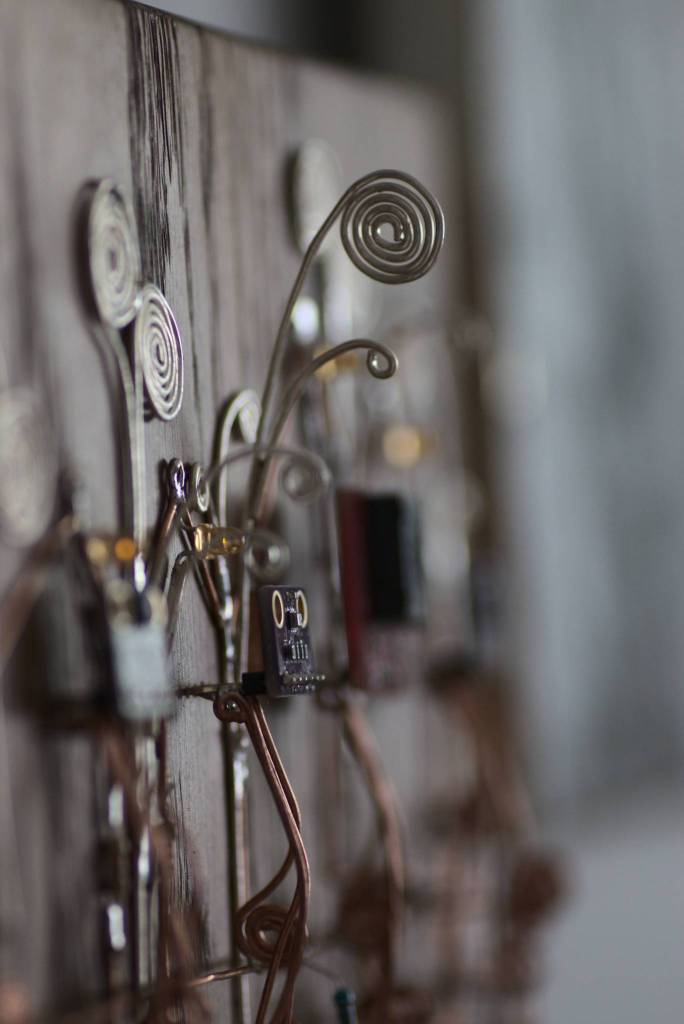
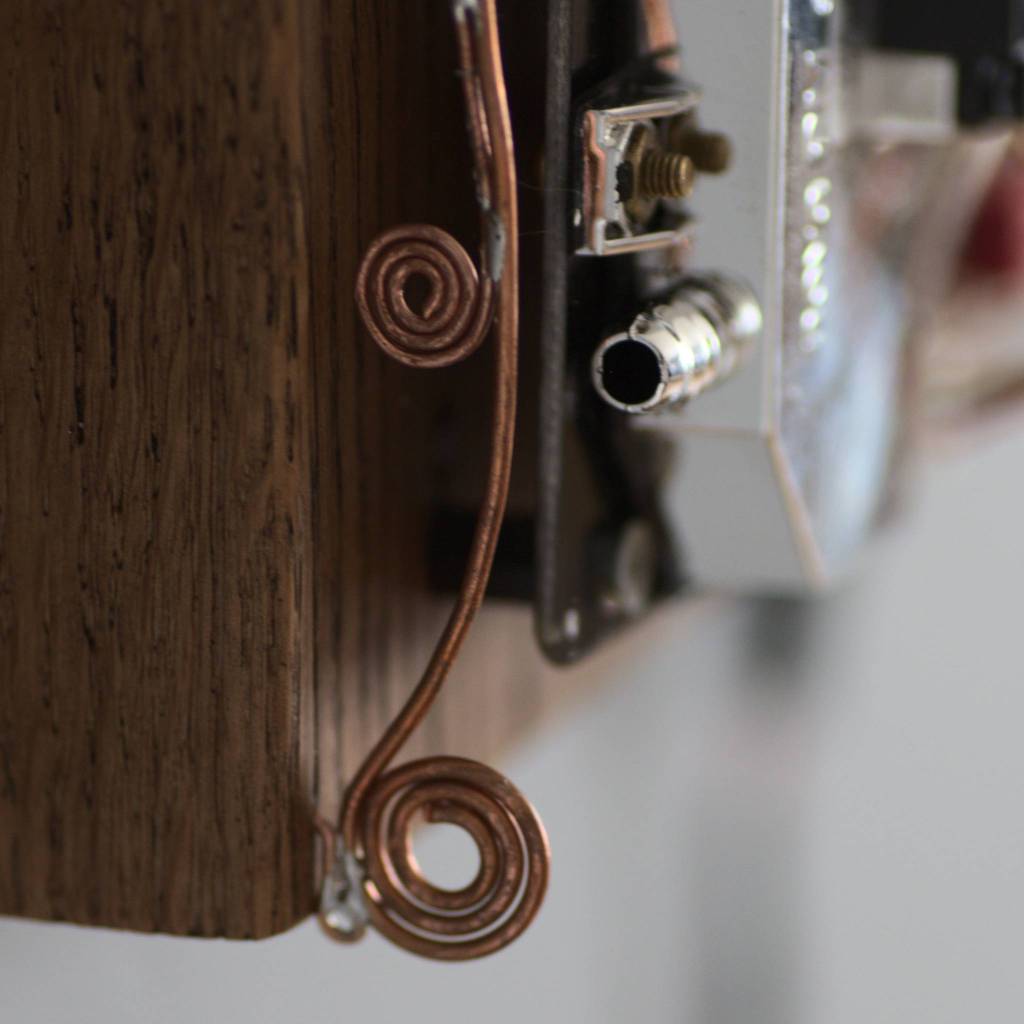
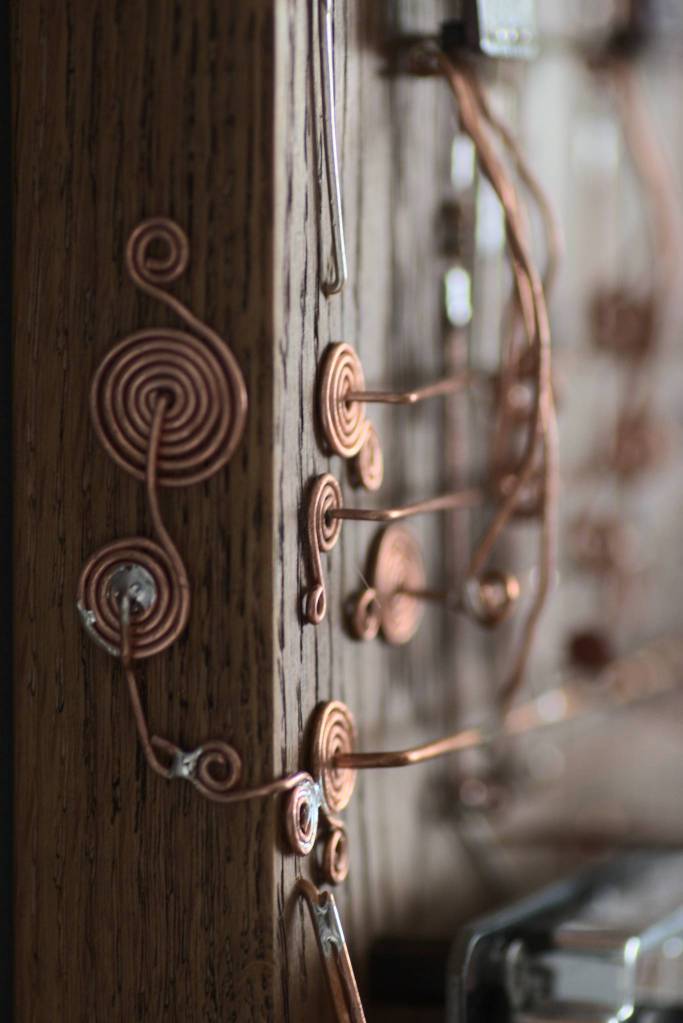
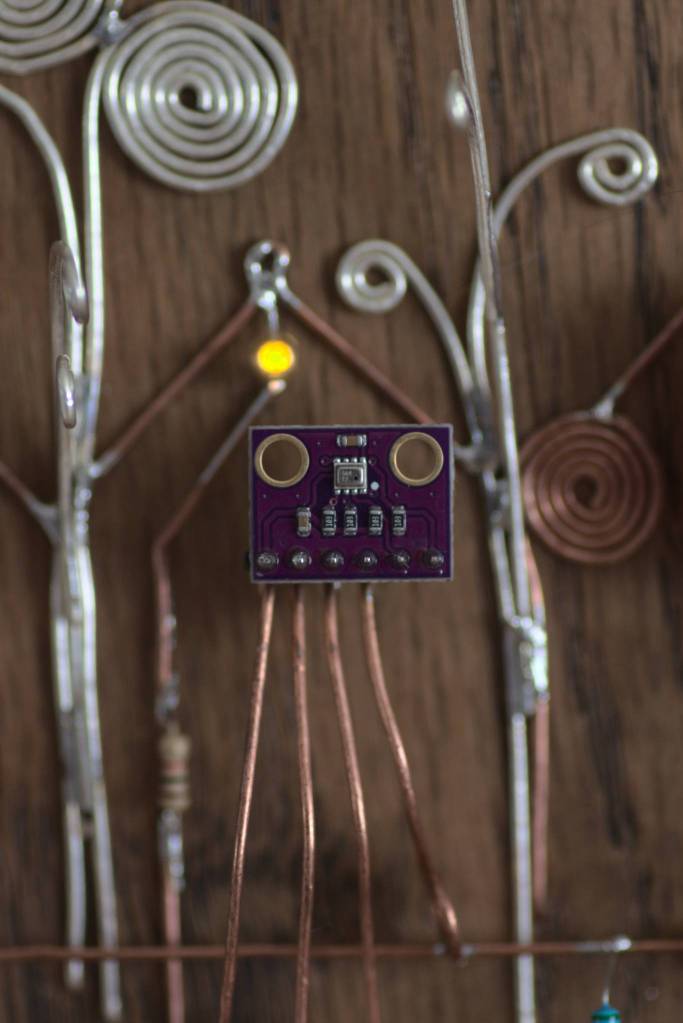
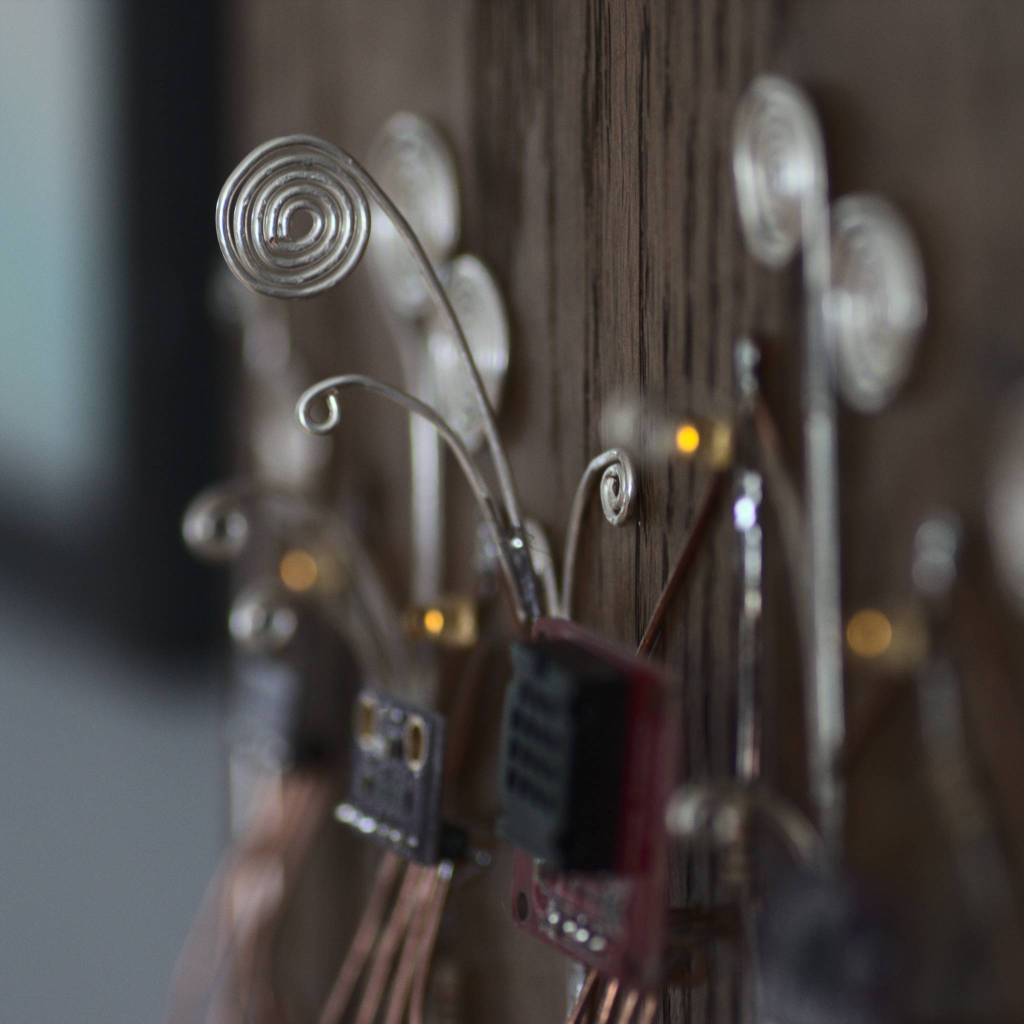
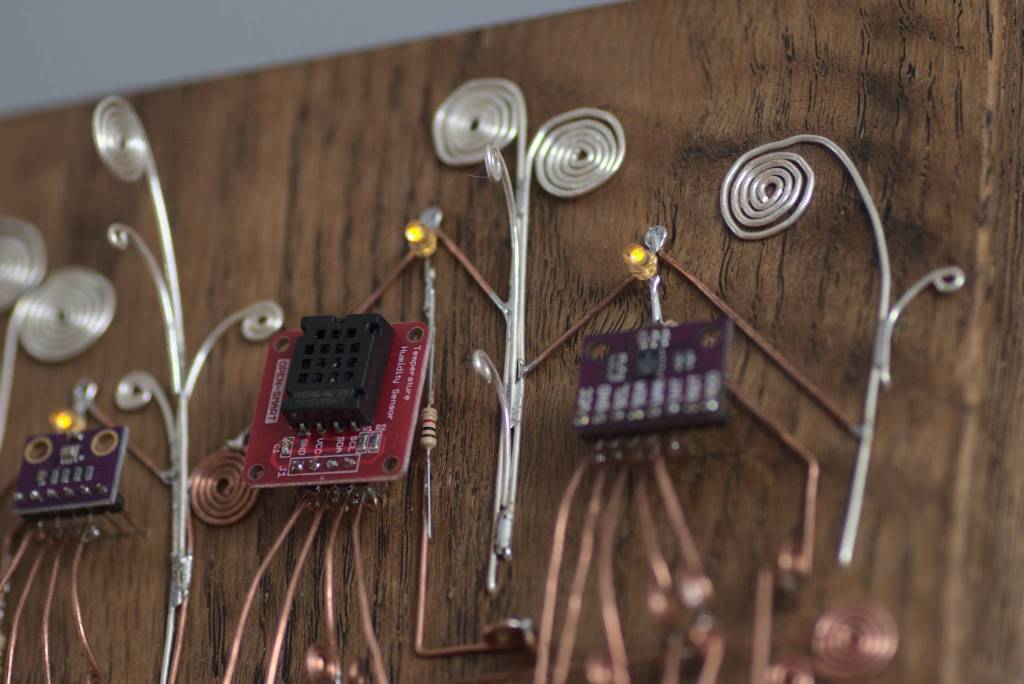
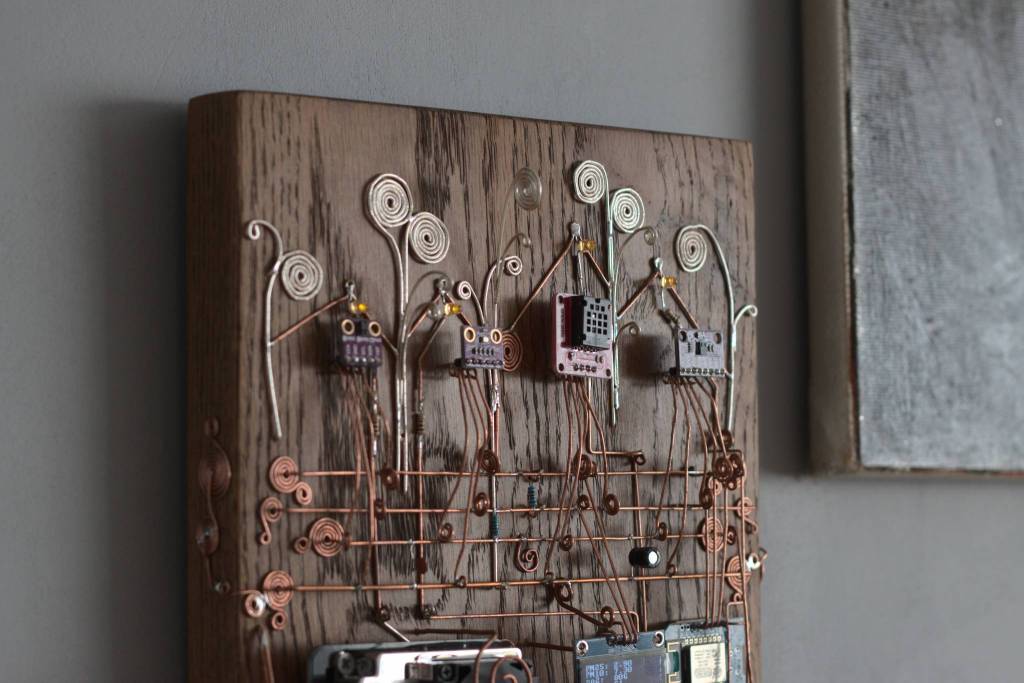
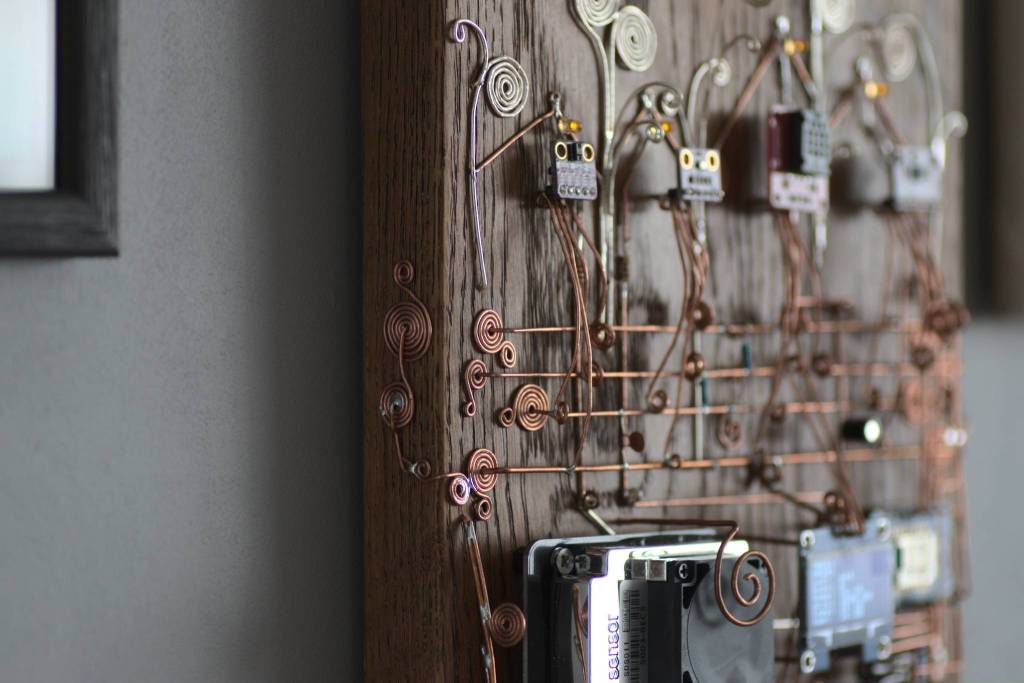
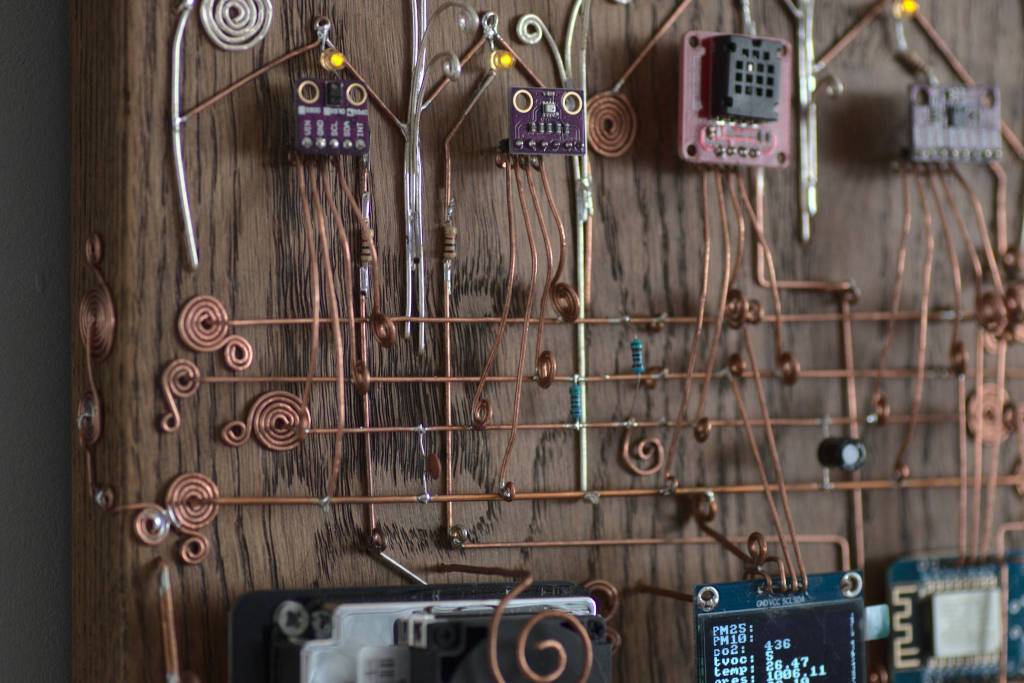
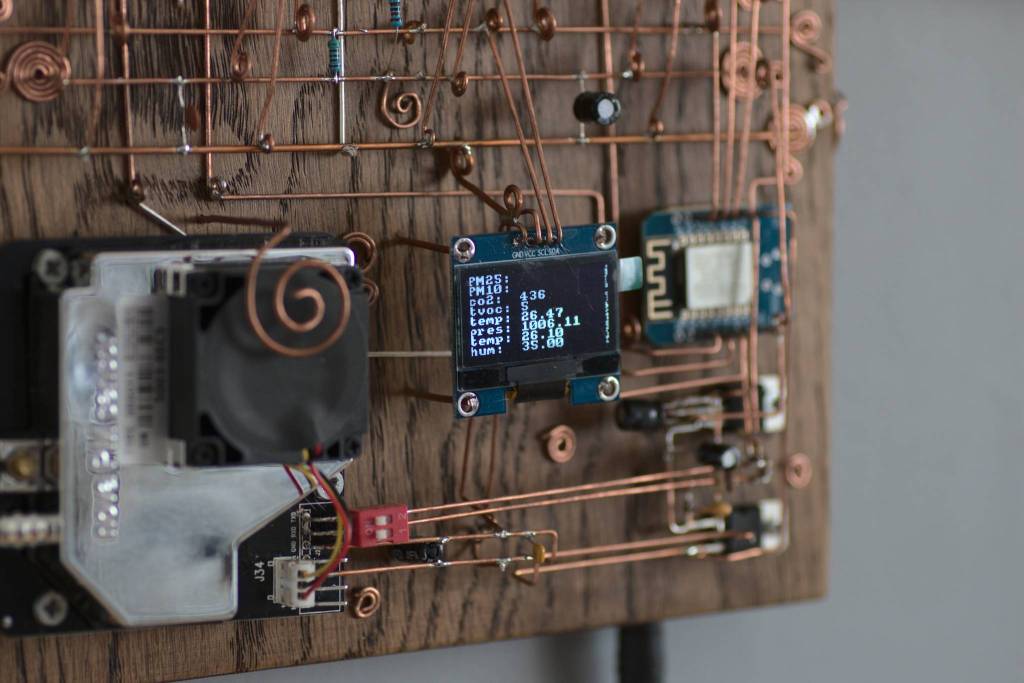
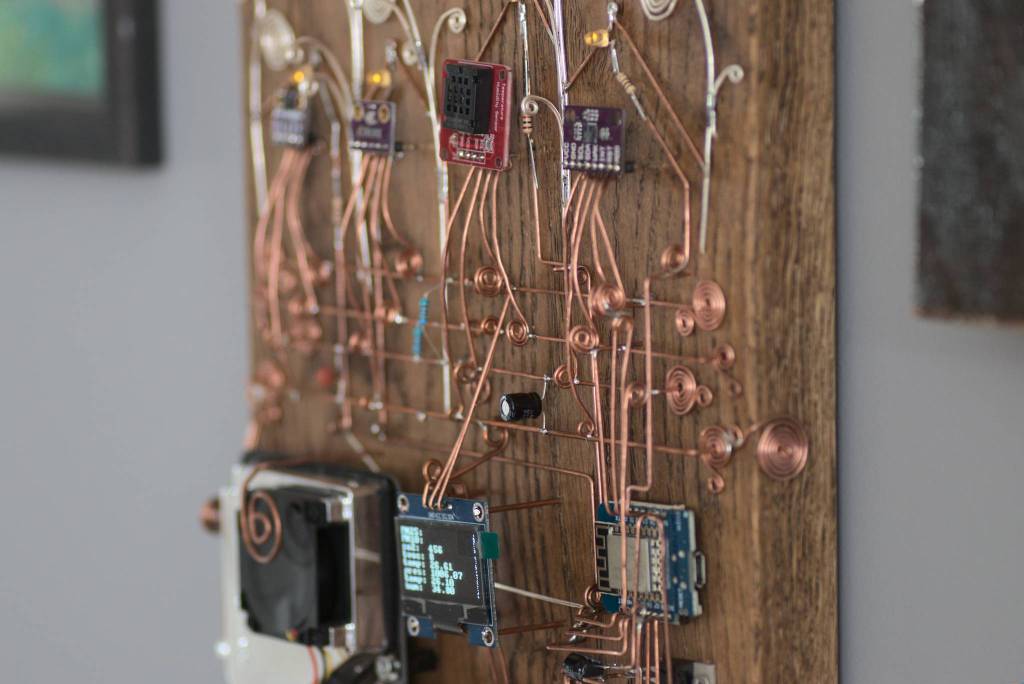
We often hide the electronics in a box. And cases can be done well and nicely. But when our main interest is electronics then it is sad to hide it. That is way like to do it the opposite way.
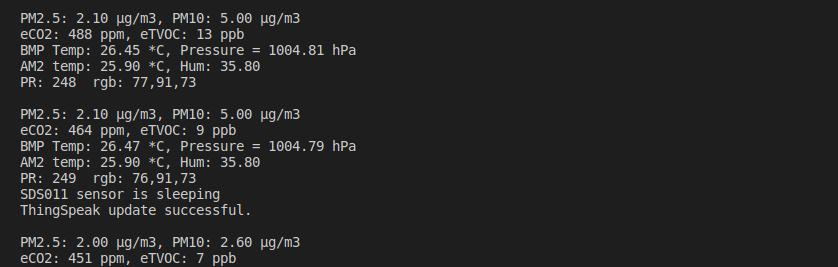
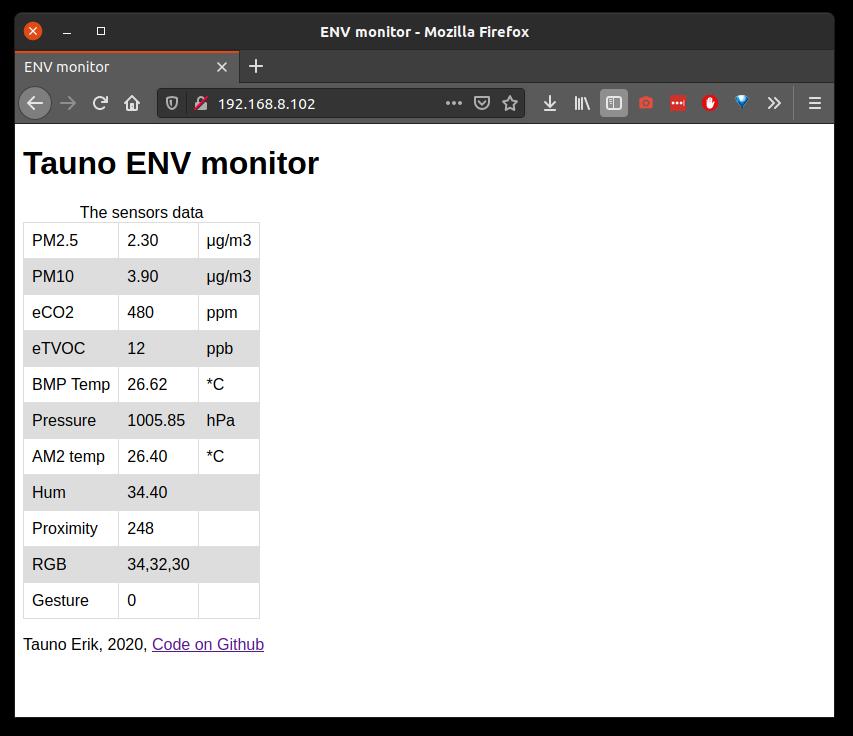
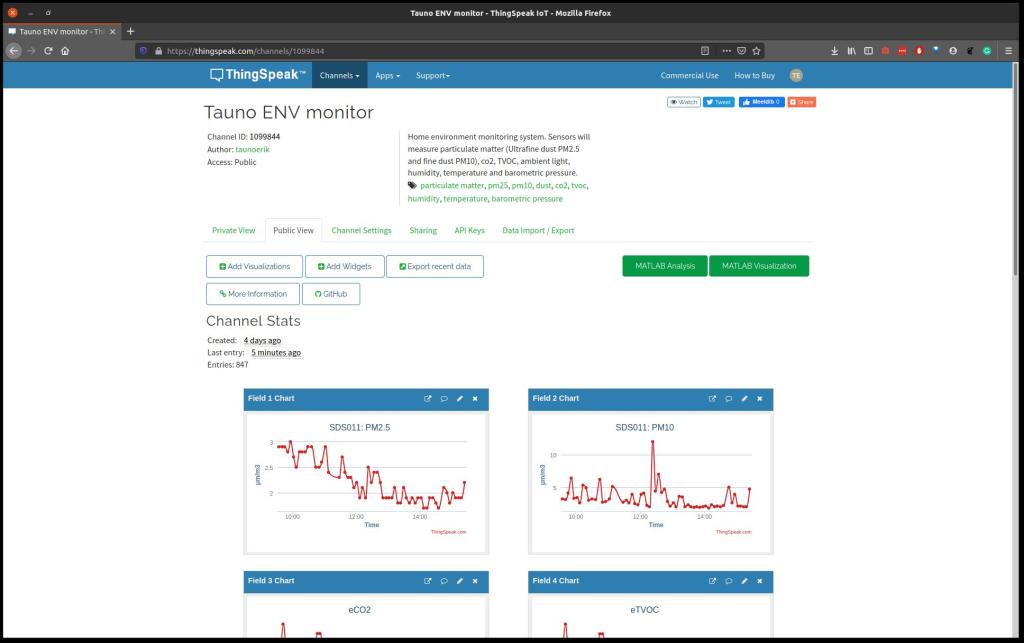
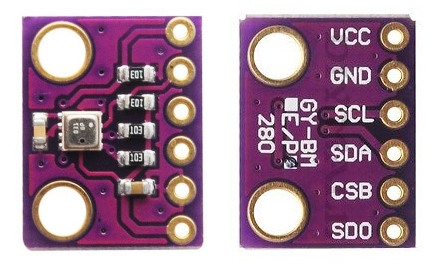
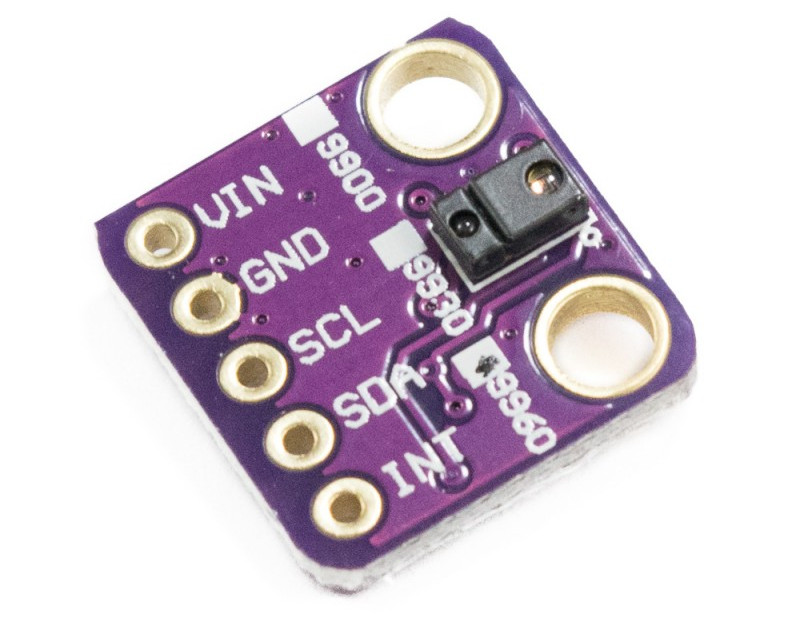
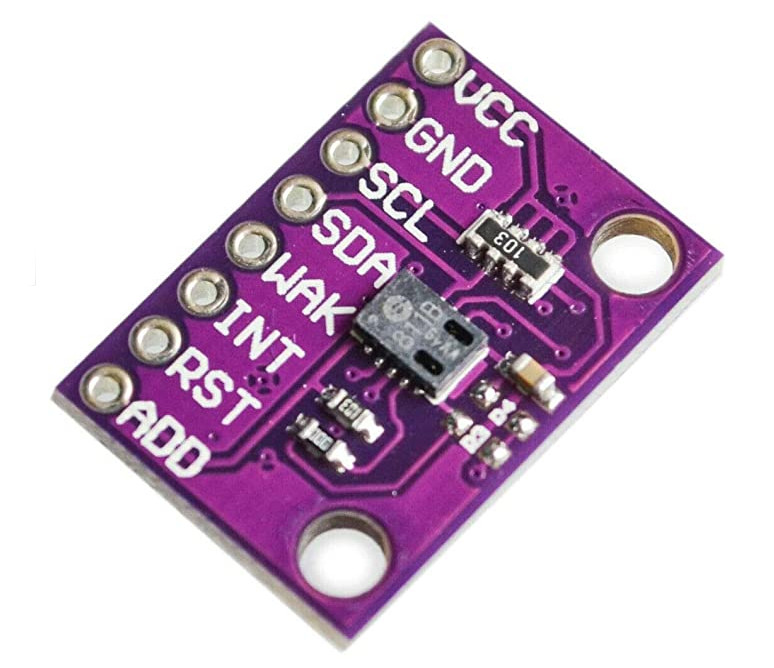
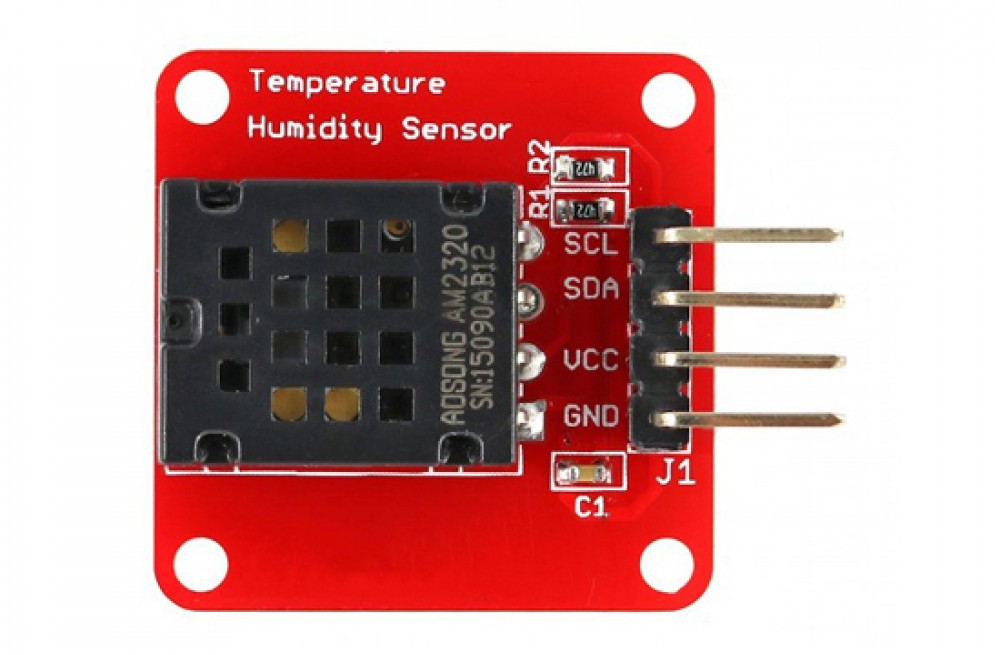
Sensors will measure particulate matter (Ultrafine dust PM2.5 and fine dust PM10), co2, TVOC, ambient light, humidity, temperature and barometric pressure.
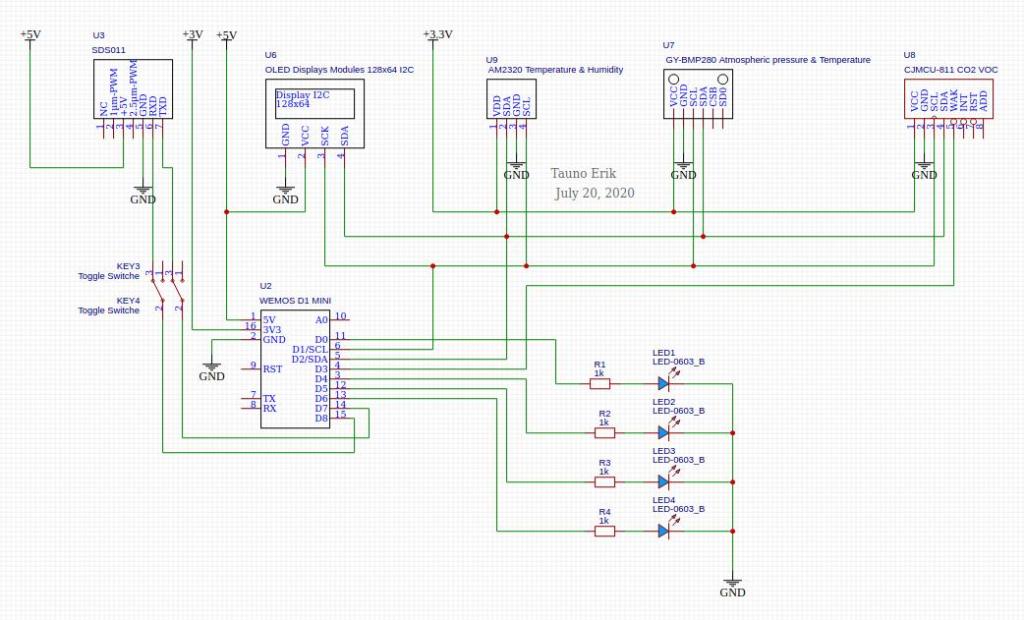
Most sensors use I2C to communicate. That makes it super easy to build.
Why and what
We spend much of our lives indoors. And that is why it is important that our main living environment is healthy.
CO2 level should be less than <1000 ppm
TVOC is the concentration of Volatile organic compounds (VOCs) present in the air. Should be less than <100 ppm.
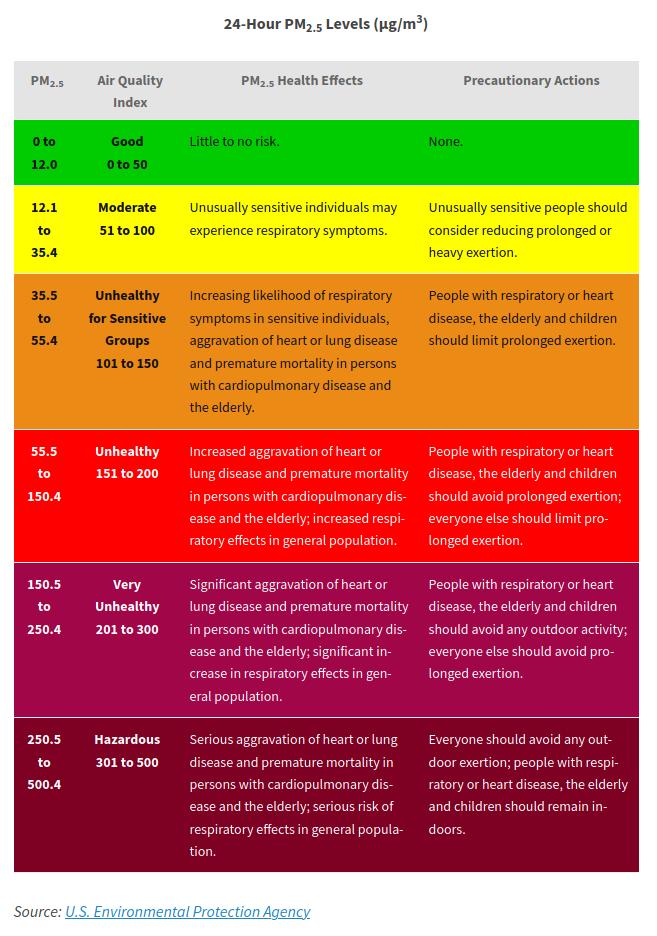
PM2.5 refers to atmospheric particulate matter (PM) that have a diameter of less than 2.5 micrometres. The 24-hour concentration of PM2.5 is considered unhealthy when it rises above 35.4 (60) μg/m3.
PM10 refers to atmospheric particulate matter (PM) that have a diameter of less than 10 micrometres. < 100 μg/m3.
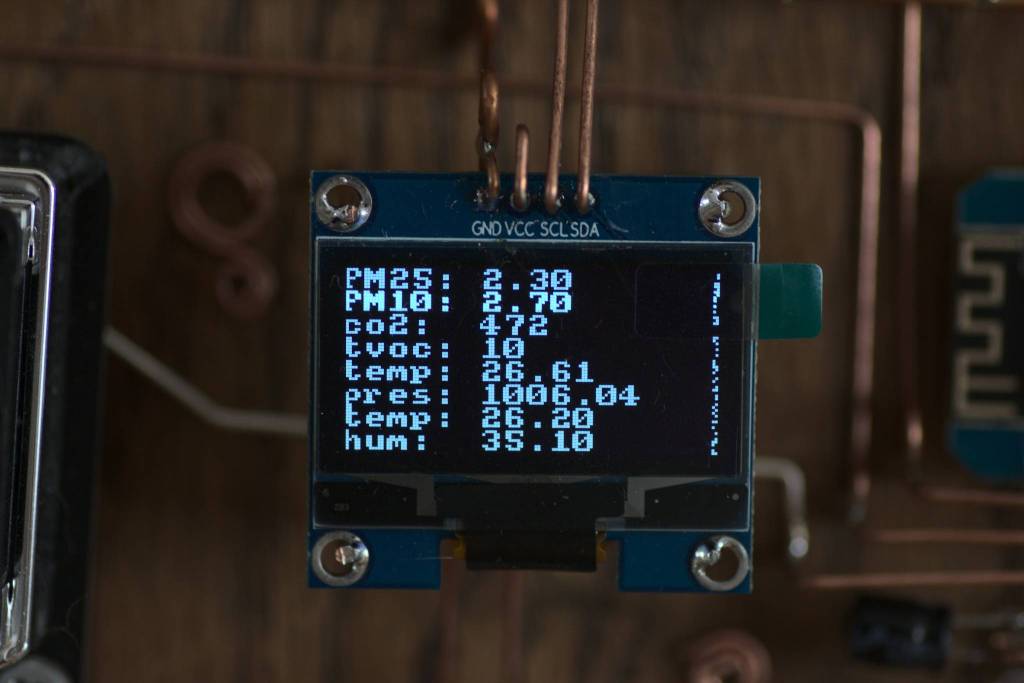
Unknown manufacturer. After trial and error, I discovered my display driver is SH1106. Not SSD1306 like Adafruit uses. But when I use SH1106 constructor:
Display will look good. But the AM2320 sensor will not work for unknown reason. I2C communication problem? That’s why I still use SSD1306 constructor. The fonts do not look nice and on the screen right side has white scratched strip.
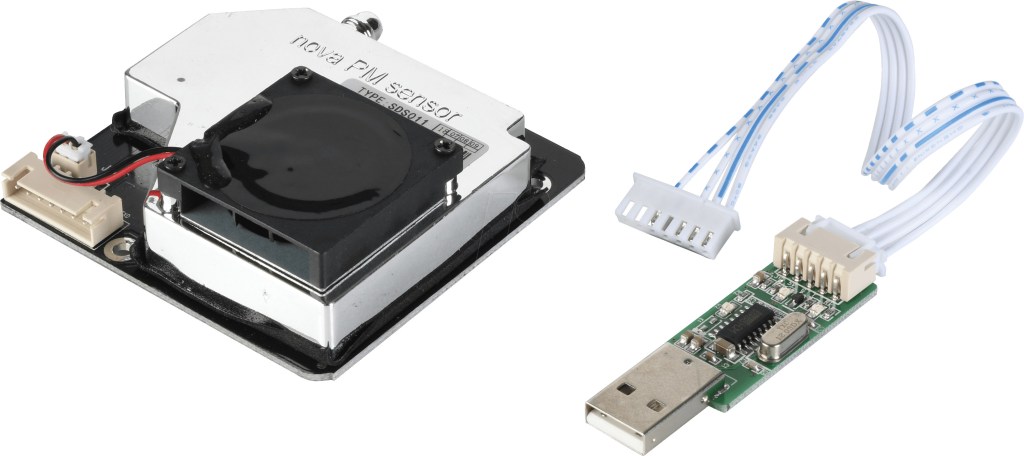
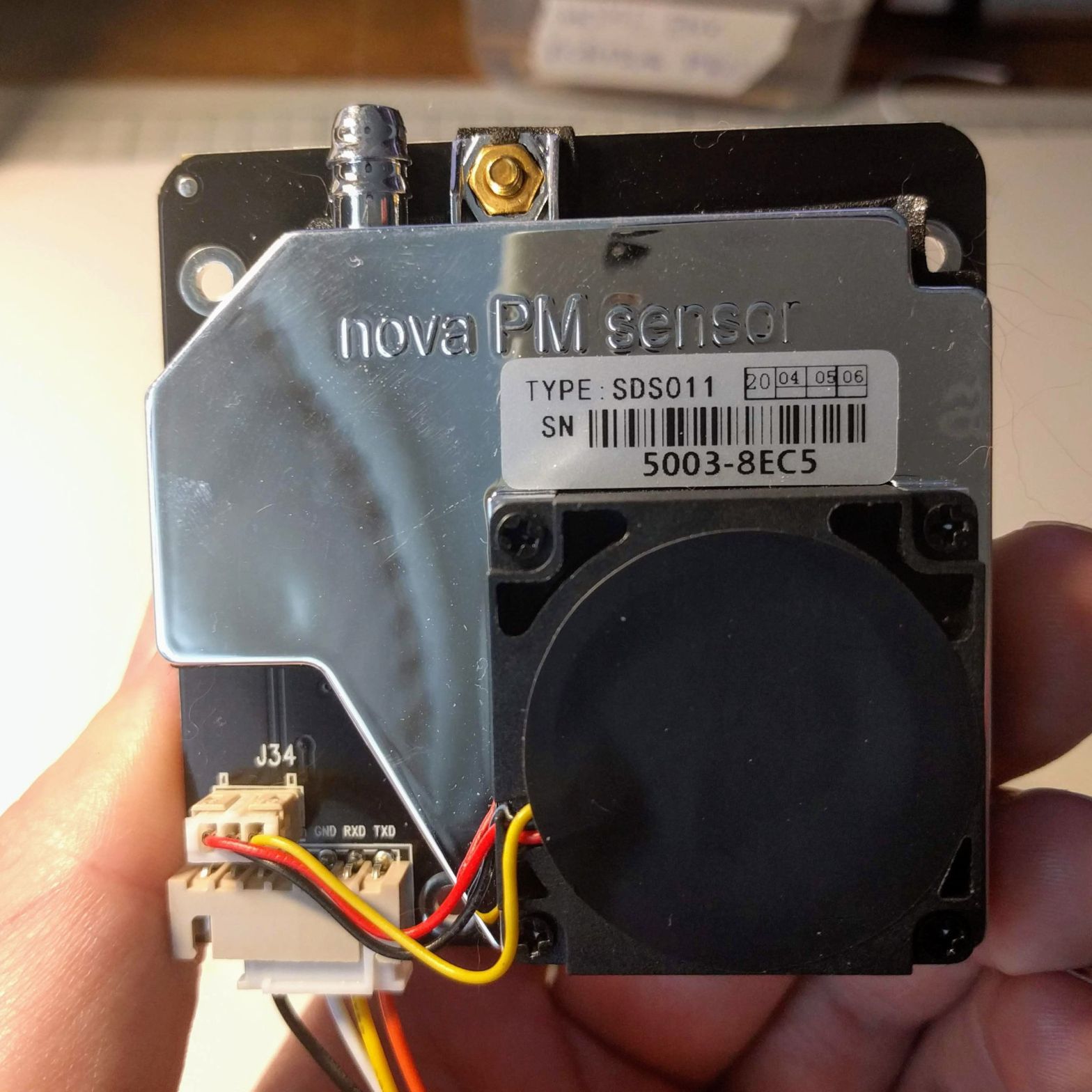
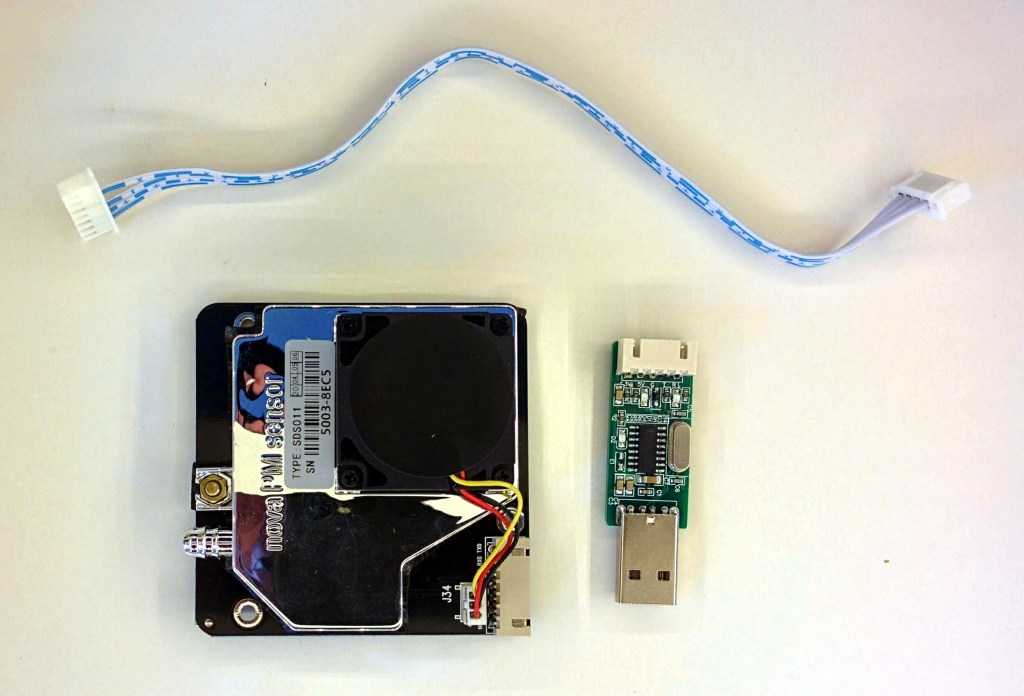
Nova PM sensor SDS011 can measure fine dust and smoke = particulate matter (MP) concentrations in two categories:
Ultrafine dust particles with a diameter of 0 – 2.5 micrometres (μm/m3). Output PM2.5
Fine dust particles with a diameter 2.5 – 10 micrometres (μm/m3). Output PM10
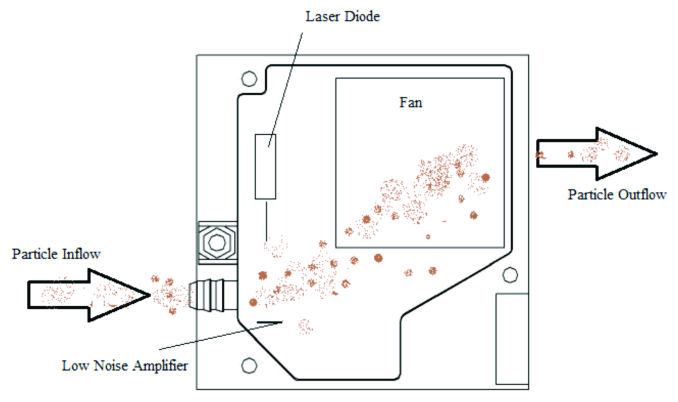
The sensor is designed with a built-in fan to ensure sample air circulation to a chamber with a laser diode, where the size and amount of PMis determined. The scattered light is transformed into electrical signals and with further analysis, on the signal waveform, the digital output of the component is the particle concentration of PM2.5 andPM10 (from counts of particles with diameters from 0.3 to 10μm). The working principle is based on light scattering, where a light source illuminates the particles and the scattered light is transformed into a signal by a photodetector, the amplitude of which depends on the light wavelength, scattering angle, particle size and relative index of refraction between medium and particle. (3)
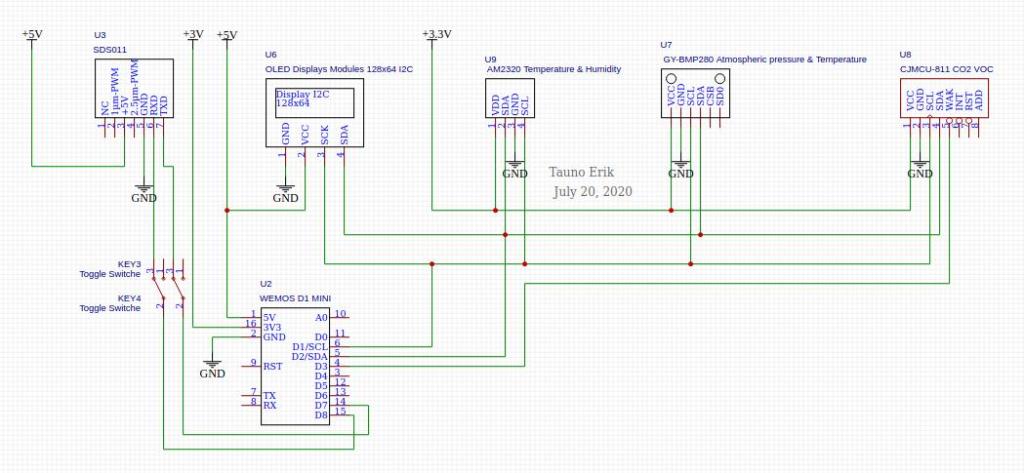
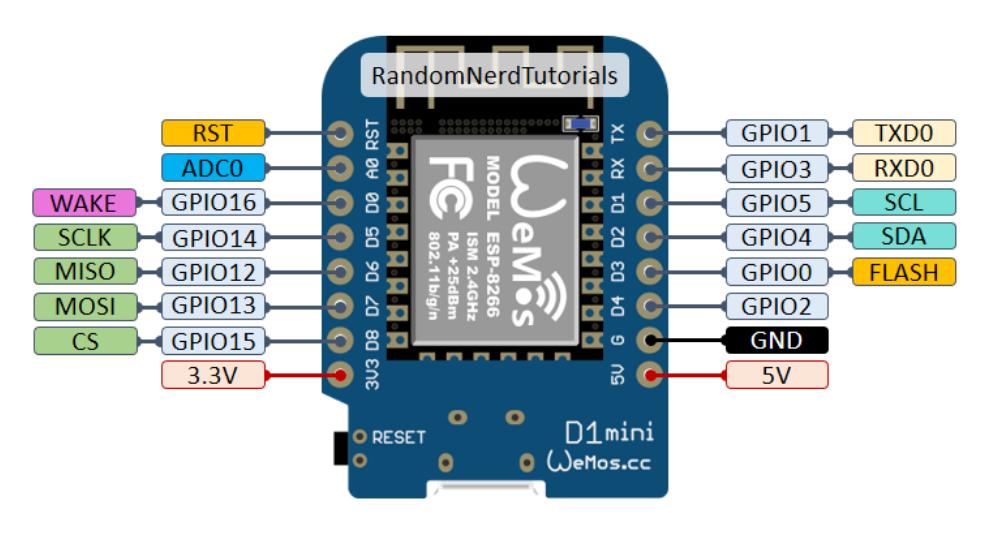
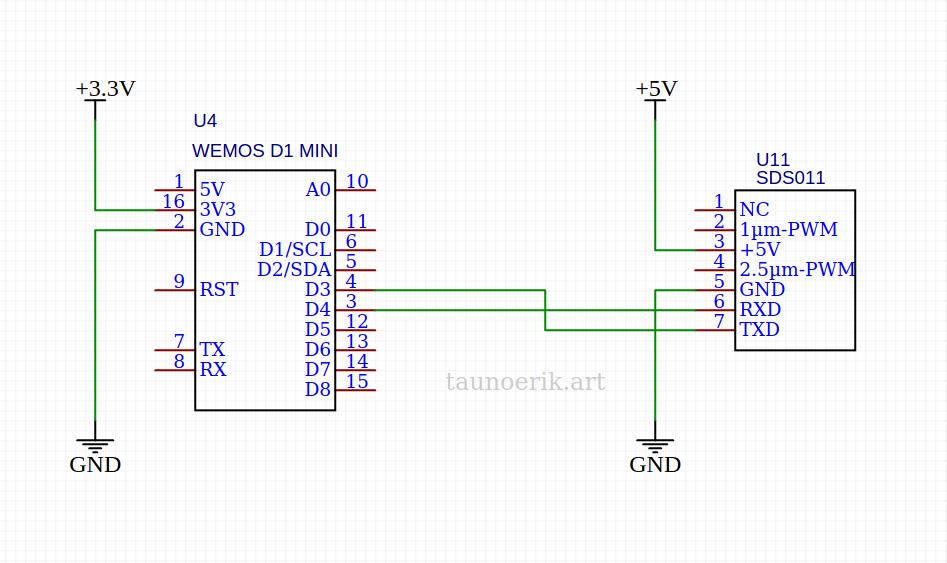
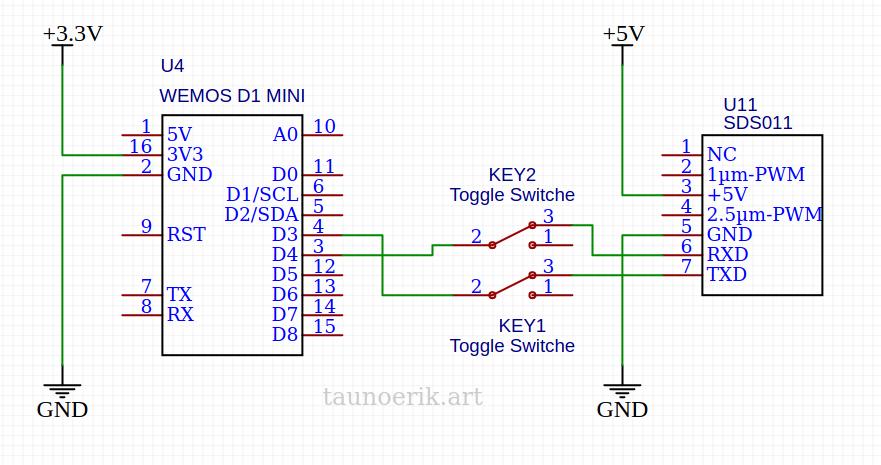
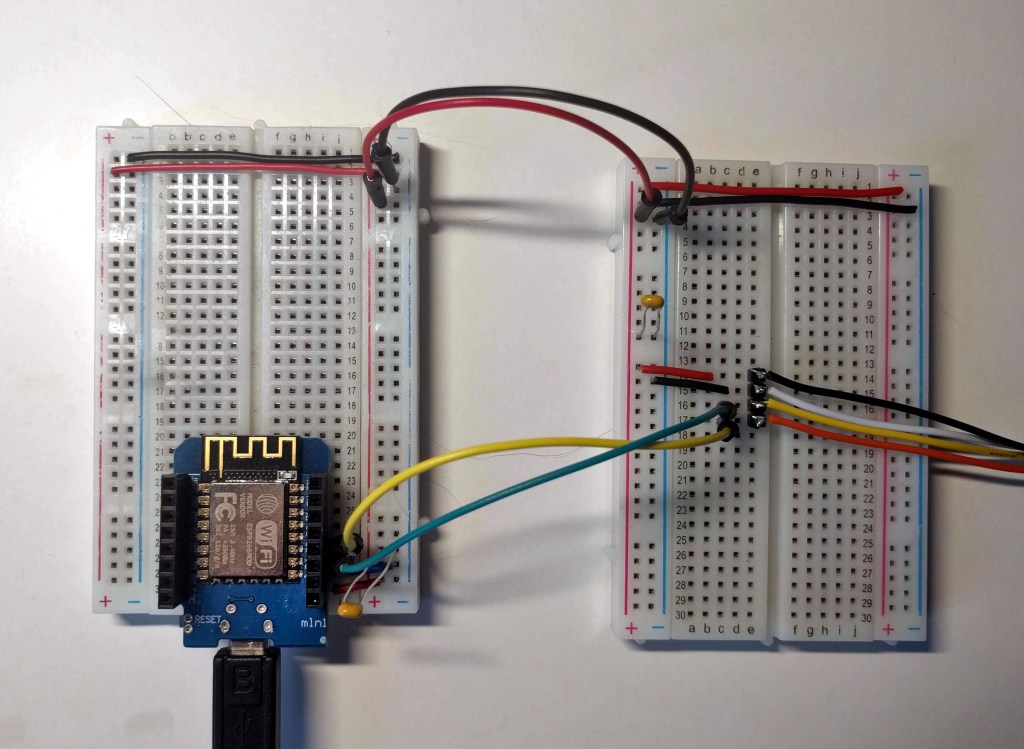
And I use ESP8266 (Wemos D1 mini) to connect to sensor.
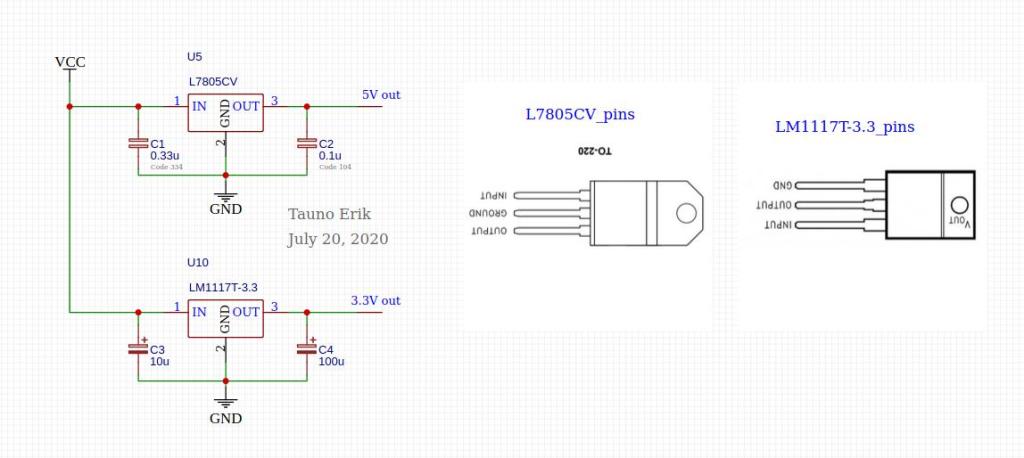
Sensor input voltage 5V. ESP8266 uses 3.3V. Sensor RX and TX pins are 3.3V tolerant.
Sensor have UART (Serial) output.
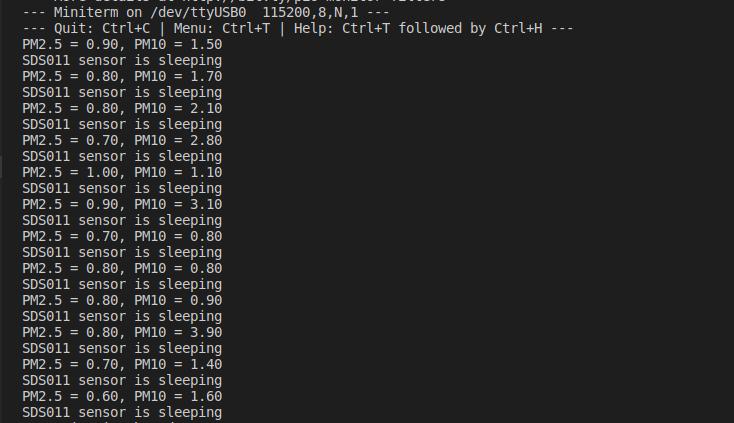
Its service life is up to 8000 hours. It is less than a year. So it’s better when sensor will not work all the time. And you make measurement from time to time. Like every ten minutes.
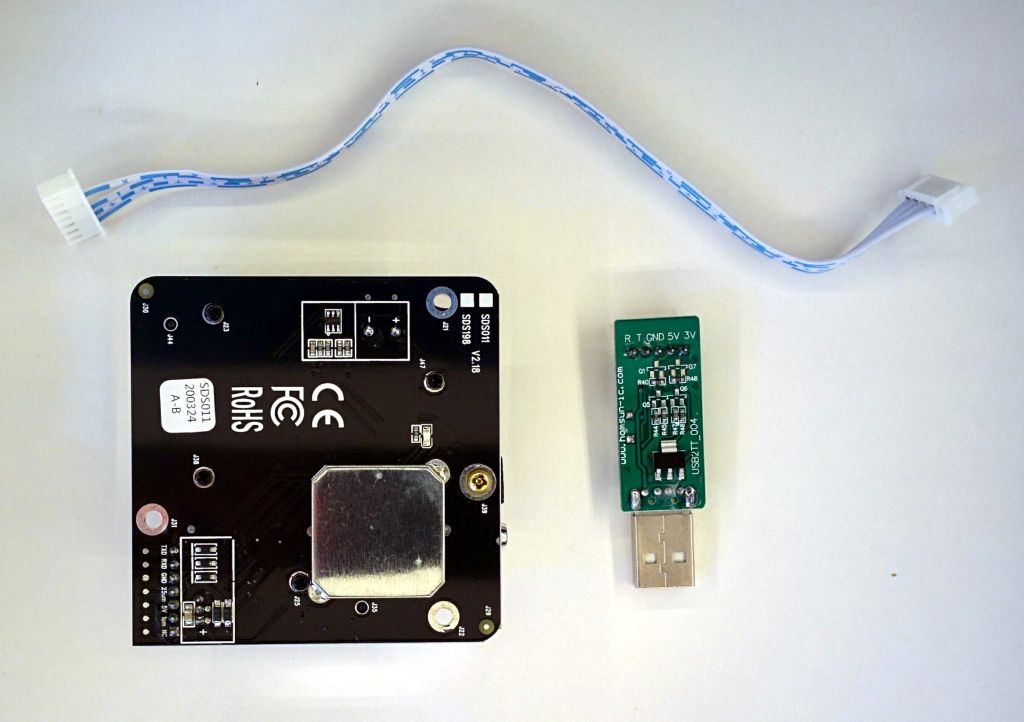
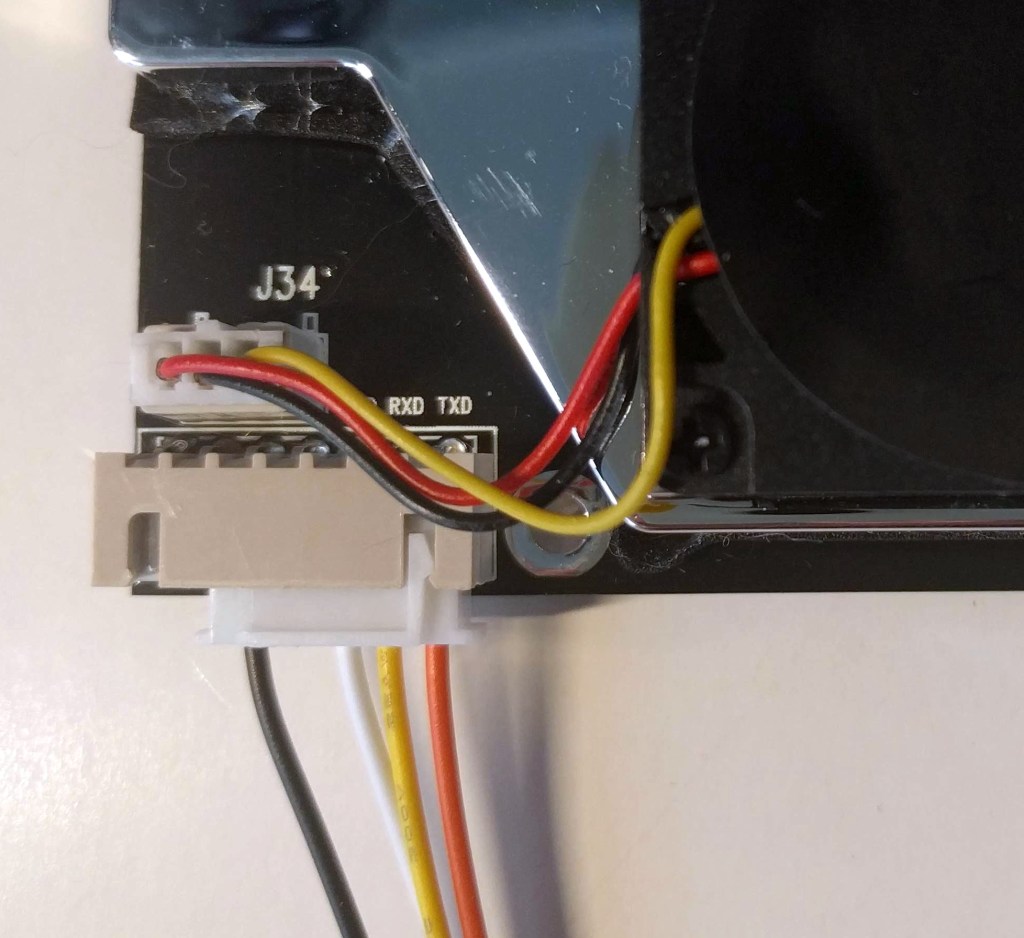
The sensor have more pins but we only need RX, TX, 5V and GND. Other can be left disconnected.
Simple SDS011 and ESP8266 circuit
We have to disconnect sensor TX and RX pins to upload new firmware. So maybe is better to add toggle switches between these pins.

























 Tauno Erik