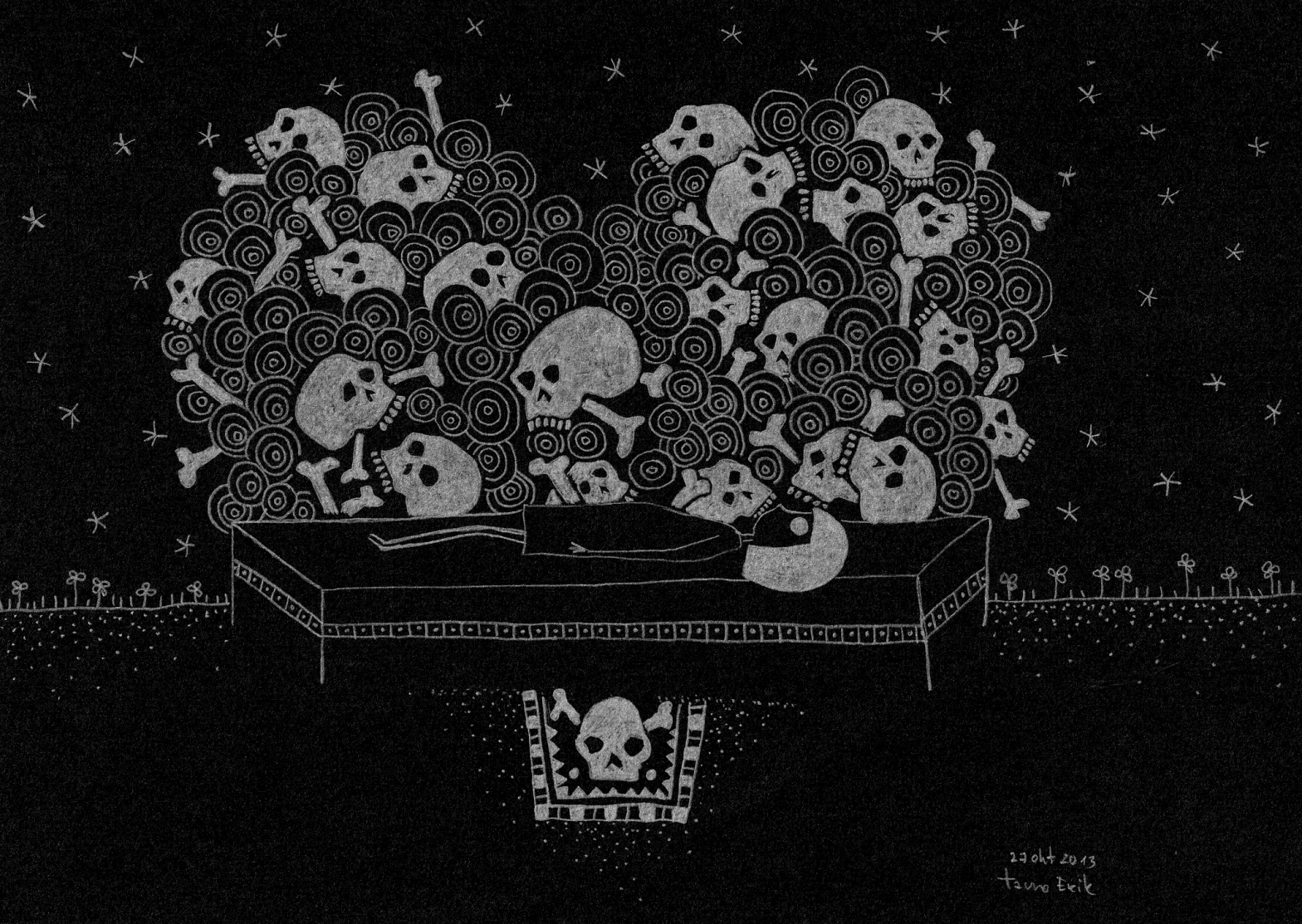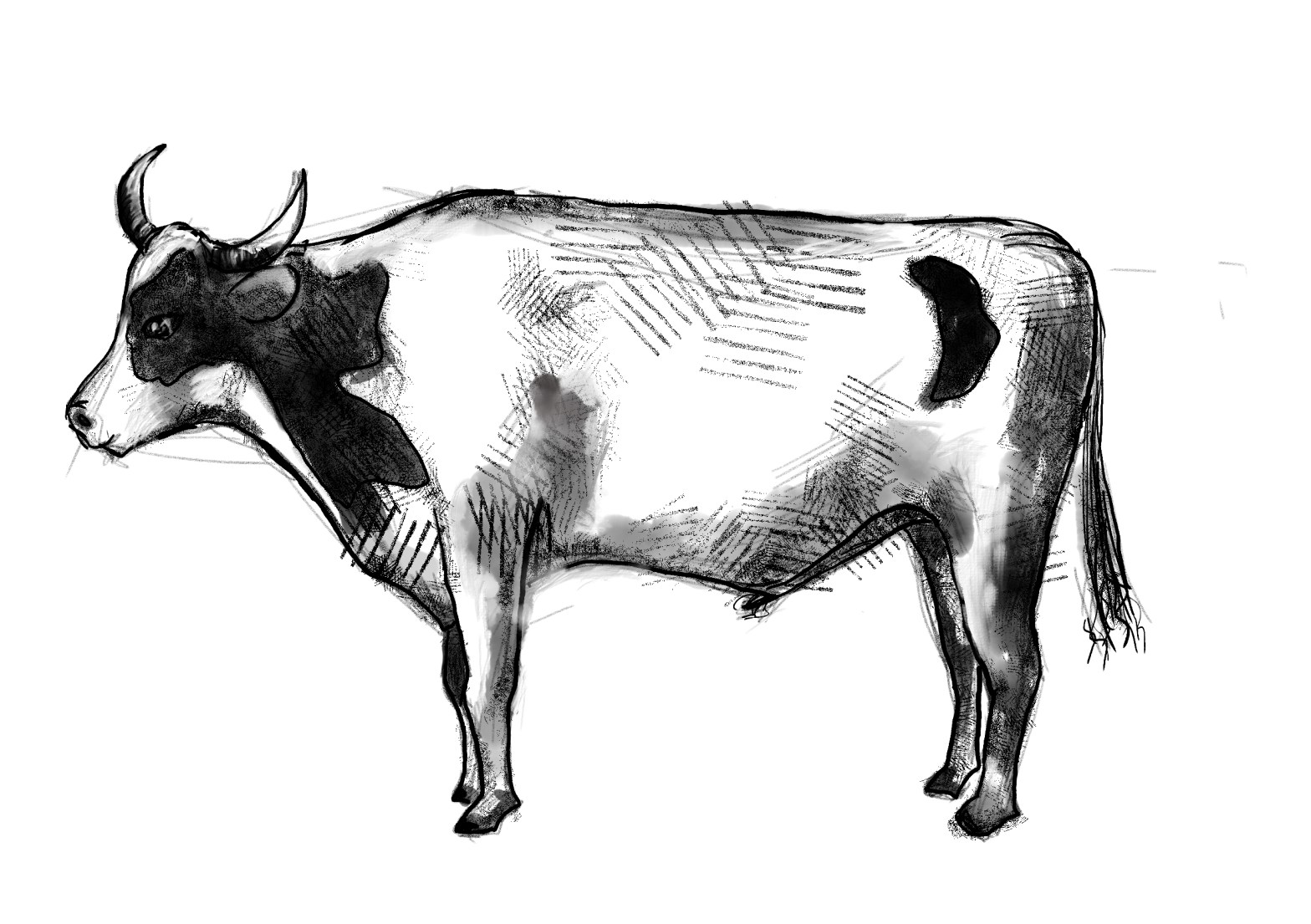
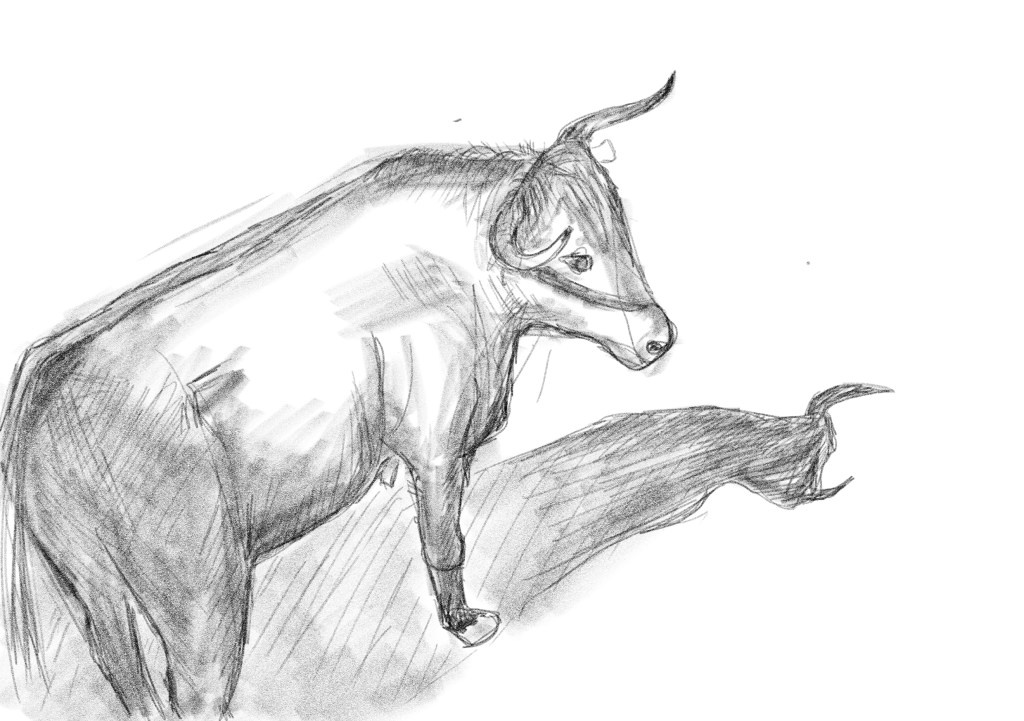
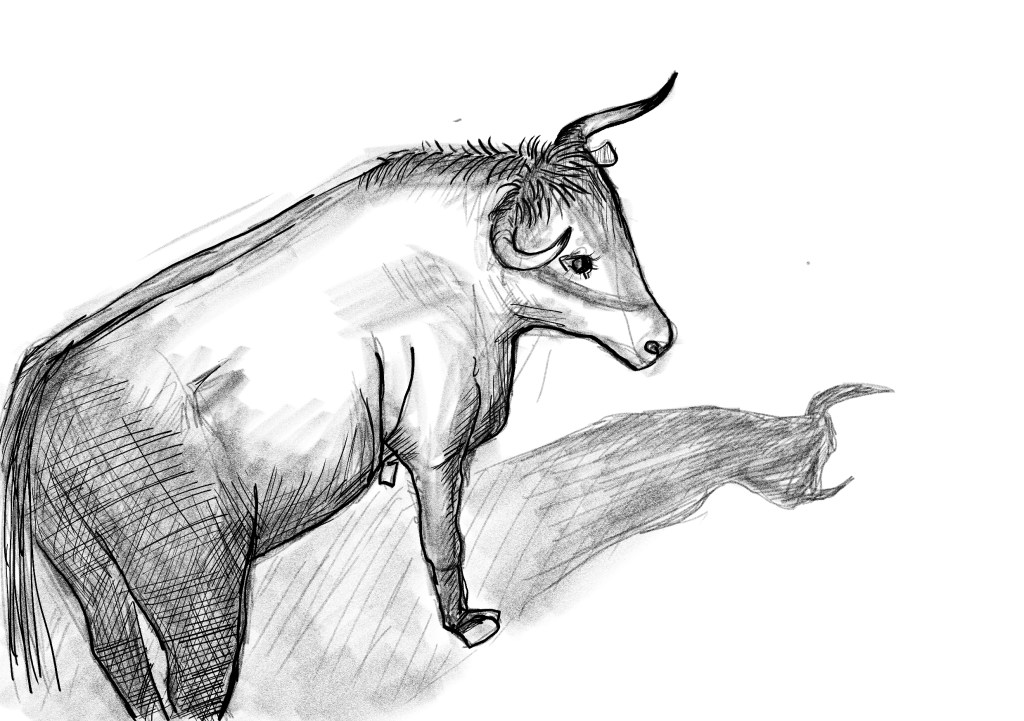
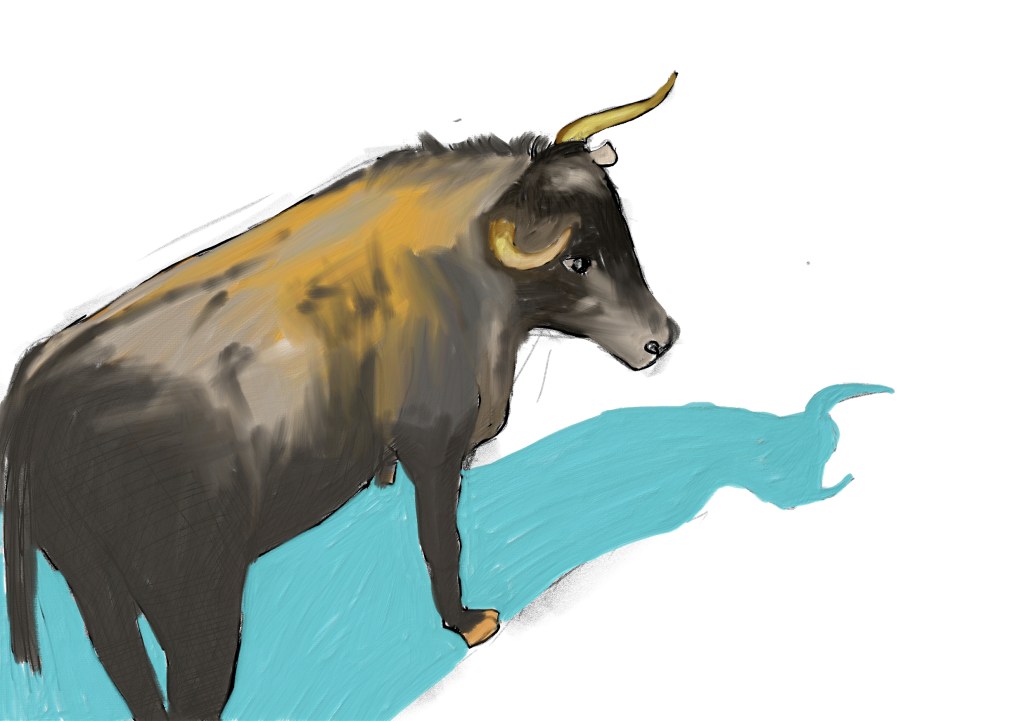
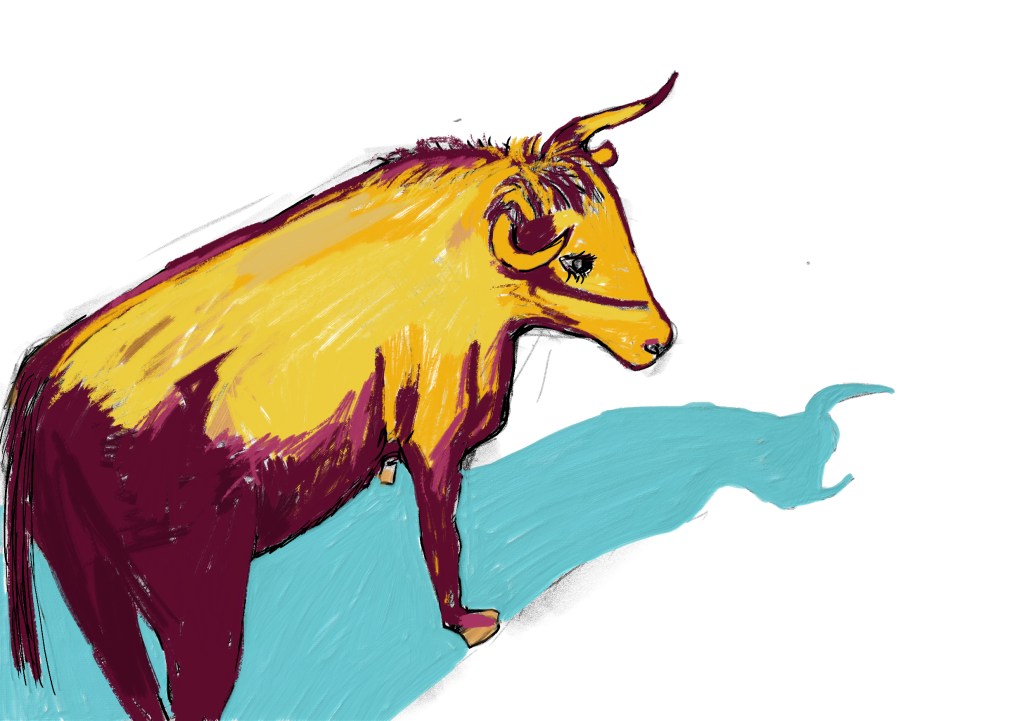
Hardware: Wacom intuos pro 24″
Software: Adobe Fresco
Hardware: Wacom intuos pro 24″
Software: Adobe Fresco
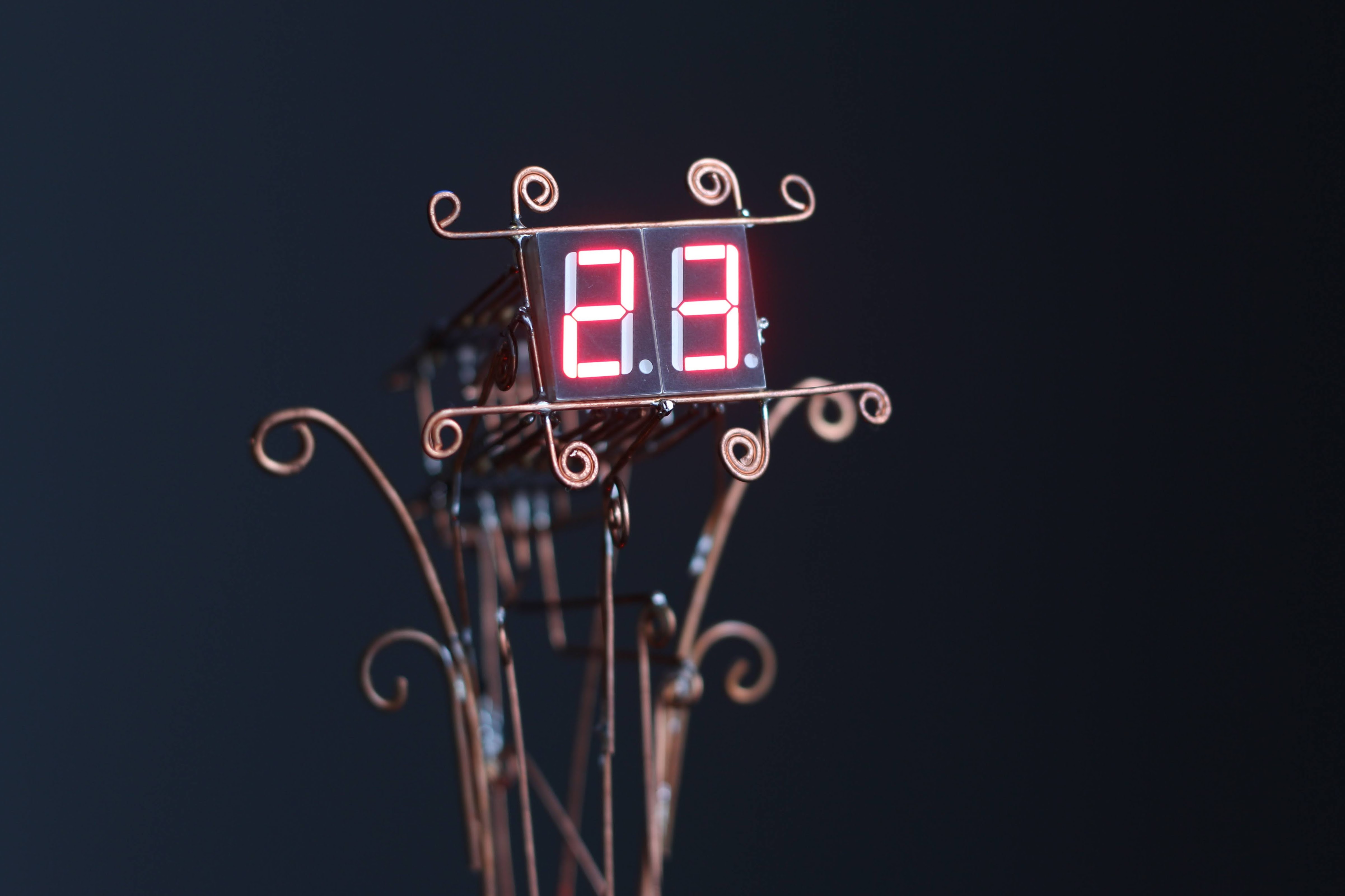
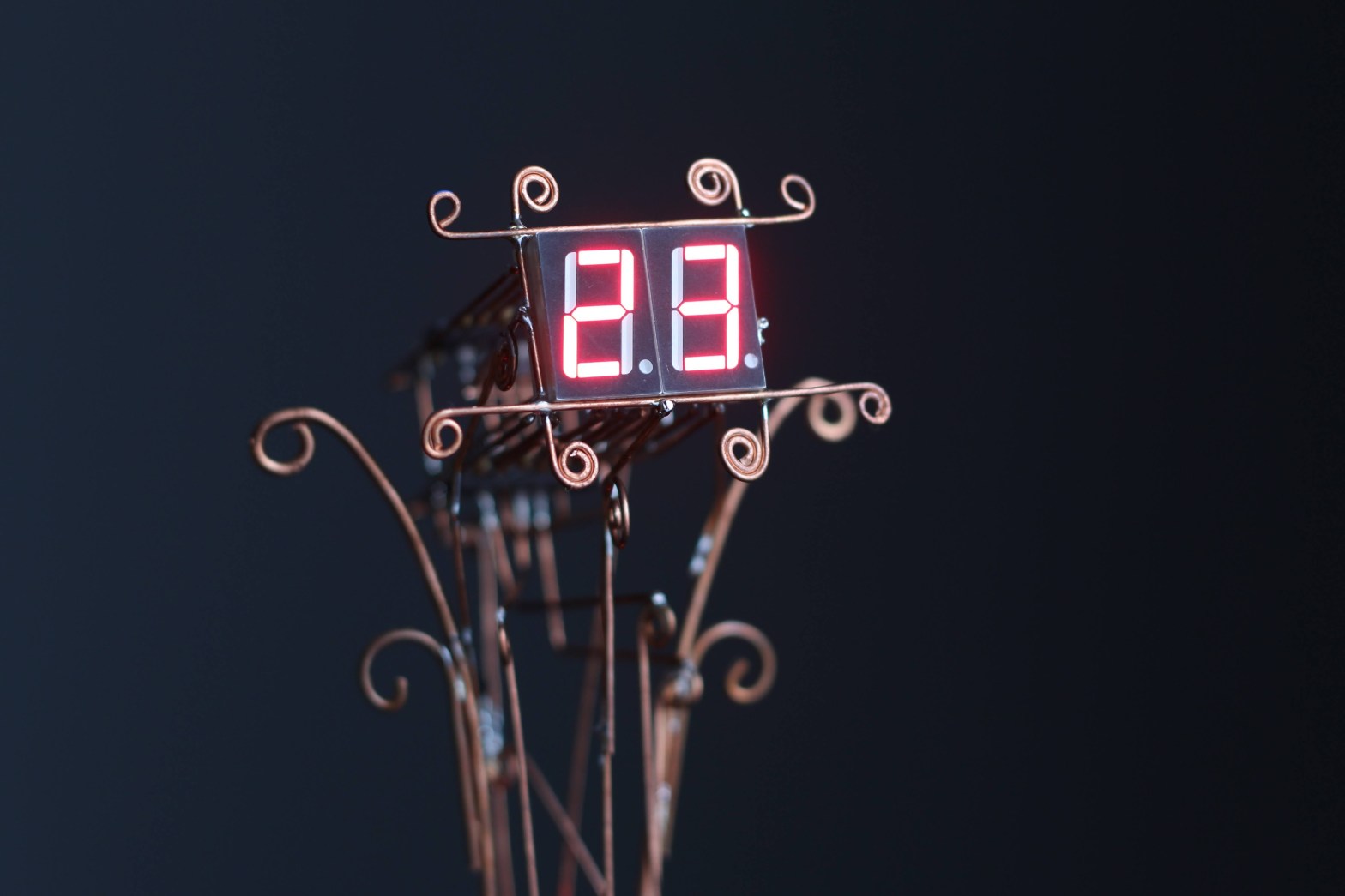
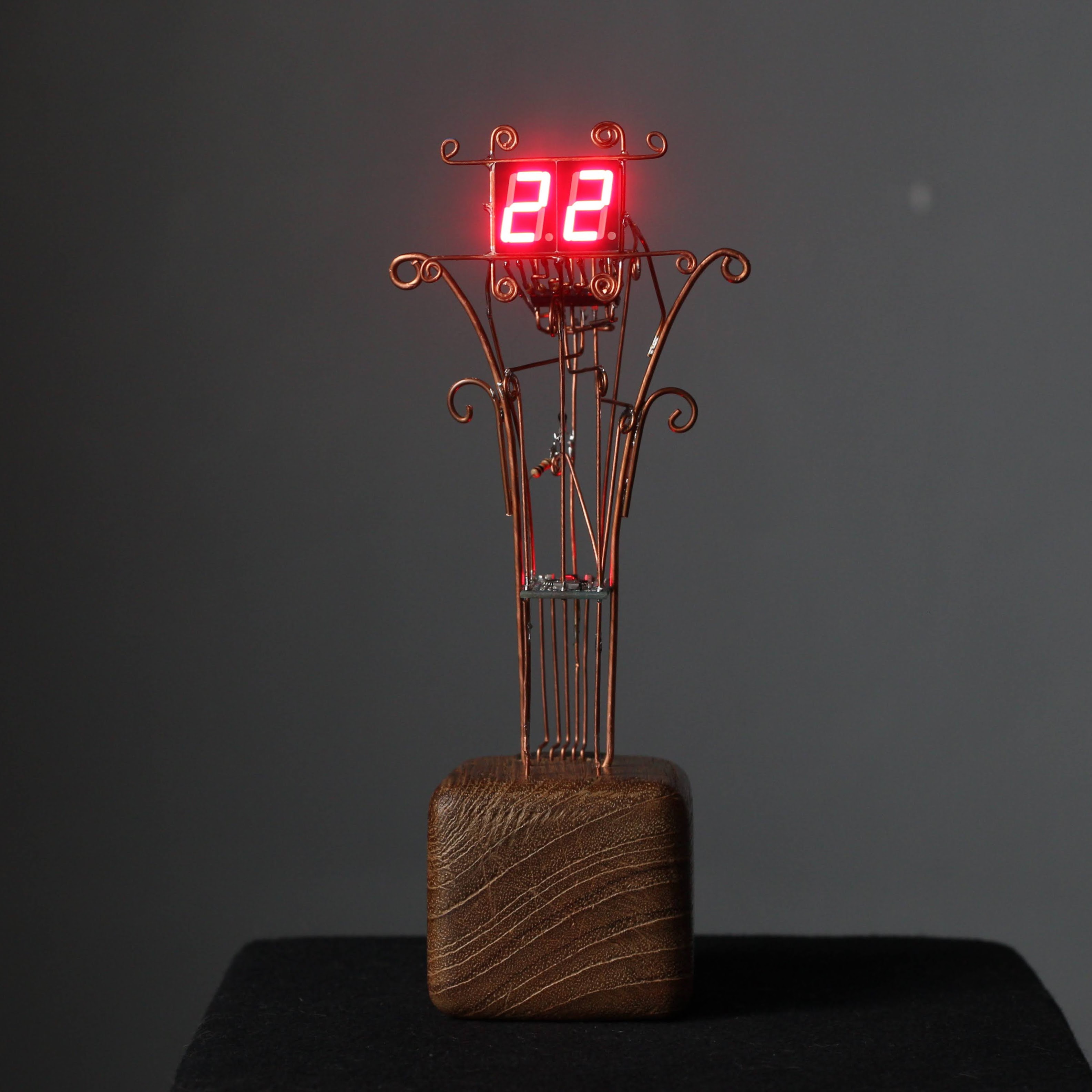
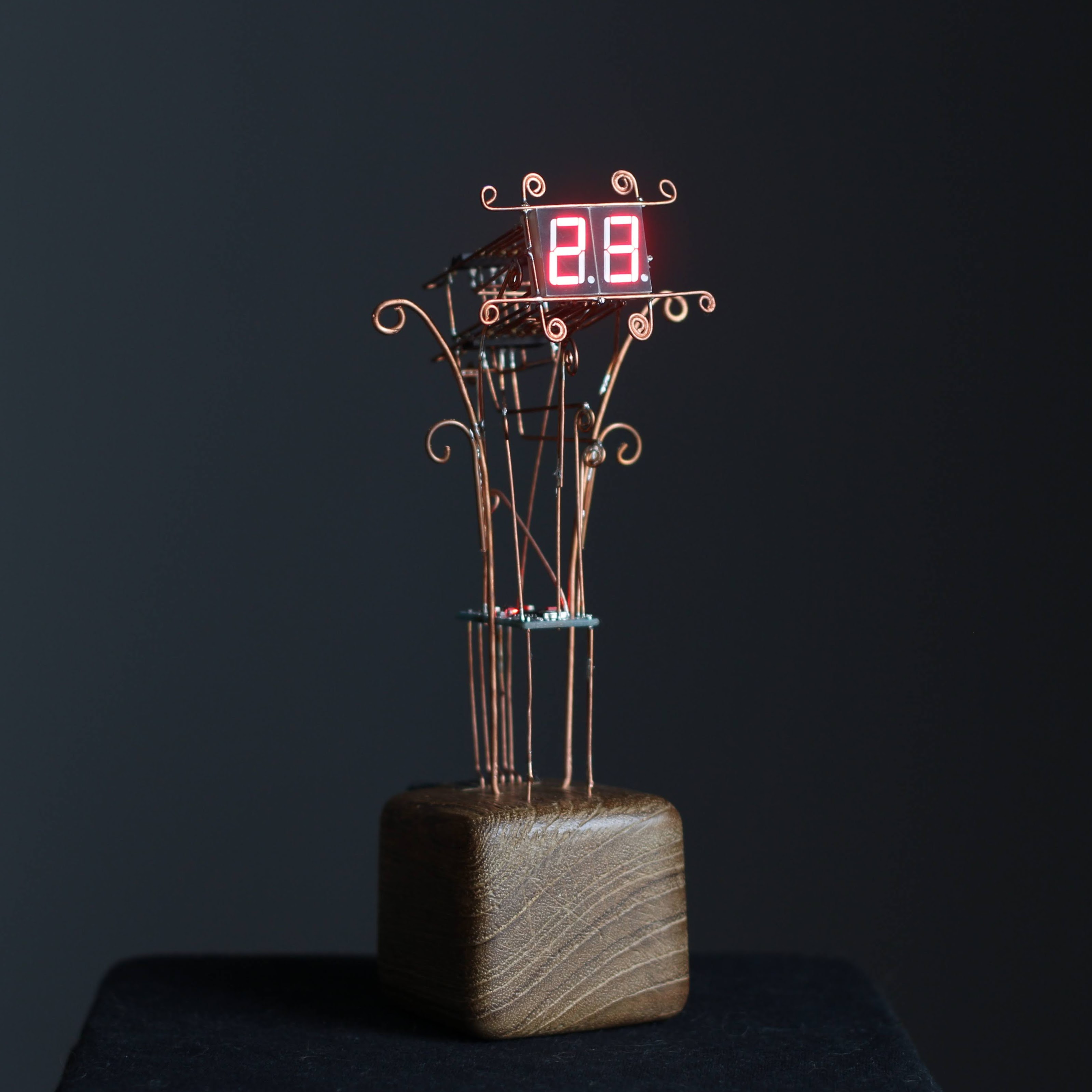
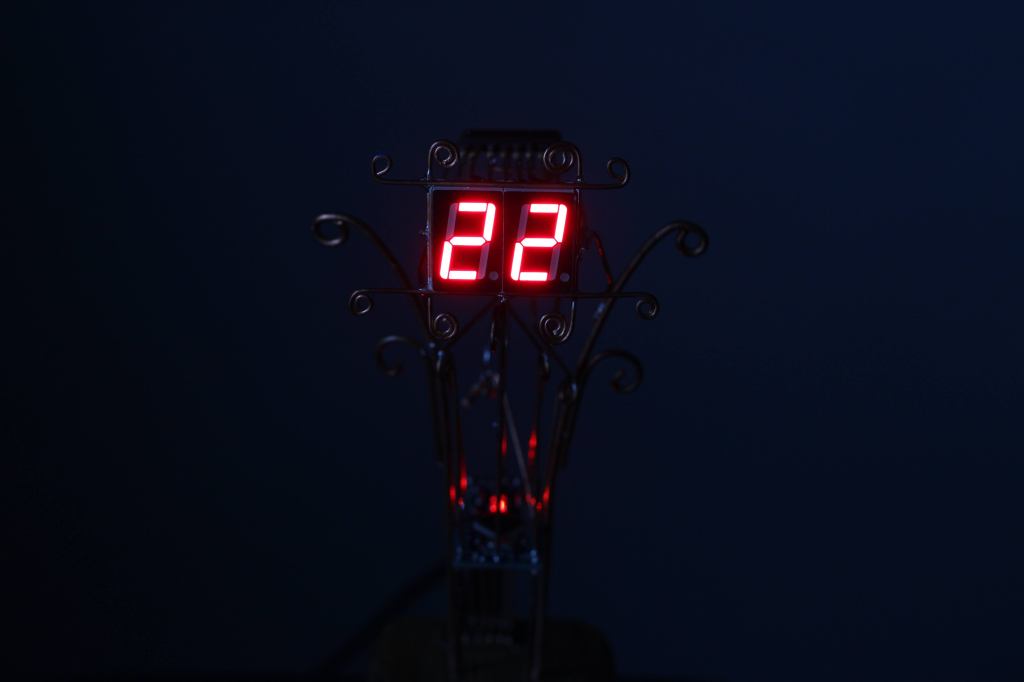
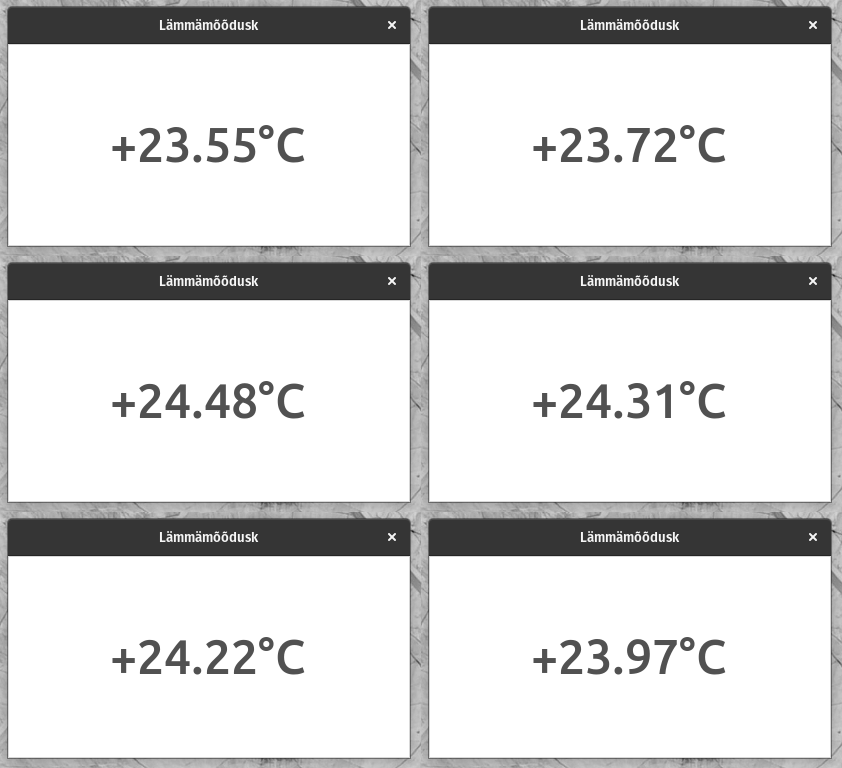
A device that measures the ambient temperature in the environment in which it is located. And displays it on the screen.
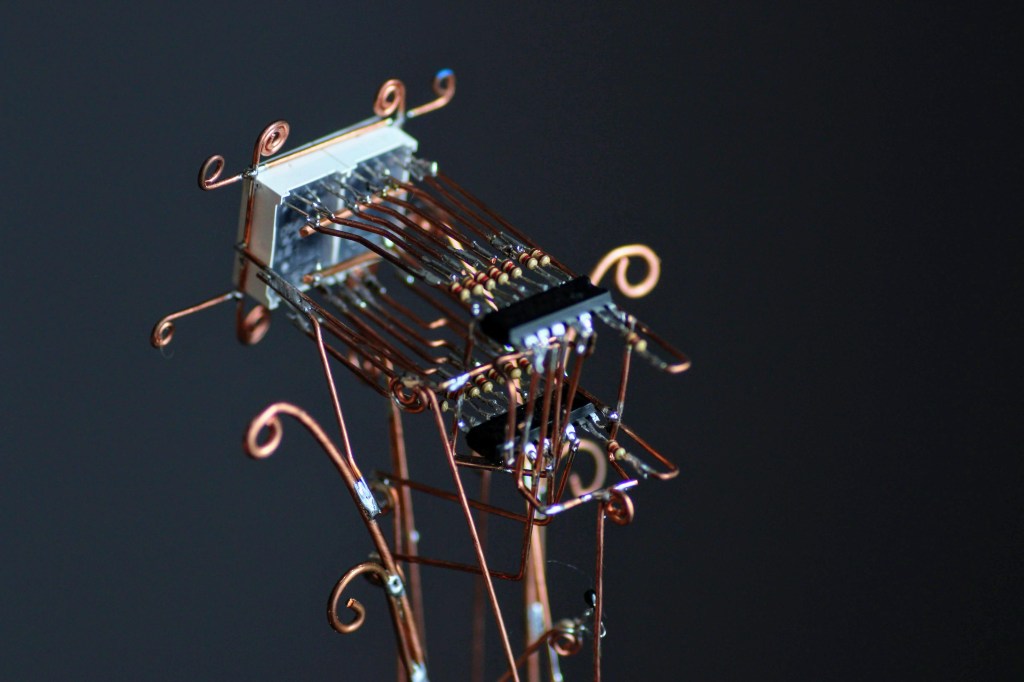
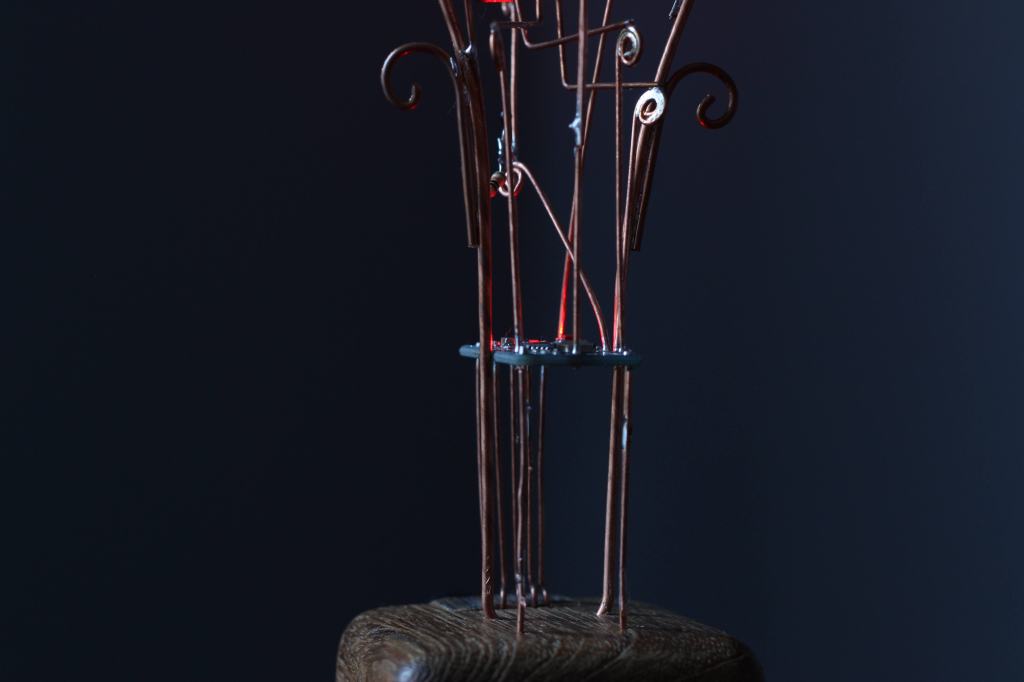
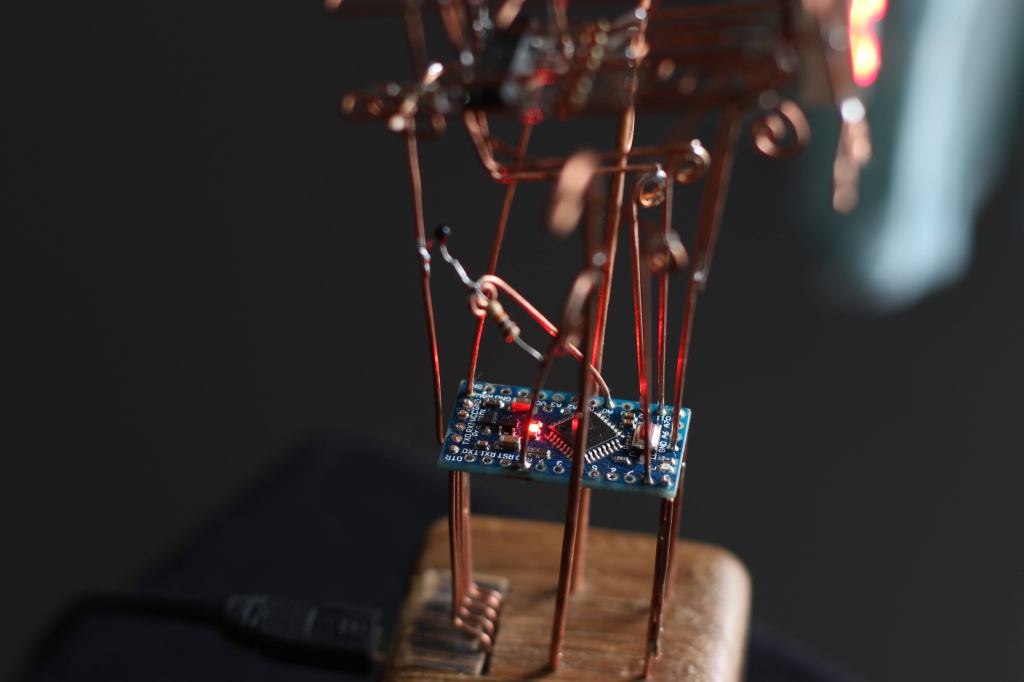
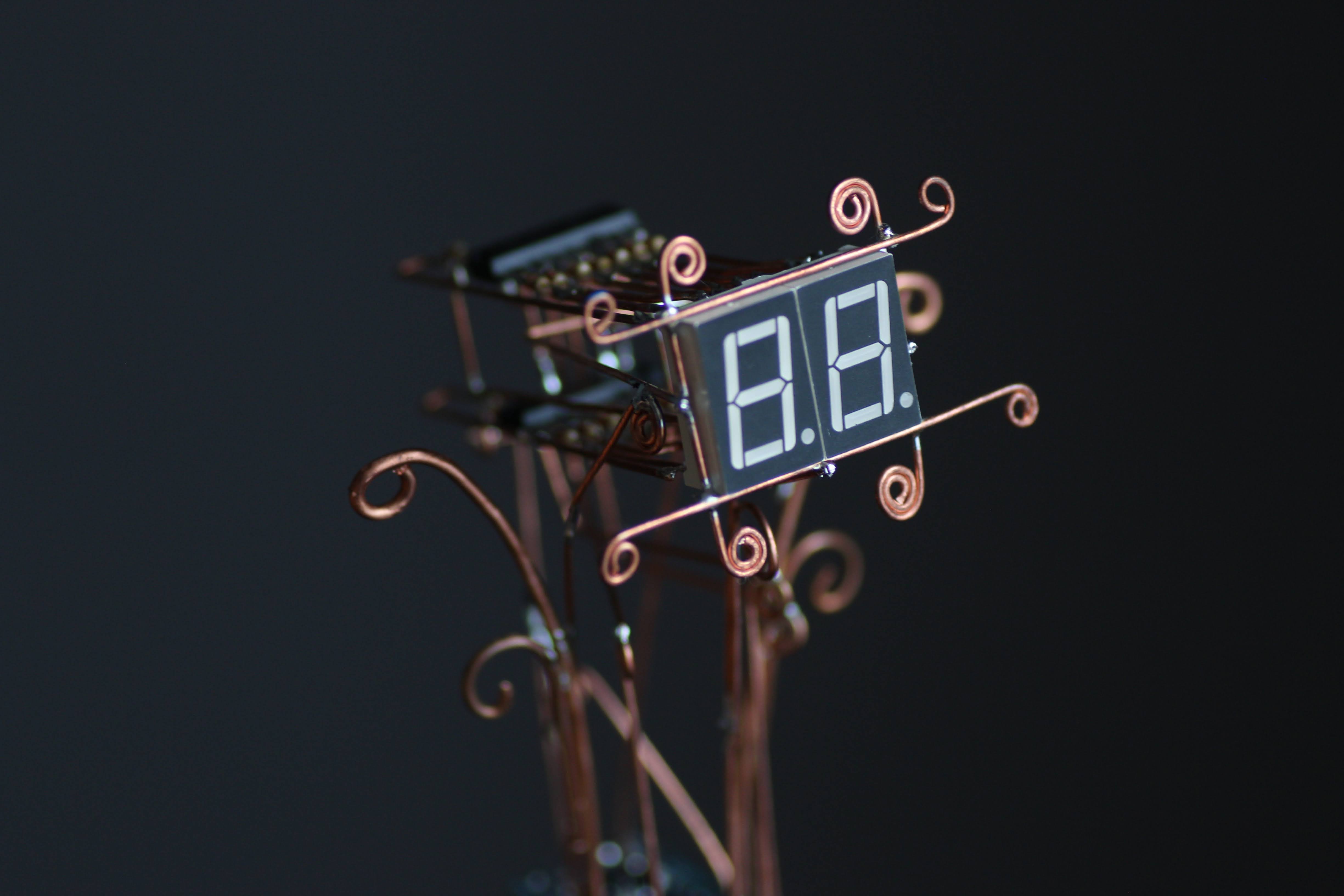
Plant-like structures. Display like blossom. Bottom woodblock aged with brushing with a wire brush and oxidation solution (steel wool + vingar).
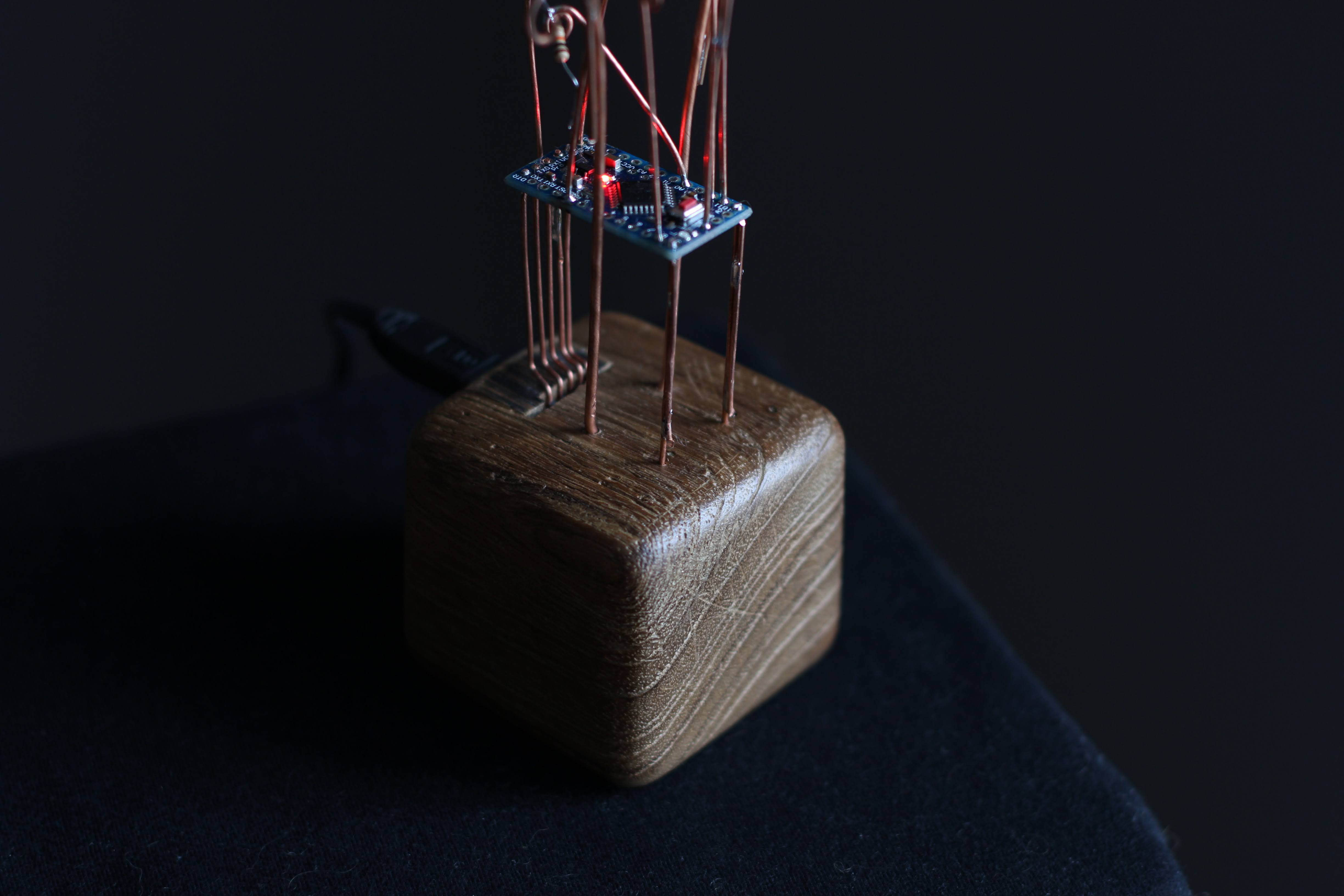
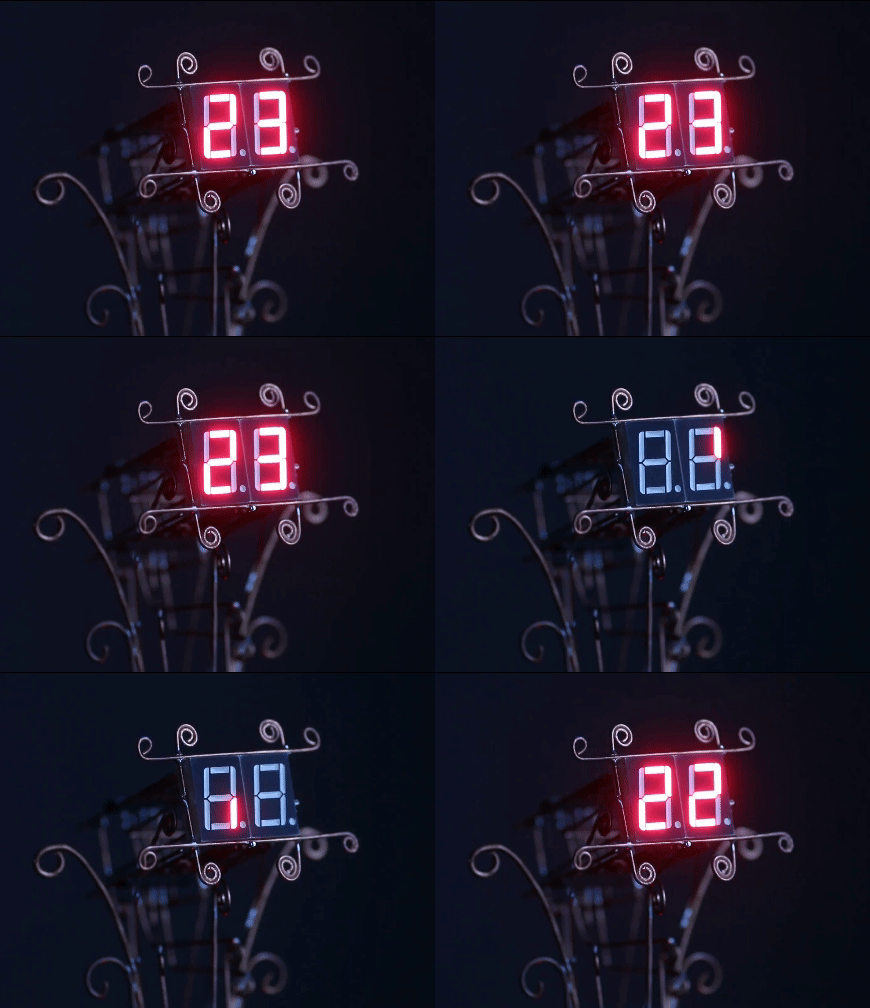
When the number to display changes it plays short animation.
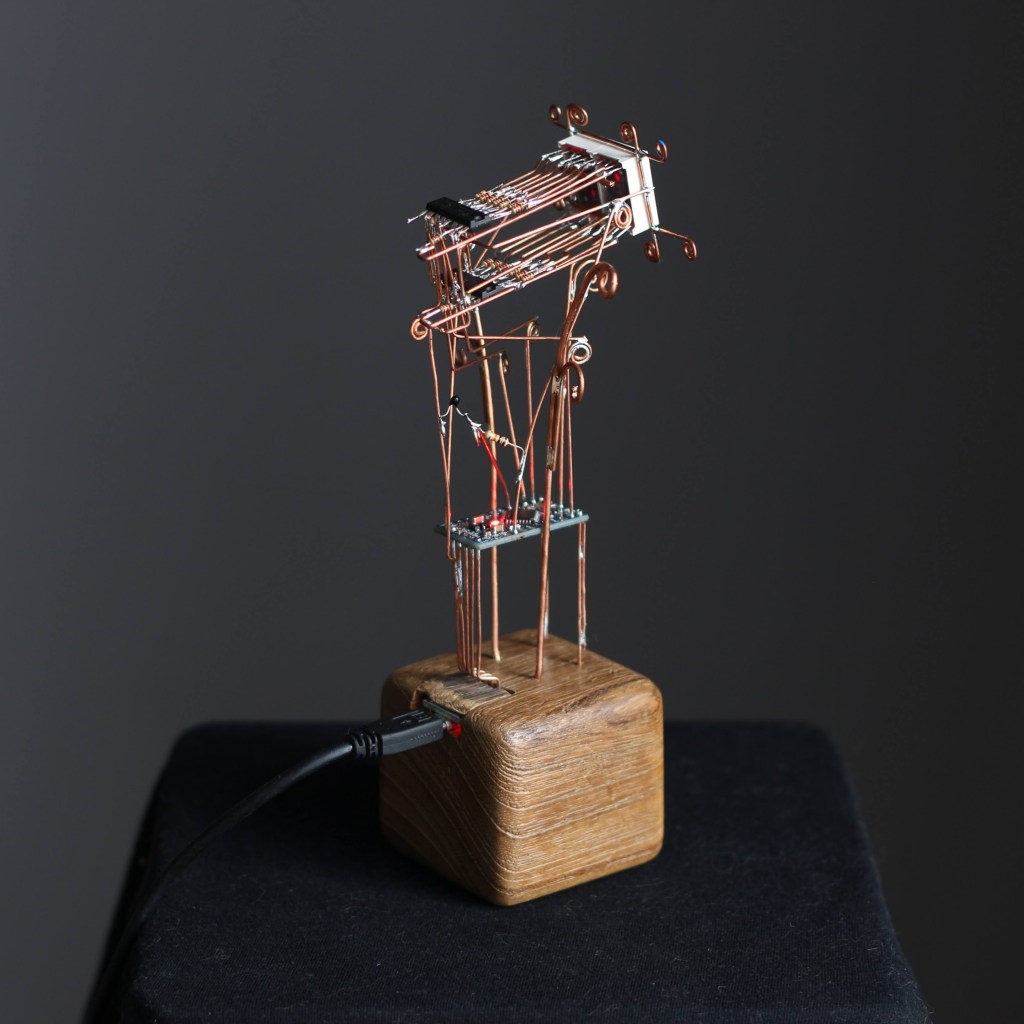
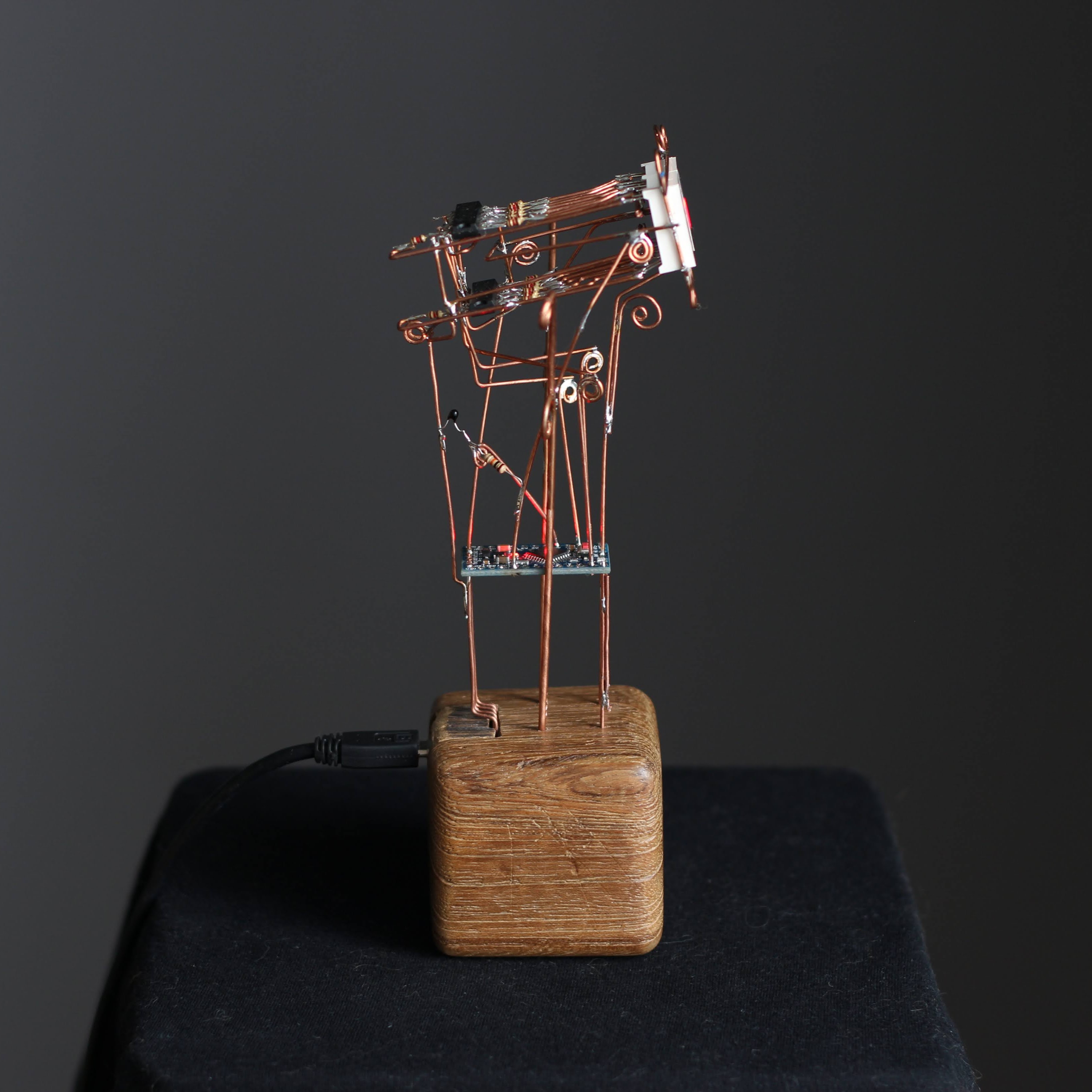
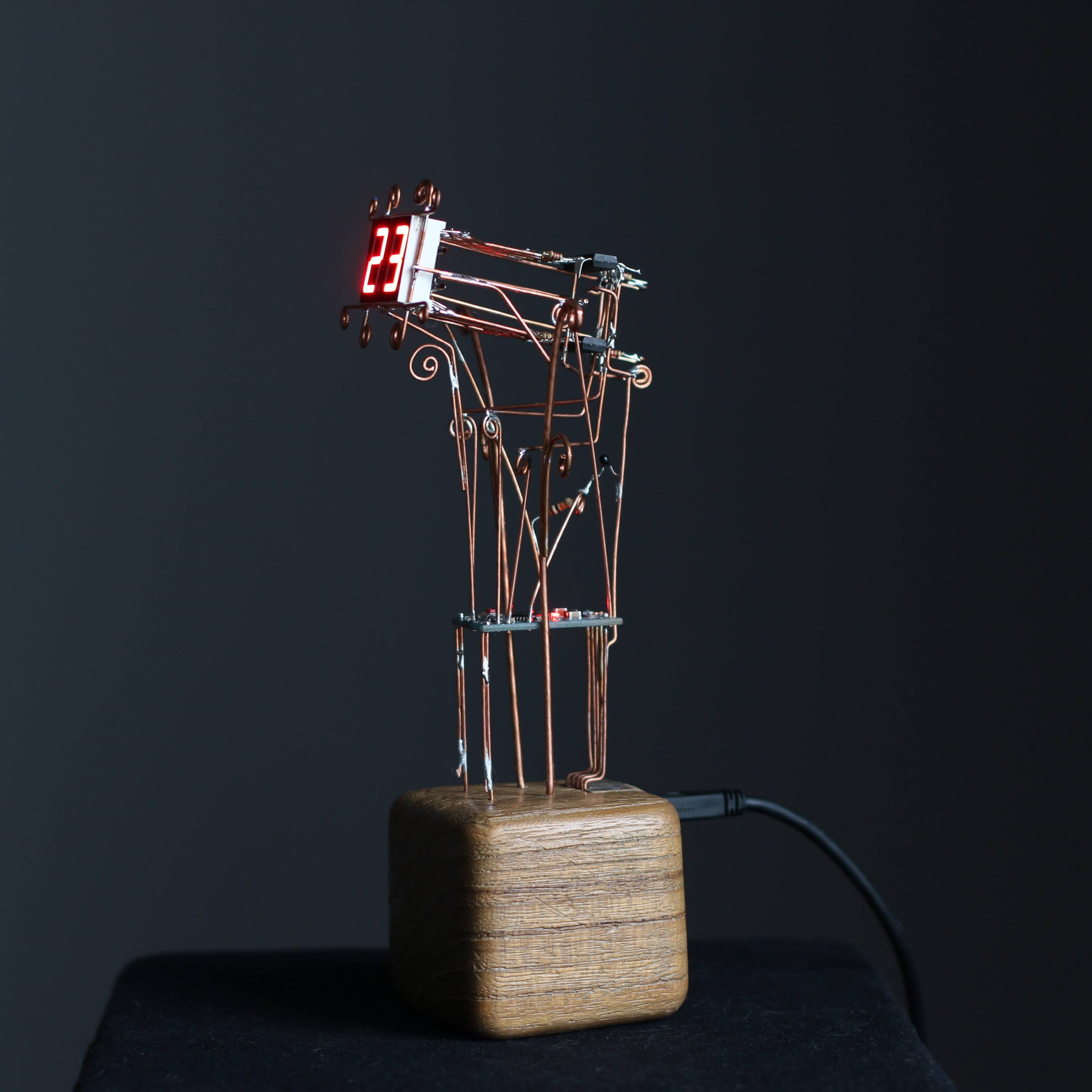
The first goal was to test an easier way to connect 7-segs and shift registers.
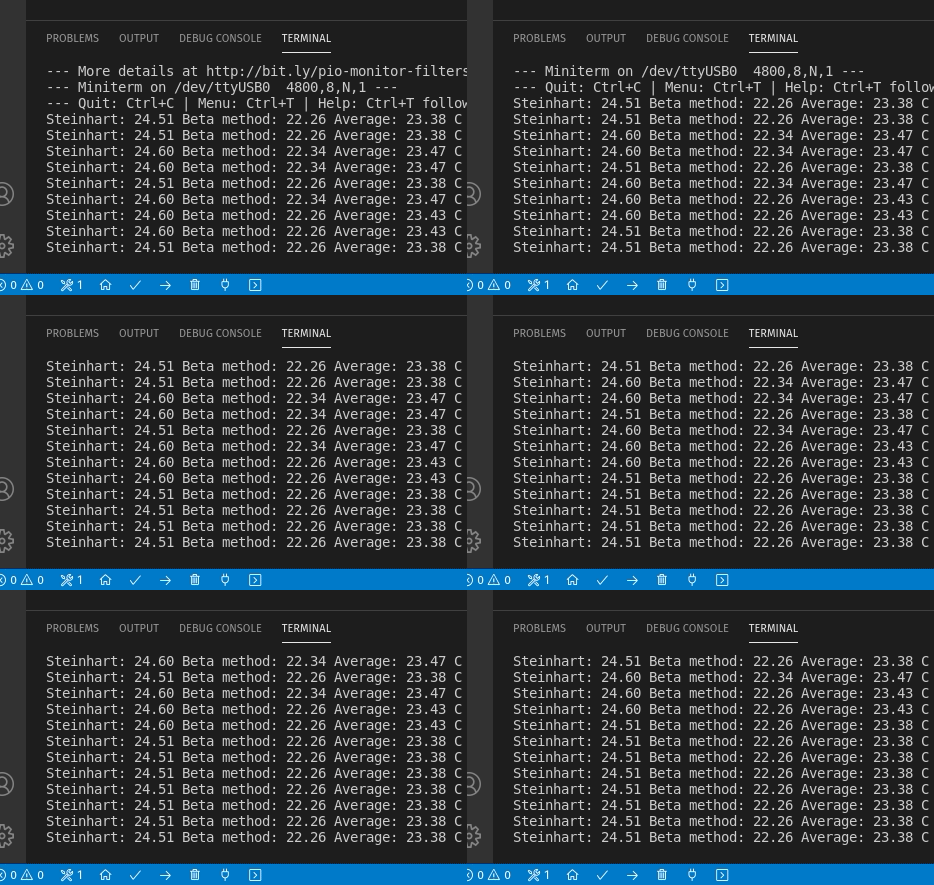
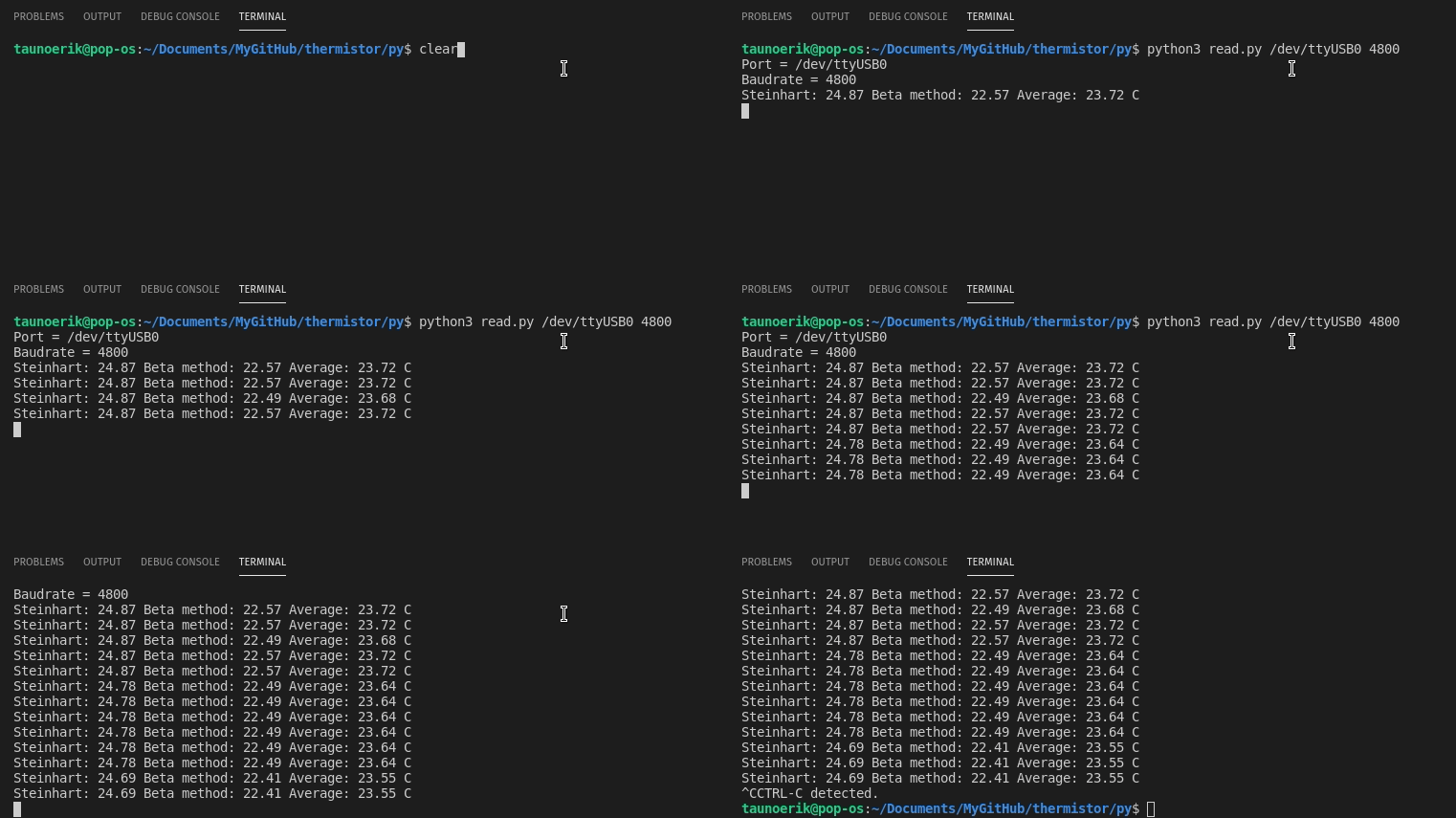
Main CPU, Arduino pro mini, uses thermistor to calculate temperature. Uses two different algorithms for this: Steinhart-hart equation and Beta model equation.
The display consists of two seven-segment displays. Drived by two 74HC595 shift registers. Which is connected to the seven-segment displays in a non-traditional way.This makes the construction easier.
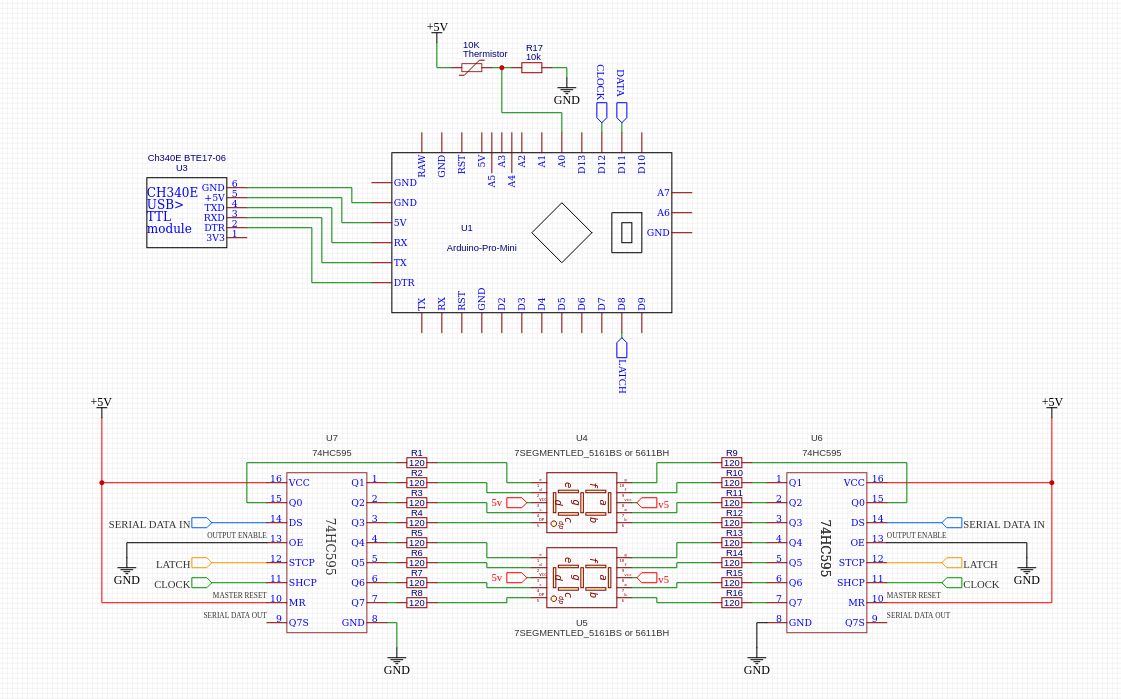
| no | Description | pcs |
| 1 | Arduino pro mini Mega328p 5V | 1 |
| 2 | Shift Register SN74HC595N | 2 |
| 3 | 7-segment 5611BH / 5161BS | 2 |
| 4 | Resistor 120 | 16 |
| 5 | CH340E USB to TTL BTE17-06 | 1 |
| 6 | Thermistor 10k | 1 |
| 7 | Resistor 10K | 1 |
The simplest way to read serial data is to use Miniterm:
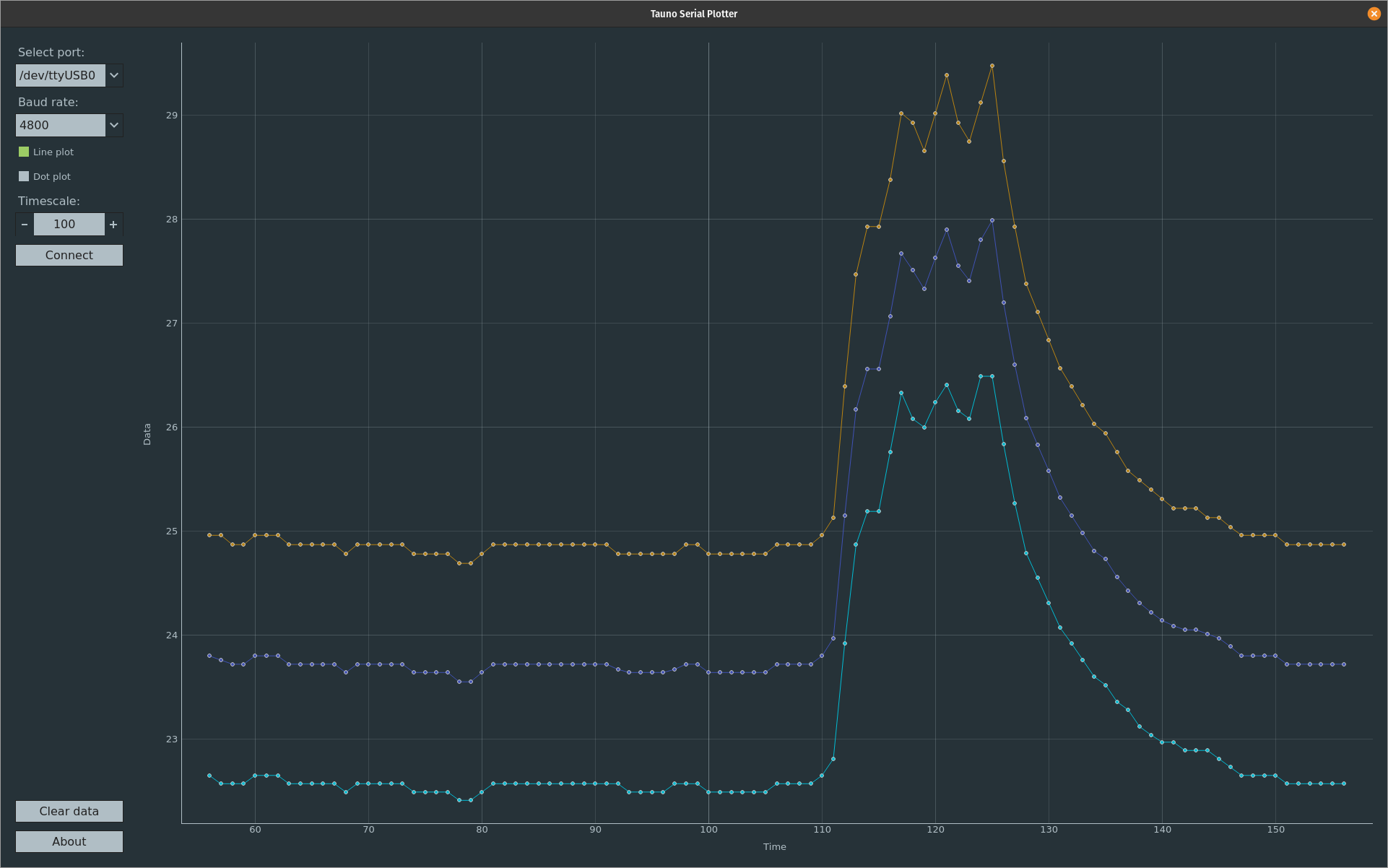
Also, I have made two Python scripts. read.py and simple GUI app gui.py. What display average temperature.
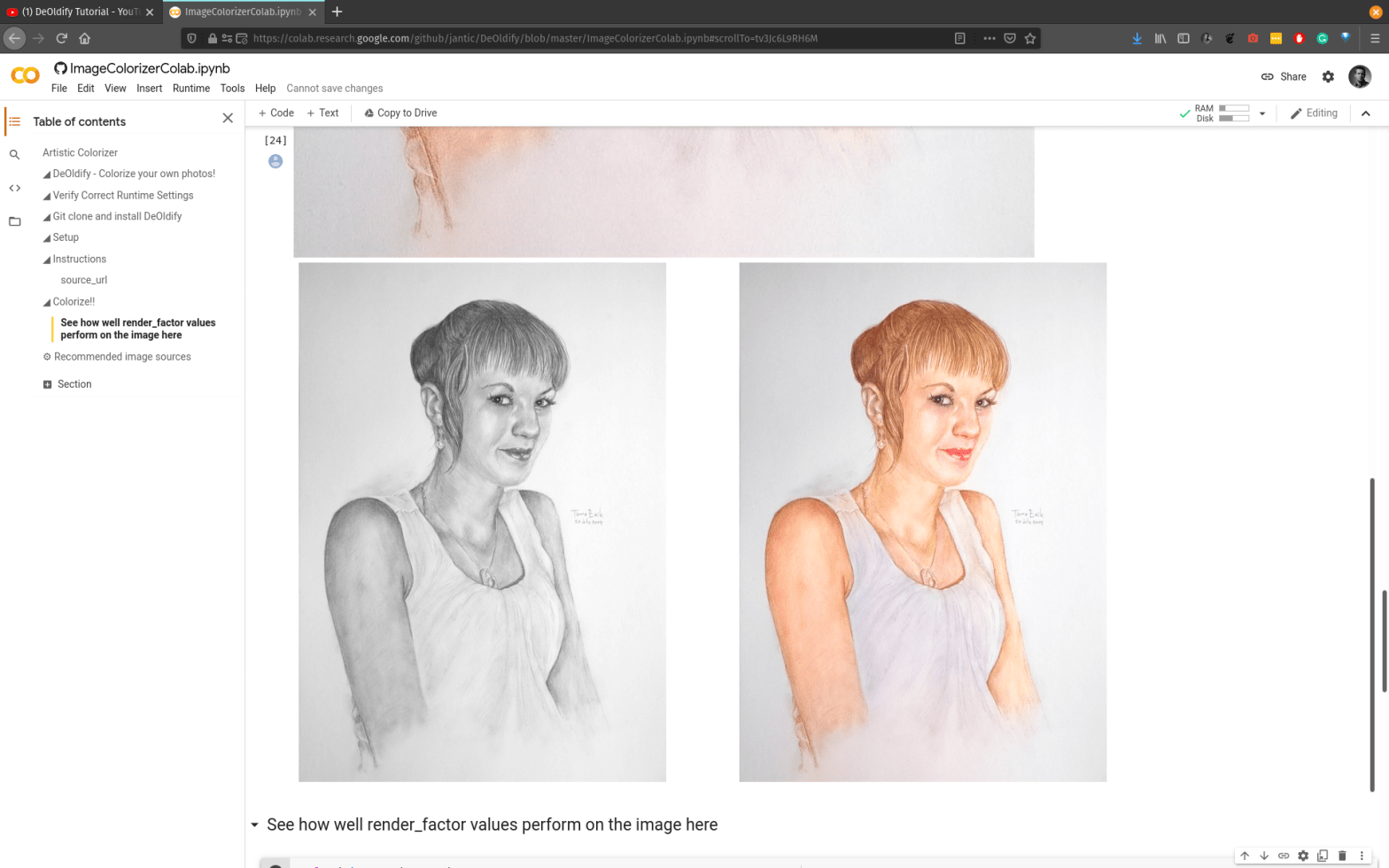
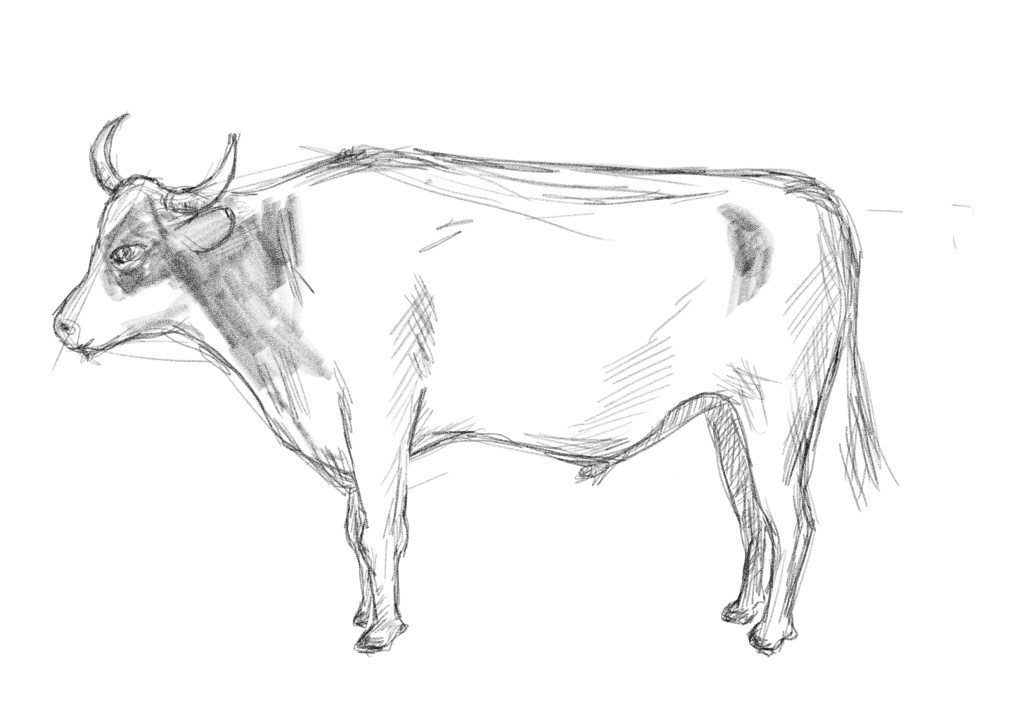
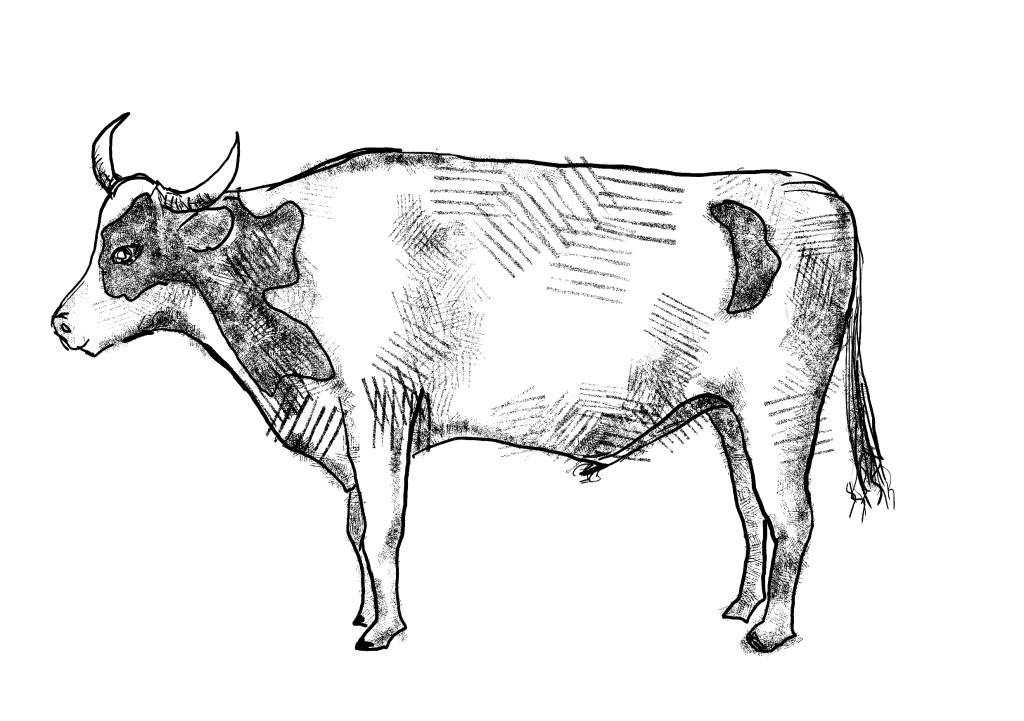
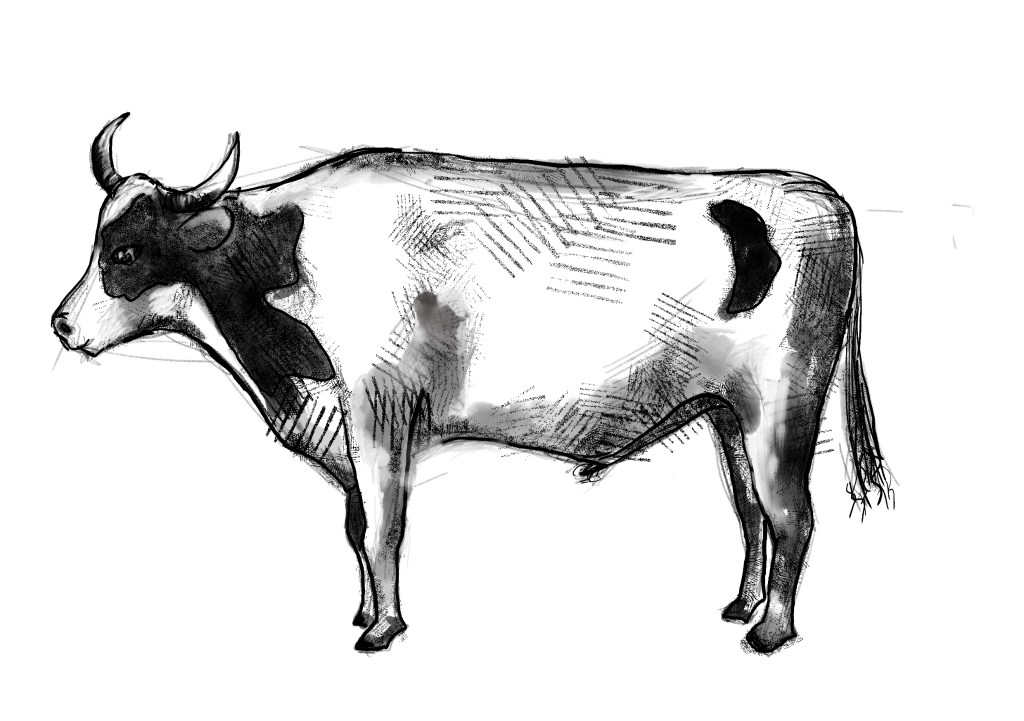
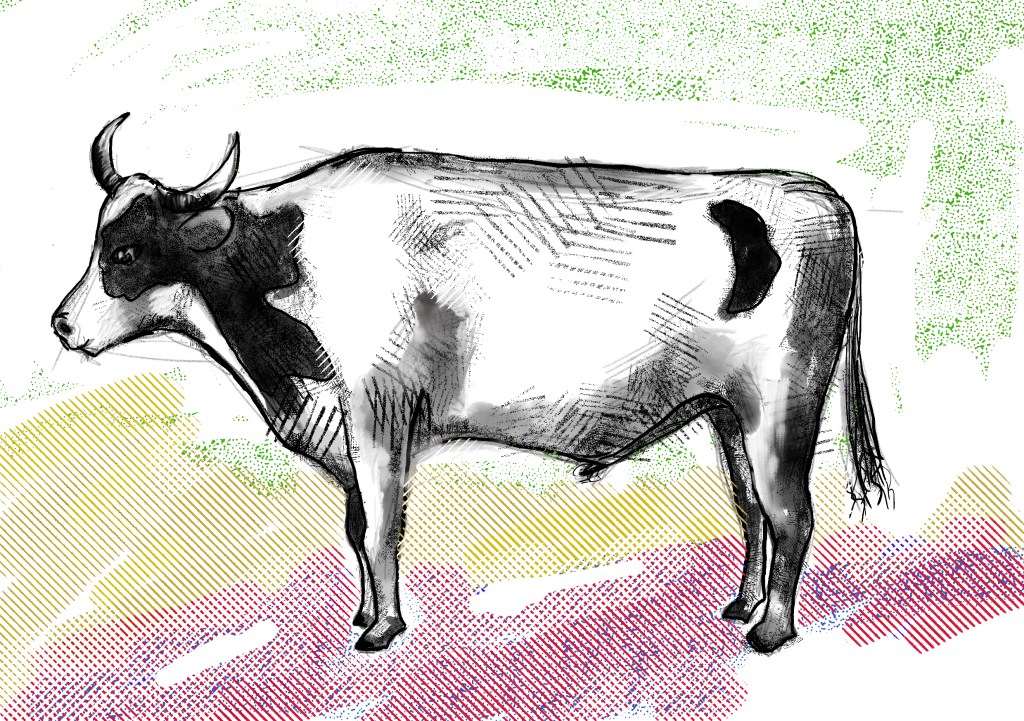
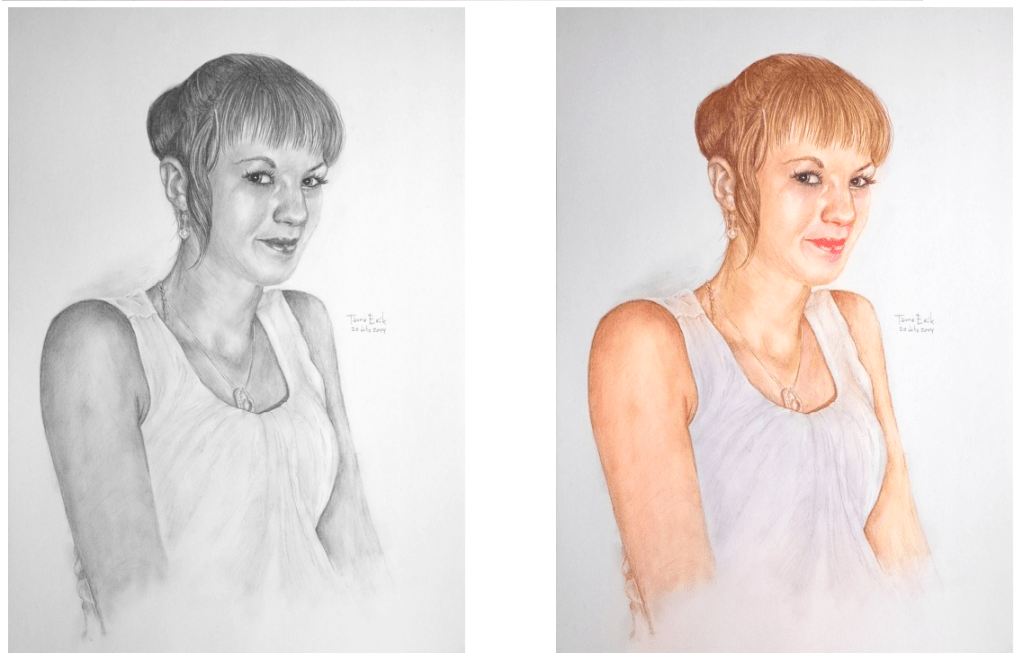
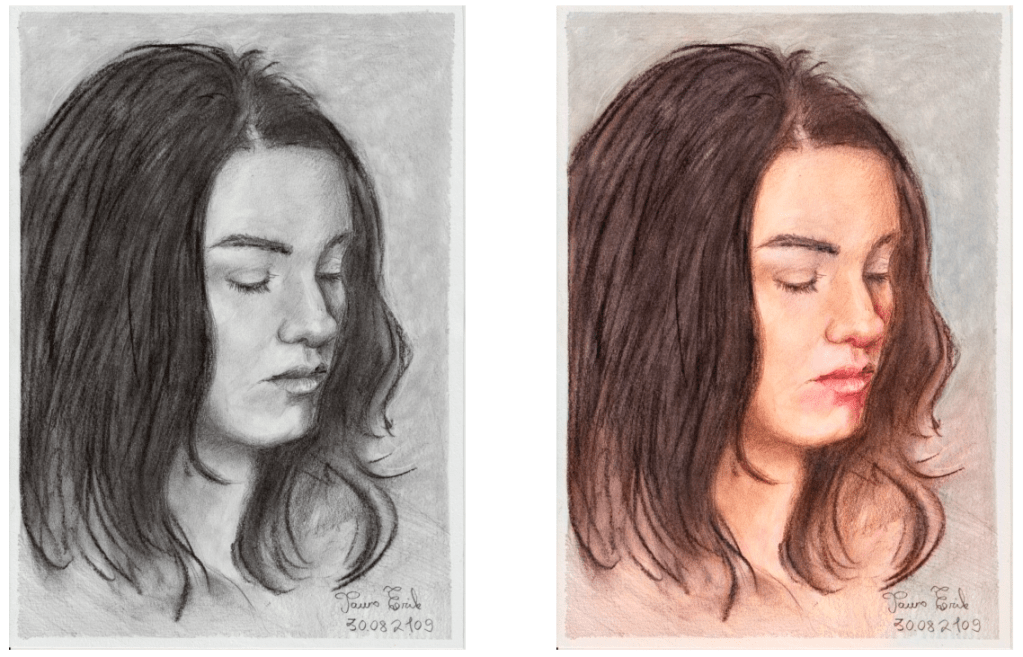
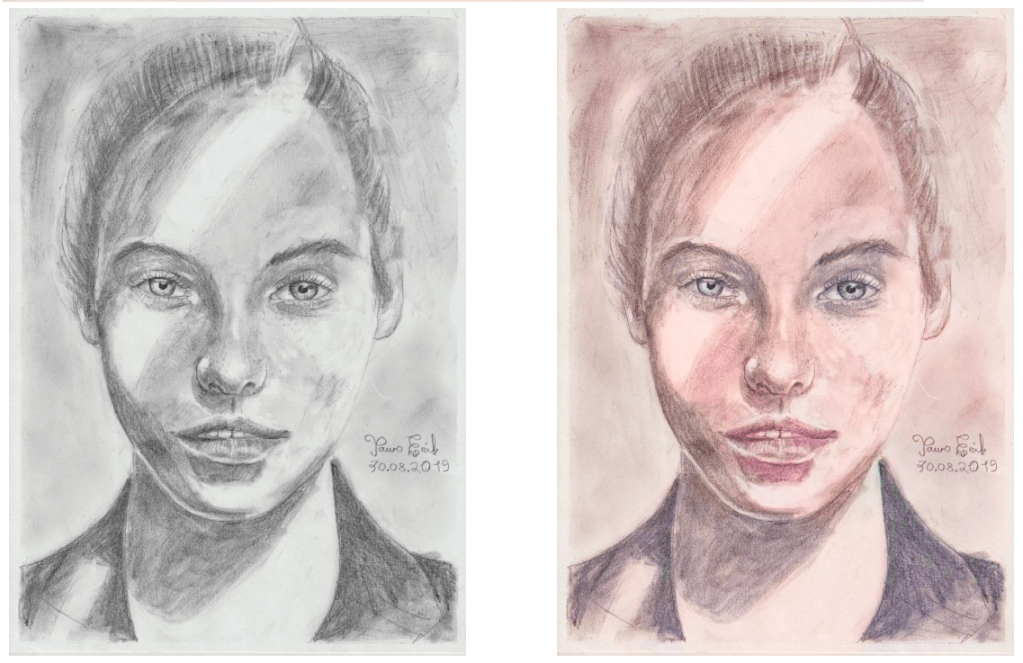
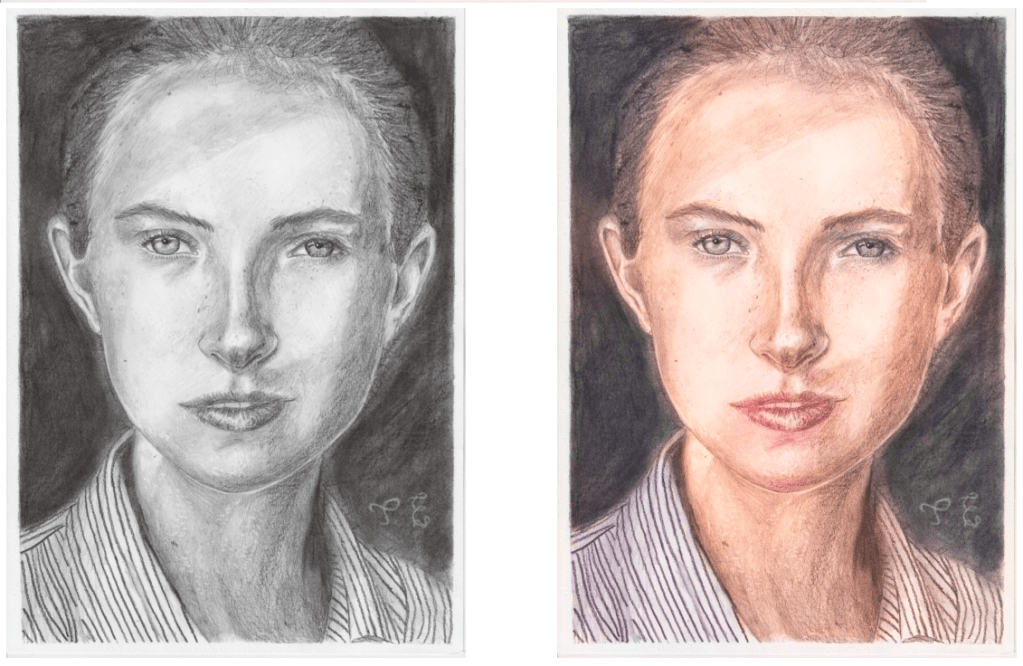
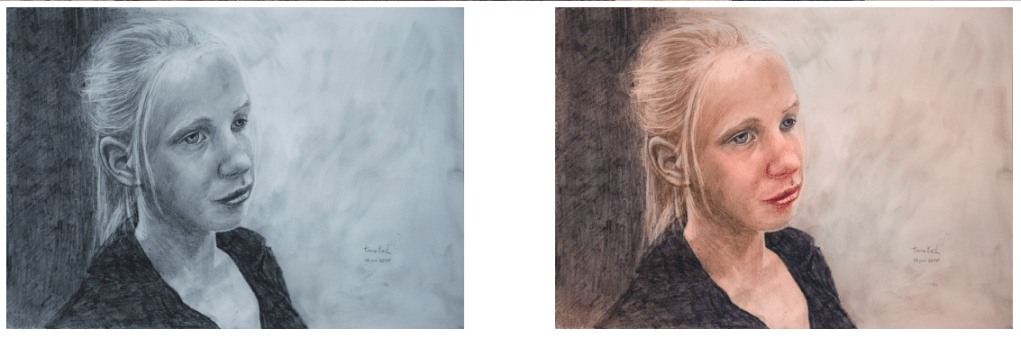
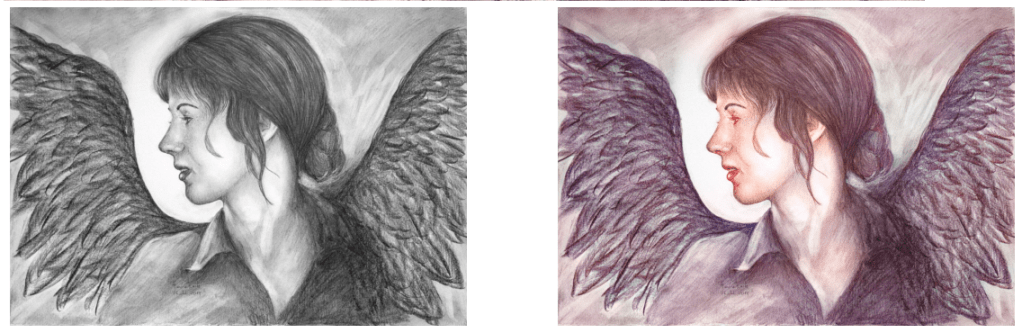
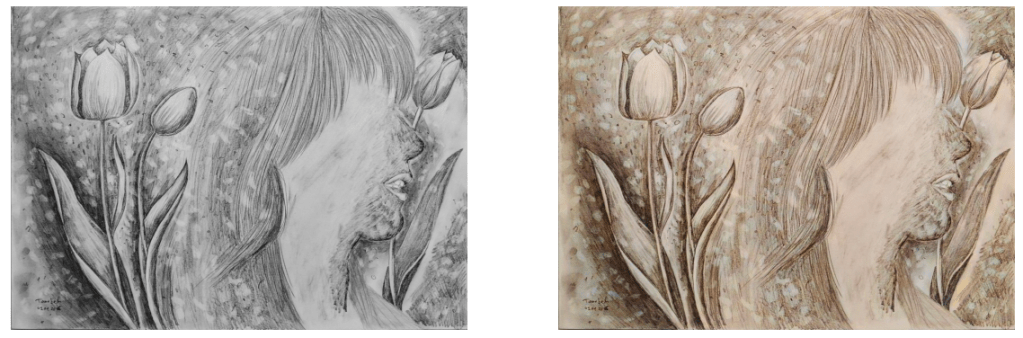
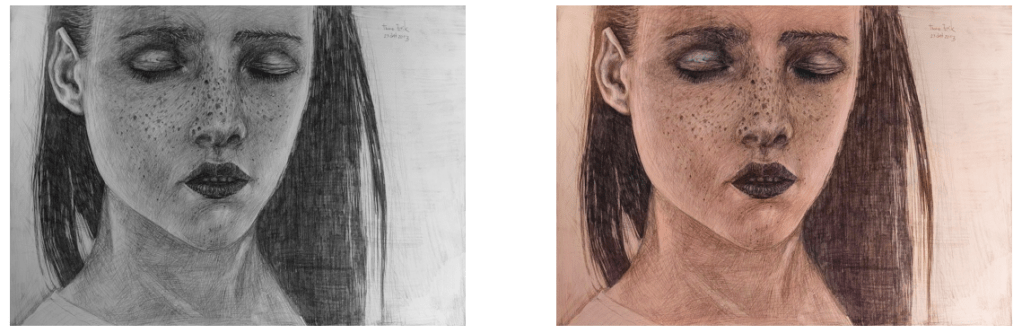
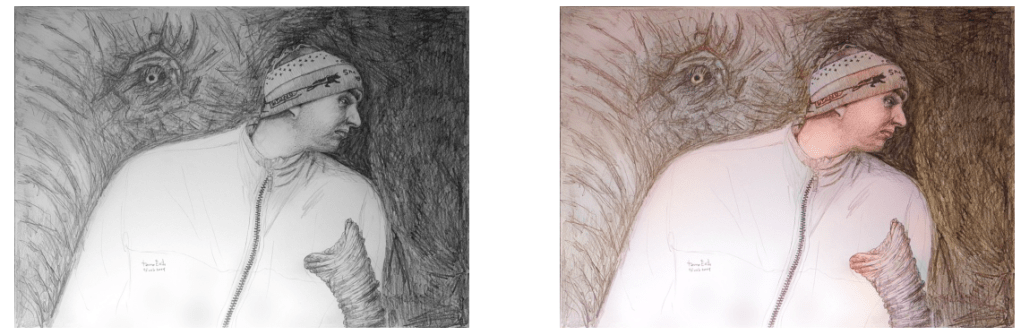
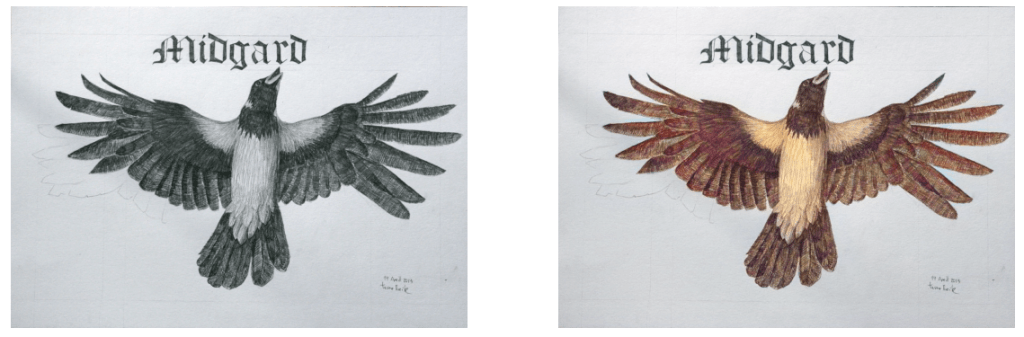
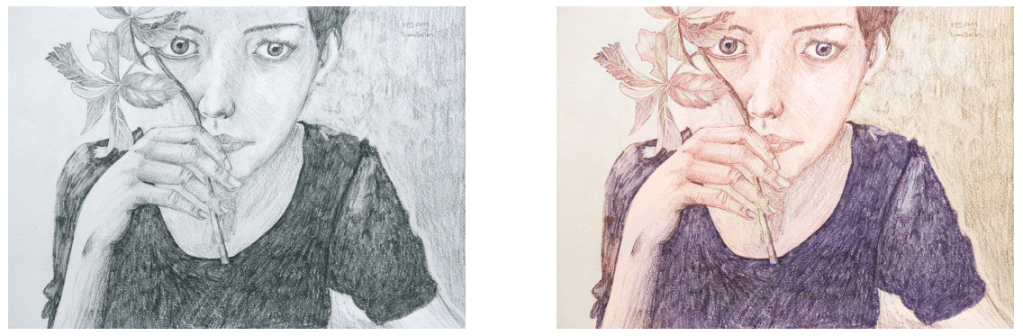
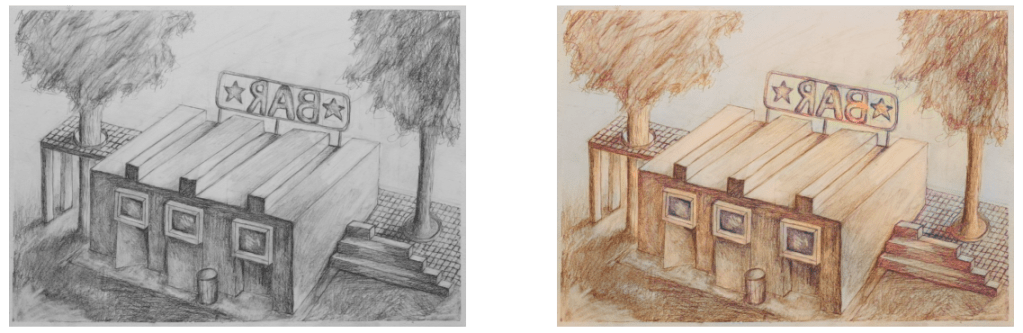
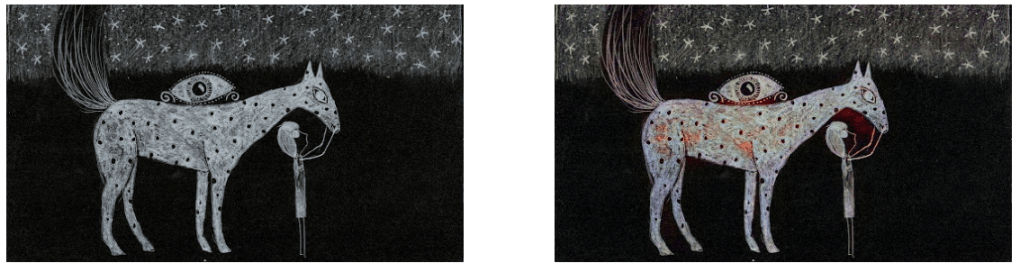
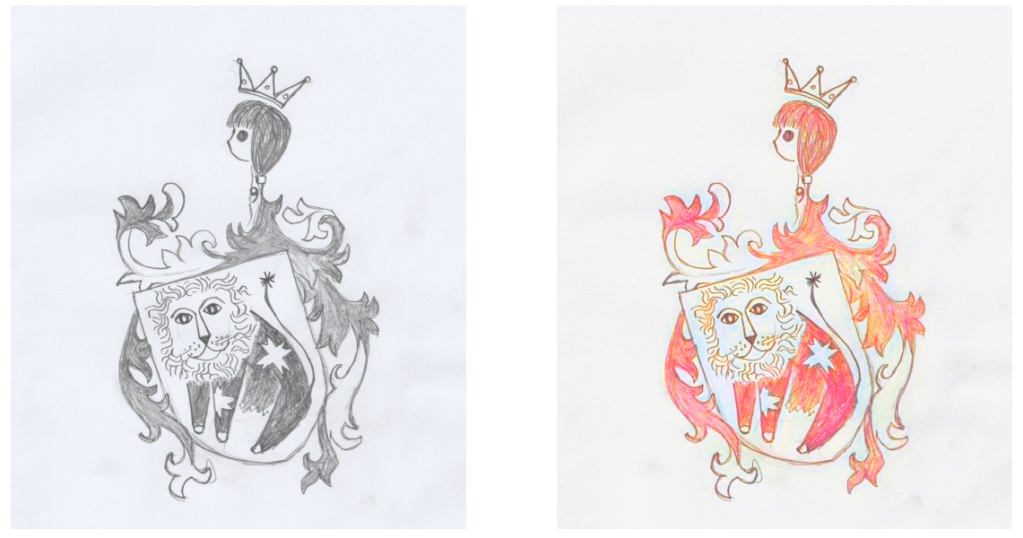
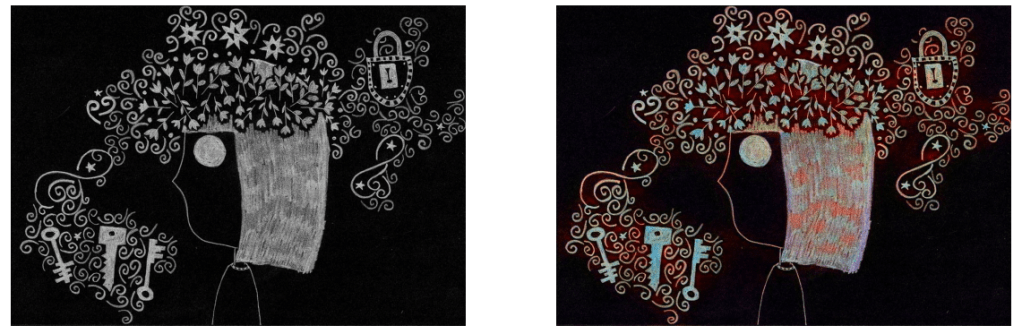
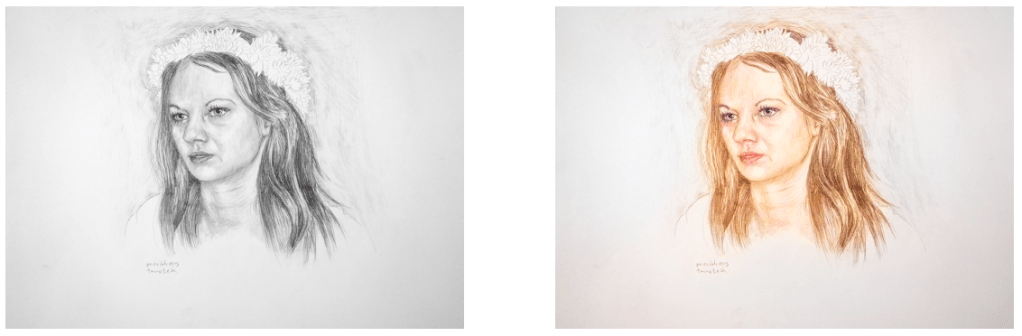
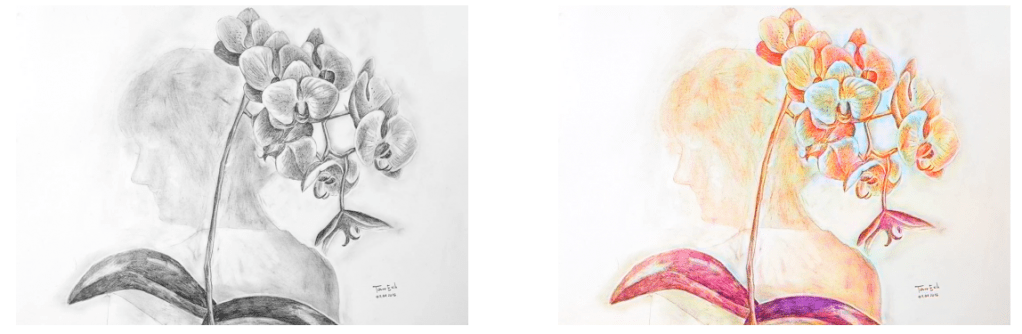
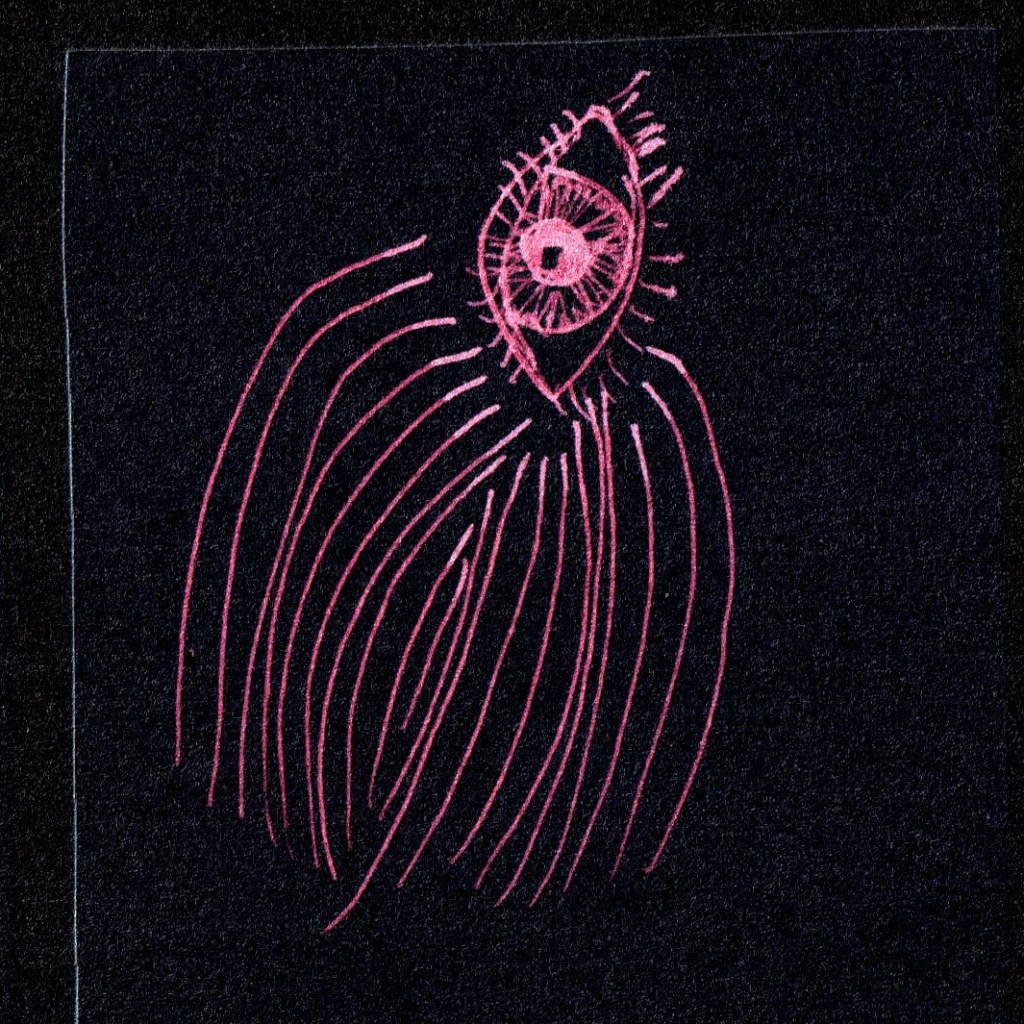
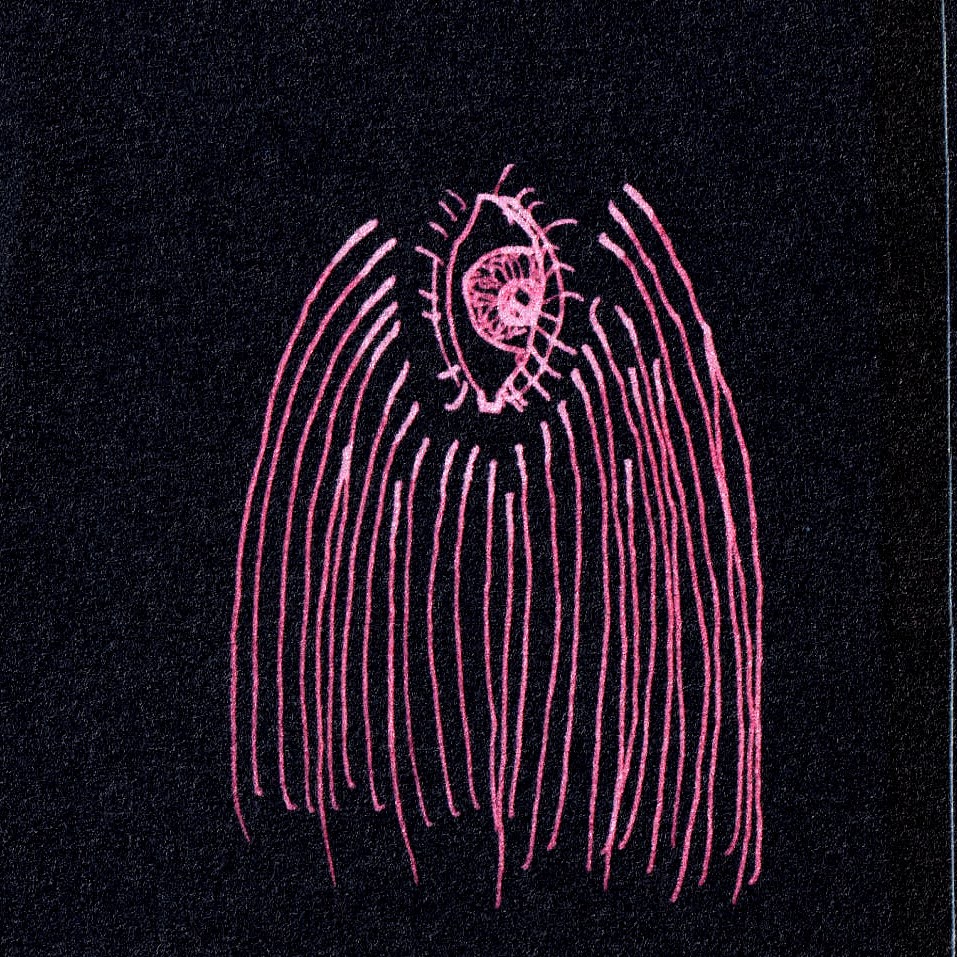
I found this deep learning project. It is meant and trained to colourize old black and white photos. And it does a very good job. But what it does when I use black and white drawings?
If the picture depicts a person it works pretty well. Although it loves yellowish red tones. But with other things, the results are not so good.
The left is original and the right is colourized by AI.
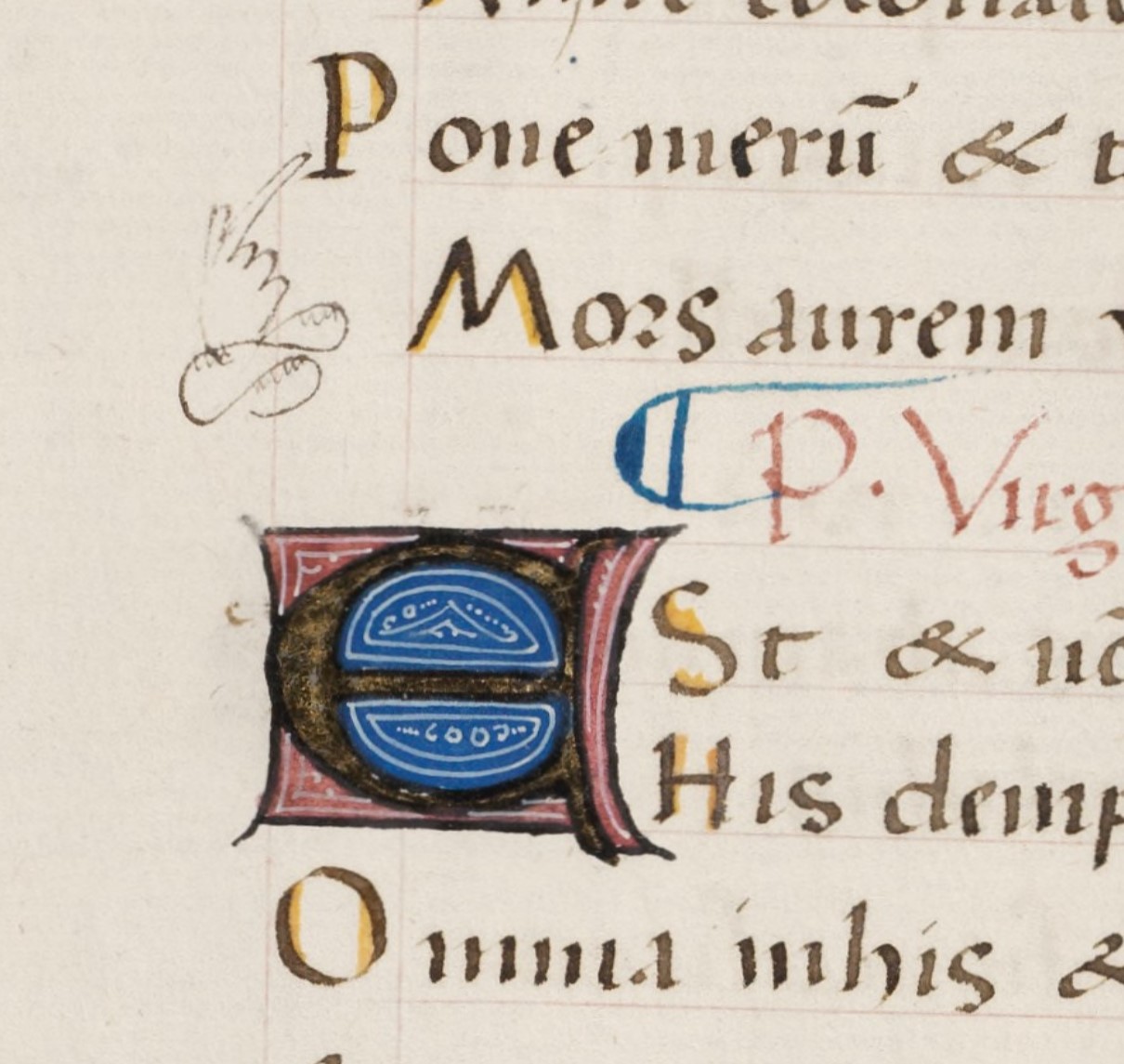
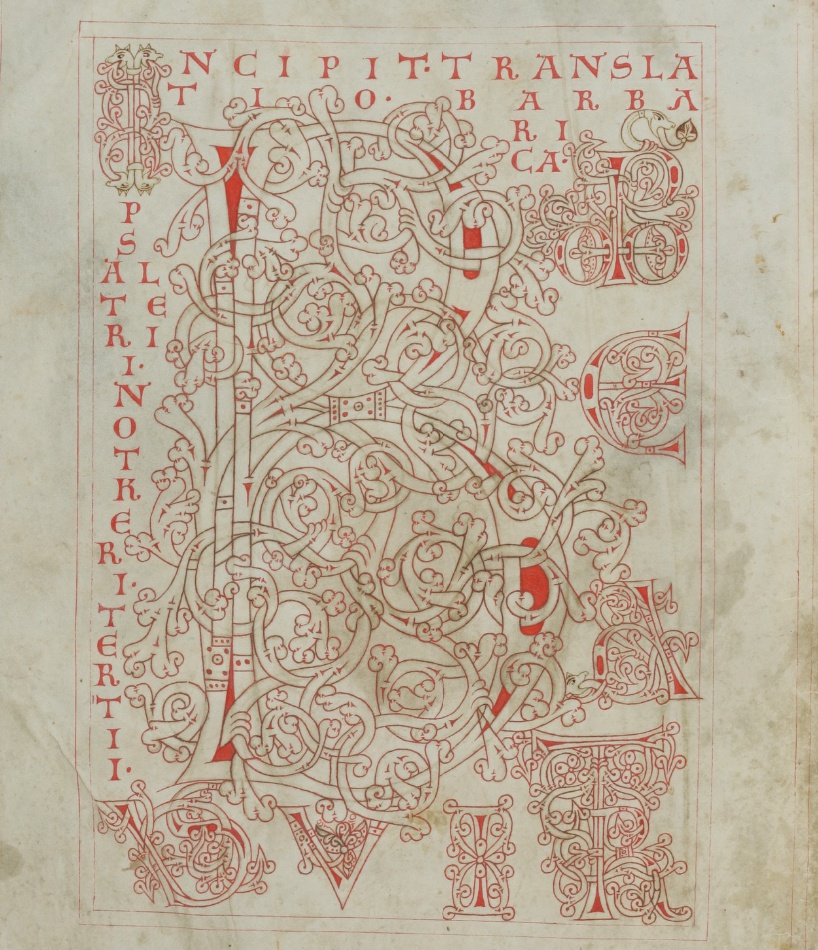
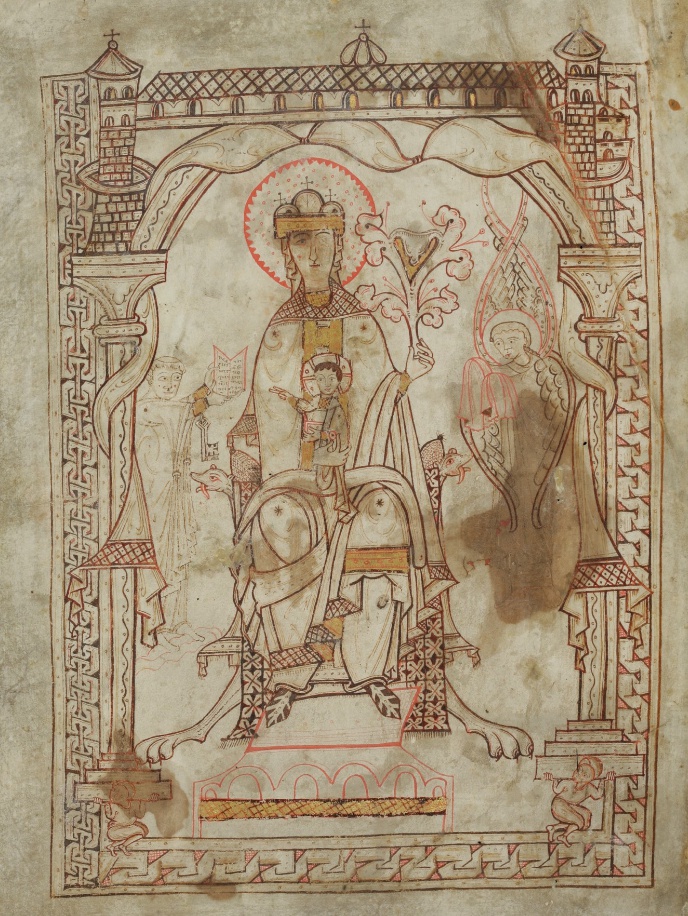
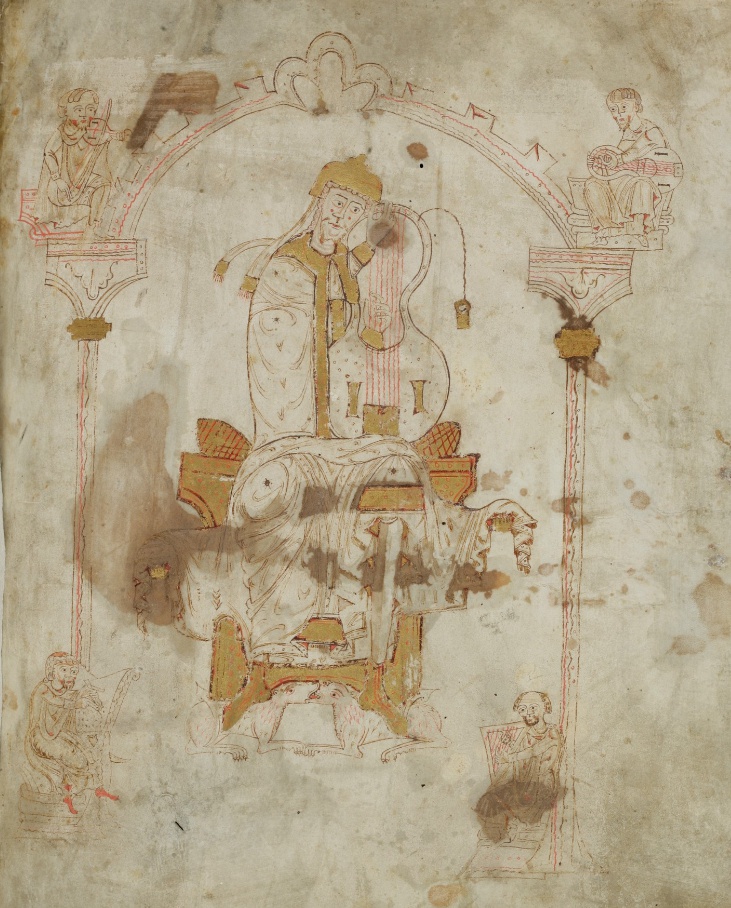
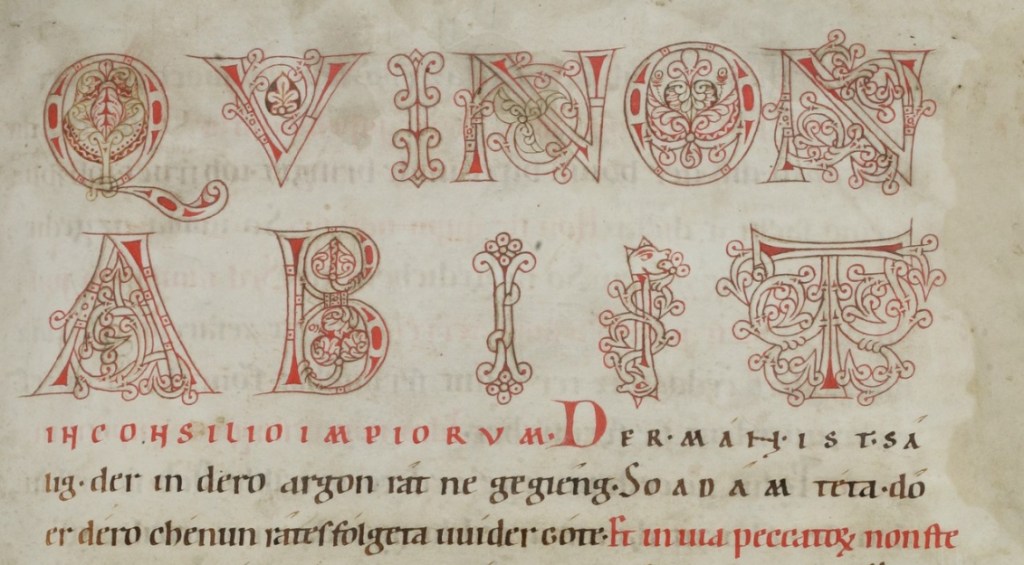
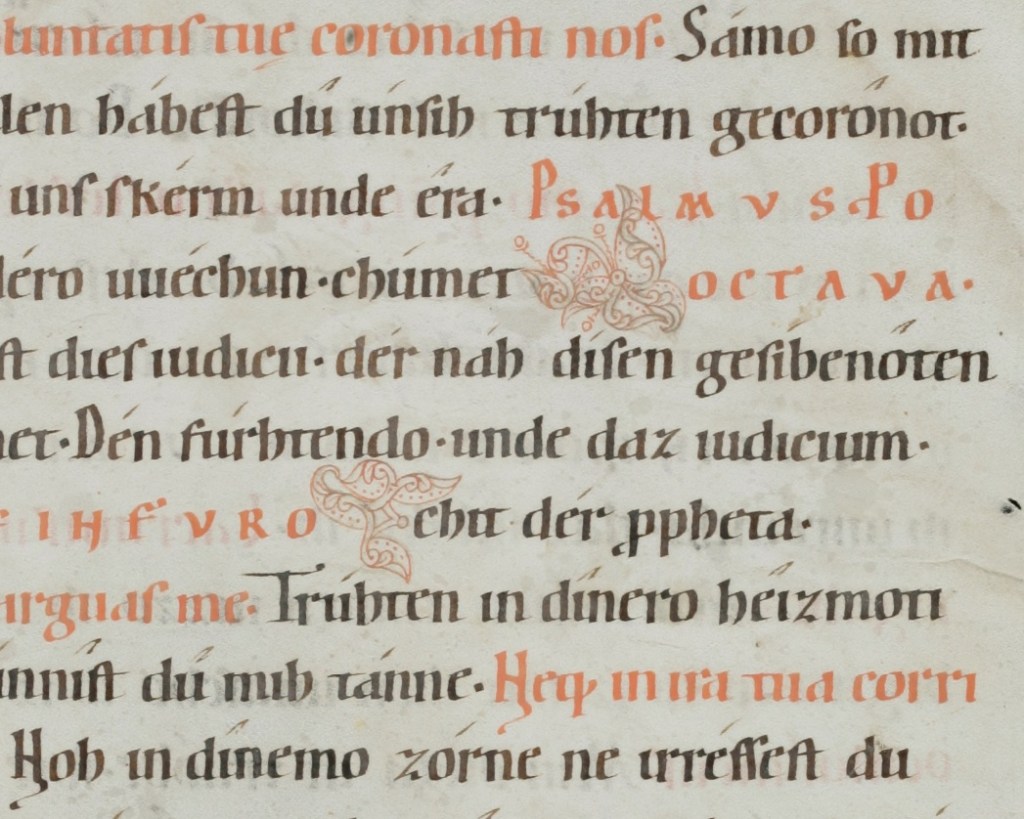
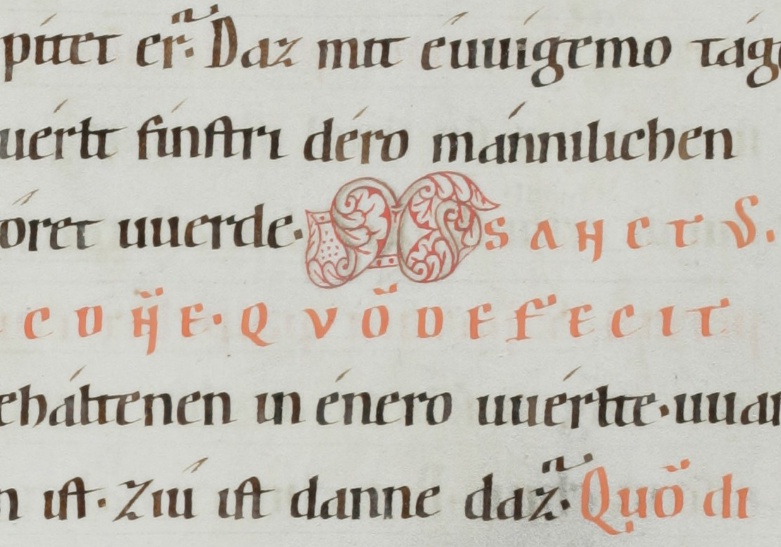
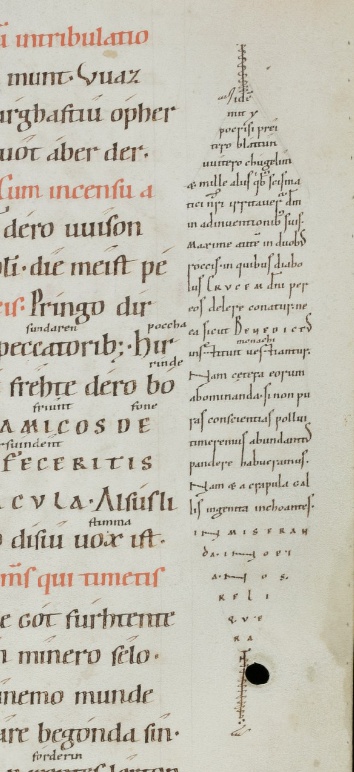
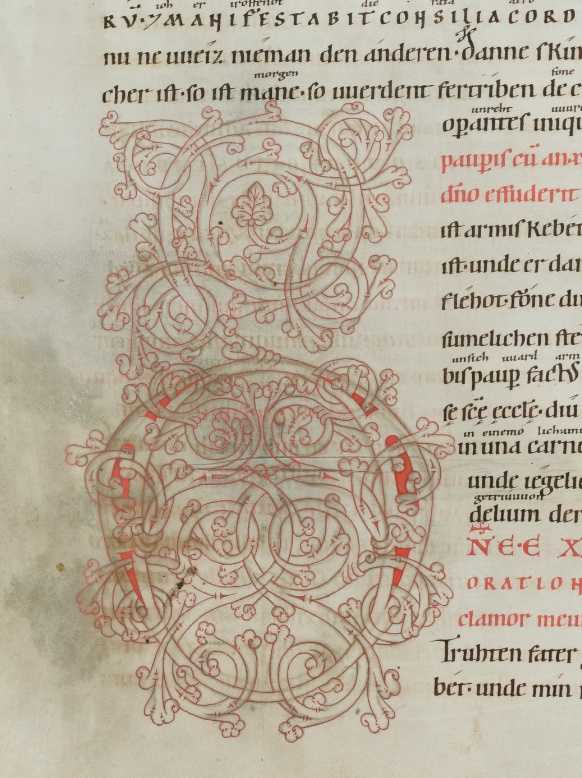
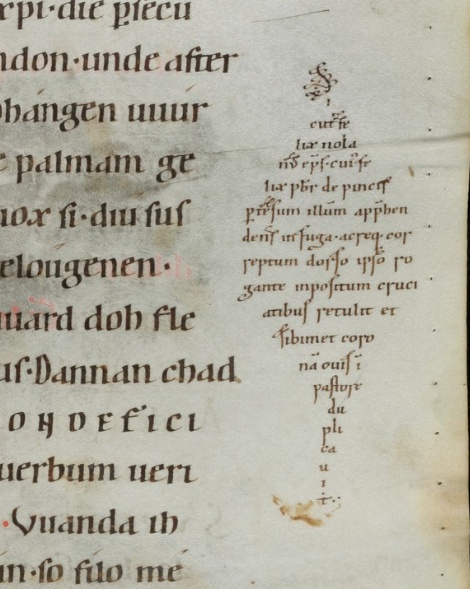
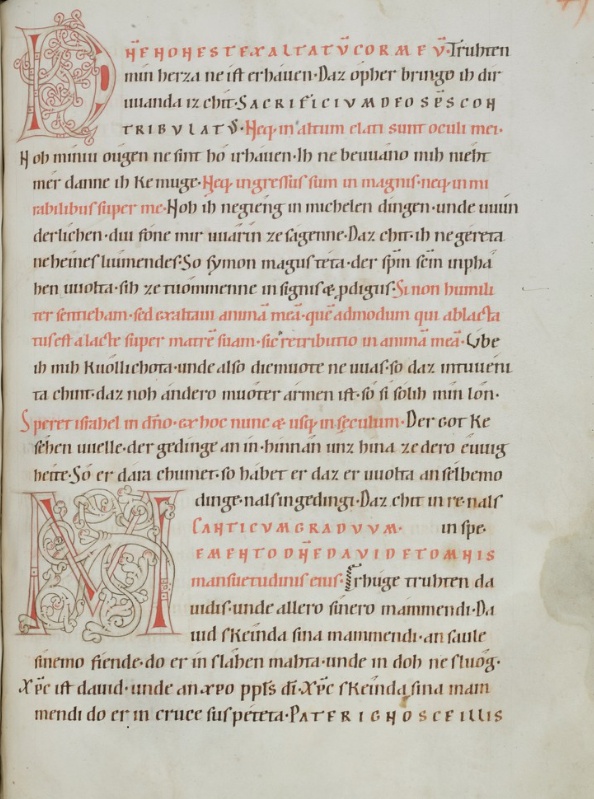
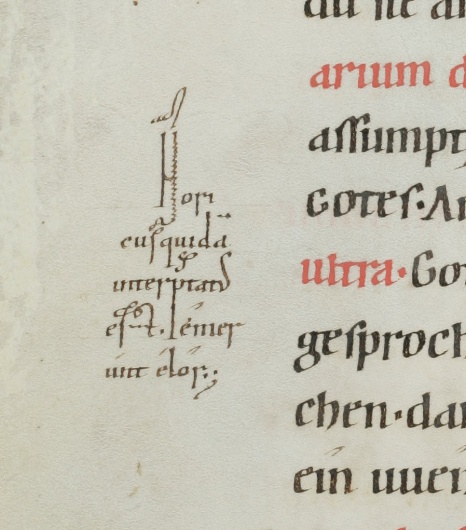
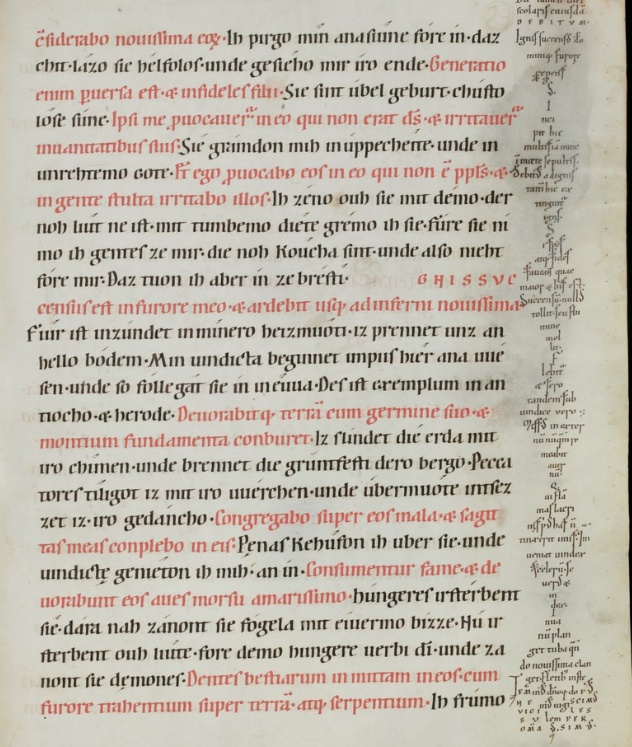
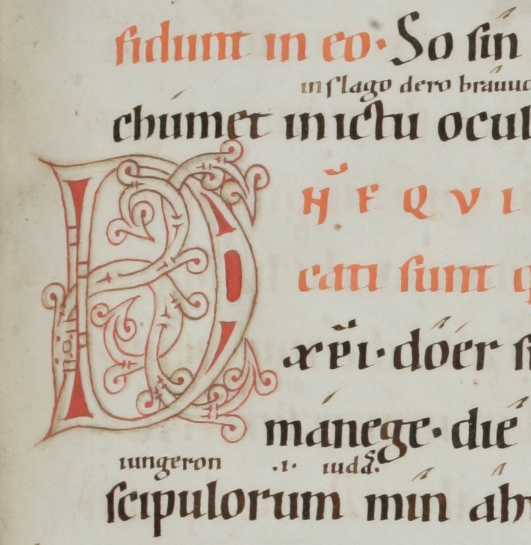
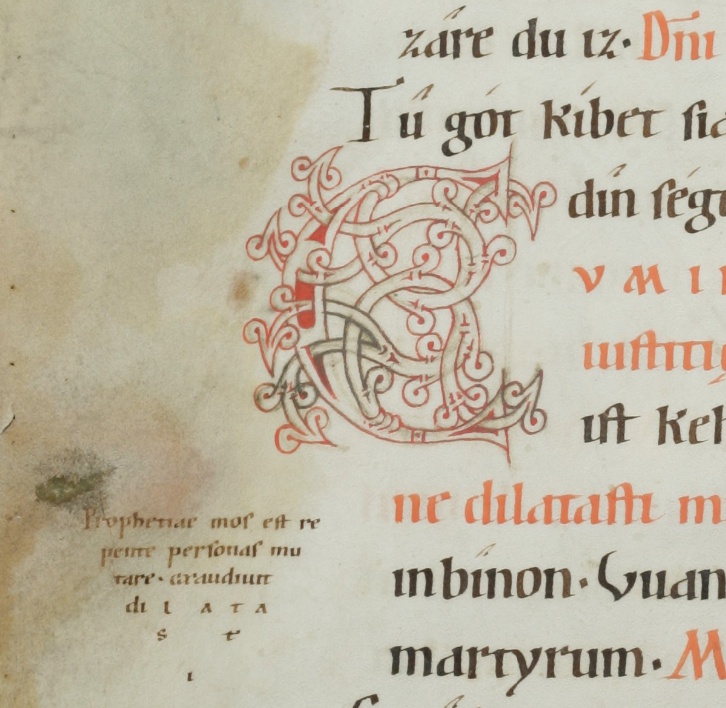
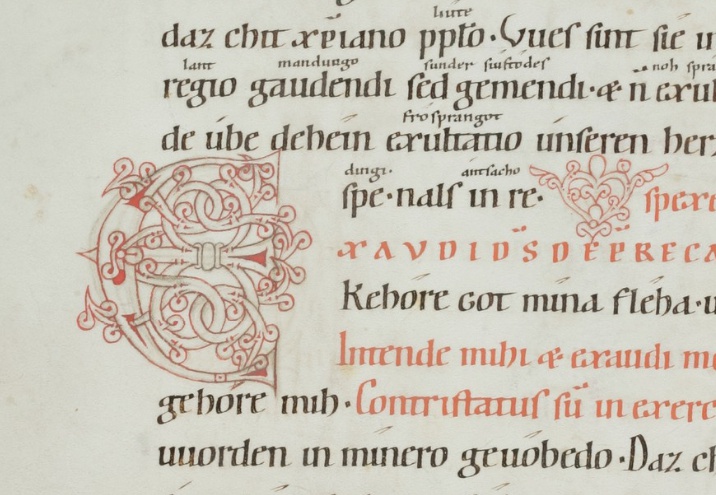
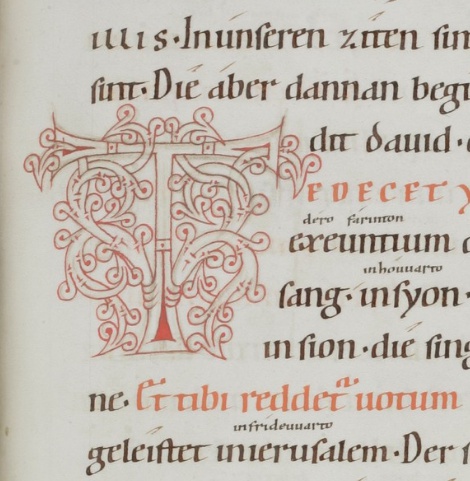
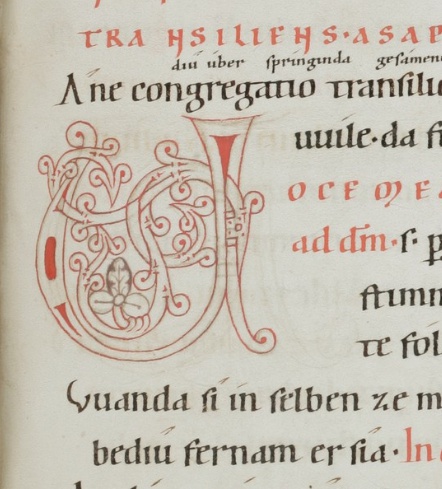
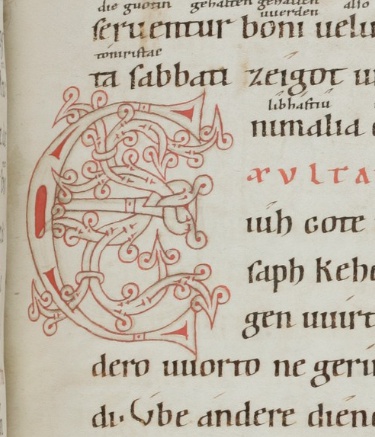
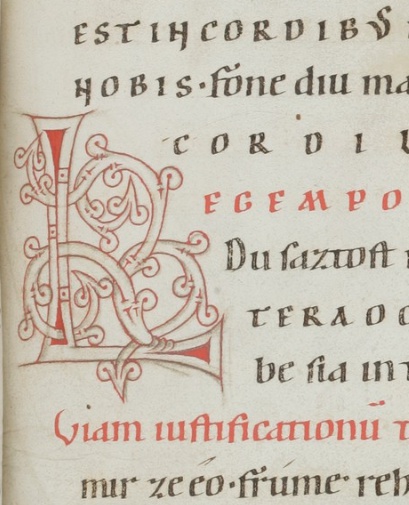
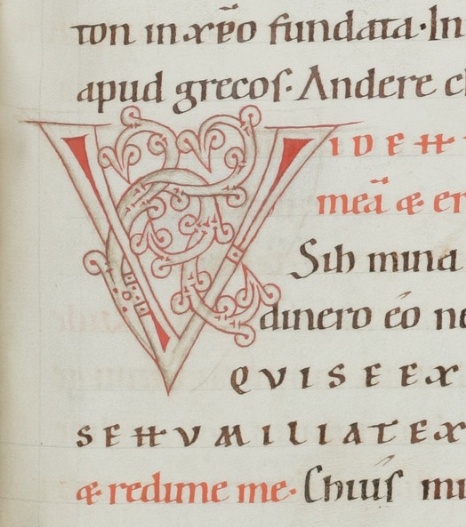
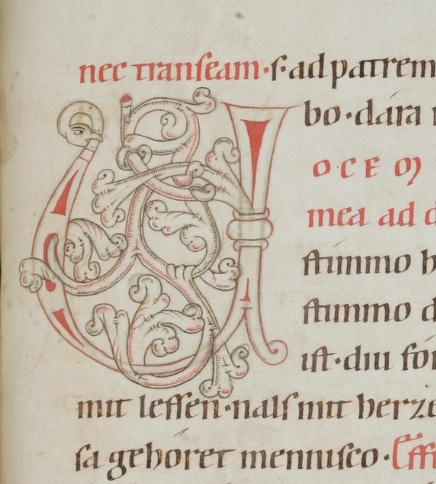
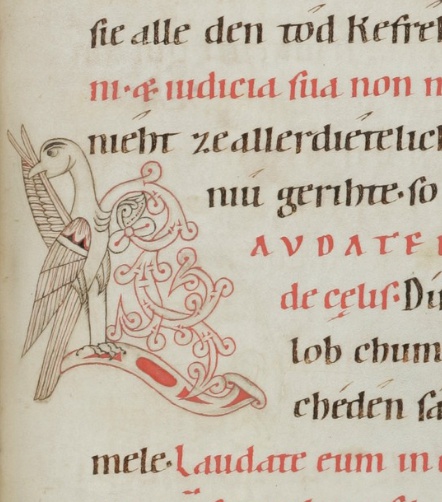
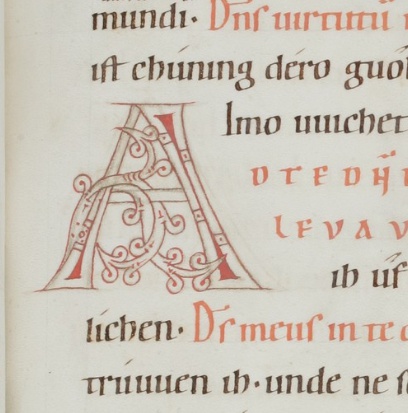
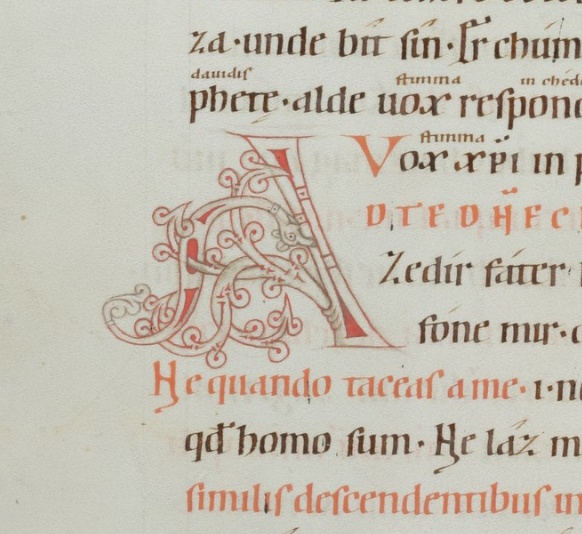
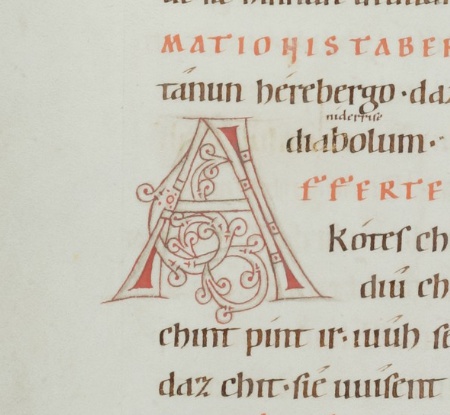
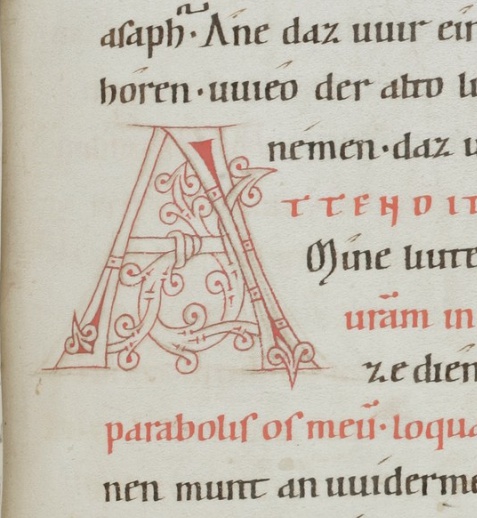
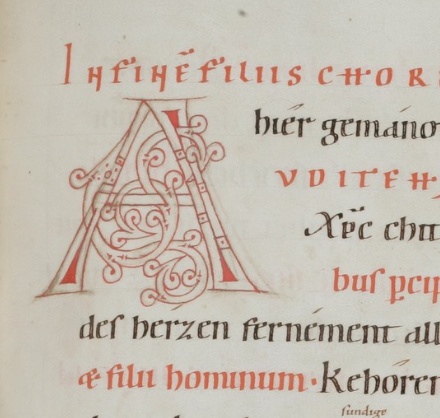
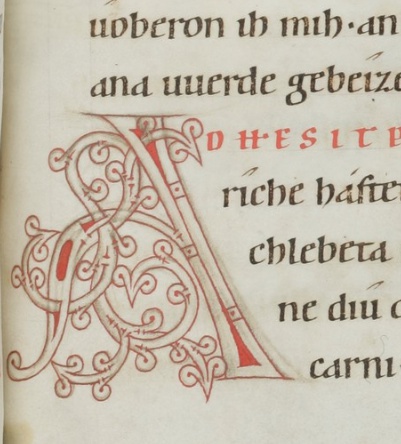
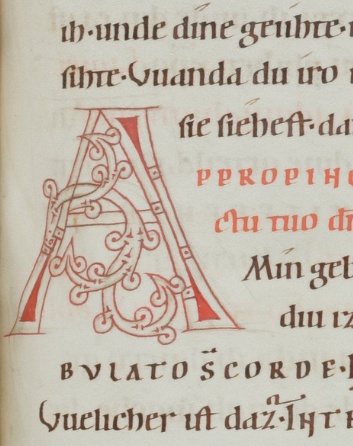
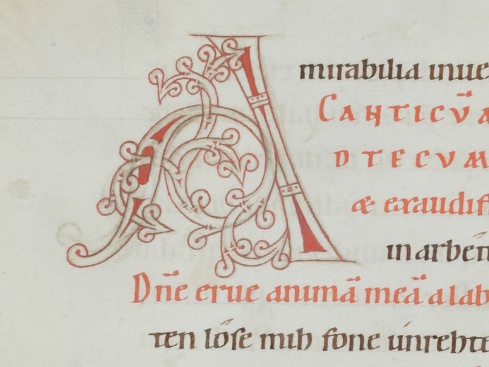
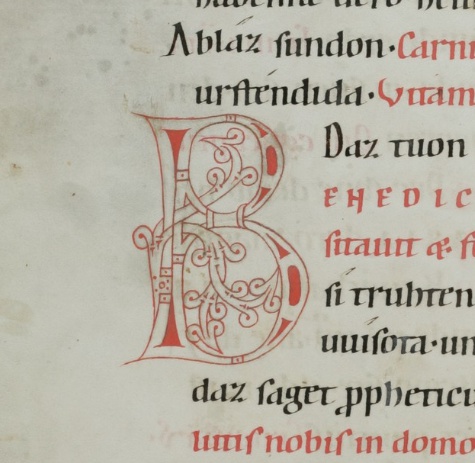
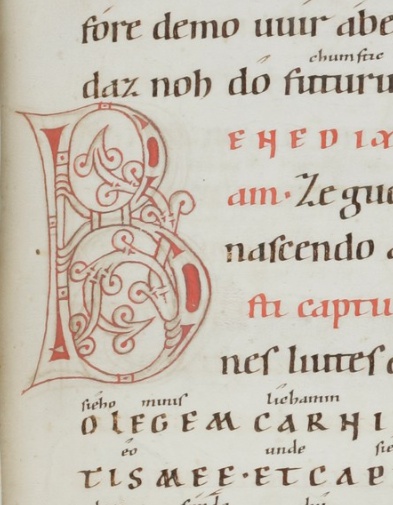
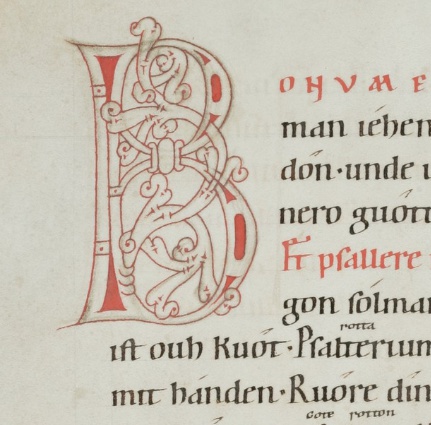
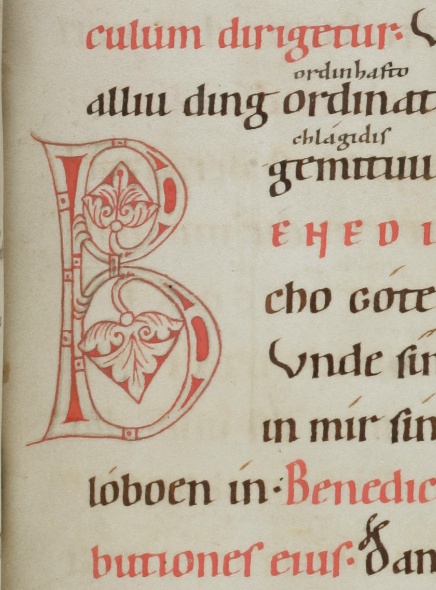
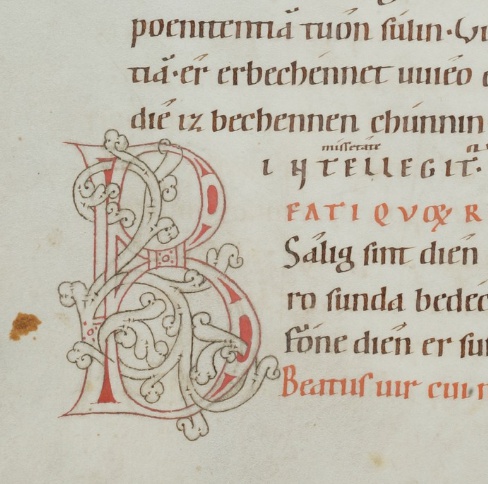
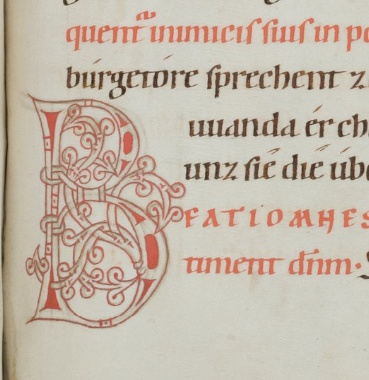
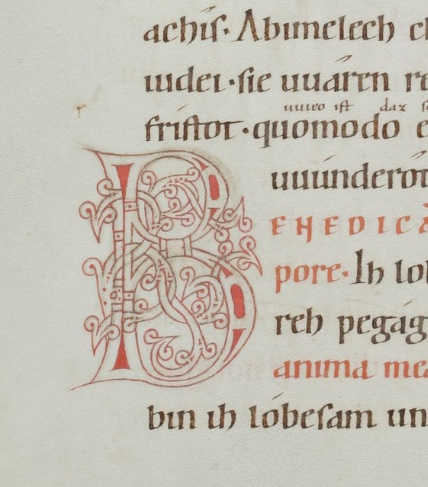
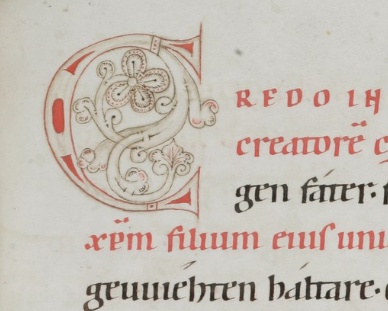
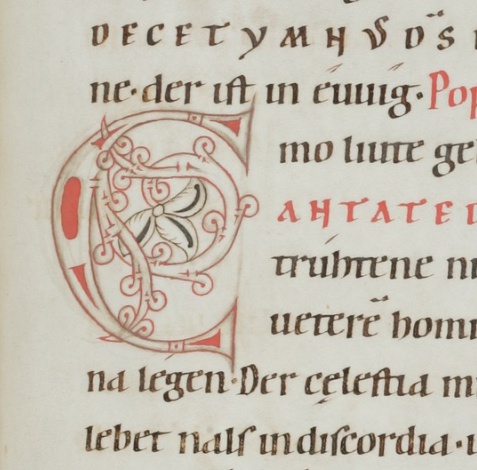
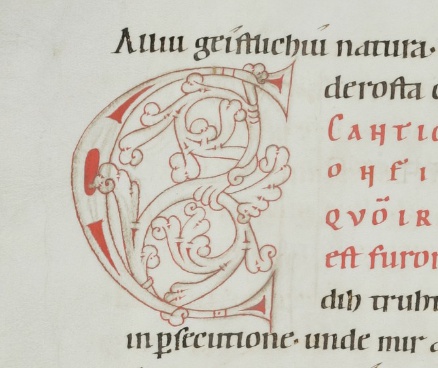
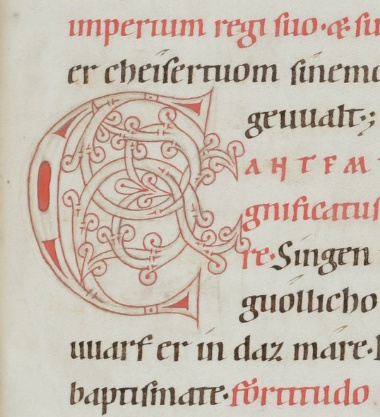
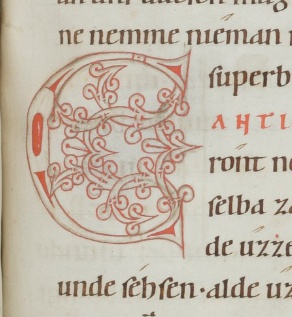
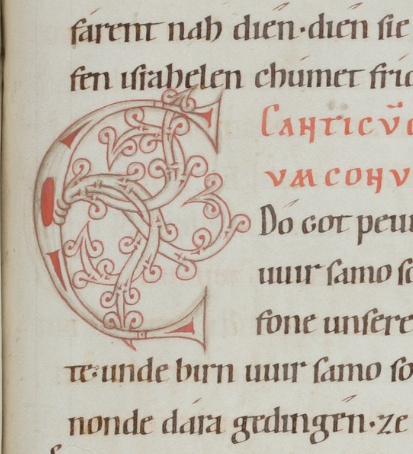
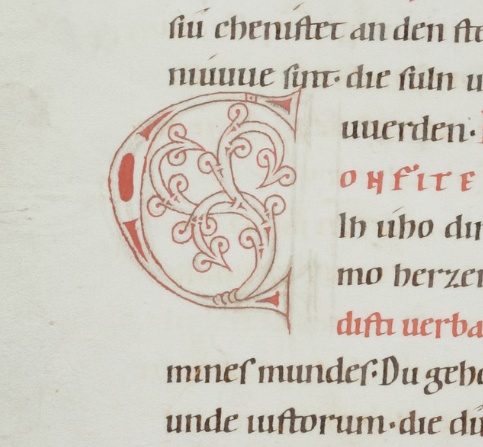
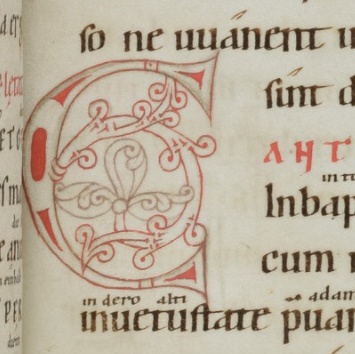
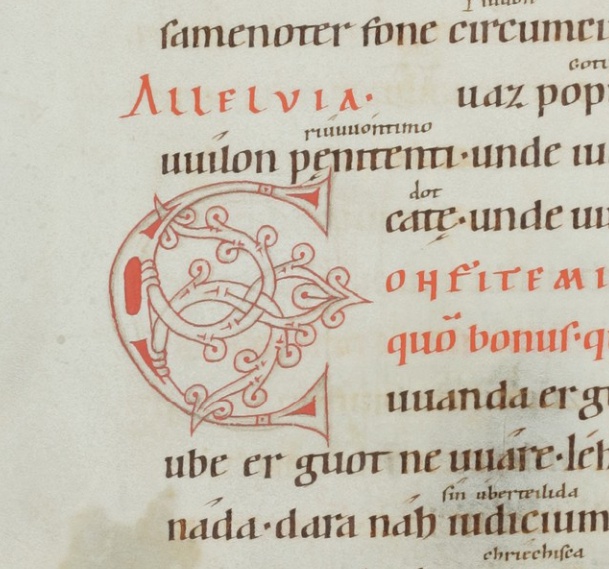
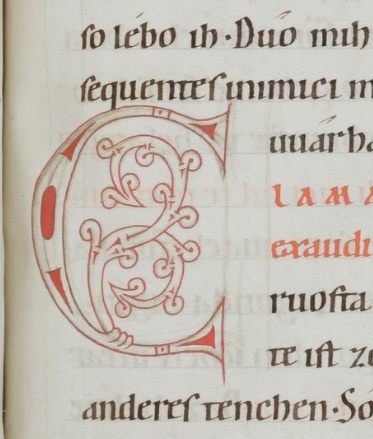
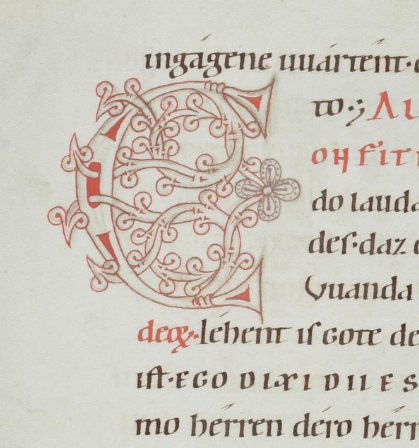
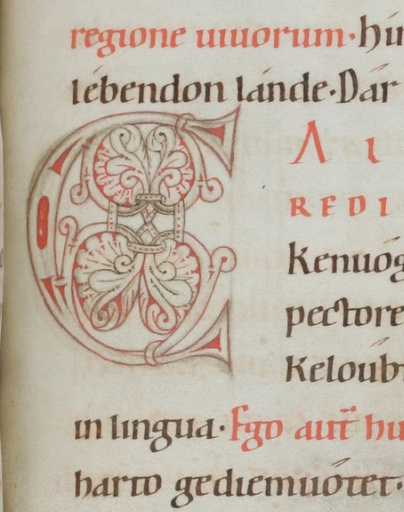
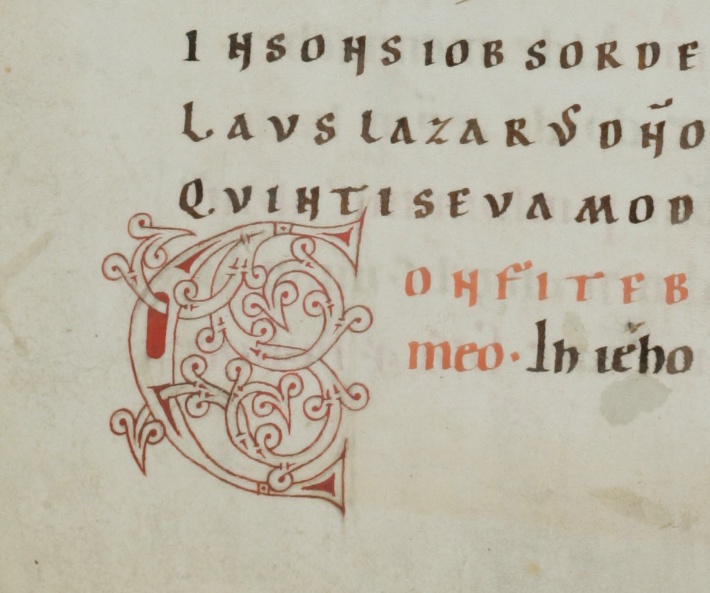
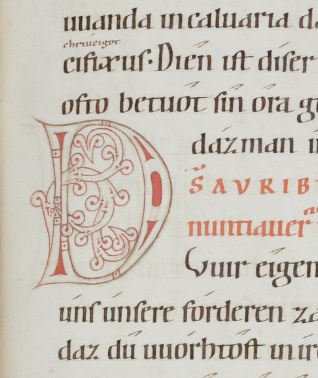
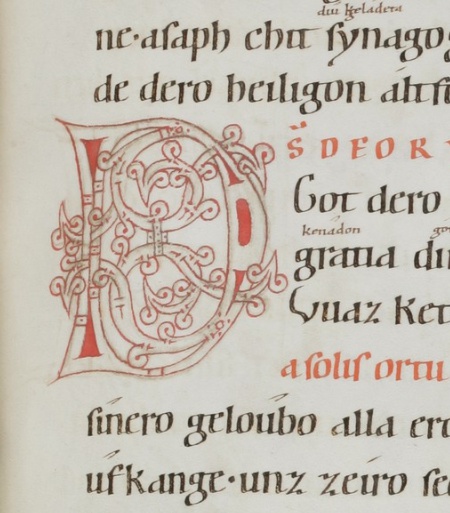
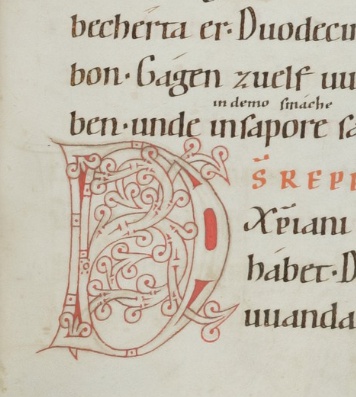
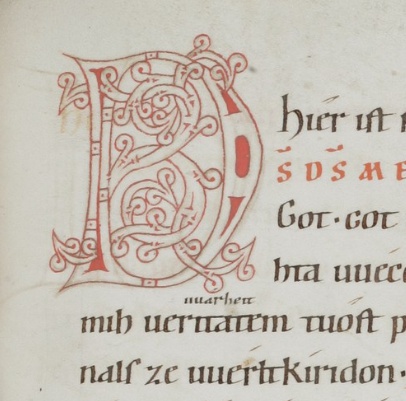
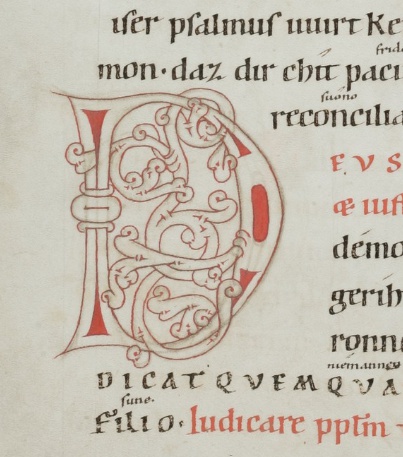
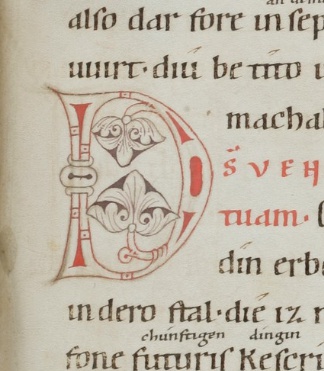
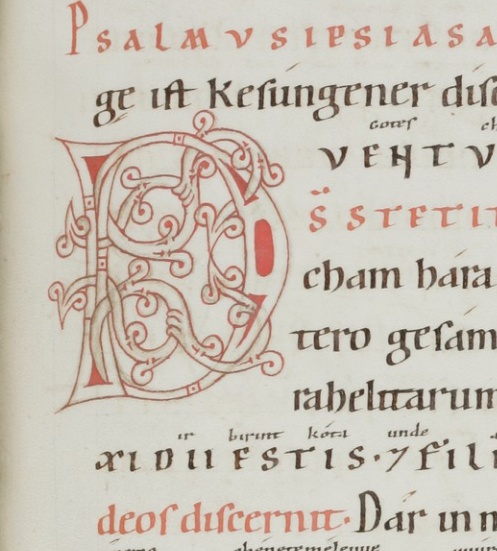
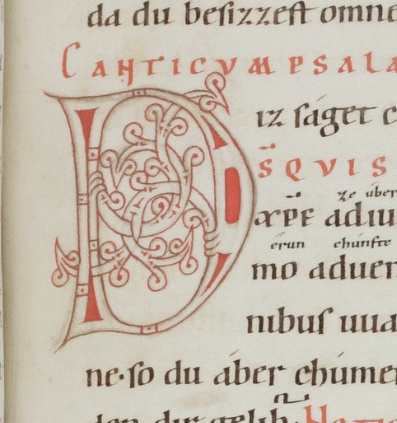
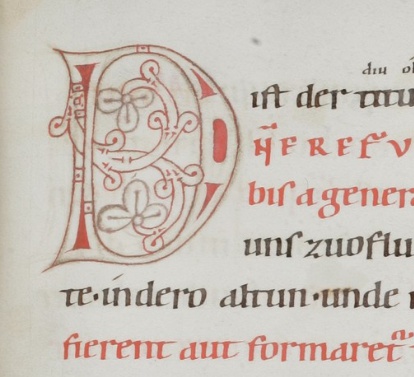
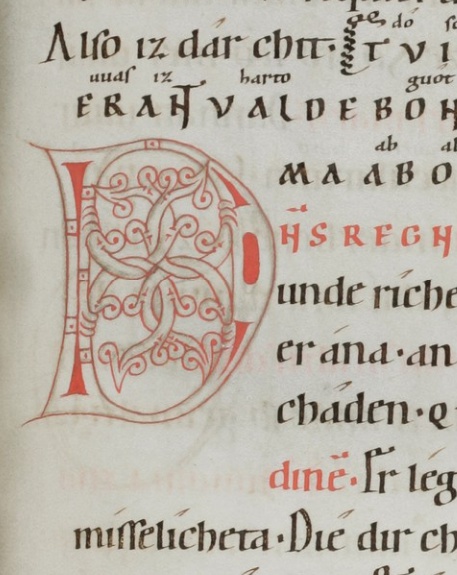
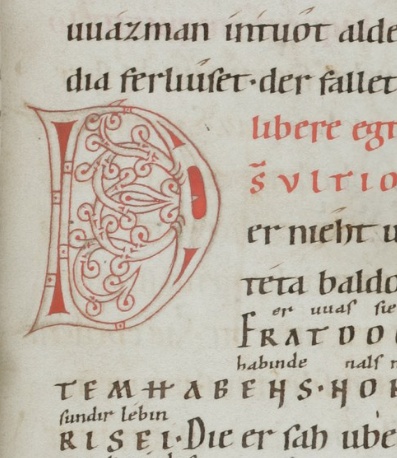
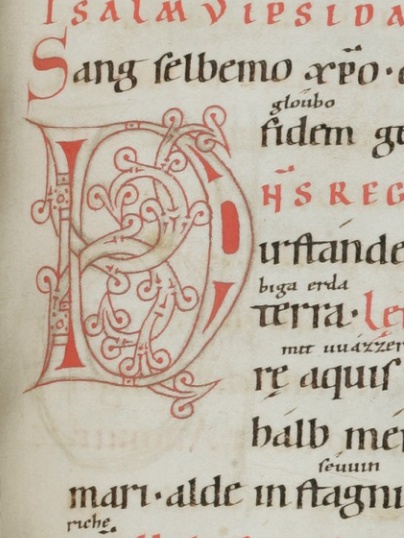
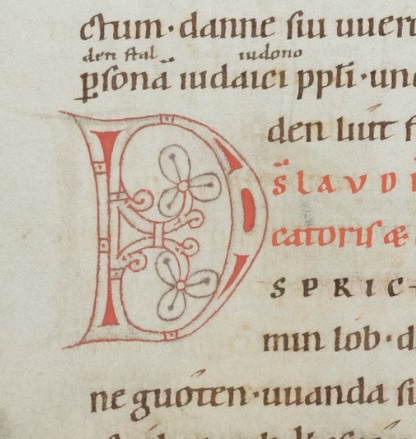
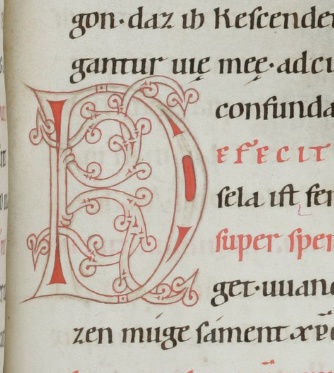
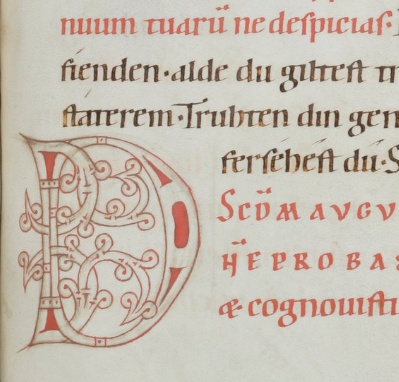
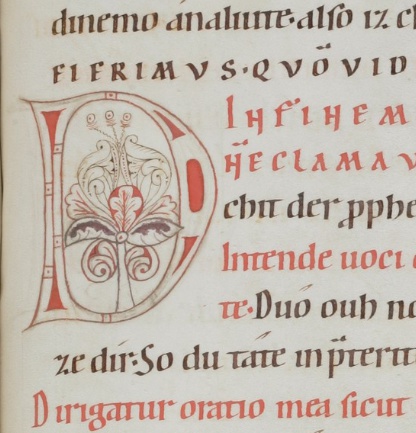
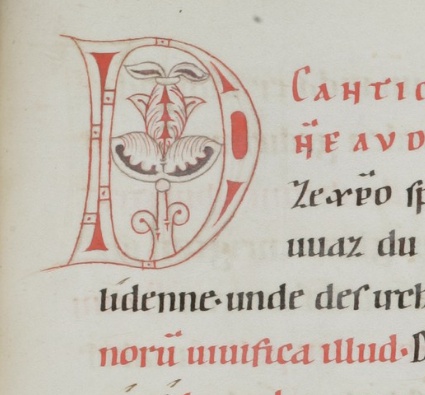
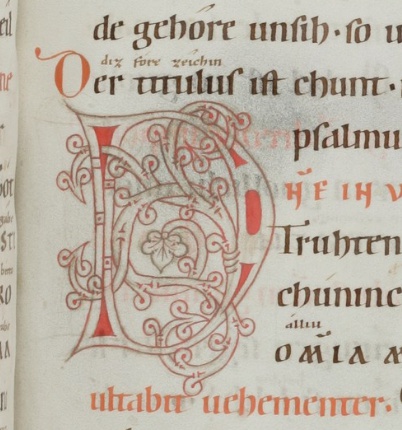
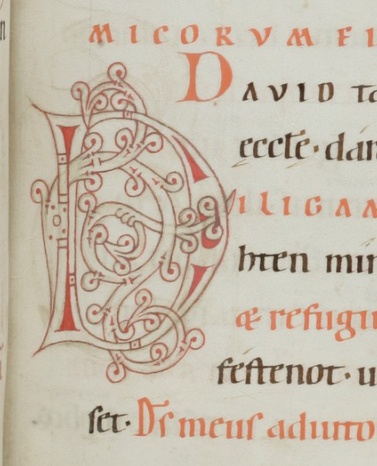
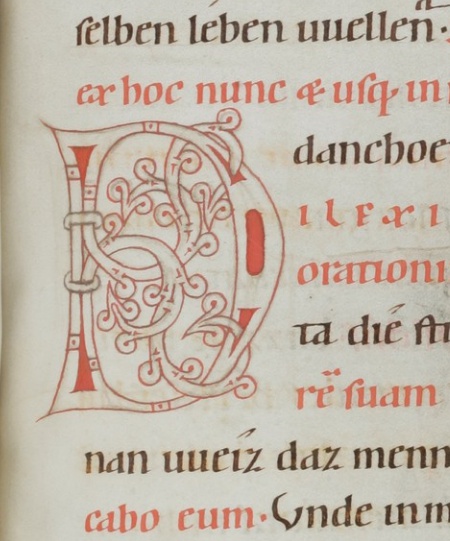
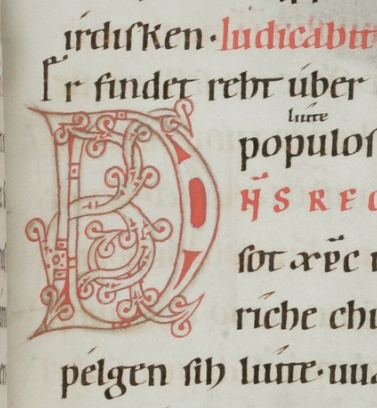
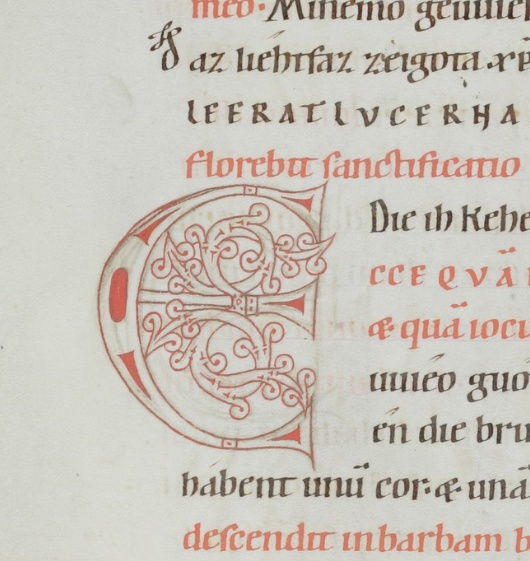
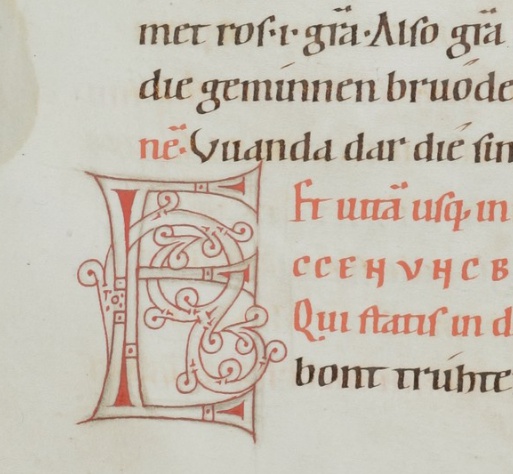
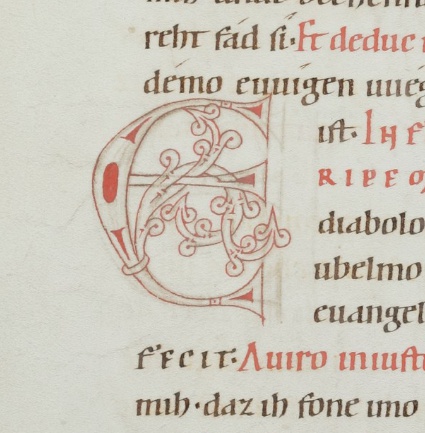
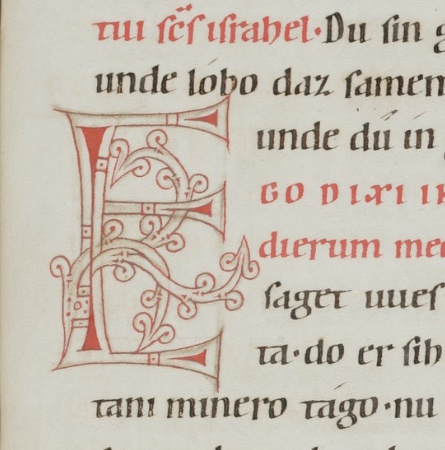
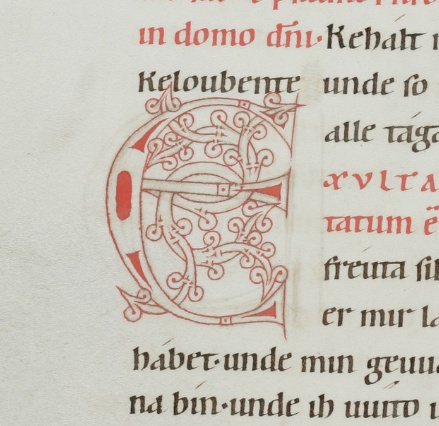
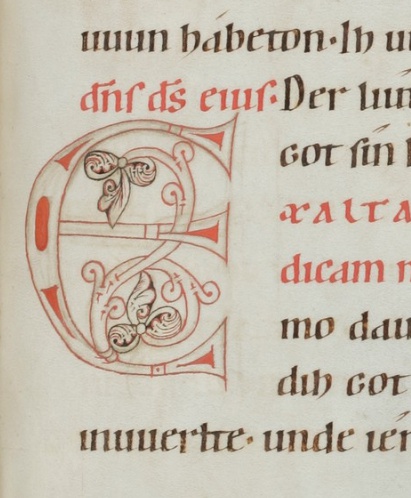
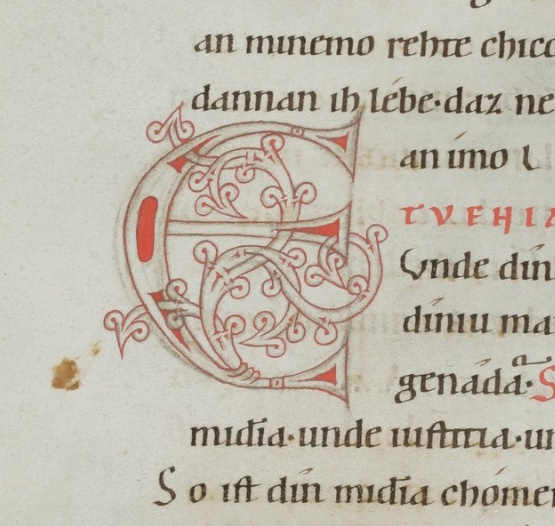
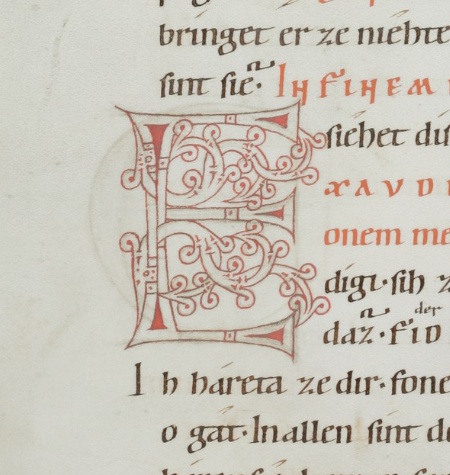
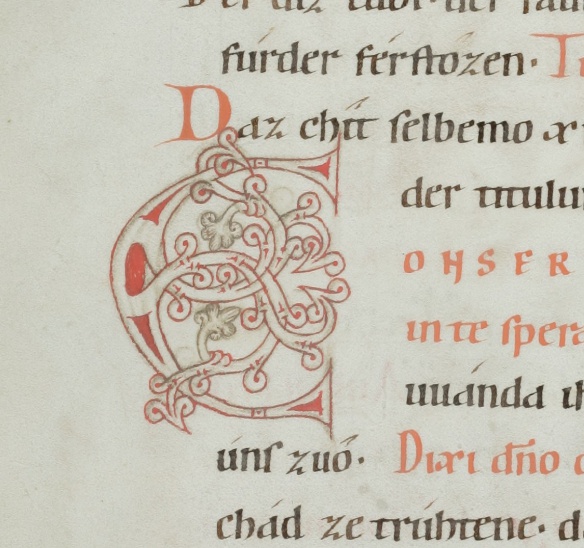
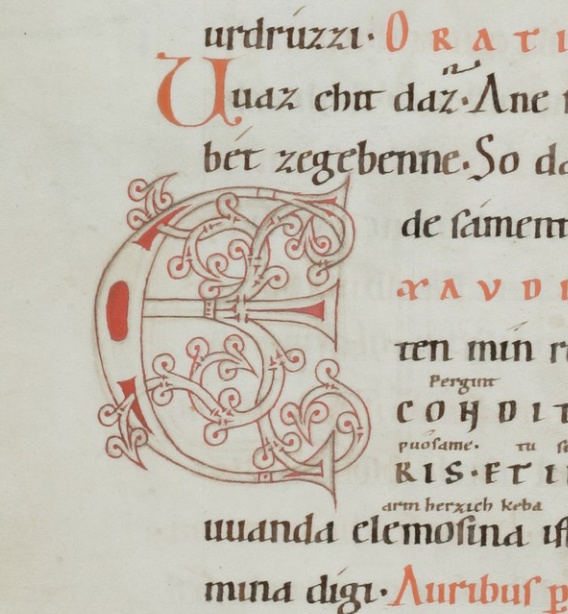
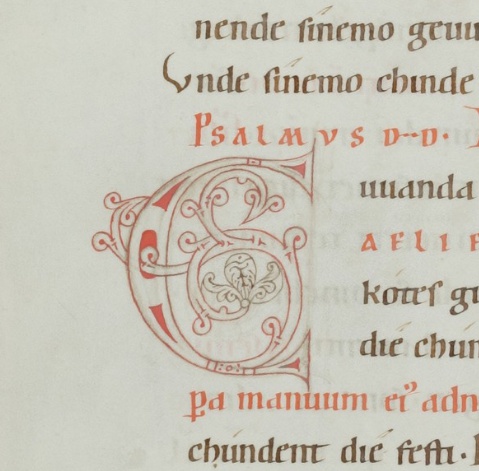
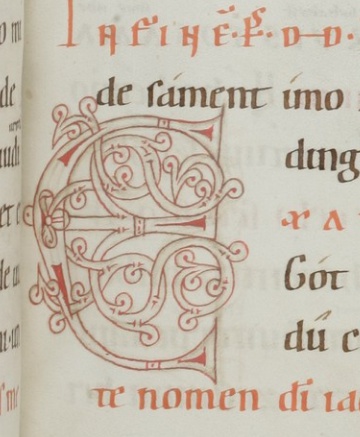
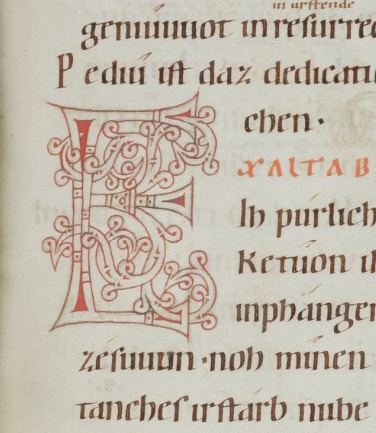
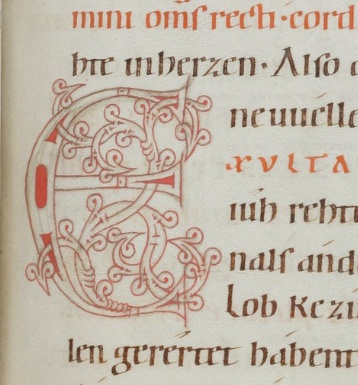
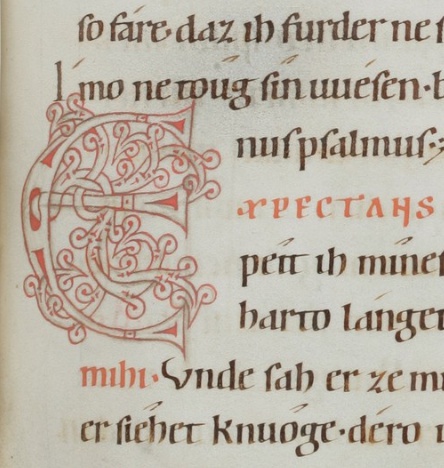
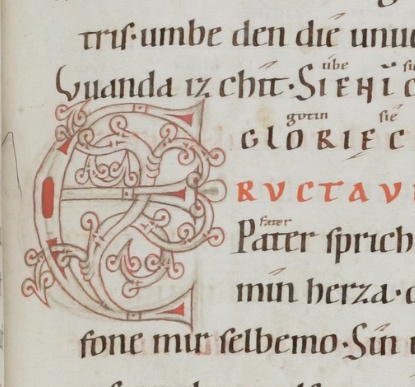
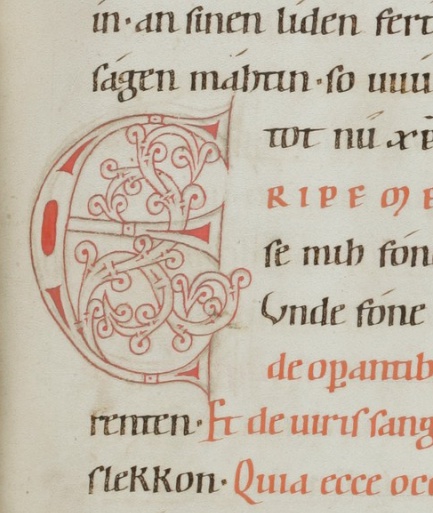
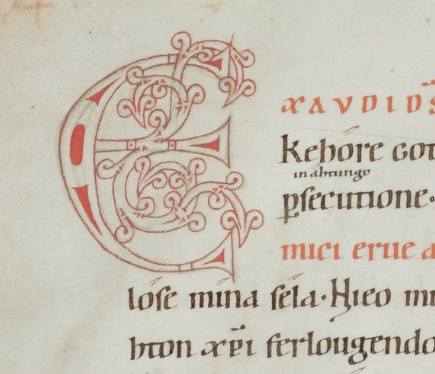
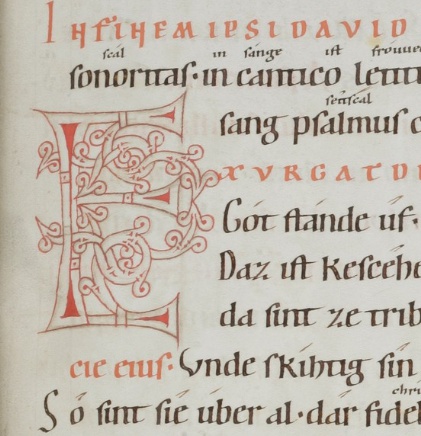
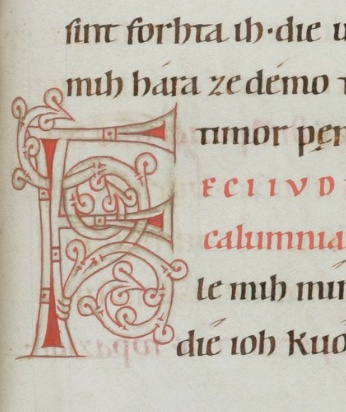
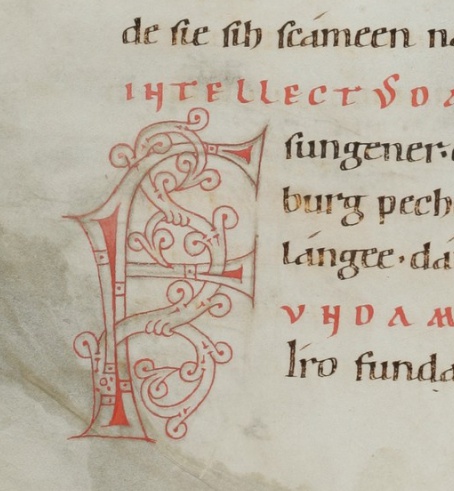
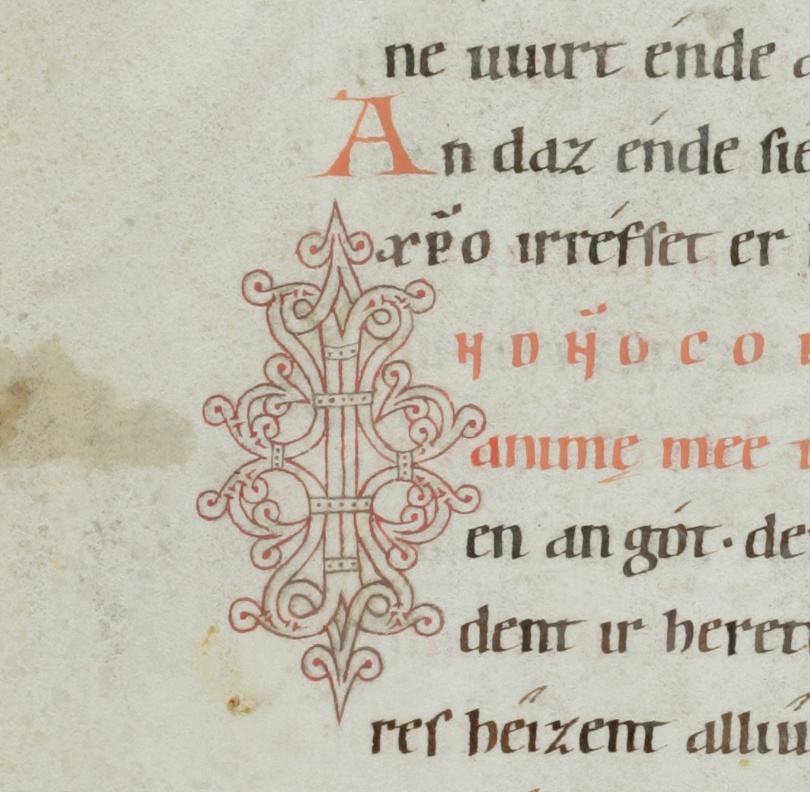
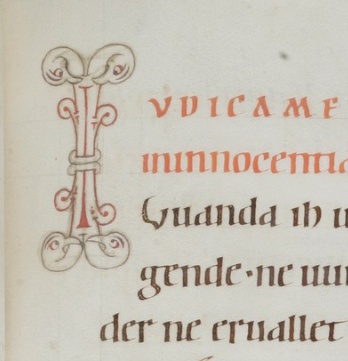
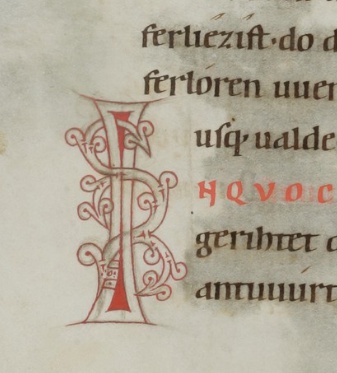
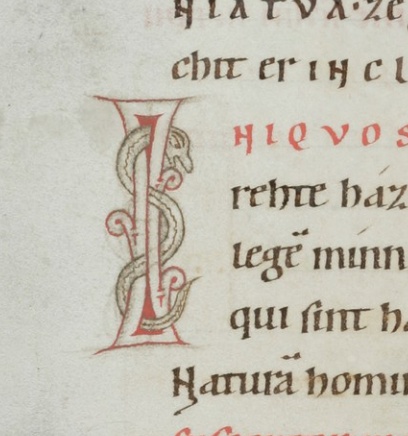
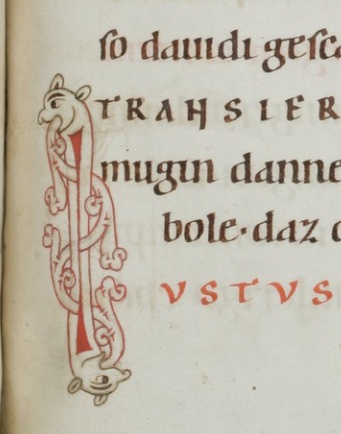
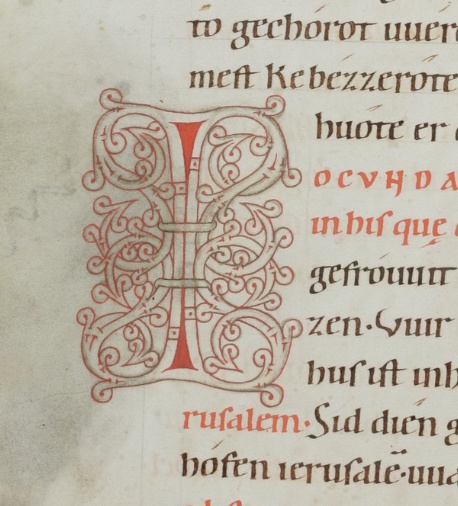
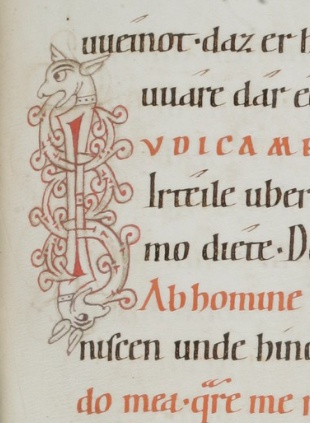
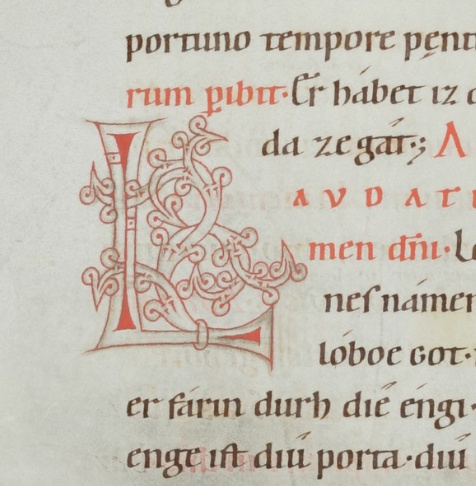
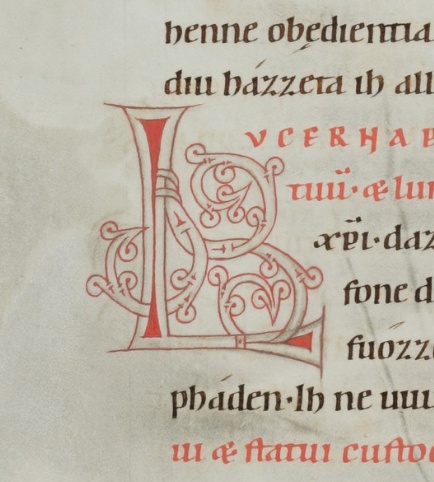
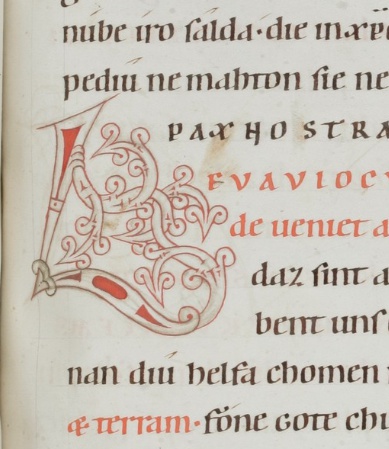
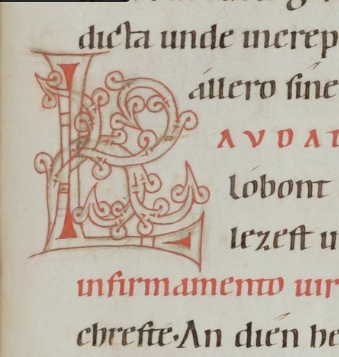
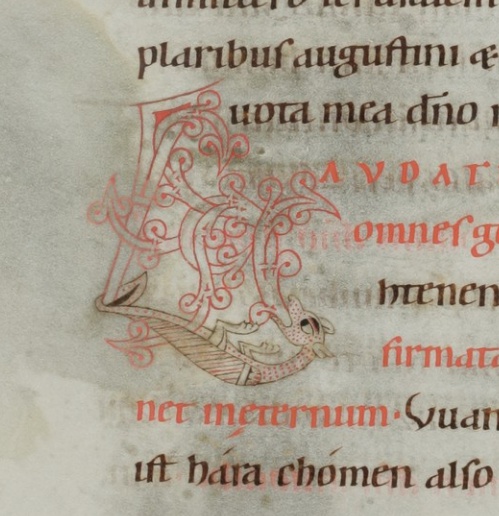
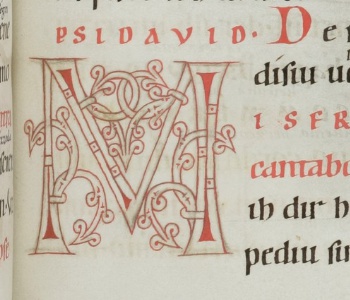
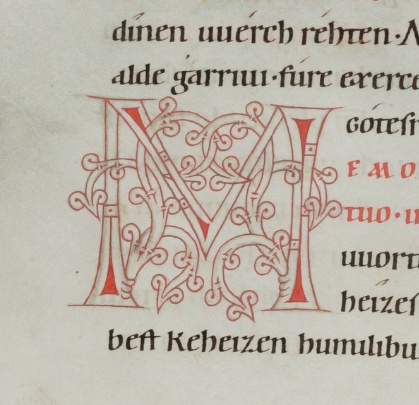
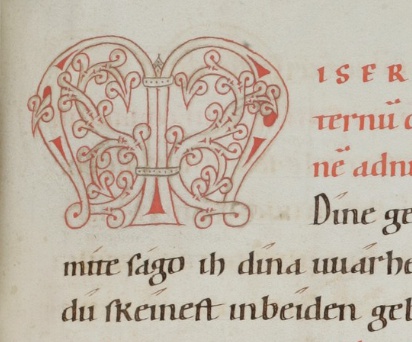
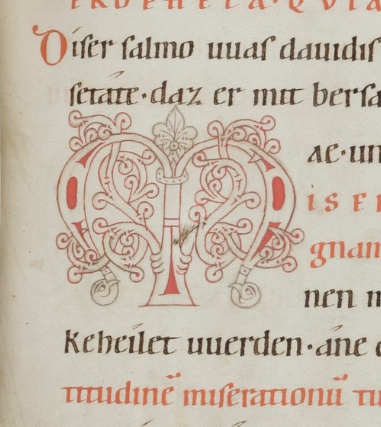
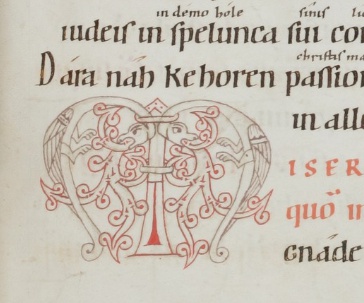
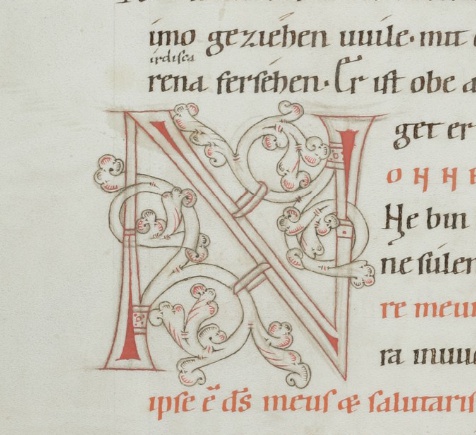
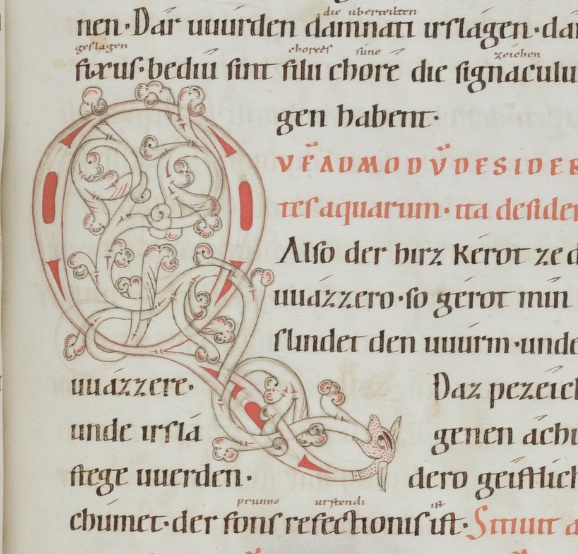
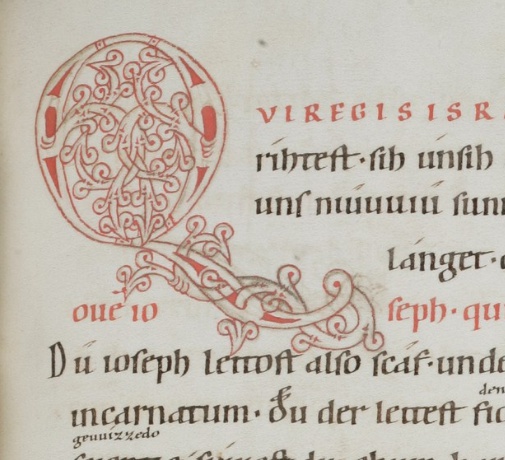
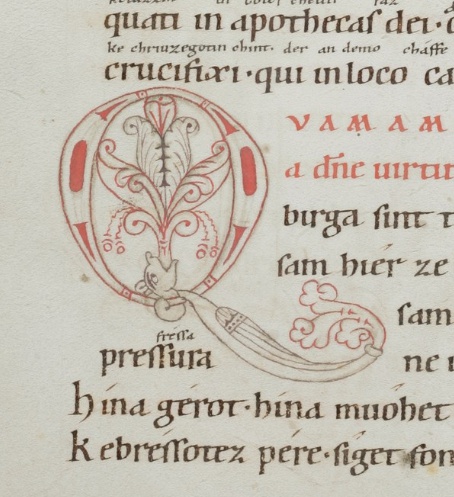
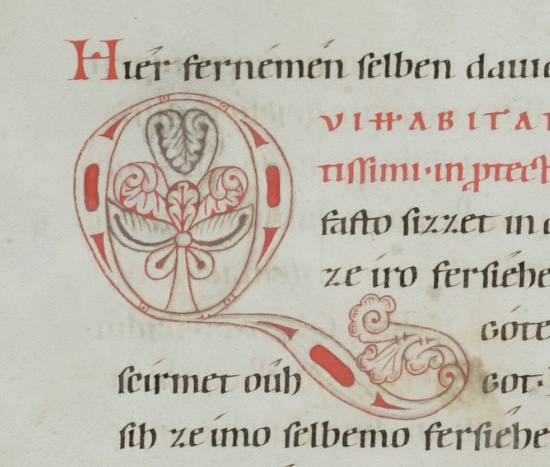
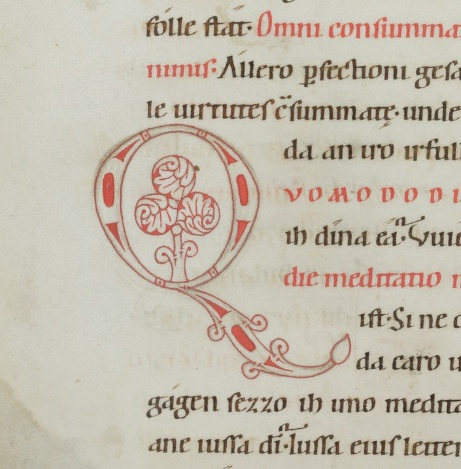
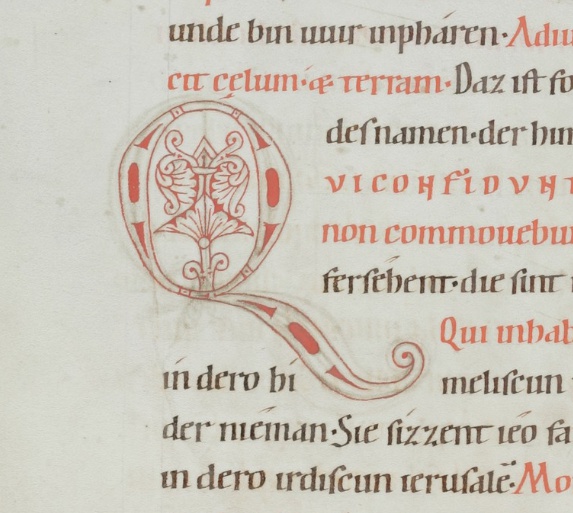
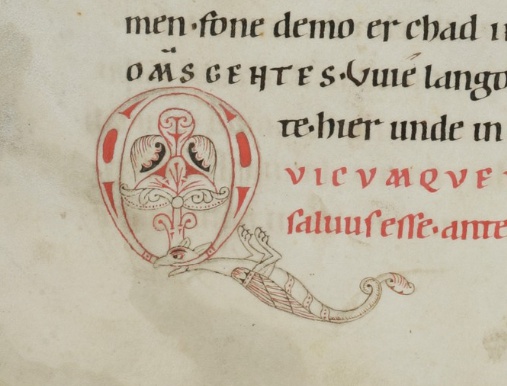
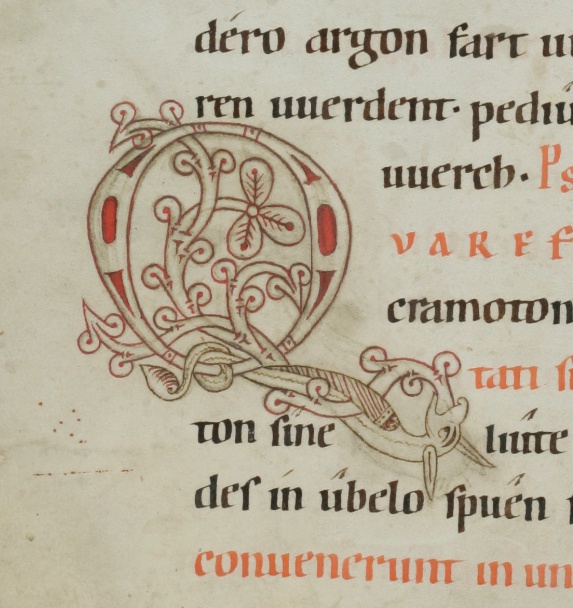
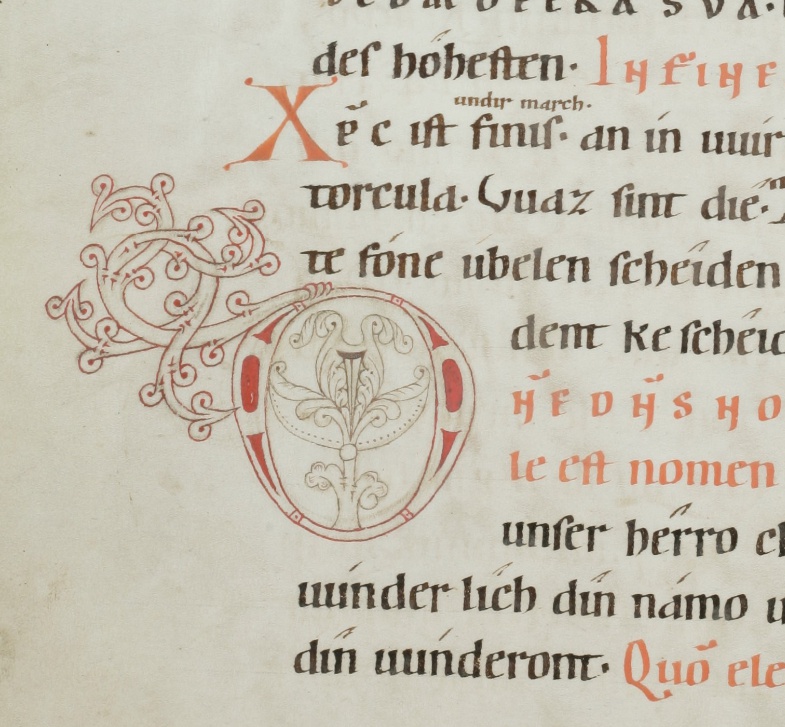
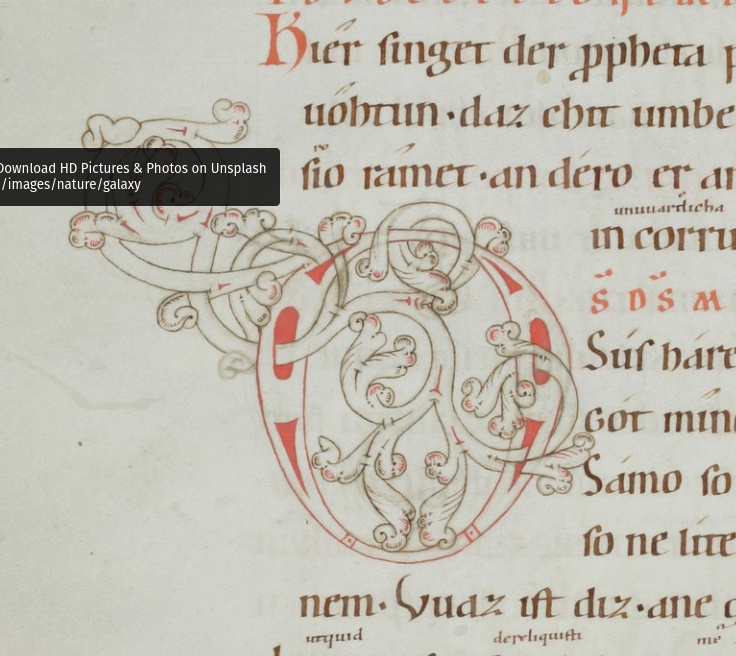
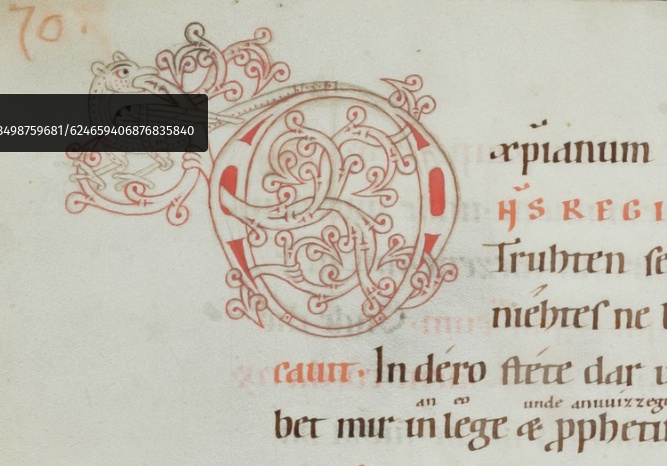
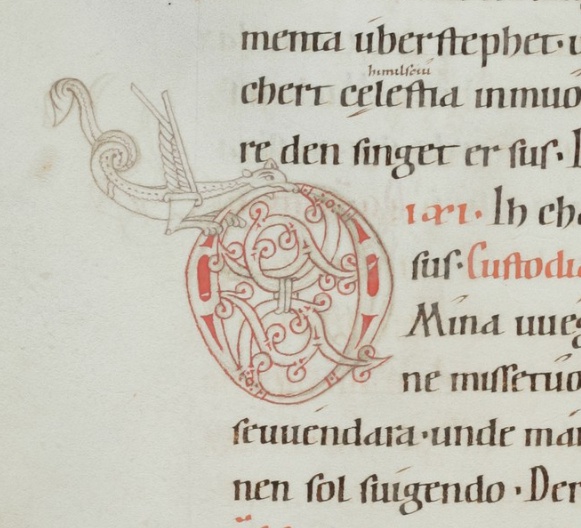
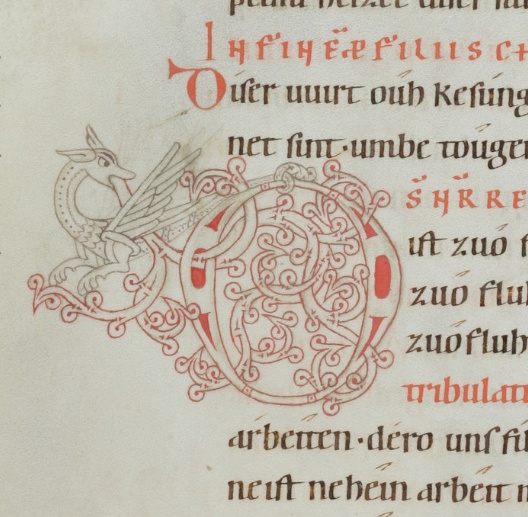
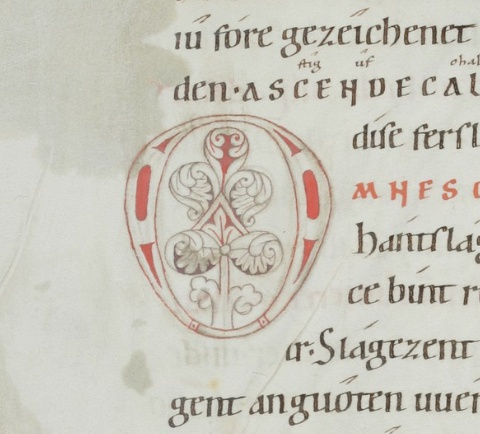
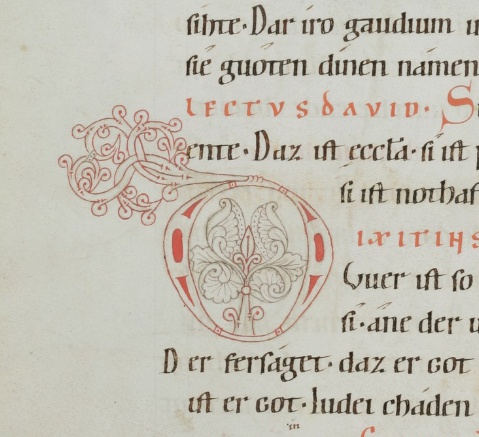
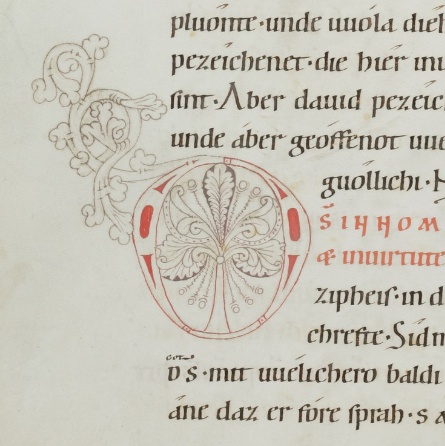
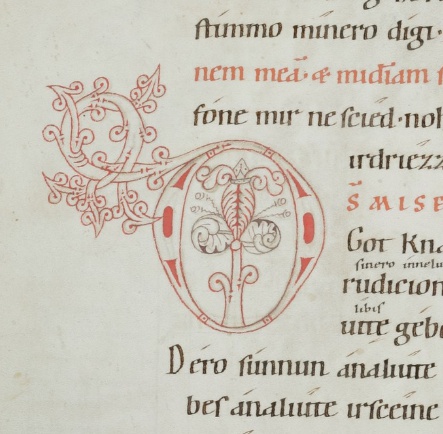
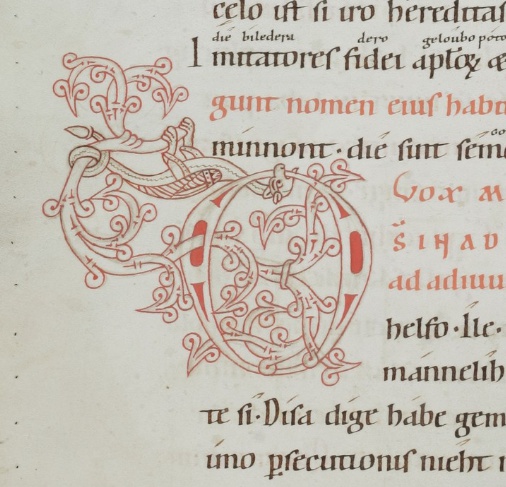
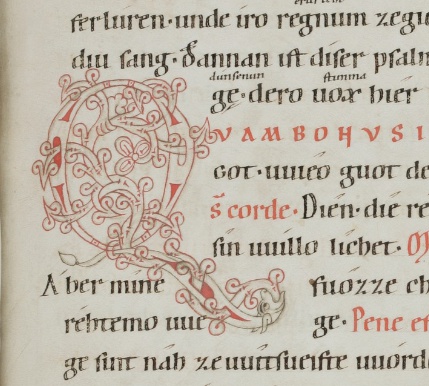
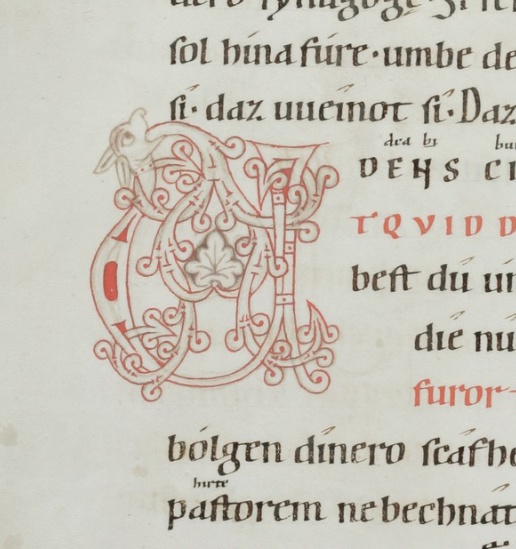
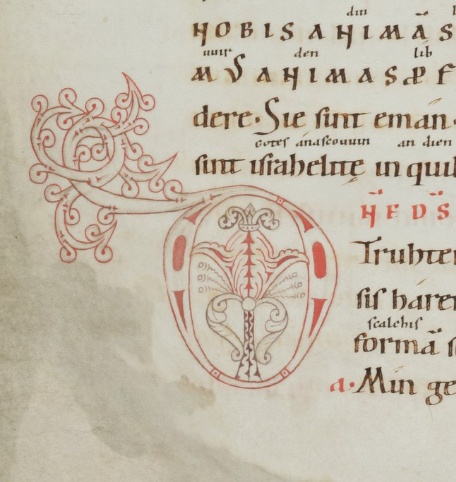
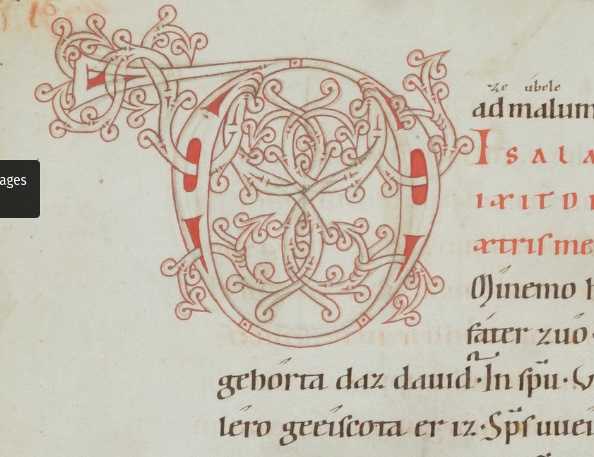
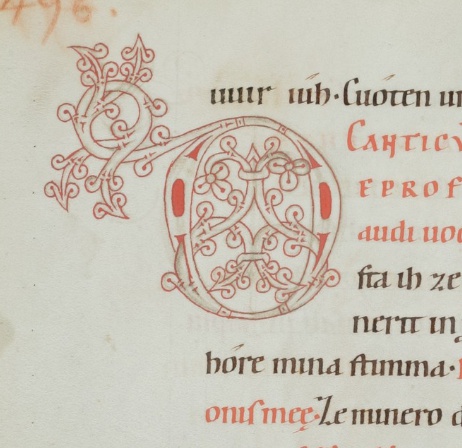
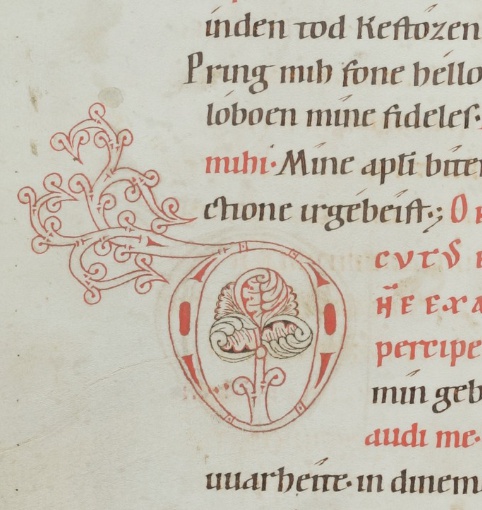
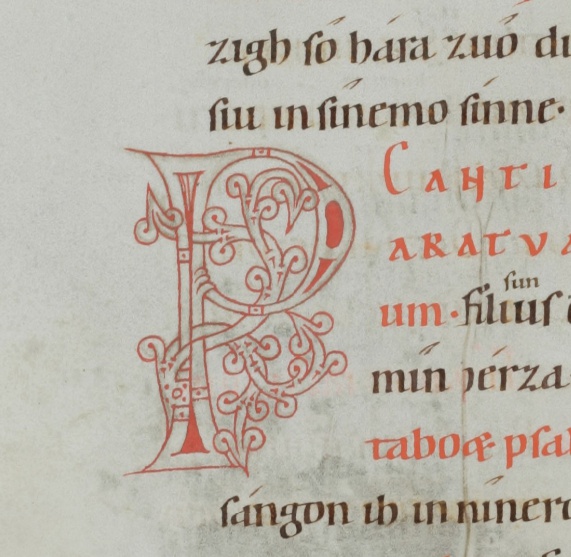
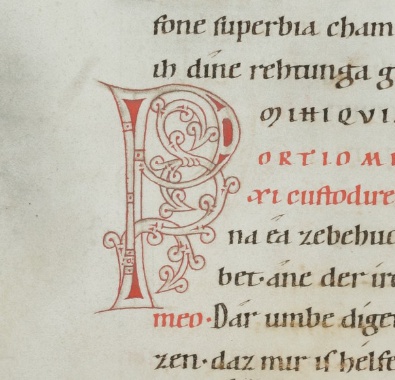
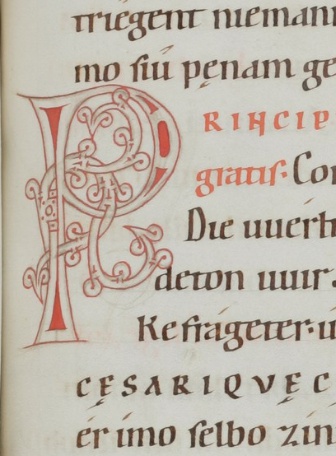
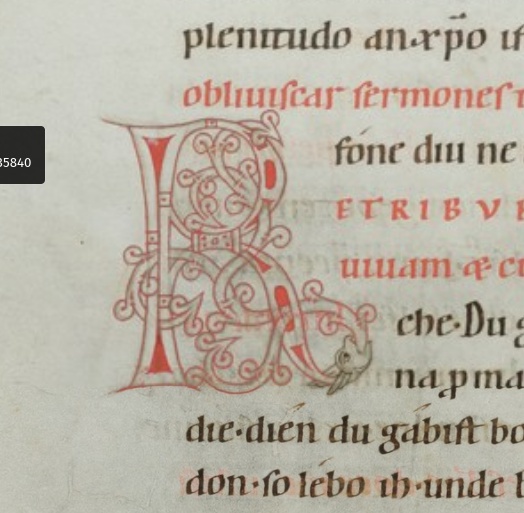
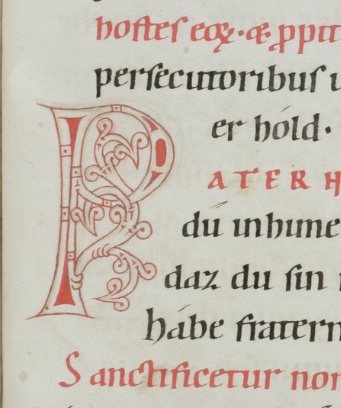
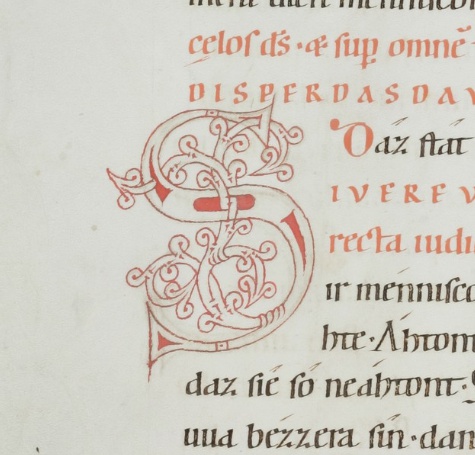
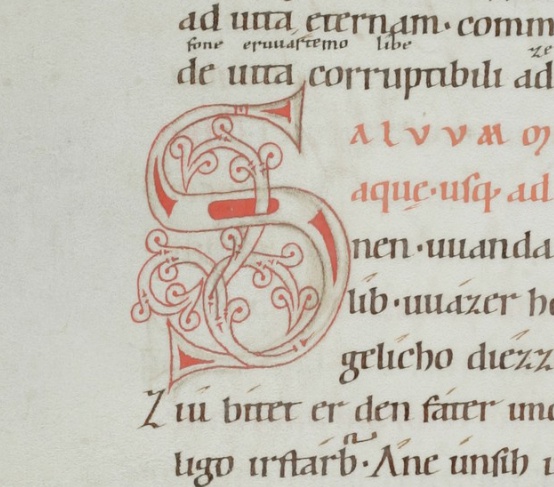
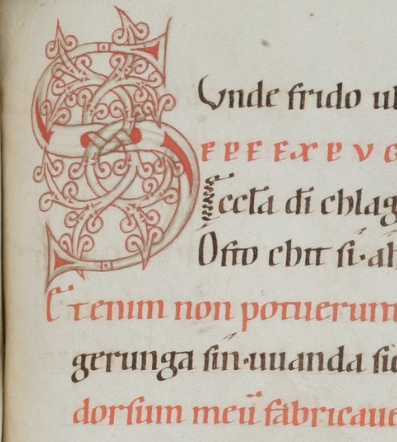
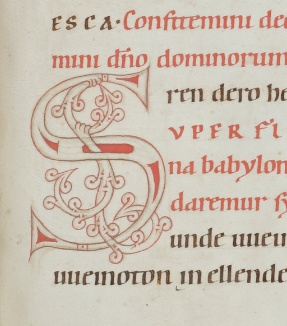
Old High German translation and commentary on the Psalms by the monk Notker the German of St. Gall, dating from around the year 1000. This 12th century copy from Einsiedeln is the only extant complete copy.
https://www.e-codices.unifr.ch/en/list/one/csg/0021
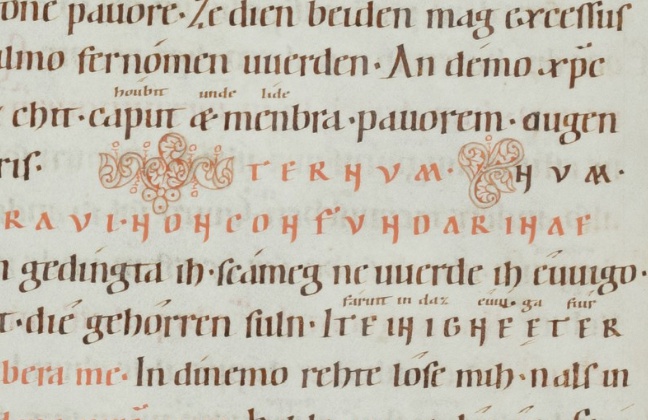
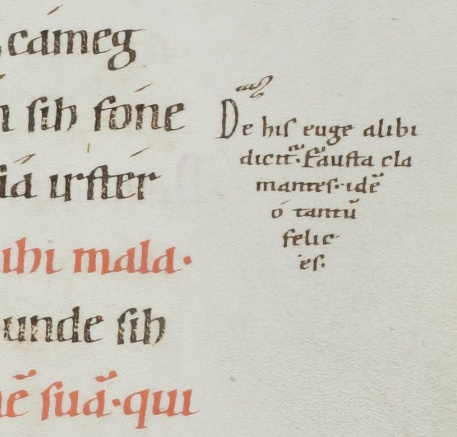
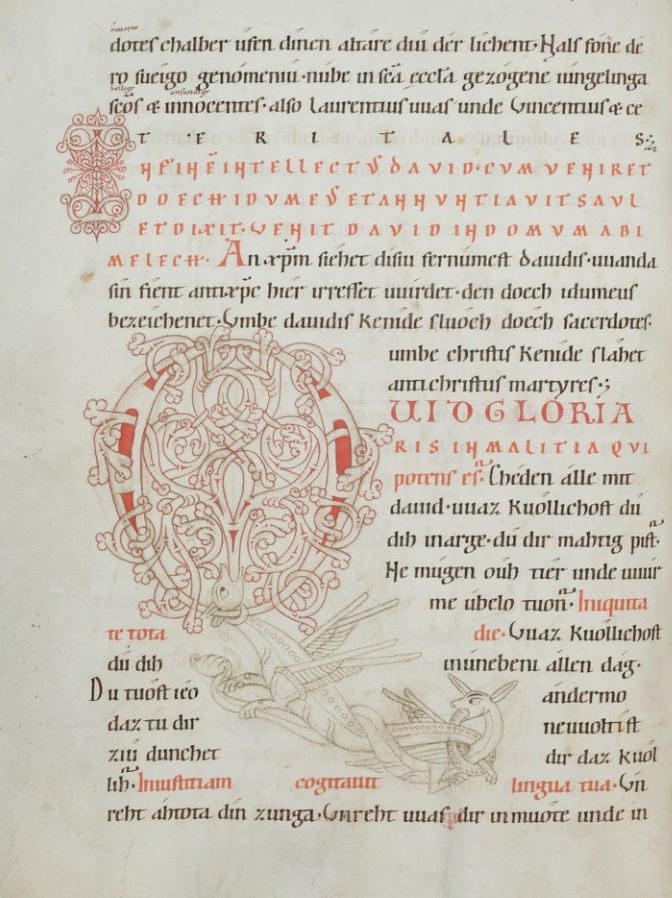
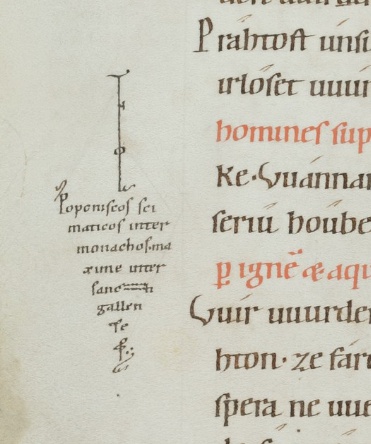
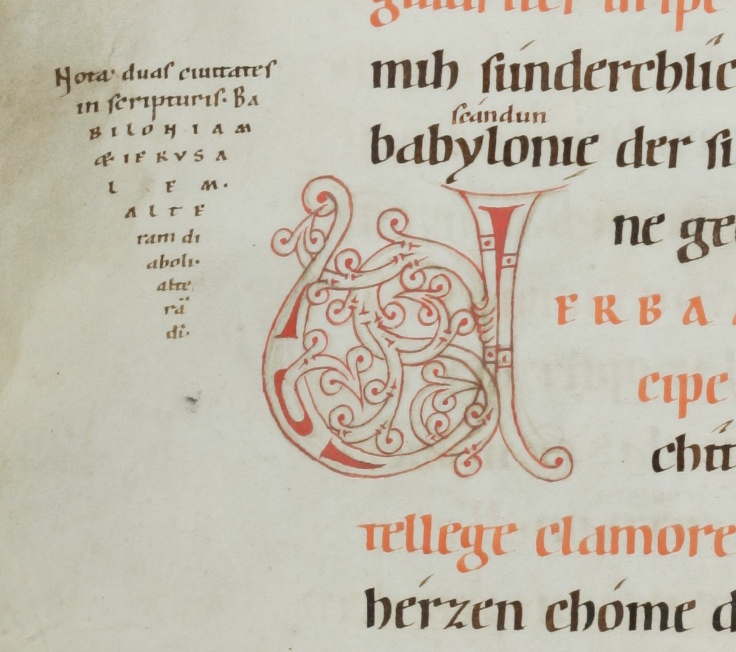
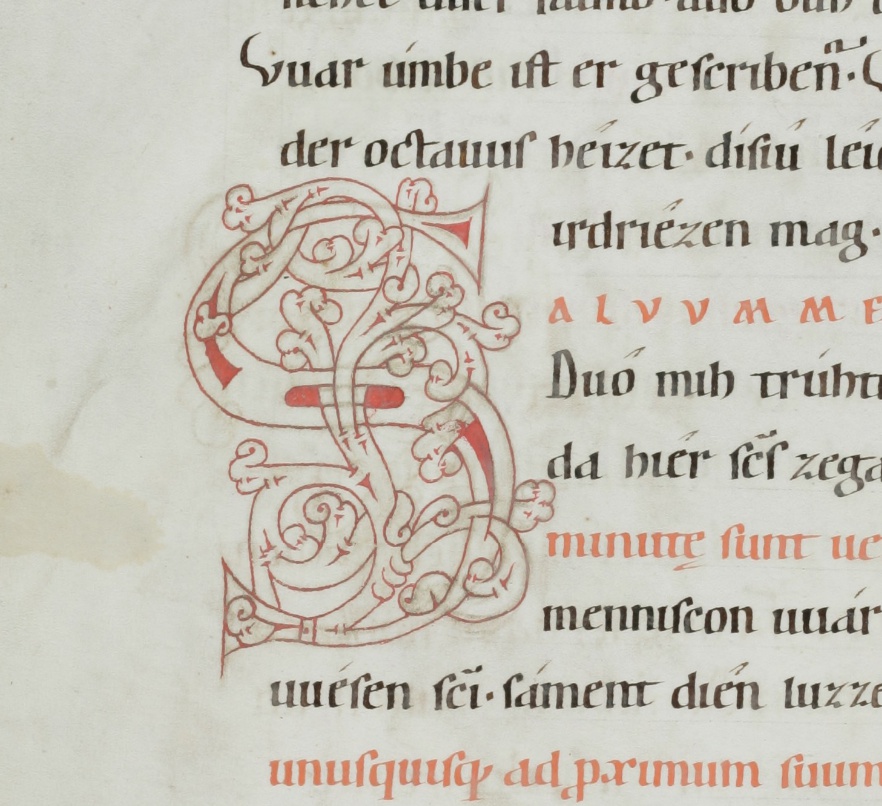
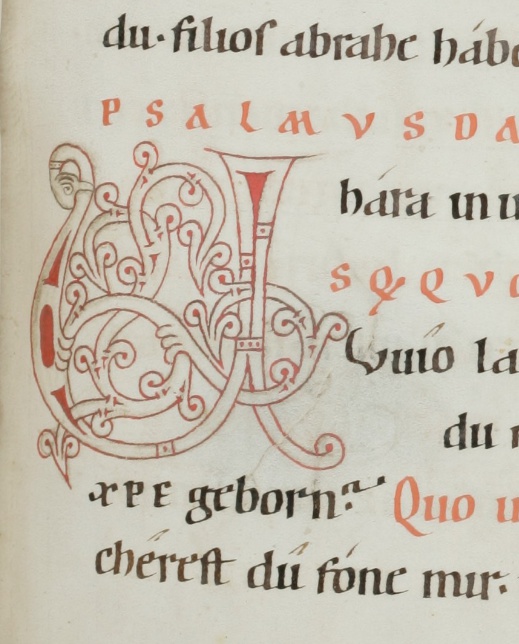
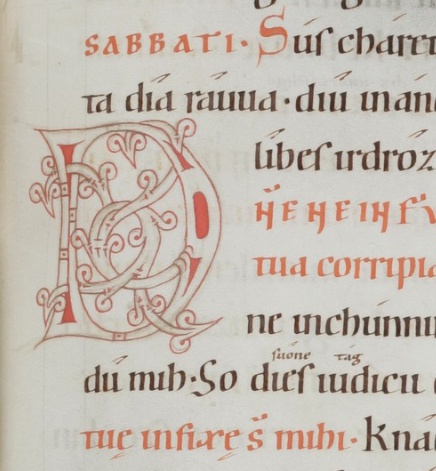
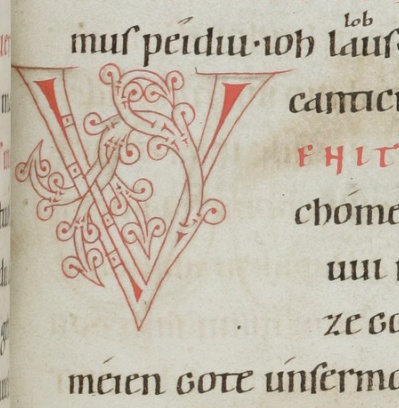
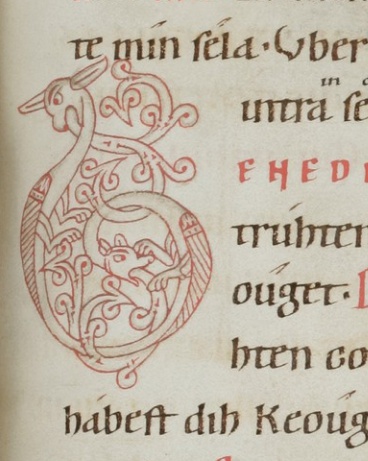
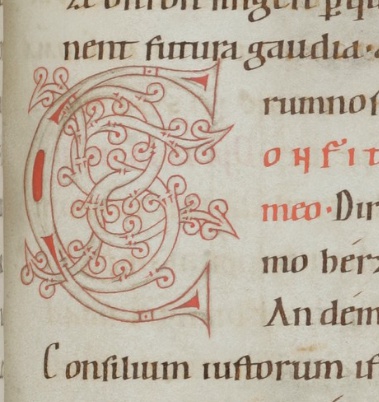
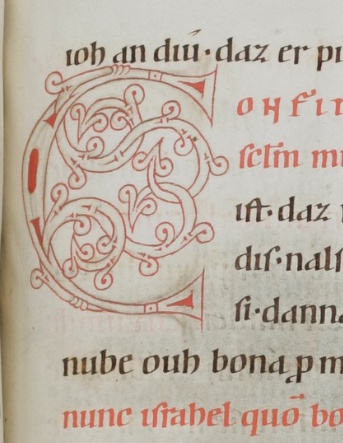
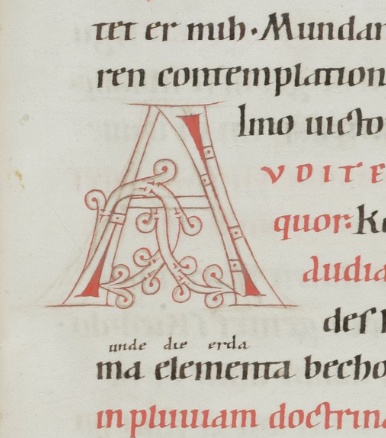
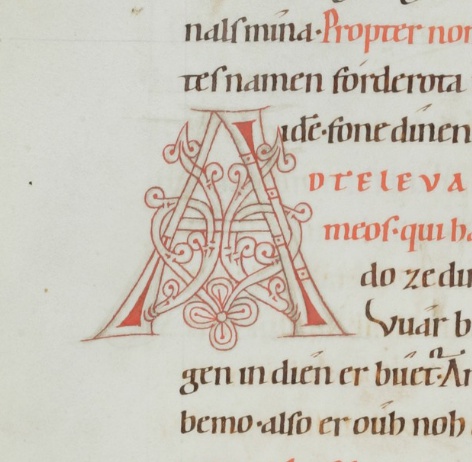
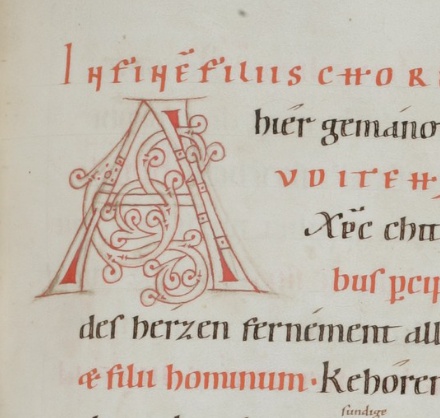
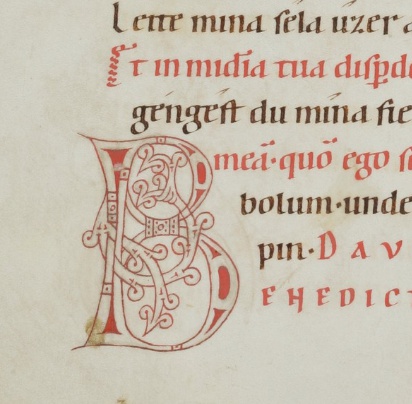
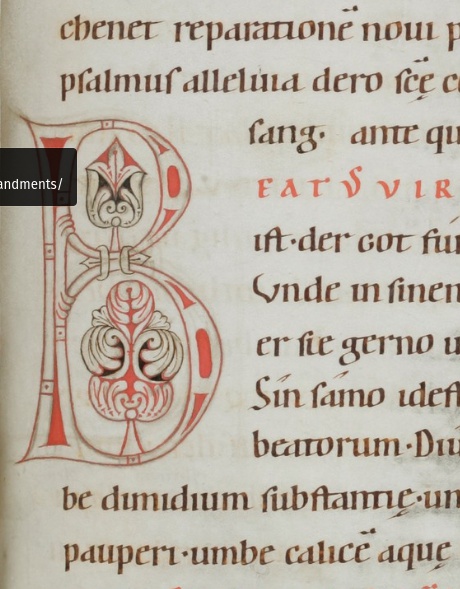
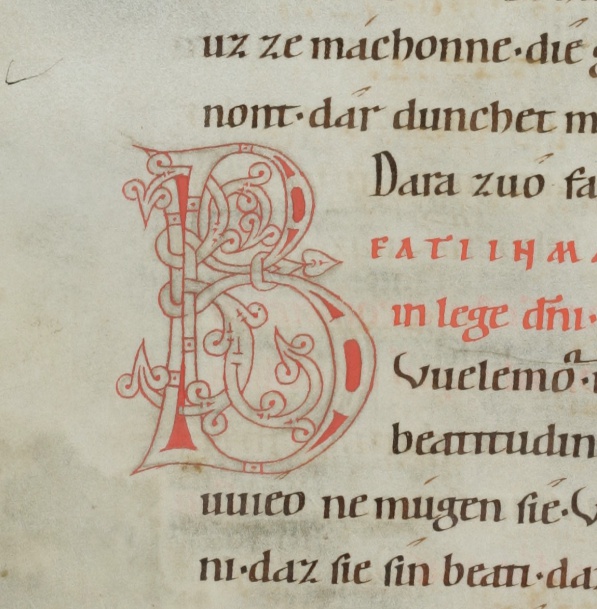
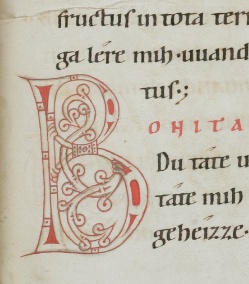
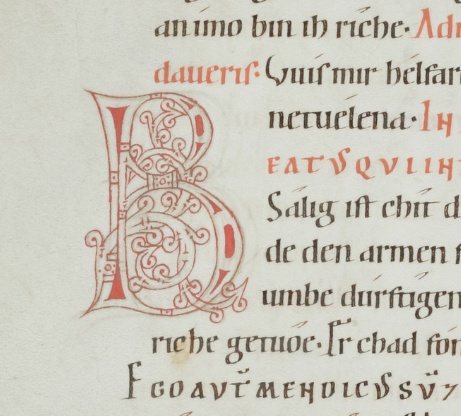
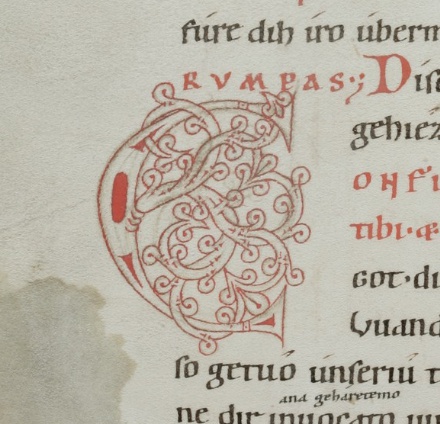
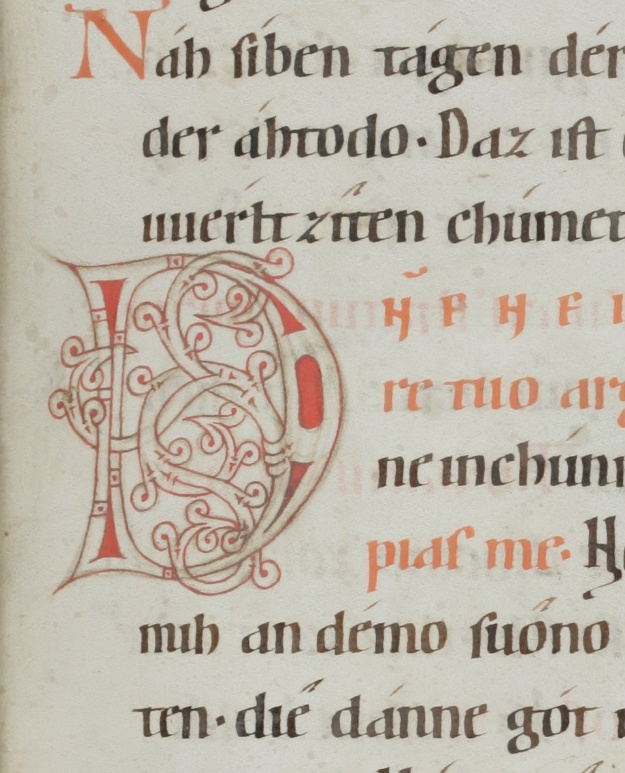
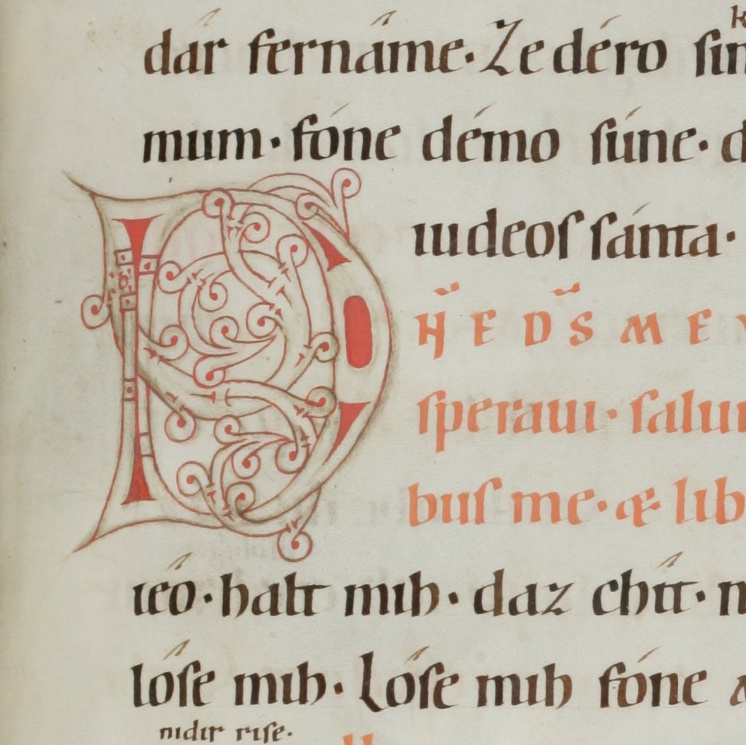
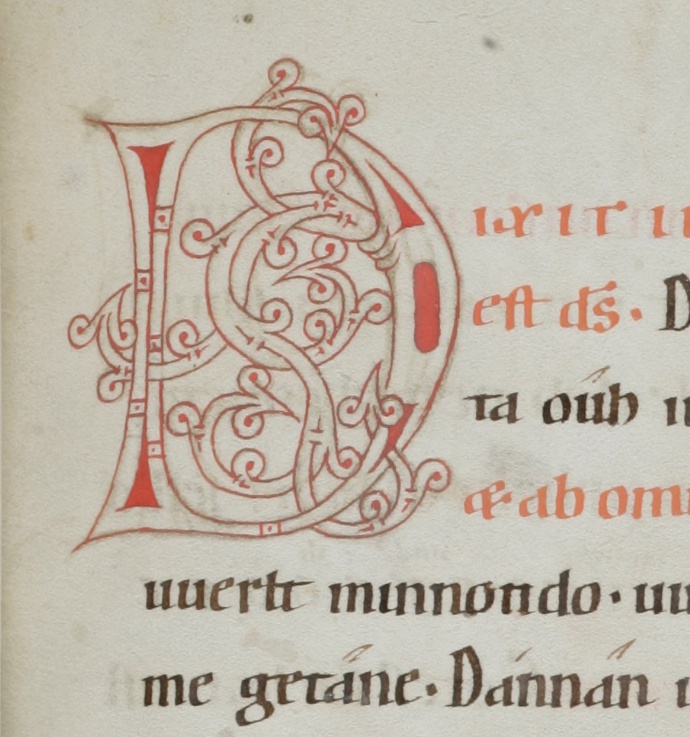
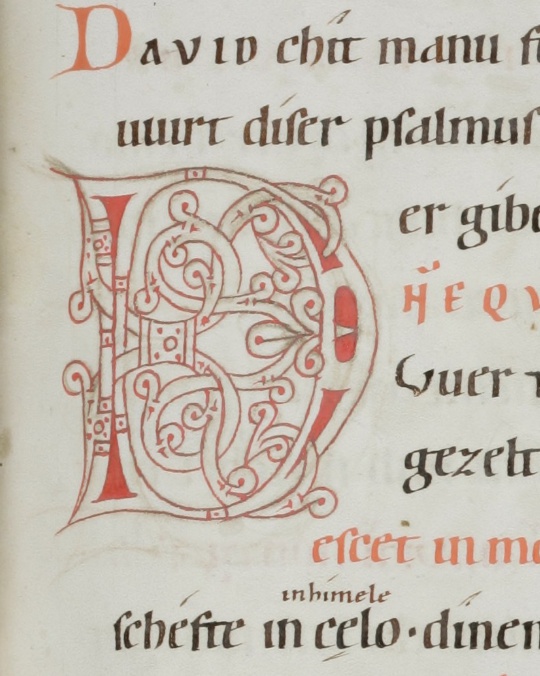
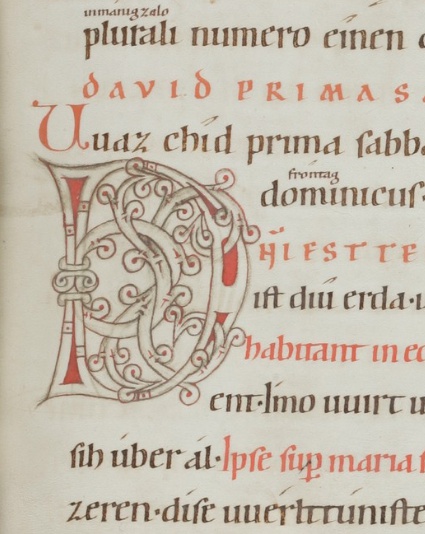
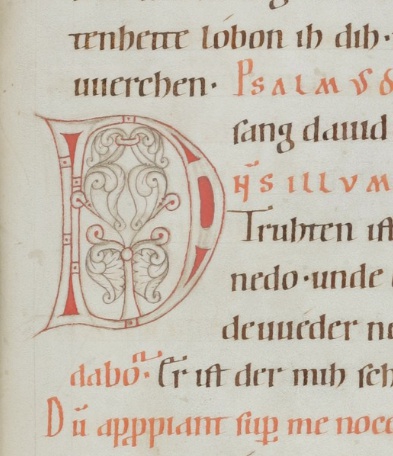
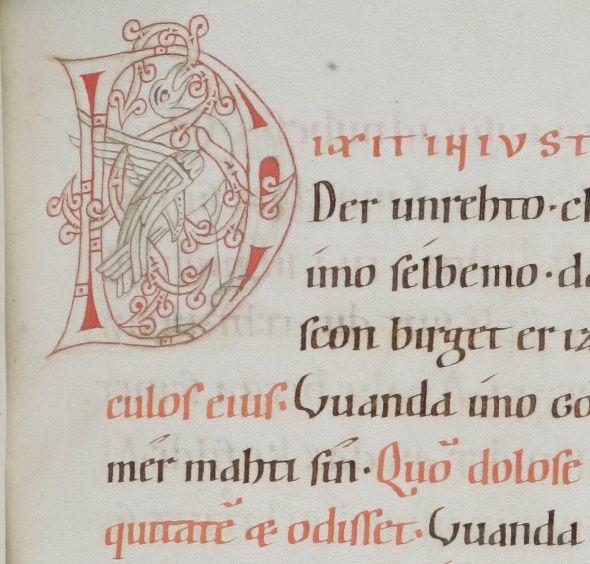
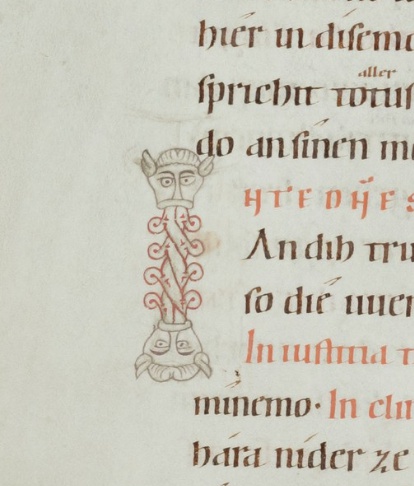
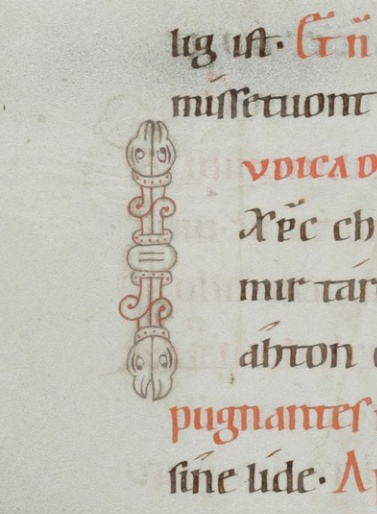
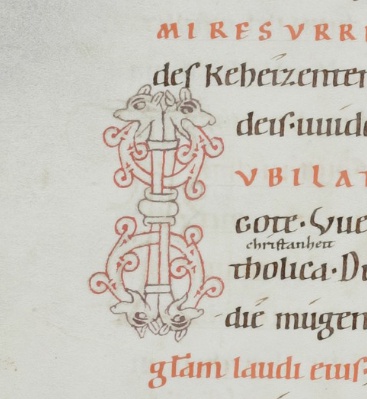
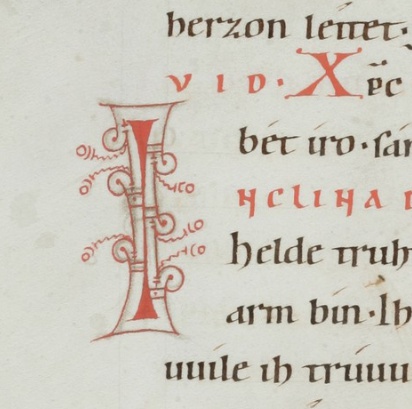
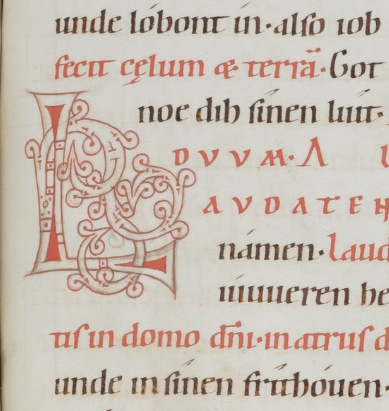
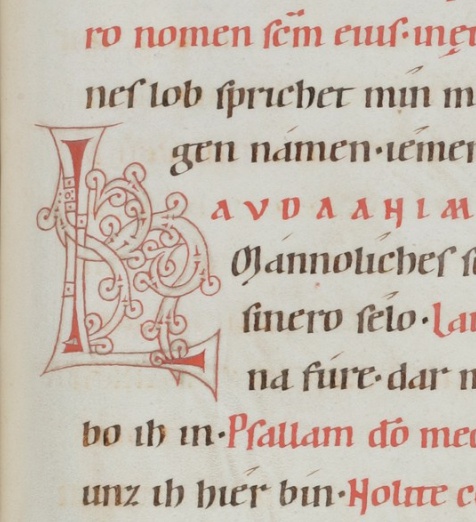
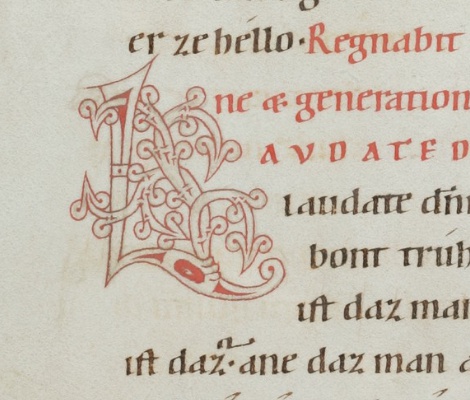
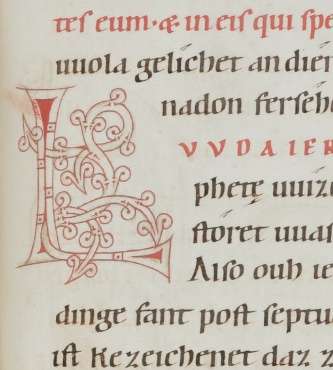
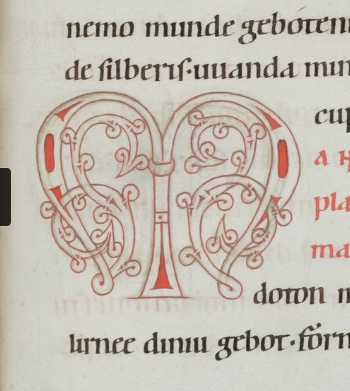
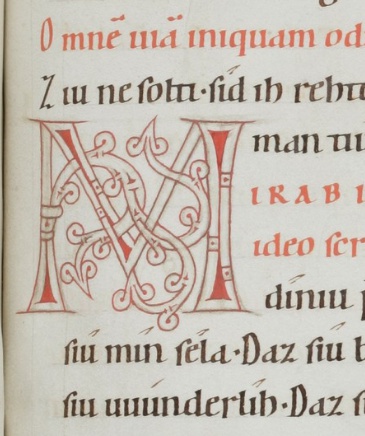
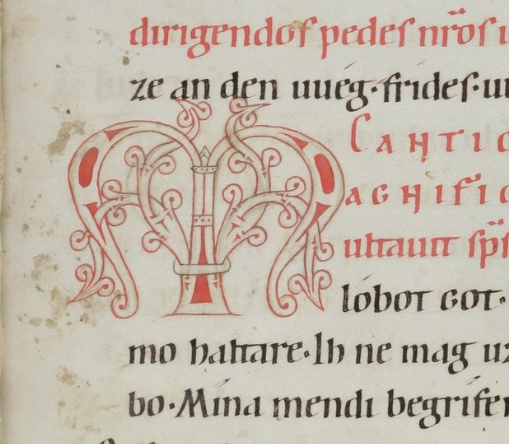
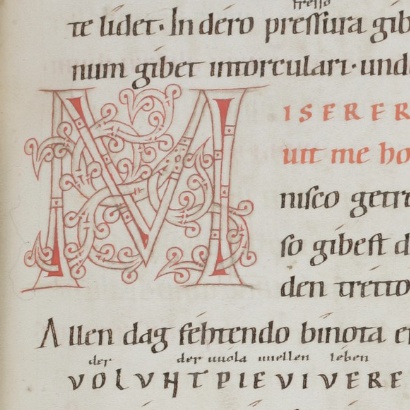
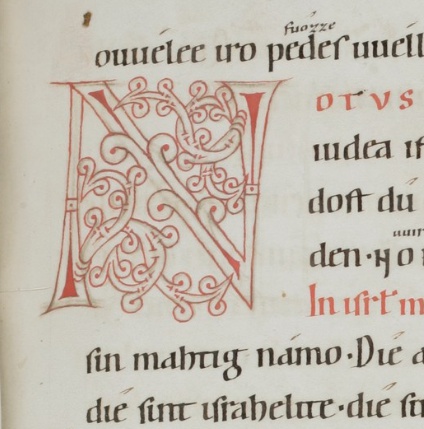
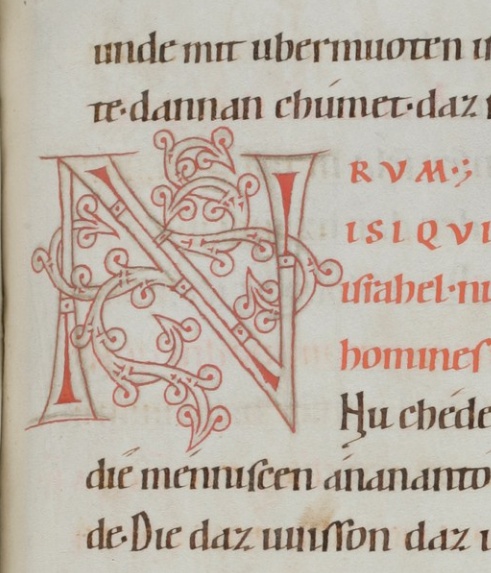
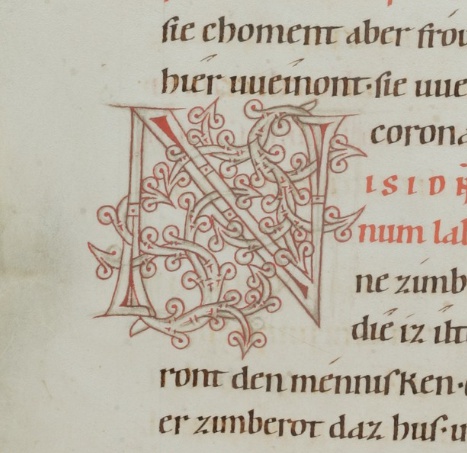
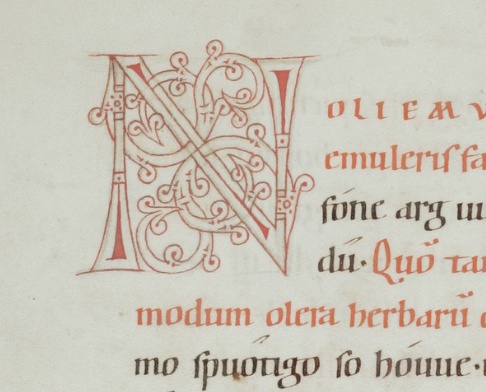
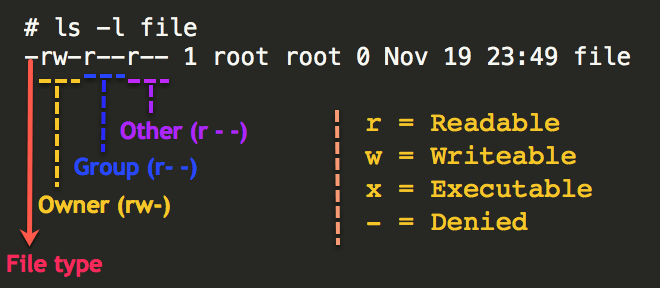
We can enable files to be run by the permission of the owner of the file. Like when we change password (command passwd). When you run the password command, its being run as root.
$ ls -l /usr/bin/passwd
-rwsr-xr-x 1 root root 68208 May 28 09:37 /usr/bin/passwd
The s stands for SetUID. When the s is substituted where irregular bit would be, it allows us to run the file with the permissions of the owner of the file.
To enable the SetUID bit:
$ sudo chmod u+s file.txt
or
$ sudo chmod 4755 file.txt
$ ls -l test.txt
-rwSrw-r-- 1 taunoerik taunoerik 2952 Sep 1 17:36 test.txt
Passwords are stored on /etc/shadow file.
$ ls -l /etc/shadow
-rw-r----- 1 root shadow 1377 Jul 29 09:15 /etc/shadow
You can run a file using group permissions with setgid or set group ID. This allows you to run a file as a member of the file group.
To enable SetGID bit:
$ sudo chmod g+s file.txt
or
$ sudo chmod 2755 file.txt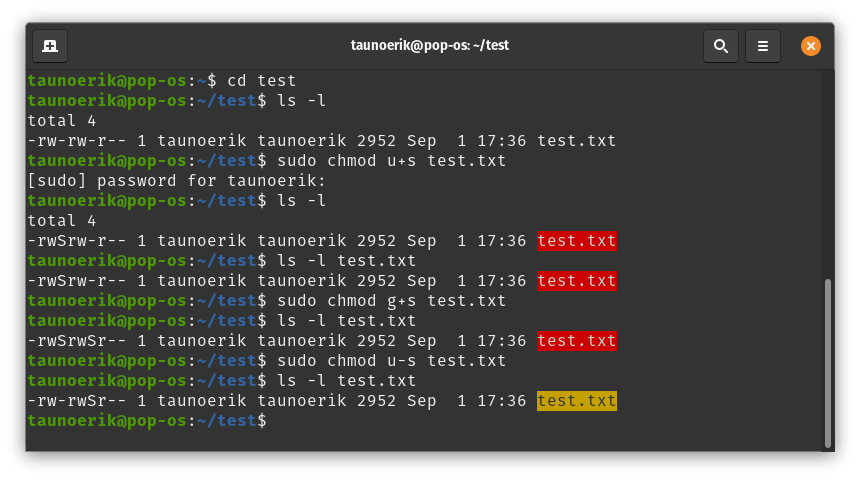
This bit sticks a file or folder down. It makes it so anyone can write to a file or folder, but they can’t actually delete anything. Only the owner of root can delete anything.
Temporary files are stored /tmp. There’s a special permission but at the end here t, this means everyone can add and modify files in the slash tmp directory, but only root or the owner can delete the slash tmp directory.
To enable Sticky Bit:
$ sudo chmod +t test/
or
$ sudo chmod 1755 test/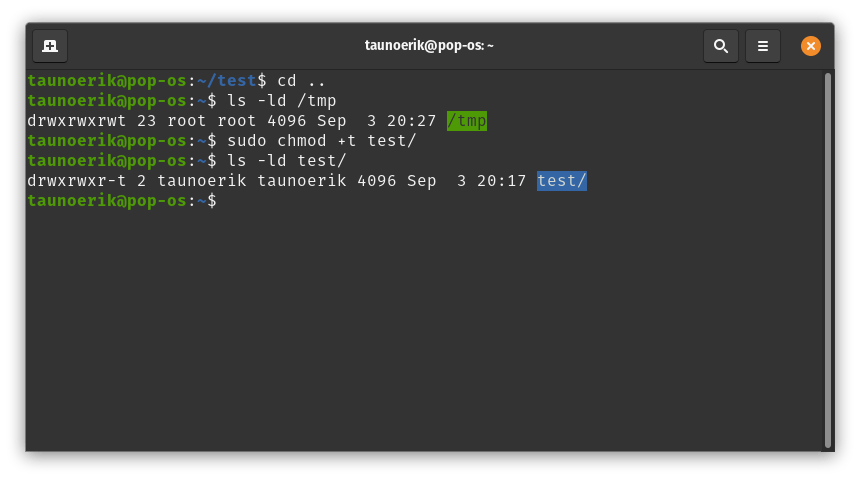
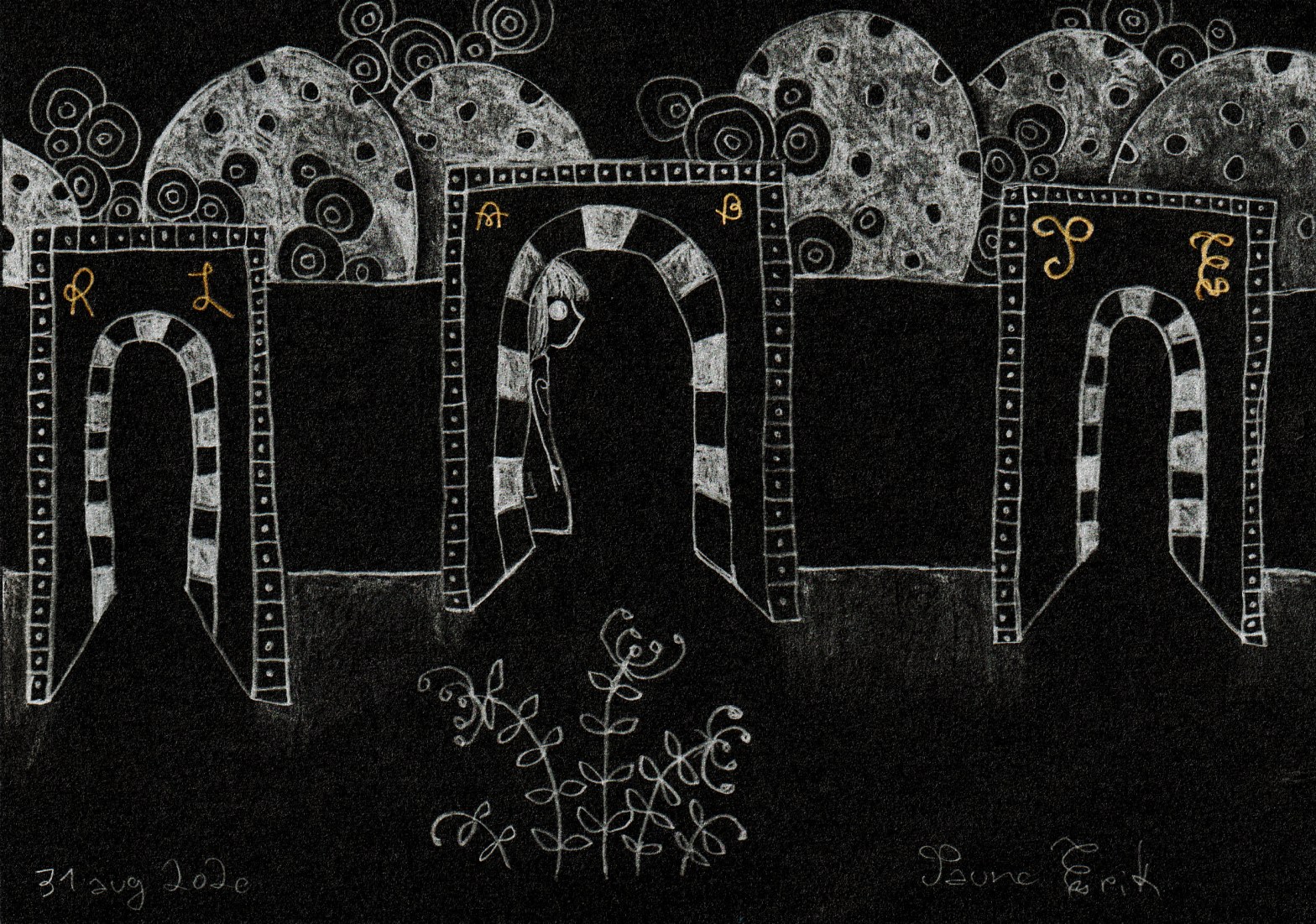
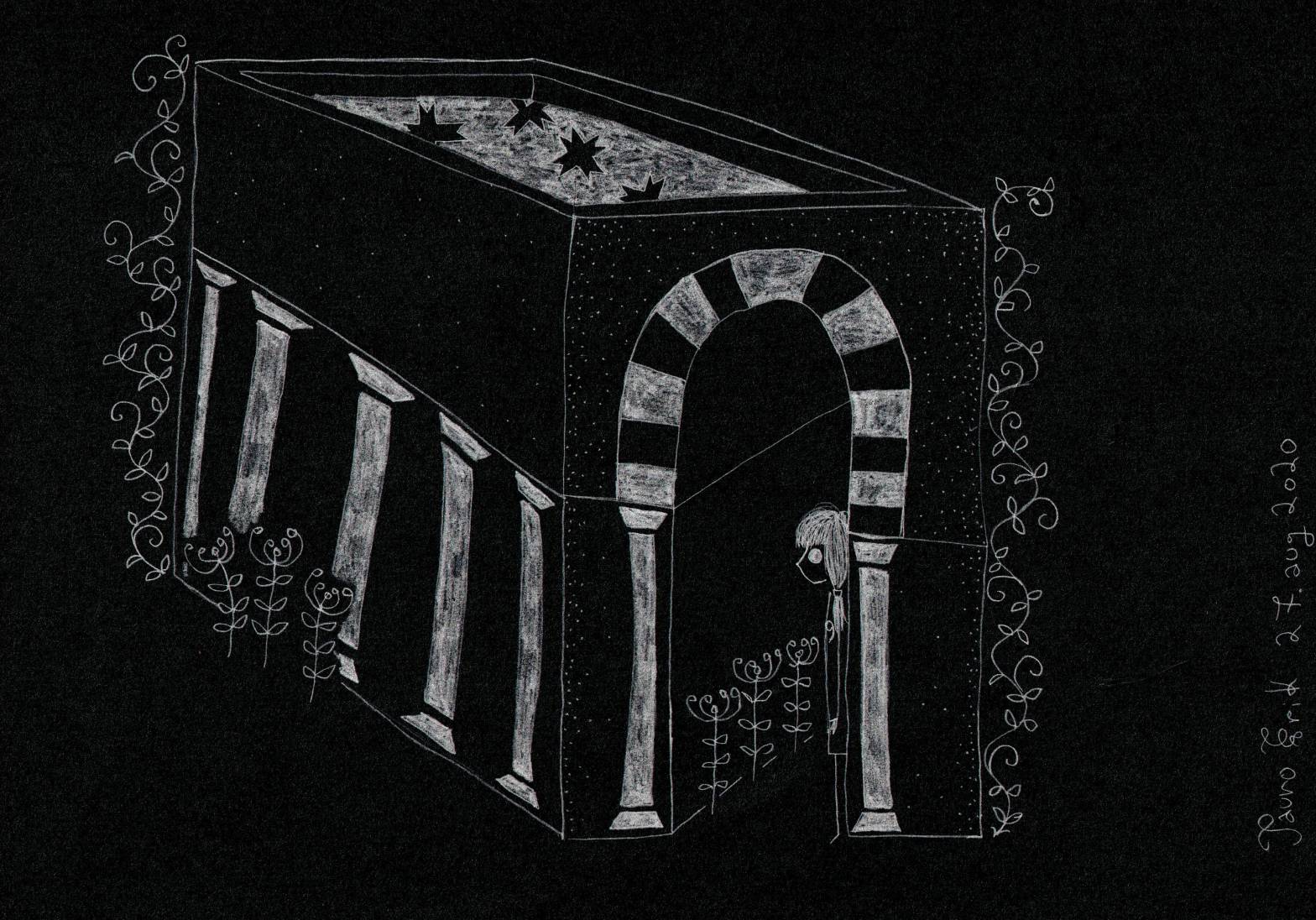
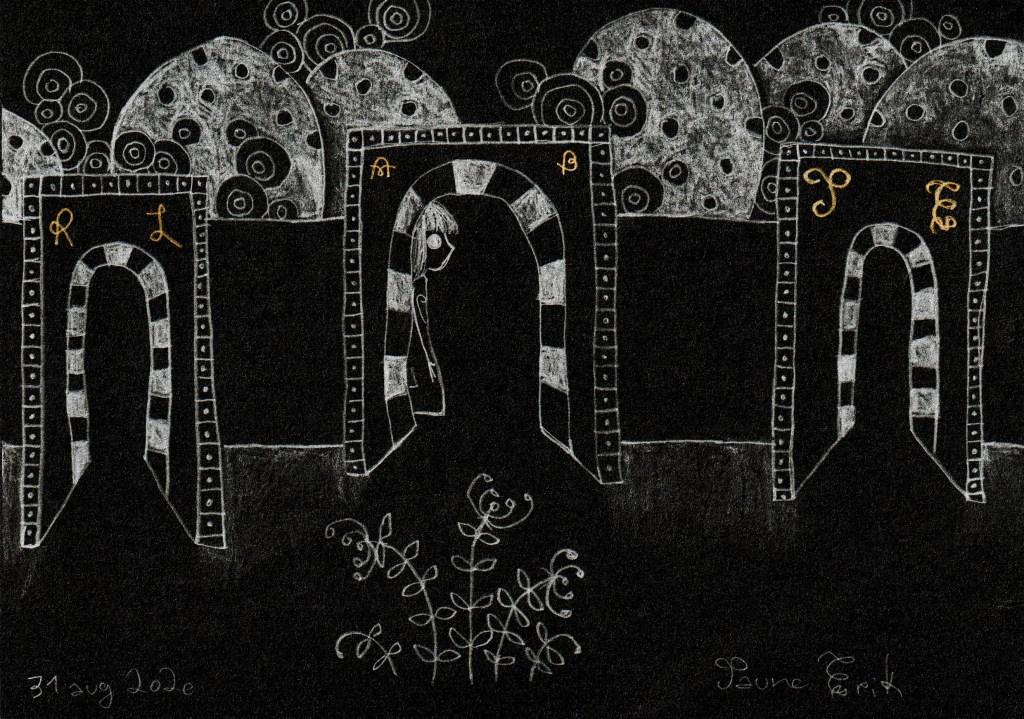
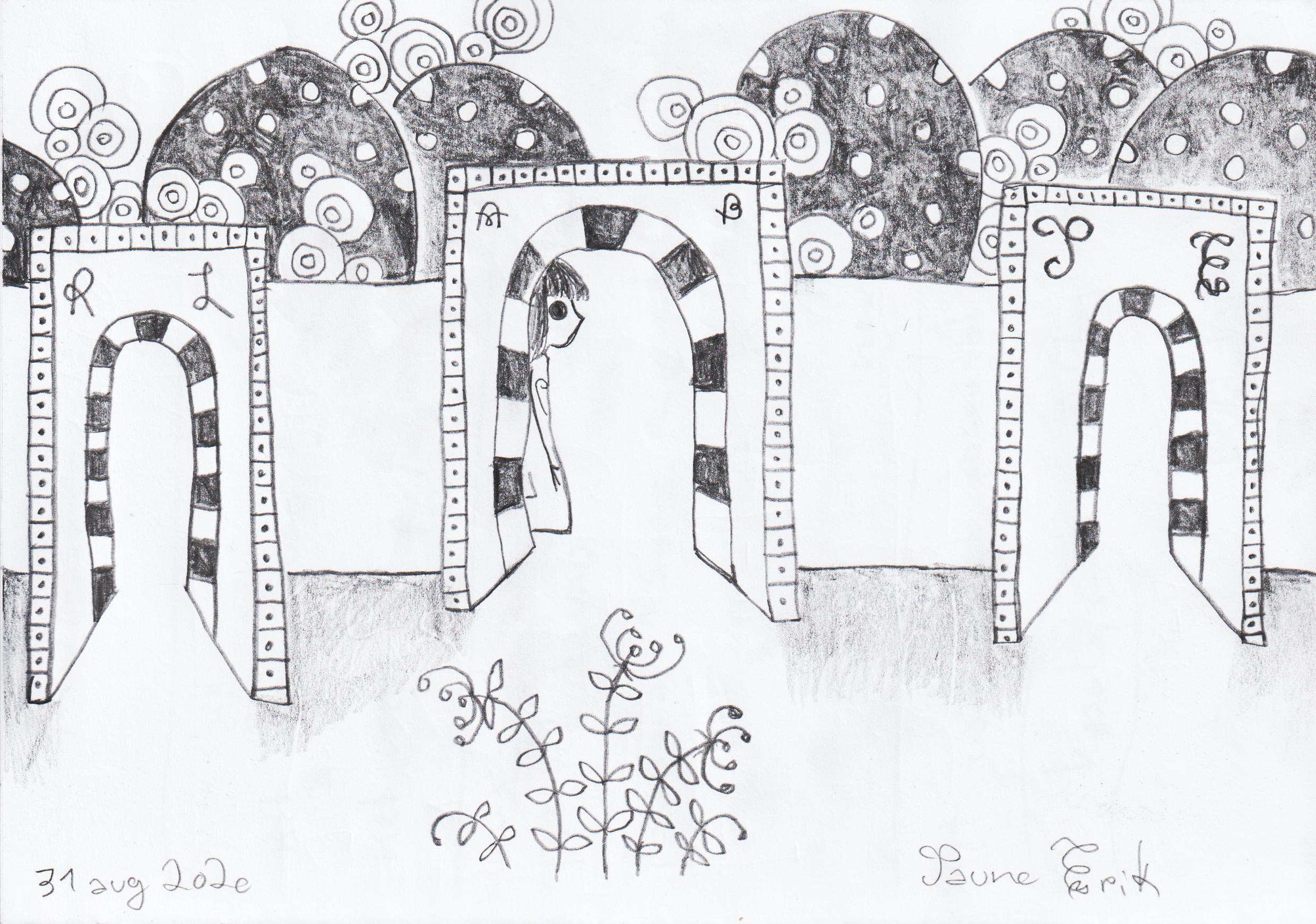
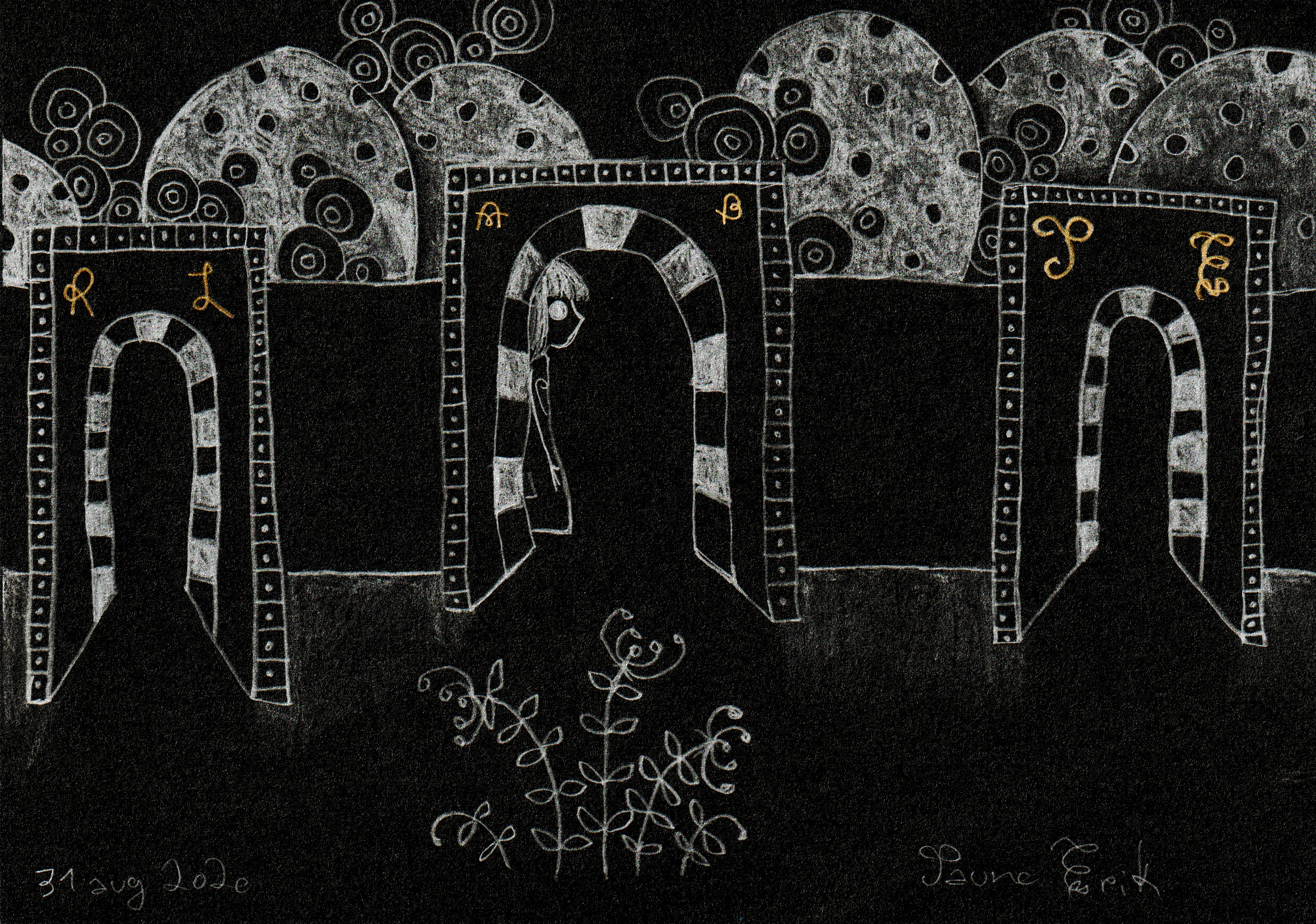
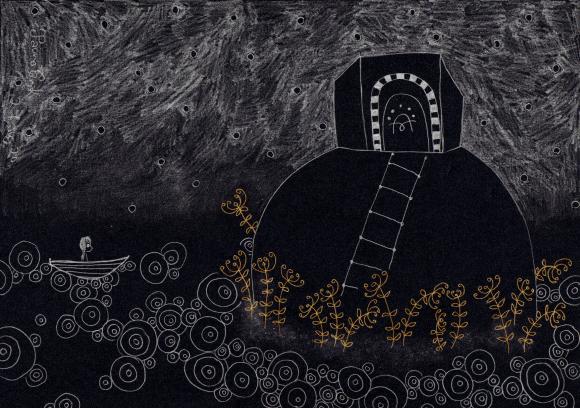
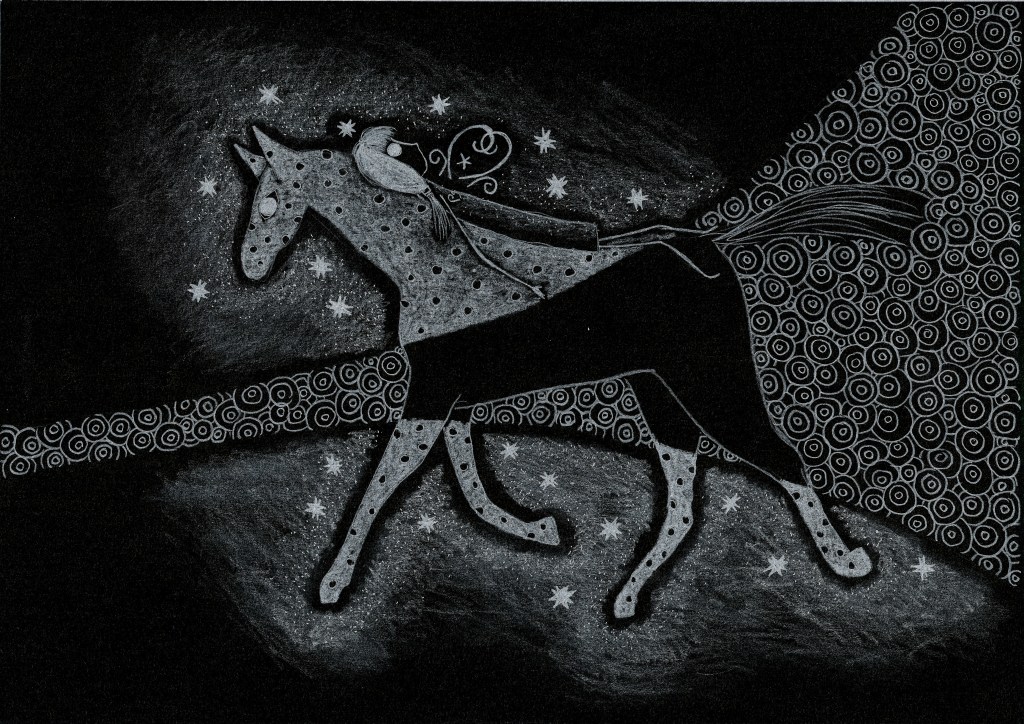
Many gods lived there.
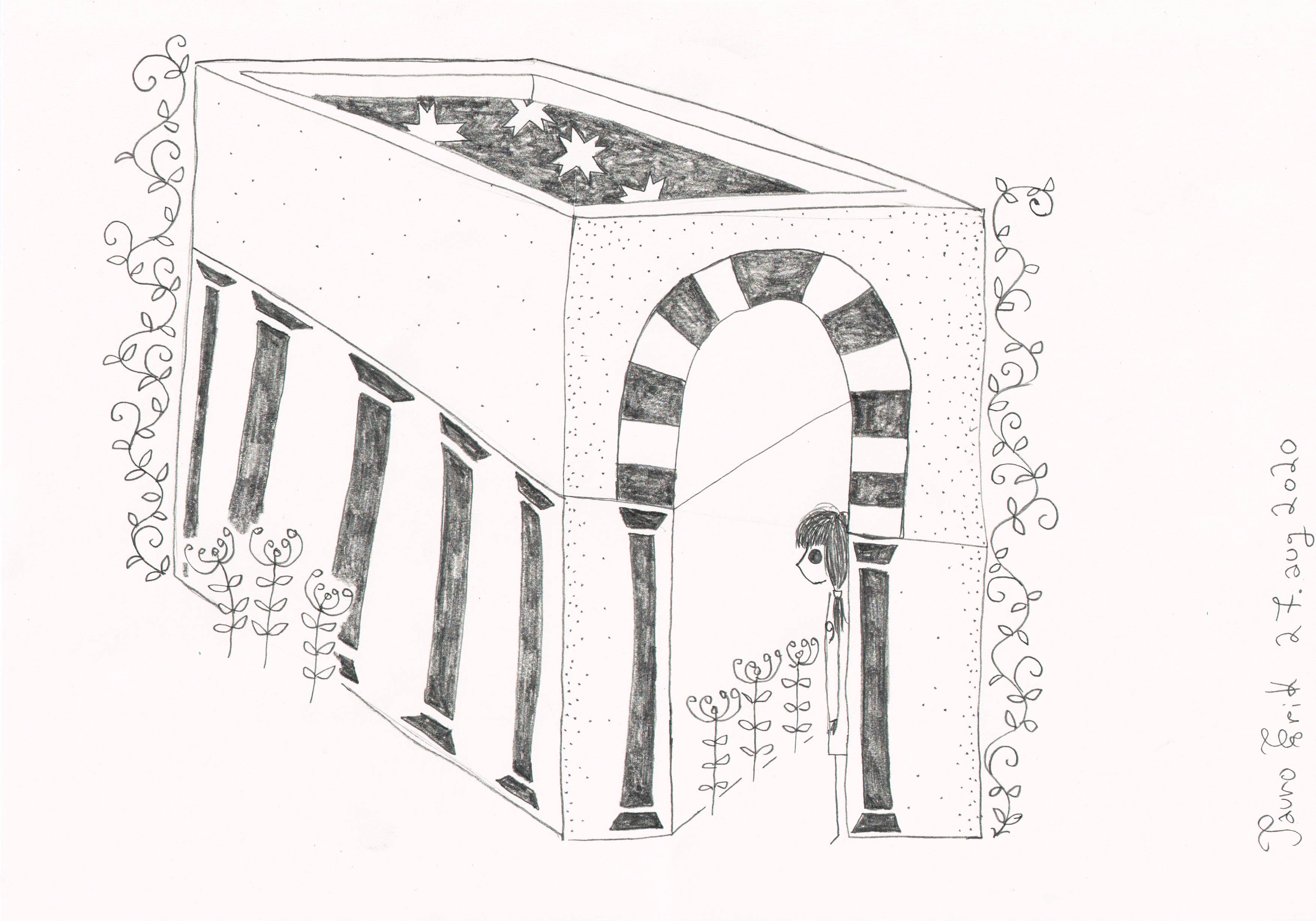
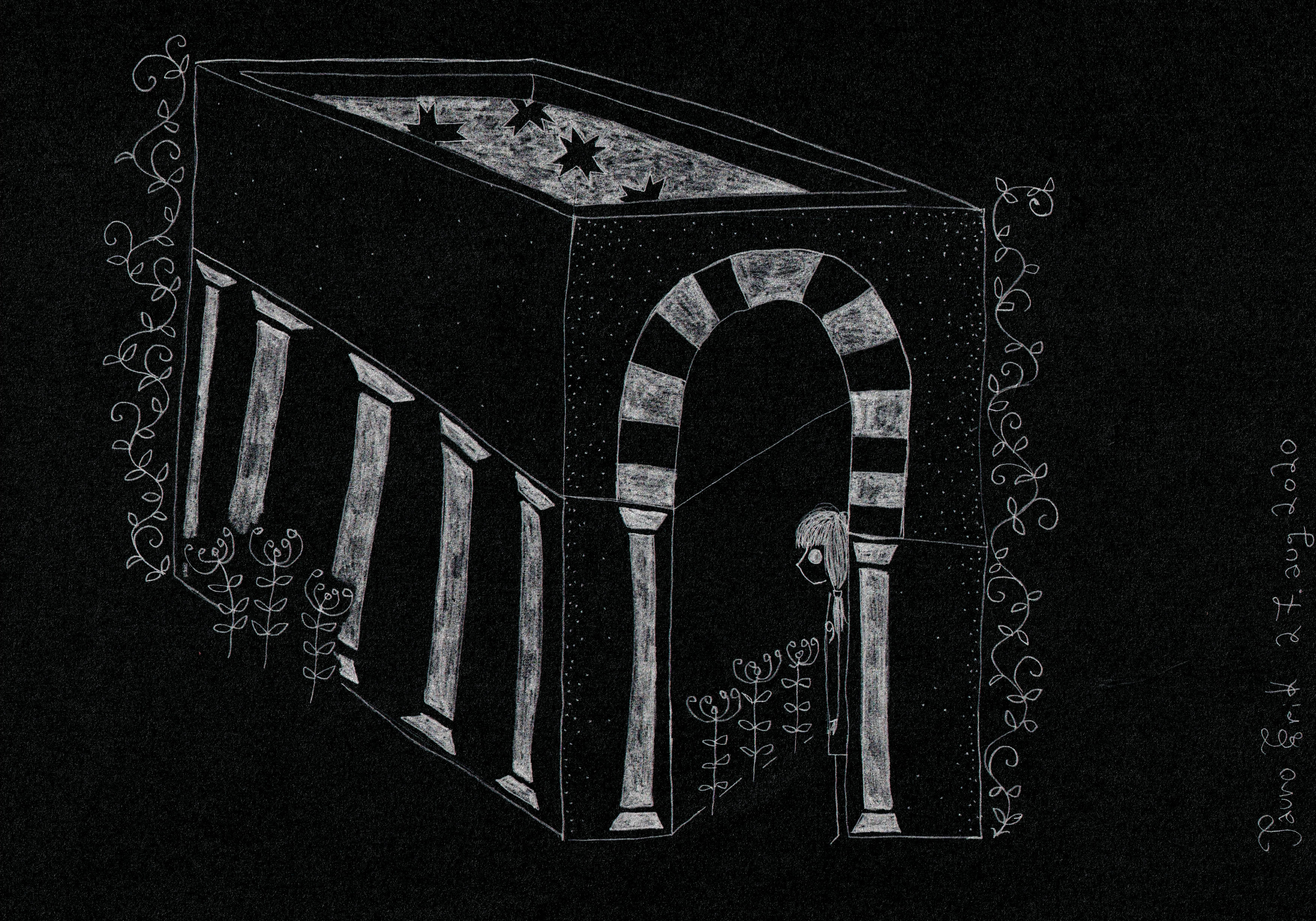
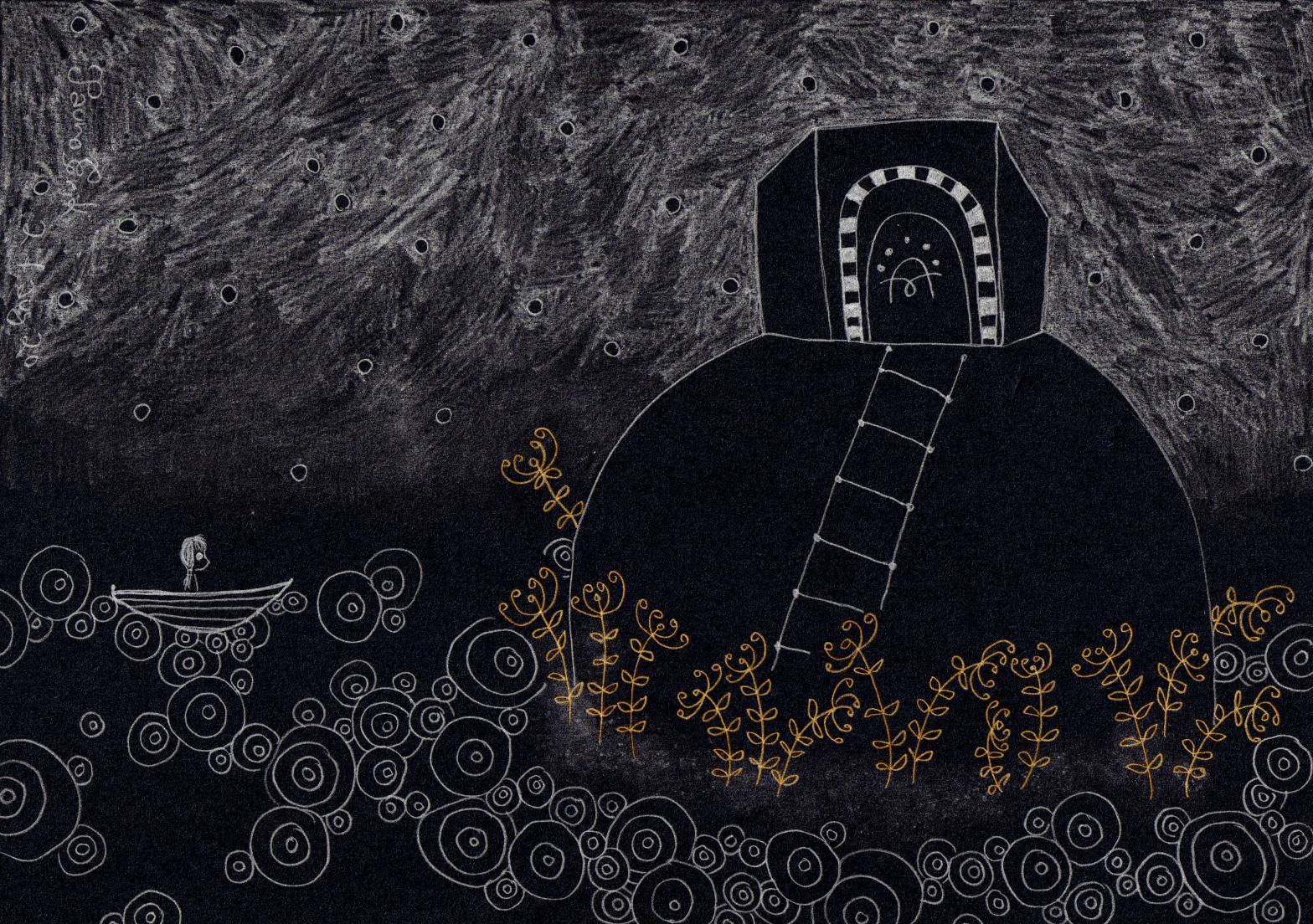
It reminds me of a Medieval Norman castle. They call it Motte. It is a giant mound of earth with a keep, or tower, built on top.
There’s the letter A. Alpha – the beginning.
Ladder to heaven.
This golden flowers looks like a flower family Apiaceae or Umbelliferae or how it would be right to say about them … Some of them are edible (like a Parsley and carrot) but some are toxic (like a giant hogweed).
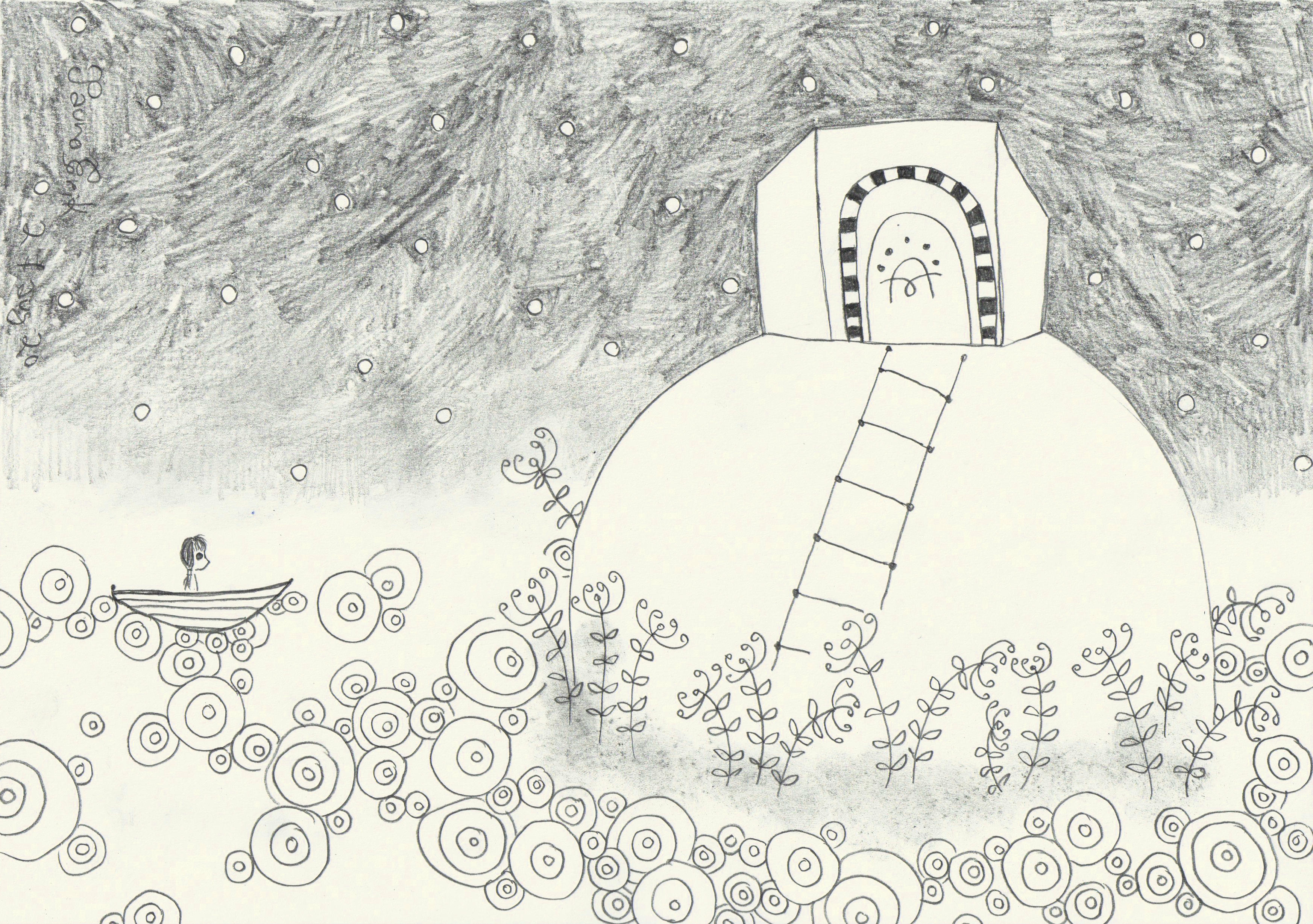
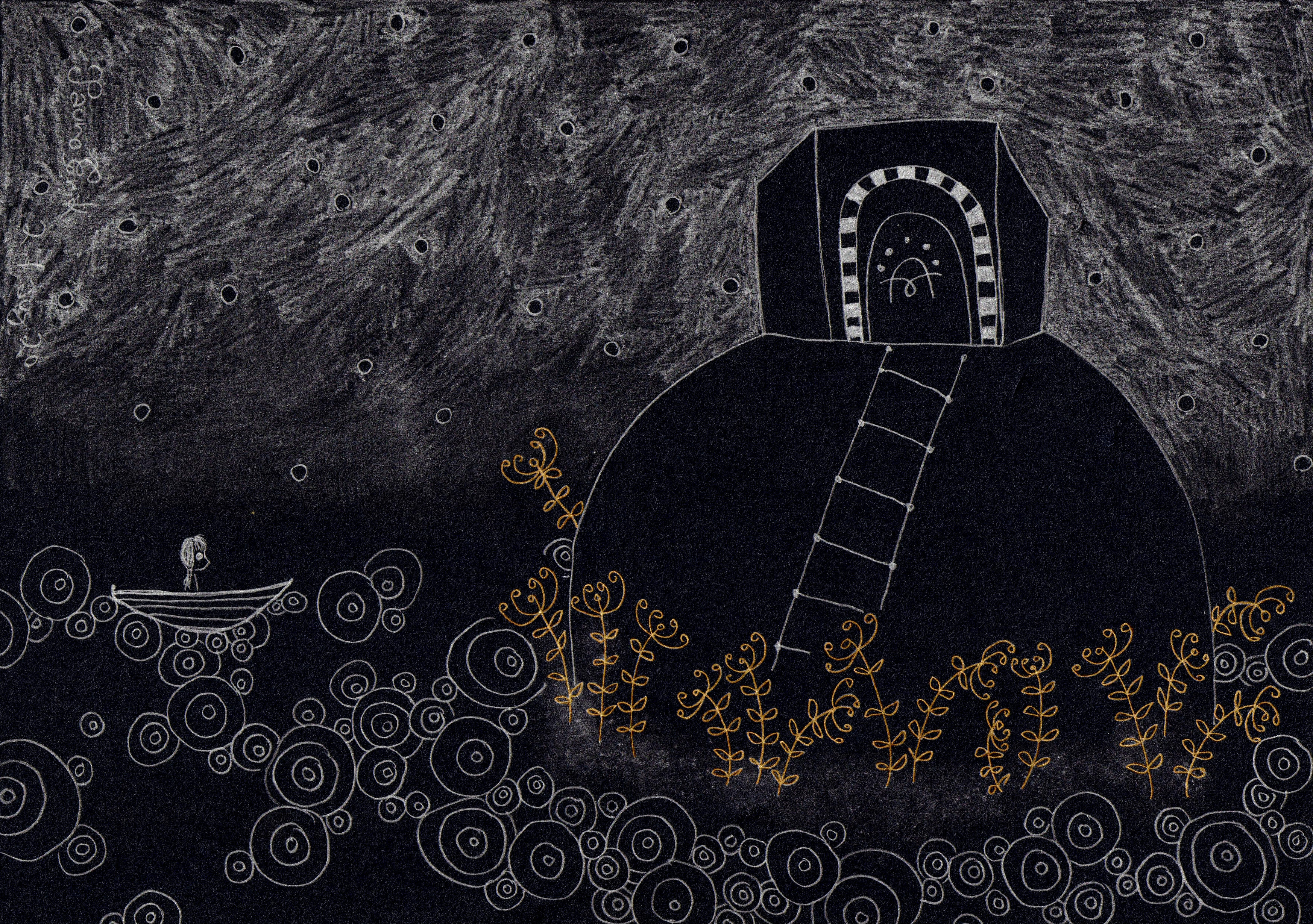
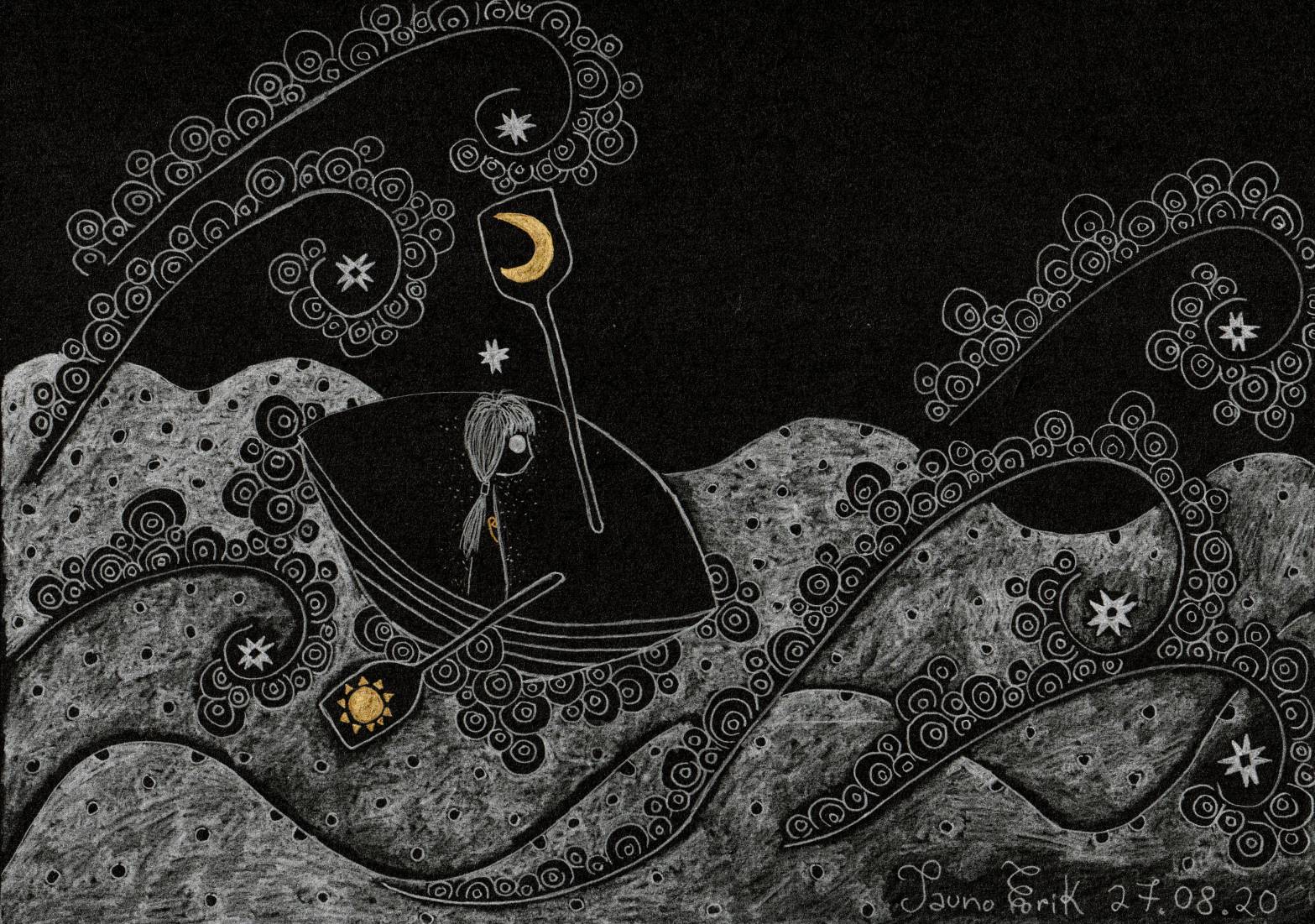
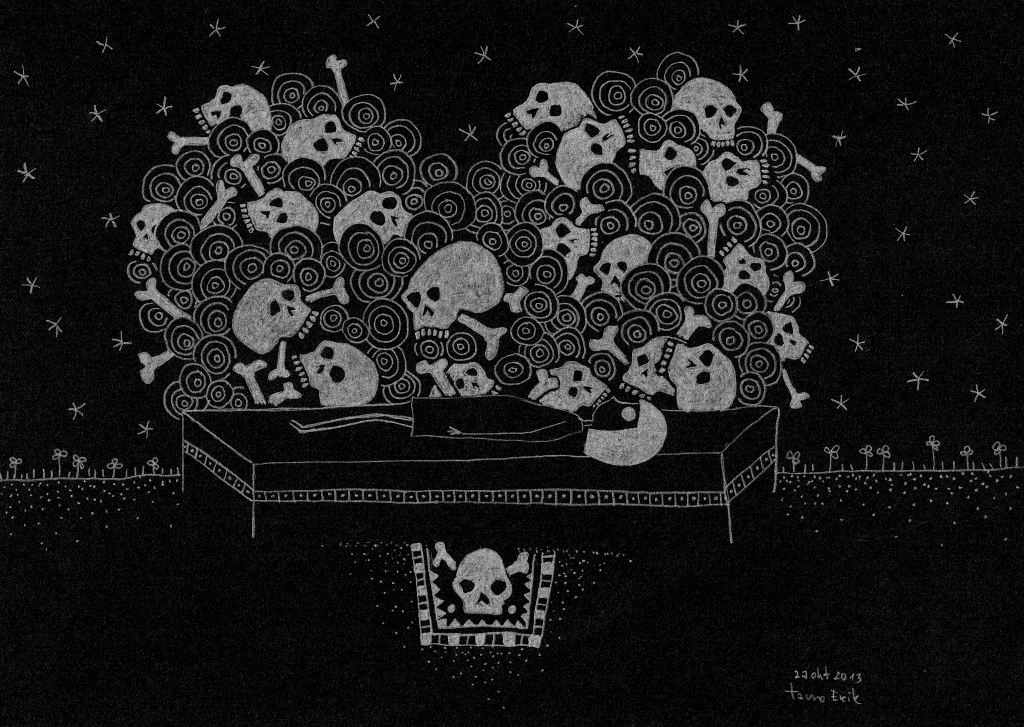
All sorts of cosmic waves: gravitational waves, supernovas, cosmic radiation, neutrinos, charged particles etc. flying over and through our heads.
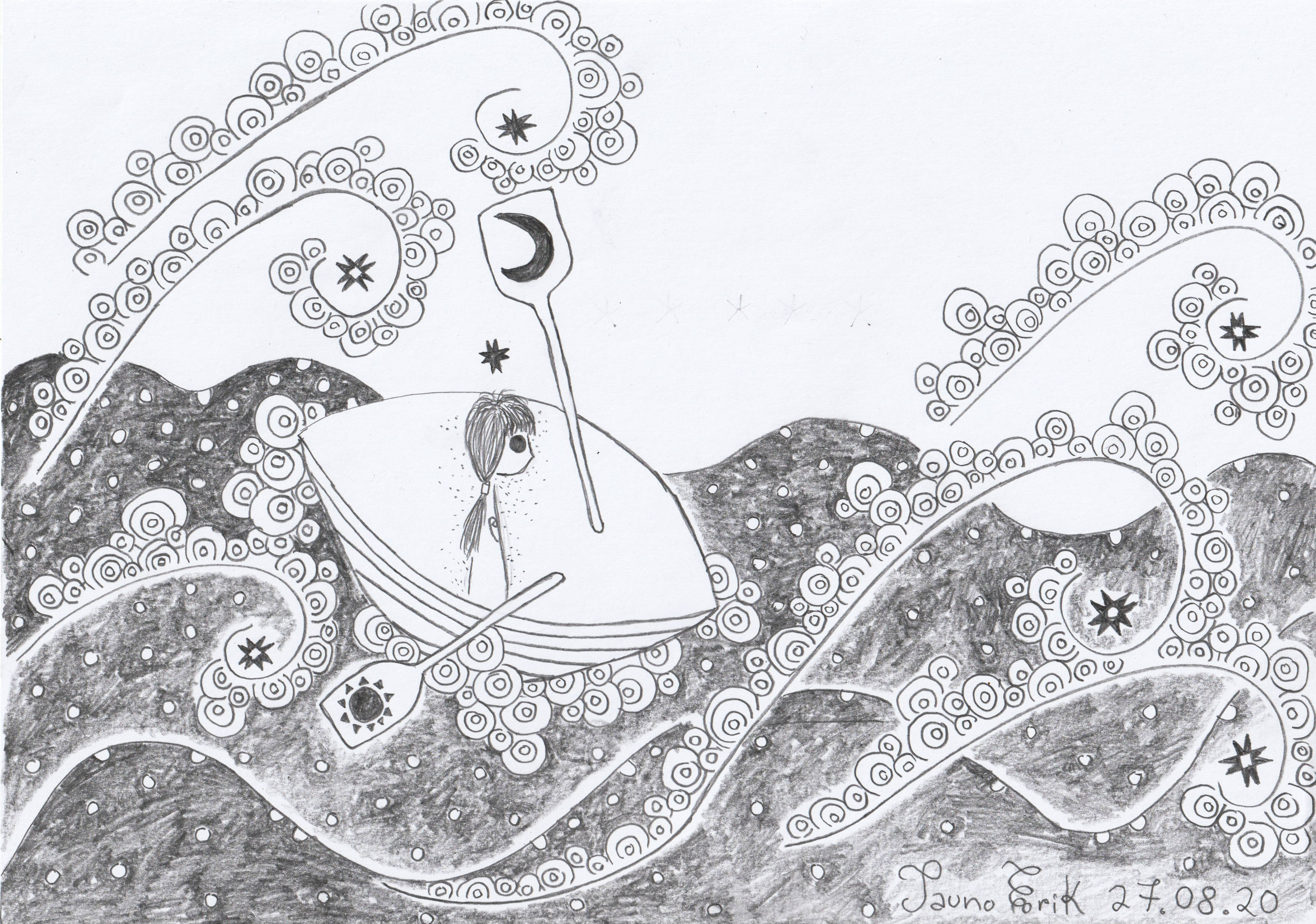
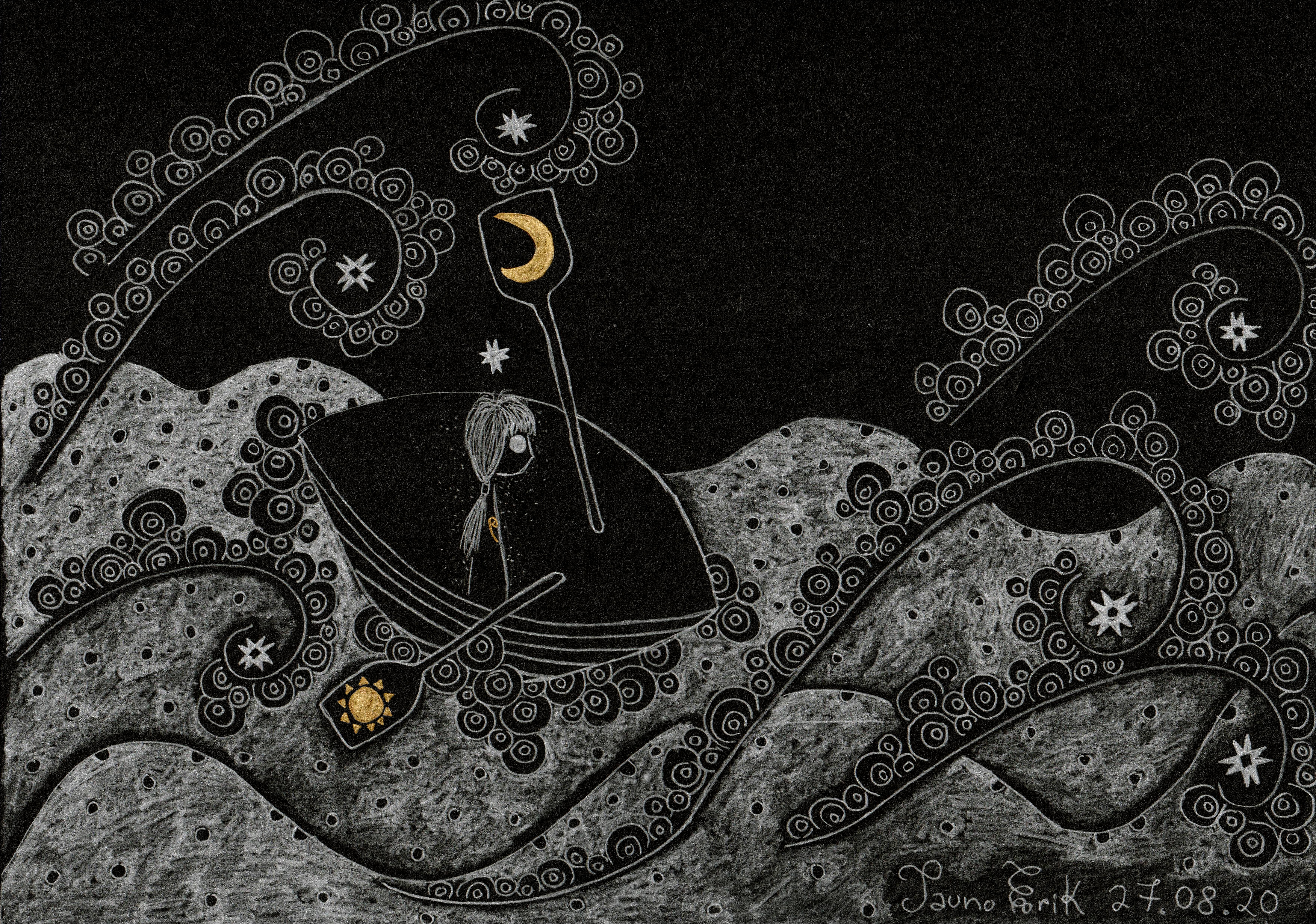
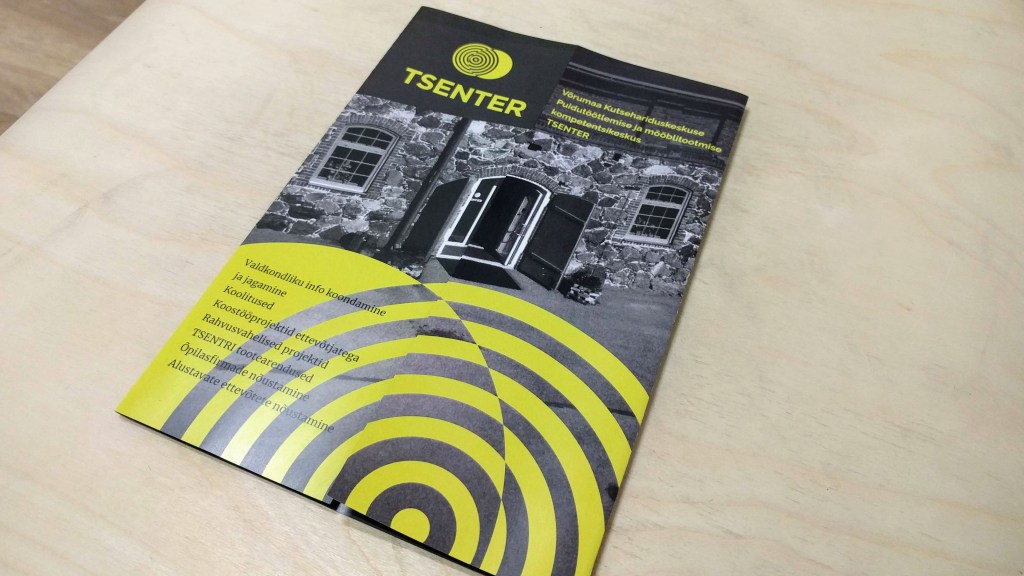
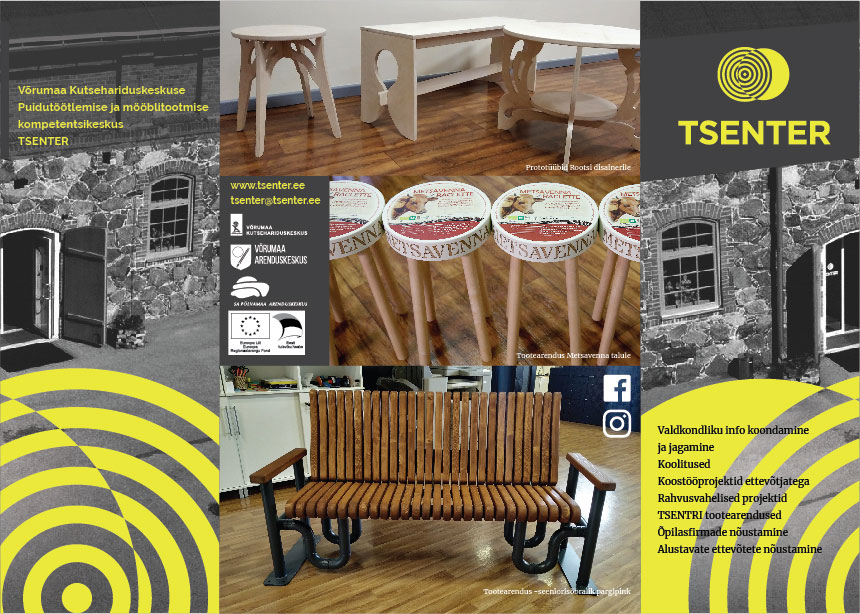
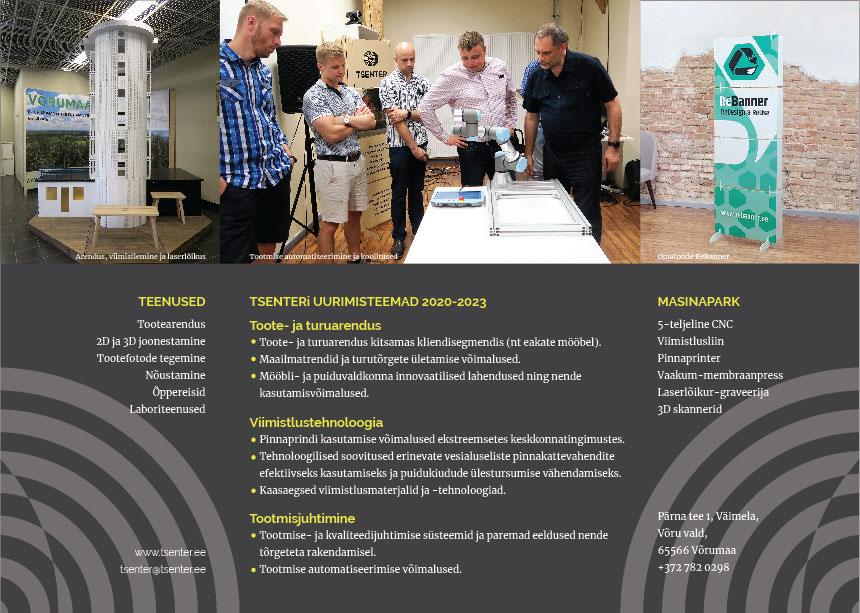
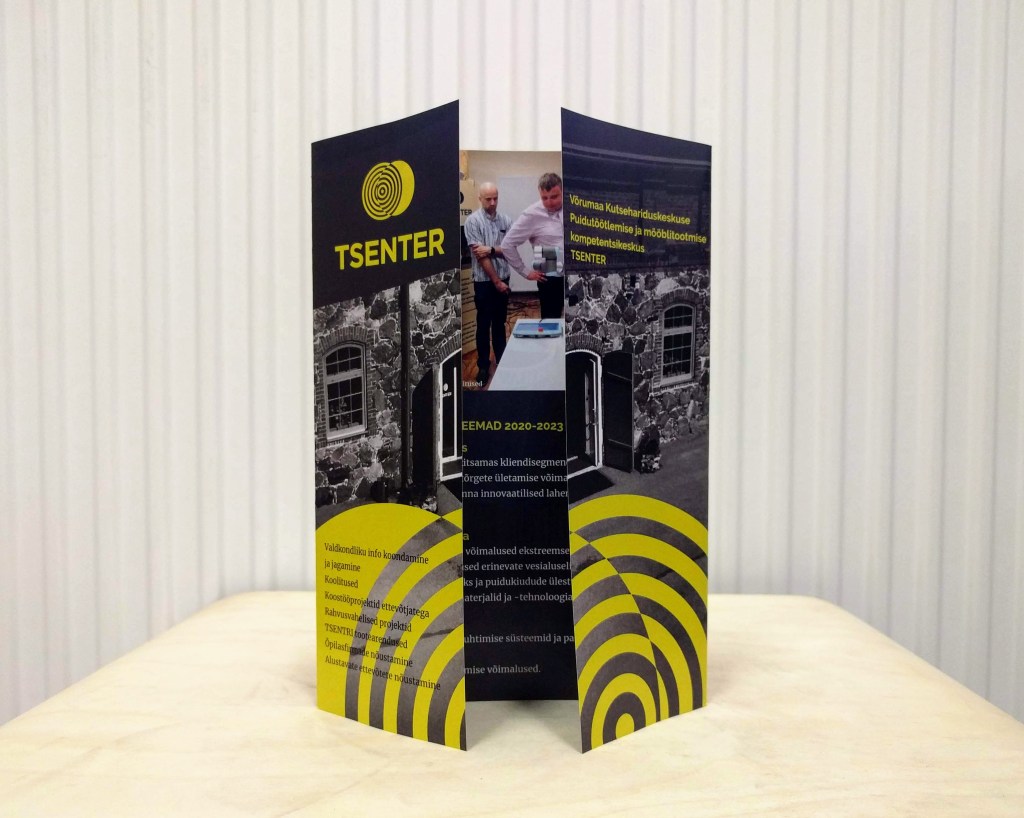
One small booklet I made at work.
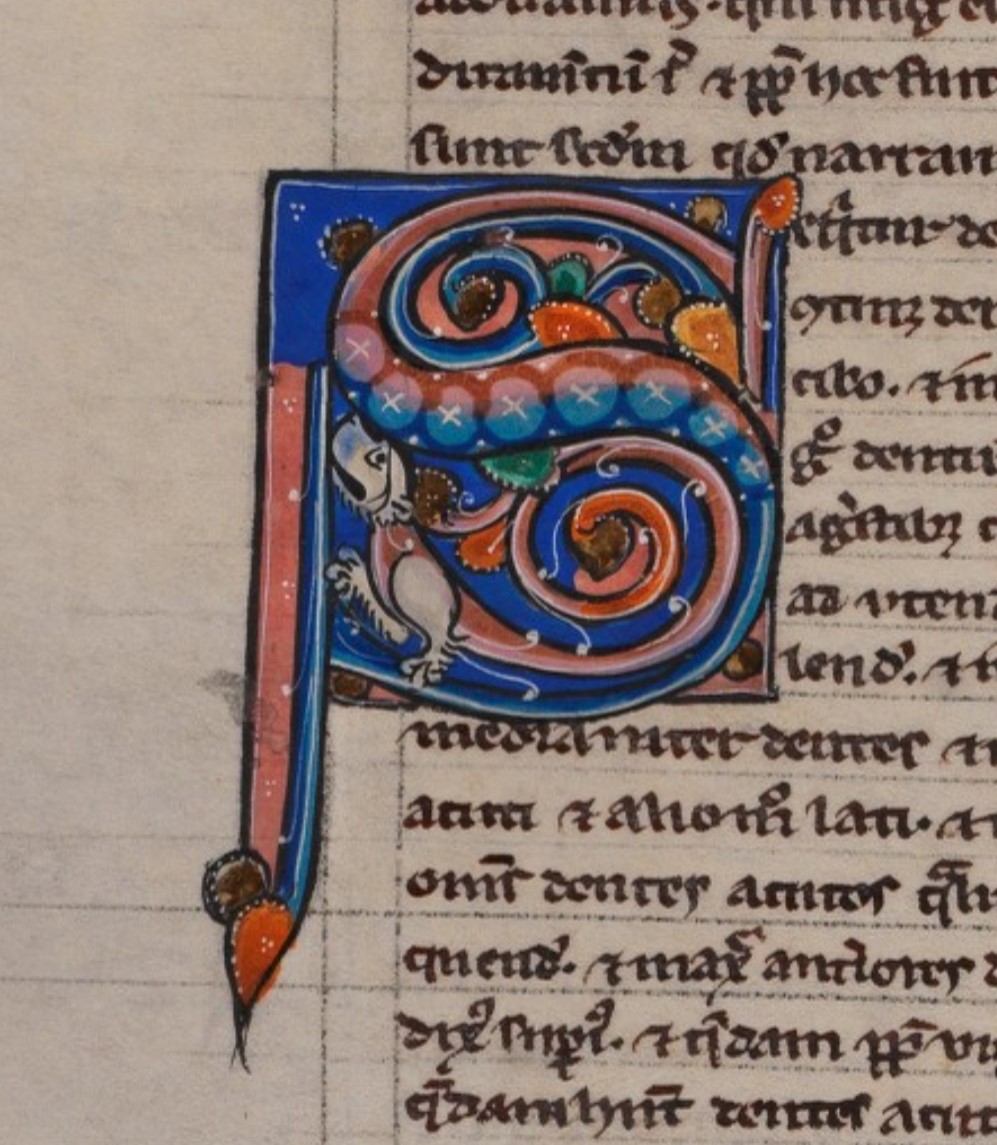
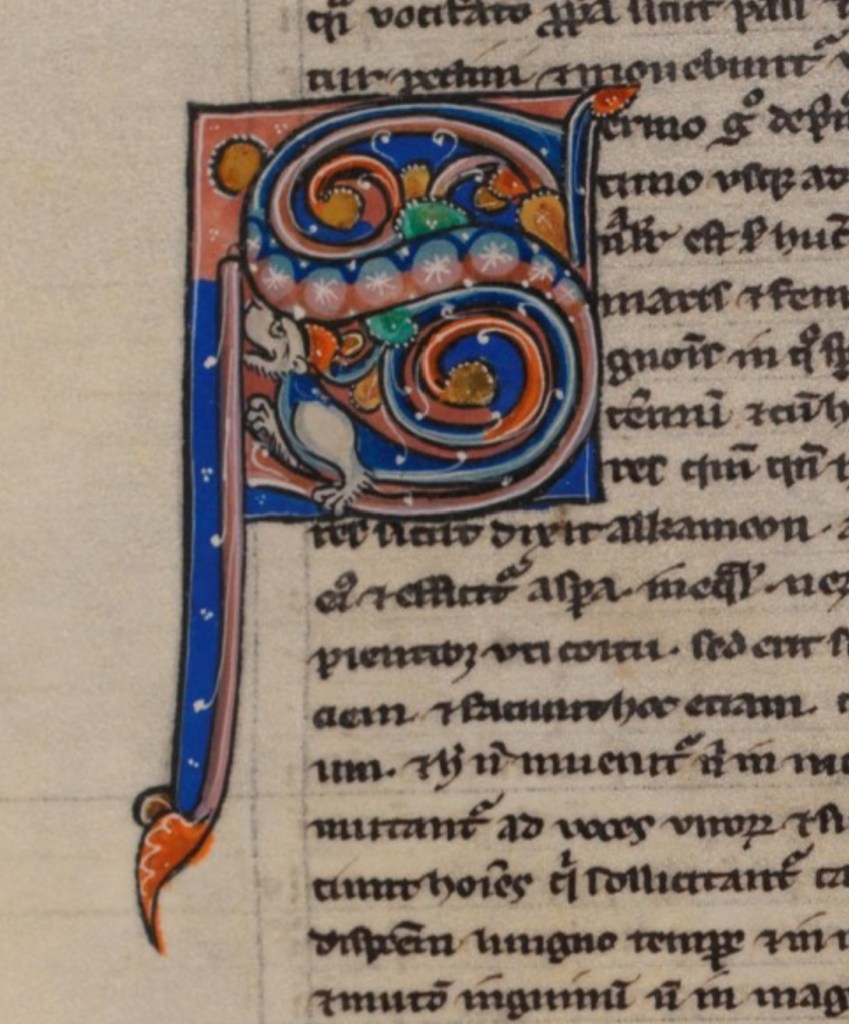
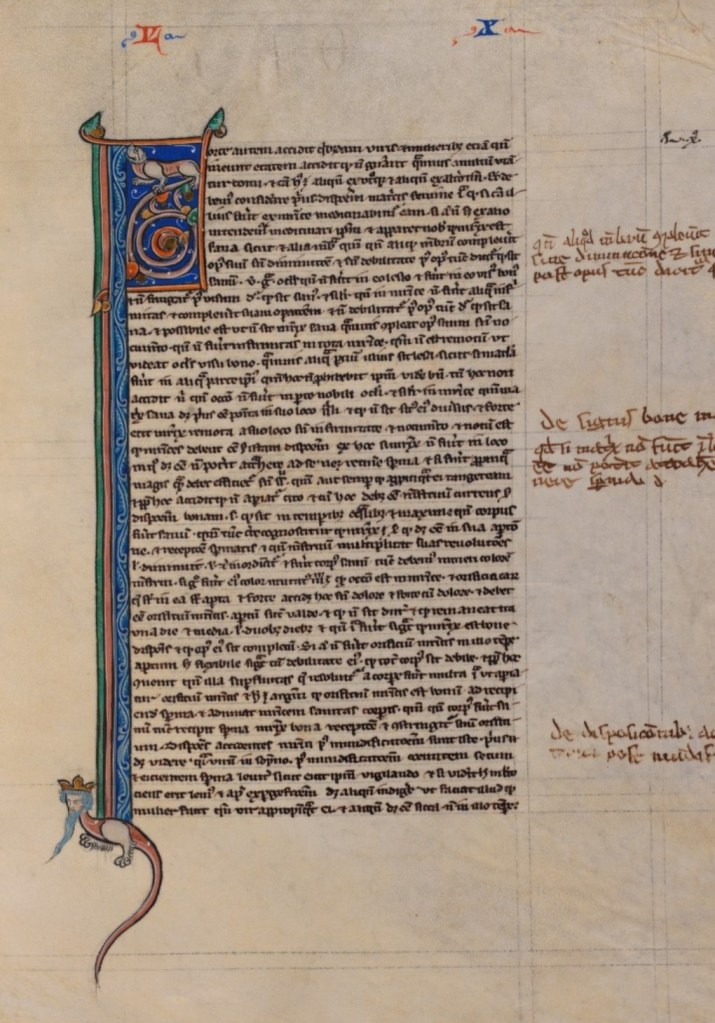
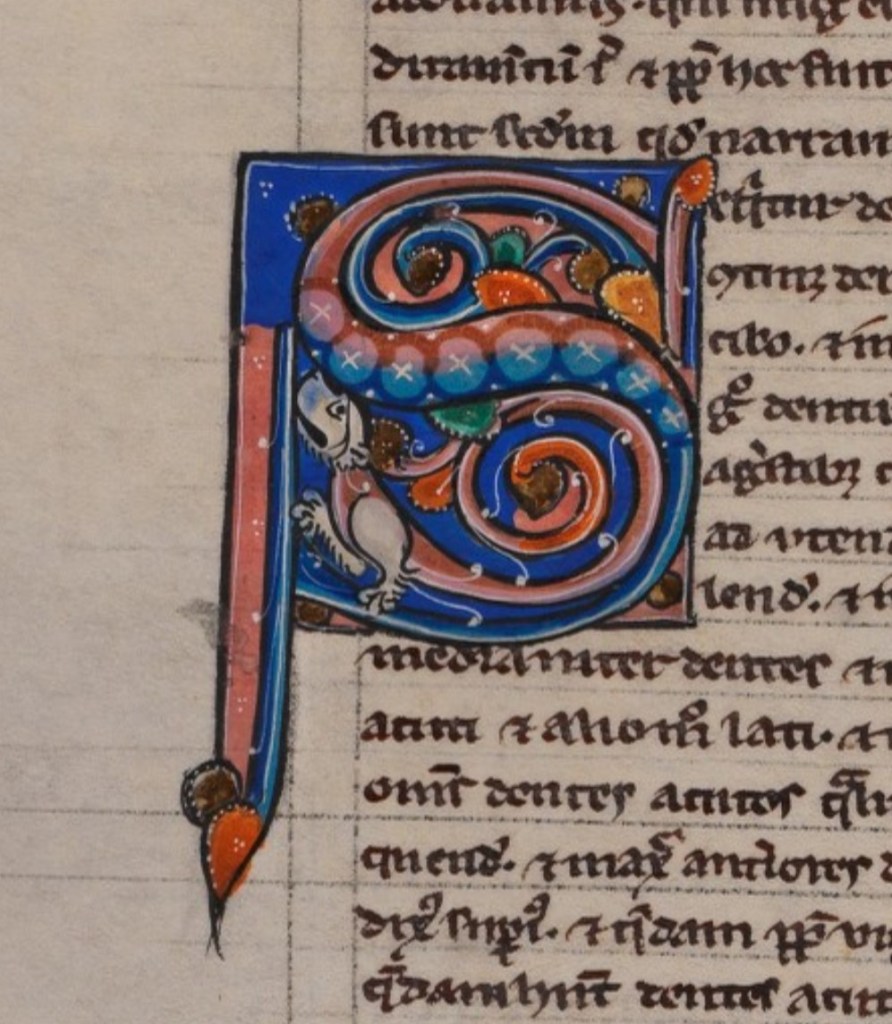
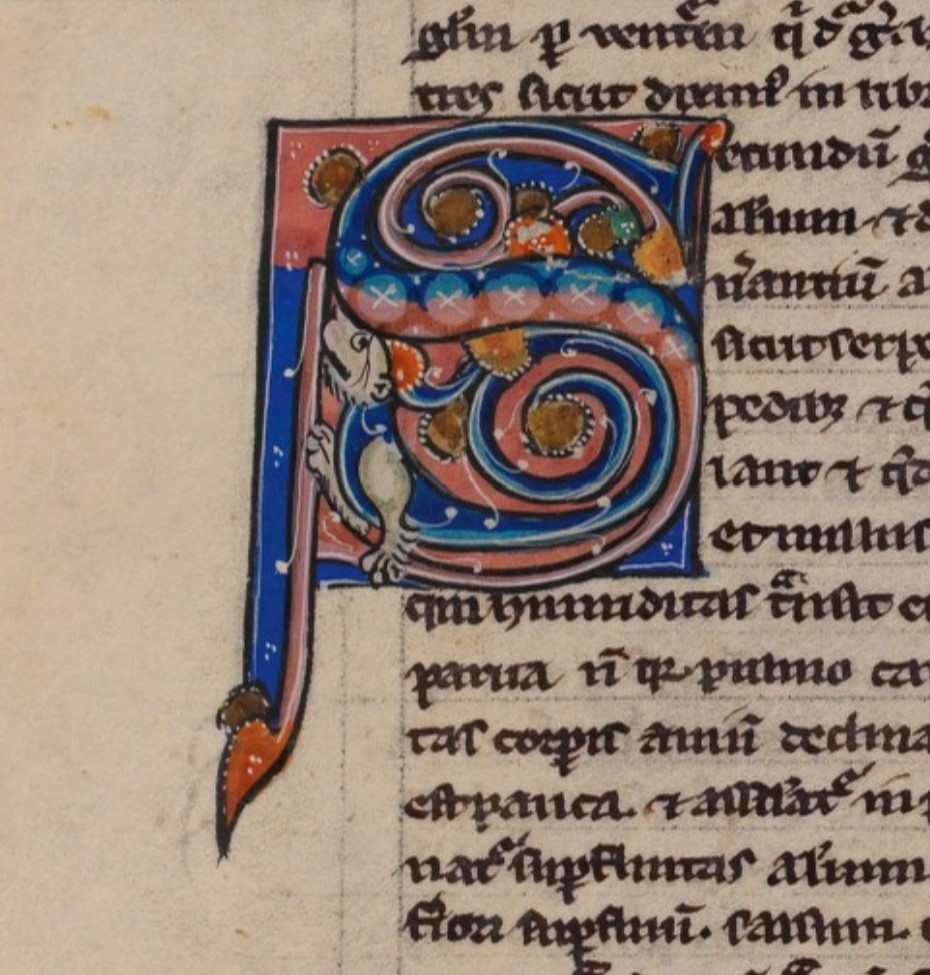
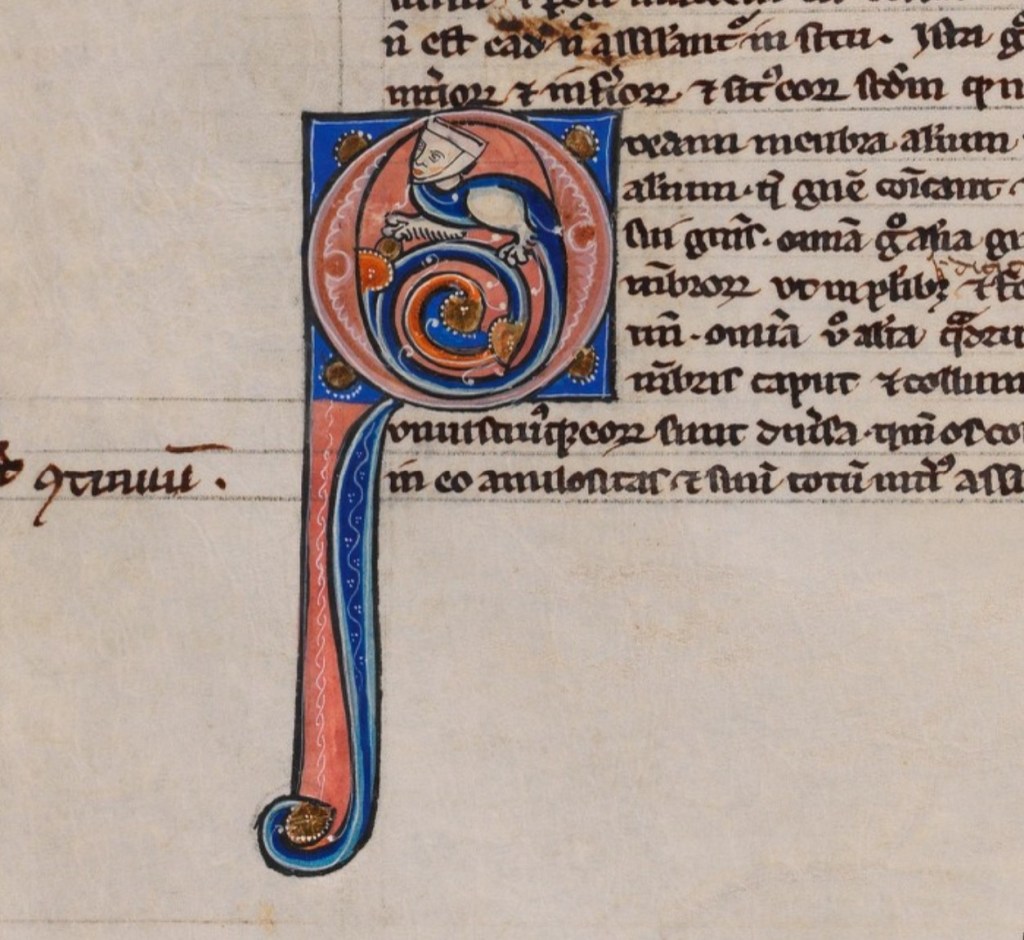
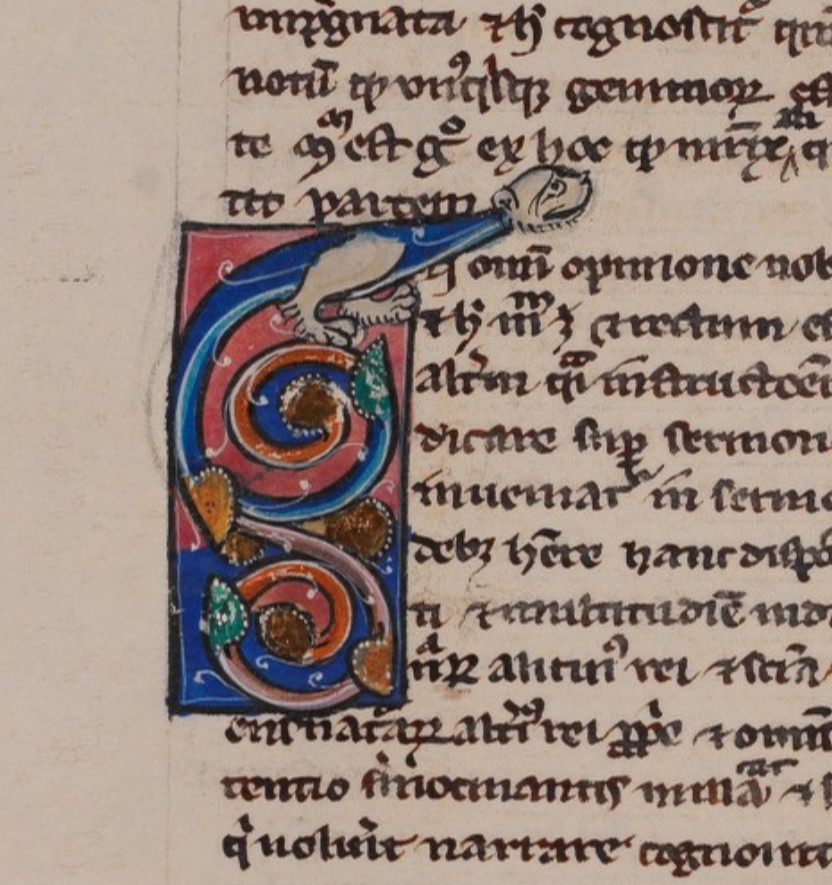
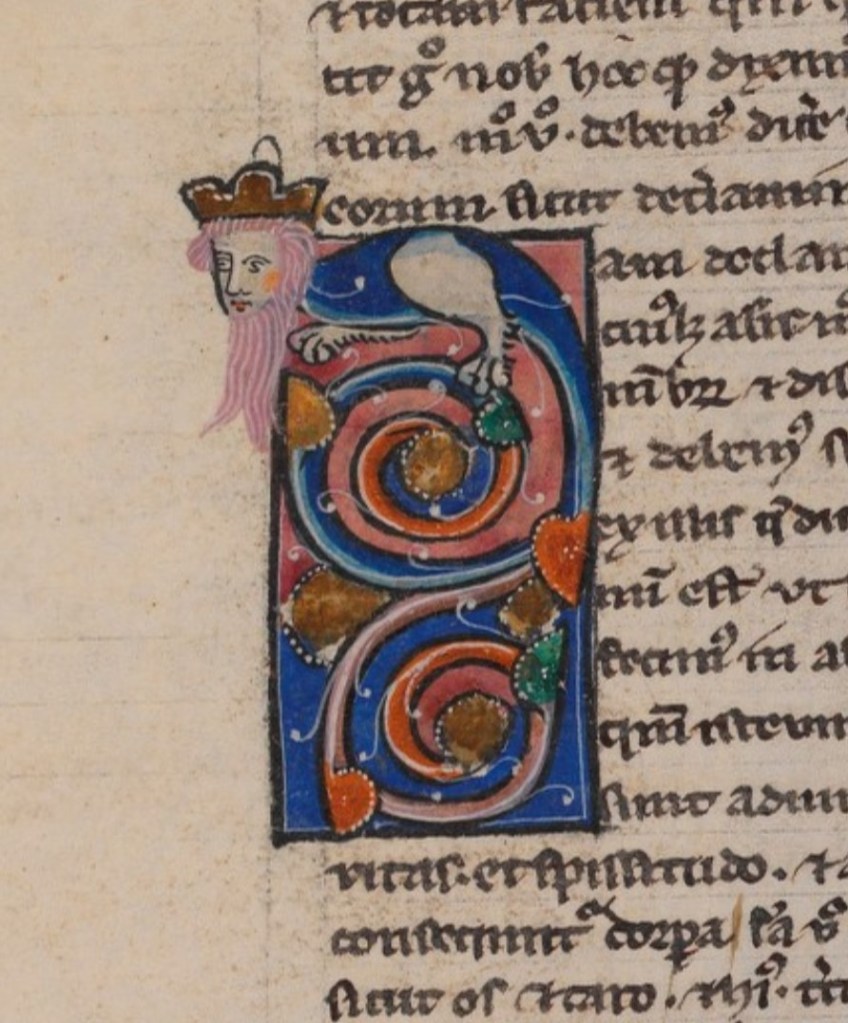
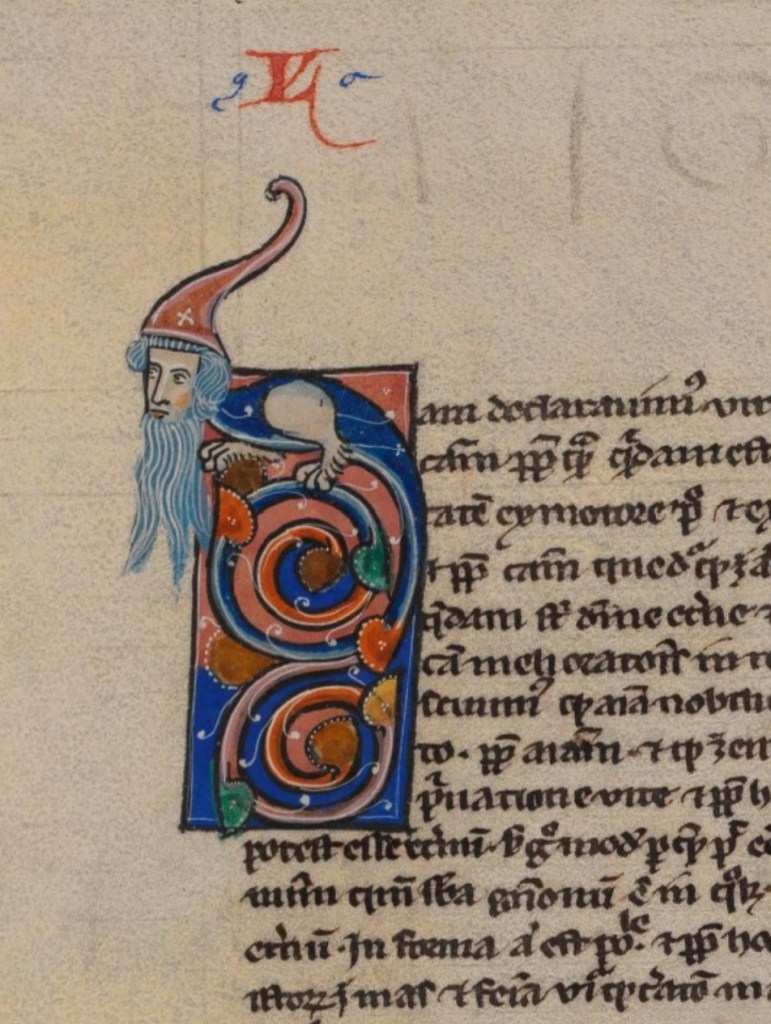
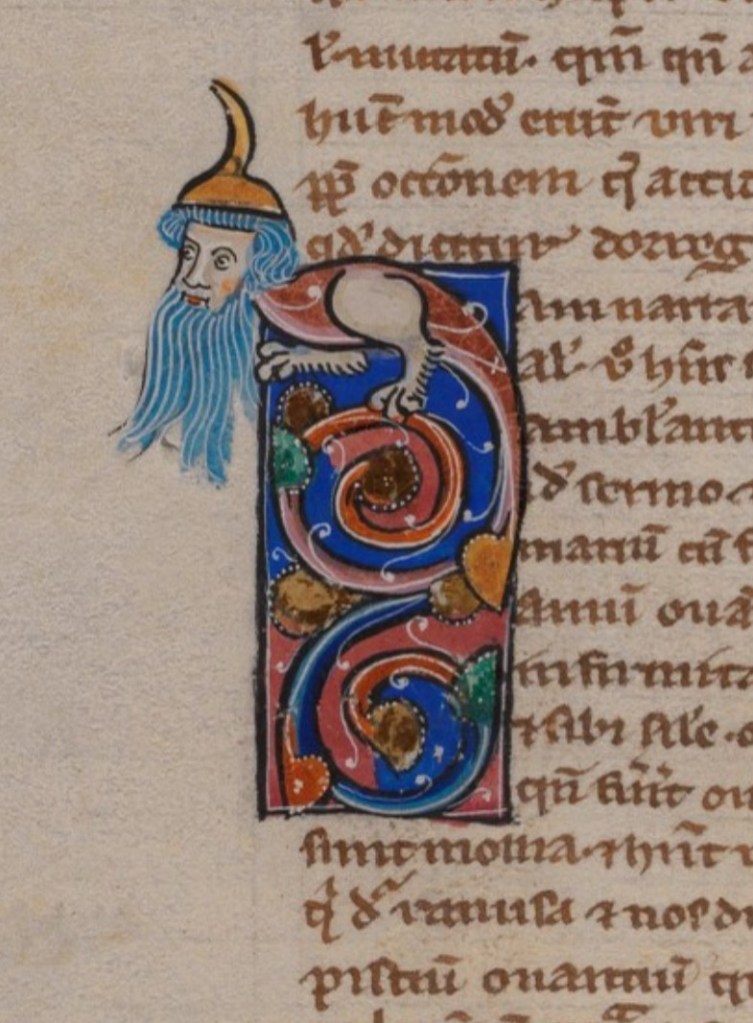
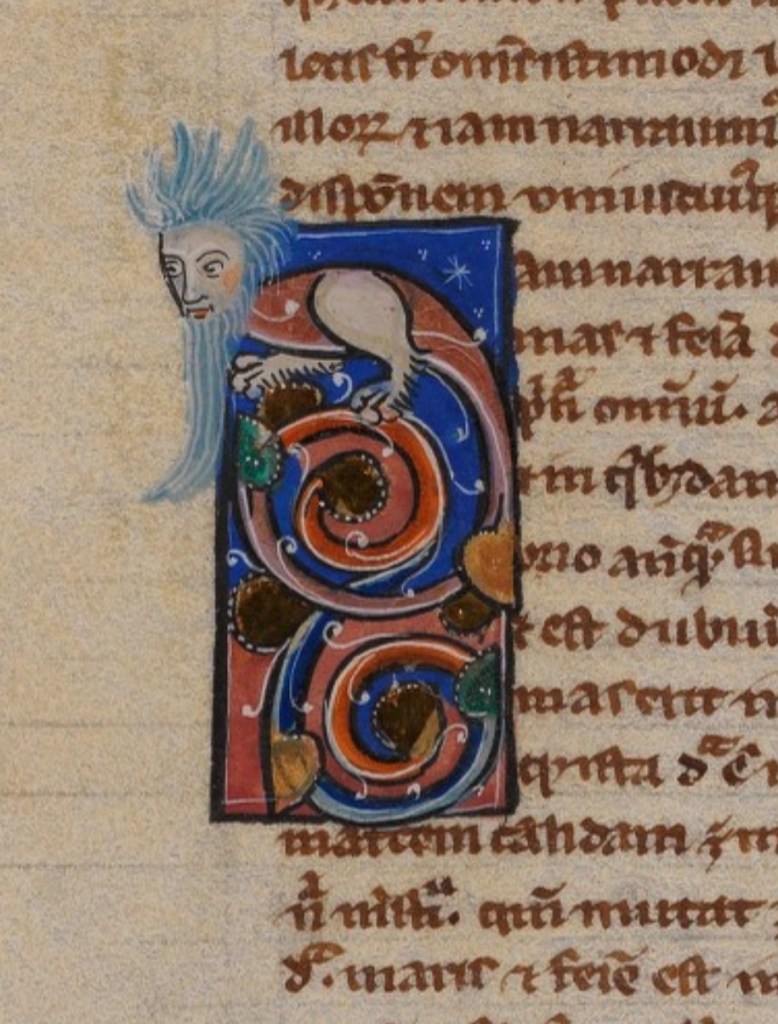
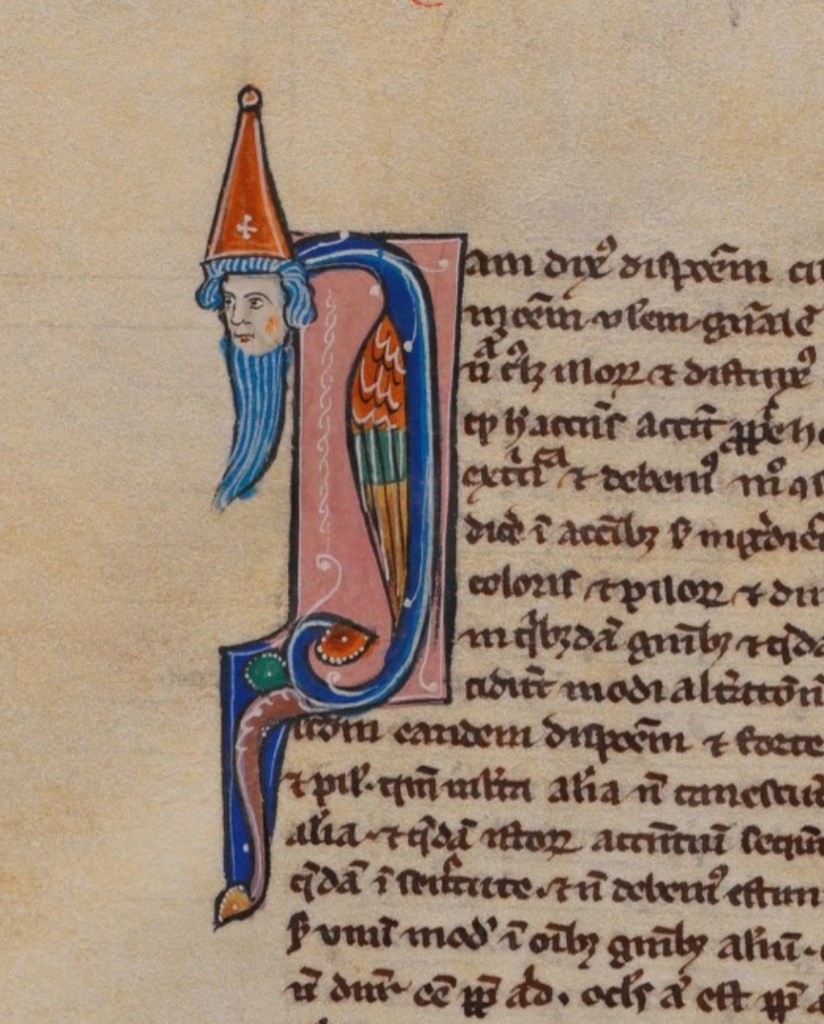
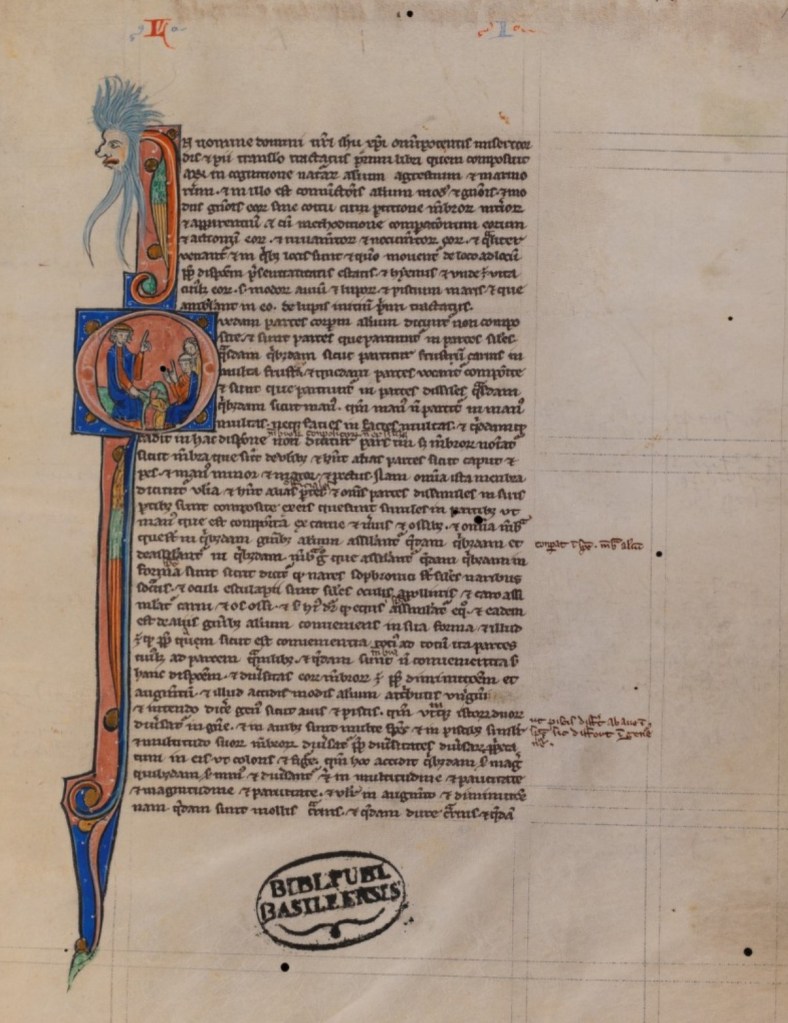
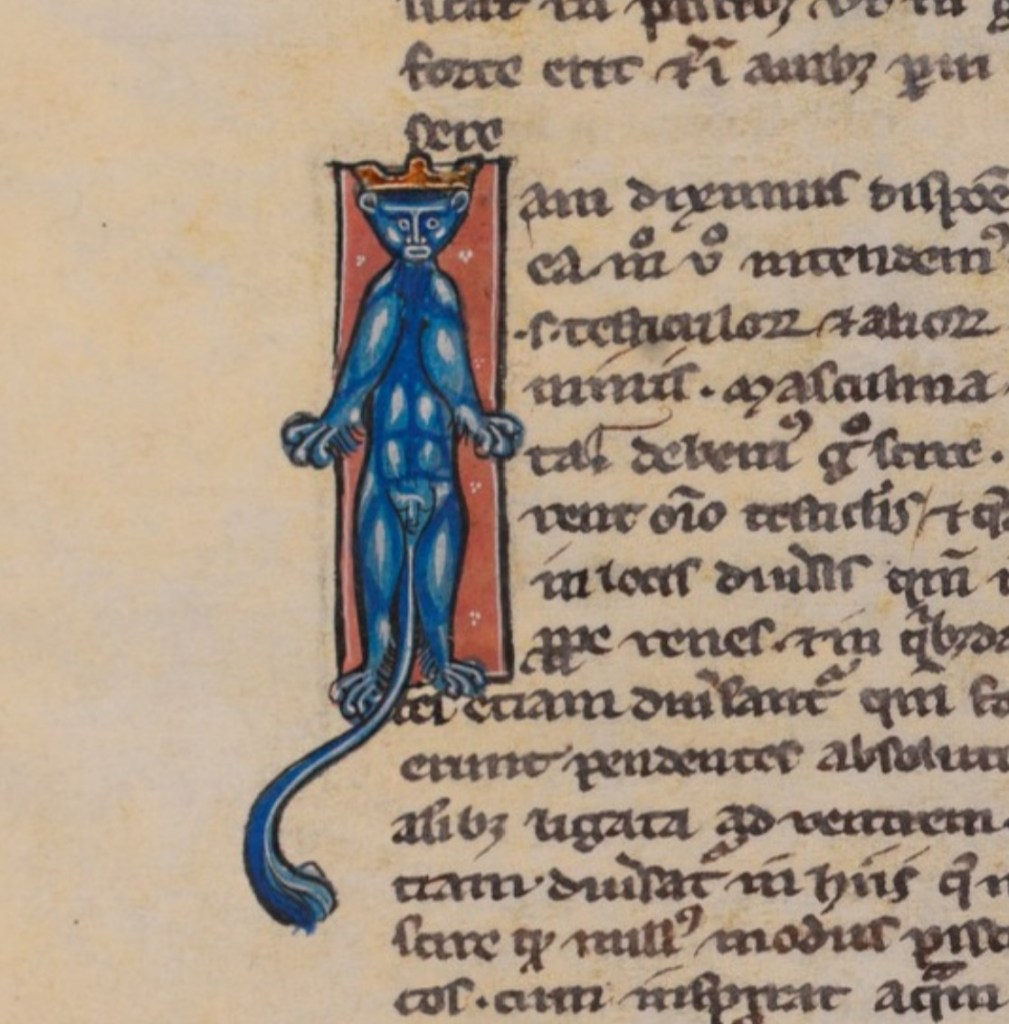
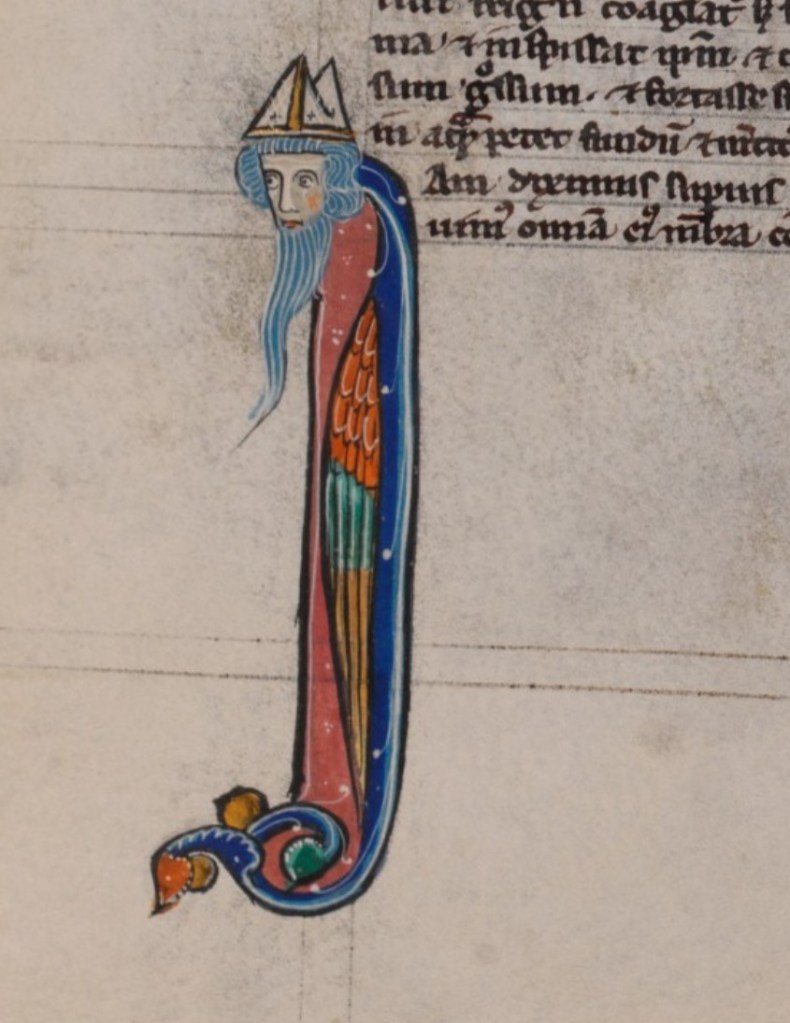
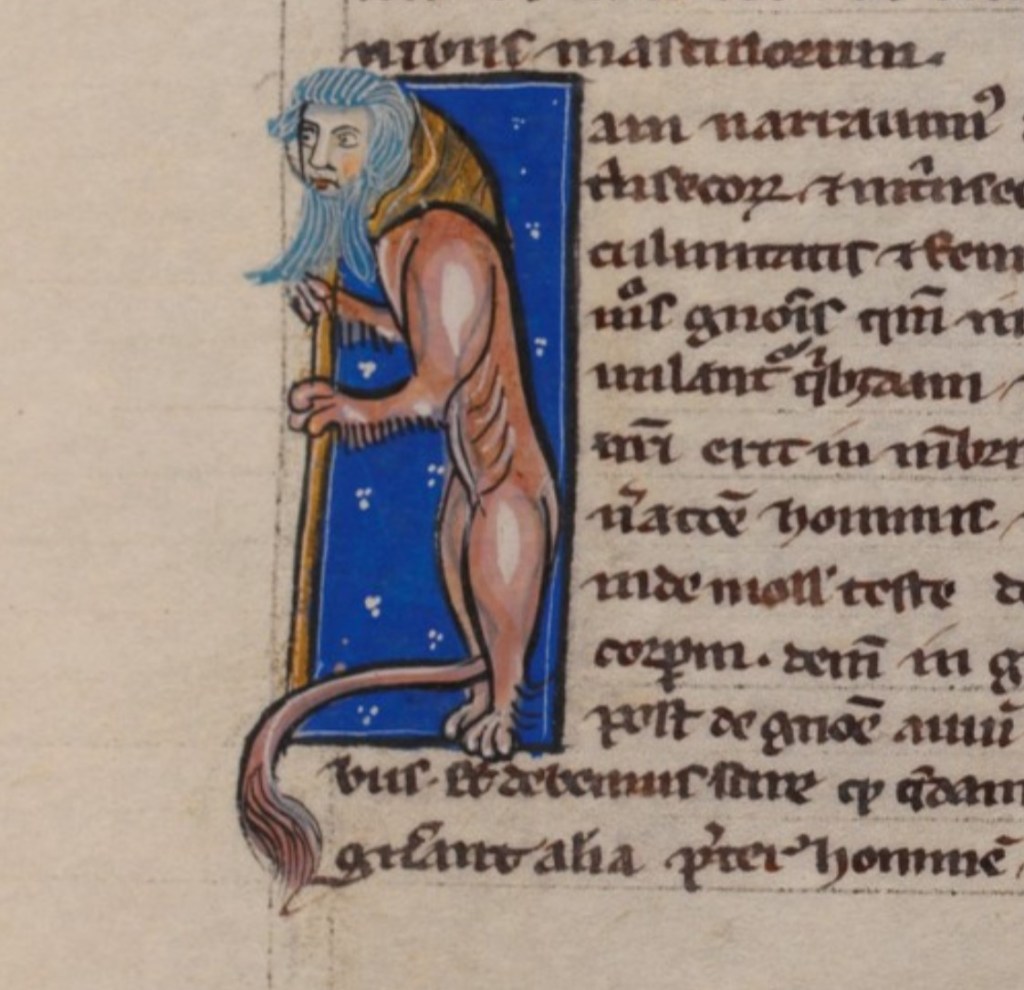
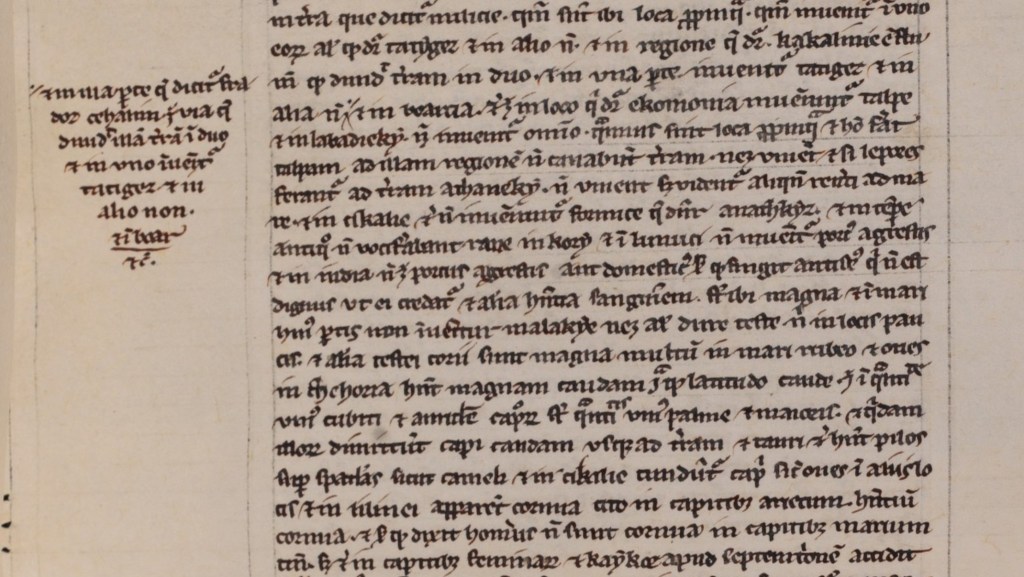
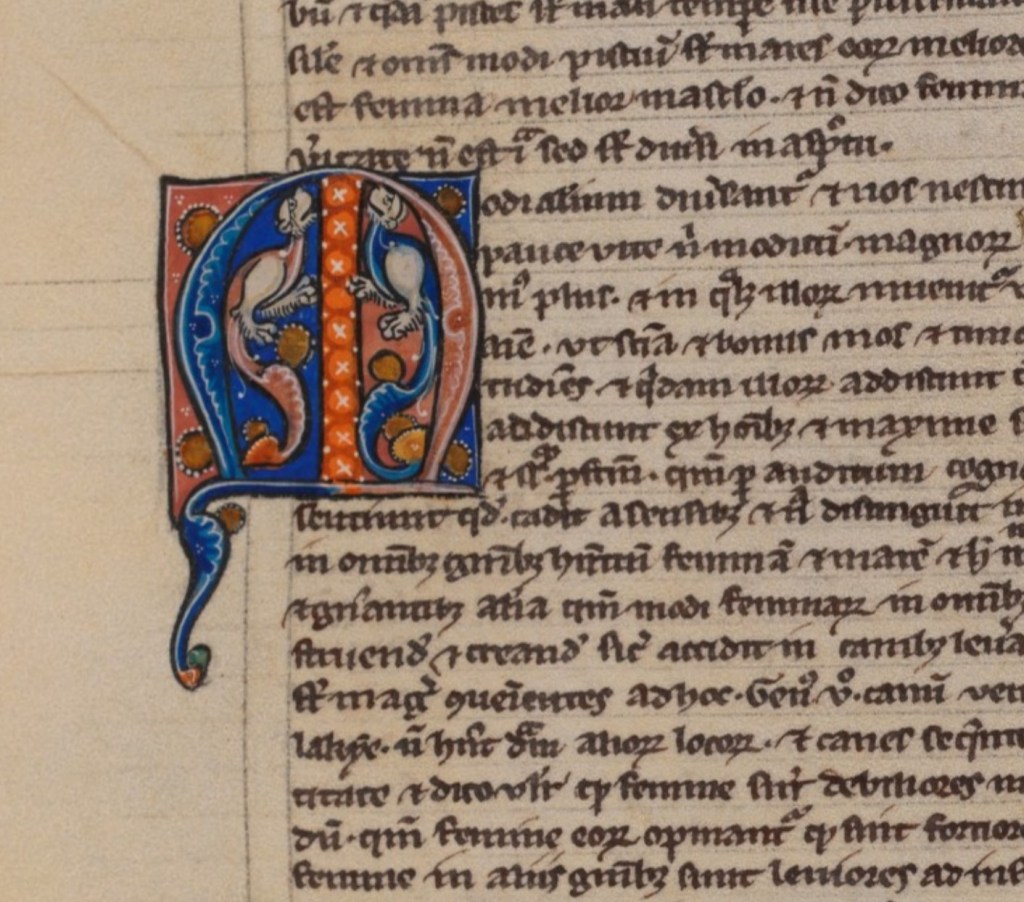
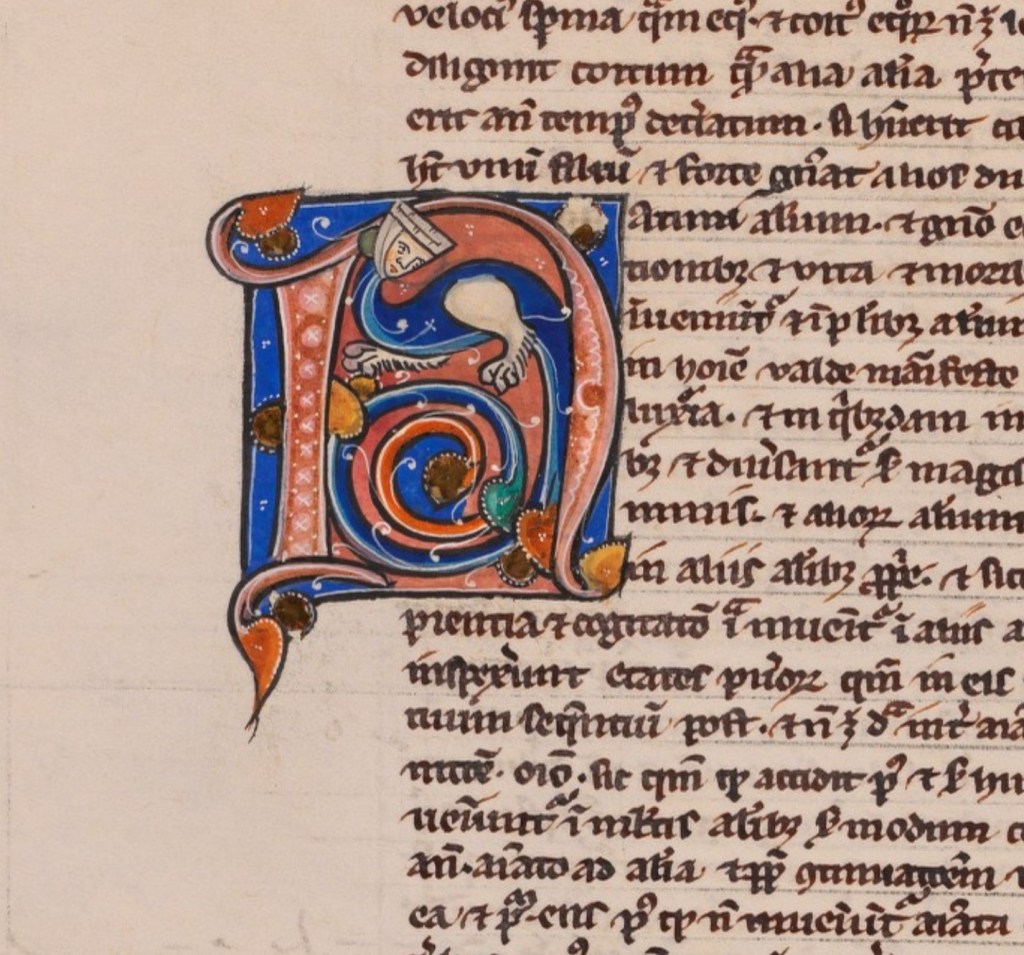
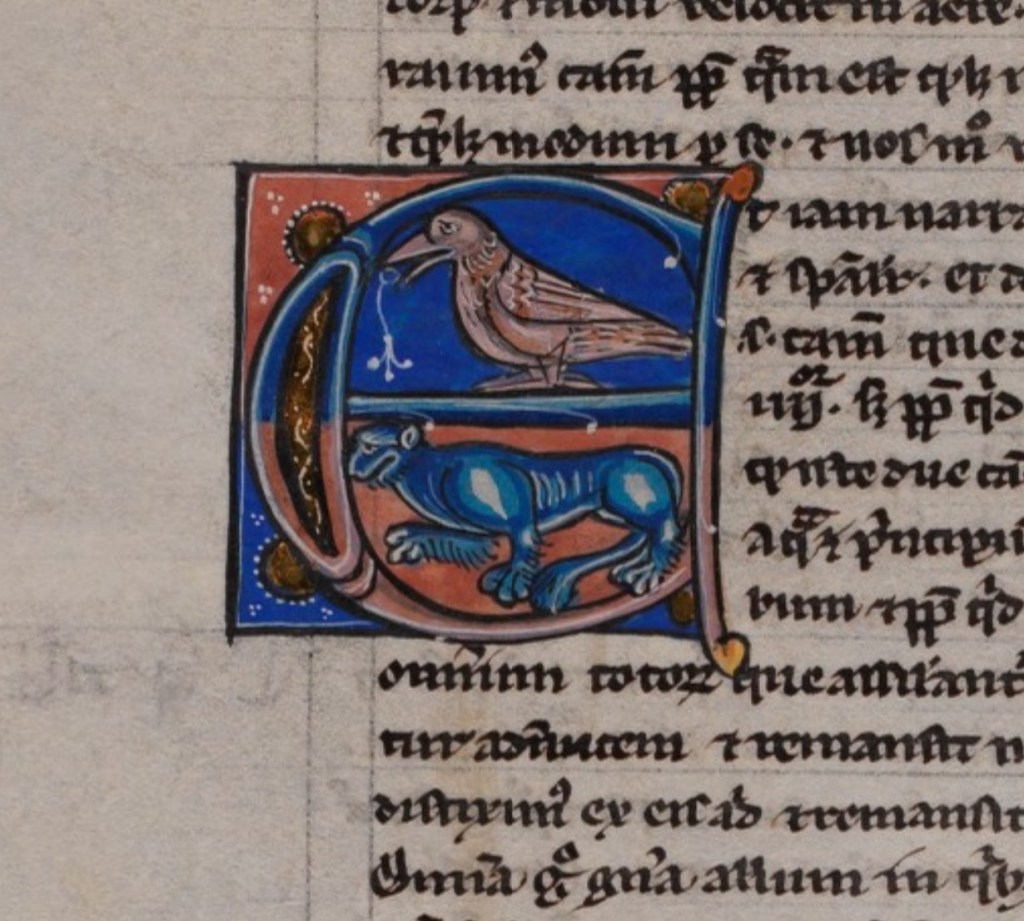
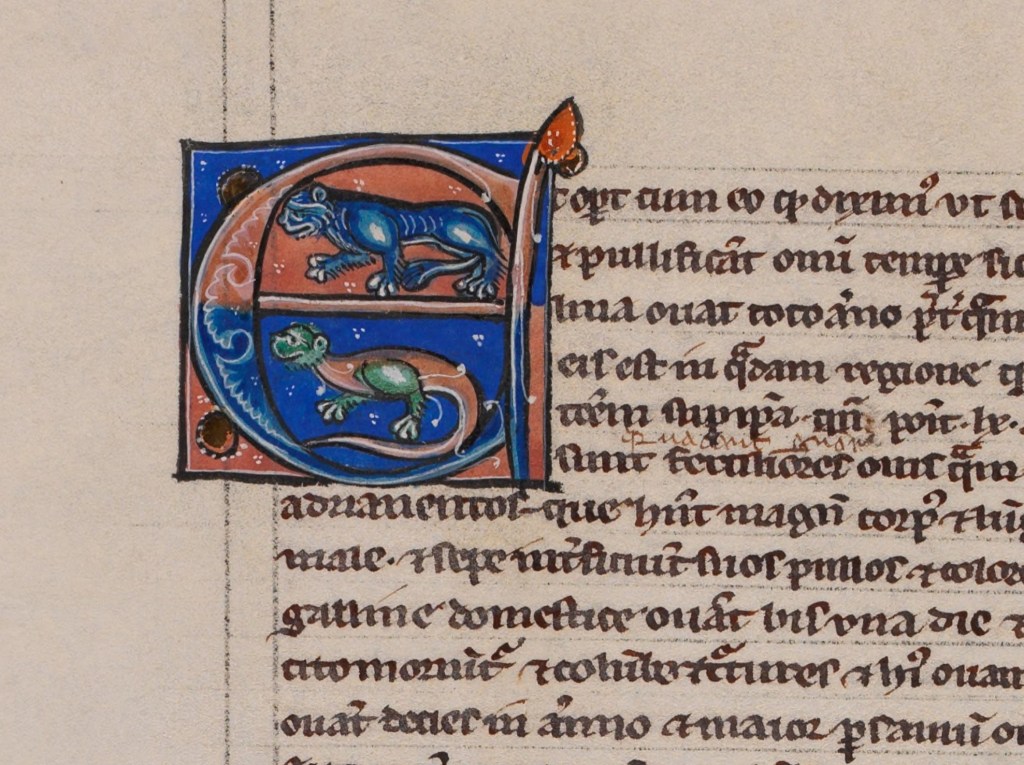
Since the 9th century, Aristotle’s Historia animalium, an orderly description of various creatures, had been available in an Arabic translation, which Michael Scotus translated into Latin in 1220. The decoration of the initials in this manuscript, which Johannes Heynlin purchased in Paris and bequeathed to the Carthusian monastery of Basel, is rich in drolleries. Throughout the volume, there are annotations by various hands.
https://www.e-codices.unifr.ch/en/list/one/ubb/F-II-0020
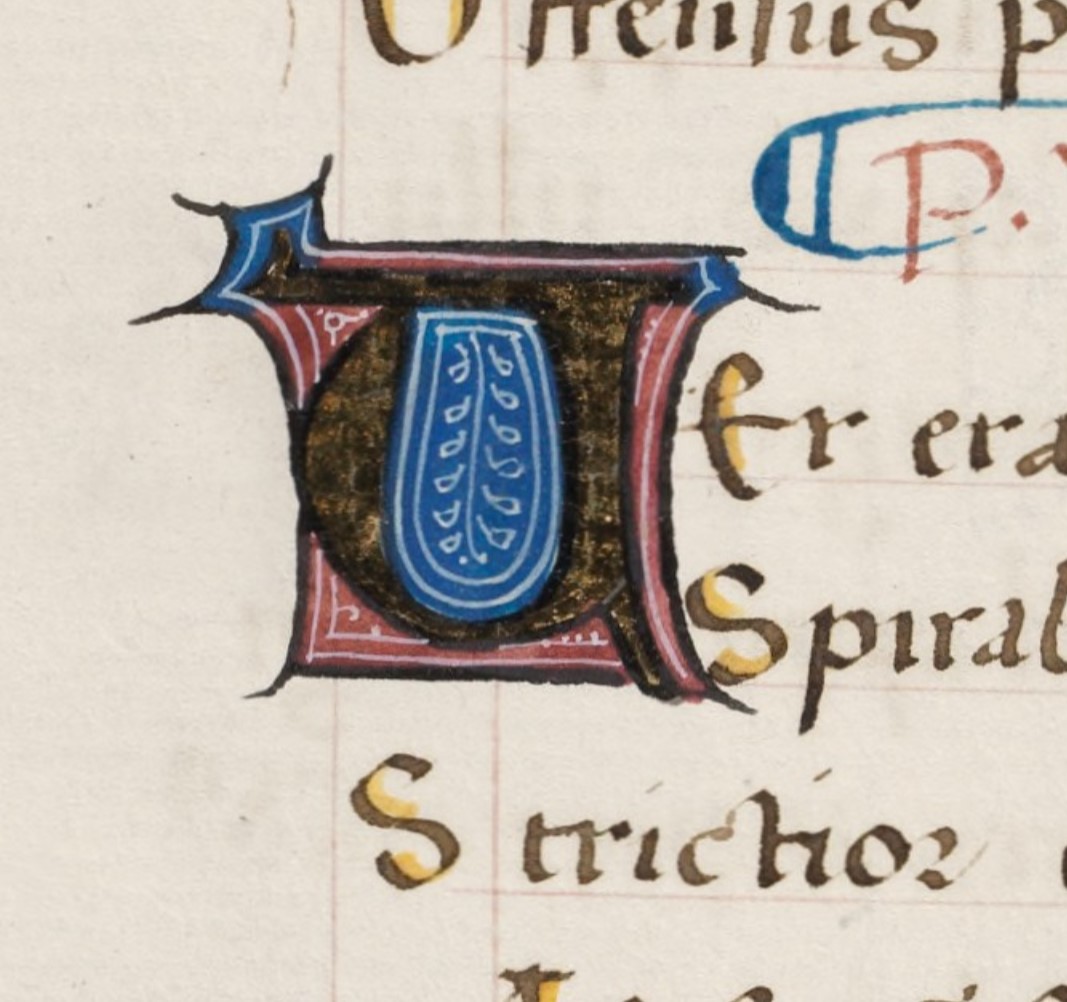
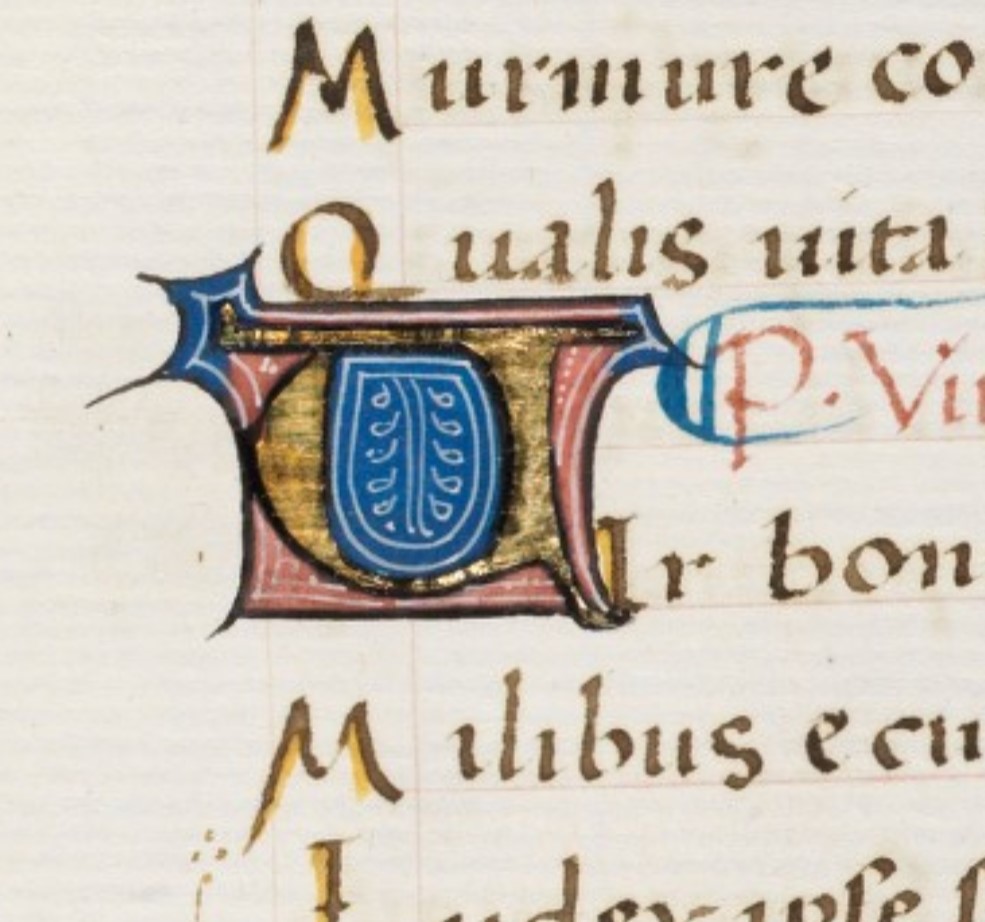
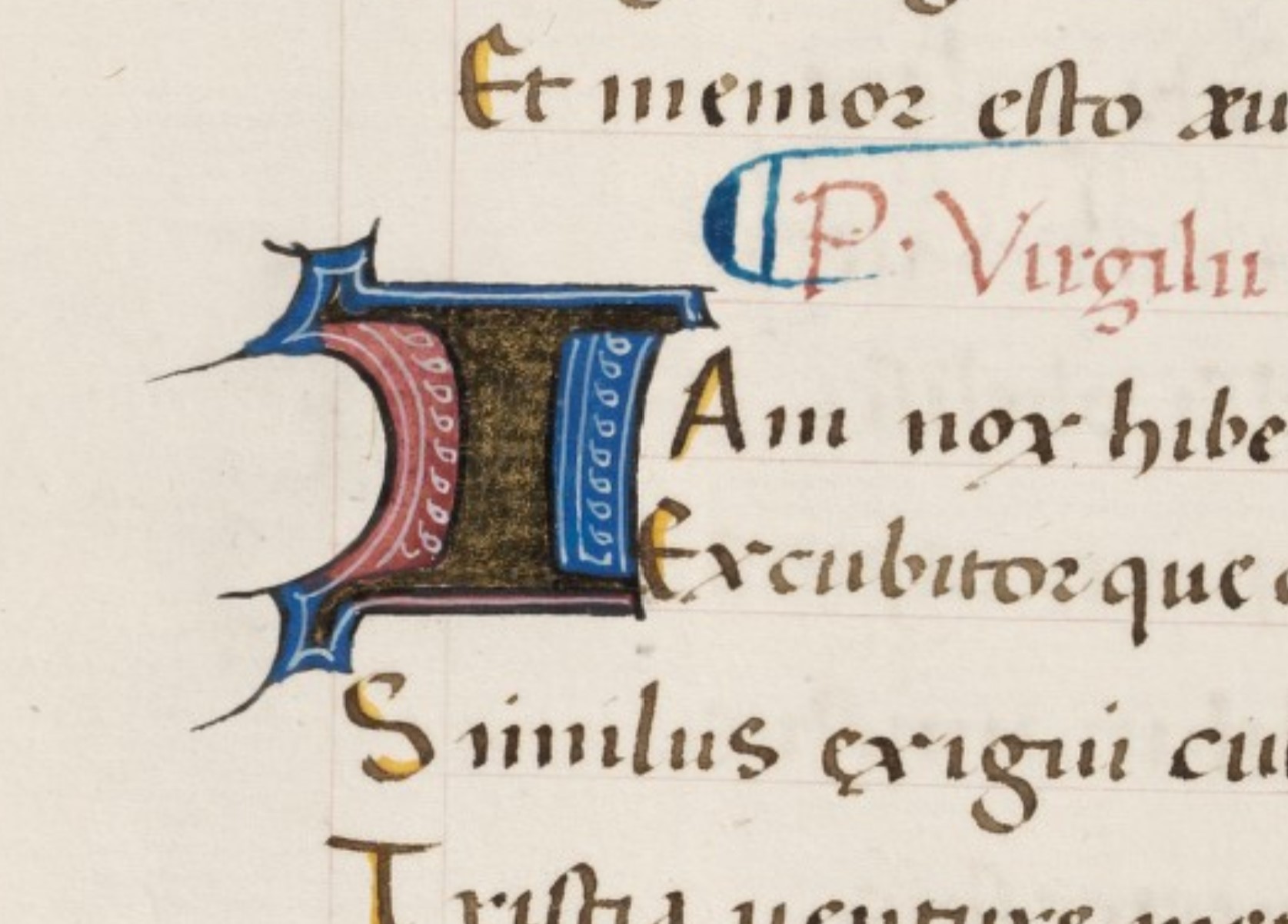
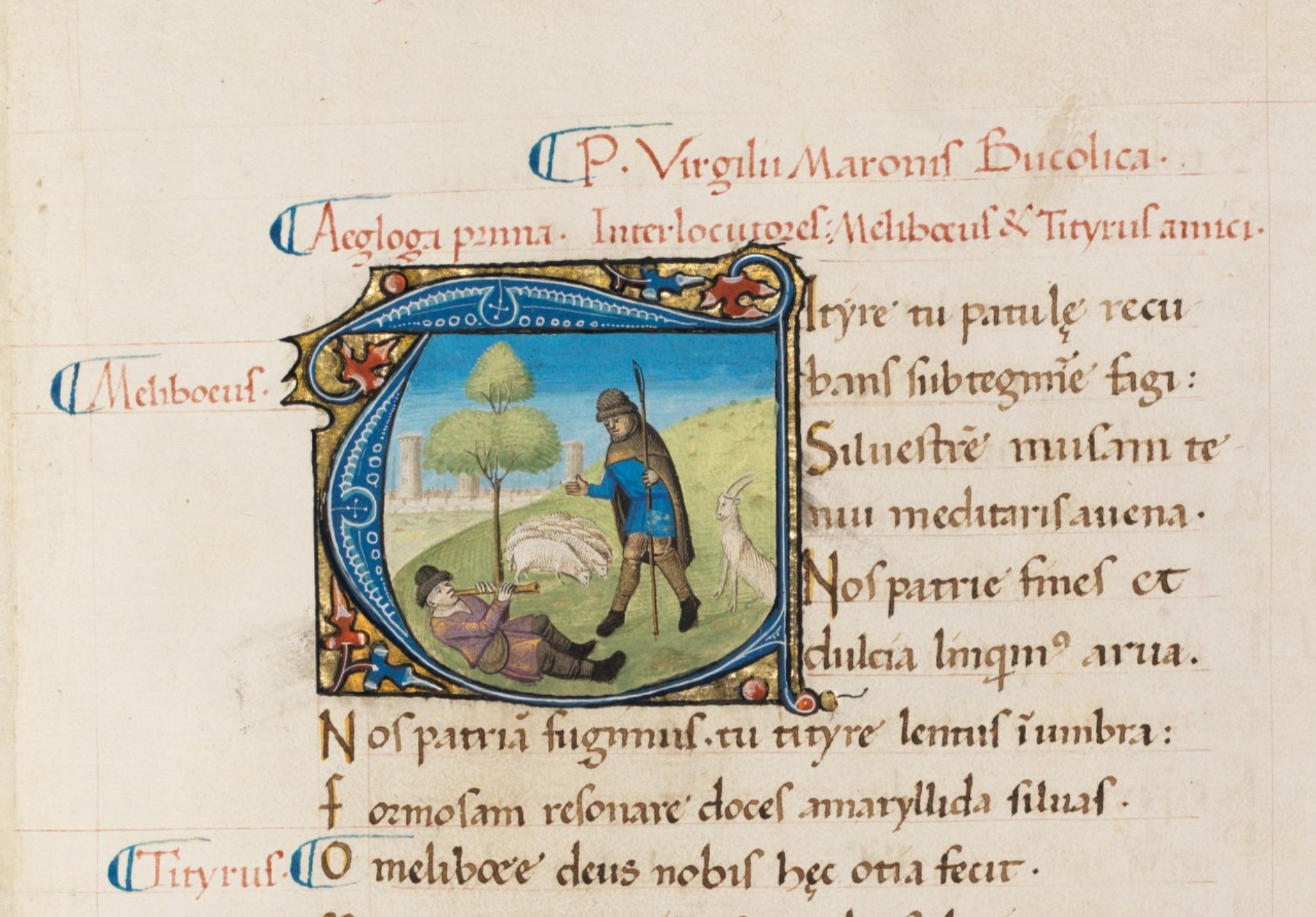
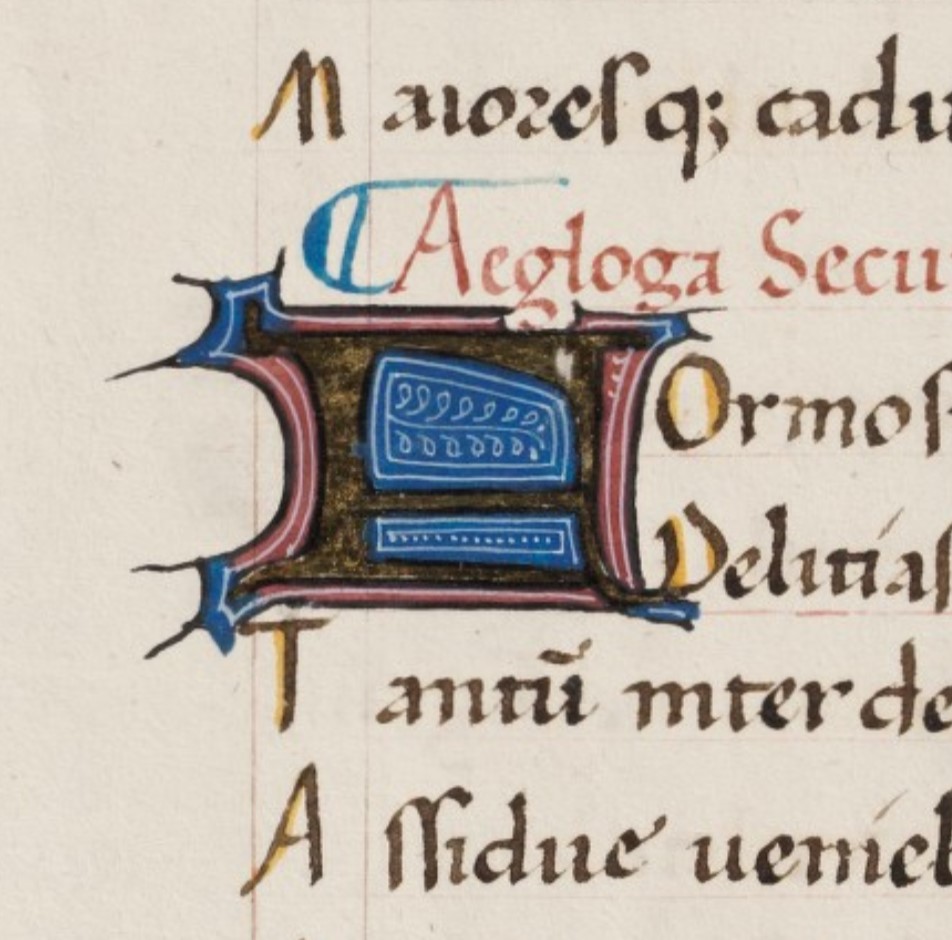
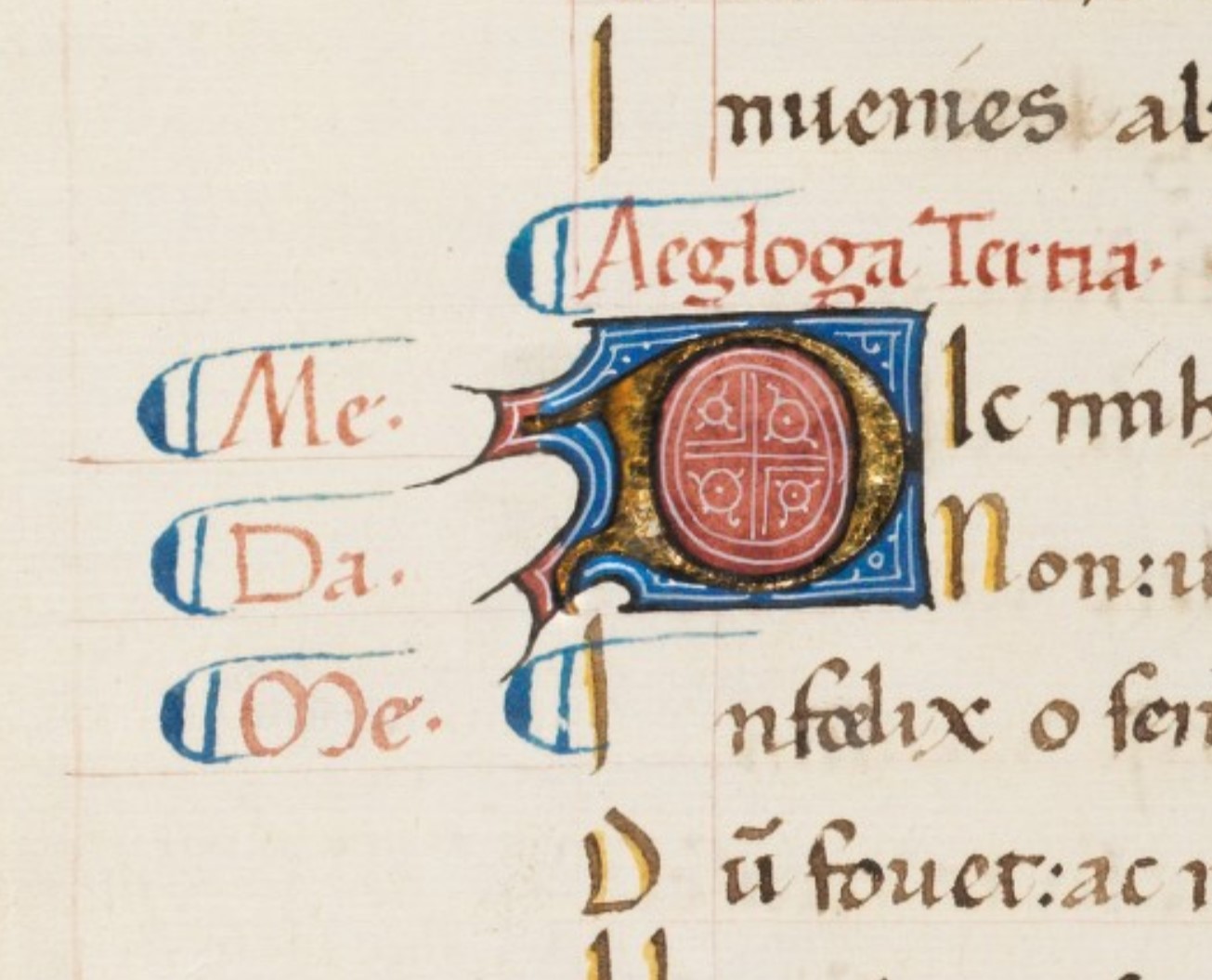
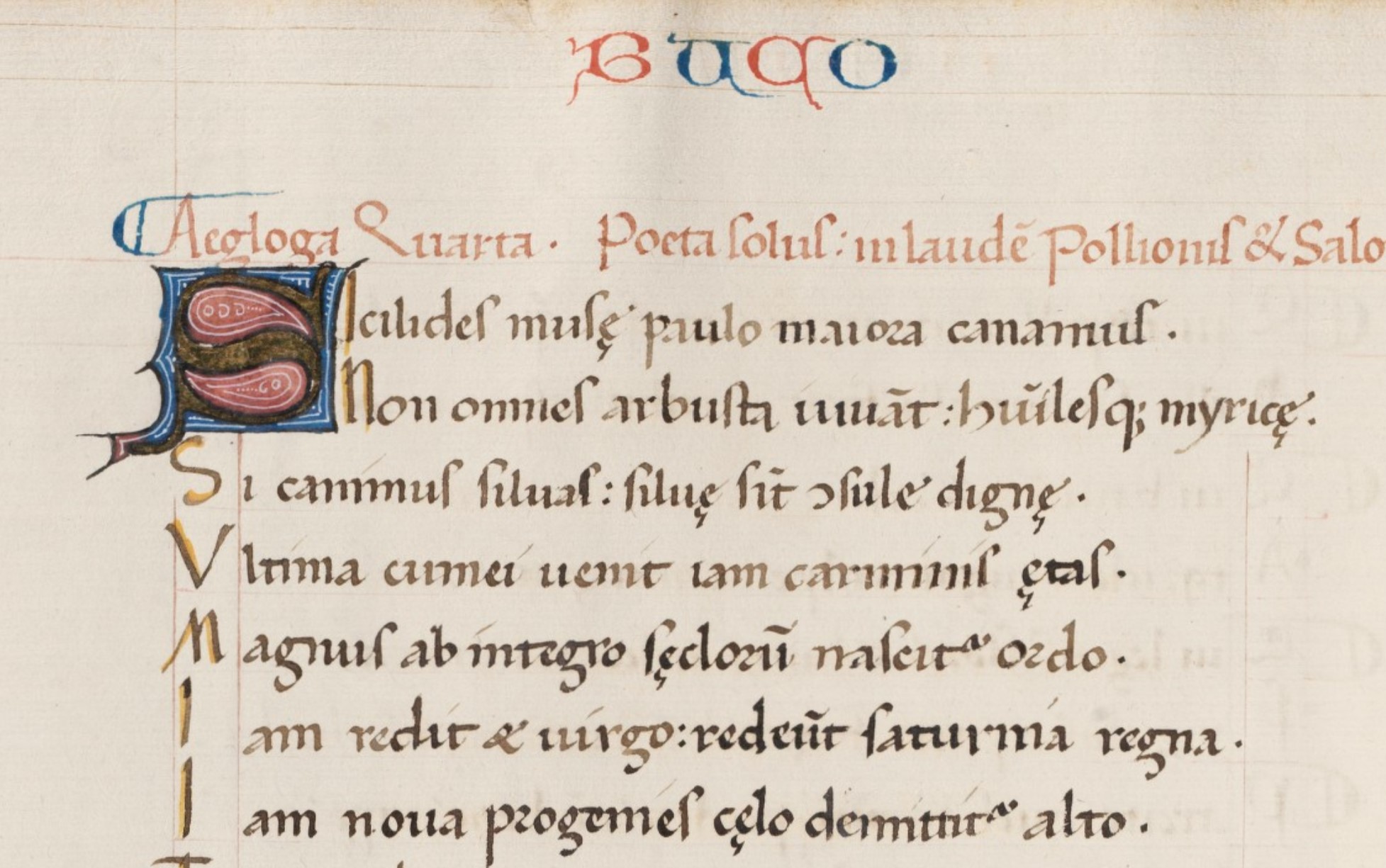
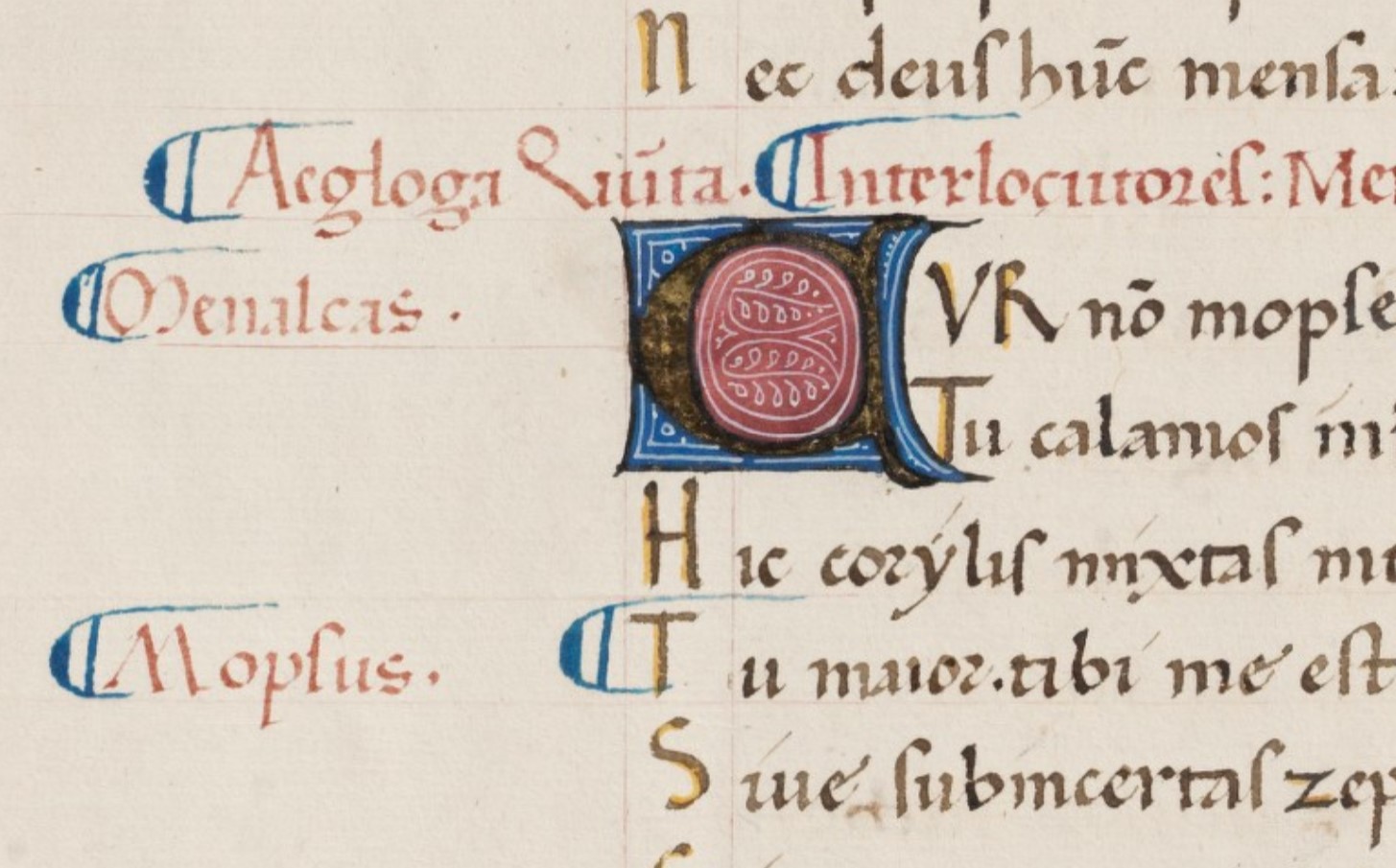
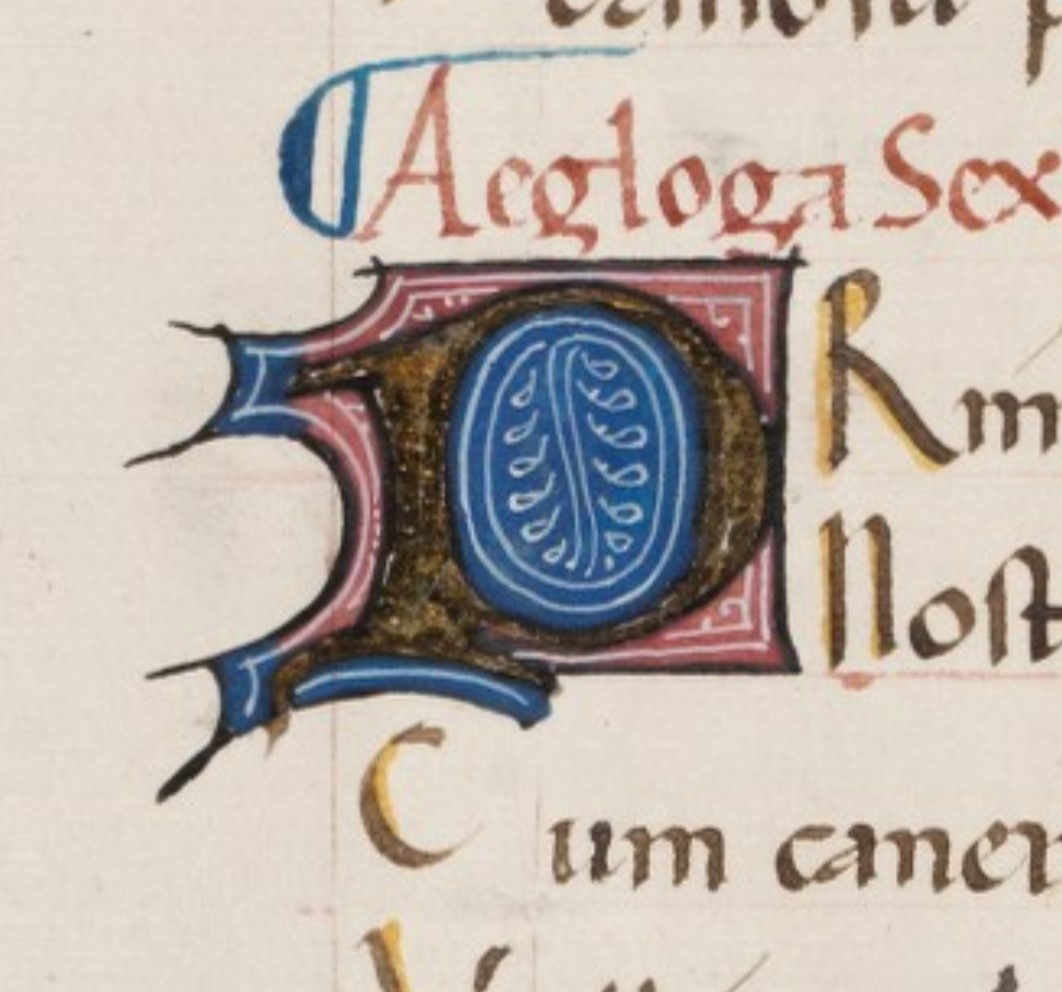
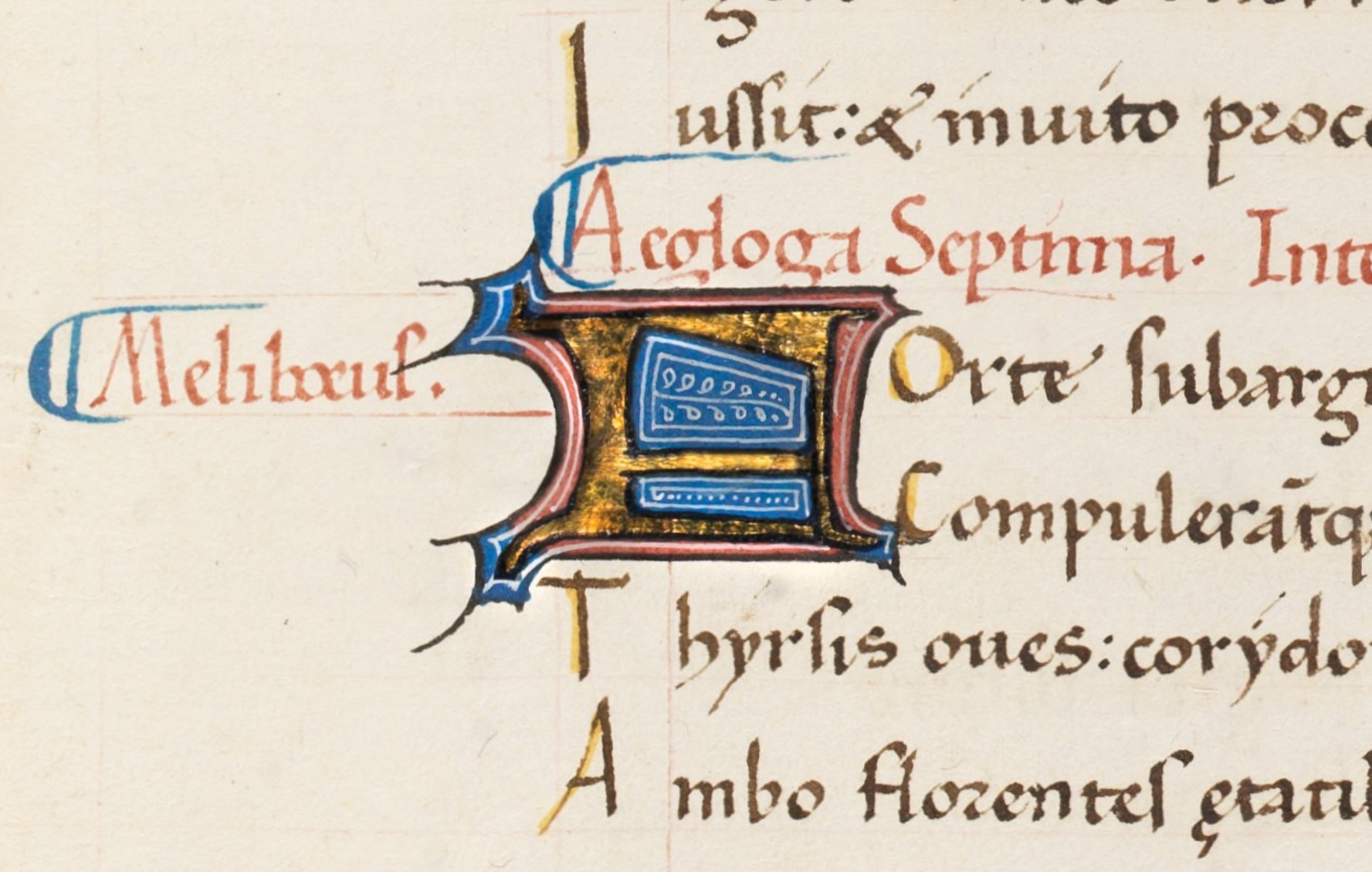
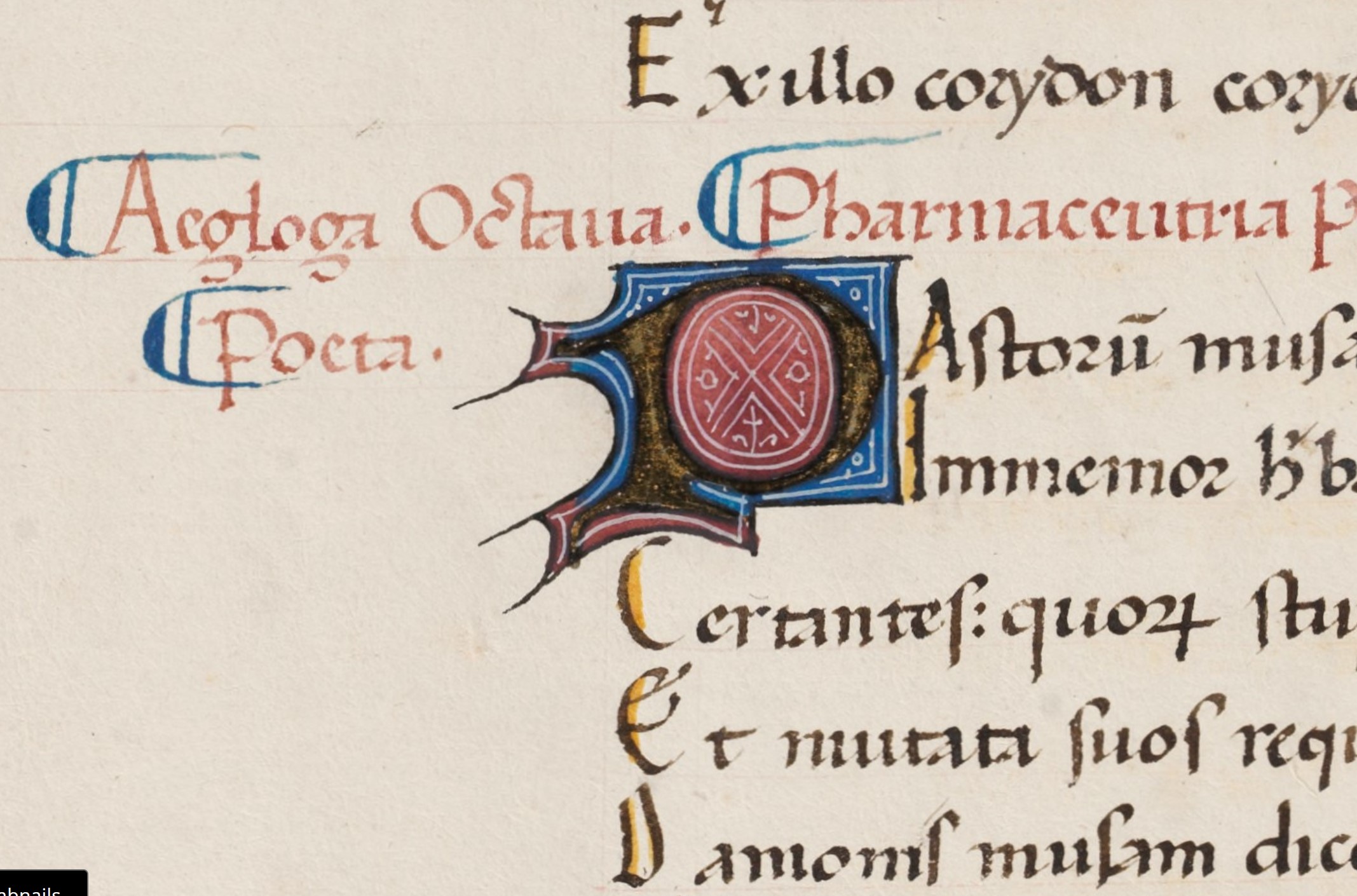
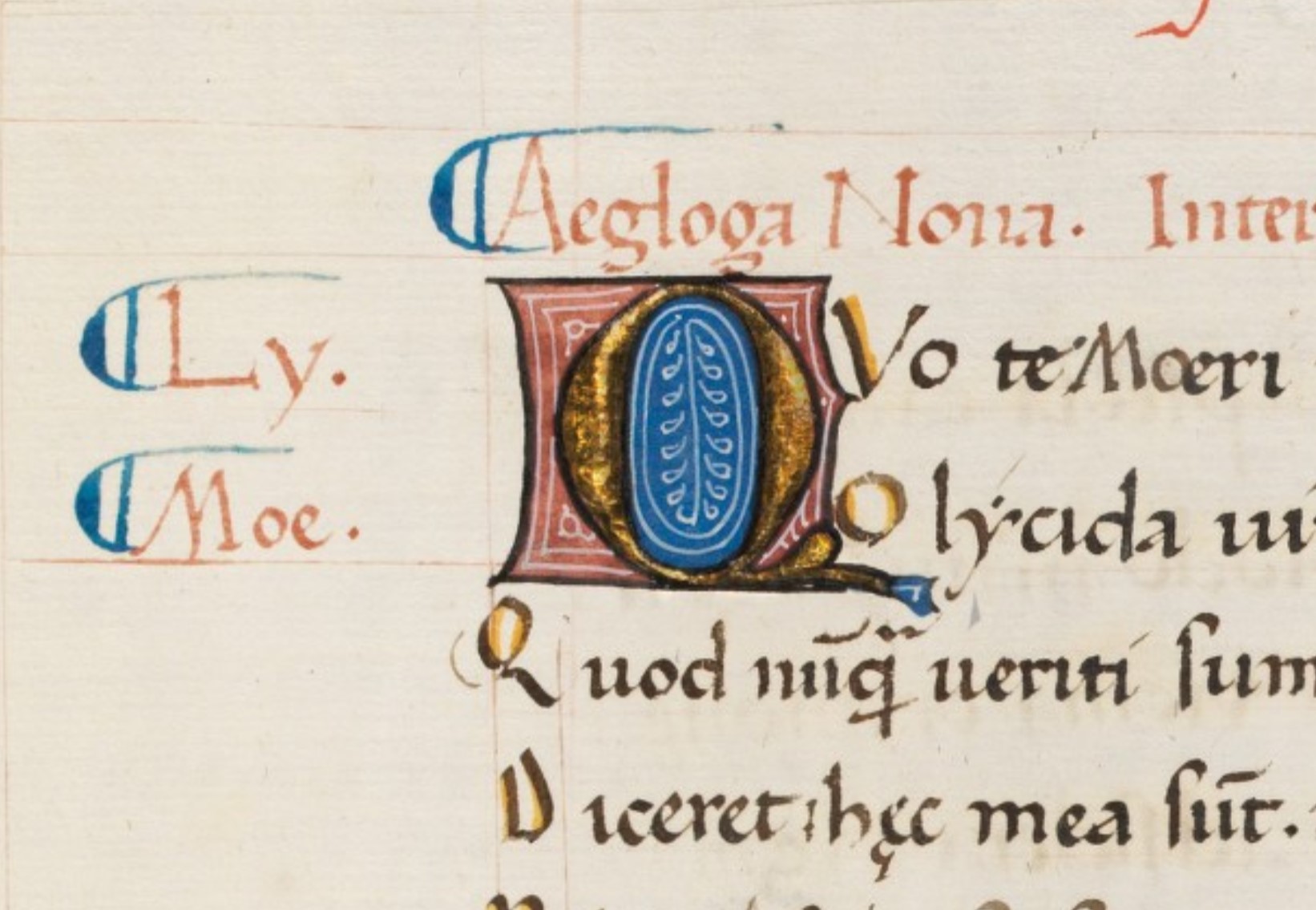
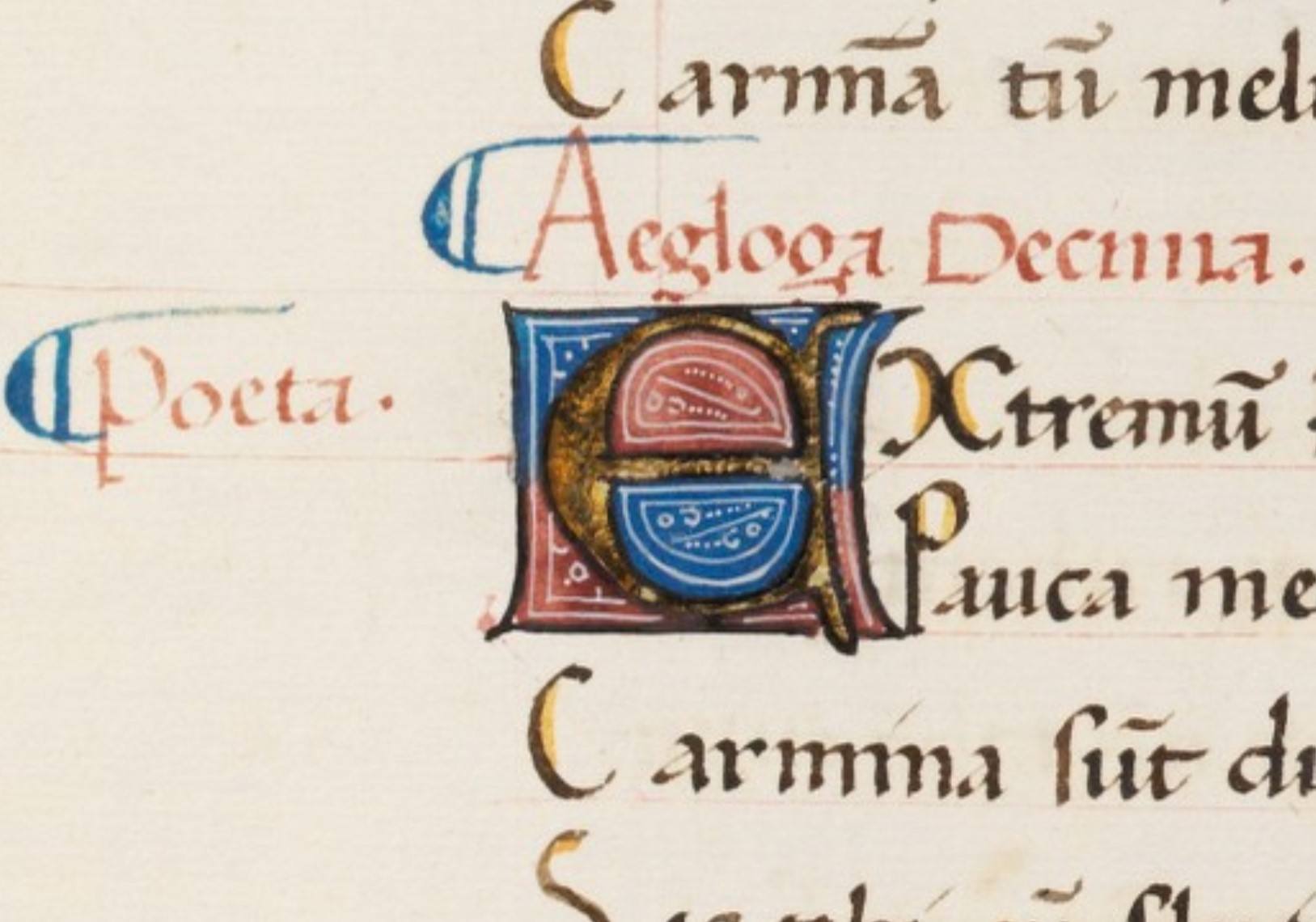
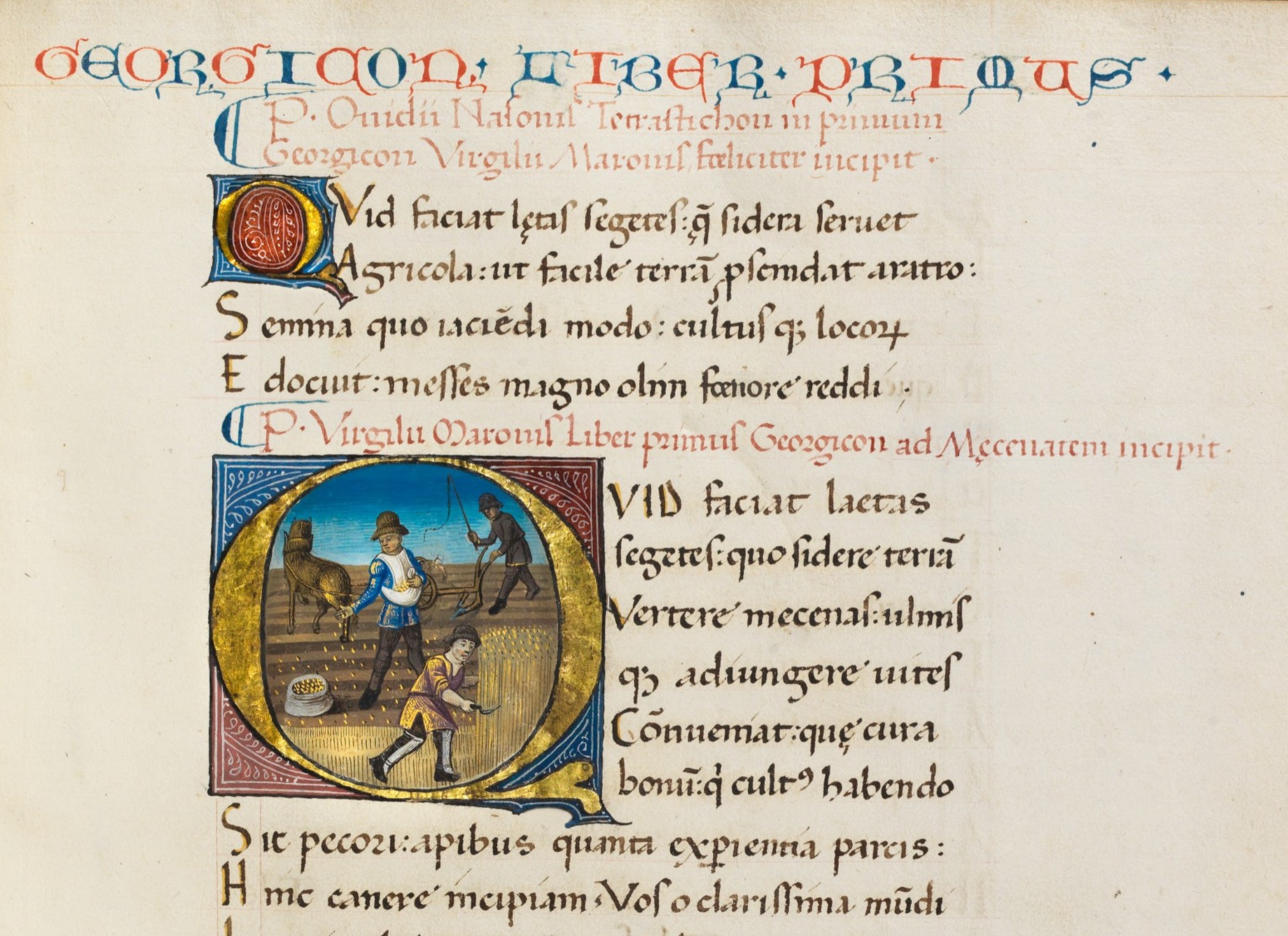
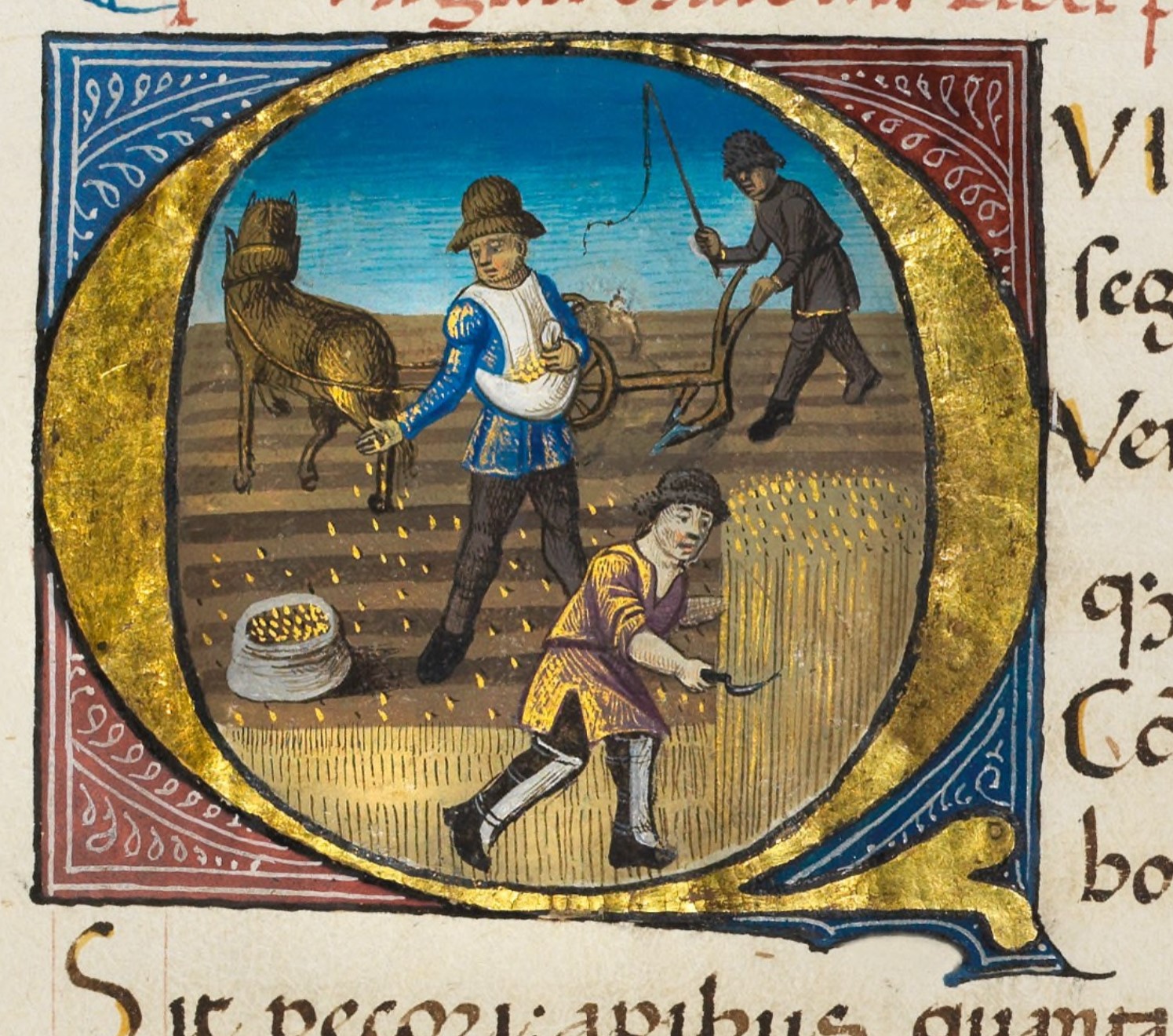
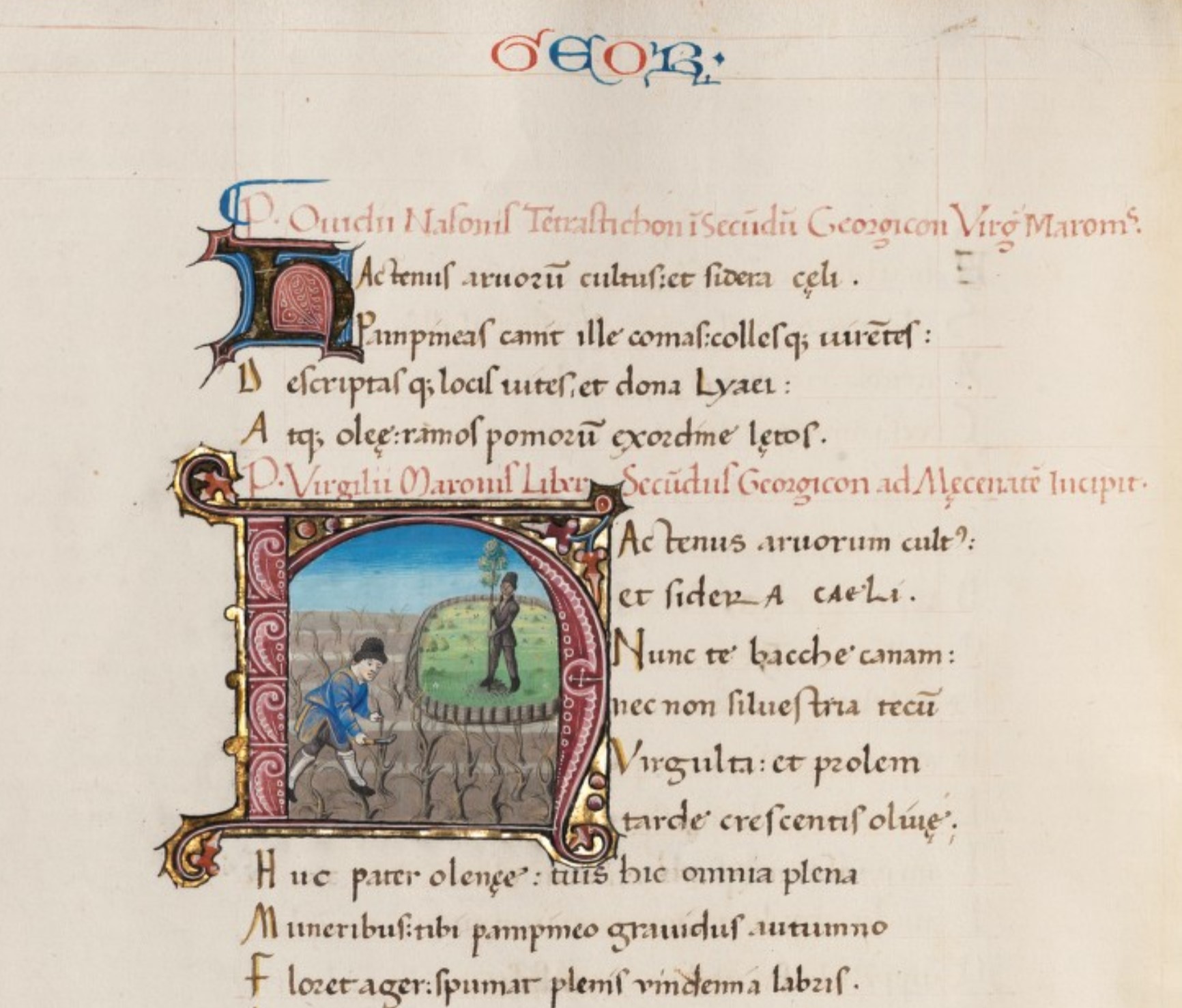
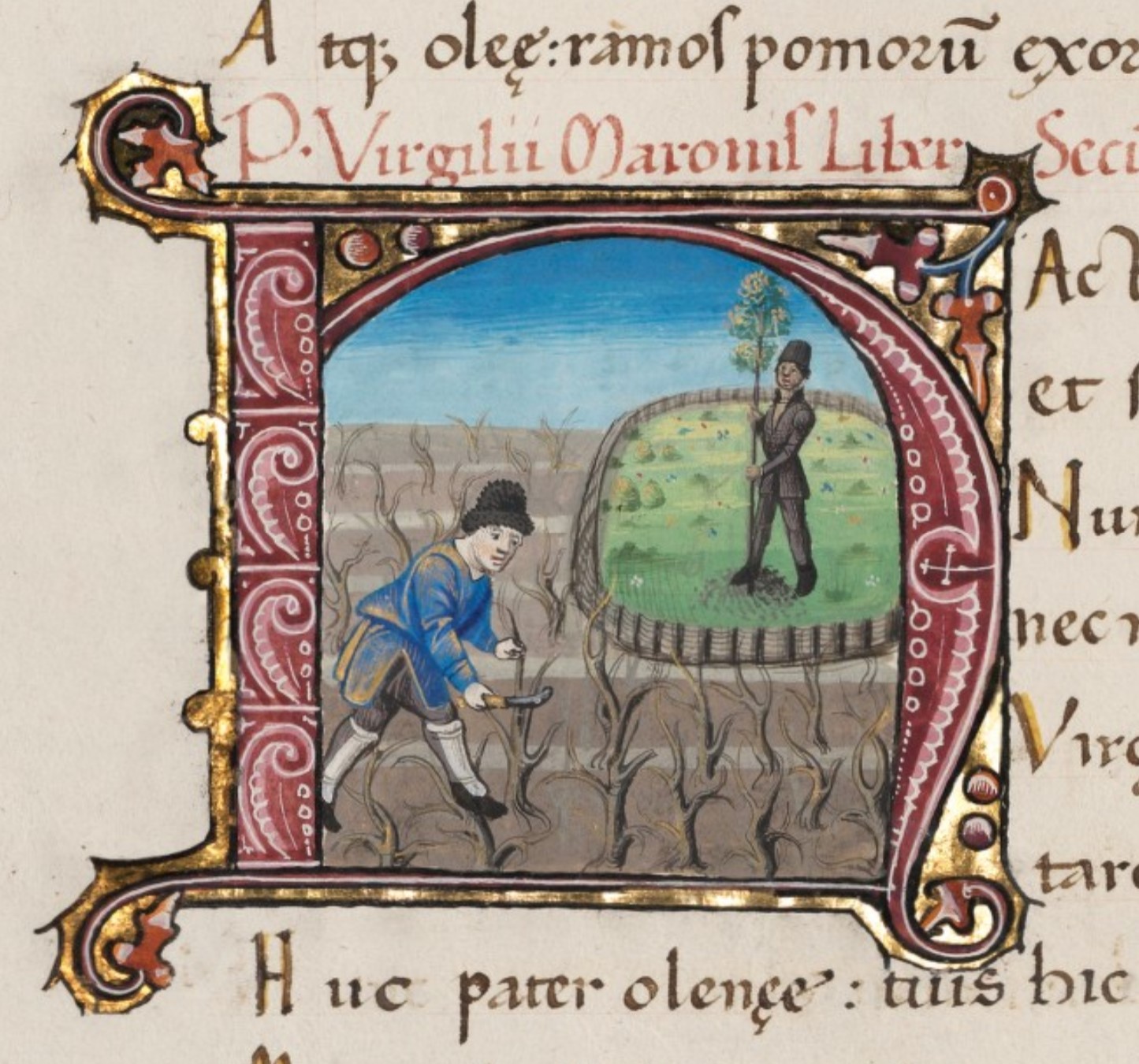
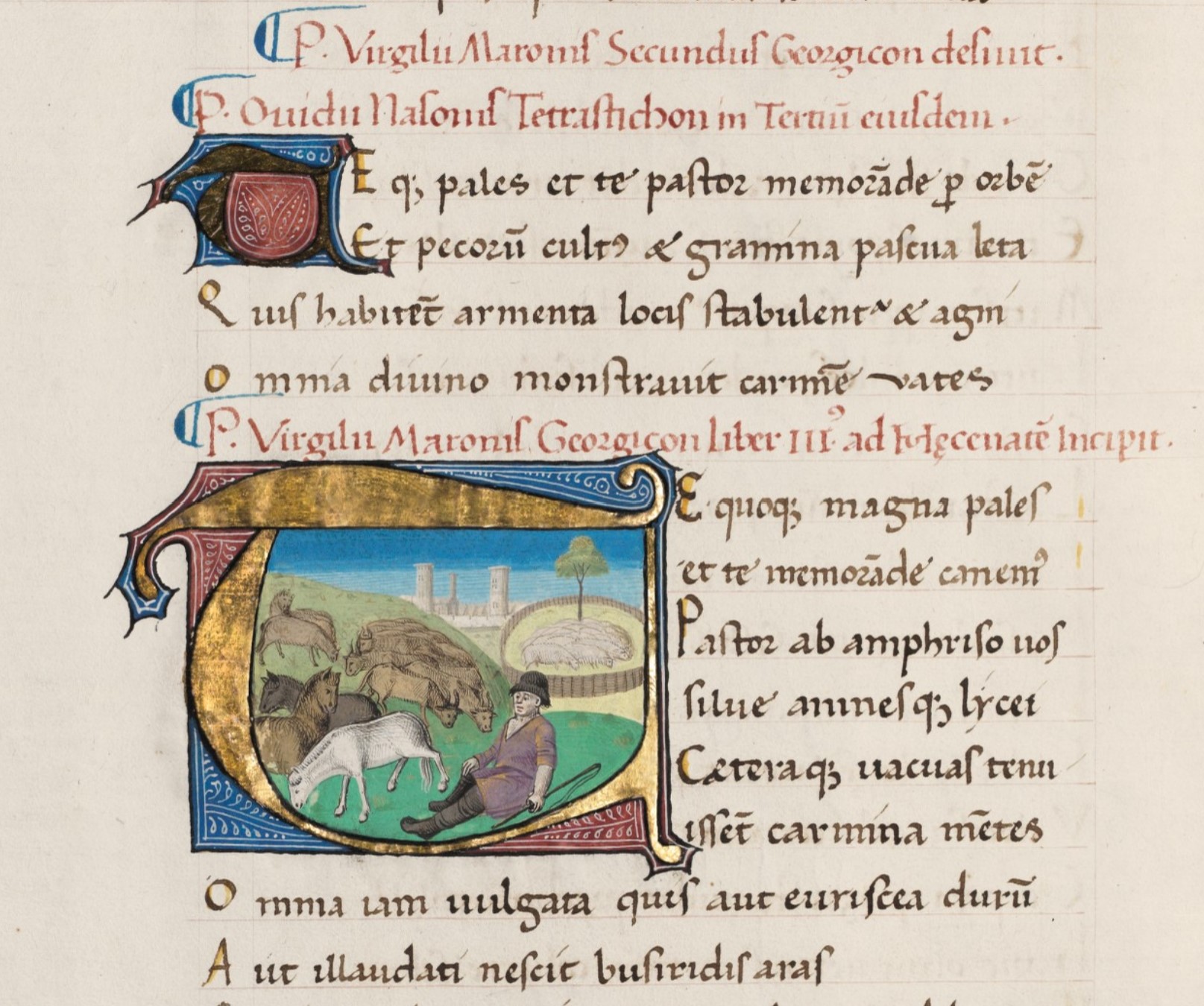
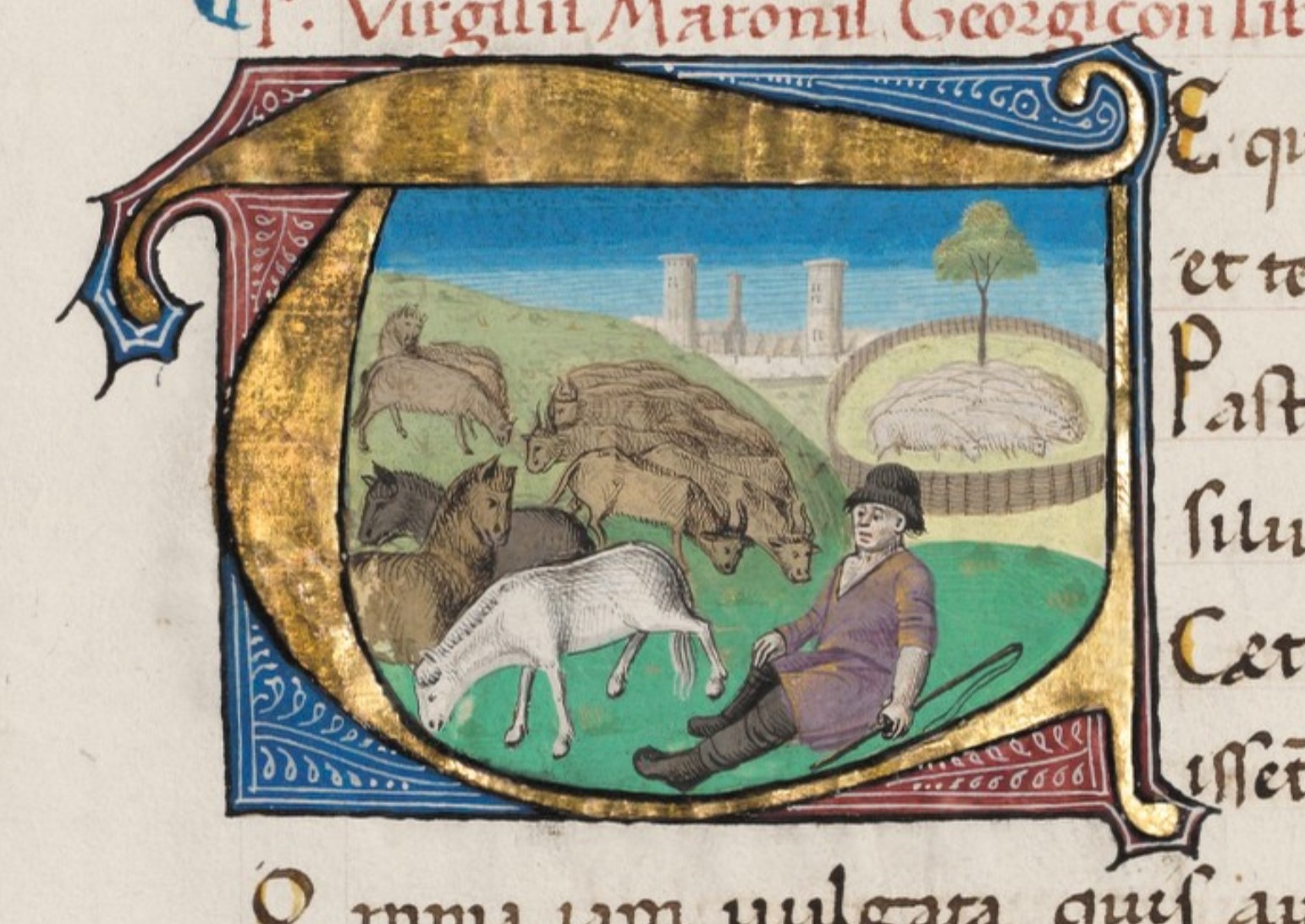
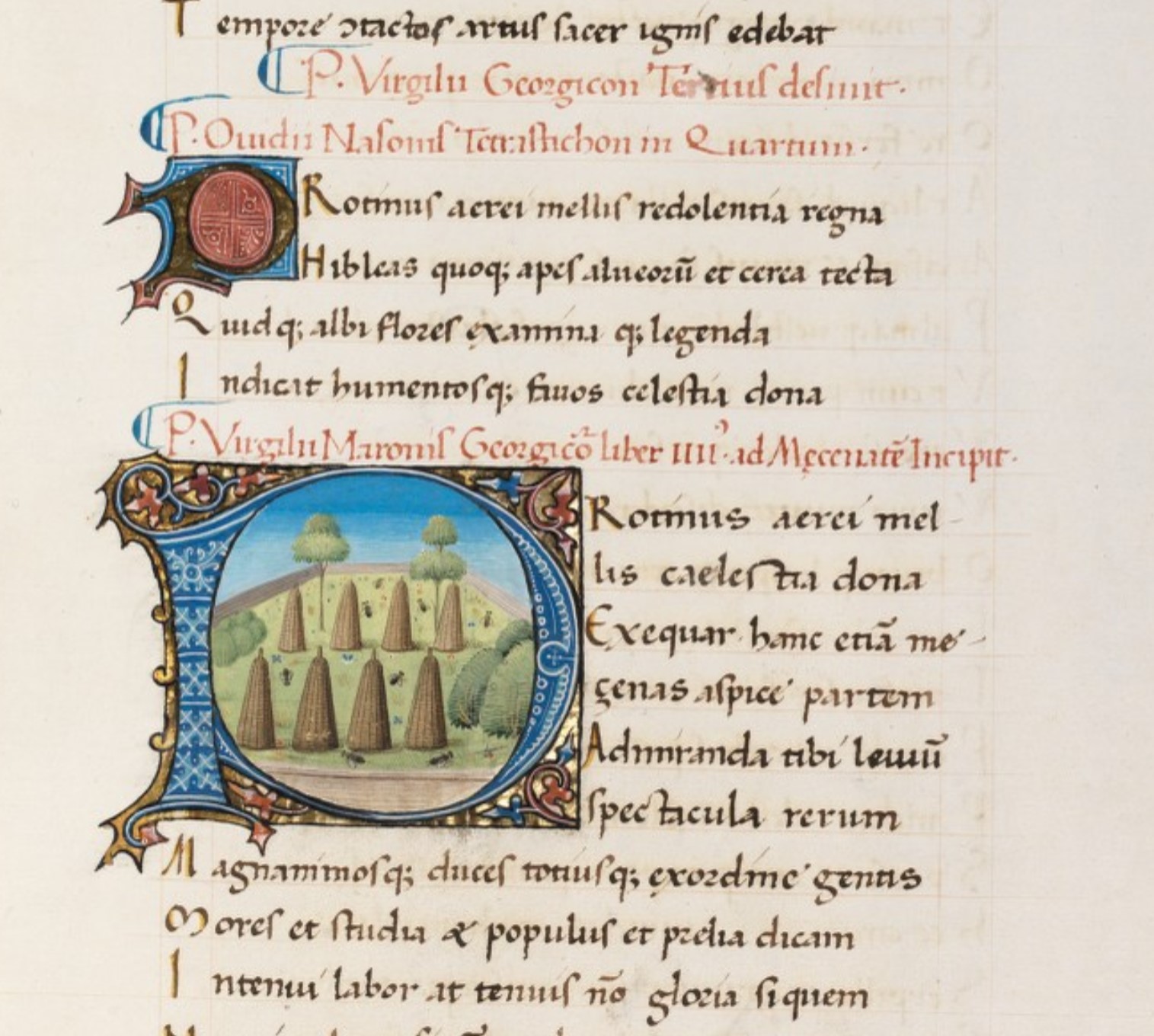
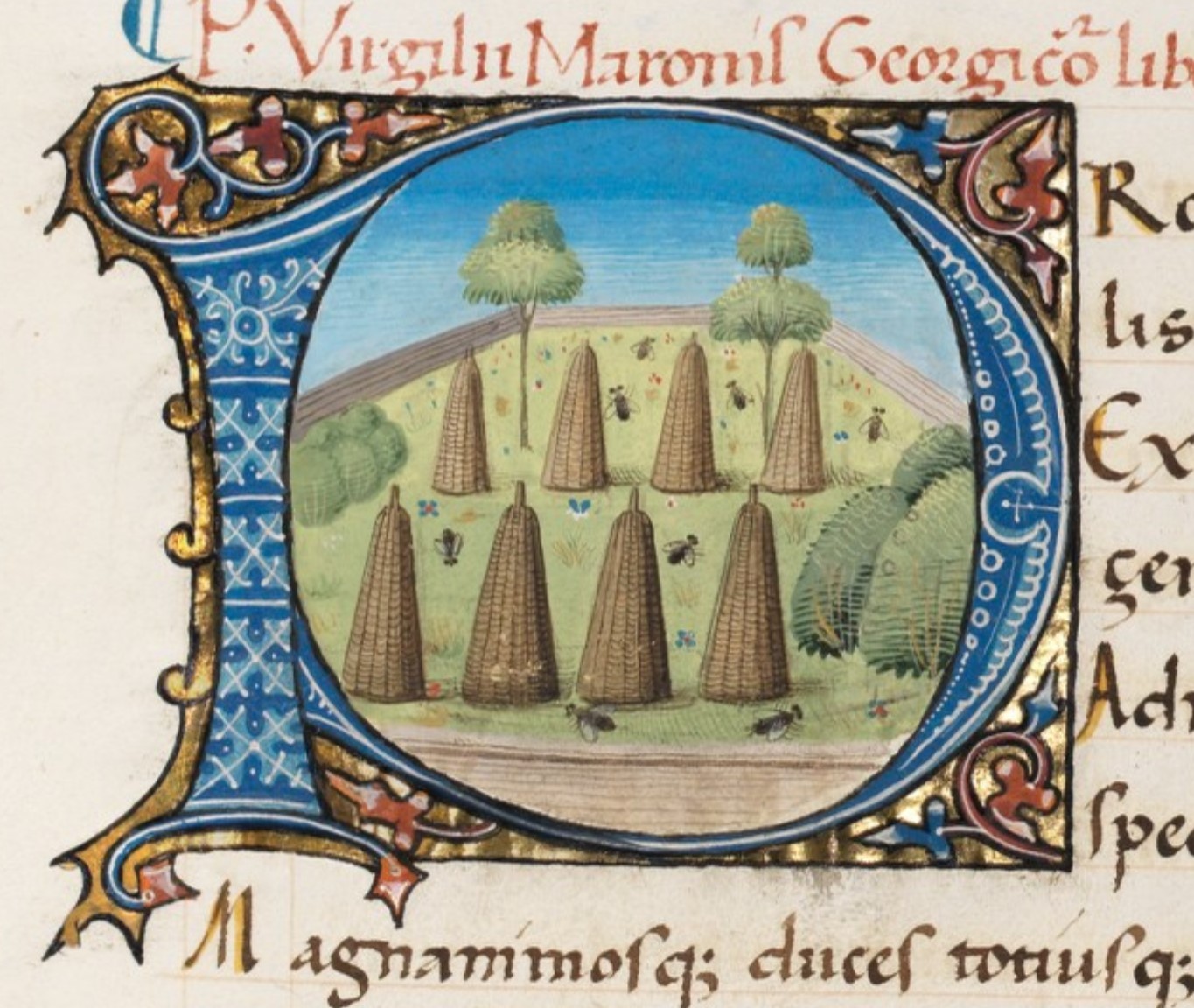
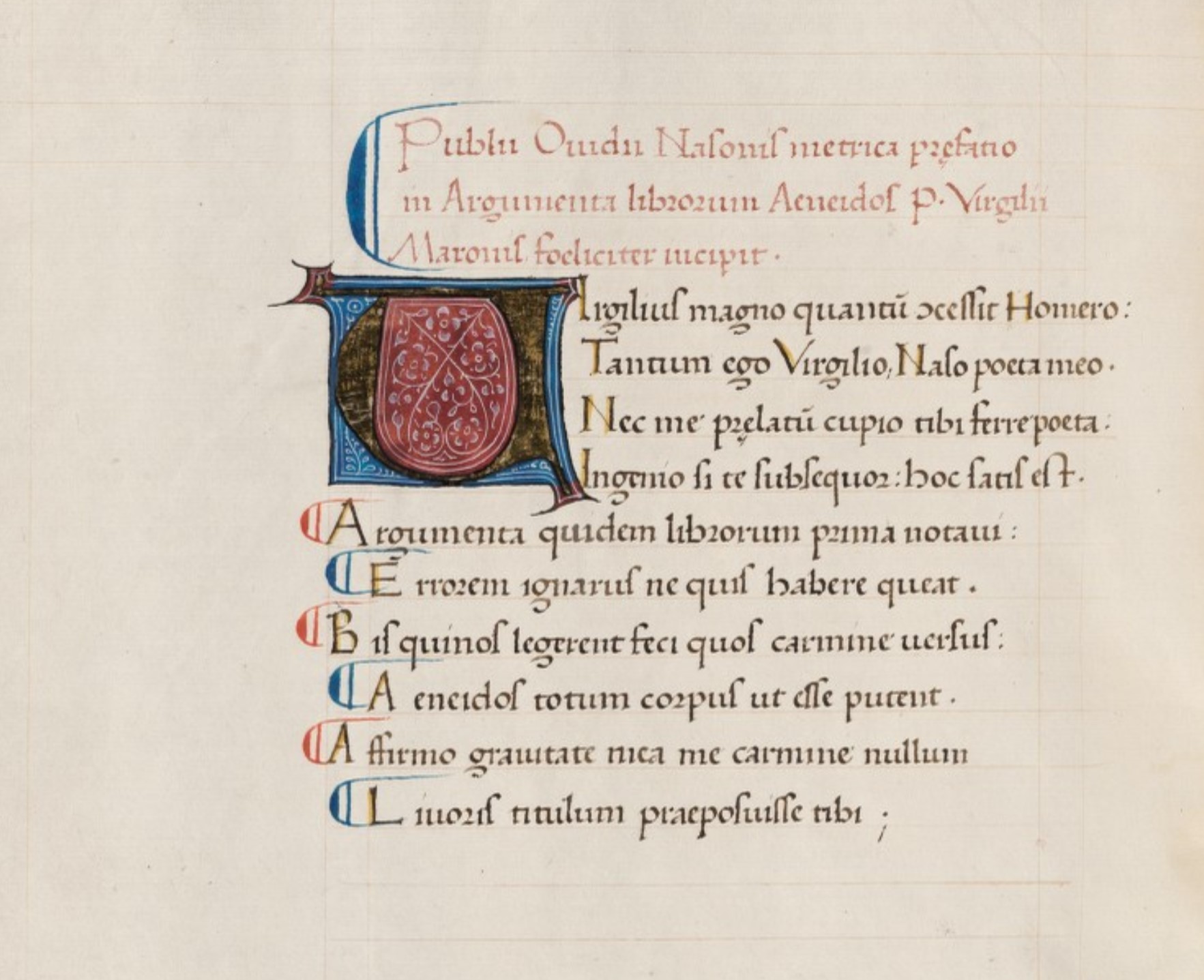
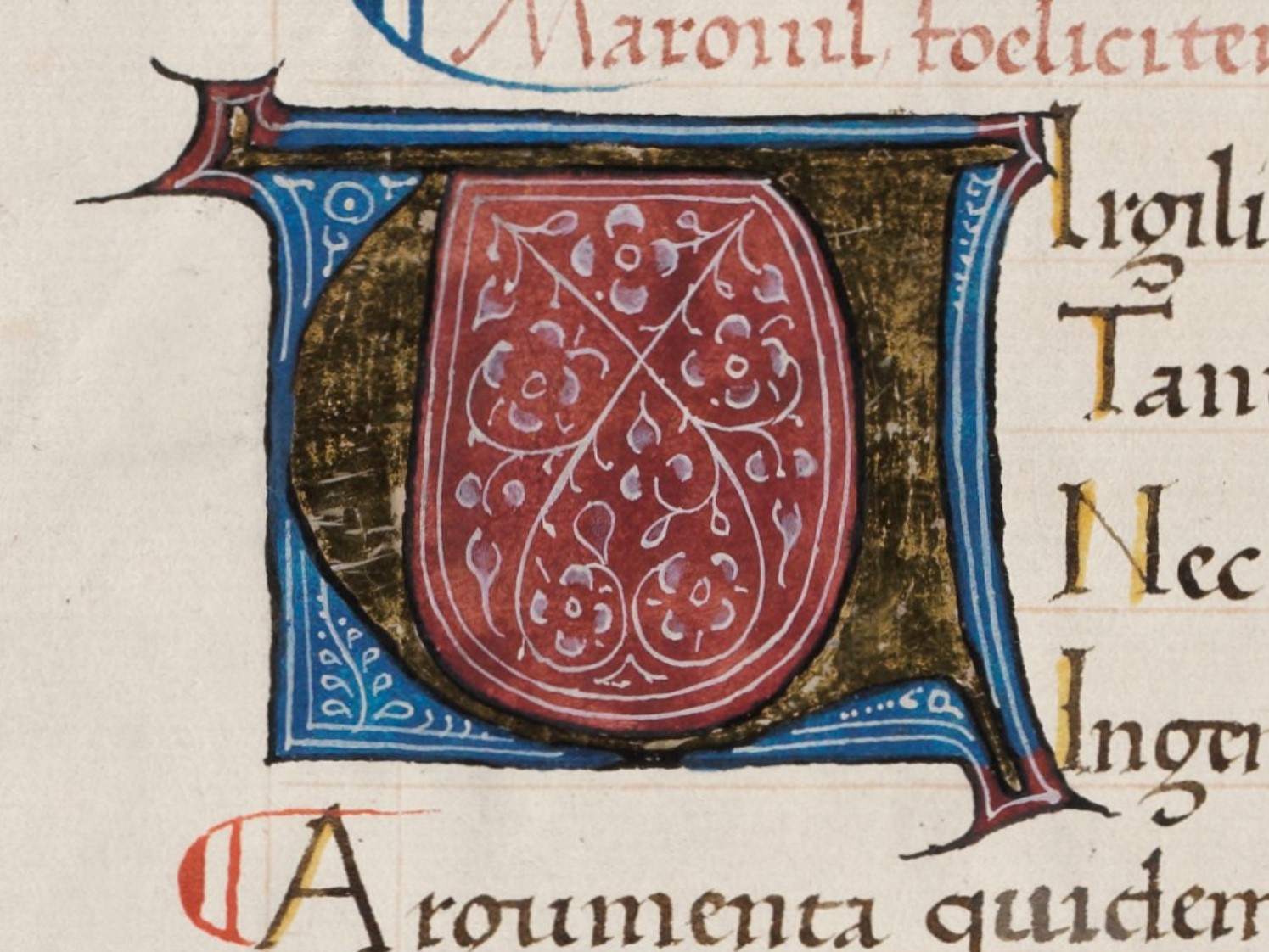
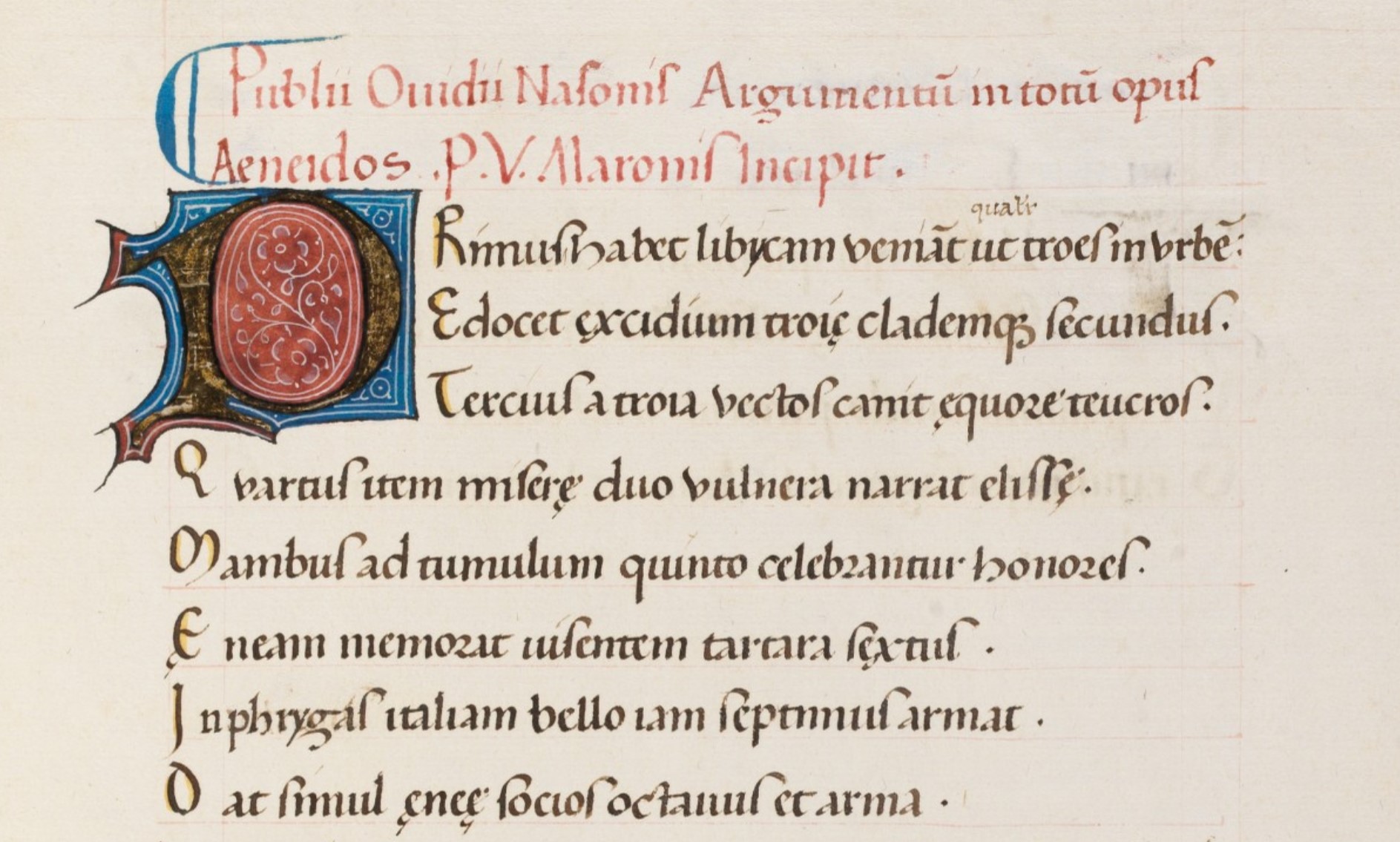
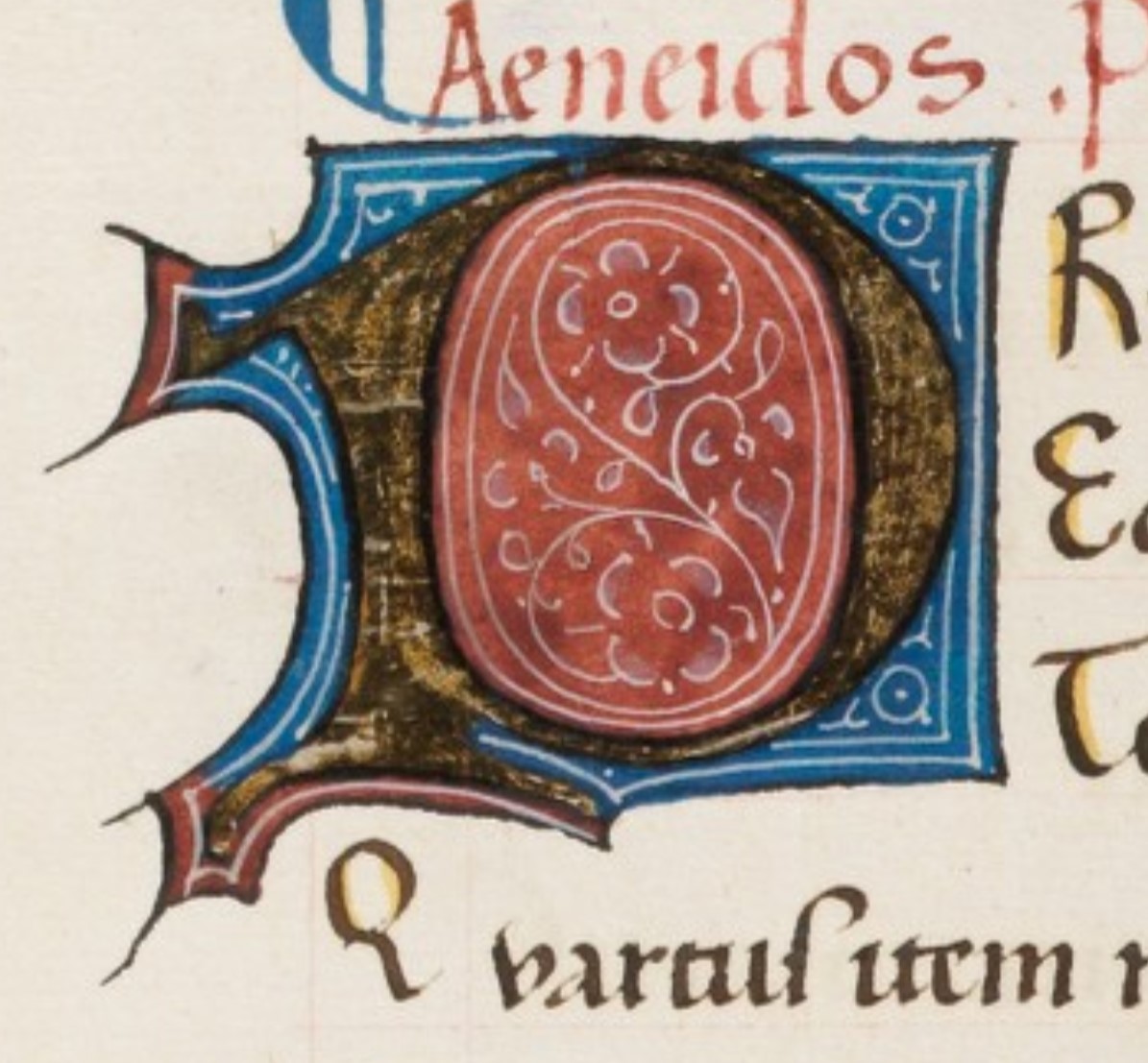
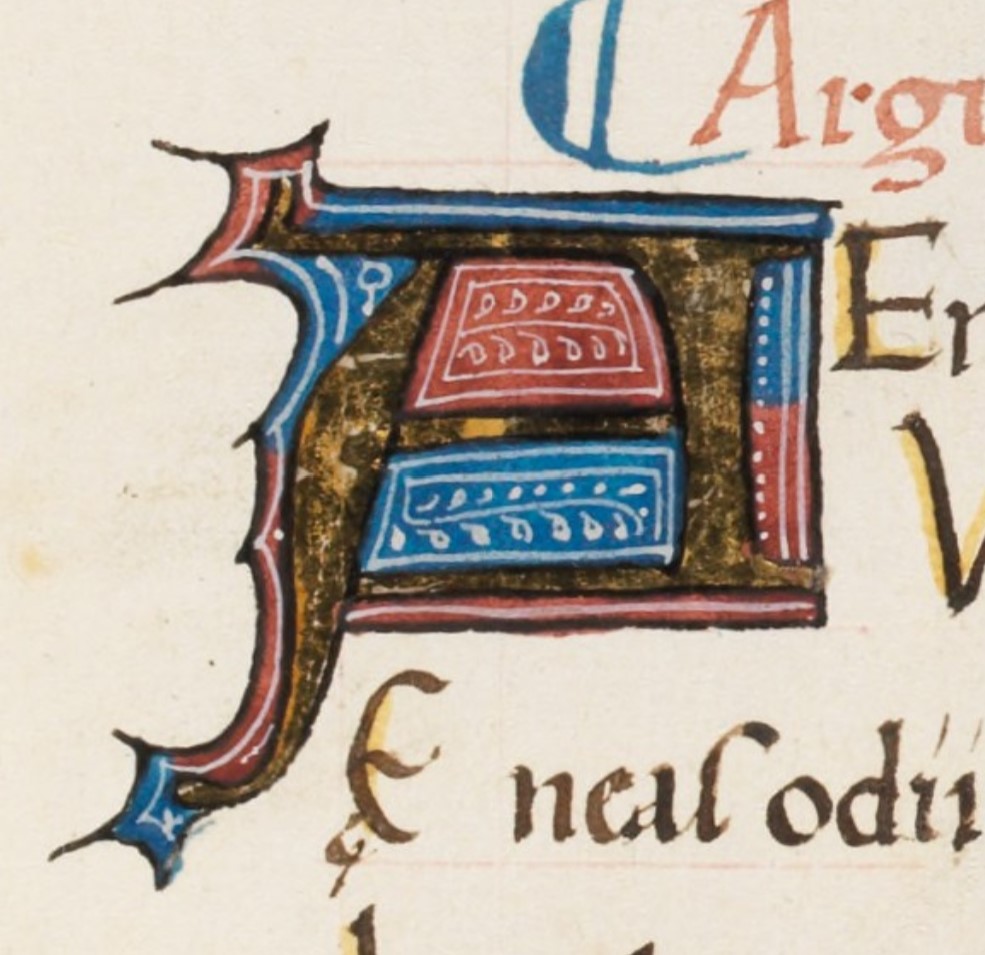
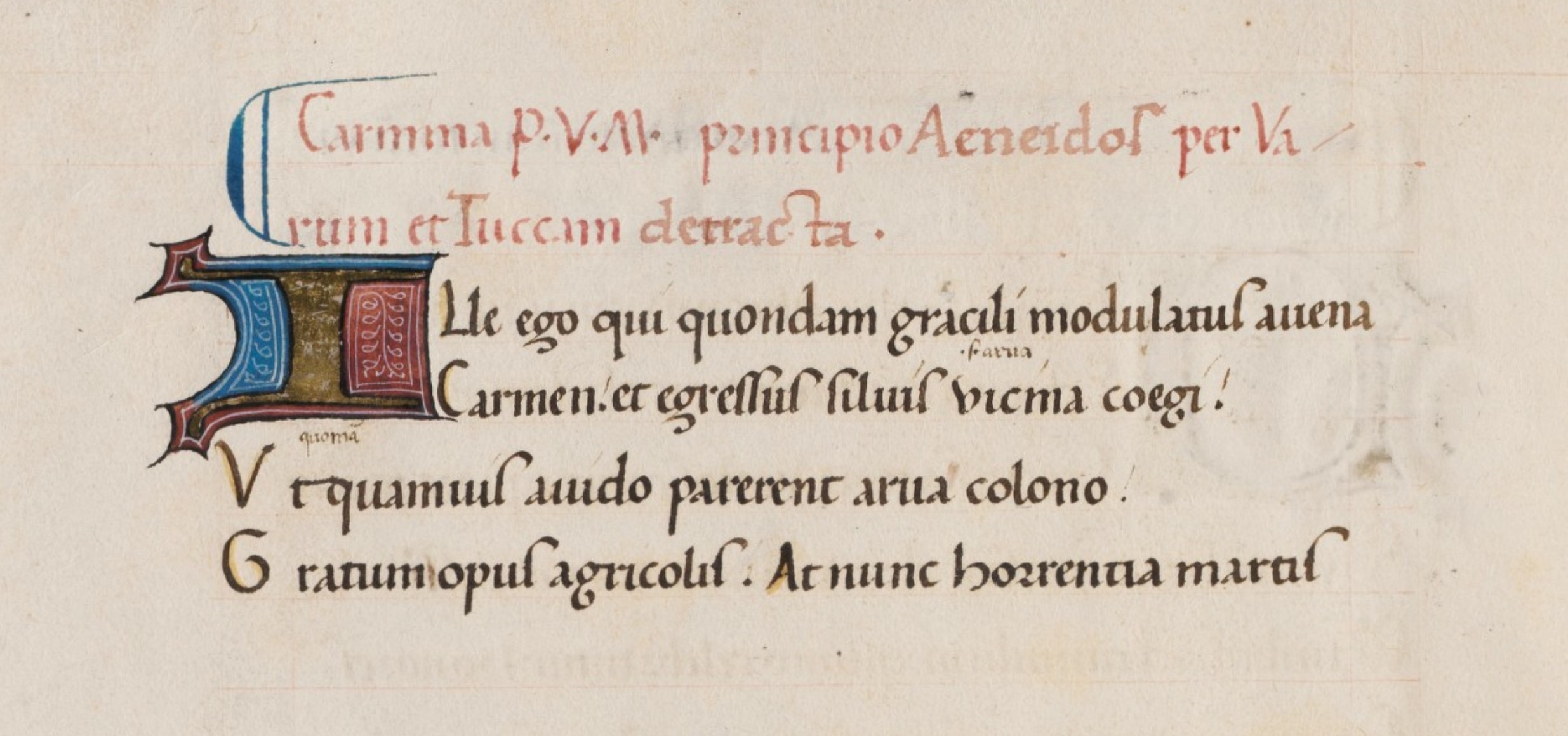
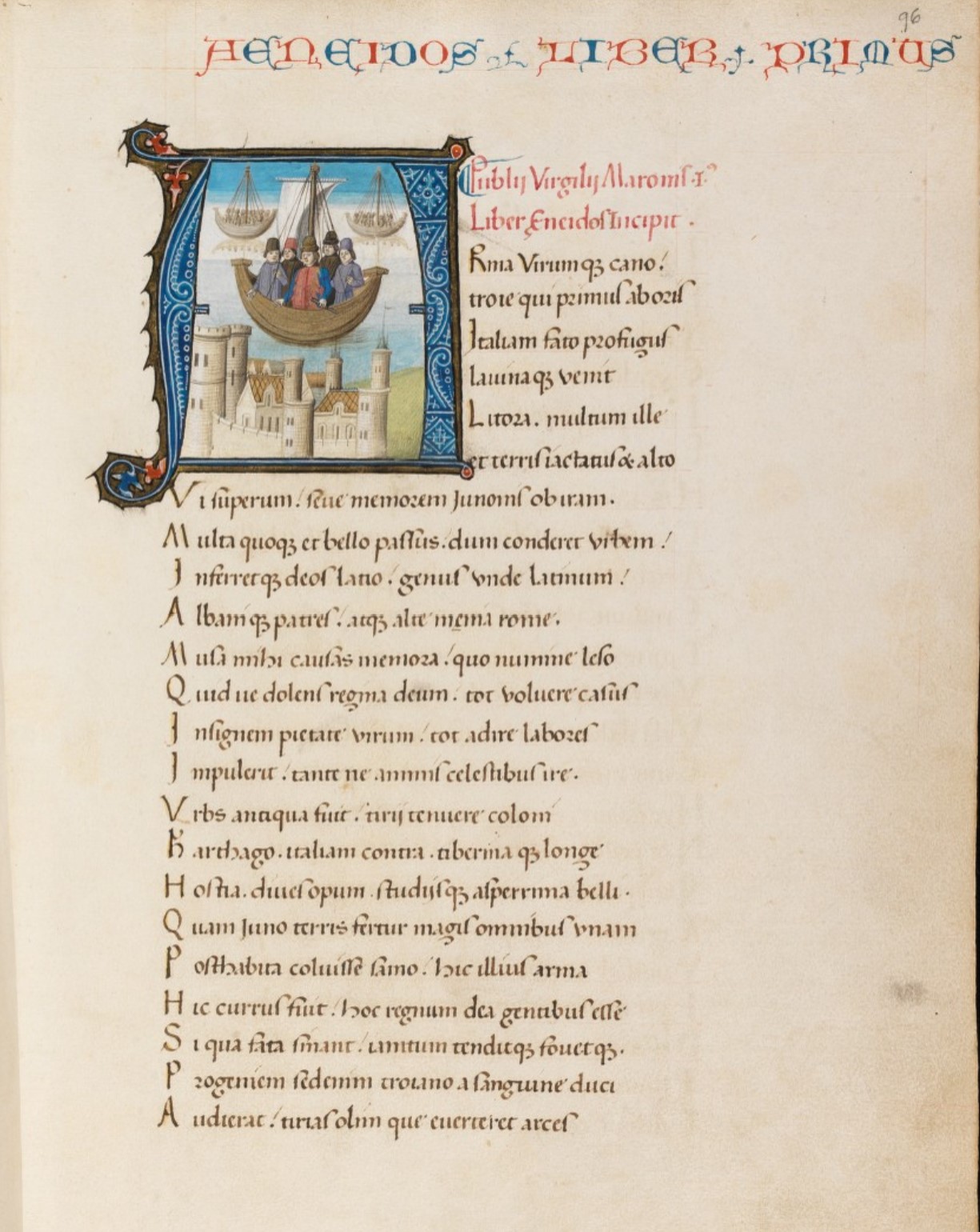
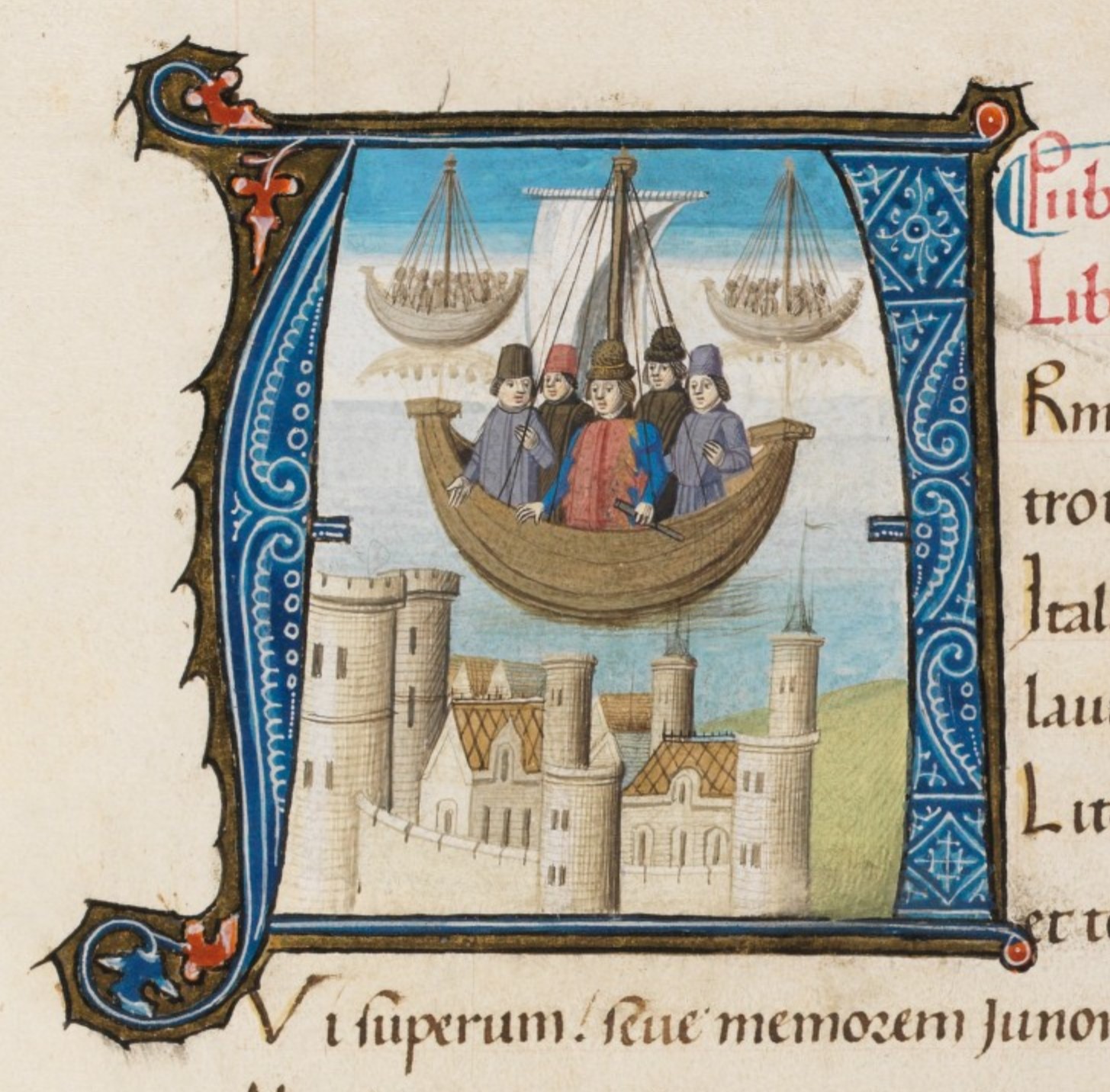
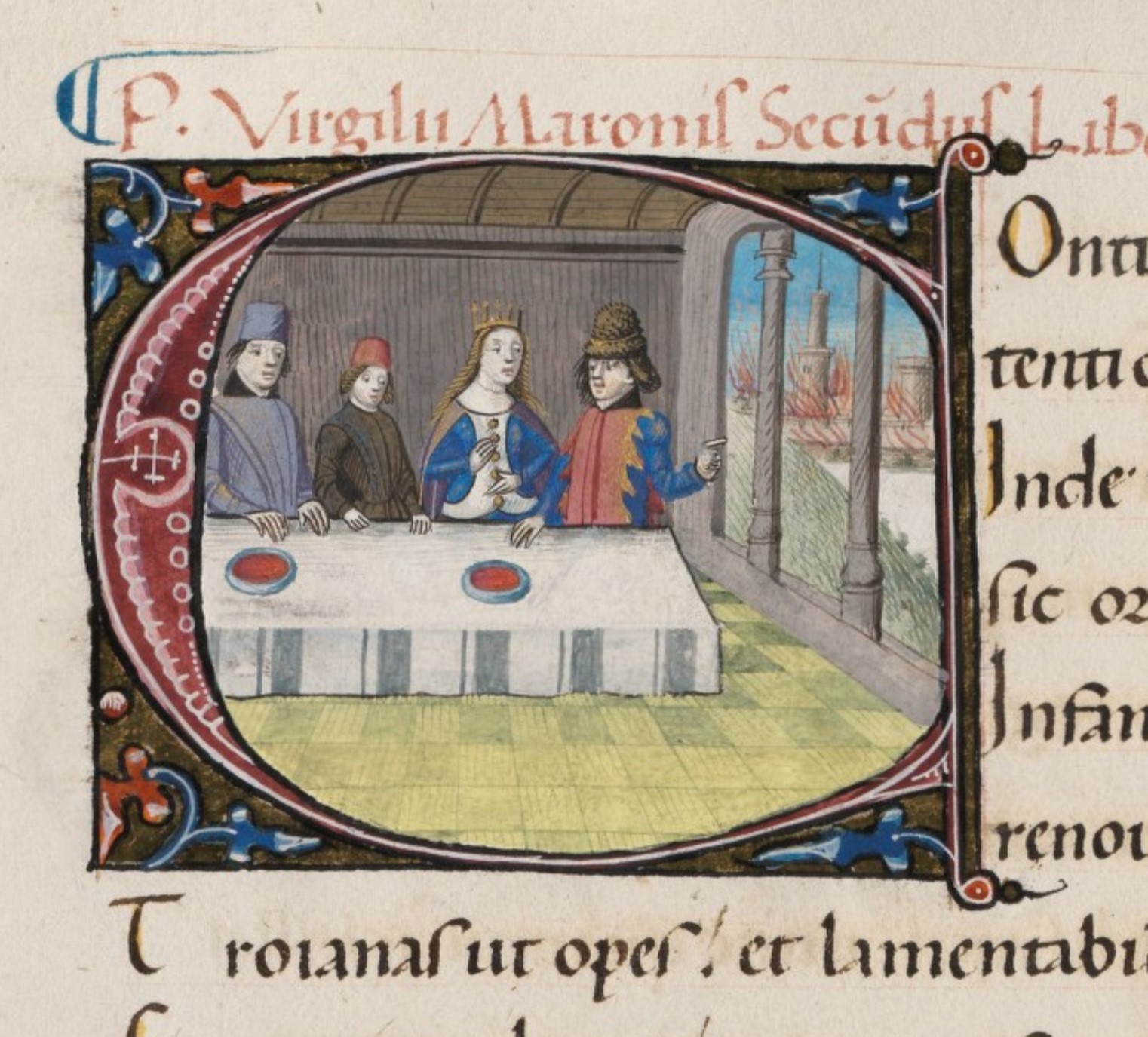
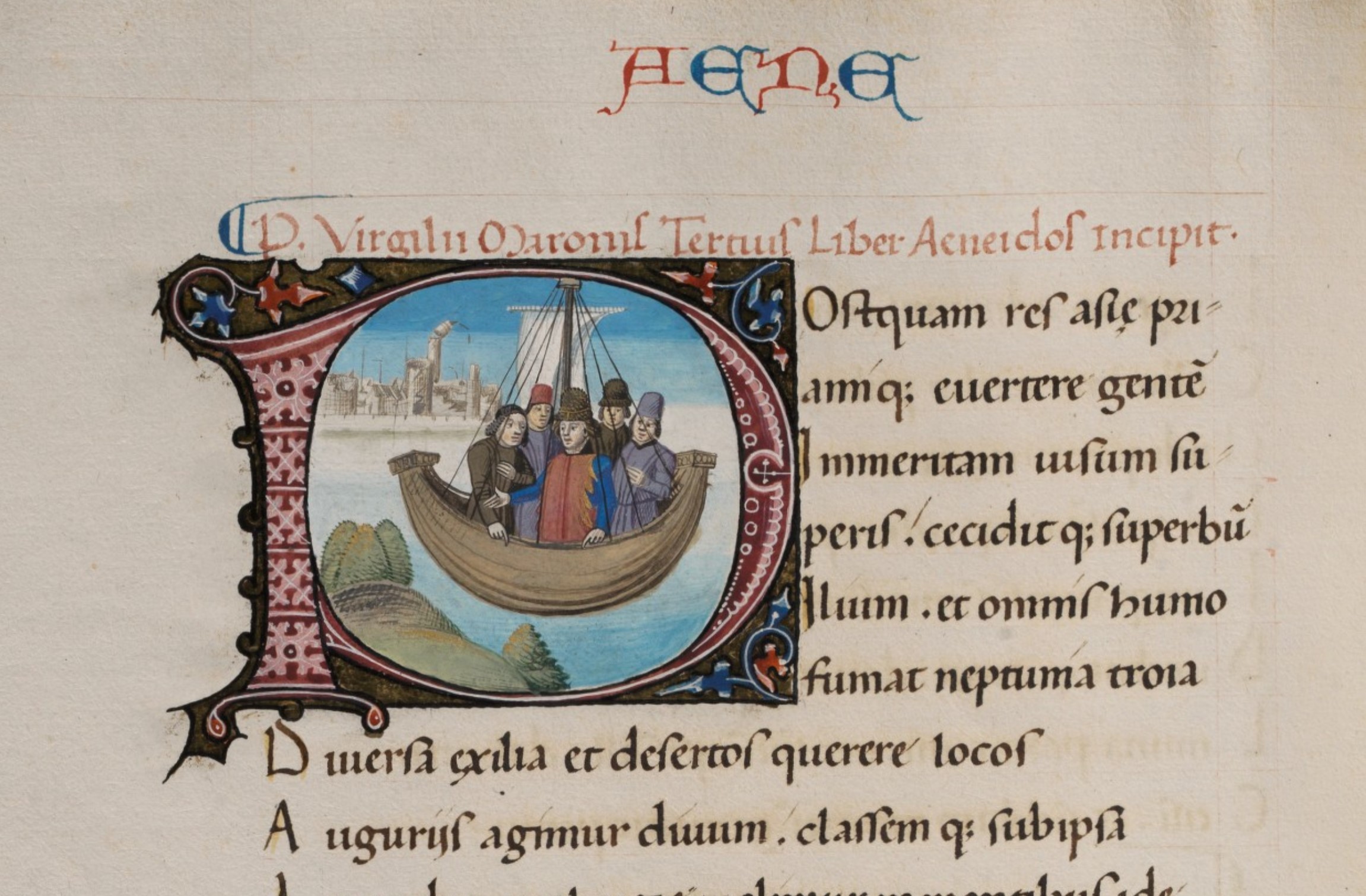
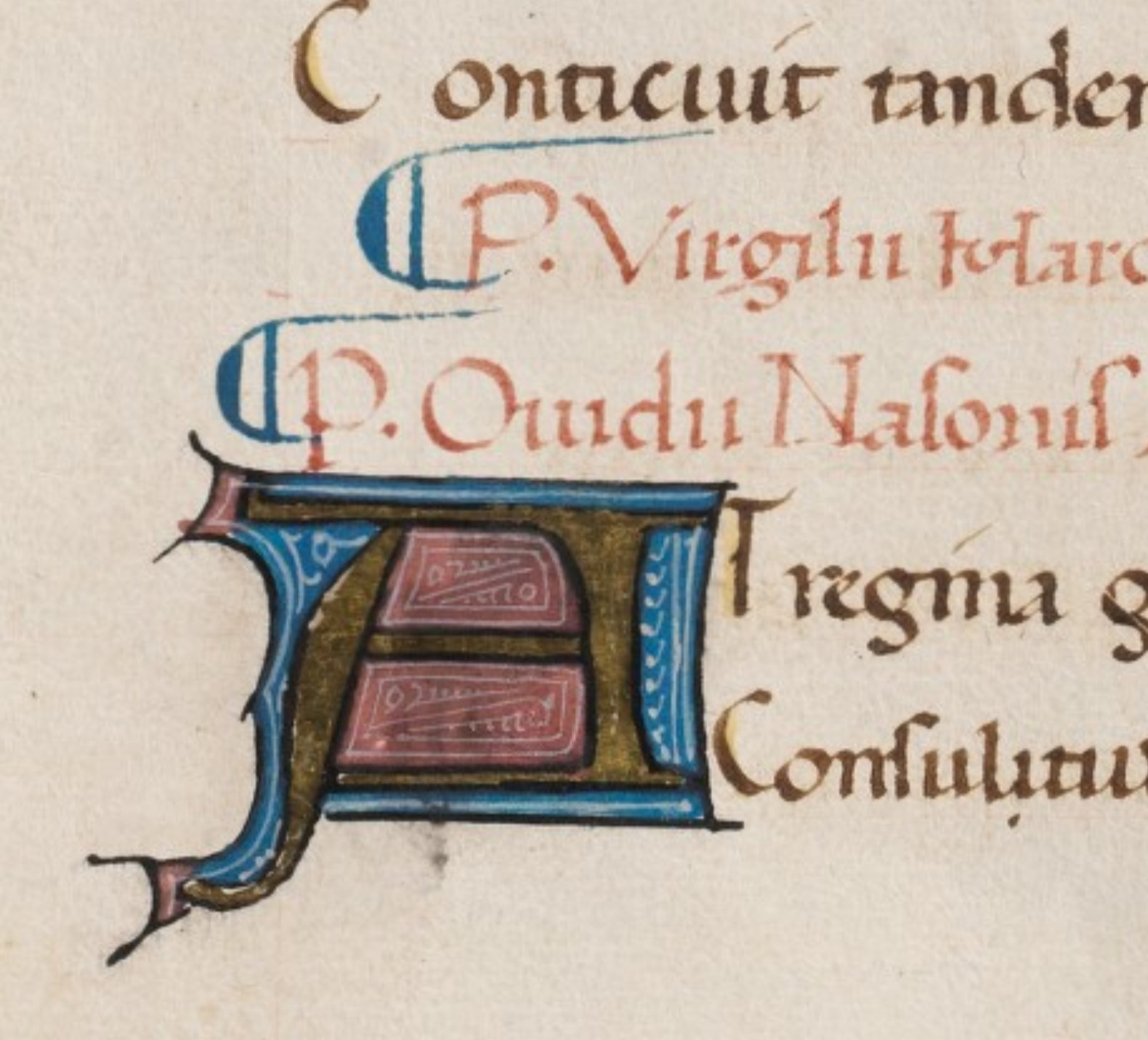
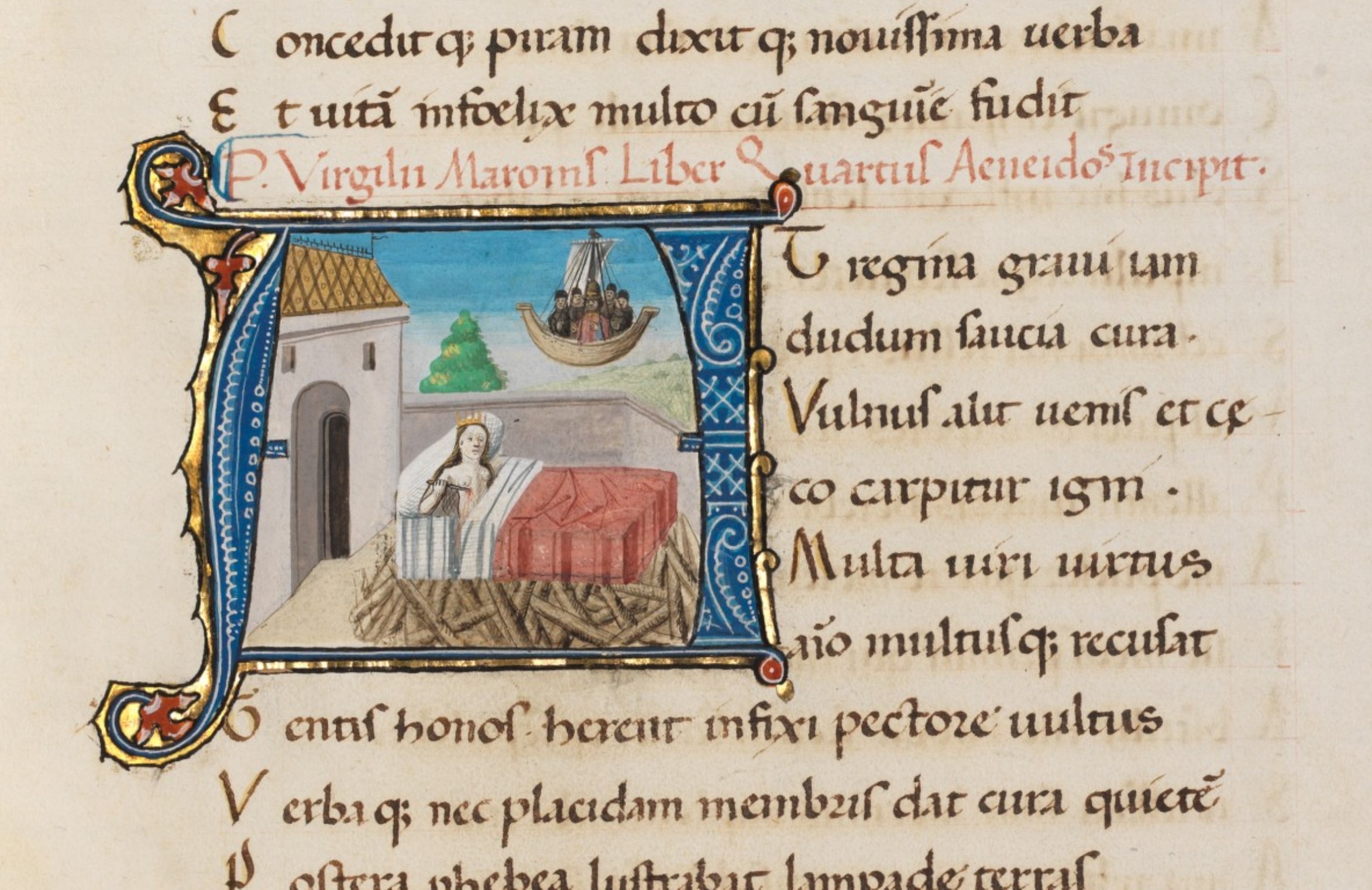
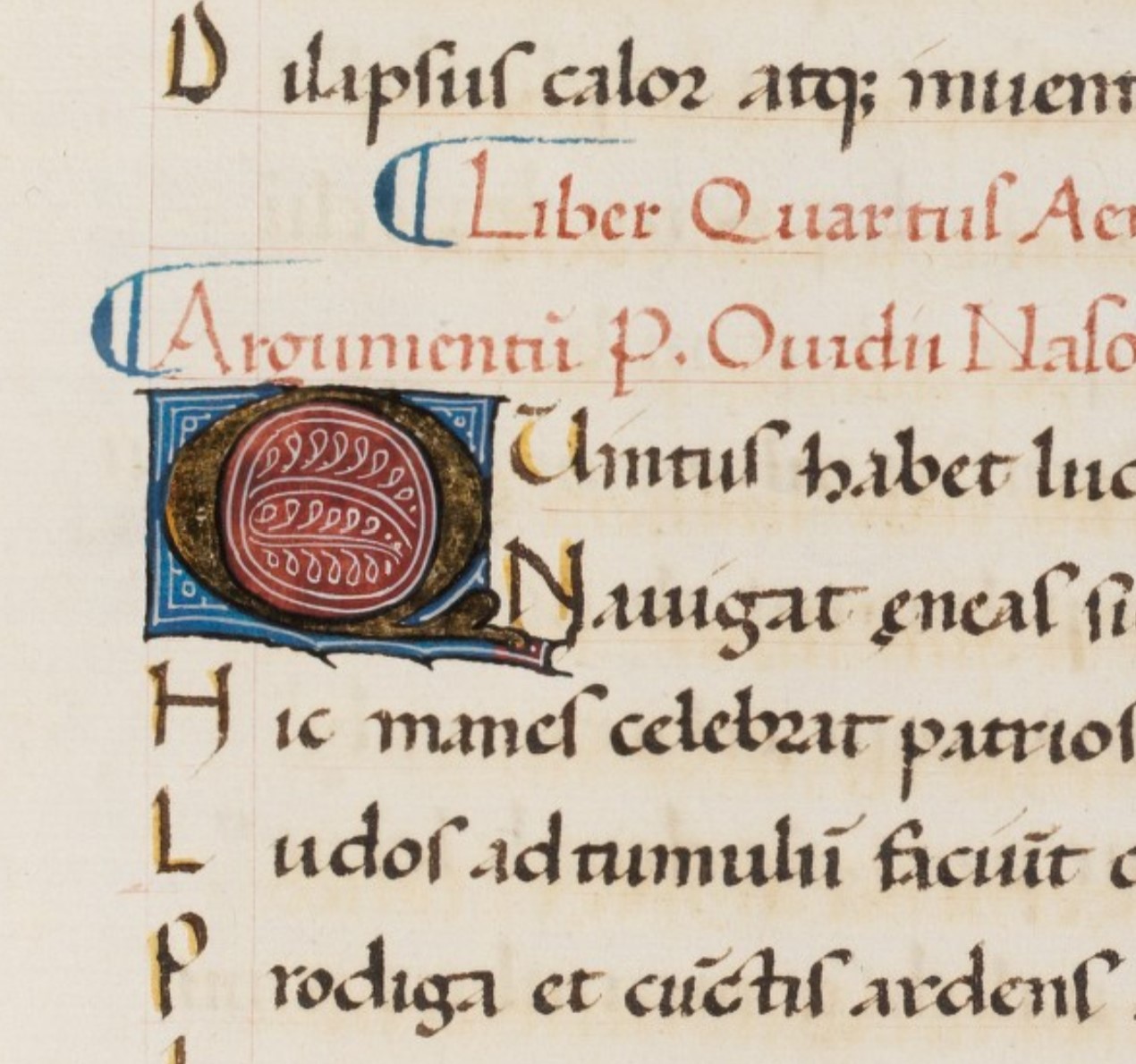
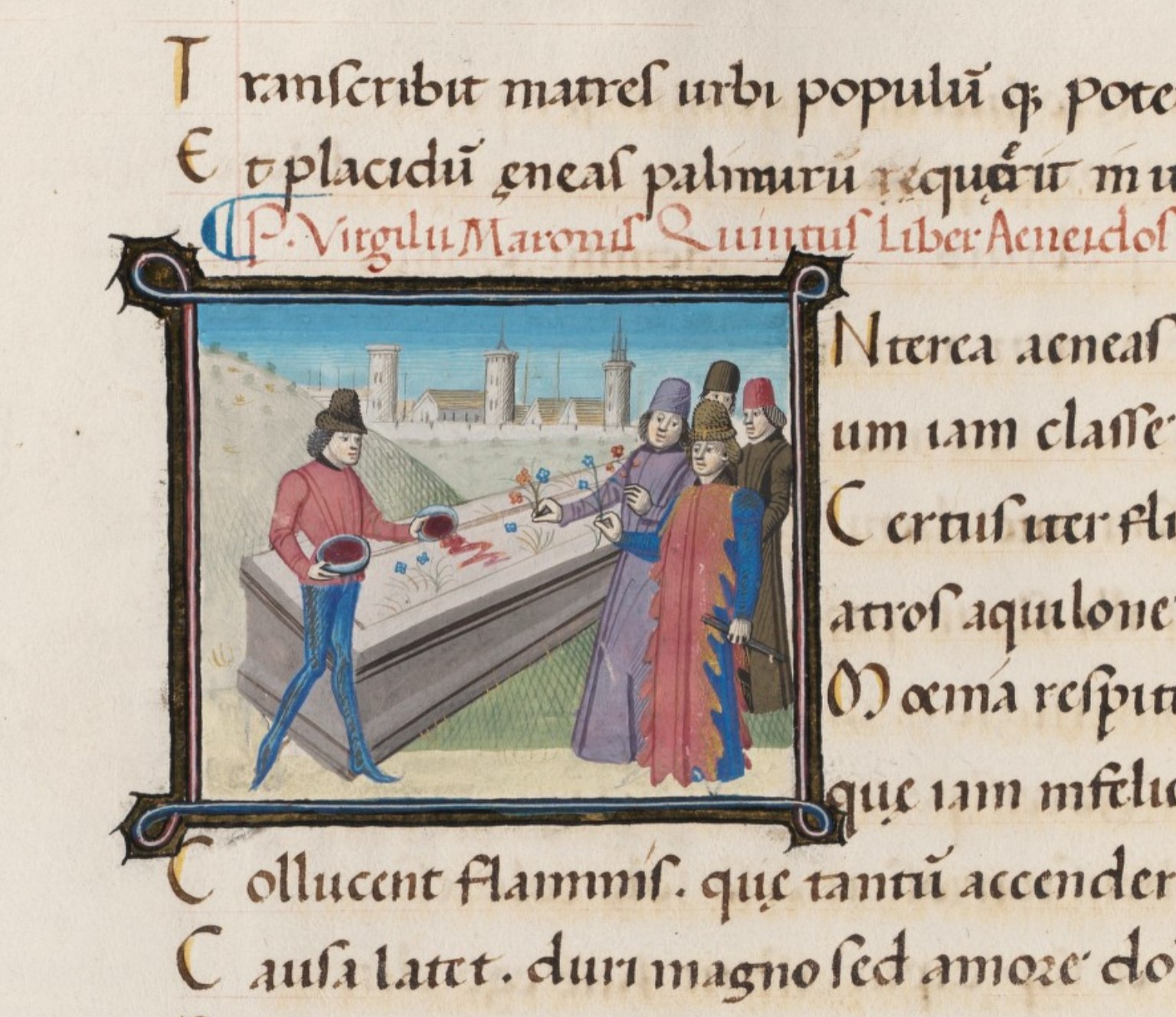
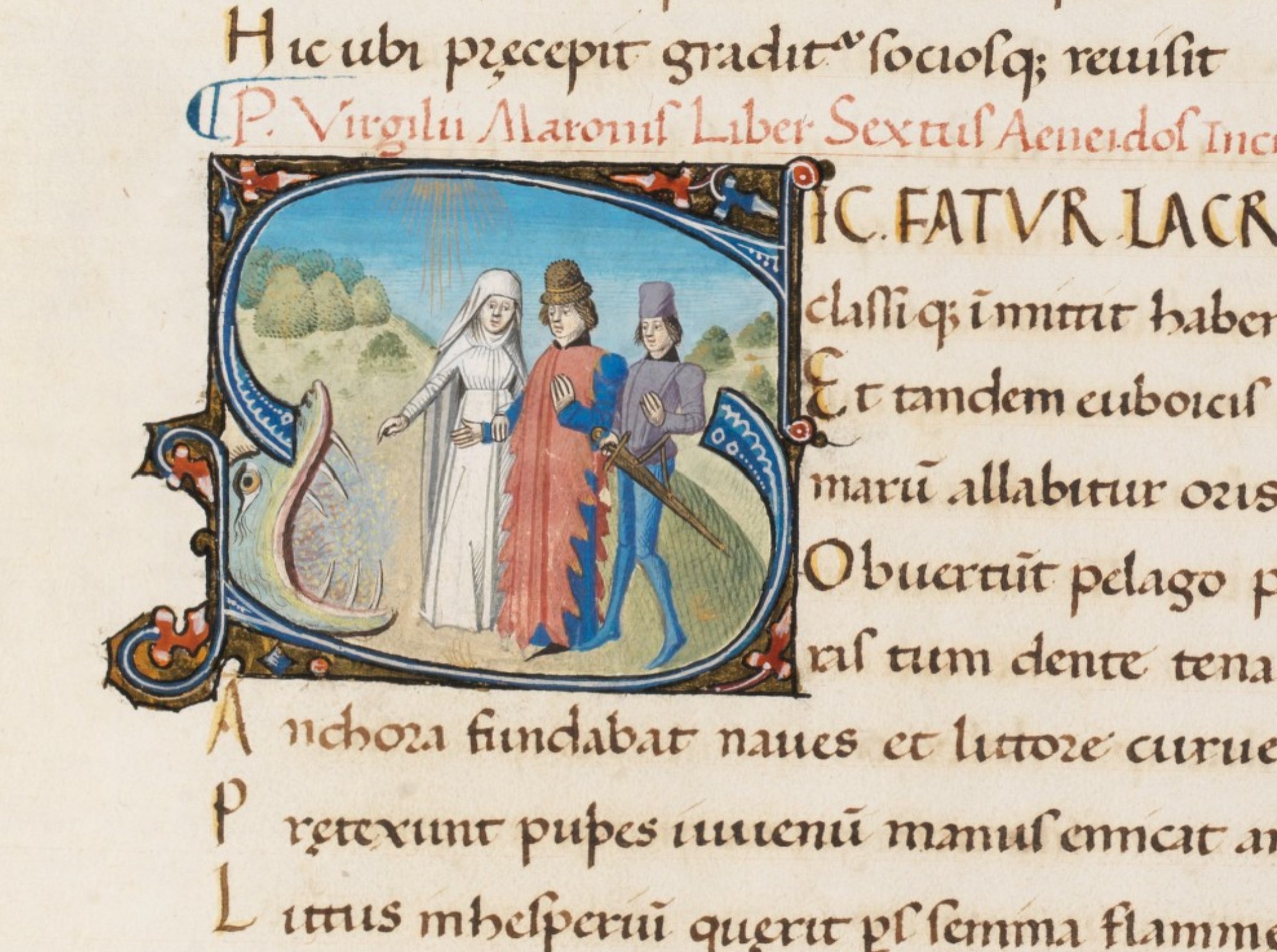
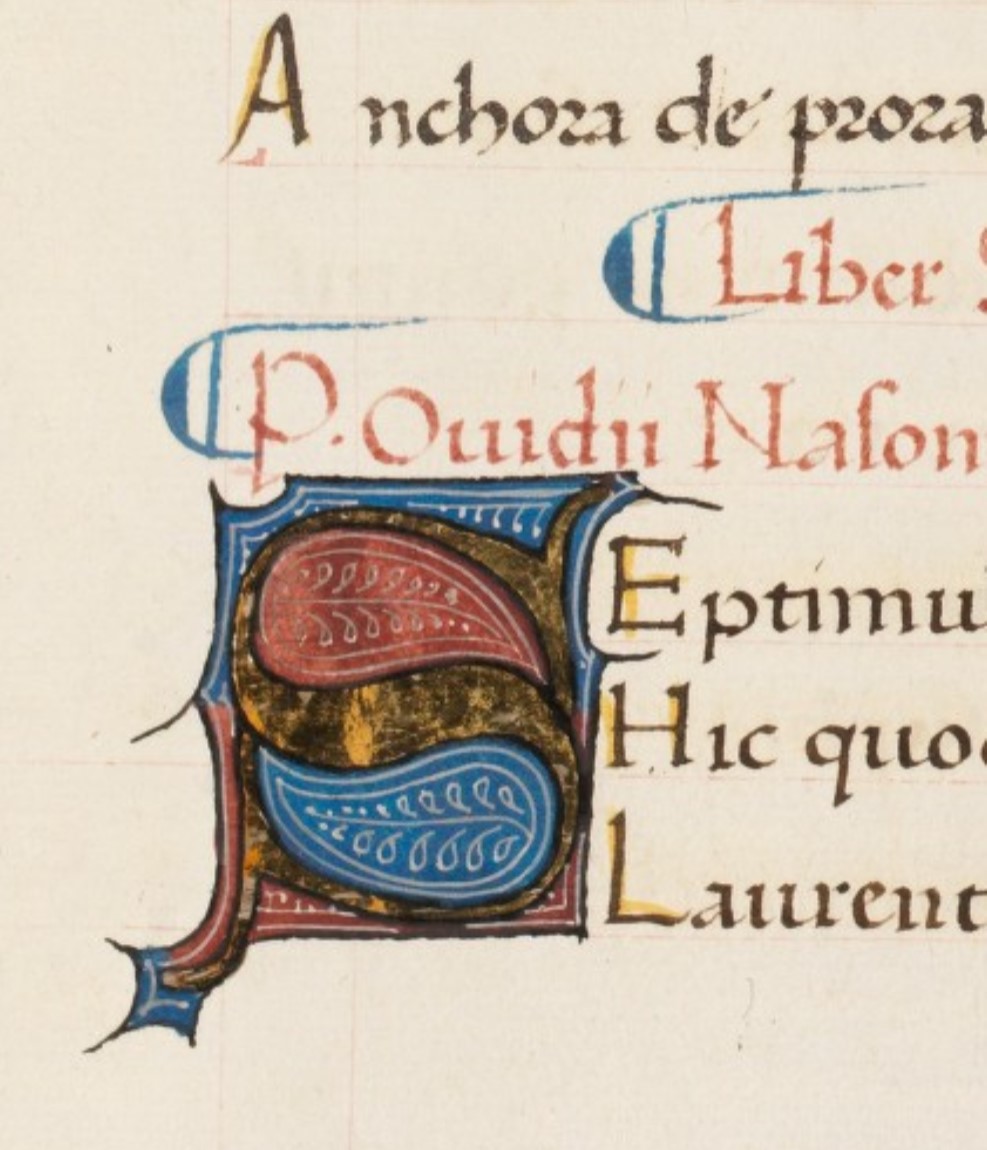
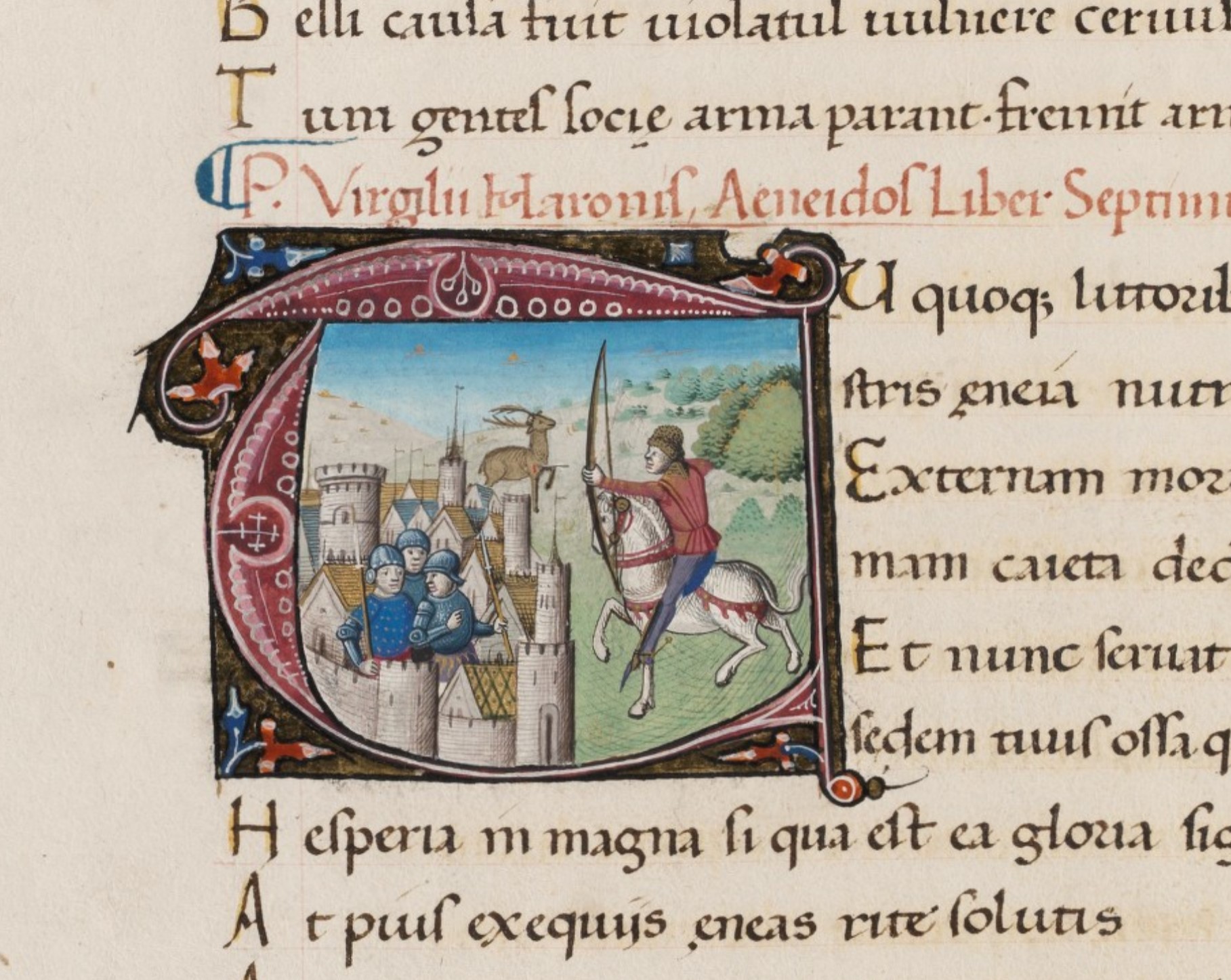
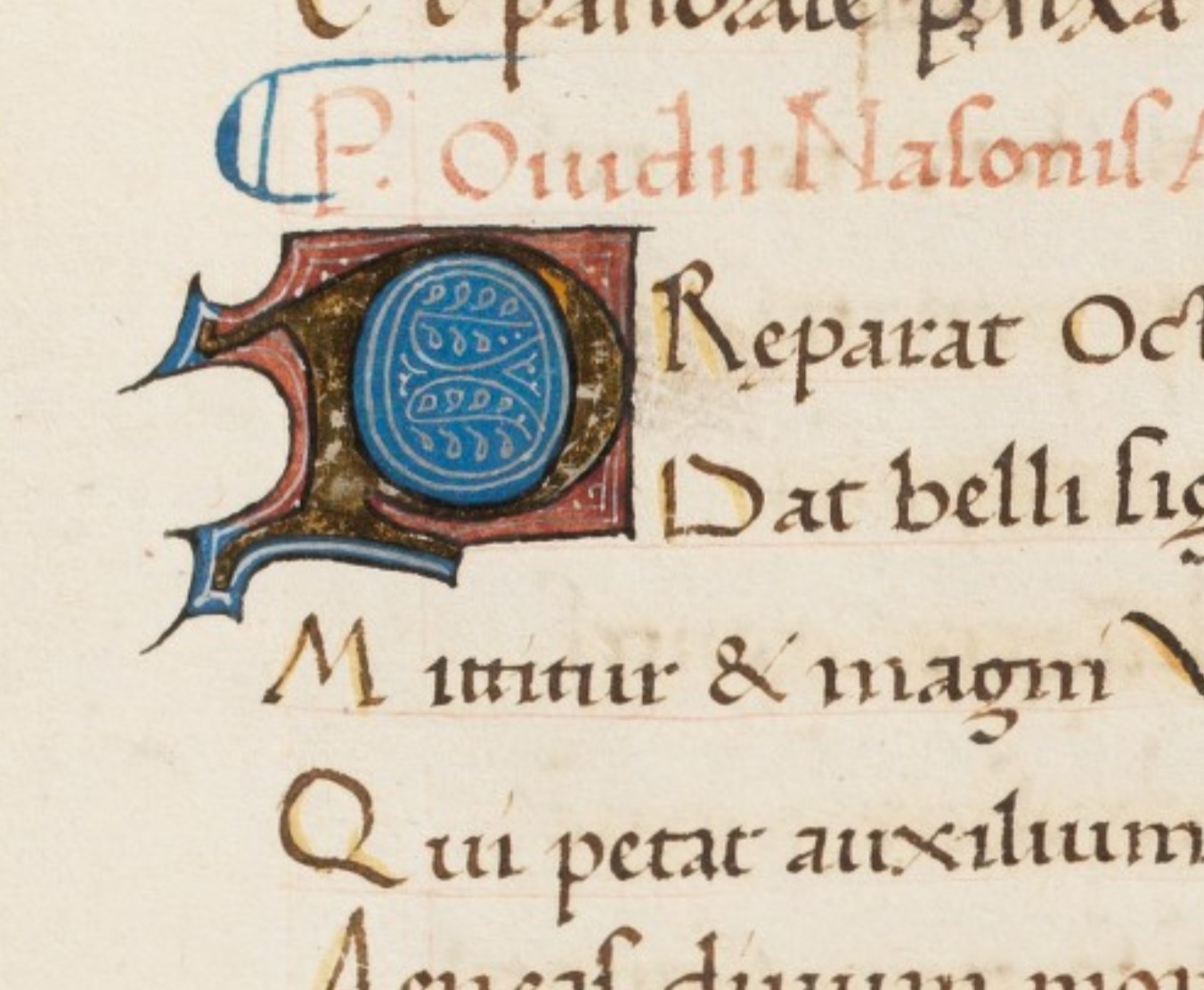
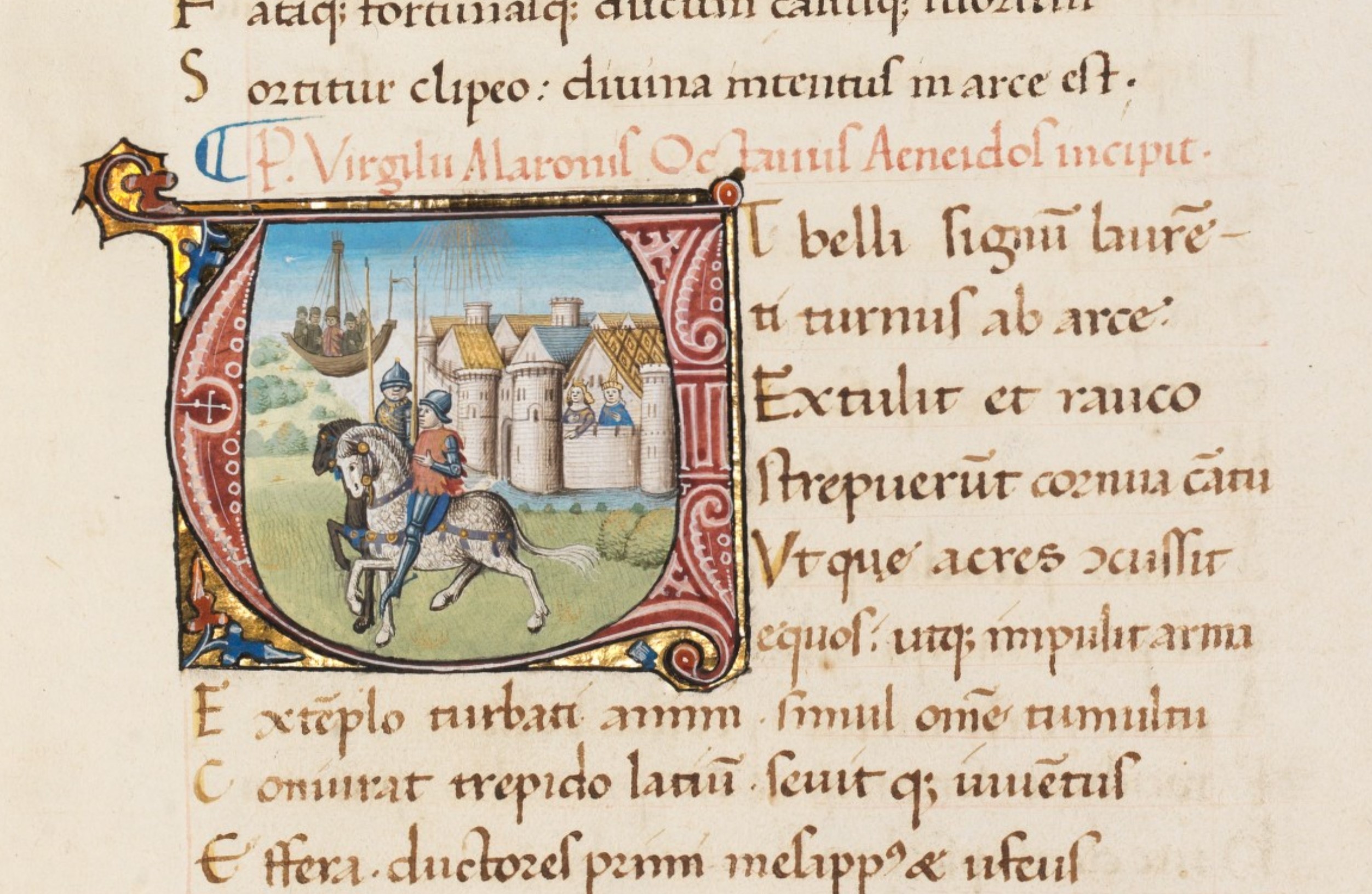
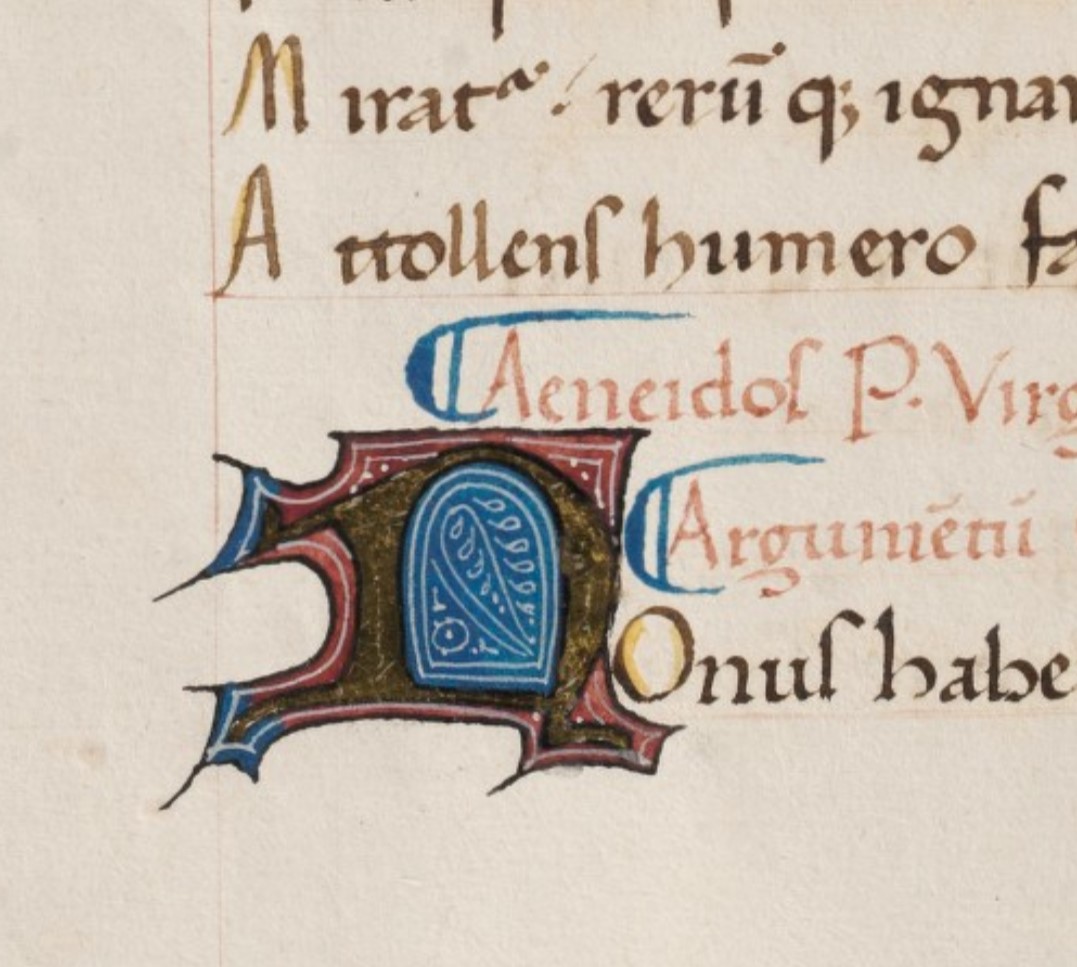
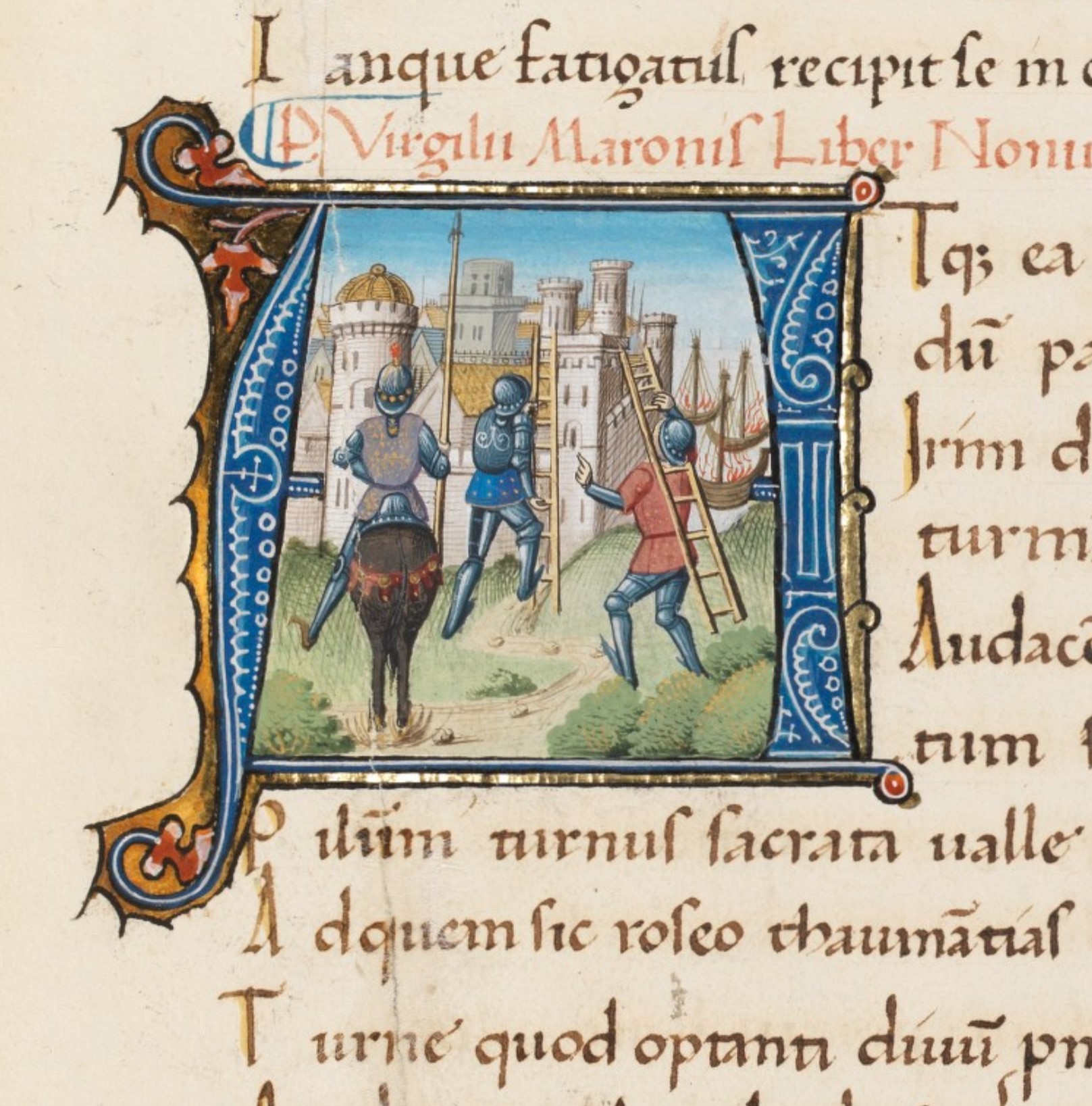
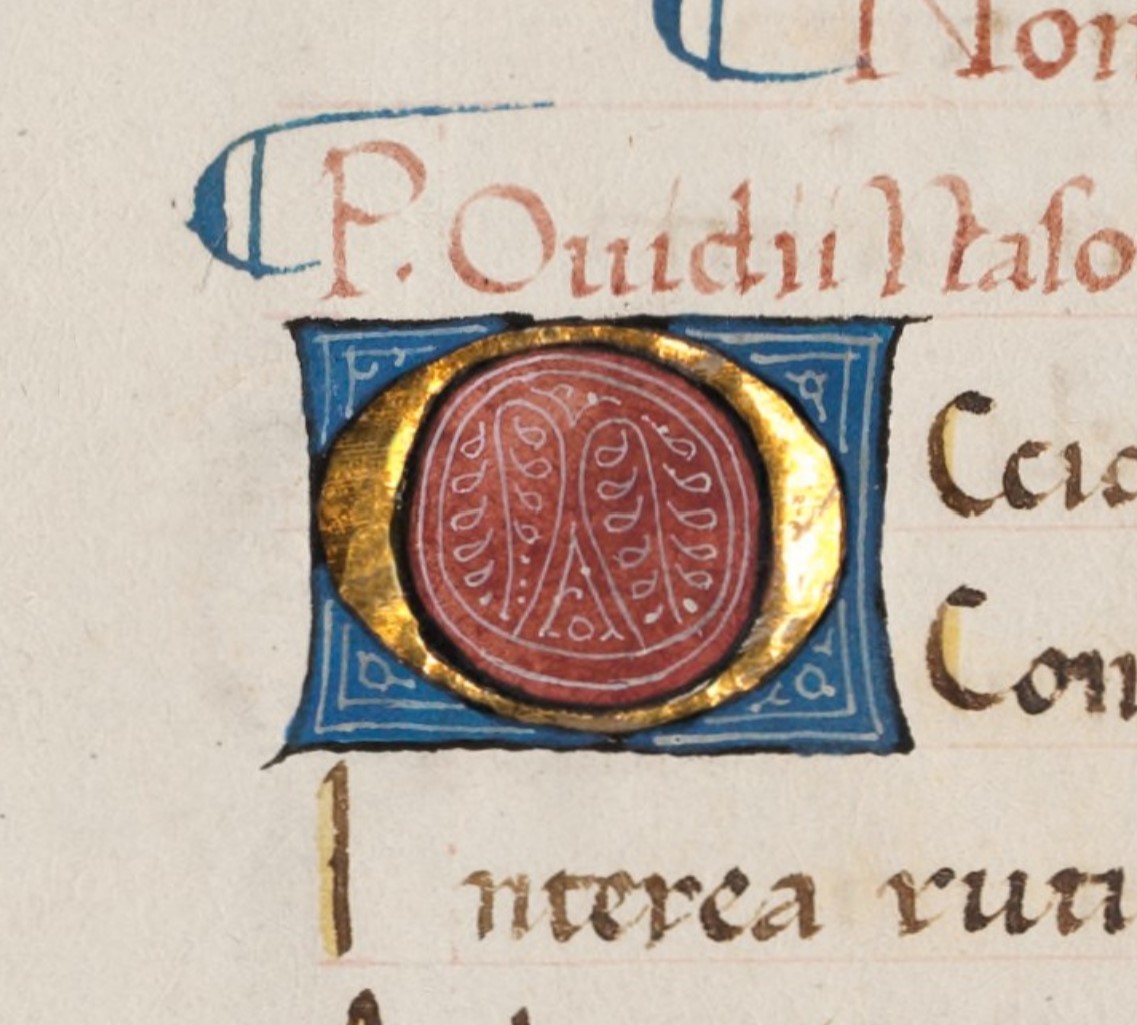
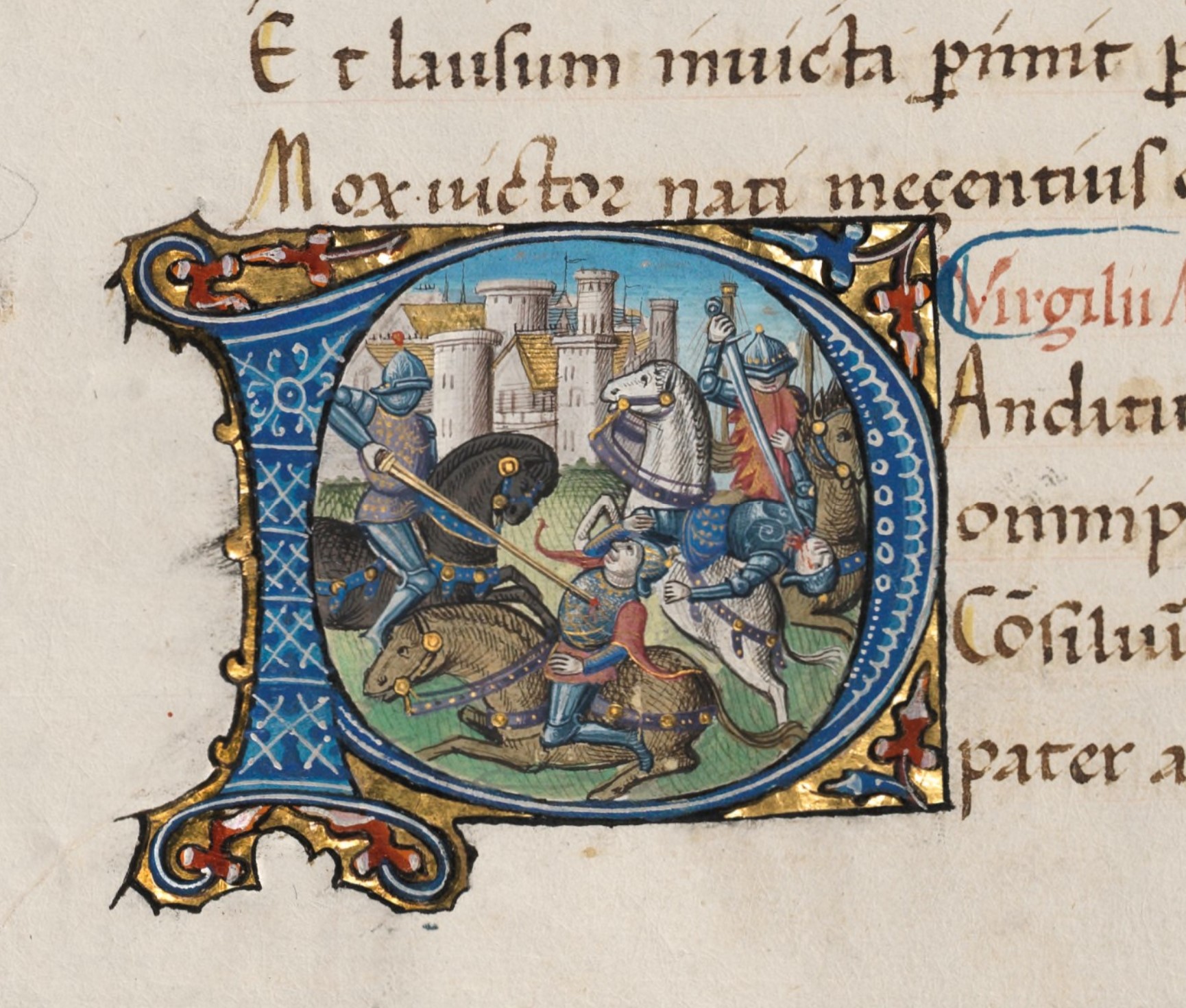
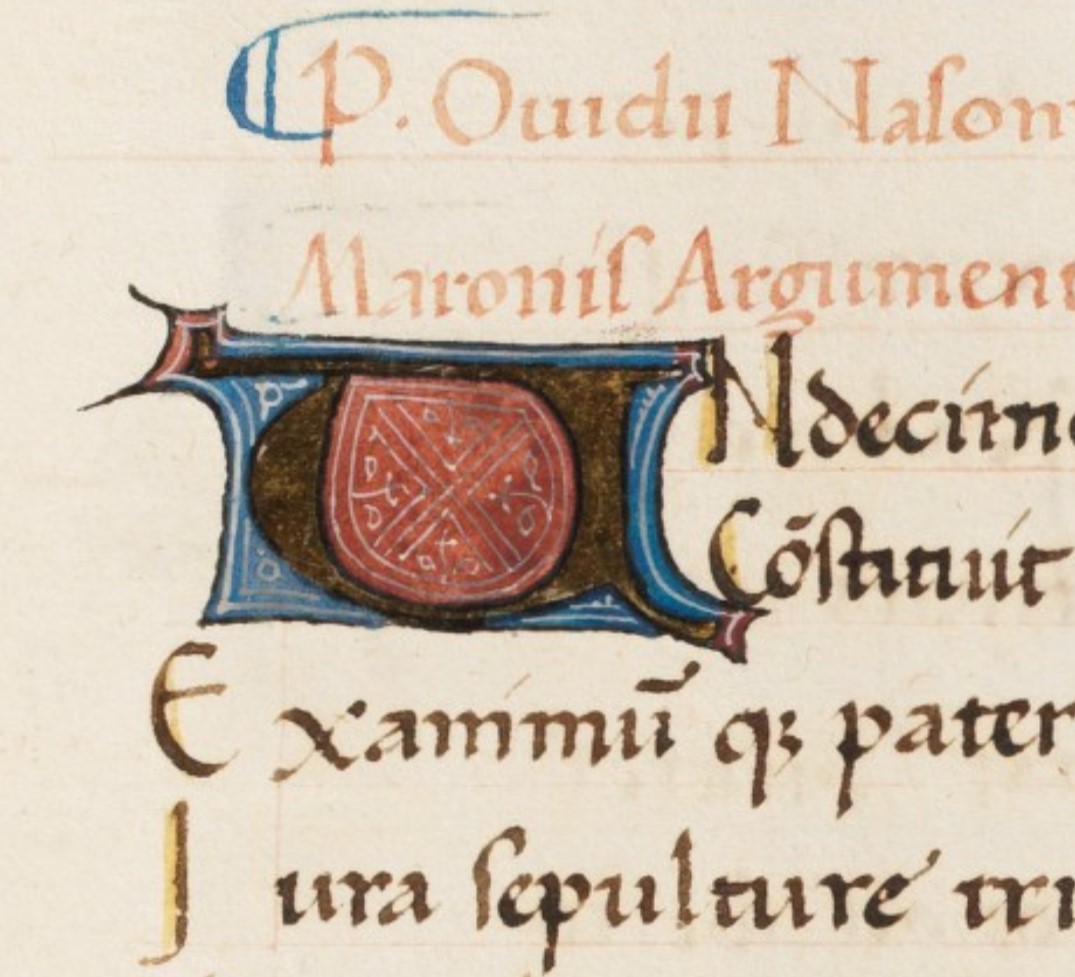
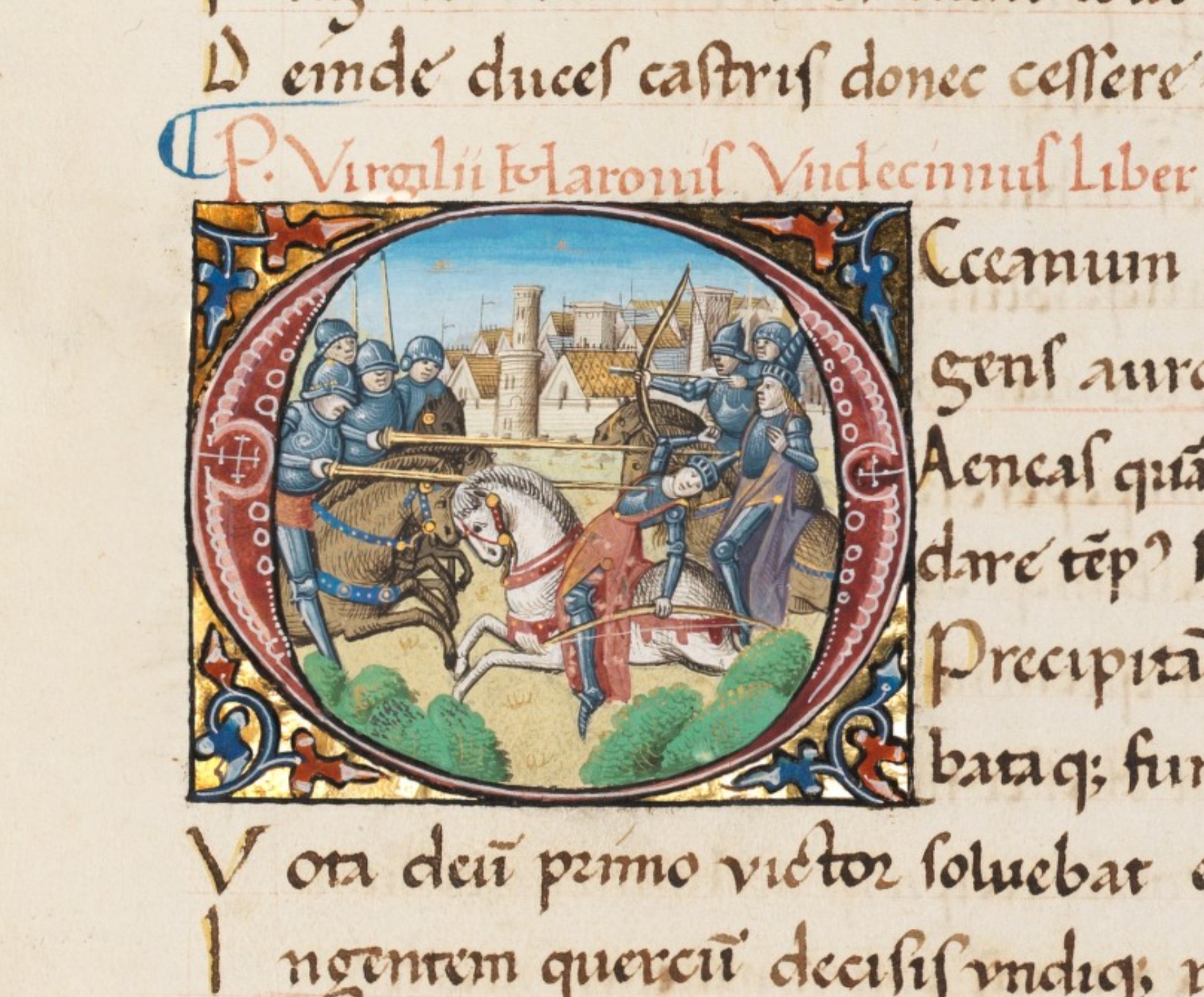
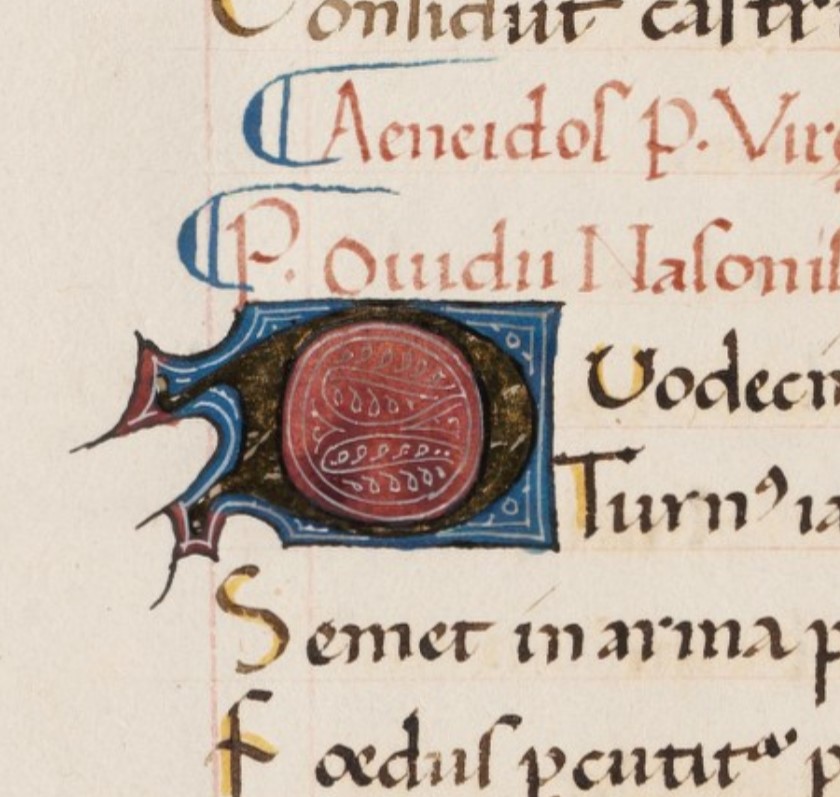
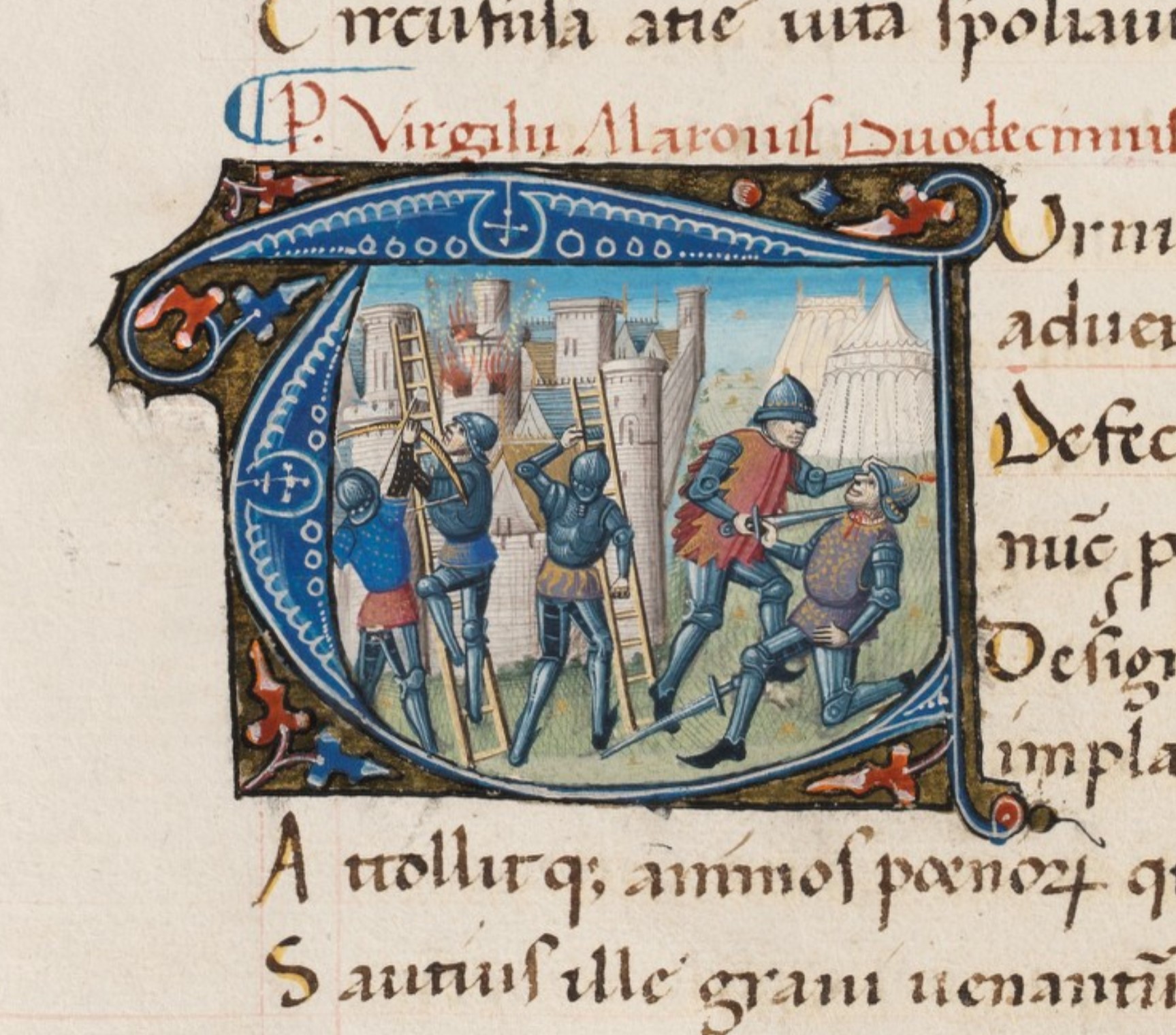
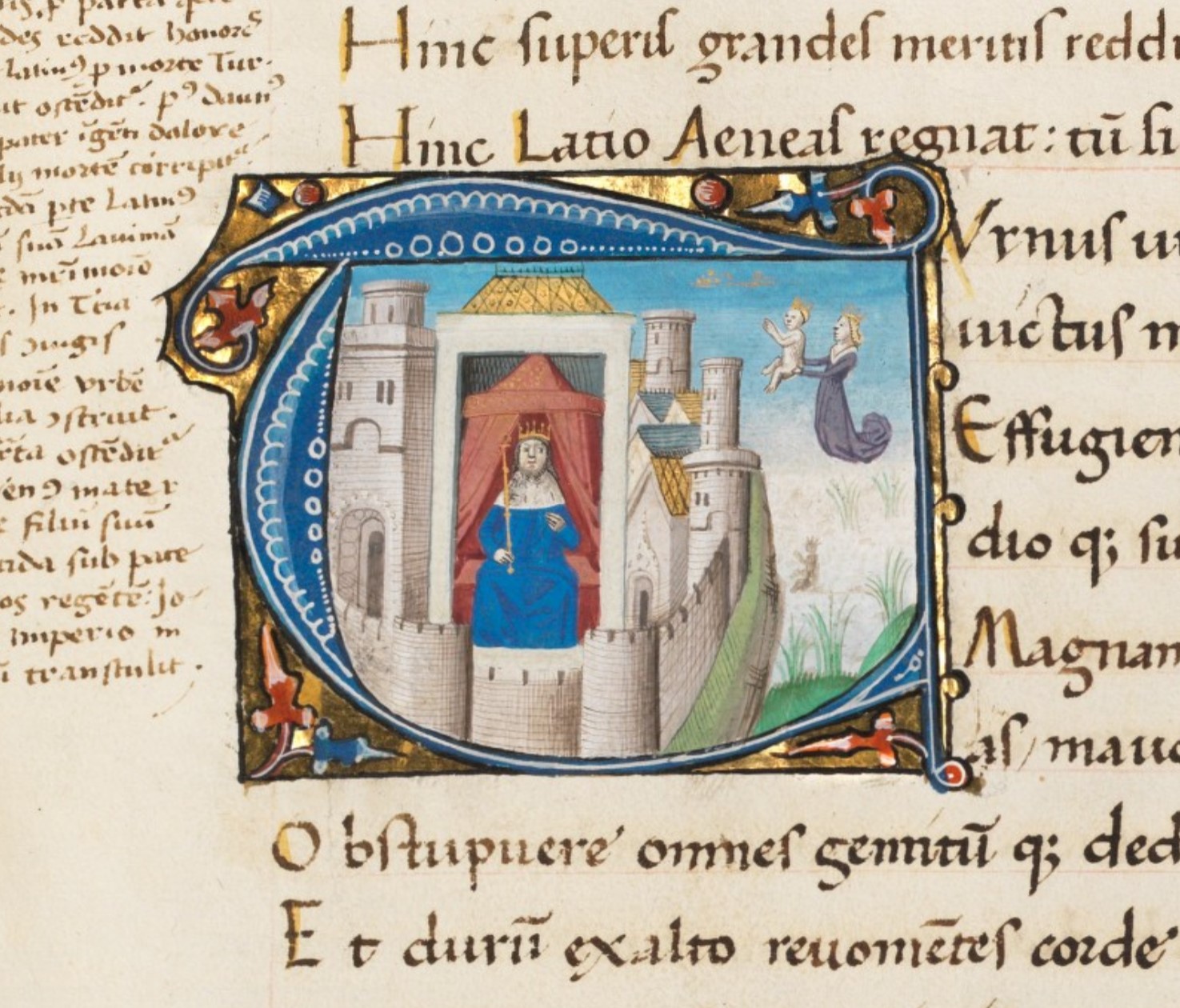
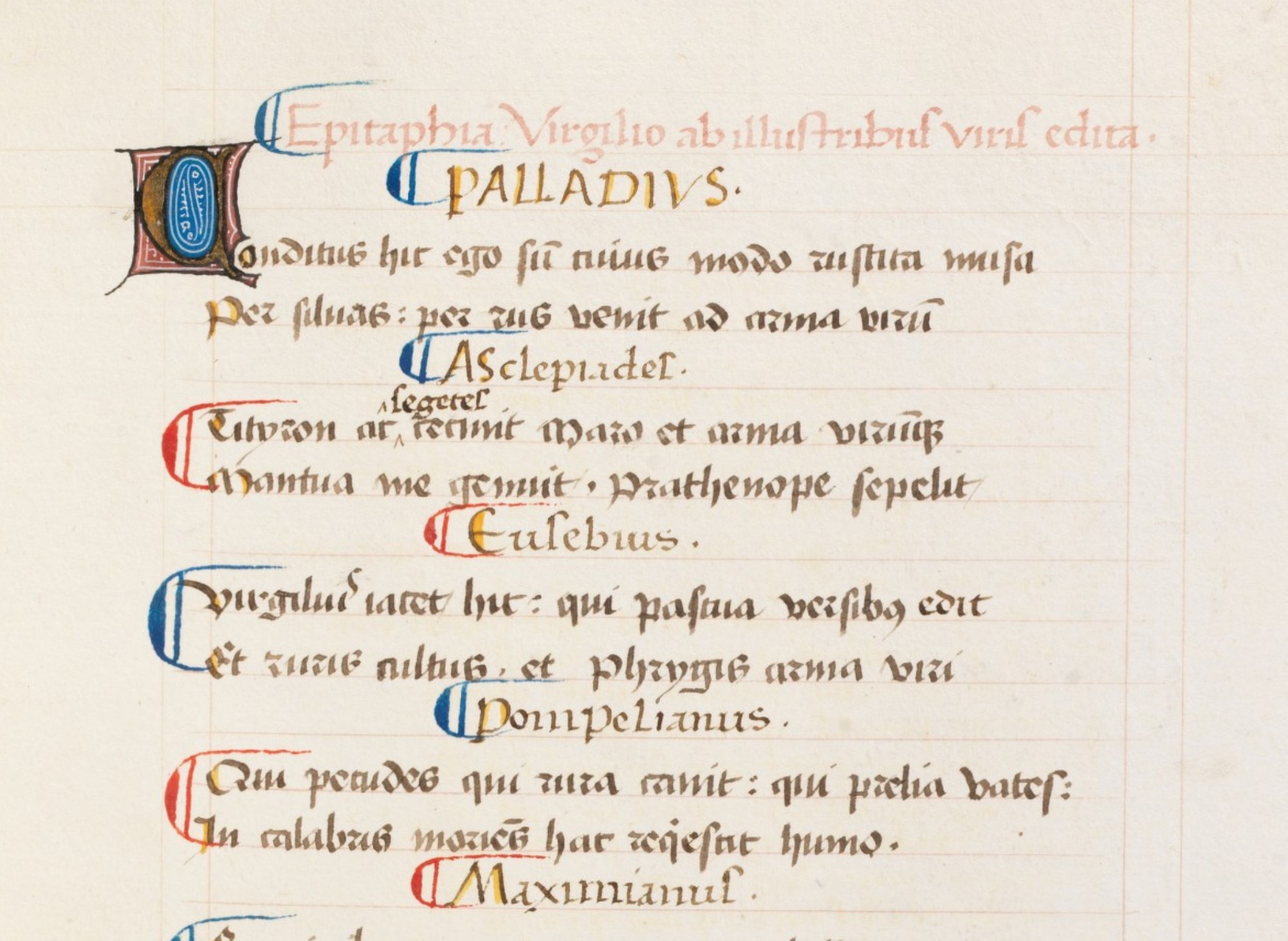
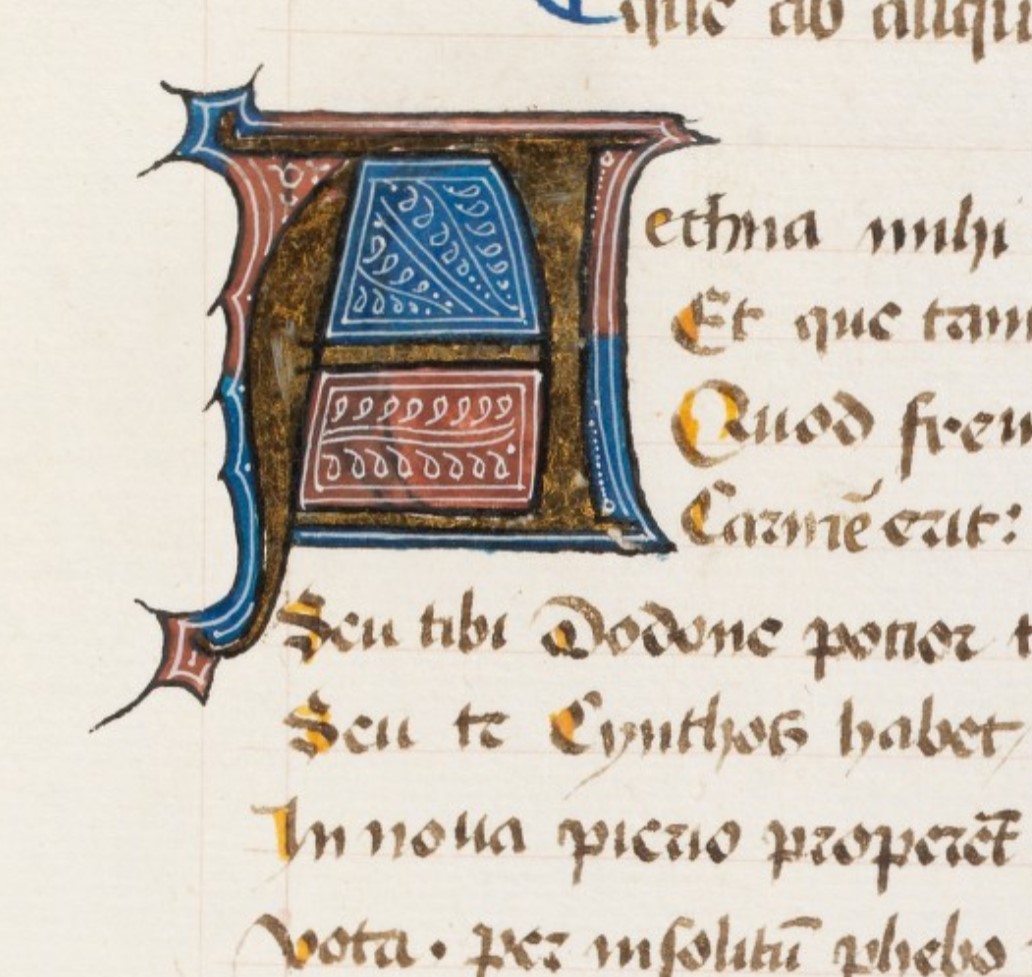
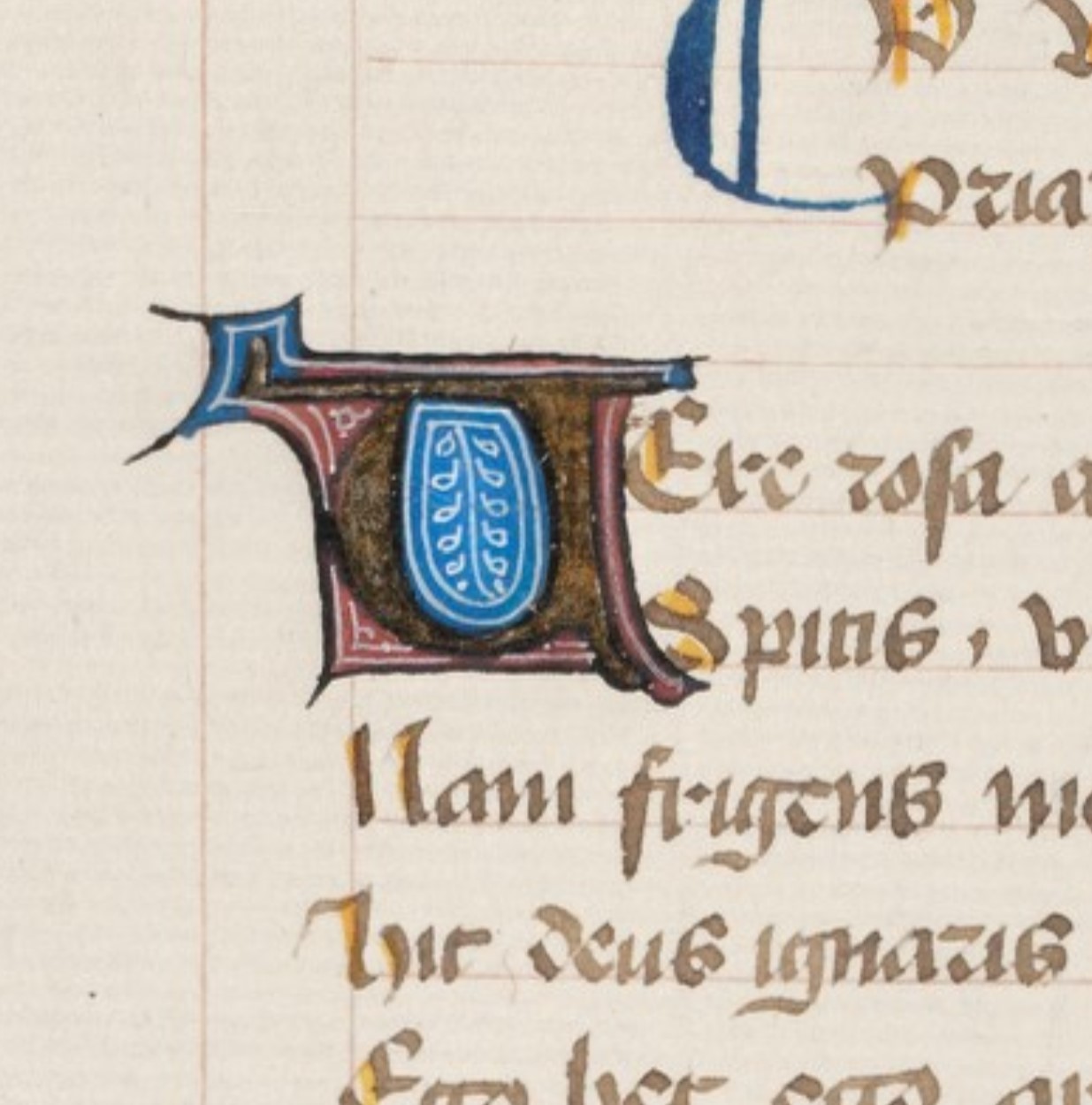
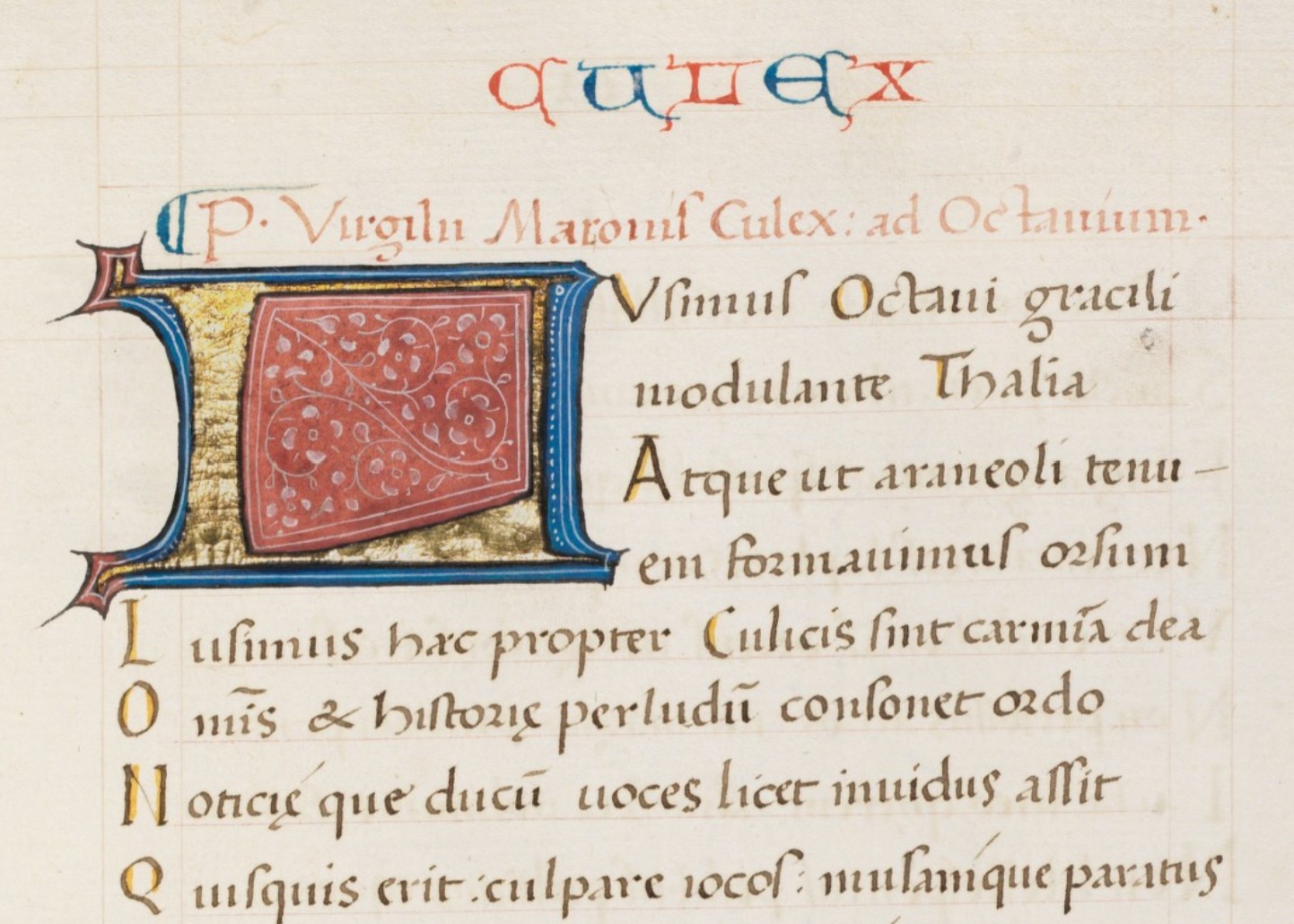
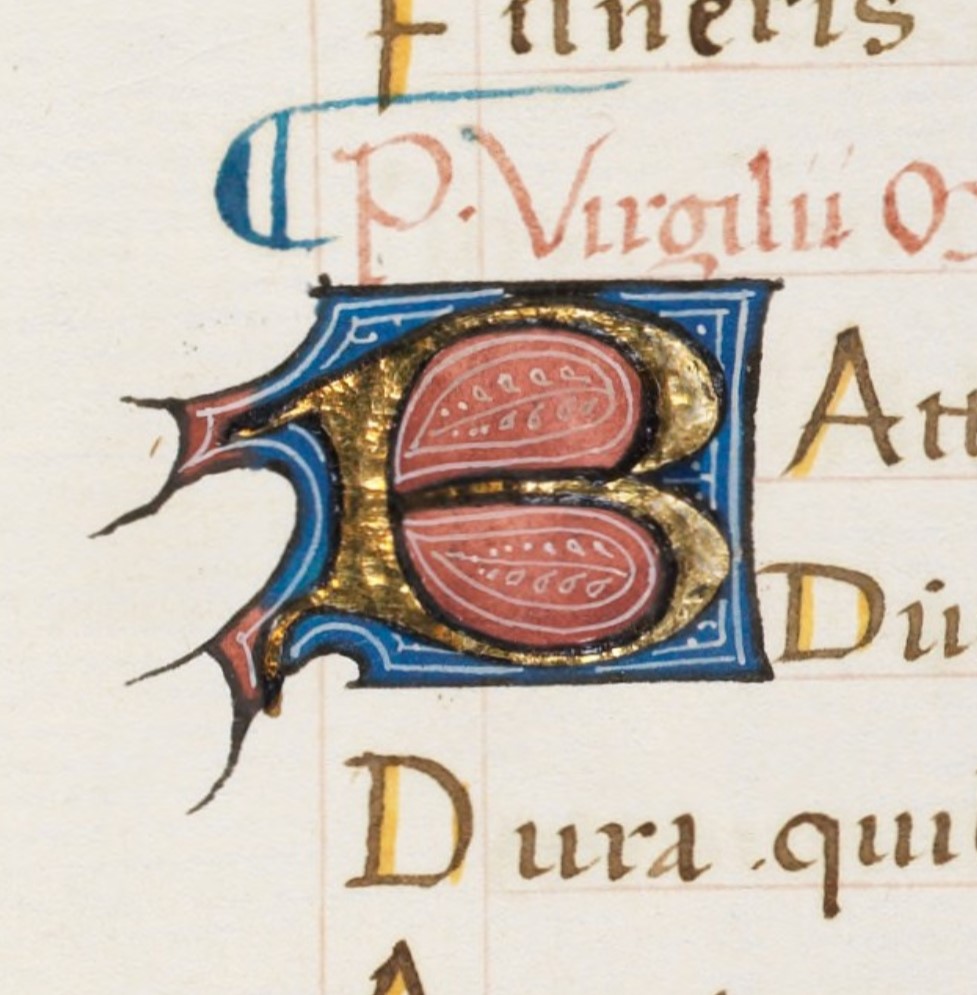
This manuscript was written by Johannes Heynlin during his time in Paris between 1469 and 1471. It contains three “classic works for education”, the (annotated) Bucolics, the Georgics, and the Aeneid by Virgil, as well as a whole series of pseudo-Virgilian works. The volume is finely decorated with figural initials from a Parisian studio with scenes from Virgil’s works. The manuscript was probably bound in Basel, perhaps at the instigation of the Carthusian monastery, into whose possession it came when Heynlin entered the monastery.
https://www.e-codices.unifr.ch/en/list/one/ubb/F-III-0003